

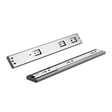

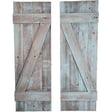
Hardware in Home Improvement
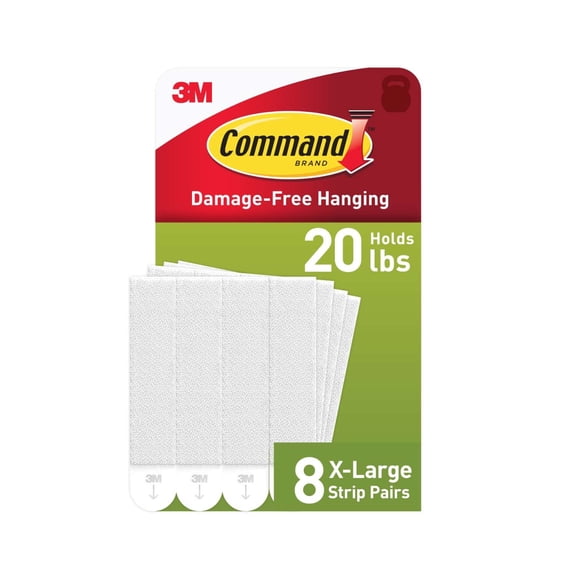



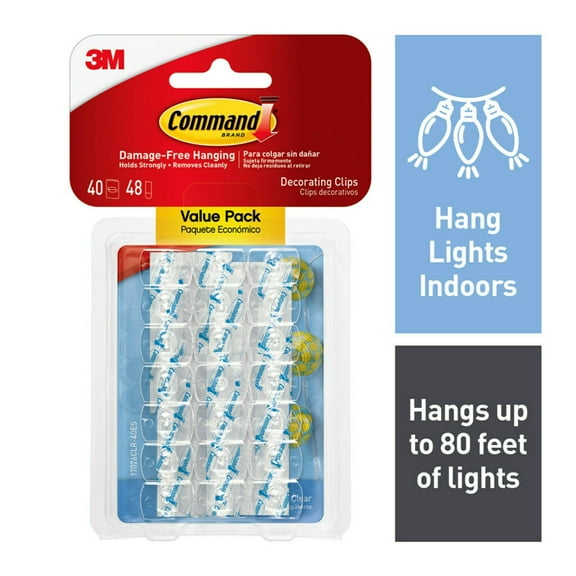


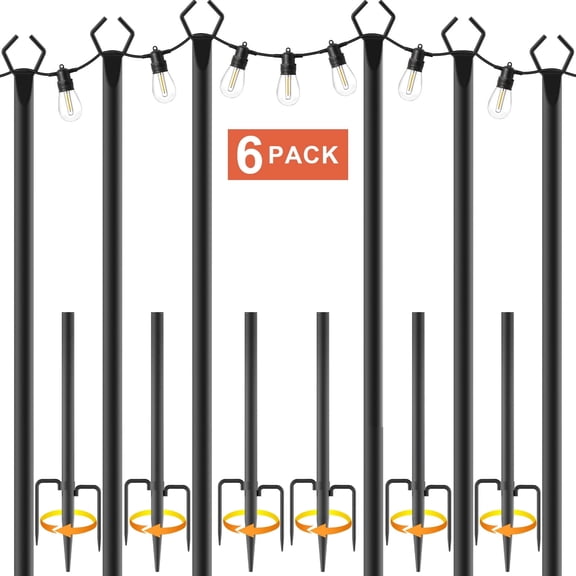
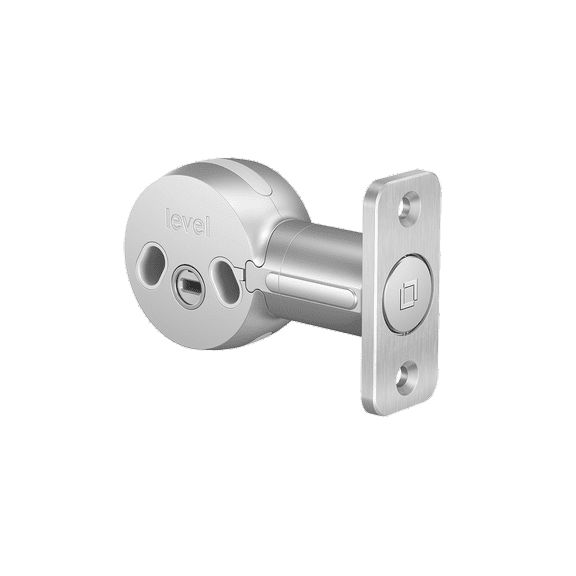
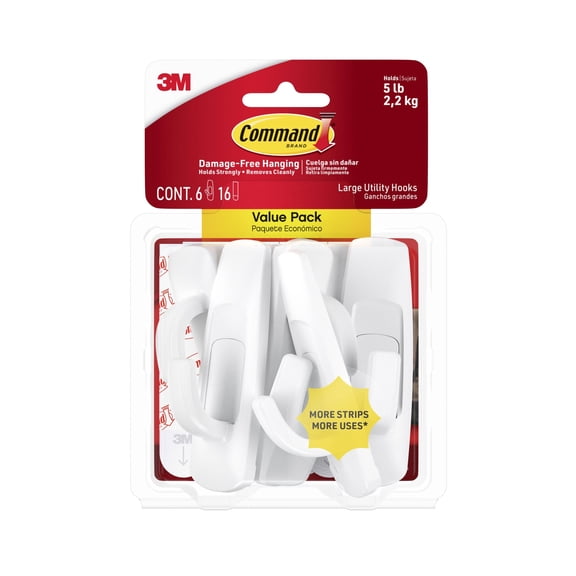


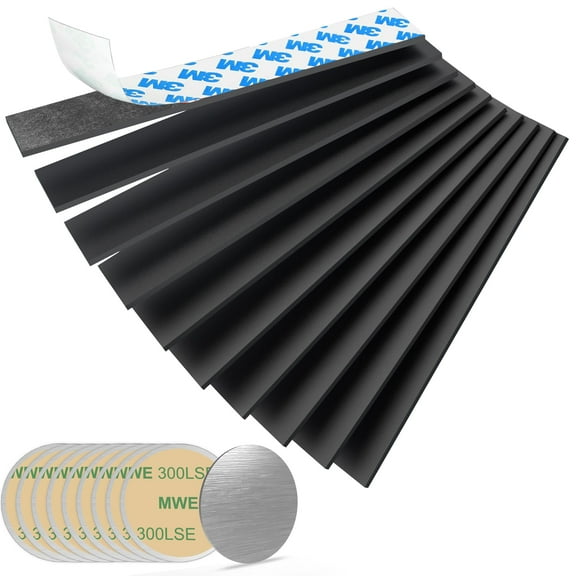

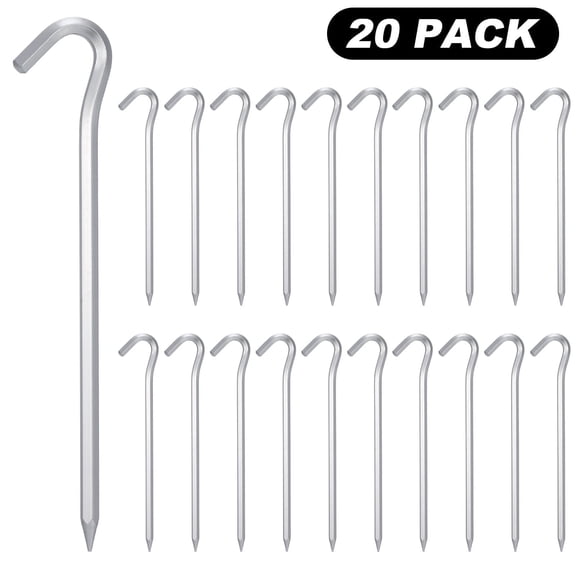
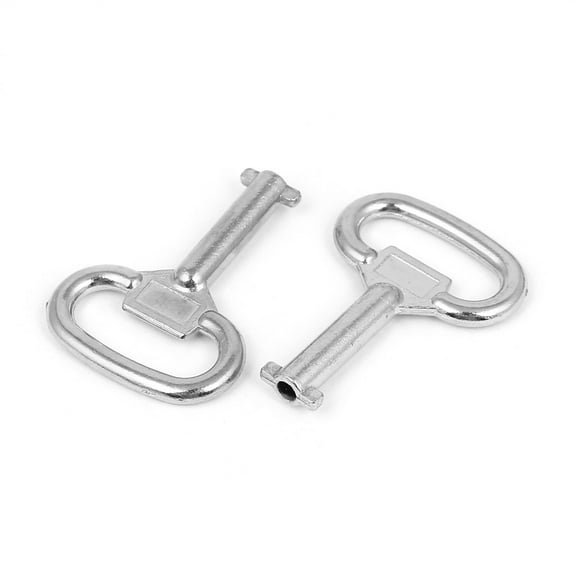

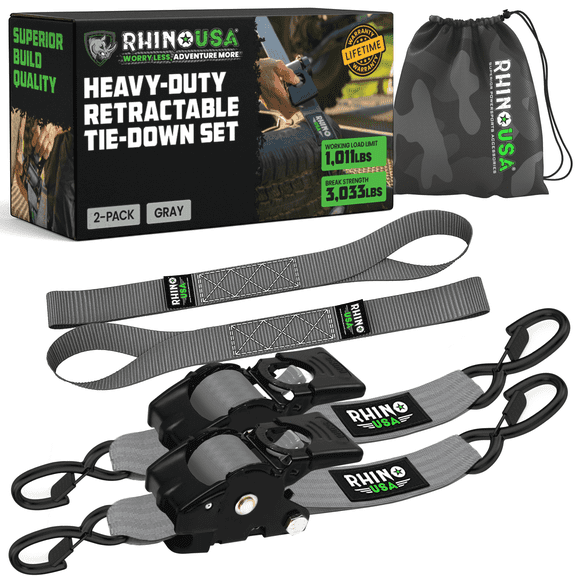


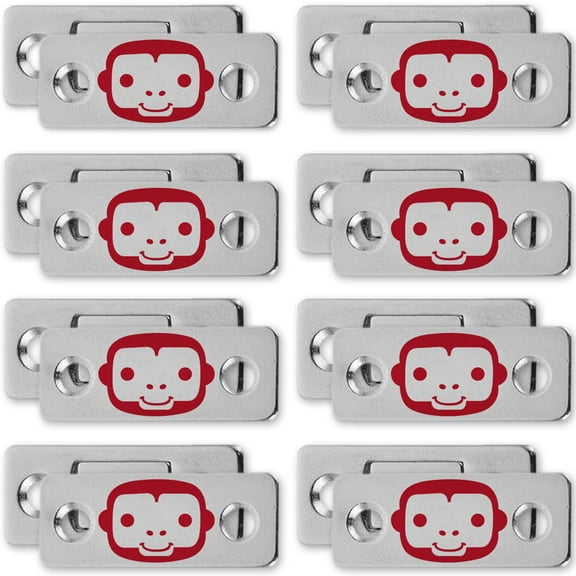









About Hardware in Home Improvement - Walmart.com
Hardware helps you finish repairs, upgrades, and build projects with the right fit from the start. You can compare hardware supplies by material, size, finish, and load needs, so your project feels organized and ready.
When you shop home hardware, you may need one small part or a full set for cabinets, doors, shelving, or framing. You'll find common project parts, seasonal replacements, and structural pieces in one category.
How to choose hardware supplies by project type
You can narrow hardware supplies faster when you match the part to the job first. Your cabinet refresh, shelf install, gate repair, and mailbox update each call for different shapes and holding strength.
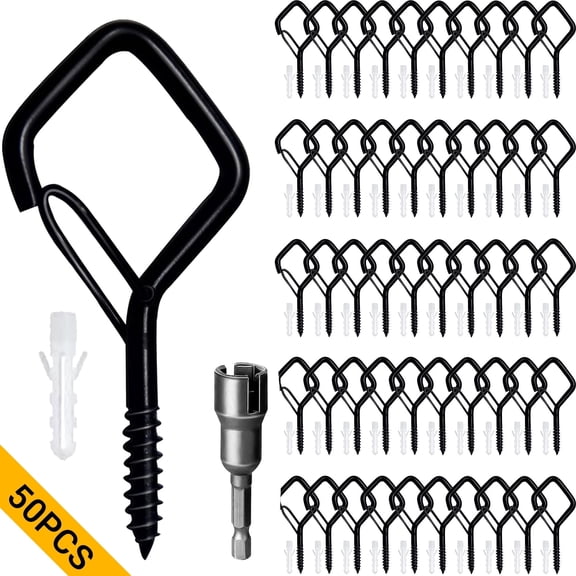
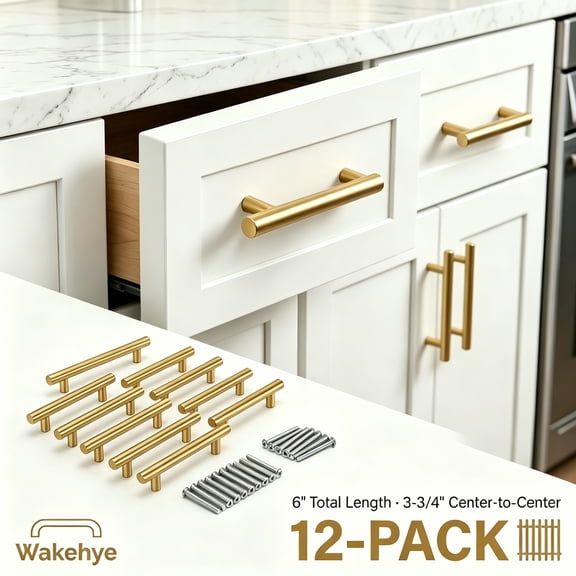
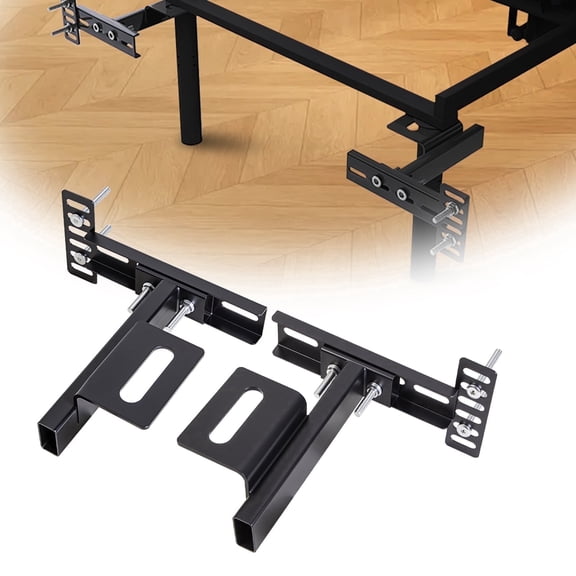
For indoor updates, you may compare cabinet hardware, hinges, brackets, and drawer pulls by finish and mounting style. For utility projects, you may look at fasteners, wall anchors, and brackets and braces that support daily use.
- You can match visible pieces like cabinet pulls and hinges to your room's finish.
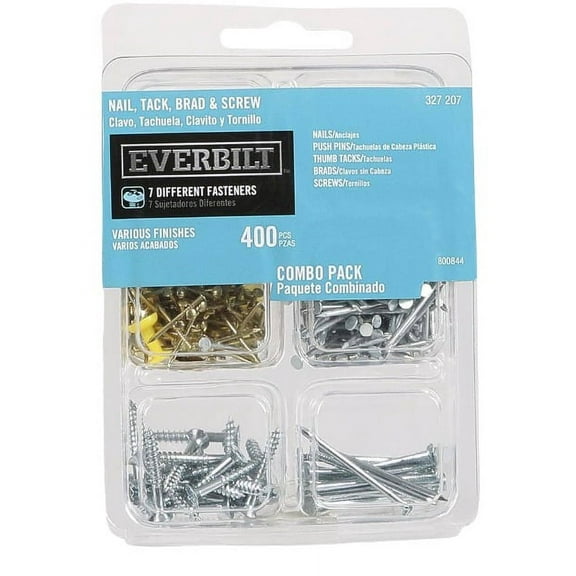
- You can choose screws and bolts by thread type, length, and head style.
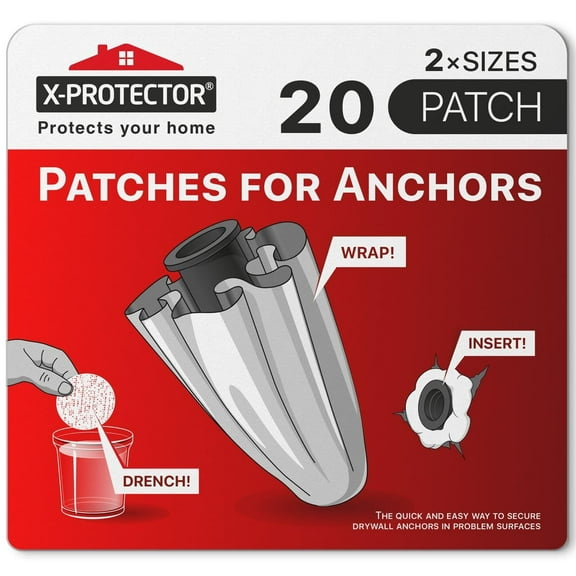
- You can compare wall anchors by light duty, medium duty, or heavy duty support.
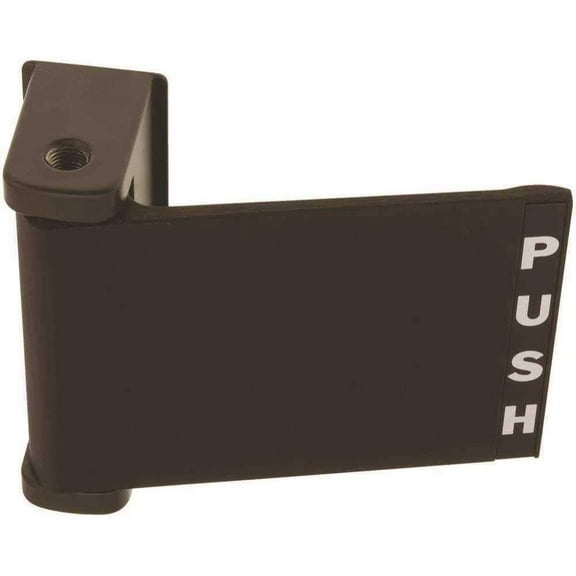
- You can find storm door hardware and mailbox replacement parts for seasonal upkeep.
You save time when you group your choices by function before comparing details. Your search gets simpler when you know whether you need fastening, hanging, joining, or decorative hardware.
Choosing the right material in hardware
You should compare material first because your environment affects how hardware performs over time. Your indoor pantry hinge needs differ from your outdoor gate latch or damp utility room fastener.
Stainless steel hardware works well when you want a clean look and dependable corrosion resistance. You may compare grade 304 and 316, since 316 often suits wetter settings and 304 fits many everyday projects.
Brass can help you create a warm, classic look on visible fixtures and cabinet hardware. Zinc-plated pieces can suit many general repairs when you want a practical finish for routine installation needs.
Carbon steel can make sense when you need sturdy fastening strength for framing or workshop tasks. You should check the stated finish and intended use, so your material choice matches your space.
Comparing cabinet hardware and visible finishes
You may want cabinet hardware that blends with appliances, faucets, lighting, or door levers. Your finish choice can shape the room's overall look even when you change only small details.
Matte black can give your kitchen or bath a crisp, modern contrast on light cabinets. Satin nickel can create a softer look, while polished chrome or bronze can support brighter or warmer designs.
You should measure hole spacing before choosing cabinet pulls or replacement handles. Your existing drill pattern often decides whether installation feels quick or requires extra patching and drilling.
When you compare hinges, pulls, and brackets together, you can keep your finish consistent across the room. Your project looks more pulled together when visible hardware shares the same tone.
Understanding fasteners, screws and bolts, and sizing
You need fasteners that match your material, hole size, and tool setup. Your project can go smoother when you check gauge, length, head style, and whether you need metric or standard sizing.
Coarse thread often works well when you want quicker grip in softer materials like wood. Fine thread can help when you need a tighter fit in metal or a more precise connection.
You may also compare thread pitch when you're replacing screws and bolts in existing hardware. Your replacement should match the original thread pattern, so the fastener seats correctly.
Metric sizing matters when your furniture, appliance, or imported fixture uses metric parts. Standard sizing fits many household repairs, so you should confirm measurements before you install anything.
Wall anchors and machine screws often require exact diameter and length matching. You can avoid repeat trips when you measure first and compare package details closely.
Checking load capacity for brackets and wall anchors
You should choose load support based on what you plan to mount and where it will sit. Your shelf, hook, mirror, or storage rail may need light duty, medium duty, or heavy duty hardware.
Light duty options can suit small décor, light organizers, or simple household touch-ups. Medium duty choices can fit many everyday shelves and utility mounts around your home.
Heavy duty hardware can help you support larger shelves, garage storage, or sturdier wall-mounted pieces. You should review the listed safe working load and mounting surface before making your choice.
Your drywall, wood stud, masonry, or metal surface affects which anchors and brackets you need. You get a more reliable result when your hardware matches both the item weight and wall material.
Using hardware for seasonal repairs and everyday upgrades
You can keep common projects moving when you have the right replacement parts ready. Your list may include storm door hardware, mailbox replacement parts, cabinet hinges, shelf brackets, or utility fasteners.
For a kitchen refresh, you might pair black cabinet hardware with new hinges and matching drawer pulls. For a garage project, you may choose brackets and braces with heavy duty anchors for organized wall storage.
When you repair outdoor fixtures, you may look for stainless steel hardware or zinc-plated pieces that suit changing weather. Your exterior updates can feel more complete when parts match the location and finish.
You can approach hardware with more confidence when you compare materials, sizing, finishes, and load needs together. Your project stays on track when each part fits your space, your tools, and your plan.