Grills in Outdoor Cooking

About Grills in Outdoor Cooking - Walmart.com
Outdoor grills help you turn your patio, deck, or campsite into a dependable cooking zone. You can compare fuel types, grill styles, cooking area, and materials, so your setup fits your space and routine.
When you shop this category, you can narrow choices by how you cook outside. You can compare gas, charcoal, pellet, and electric models by heat control, flavor style, and cleanup effort.
Choosing outdoor grills by fuel type
You should start with fuel type because it shapes preheat time, flavor, temperature control, and daily convenience. You can choose gas for fast ignition, charcoal for smoky flavor, pellet for steady heat, or electric when space rules matter.
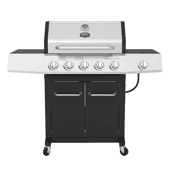
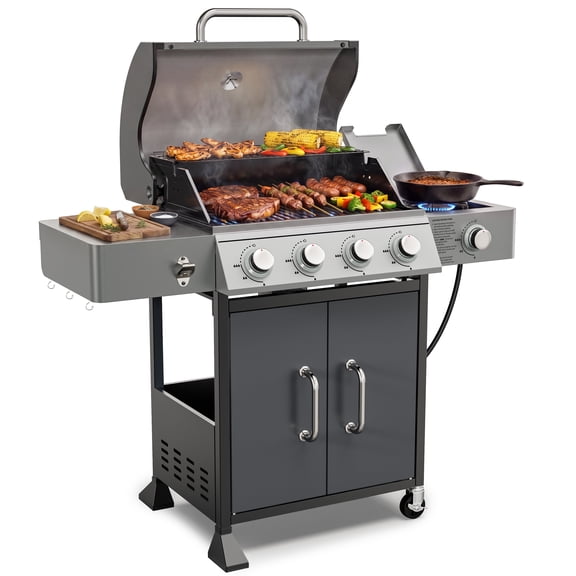
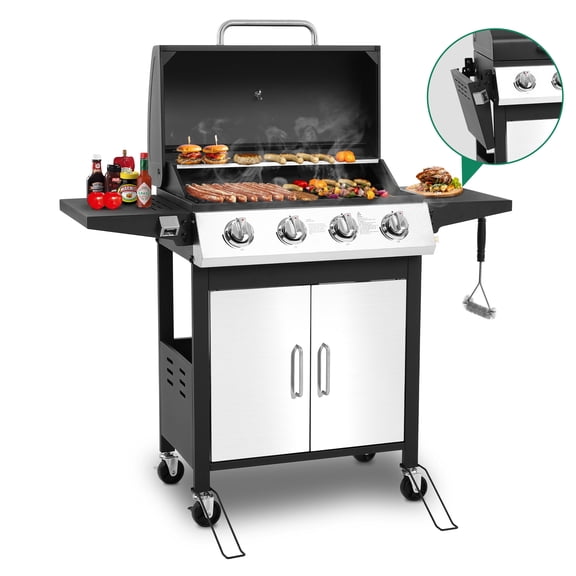
If you compare gas models, you should check BTUs, burner layout, and the ignition system. You can use BTUs as a heating clue, but your burner spacing and lid fit also affect cooking performance.
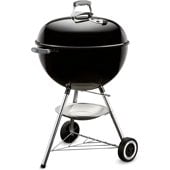
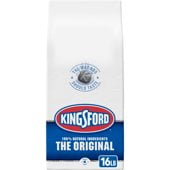
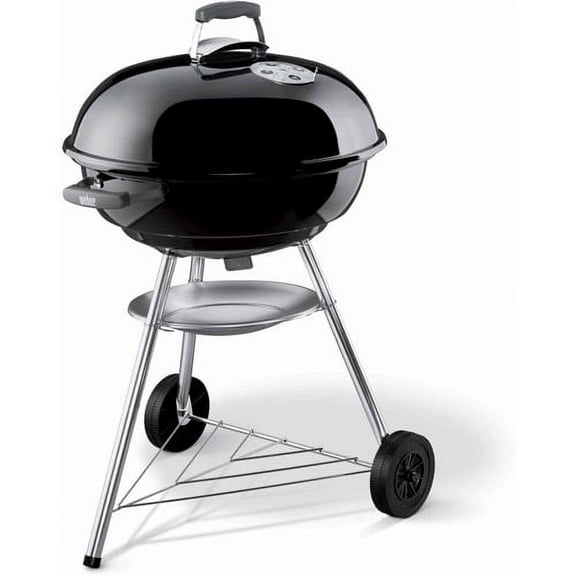
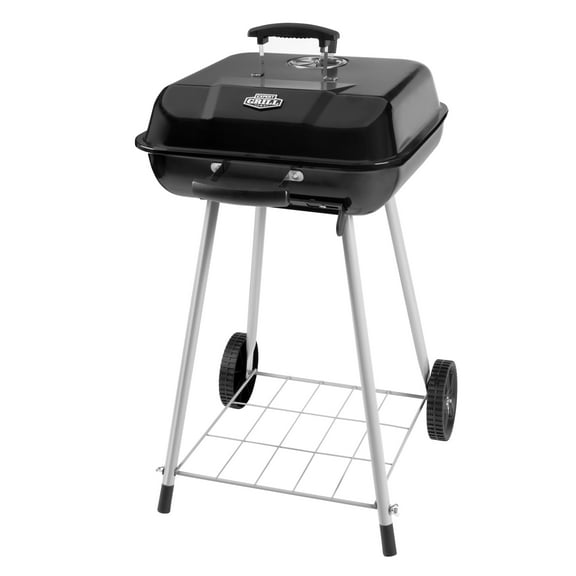
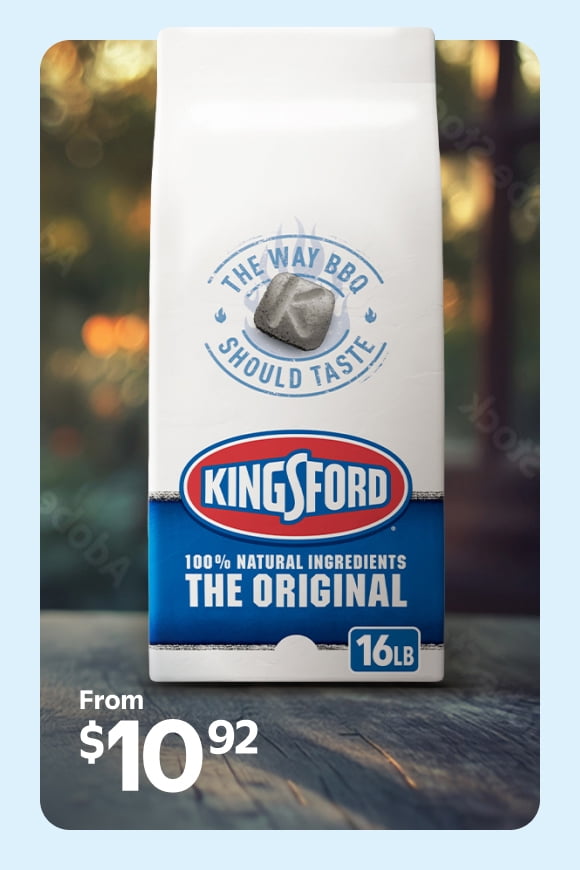
When you look at charcoal options, you should consider airflow vents, ash access, and grate adjustment. You can fine-tune heat by raising coals, opening vents, and using a kettle shape for direct or indirect cooking.
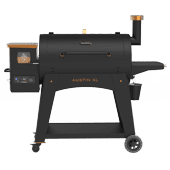
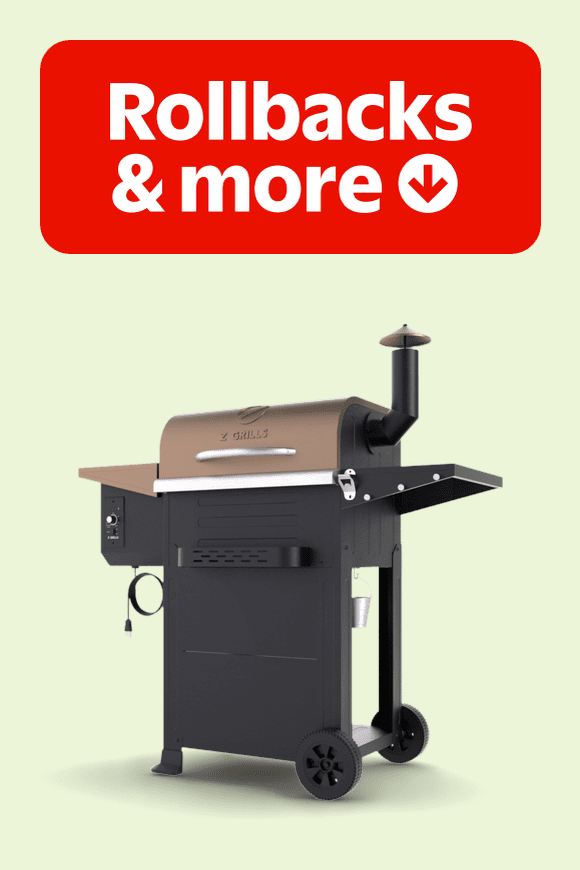
With pellet choices, you should compare hopper capacity and temperature range before deciding. You can appreciate a wider range when your menu includes low-and-slow smoking one day and hotter searing the next.
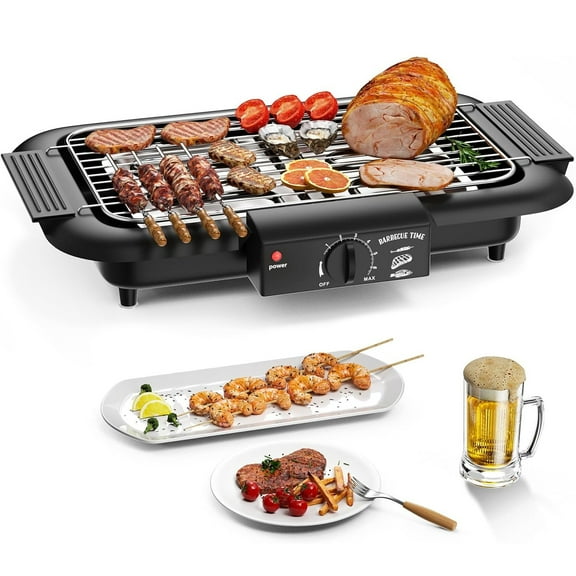
If you need an outdoor cooking grill for a smaller setup, you can consider electric models. You can get straightforward controls and plug-in convenience when open-flame options don’t match your space.
What to look for in barbecues and grill styles
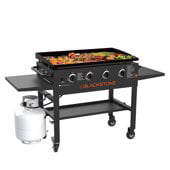
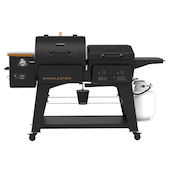
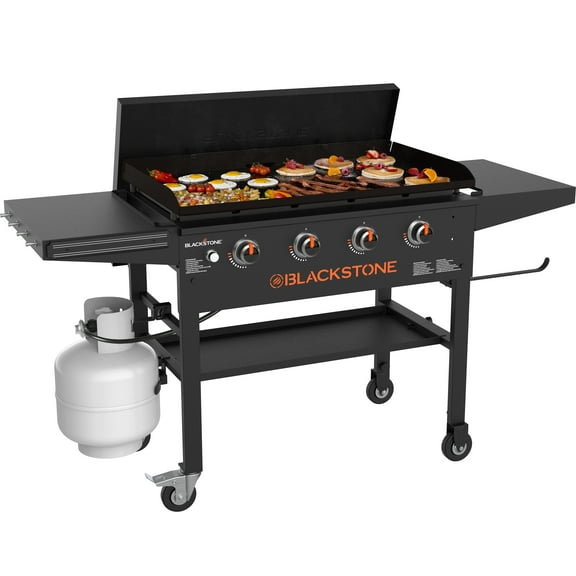
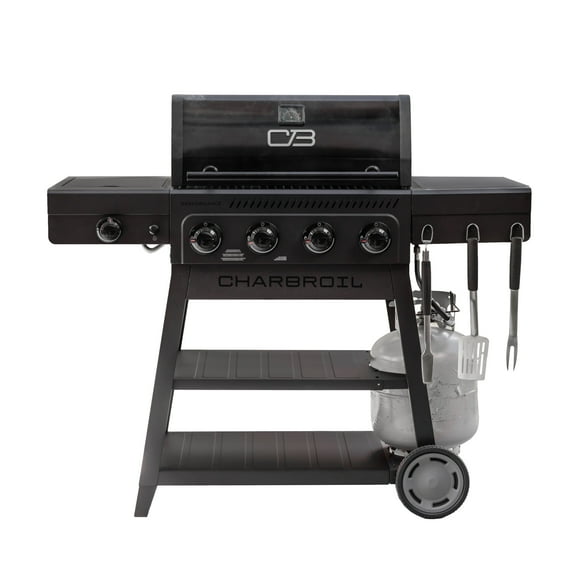
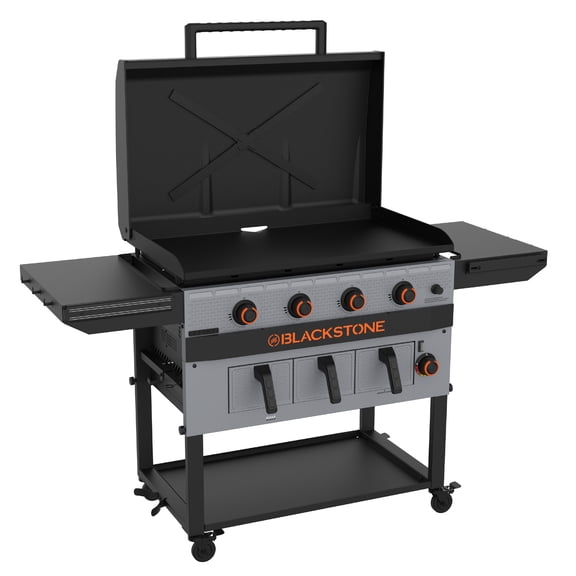
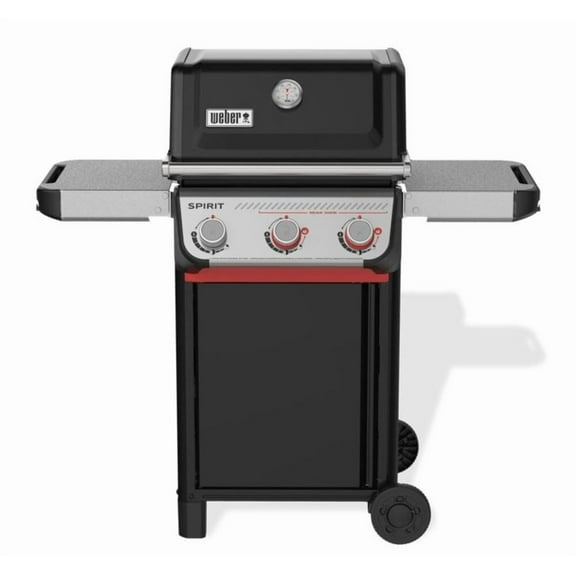
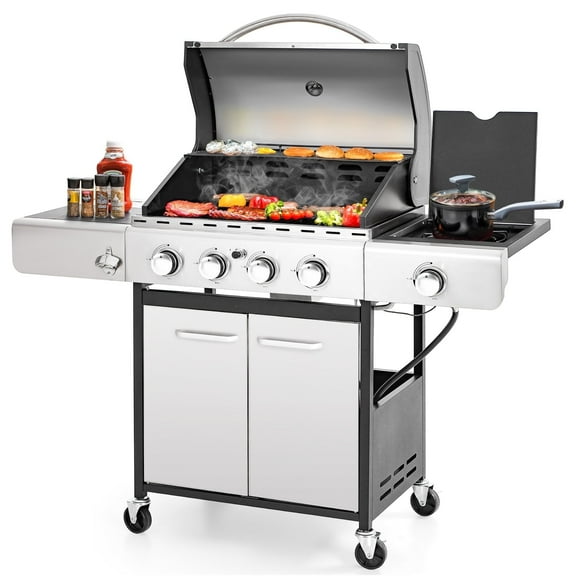
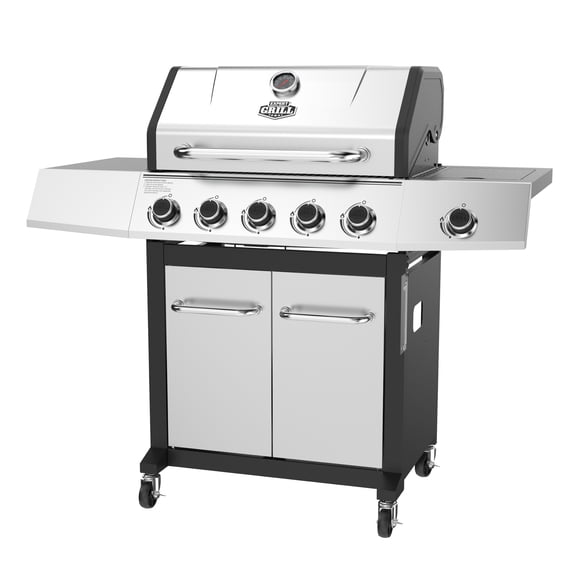
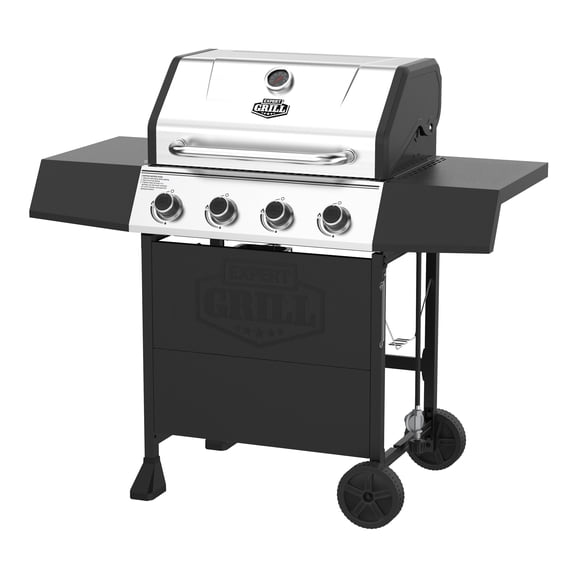
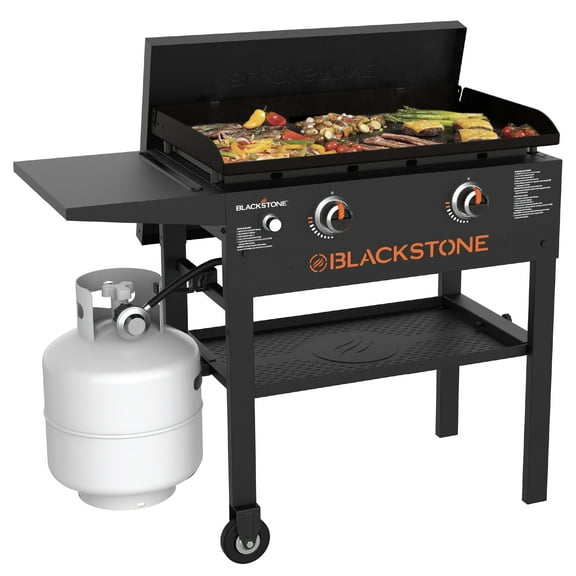
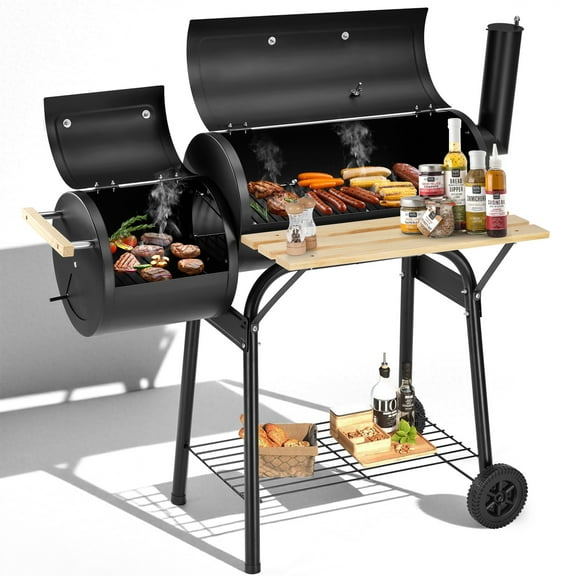
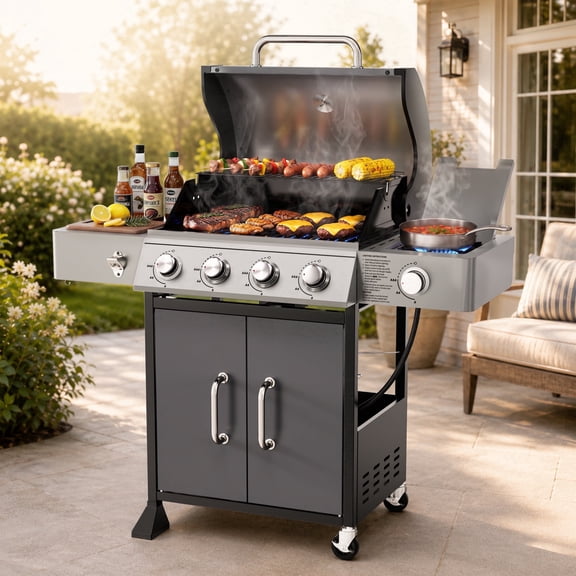
You should match grill style to how you cook and where you place it. You can choose cart grills for patios, portable grills for travel, built-in grills for outdoor kitchens, and kettle grills for classic charcoal cooking.
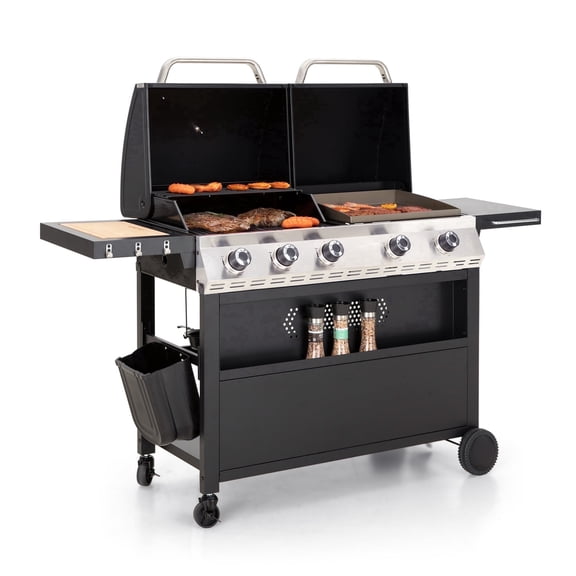
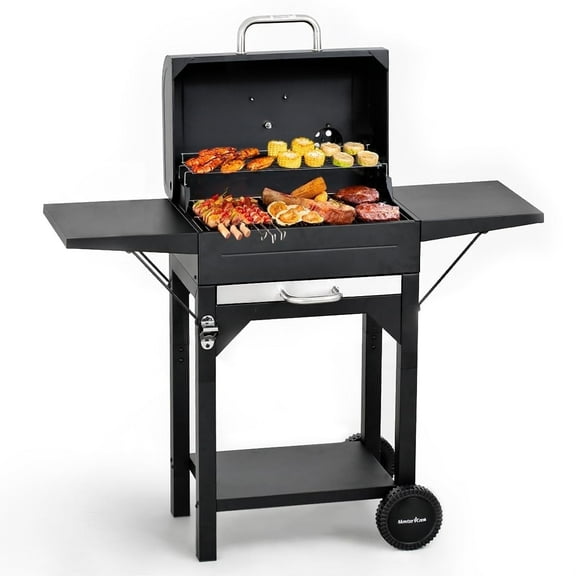
- You can pick cart styles when you want side shelves, storage, and room to prep outdoors.
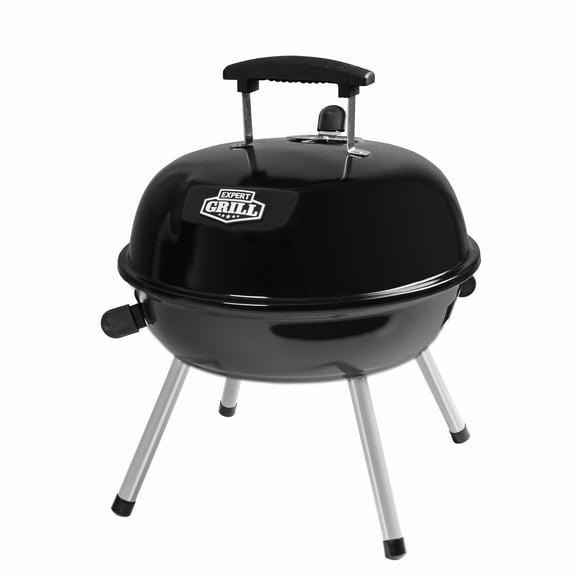
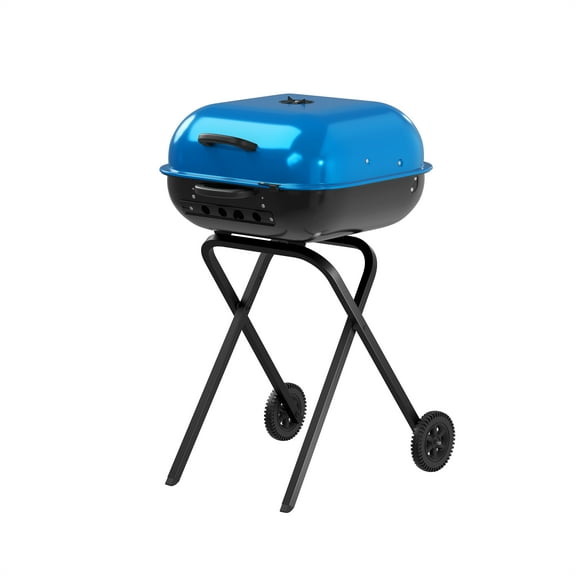
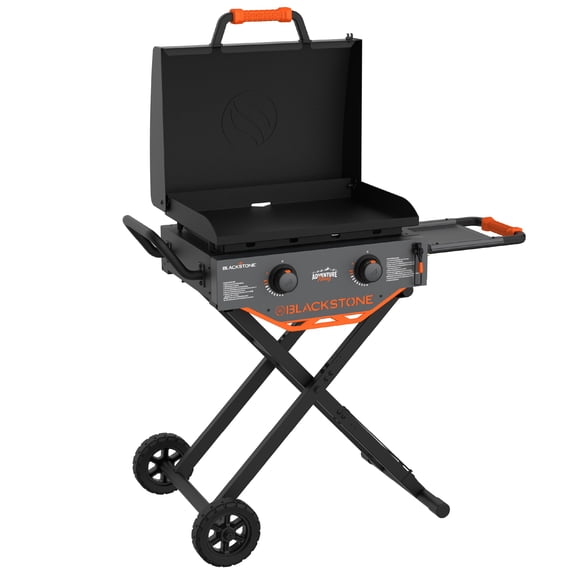
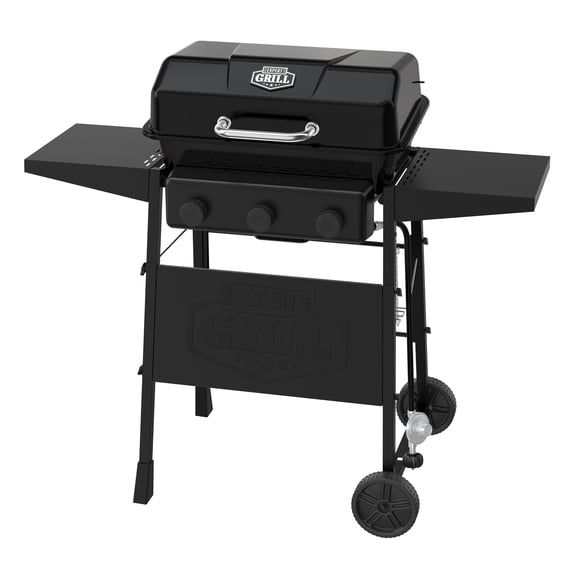
- You may prefer portable styles when you need lighter weight and easier transport for camping or tailgates.
- You can choose built-in styles when you’re planning a fixed island layout with a custom outdoor kitchen feel.
- You might like kettle styles when you want flexible charcoal cooking with rounded heat circulation.
You should also compare assembly details, wheel design, and handle placement before deciding. You can notice those features matter when you move your grill across a patio or store it between cookouts.
If you’re choosing among outdoor bbq grills for frequent use, you should check lid height and warming space. You can fit taller foods more easily when the hood gives your cooking surface extra clearance.
Choosing the right cooking area and capacity
You should pick cooking area based on burger count and your outdoor footprint. You can avoid crowding your patio when you match a compact grill to small meals and a larger grill to group cooking.
For small cooking areas, you can usually handle one to three servings without taking much floor space. You can find these grills easier to place on compact patios, balconies, or travel setups.
For medium cooking areas, you can often cook four to six servings in one round. You can appreciate that size when your weeknight routine includes family meals and occasional guests.
Large cooking areas can support seven or more servings, so you can manage parties with fewer batches. You should measure your patio depth and storage space before choosing a wider cart or longer built-in setup.
If you’re comparing an outdoors grill for hosting, you should think about primary grate space and warming racks together. You can keep buns, vegetables, or finished foods ready while your main surface stays focused on searing.
Comparing materials, heat parts, and upkeep
You should check materials closely because they affect cleanup, heat retention, and outdoor durability. You can often see stainless steel, cast iron, and porcelain-coated steel across grates, lids, and fireboxes.
When you compare stainless steel, you should know that 304 and 430 grades serve different priorities. You can see 304 used when corrosion resistance matters more, while 430 can still suit many covered patio setups.
Cast iron parts can give you strong heat retention, so you can get defined grill marks and steady surface heat. You should look for coated cast iron if you want easier maintenance after frequent cooking.
Porcelain-coated steel can give you a smooth cooking surface and simpler wipe-downs after meals. You should compare coating coverage and edge finish because those details affect everyday wear.
You should also review grates, burners, grease management, and thermometer placement before you decide. You can judge a grill for outdoor use more accurately when you connect each feature to cleanup time and cooking control.
Matching outdoor grills to your cooking routine
You should think about where and how you cook before narrowing your options. You can match fuel type, size, and style more confidently when your routine is clear.
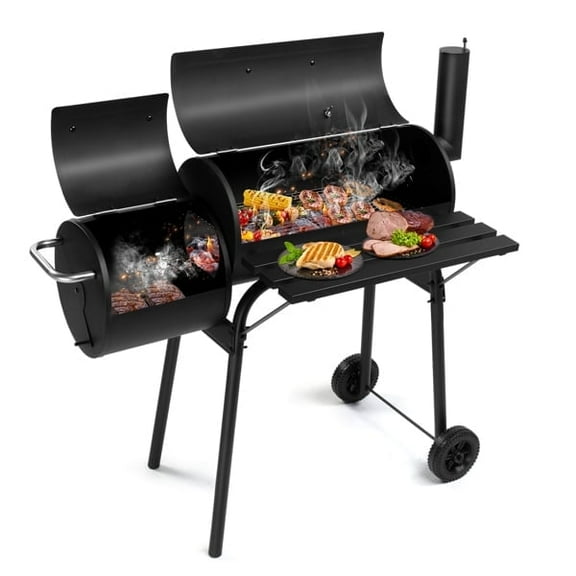
If you host weekend barbecues, you may want gas or pellet outdoor grills with medium or large cooking areas. You can get room for burgers, vegetables, and sides without juggling too many cooking rounds.
When you cook at campsites, tailgates, or parks, you should focus on portable frames and easy transport. You can benefit from lighter builds, folding legs, or compact cart designs that fit your vehicle better.
If your plan includes a patio renovation, you can compare built-in grills with stainless steel construction and generous grate space. You can create a more integrated outdoor kitchen setup that supports regular entertaining.
For quick weeknight cooking, you might prefer gas ignition or electric controls that reduce setup steps. You can preheat faster and keep dinner moving when your schedule leaves little extra time.
When smoky flavor is your main priority, you should compare charcoal kettles and pellet models with adjustable temperature ranges. You can have more flexibility for ribs, wings, vegetables, and slower weekend cooks.
Outdoor grills make more sense when you choose them by fuel, capacity, material, and mobility instead of looks alone. This helps you find a setup that fits your backyard, your menu, and your cleanup routine.