

Gridwall Panels and Display Racks
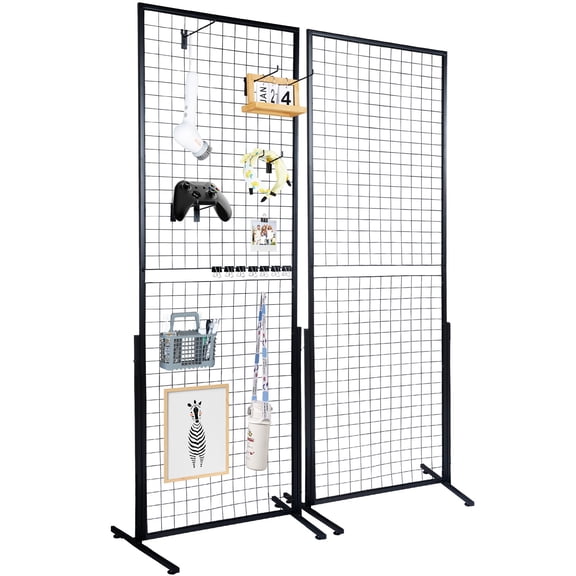

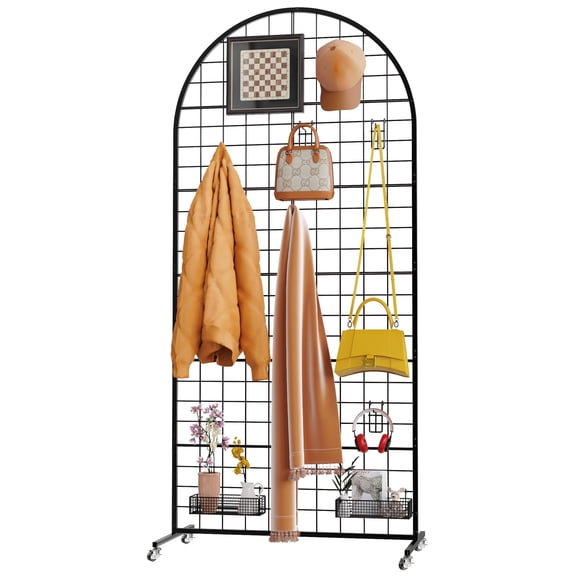
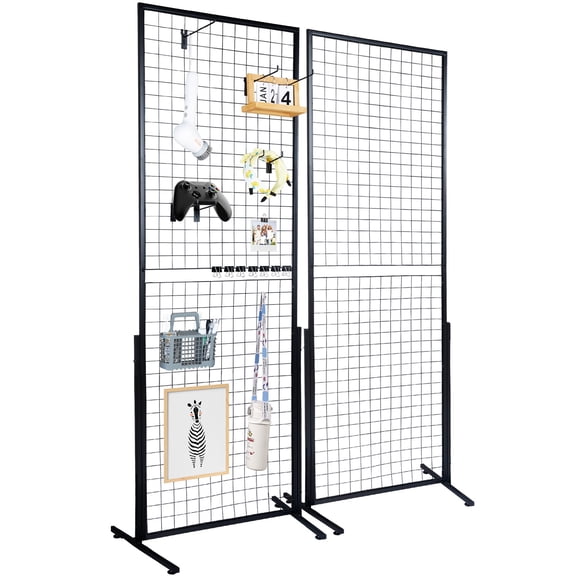
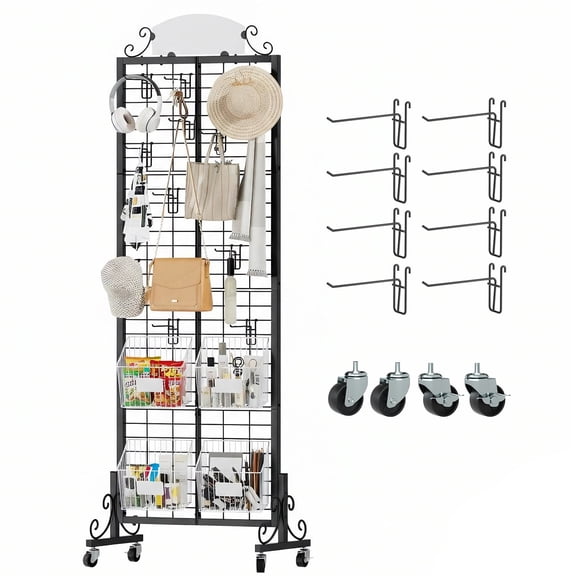













About Gridwall Panels and Display Racks - Walmart.com
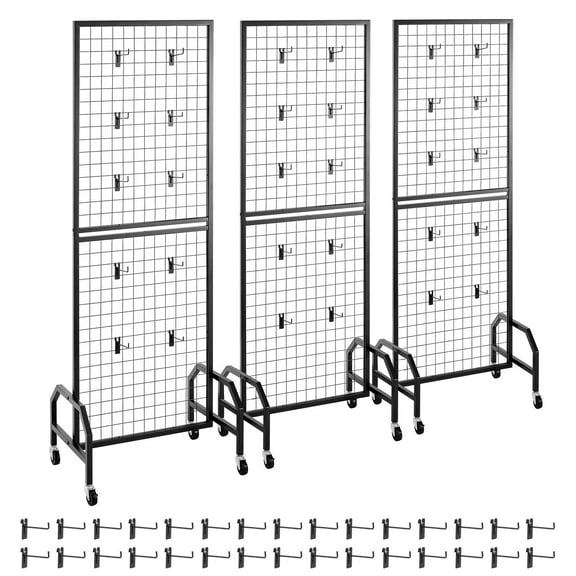
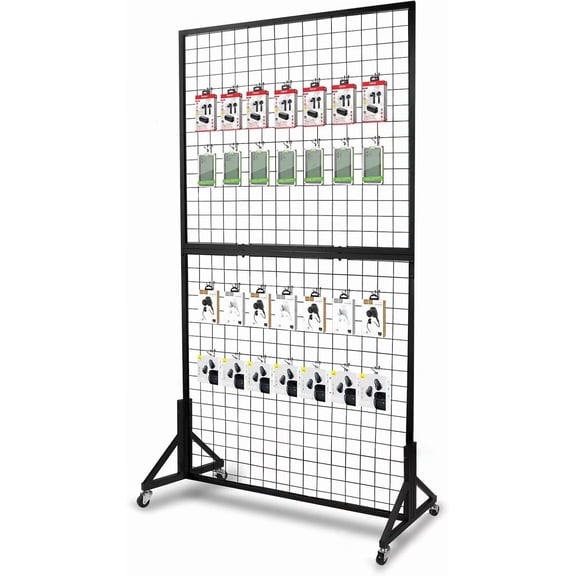
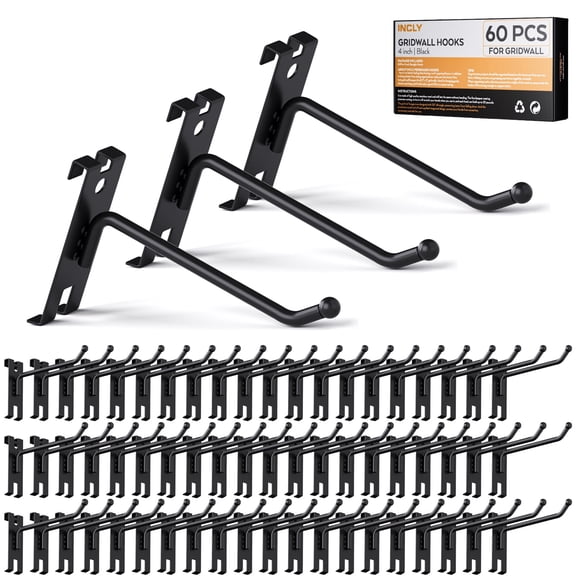
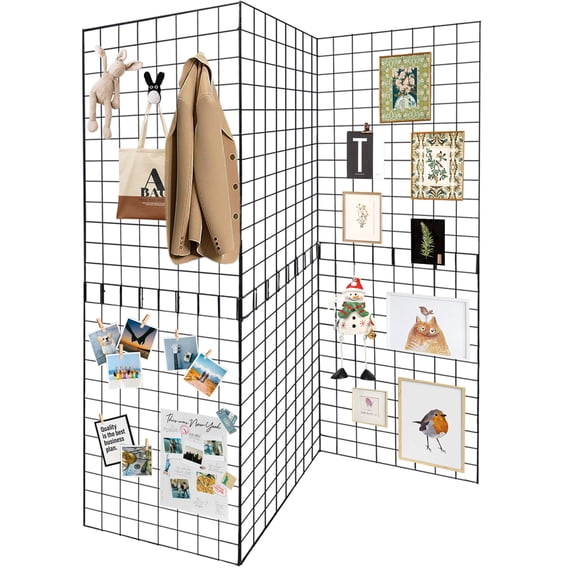
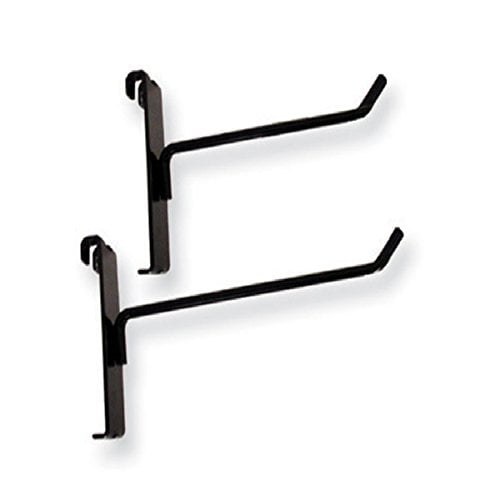
Gridwall hooks help you build cleaner retail displays with flexible hanging space for packaged goods, accessories, and impulse items. You can compare hook length, finish, wire gauge, and tip style to match your panel layout and product mix.
If you stock a store, stage a pop-up, or refresh a showroom, you need hardware that fits grid panels correctly. You can use this guide to compare gridwall display hooks with confidence and avoid mismatched fixtures.
Choosing the right gridwall hooks
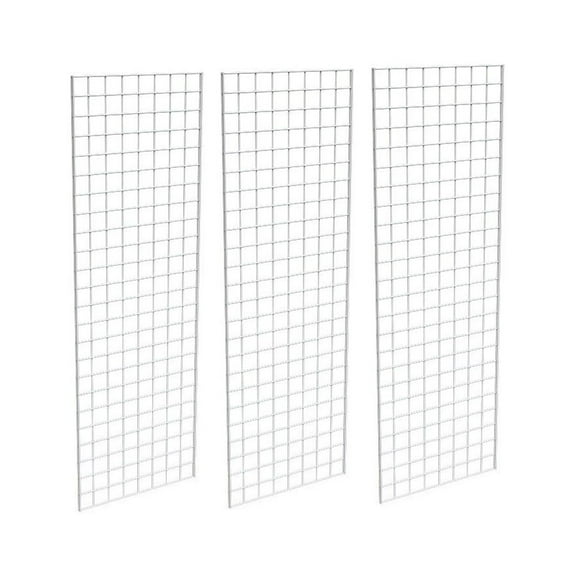
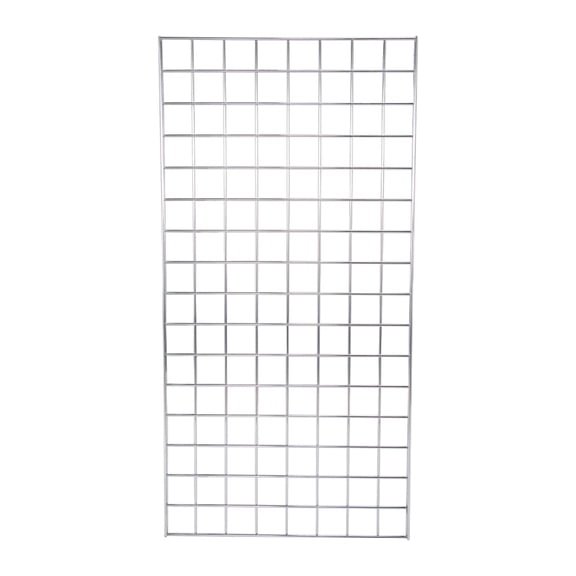
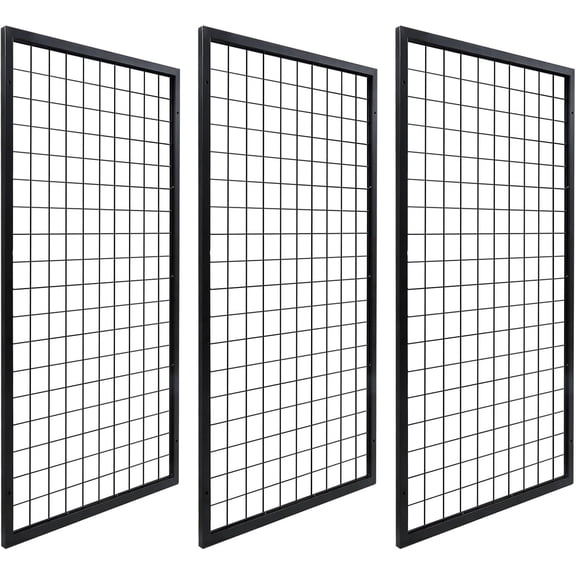
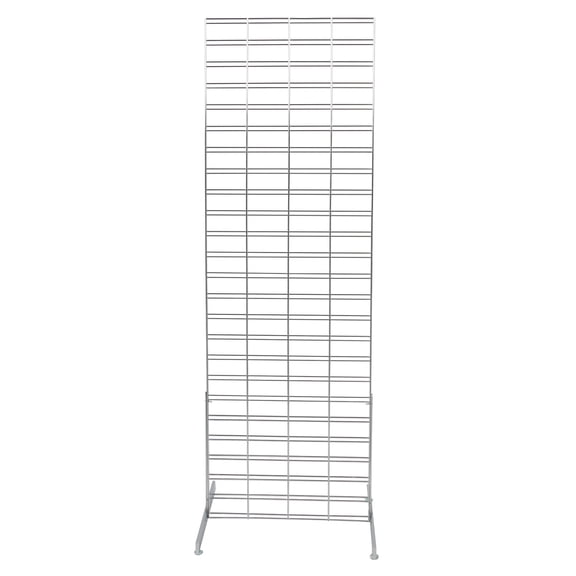
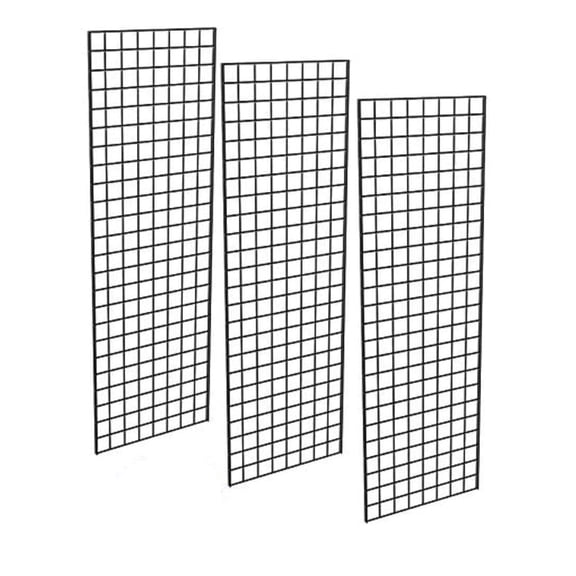
When you choose gridwall hooks, you should start with panel compatibility and product weight. You’ll want hooks designed for standard grid spacing, which is typically three inches on center.
That spacing matters because you need hooks that seat securely on the wire grid. You’ll notice a proper fit keeps rows straighter and makes your display easier to restock.
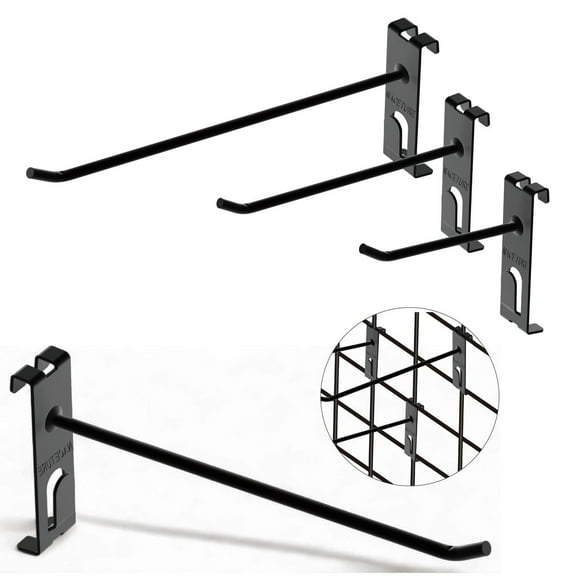
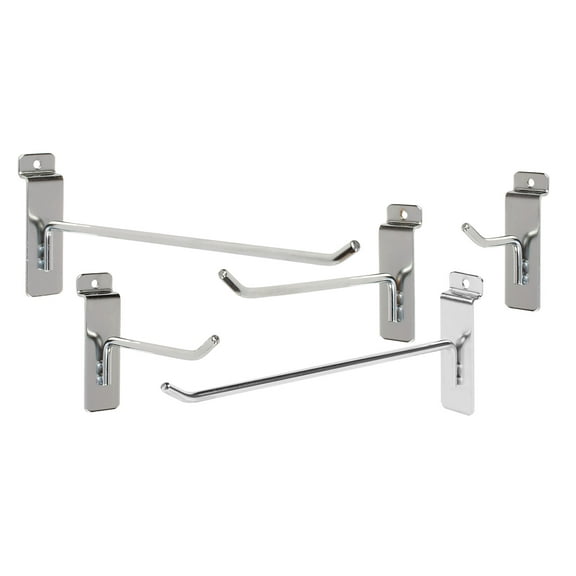
Next, you should compare hook length based on how far you want merchandise to project. You can choose four inch, six inch, eight inch, 10 inch, or 12 inch options.
Shorter lengths help you keep aisles neater and make front items easier to face. Longer lengths give you room for more units, but you should check how that extra reach affects support.
- You can use four inch or six inch hooks for small accessories and tighter panel spacing.
- You can choose eight inch or 10 inch hooks when you need deeper product rows.
- You can use 12 inch hooks when your display needs extra hanging depth and clear product visibility.
- You should compare ball tip, upturned tip, and loop hook ends based on how you want items to stay in place.
How to compare gridwall display hooks by construction
You should compare material and gauge together because both affect day-to-day performance. Heavy duty metal gridwall hooks often suit busy selling floors where you need steady support.
Wire steel options can give you a familiar retail fixture look with dependable rigidity. Reinforced plastic options can work when you want a lighter fixture style or a different visual finish.
You should also check wire diameter before you choose gridwall panel hooks for heavier merchandise. A one quarter inch hook usually feels sturdier, while three sixteenths inch options may suit lighter goods.
That difference matters because longer hooks create more forward pull on the panel. You’ll want stronger construction when you plan to hang denser packs farther from the grid.
Finish is another key choice when you build a consistent display wall. Chrome gridwall hooks can give you a bright retail look, while black gridwall hooks can create a lower-contrast presentation.
White finishes can blend into lighter fixtures and keep attention on colorful packaging. You should compare finish based on your store style, panel color, and how often shoppers handle merchandise.
What to look for in tip style and hook length
You should treat end style as more than a small design detail. Ball tip ends can give you a rounded finish, while upturned tips can help keep hanging items from sliding forward.
Loop hooks can suit packaged goods that hang from a single opening or need a more defined stop point. You should compare tip style with your packaging shape, not only with your fixture color.
Hook length works with tip style to shape how shoppers interact with your wall. You may prefer shorter hooks for quick-grab sections where you want fewer units per facing.
For deeper stock, you can choose longer hooks that hold more items in a single lane. You should balance that added capacity with the size and weight of each package.
If you’re planning a reset, you can map lengths by category across the same panel. You might use shorter hooks for accessories, mid-length hooks for bagged goods, and longer hooks for slower-turn stock.
Gridwall hooks vs pegboard hooks
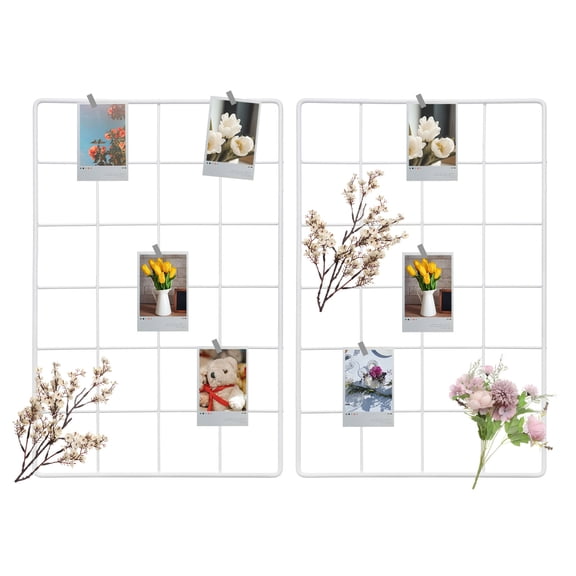
You should compare fixture type before you order because grid wall hooks and pegboard hooks don’t mount the same way. Grid panels use open wire squares, while pegboard uses hole patterns and different hook backs.
That means you can’t assume one hook style will fit both systems correctly. You’ll want gridwall hooks made for grid panels if you need a stable hold and a cleaner presentation.
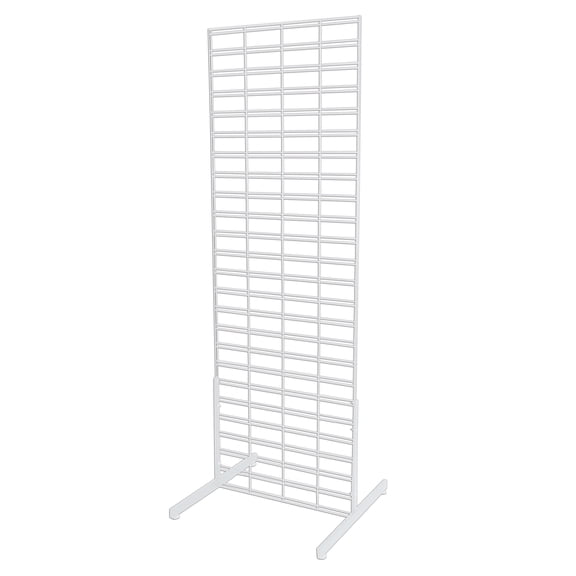
You should also compare gridwall with slatwall before you finalize a fixture plan. Slatwall uses horizontal channels, so its hooks and brackets attach differently than gridwall panel hooks.
If you manage multiple fixture types, you can sort hardware by wall system before setup day. That extra step helps you avoid delays and keeps your merchandising plan easier to execute.
How you can use gridwall hooks in retail spaces
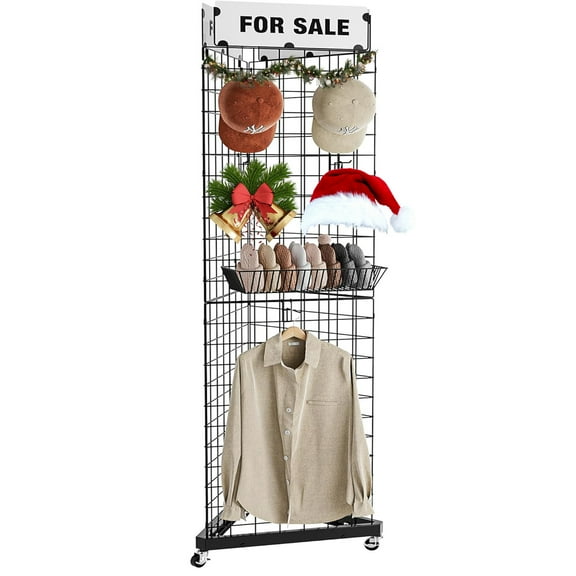
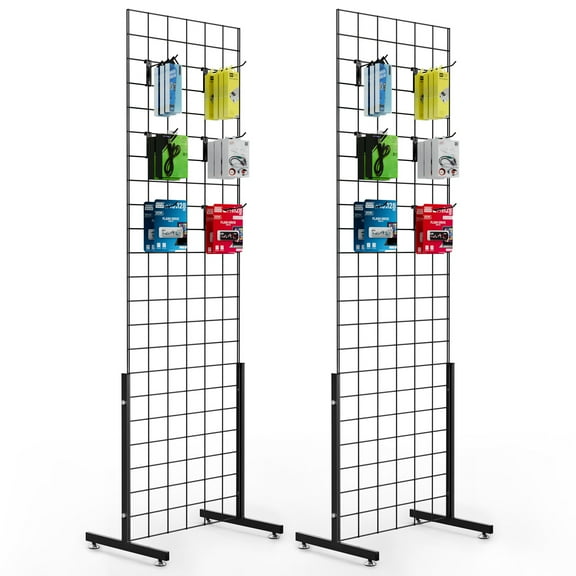
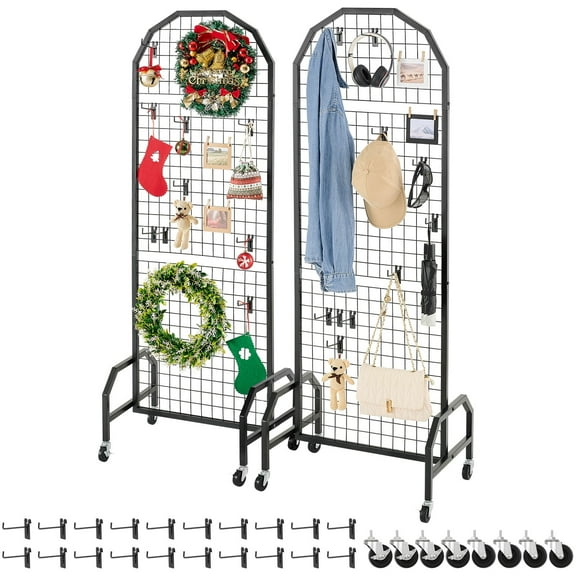
You can use these hooks for checkout zones, seasonal walls, trade show booths, and stockroom-adjacent sales areas. They work well when you need visible front-facing merchandise and fast replenishment.
In apparel and accessory sections, you can hang belts, hats, small bags, and packaged add-ons. In convenience or hobby sections, you can line up tools, gadgets, and refill packs neatly.
You can also use metal gridwall hooks for temporary promotions that need flexible spacing between items. When your assortment changes often, you can swap hook lengths instead of rebuilding the whole wall.
For high-traffic stores, you should compare black, chrome, and white finishes with your existing panels. You’ll get a more cohesive look when your hardware supports the visual flow of the display.
If you’re building a new fixture set, you can combine several lengths and tip styles across one panel run. That approach helps you tailor each section to packaging depth, product weight, and shopper reach.
With the right combination, you can create orderly rows, clearer sight lines, and smoother daily restocking. You’ll feel the difference when your display hardware matches your panel system and merchandise needs.