










Gloves in Gloves


































About Gloves in Gloves - Walmart.com
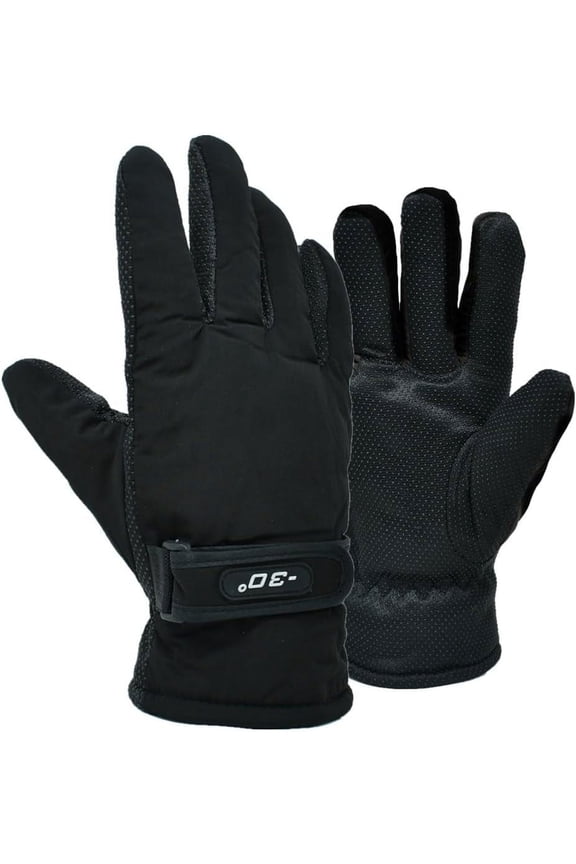
Running gloves help you stay warm on cold miles while keeping your hands flexible for watches, phones, and zippers. You can compare weight, weather coverage, and fit details to choose pairs that match your route.
How to choose running gloves for cold weather
Cold weather running gloves work well when you match insulation to the forecast. You can choose lightweight liners for cool mornings, midweight pairs for steady cold, or heavier options for winter miles.
When you run in changing conditions, your gloves should feel warm without feeling bulky. You’ll notice the right pair lets you swing your arms naturally and adjust zippers or earbuds easily.
- You can keep warmth close with fleece or merino wool blends.
- You can cut wind exposure with softshell and windproof running gloves.
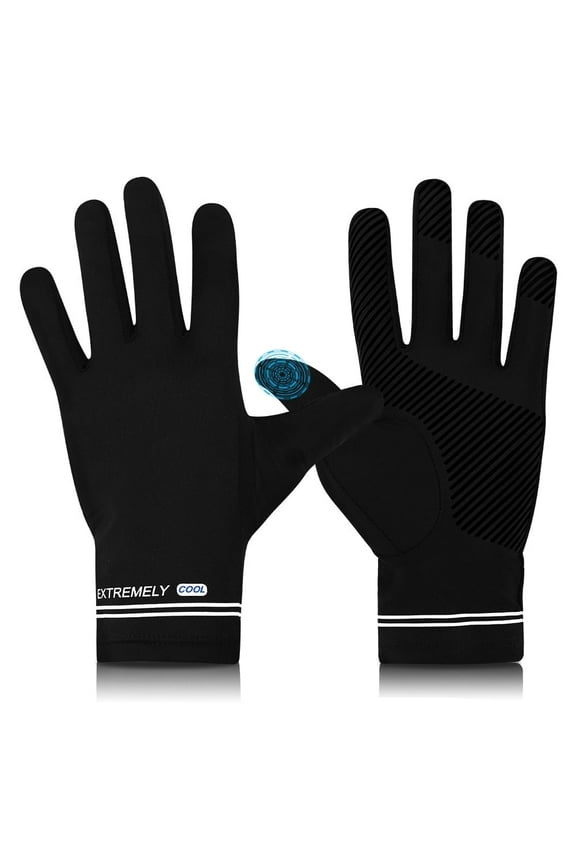
- You can keep dexterity with lightweight running gloves and liner styles.
- You can spot added convenience with reflective details, grip palms, and key pockets.
Material choice changes how your gloves feel on the move. You may prefer fleece for soft warmth, merino wool for a lighter feel, or spandex blends for stretch.
Weight matters because your route and pace change how warm your hands feel. You can start with liners for mild cold, then move to thermal running gloves for deeper winter conditions.
Choosing touchscreen running gloves and grip features
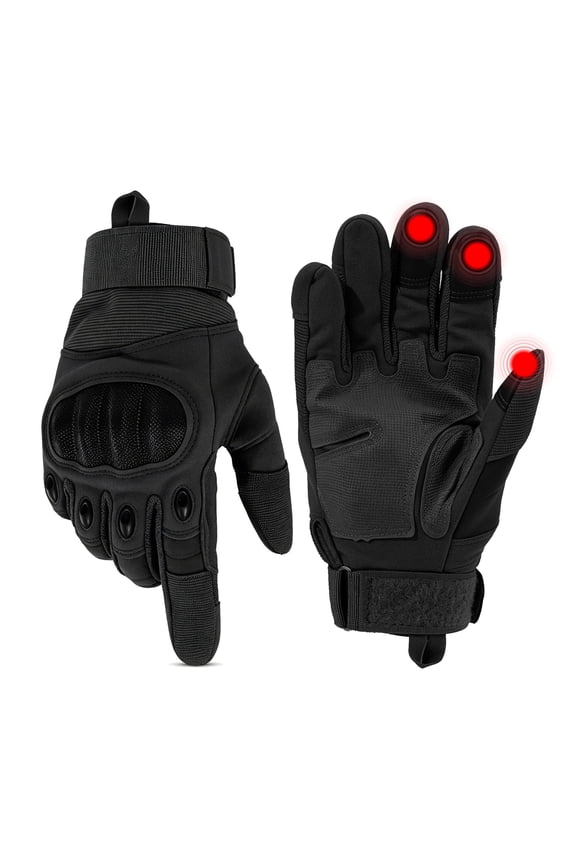
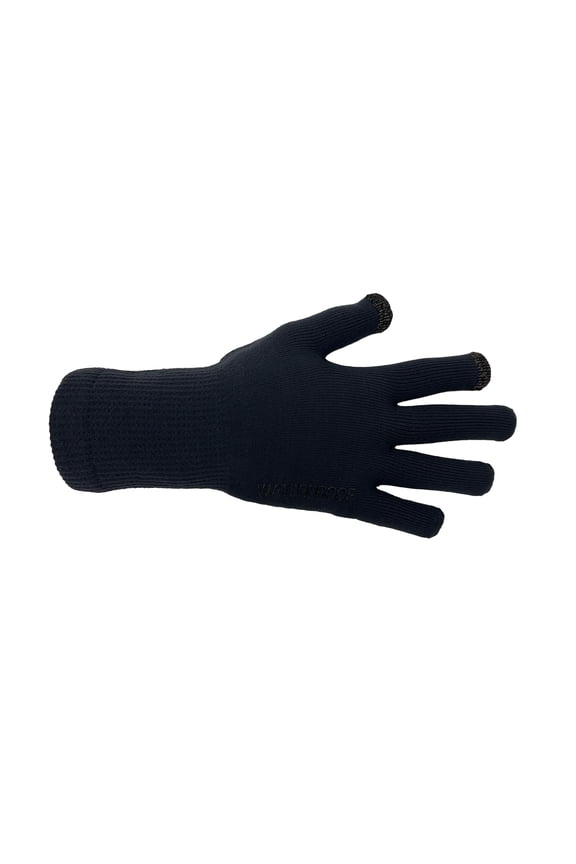
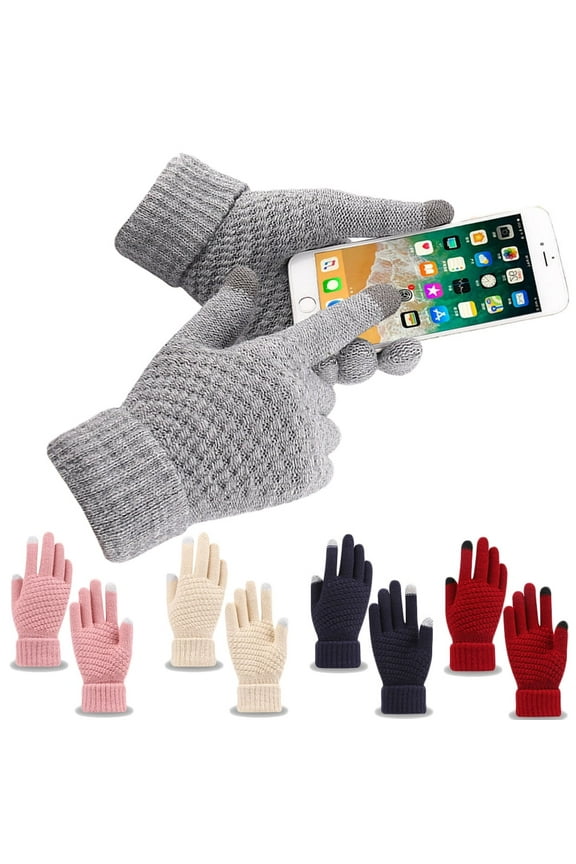
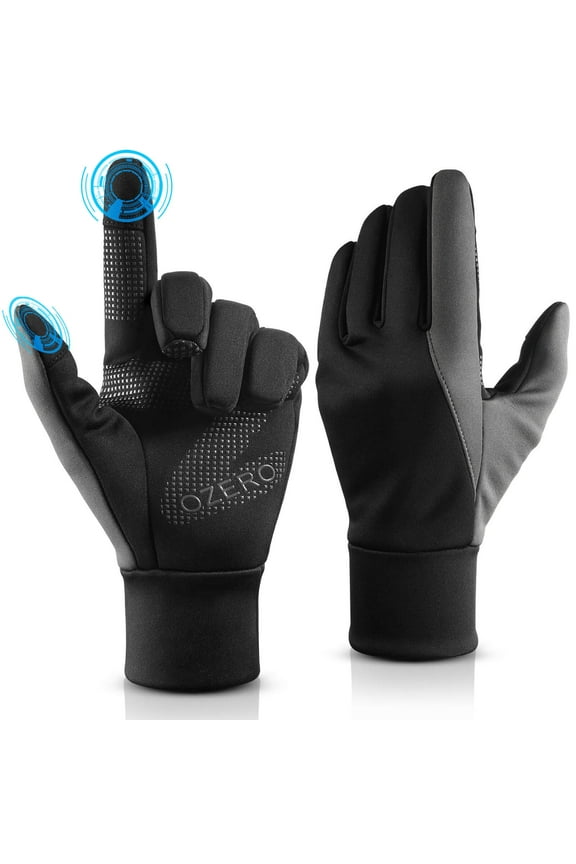
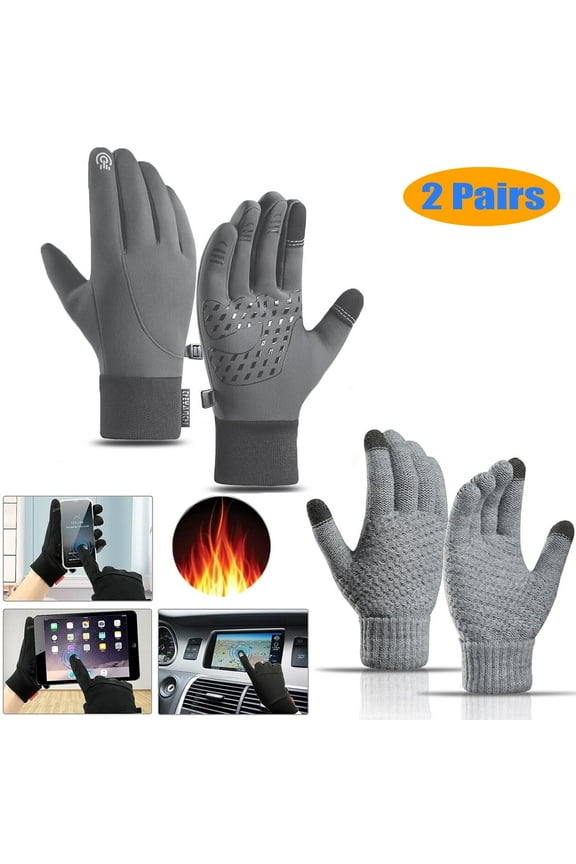
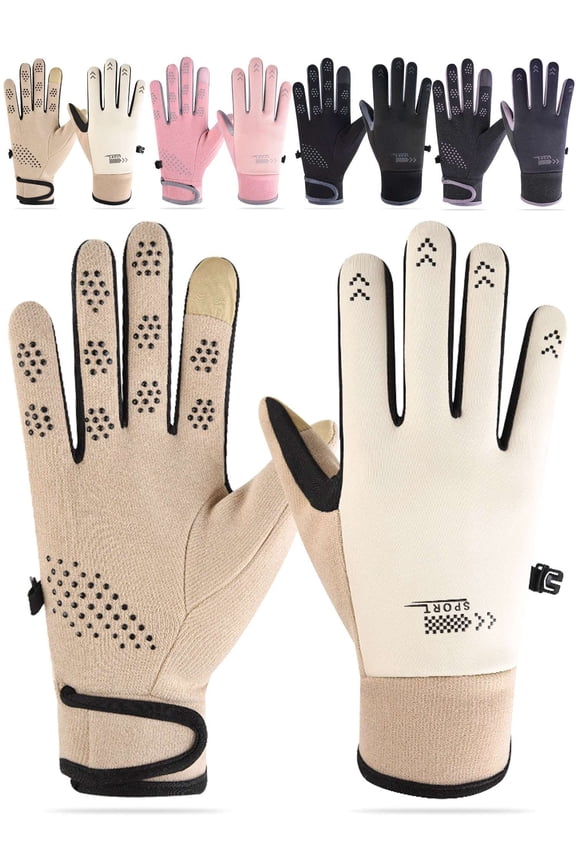
Touchscreen running gloves help you check your playlist, map, or pace without taking them off. You can keep your run moving when your gloves work with your phone screen.
Not every touchscreen design feels the same during a workout. You should look for fingertip coverage that still lets you tap, swipe, and unlock with steady control.
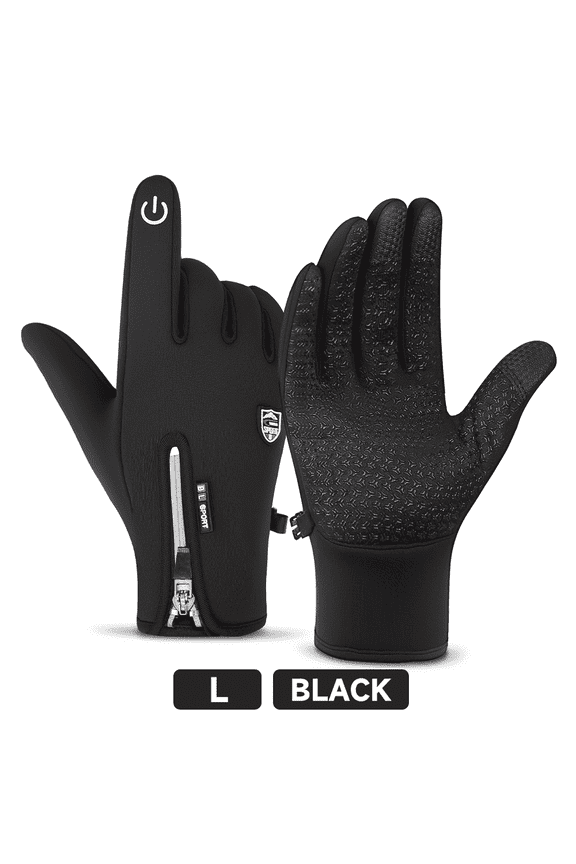
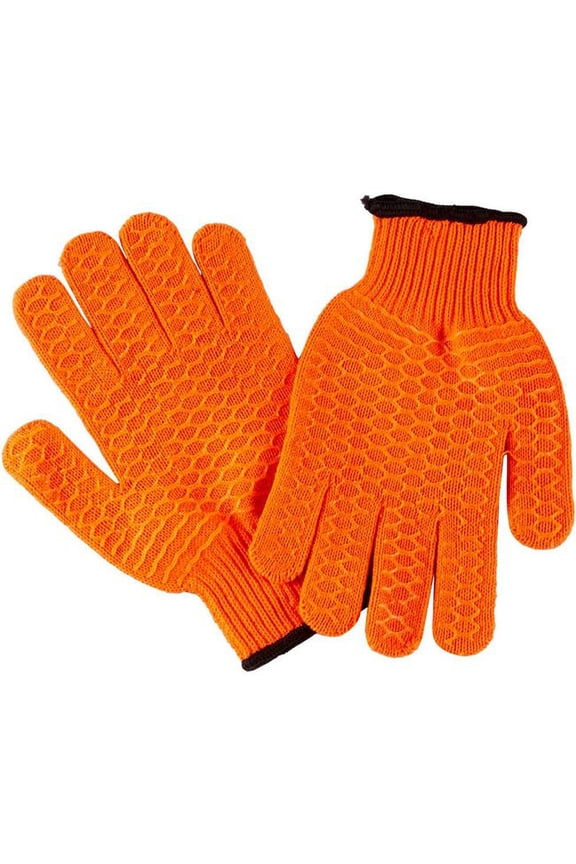
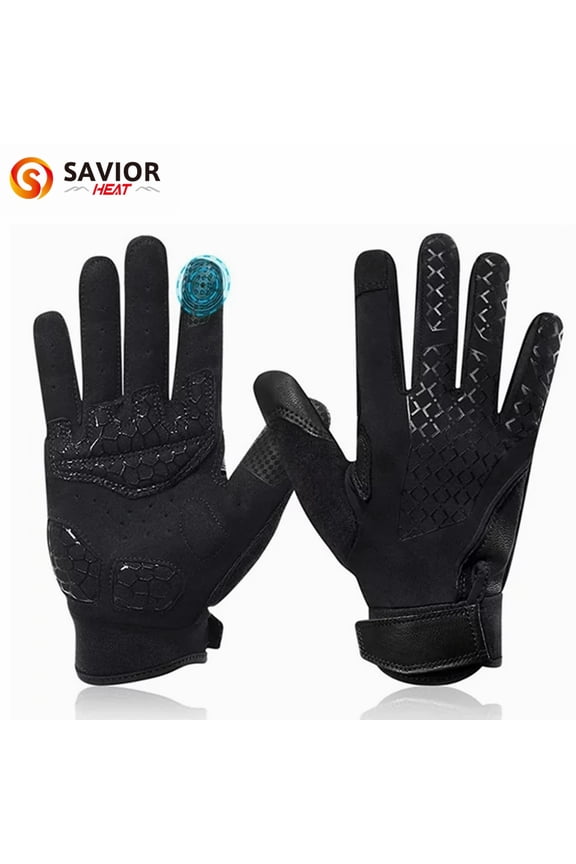
Grip features also matter when you carry a phone, bottle, or stroller handle. You can look for silicone grip areas that help your hands stay steady in damp or cold air.
If you run before sunrise or after sunset, reflective elements add visibility-minded details to your gear. You can also look for a small key pocket when you want fewer items bouncing around.
Comparing thermal running gloves by material and weight
Thermal running gloves usually balance warmth, stretch, and breathability through different fabric choices. You can compare fleece, softshell, merino wool, and spandex blends based on how your hands usually feel outdoors.
Fleece styles often feel soft and insulated for cold starts. You may choose them when you want cozy coverage on neighborhood runs or treadmill warmups outside.
Softshell options typically give you a smoother outer surface with extra structure. You can consider them when your route includes steady wind, open roads, or bridge crossings.
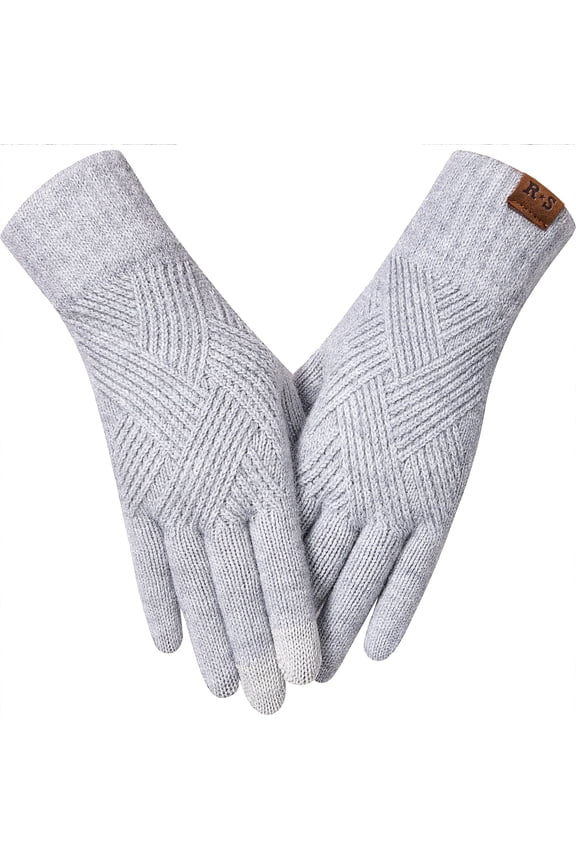
Merino wool blends can feel lighter while still giving you cold weather coverage. You may like them when you want less bulk inside jacket cuffs or watch bands.
Spandex-rich designs add stretch that supports a close fit. You can use that flexibility when you want your gloves to move naturally during faster workouts.
Weight and thickness should match the temperature range you expect frequently. You can wear liner gloves for running in mild chill, then step into midweight or heavyweight pairs as winter deepens.
Checking weather resistance and fit before you choose
Weather resistance helps you stay focused when wind and light moisture show up mid-run. You can compare windproof running gloves, water-resistant shells, and thermal builds based on your local conditions.
Windproof styles help reduce that sharp, cold feeling on exposed fingers. You may prefer them for open trails, waterfront routes, or long runs on breezy days.
Water-resistant designs can handle mist, flurries, or light precipitation during training. You should check whether you want a lighter shell feel or a warmer lined interior.
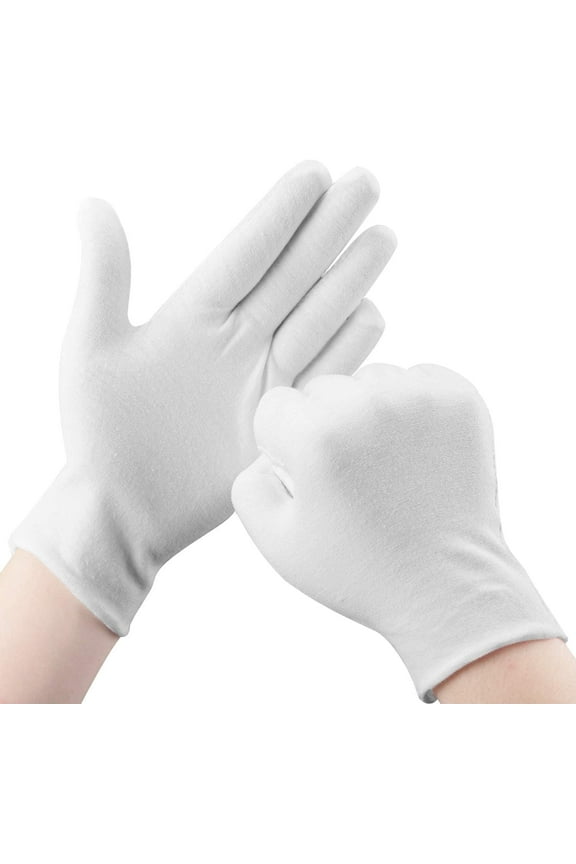
Fit matters because bulky gloves can make small tasks feel awkward. You can compare men’s, women’s, and unisex options to find the shape that feels secure without squeezing.
A close fit helps you keep dexterity for watches, zippers, and gel packets. You should also check cuff length if you want overlap with your sleeves on colder runs.
If your hands warm up quickly, you may prefer a lighter, stretchier pair. If your fingers stay cold longer, you can look toward winter running gloves with more coverage and insulation.
Matching running gloves to real running routines
Your routine can guide which features matter to you on each run. You can use lightweight running gloves for fall jogs, thermal pairs for freezing mornings, and wind-blocking styles for exposed routes.
For commutes or quick training loops, touchscreen access may be your first filter. You can check messages, start tracking apps, and change music without stopping to remove a glove.
For long winter sessions, warmth and weather resistance usually move higher on your list. You may want thermal layers, longer cuffs, and wind protection that feel steady over several miles.
If you run in mixed light, reflective details can pair well with your cold weather gear. You can coordinate your gloves with running jackets, running hats, and other winter running gear.
Some runners want one versatile pair for daily use across changing forecasts. You can often narrow that choice by starting with fit, then comparing insulation level and touchscreen convenience.
When your gloves match your pace, forecast, and gear setup, your miles feel easier to manage. You can stay comfortable through cold starts, quick stops, and steady movement outdoors.
Running gloves work hard when you choose them by weather, fit, and everyday running habits. You can narrow the field faster and get the warmth, grip, and screen access your routine needs.