




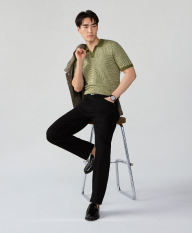

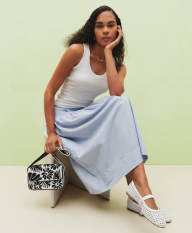



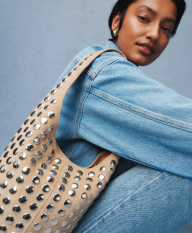


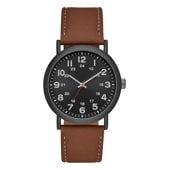
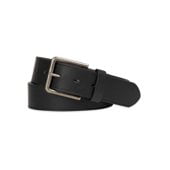
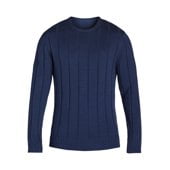
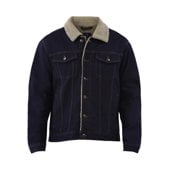
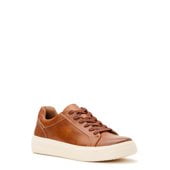
George in Fashion Brands


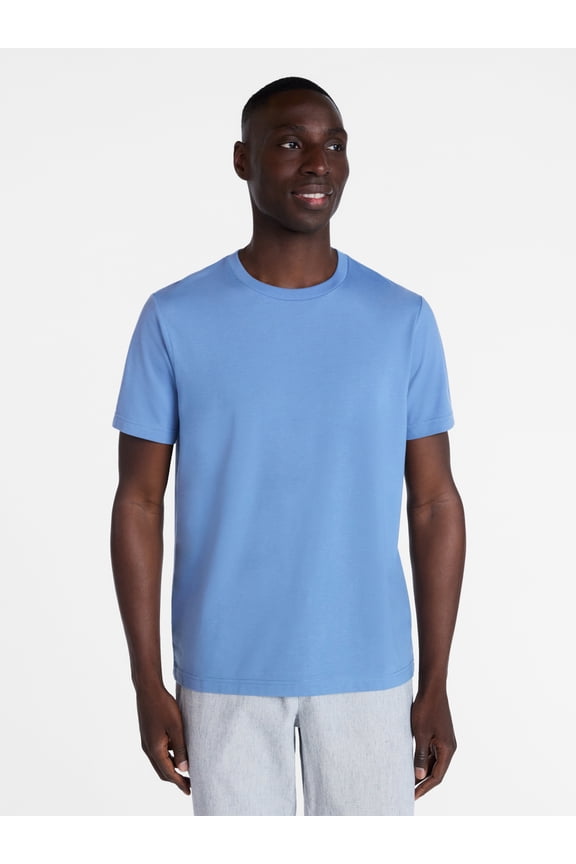


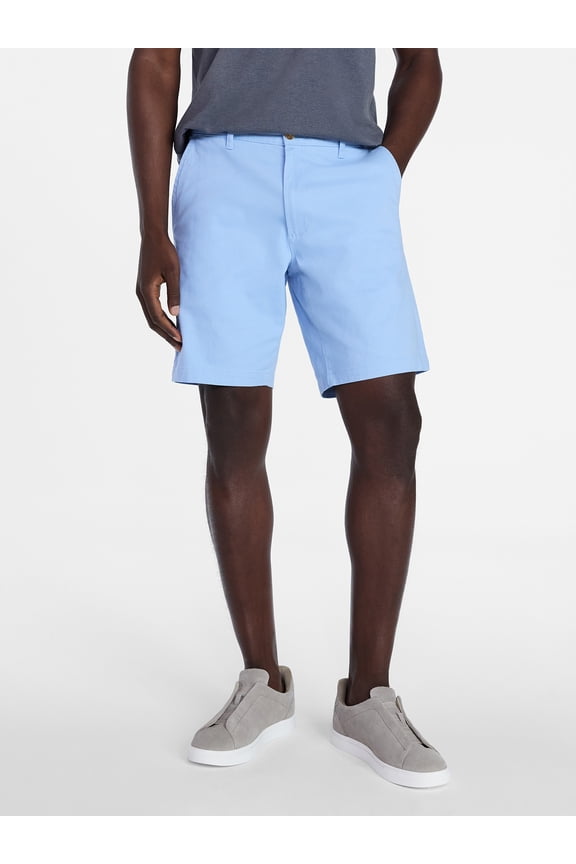


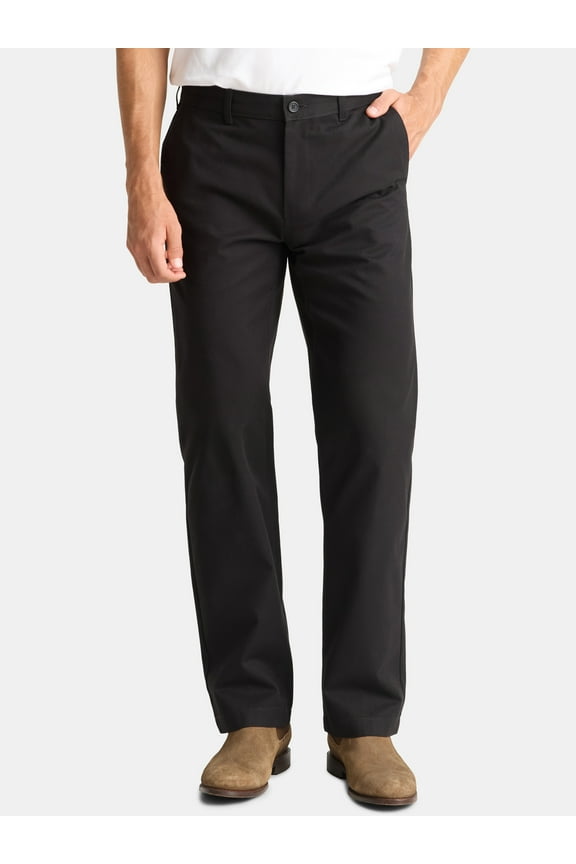




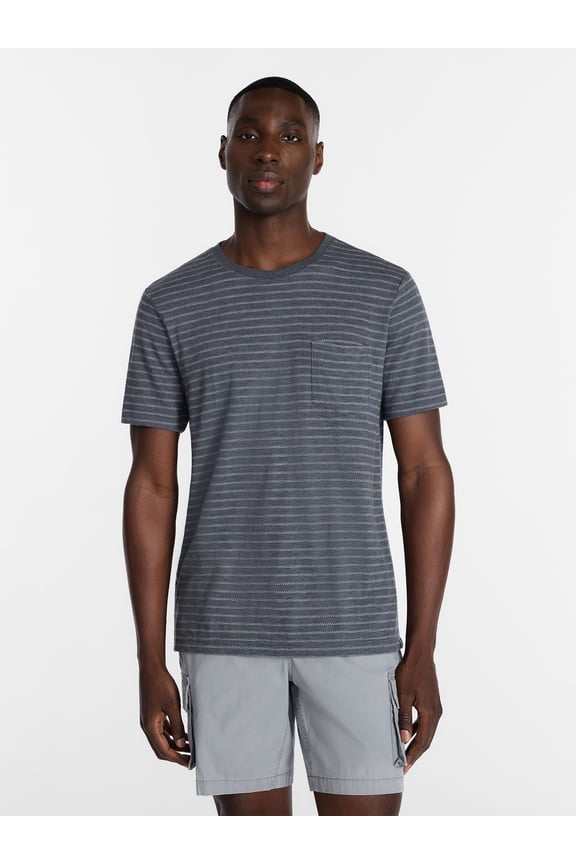


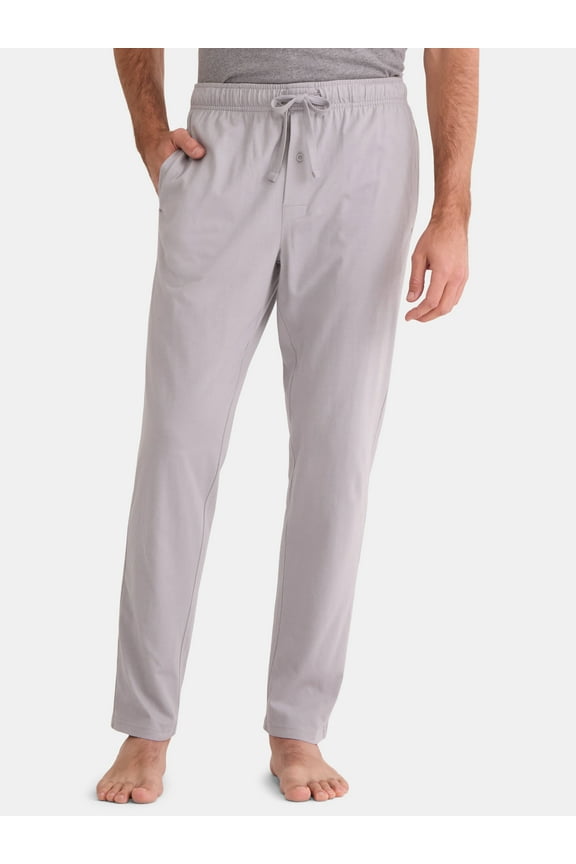


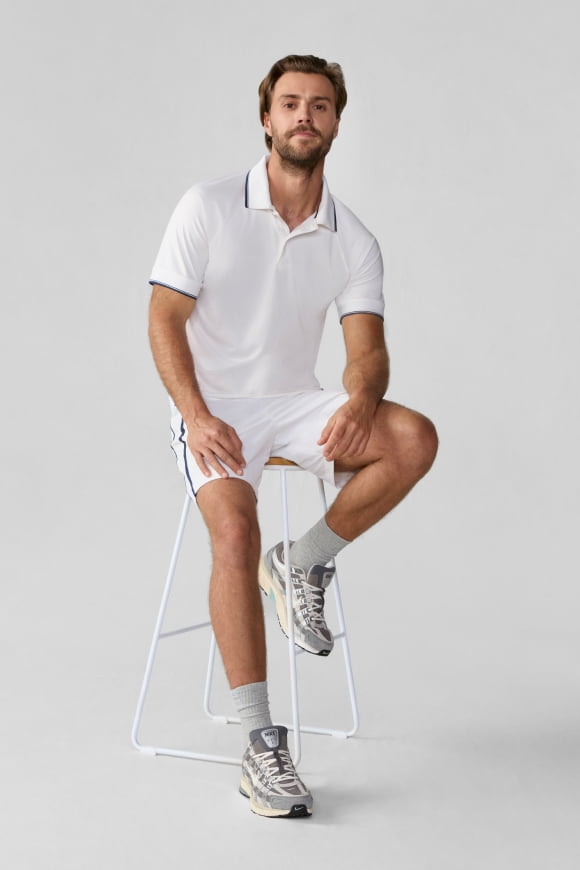


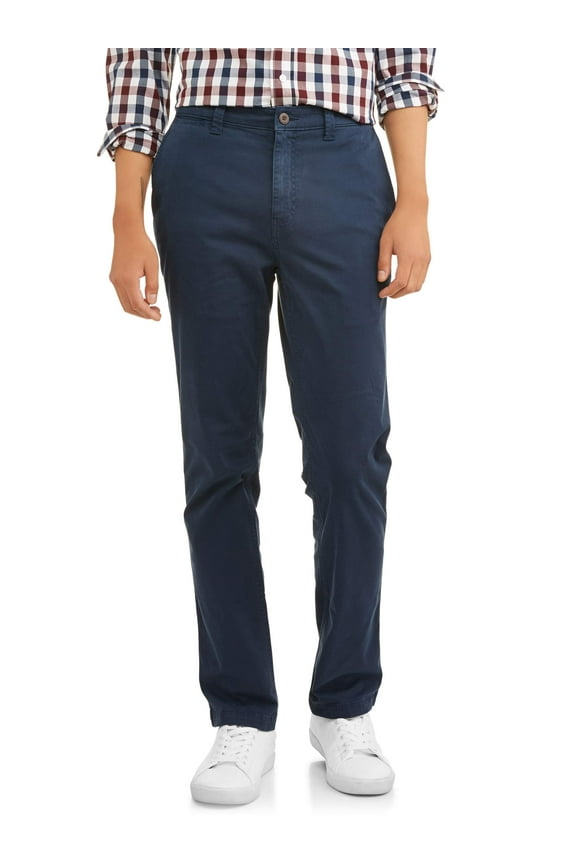


















About George in Fashion Brands - Walmart.com
Outdoor sheds help you organize tools, yard gear, and seasonal supplies while keeping your backyard more usable year-round. You can compare materials, sizes, roof styles, and setup needs to choose storage that fits your space.
How to choose outdoor sheds for your space
When you compare outdoor sheds, you should start with what you need to store and how often you need access. You may need room for a mower, long-handled tools, bikes, or bulky bins.
Size matters because you need enough square footage for storage and enough peak height for comfortable movement. You should also check door clearance, especially if you're rolling in equipment or moving larger items.
Shape affects placement in tight areas. You may prefer horizontal models for low profiles, while vertical layouts can help you use narrow footprints along a fence.
Choosing between storage sheds materials
Material changes how much upkeep you handle and how the shed fits your yard. You can choose plastic, metal, wood, or resin storage sheds based on maintenance, appearance, and daily use.
If you want lower upkeep, you may lean toward metal sheds or resin storage sheds for routine outdoor storage. If you want a classic look, you may prefer wood and plan for painting or treating.
- You can use metal options when your priority is sturdy wall panels and a simple, practical look.
- You may choose resin designs when you want easy cleaning and less routine upkeep.
- You can pick wood when your yard calls for a traditional appearance and customizable finishes.
- You should compare plastic and resin choices when you want lighter materials and straightforward maintenance.
Weather exposure also shapes your decision. You should check whether your shed includes weatherproof construction, lockable access, and a floor option for the items you store.
Choosing backyard sheds by size and layout
Backyard sheds work effectively when you match the footprint to your lot and the capacity to your equipment. You can compare common sizes like 6x4, 8x10, and 10x10 before you commit.
A 6x4 layout can suit compact yards, bins, and basic garden tool storage. An 8x10 size often gives you room for shelving, a mower, and walk-in access.
If you need a backyard workshop, a 10x10 footprint may give you more open floor space for benches and supplies. You should also measure overhead clearance if you plan to store rakes, trimmers, or ladders.
Door style matters as much as floor area. You may want double doors when you move bikes, mowers, or garbage can storage containers in and out often.
Comparing roof styles and access features
Roof style affects headroom, water runoff, and how the shed looks beside your home. You can compare apex, pent, flat, and gabled designs based on placement and storage height.
Apex and gabled roof sheds can give you extra center height for taller tools or stacked organization. Pent styles may fit neatly against fences or walls when you need a cleaner side profile.
Flat roof styles can work when you want a simple shape in a modern yard. You should still check interior height so your stored items fit without crowding the doorway.
Feature details can make daily use easier. You may want windows for natural light, lockable doors for controlled access, and double doors for wider loading space.
Planning for foundation and installation
Before you choose garden sheds or larger storage options, you should plan where the structure will sit. You may need a concrete pad, a wood platform, or another level base.
A level foundation helps you align doors, support the floor, and place shelves more evenly. You should also compare anchoring kits if your setup area needs added stability.
Assembly needs vary by material and size. You may find smaller units easier to place in compact yards, while larger outdoor sheds often require more prep space.
You should measure the path into your yard before delivery or setup. You may also want to confirm gate width, slope, and clearance around fences or landscaping.
Matching use cases to the right shed setup
Your storage goals should guide every choice. You can narrow options faster when you match the shed to garden tool storage, bike storage, a backyard workshop, or garbage can storage.
For garden sheds, you may want vertical tool storage, shelves, and enough wall height for long-handled equipment. For bike storage, you should check door width and turning space inside.
If you want a backyard workshop, you may prefer more square footage, windows, and a layout that supports benches or storage racks. If you need garbage can storage, you may want a lower profile and quick front access.
You should also review local zoning or HOA rules before finalizing size or placement. You can avoid surprises by checking height limits, setback guidance, and approved shed locations.
With the right outdoor sheds plan, you can create cleaner storage, easier access, and a backyard that works harder every season. You’ll get more from your space when your shed matches your layout, material preferences, and daily routine.