

Gate Hardware for Home Improvement



















![Uxcell 1-Set Gate Locks for Outdoor Fence, Steel Cable 4-Digit Combination Lock with 3 Replaceable Ropes [Black]](https://i5.walmartimages.com/seo/Uxcell-1-Set-Gate-Locks-for-Outdoor-Fence-Steel-Cable-4-Digit-Combination-Lock-with-3-Replaceable-Ropes-Black_5dca180b-1c84-4ccf-afea-89ca15a4f57c.151e6795c2eaff144b7d091040a46ae0.jpeg?odnHeight=576&odnWidth=576&odnBg=FFFFFF)
![Black, variant on Uxcell 1-Set Gate Locks for Outdoor Fence, Steel Cable 4-Digit Combination Lock with 3 Replaceable Ropes [Black]](https://i5.walmartimages.com/asr/5dca180b-1c84-4ccf-afea-89ca15a4f57c.151e6795c2eaff144b7d091040a46ae0.jpeg?odnBg=FFFFFF&odnHeight=30&odnWidth=30)
![Gray, variant on Uxcell 1-Set Gate Locks for Outdoor Fence, Steel Cable 4-Digit Combination Lock with 3 Replaceable Ropes [Black]](https://i5.walmartimages.com/asr/10e8cbe6-21c1-4ac1-8caa-c4d38abd067f.921c40052a57bd9d3e6077bc055e5374.jpeg?odnBg=FFFFFF&odnHeight=30&odnWidth=30)

About Gate Hardware for Home Improvement - Walmart.com
Gate lock hardware helps you secure outdoor entries with parts made for gates, not standard door setups. You can compare latches, locks, hinges, springs, and drop rods by gate material, finish, and closure style.
You may need hardware that fits a wood gate, chain link panel, vinyl gate, or metal gate frame. You can use this guide to compare compatibility details, weather resistance, and security options before you choose.
How to choose gate lock hardware by hardware type
You should start with hardware type because each part handles a different gate job. You can use latches for everyday closing, locks for controlled access, and drop rods for stabilizing double gates.
If you want smoother movement, you should compare hinges and springs together. You can use springs for self-closing action, while hinges affect swing direction, clearance, and weight support.
- You can choose latches when you want simple daily opening and closing.
- You can choose locks when you want keyed or padlockable access control.
- You can choose springs when you want a gate to return toward a closed position.
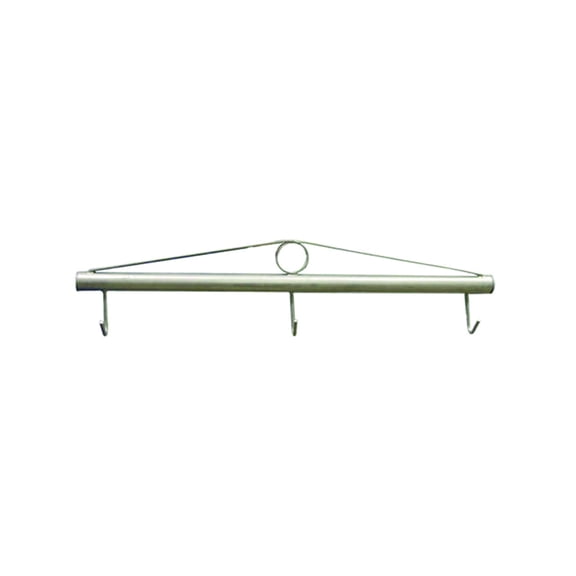
- You can choose drop rods when you want extra hold on dual-gate setups.
- You can choose hinges when you need support matched to gate size and weight.
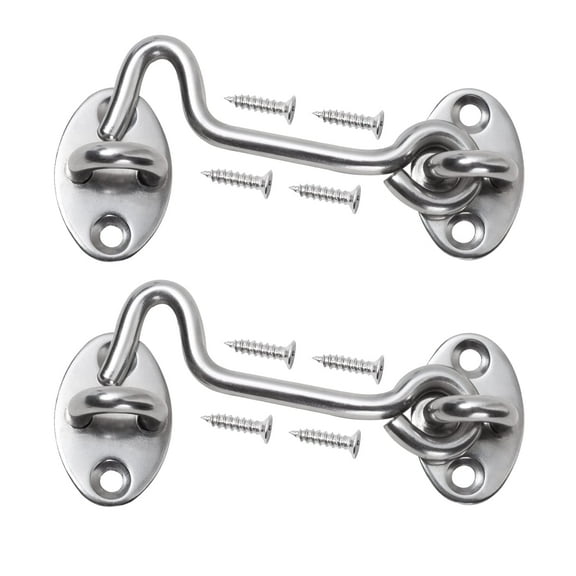
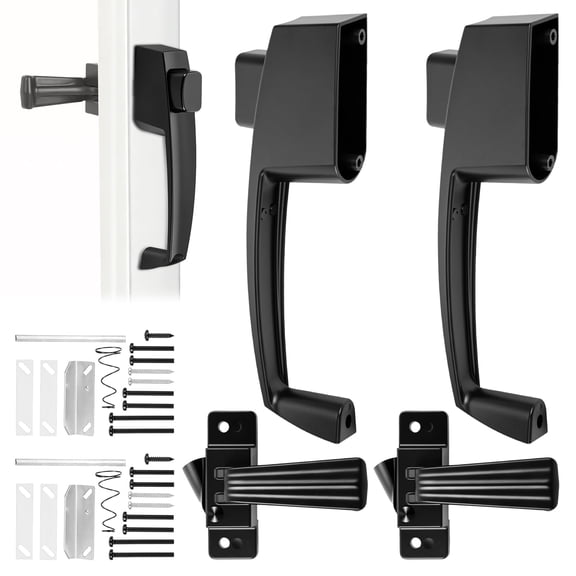
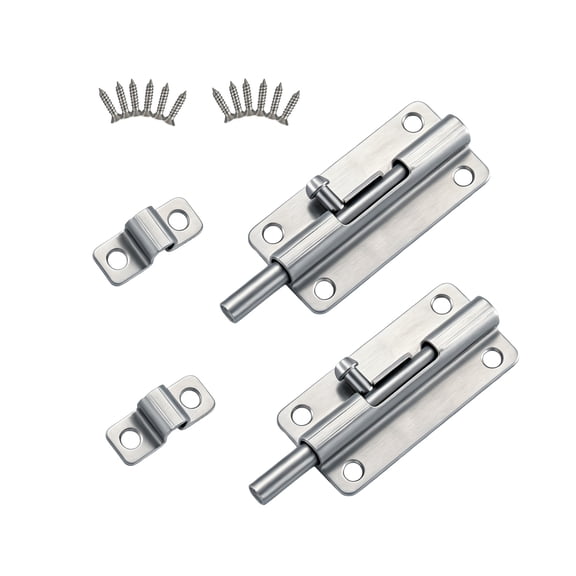
You may also compare gate latch hardware when you want a visible closing mechanism with easy operation. You can pair many latch styles with a separate lock for added control.
Choosing the right hardware for your gate material
You should check compatibility first because gate thickness and post size affect fit. You can avoid mismatch issues by measuring your frame, latch side, and mounting surface before you install.
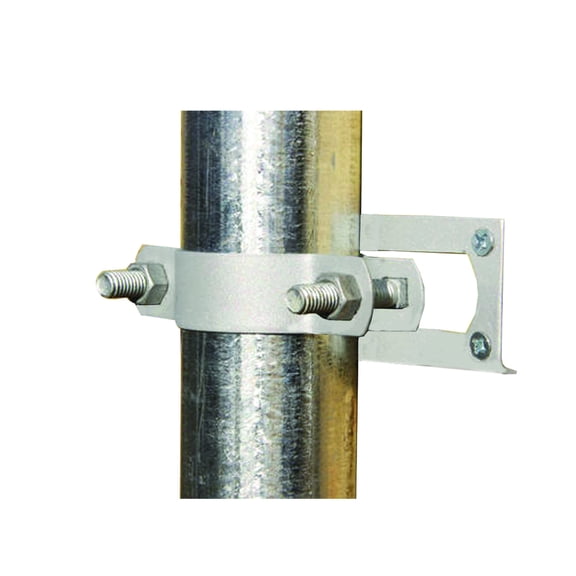
If you have a wood gate, you may want wider mounting plates and hardware that suits thicker rails. If you have chain link, you should look for parts shaped for round posts and tubular frames.
You may need spacers or specialized brackets when you install on a vinyl gate. You should confirm that your hardware supports vinyl profiles without forcing an uneven fit.
If you have a metal gate, you should compare mounting methods and hole alignment carefully. You can get a cleaner setup when your hardware matches metal frame dimensions and swing direction.
Comparing finishes and weather resistance
You should compare finish options because outdoor exposure changes how hardware looks and wears. You can choose black steel, stainless steel, zinc plated, or heavy duty vinyl coating based on your setting.
If you want a crisp look on modern fencing, you may prefer black steel. If you want extra corrosion resistance in damp conditions, you may look toward stainless steel.
You can consider zinc plated pieces when you want a familiar protective finish for general outdoor use. You may also choose heavy duty vinyl coating when you want an extra layer between the hardware and the elements.
You should also check if the manufacturer lists powder-coated parts, because that finish helps shield exposed surfaces. You can use finish details to compare long-term appearance, maintenance needs, and seasonal durability.
Understanding security gate hardware options
You should match security features to how you use your gate each day. You can compare standard, self-latching, padlockable, and key-lockable options with your access routine.
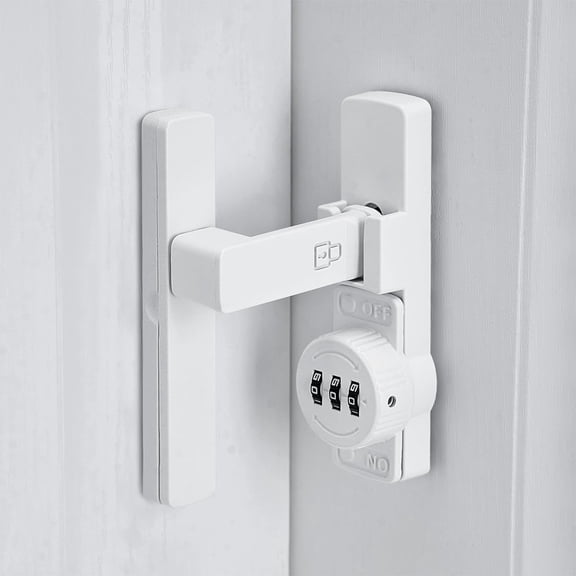
If you want flexible control, you may choose padlockable hardware for gates that need occasional restricted entry. If you want built-in access control, you may choose key-lockable hardware for a more integrated setup.
You can look at self-latching styles when you want the gate to catch automatically after closing. You may keep standard hardware in mind when you want basic closure without a dedicated lock point.
When you compare security gate hardware, you should also check latch reach and strike alignment. You can get steadier operation when the latch engages cleanly with your post and gate frame.
What to look for in self-closing and daily-use setups
You may want self-closing support for busy entries, side yards, or frequently used fence openings. You can pair springs with compatible hinges and latches to guide the gate back toward a closed position.
If you use your gate many times each day, you should look for hardware that feels easy to operate. You can compare lift latches, gravity styles, and locking designs based on hand position and gate height.
You should also think about double-gate layouts when one side stays fixed most of the time. You can use drop rods to anchor the inactive leaf while the active side handles daily traffic.
For wide openings, you may need heavier hardware that supports larger panels and stronger pull forces. You can narrow your options by checking gate weight, width, and post spacing.
Using gate lock hardware for common outdoor projects
You can use gate lock hardware on backyard entries, garden gates, driveway access points, and fence enclosures. You should choose combinations that match your gate material, opening width, and preferred closure style.
If you have a wood side gate, you may pair a latch with a padlockable option for simple controlled entry. If you have a vinyl privacy gate, you may focus on fit, bracket style, and self-latching function.
You can outfit chain link access points with hardware shaped for tubular framing and post dimensions. If you have ornamental metal panels, you should compare finish color, lock style, and mounting alignment.
You may also coordinate related parts when you update an aging gate setup. You can create a more consistent installation by matching latch, hinge, spring, and drop rod specifications from the start.
You can shop with more confidence when your gate hardware matches your gate material, finish needs, and security level. You’ll get a setup that closes with the right fit, holds alignment, and supports dependable outdoor access.