

Grey Vinyl Flooring & Vinyl Plank Flooring | Walmart





































About Grey Vinyl Flooring & Vinyl Plank Flooring | Walmart - Walmart.com
You can compare flooring more confidently when you understand how material, moisture resistance, installation, and format affect each room. You’ll find practical guidance here for vinyl flooring, laminate flooring, tile flooring, wood flooring, and carpet choices.
Choosing the right flooring material
Each material changes how your room looks, feels, and handles daily traffic. You should compare appearance, upkeep, and room placement before you choose home flooring.
If you want a resilient surface, you may prefer vinyl and laminate for busy entryways, kitchens, and family spaces. If you want a classic finish, you may lean toward wood flooring for living rooms and bedrooms.
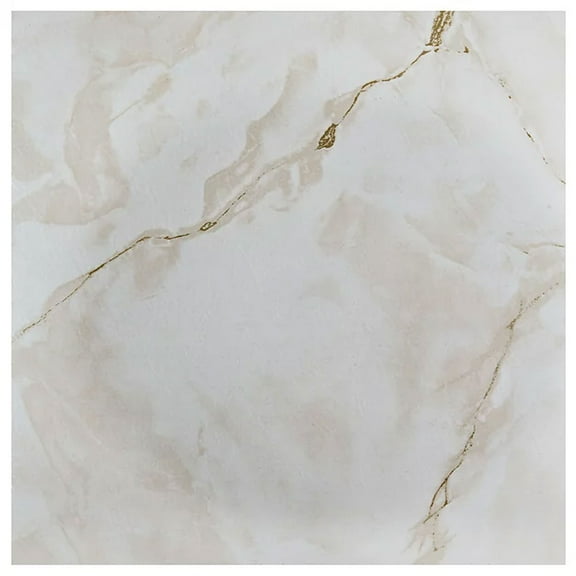
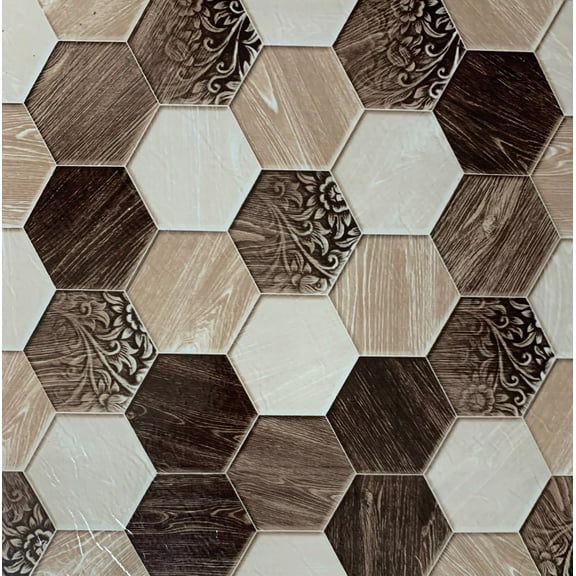
Tile flooring works well when you want a hard surface with many color and pattern options. Carpet works well when you want a softer feel underfoot in bedrooms, playrooms, and dens.
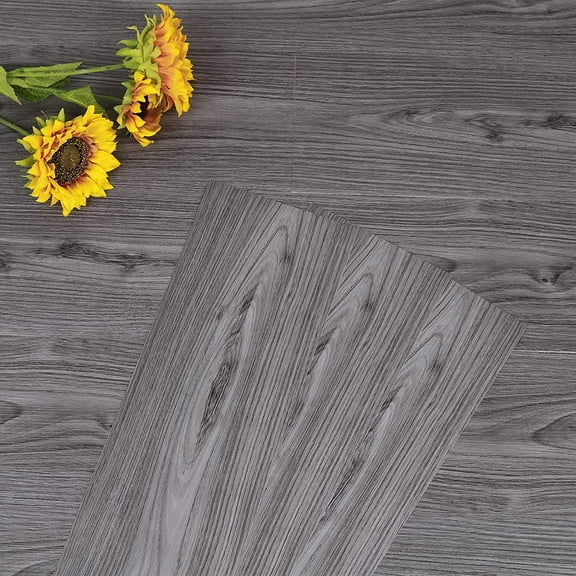
- You can use vinyl flooring when you want planks or tiles that handle frequent household traffic.
- You can choose laminate flooring when you want a wood-look surface with a click-lock installation style.
- You can pick tile flooring when you want grout-set floor tiles for bathrooms, laundry rooms, or kitchens.
- You can select wood flooring when you want natural grain and a traditional room finish.
- You can consider carpet when you want roll or tile formats with a softer surface feel.
Comparing water resistance in flooring
You should match water resistance to the room before you compare color or pattern. You’ll want waterproof or water-resistant surfaces where splashes, drips, or tracked-in moisture happen often.
For bathrooms, mudrooms, and some basements, you may look for waterproof vinyl flooring or tile. You can also compare sheet and plank formats when you want fewer seams.
In dining rooms, hallways, and bedrooms, you may choose standard surfaces if moisture exposure stays low. You should still check whether your subfloor needs a barrier or underlayment.
If you’re comparing laminate or wood, you should review wet-area compatibility and cleanup needs carefully. You’ll make a clearer choice when you match the floor to your room’s moisture level.
Understanding installation methods
You can narrow your flooring options quickly by comparing how each floor installs. You should think about your tools, timeline, and comfort with measuring, cutting, and fitting edges.
Click-lock flooring gives you boards or tiles that connect without nails across many floating floor projects. You may like this method when you want a cleaner layout process for laminate flooring or luxury vinyl plank.
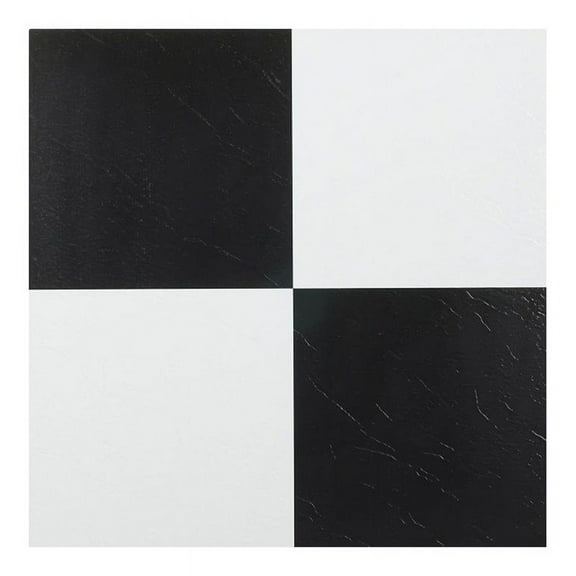
Peel-and-stick formats can work for smaller updates, accent areas, or quick room refreshes. You should measure carefully because peel and stick floor tiles depend on smooth, prepared surfaces.
Glue-down flooring can suit areas where you want a firm, secure fit across the subfloor. Grout installation usually fits tile flooring, and you may prefer it when you want a finished tiled look.
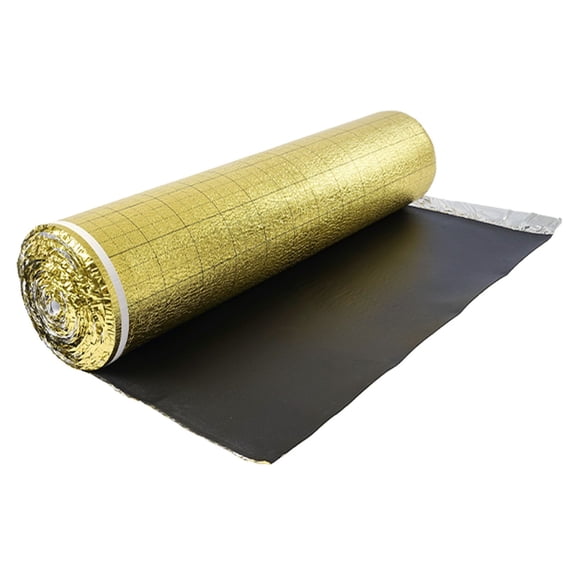
You should also compare underlayment needs before you commit to a material. You may want pre-attached backing for comfort, while some floors need a separate moisture barrier underneath.
Matching format and wear needs
You can also compare flooring by format, since plank, tile, roll, and sheet styles install and look different. You should match the shape to your room size, layout, and design goals.
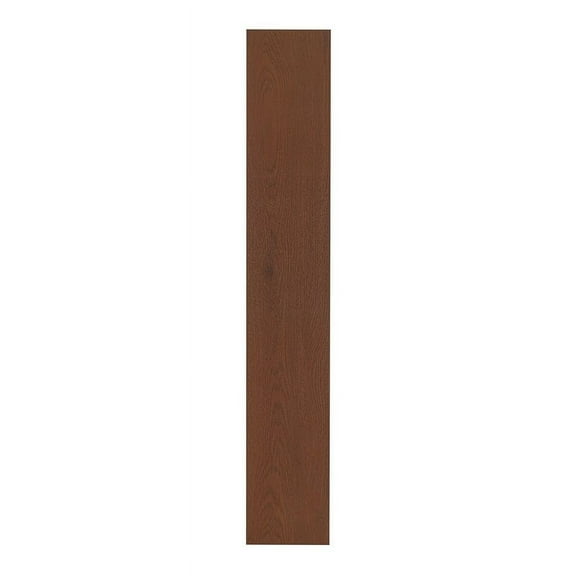
Plank flooring gives you longer lines that can visually stretch a room. You may notice luxury vinyl plank suits open layouts where you want a wood-look pattern.
Tile and floor tiles can help you define smaller spaces, create borders, or support patterned layouts. Sheet flooring and carpet roll formats can help you cover wide areas with fewer seams.
You should also check wear details when your room gets steady foot traffic. If you’re comparing vinyl, a thicker wear layer in mils usually means the printed surface lasts longer.
For playrooms, hallways, and entry spaces, you may want a tougher surface and easier cleanup. For quieter rooms, you may focus more on texture, warmth, and how the floor feels every day.
Using flooring in real rooms
You can make your choice easier when you start with the room instead of the color. You should think about moisture, traffic, sound, and installation time for each space.
In kitchens, you may prefer vinyl flooring, tile flooring, or sheet styles that handle spills and frequent movement. In bathrooms, you’ll often compare waterproof surfaces and grout-ready floor tiles.
For living rooms and dining rooms, you may choose wood flooring, laminate flooring, or luxury vinyl plank for a finished look. In bedrooms, you may prefer carpet or quieter floating floors with added underlayment.
If you’re updating a basement, you should check subfloor conditions and moisture compatibility before anything else. You’ll also want to compare whether your floor needs a separate barrier beneath it.
For rentals, quick remodels, or single-room projects, you may prefer peel-and-stick or click-lock formats. For long-term installations, you may spend more time comparing wear layers, backing, and edge profiles.
You’ll feel more prepared when your flooring choice fits your room, your installation plan, and your daily routine. You can use these decision points to choose a surface that looks right and works hard in your space.