

14mm Sealing Washers & Flat Washers




















About 14mm Sealing Washers & Flat Washers - Walmart.com
Flat washers help you spread pressure, protect surfaces, and match bolts with more confidence. You can compare materials, diameters, and finishes here, so your hardware choice fits the job.
How to choose flat washers for your project
When you compare flat washers, you should start with the material and the surface you’re fastening. You’ll also want to check inside diameter, outside diameter, and thickness before you finish your order.
For outdoor builds, you may look for stainless steel flat washers because moisture can reach exposed hardware. For general indoor fastening, you may compare plain steel or zinc plated washers for everyday assembly needs.
If you’re working around vibration, moisture, or thin material, your washer choice becomes even more important. You’ll notice the right shape and material can help your fastener sit flatter and feel more secure.
Choosing the right material
You should compare washer materials by environment, contact surface, and whether you need sealing. You can narrow your options quickly when you match the material to the job site.
- You may choose stainless steel when your project faces moisture, humidity, or outdoor exposure.
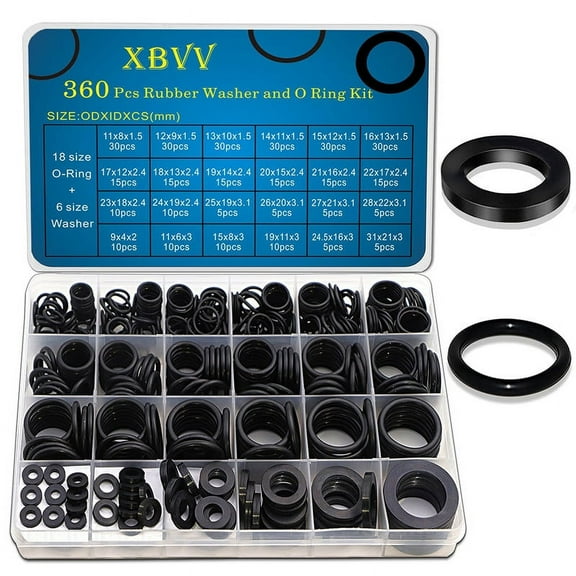
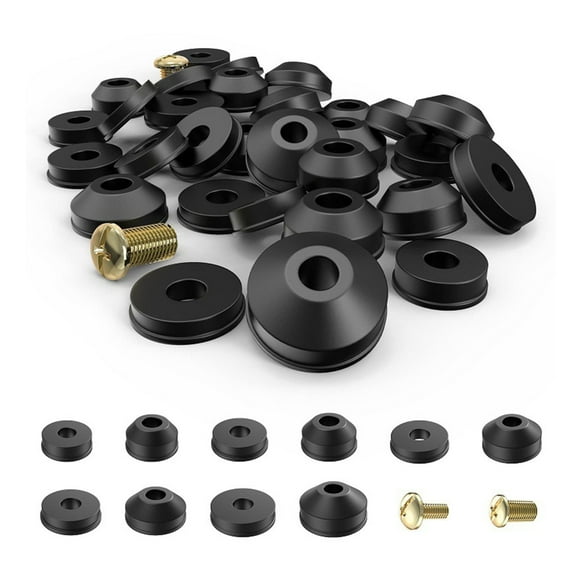
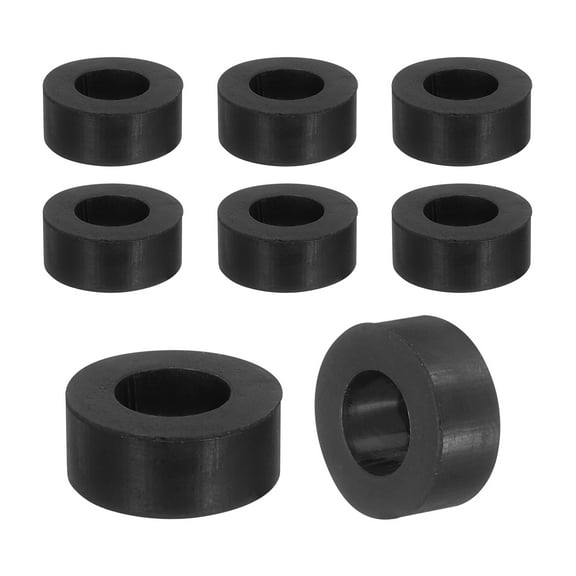
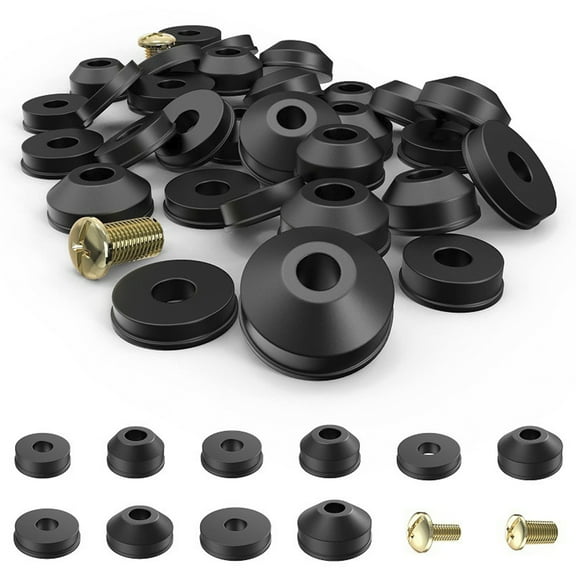
- You may choose rubber flat washers when your connection needs a softer seal against water or air.
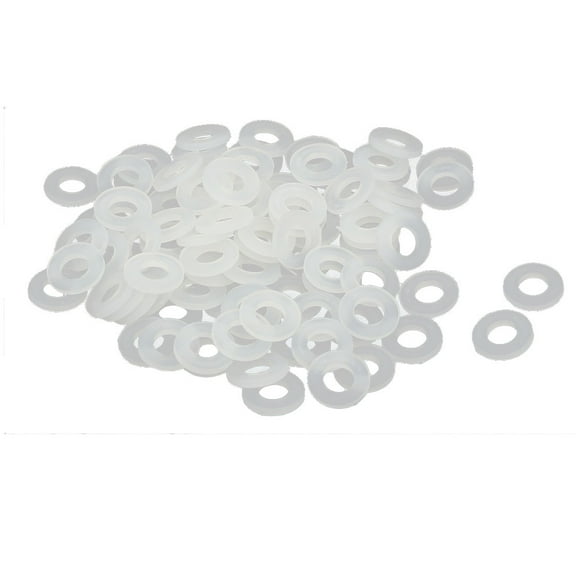
- You may choose silicone flat washers when your setup needs flexibility across changing temperatures.
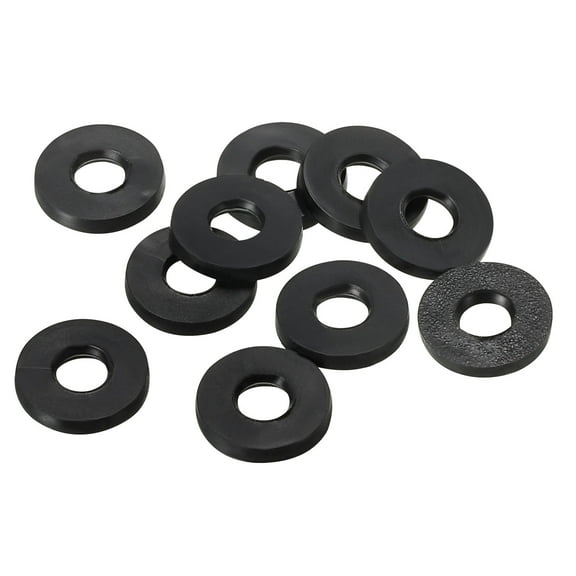
- You may choose nylon when you want a lightweight, nonmetal spacer for electrical or light-duty uses.
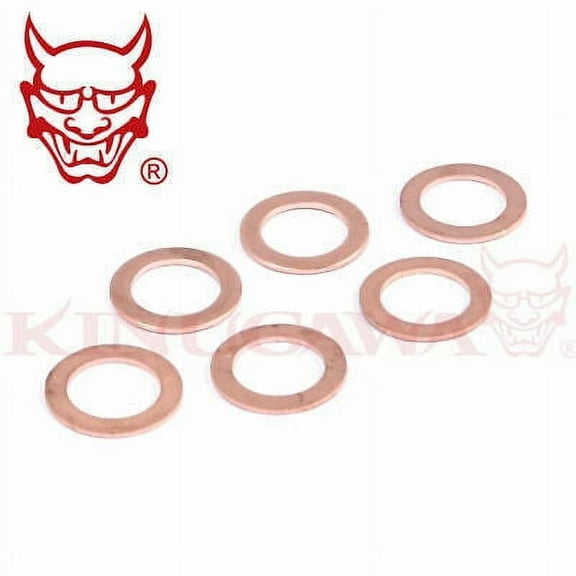
- You may choose brass when your project calls for a distinctive finish or corrosion-conscious hardware pairing.
With metal flat washers, you’ll often focus on strength, surface protection, and hardware compatibility. With rubber or silicone styles, you’ll focus more on sealing, cushioning, and noise reduction.
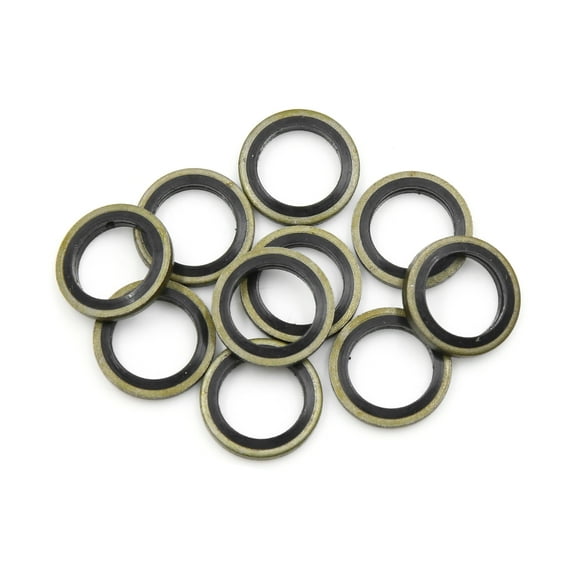
If you compare stainless options, you may see references to 316 stainless steel in technical details. You can use that grade when your hardware faces harsher moisture and corrosion conditions.
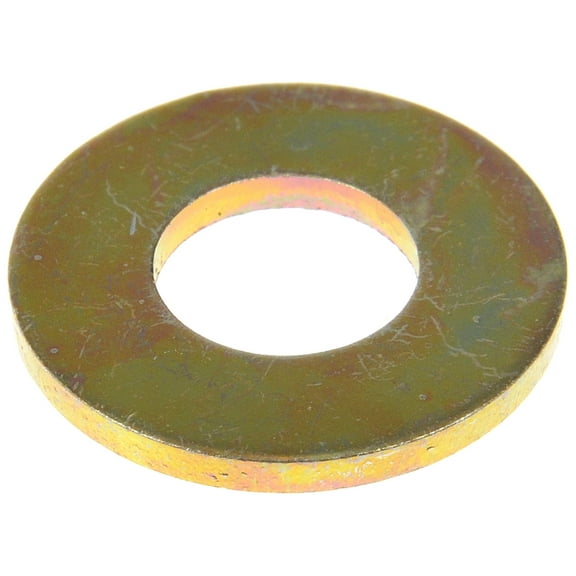
When you review finish choices, you may also see zinc plated washers, black oxide, or plain finishes. You should check coating details when you want a certain look or extra surface protection.
Matching inside diameter to your bolt size
You should match the inside diameter to the nominal bolt or screw size for a clean fit. You can often choose from sizes like #10, 1/4 inch, 5/16 inch, 3/8 inch, and 1/2 inch.
If you’re replacing missing hardware, you should measure the fastener shank before choosing washers. You’ll avoid excess movement when the hole size fits closely around your bolt.
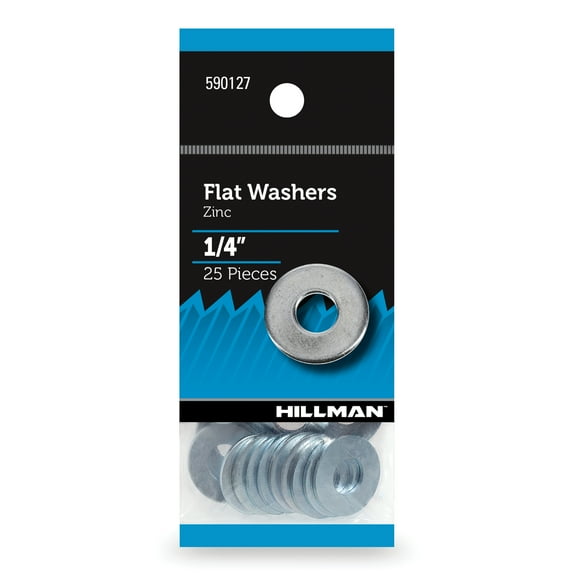
Many shoppers search for 1/4 inch or 3/8 inch flat washers because those sizes fit common home and shop projects. You can use those measurements to filter faster and avoid mismatched packs.
You should also check thickness because a thin washer and a thick washer can behave differently under load. You’ll often want a heavier washer when your joint needs more support.
Comparing outside diameter and washer styles
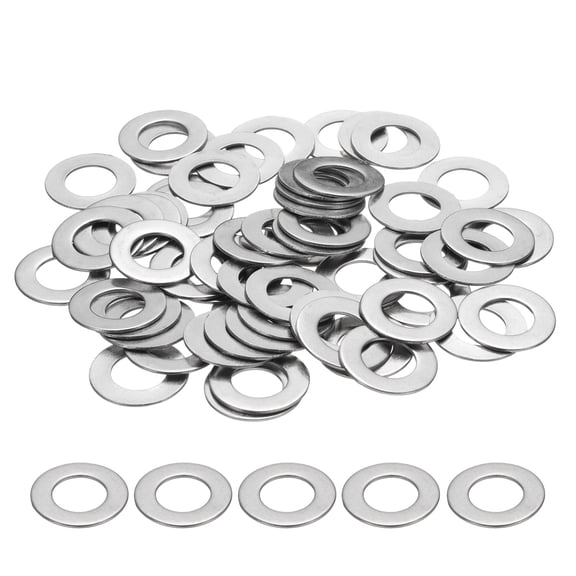
You should compare outside diameter by how much surface area you need under the fastener head. You can choose standard, SAE, USS, or fender washers depending on coverage needs.
Standard and SAE styles can work well when you want a familiar fit for routine fastening tasks. USS patterns often give you a wider outside diameter, which can spread force across more area.
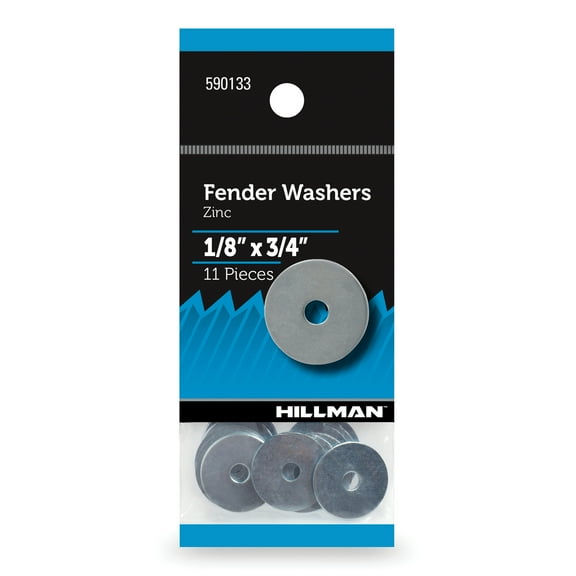
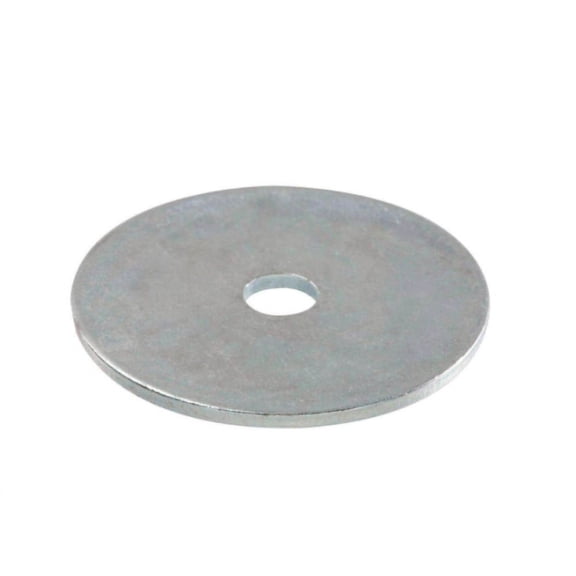
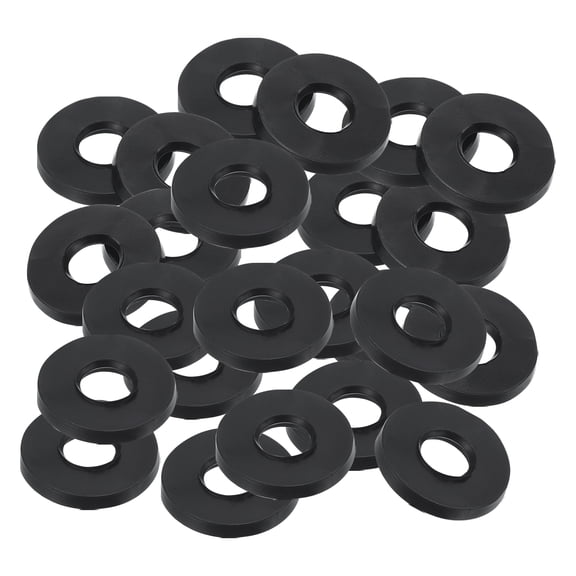
Fender washers are useful when you need broad coverage on thin sheet metal, plastic, or oversized holes. You’ll get a larger bearing surface that helps distribute load more evenly.
If your material feels thin or delicate, you should consider a wider washer before tightening. You can reduce pull-through concerns by giving the fastener head more support underneath.
Using rubber flat washers and silicone flat washers
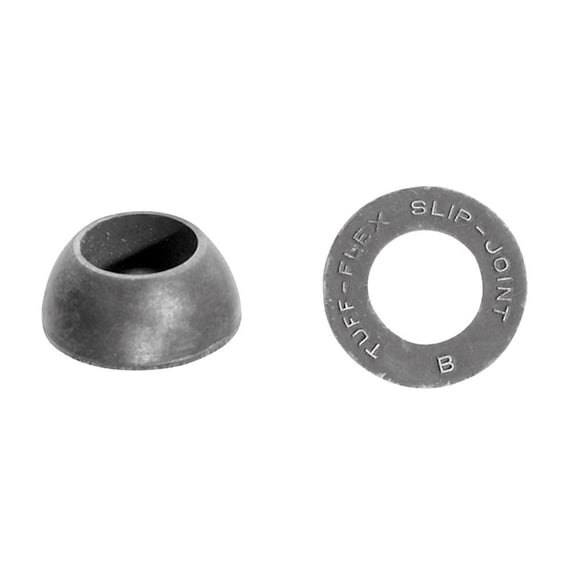
You may choose rubber flat washers when your connection needs a soft barrier between parts. You can use them where sealing, cushioning, or vibration control matters more than bare metal contact.
Silicone flat washers can also help when you need flexibility with changing temperatures or damp conditions. You’ll often see them in light plumbing, outdoor equipment, and enclosure projects.
If you’re assembling panels, lids, or housings, you should compare softness and fit carefully. You can improve the finished connection when the washer compresses evenly without bunching.
For noisy equipment or rattling hardware, you may prefer a softer washer material over metal alone. You’ll notice the added cushion can help reduce contact noise in the assembled setup.
What to look for in assortments and industrial washers
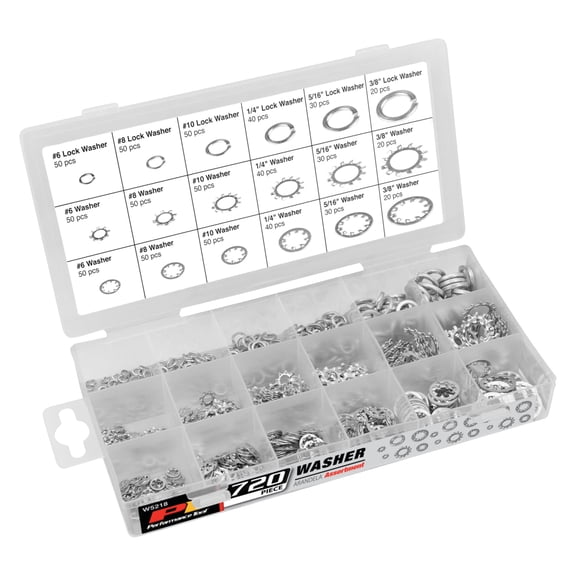
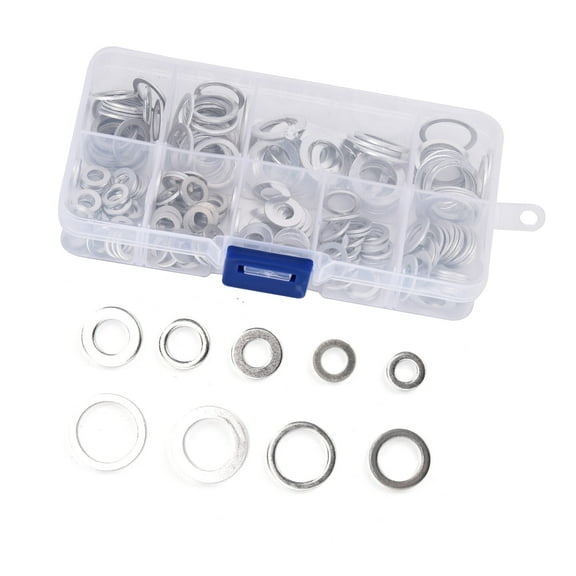
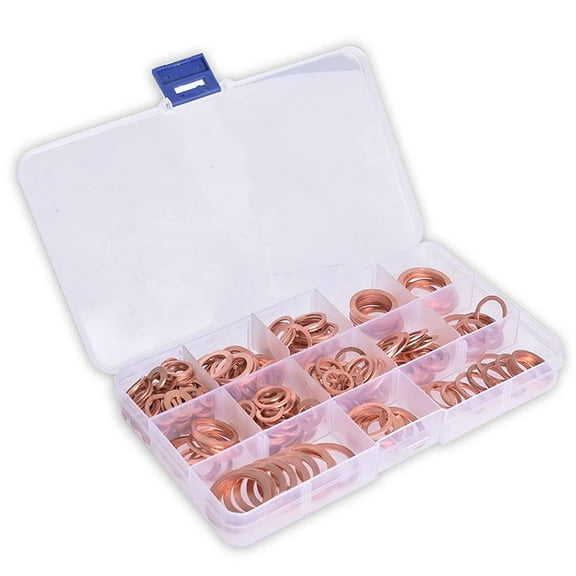
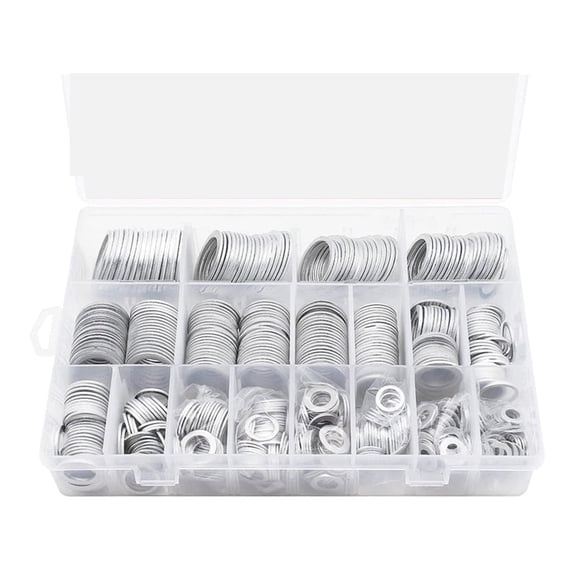
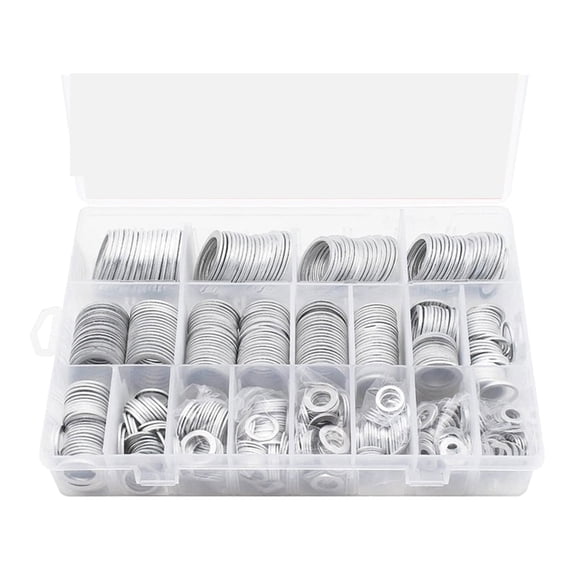
You may prefer a flat washer assortment when your bench work includes many bolt sizes. You can keep common diameters nearby and move through repairs with fewer interruptions.
If you’re sourcing industrial washers, you should verify dimensions, material, and finish before ordering larger quantities. You’ll want consistency across packs when your project depends on repeatable hardware fit.
You should also think about the parts around the washer, including nuts, lock washers, and hex bolts. You can build a more compatible fastening setup when each piece matches the same size standard.
With the right flat washers, you can create cleaner assemblies, protect finished surfaces, and support hardware across wood, metal, plastic, and sheet applications. You’ll feel more confident when your material, diameter, and finish match the task from the start.