




Fishing Traps in Fishing



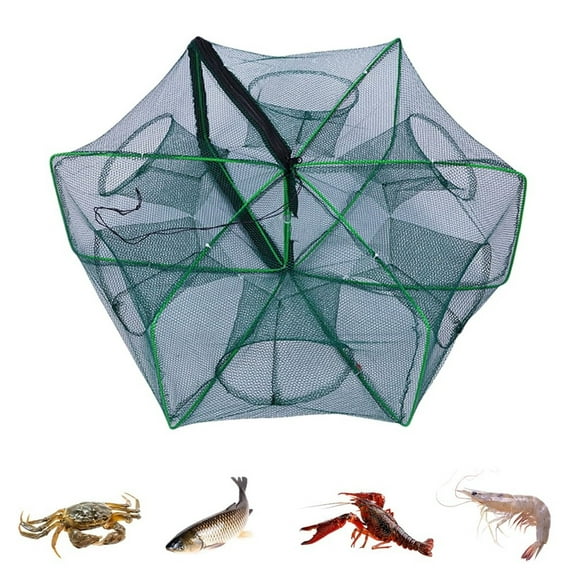
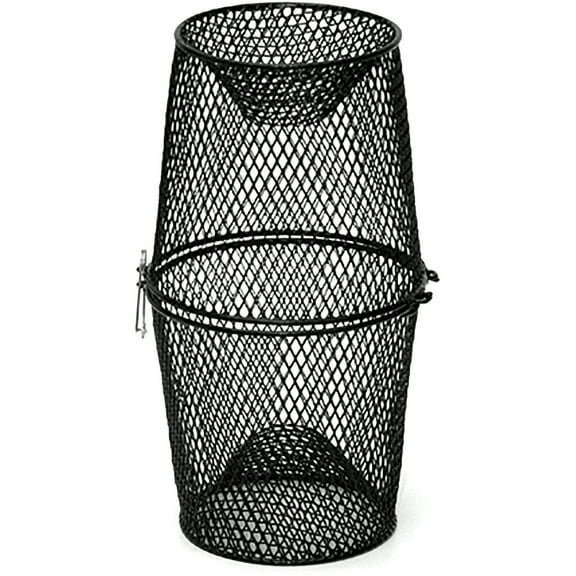

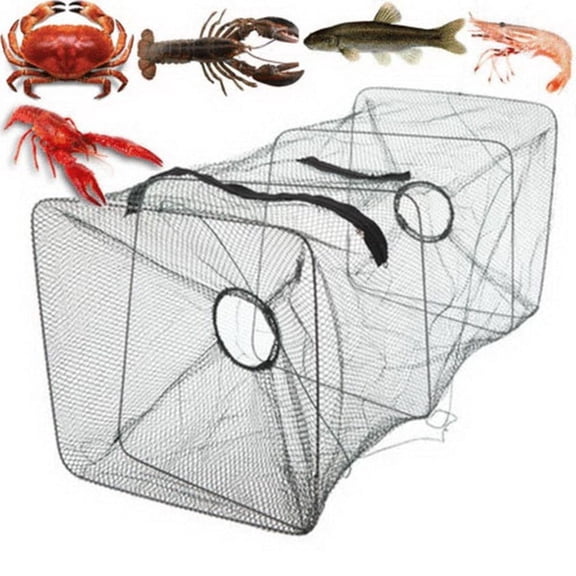
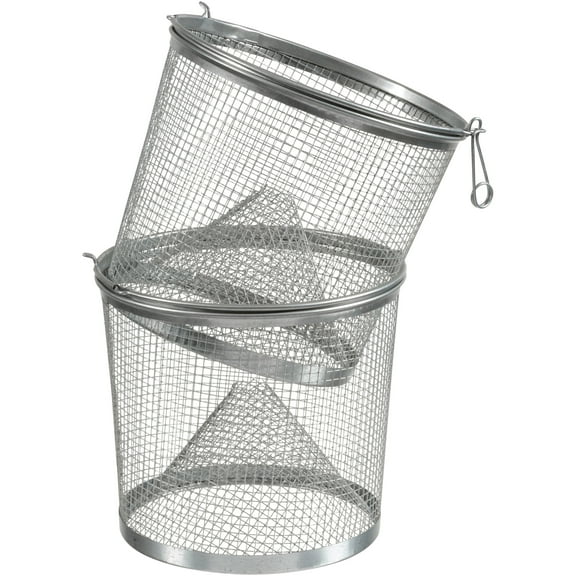









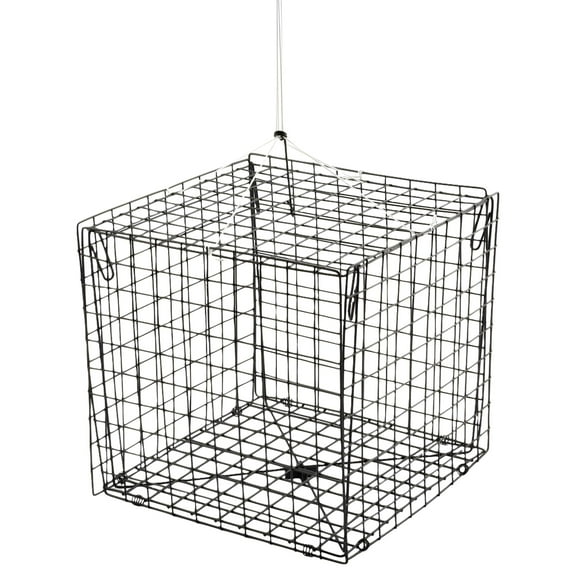

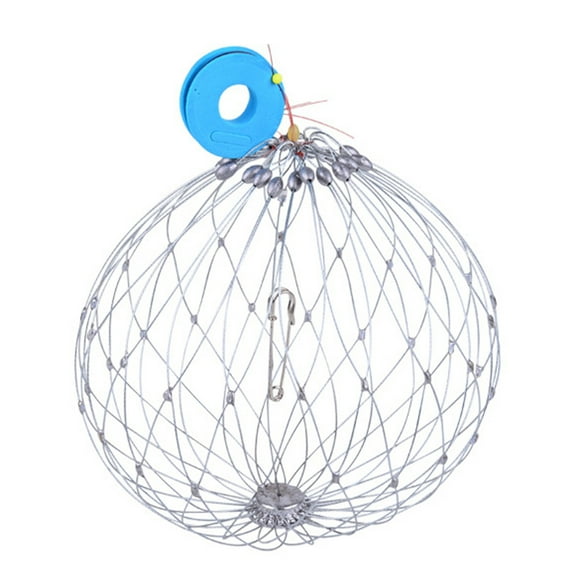


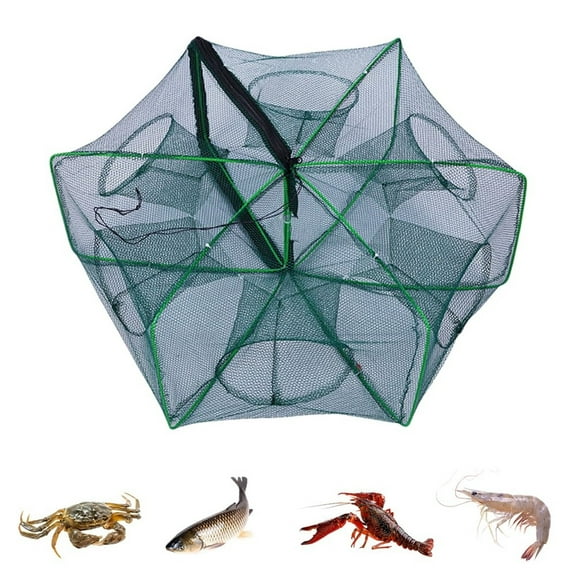


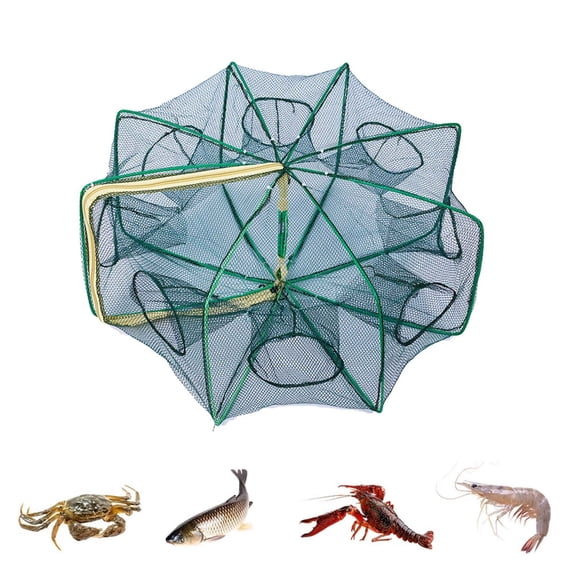





About Fishing Traps in Fishing - Walmart.com
Fishing traps help you target live bait and shellfish with gear built for species-specific entry, mesh, and storage needs. You can compare minnow traps, crab traps, crawfish traps, and bait traps by material, opening style, and portability.
If you fish ponds, creeks, marshes, or coastal water, you need trap designs that match your target catch. You can narrow your choice faster when you understand mesh size, entrance diameter, and local rule-friendly details.
How to choose fishing traps by trap type
You should start with trap type because each design suits a different catch and setting. You’ll usually see minnow traps for bait capture, crab traps for tidal water, and crawfish traps for freshwater harvests.
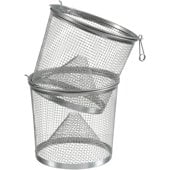
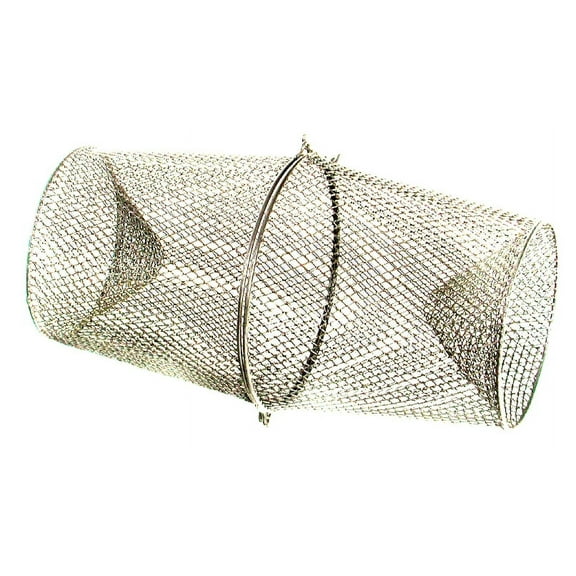
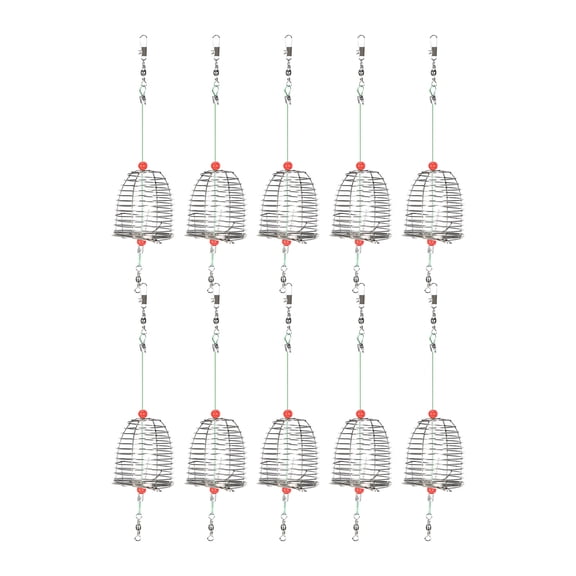
When you compare minnow traps, you should look for funnel entries that guide small bait fish inward. If you want bait traps for creeks or dock areas, you may prefer compact shapes that are easy to place.
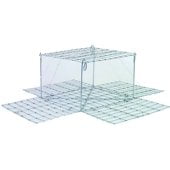
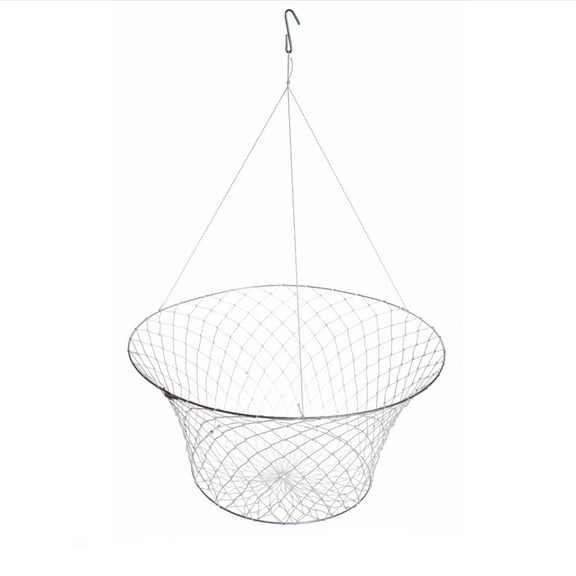
For crab traps, you should check the frame shape, entry style, and line attachment points. If you target blue crab traps in warmer months, you may want room for bait placement and strong lift support.
With crawfish traps, you should compare narrower entrances and body shapes made for bottom placement. If you’re considering shrimp traps, you should also check how the trap handles current and repeated lifting.
- You can match minnow traps to bait gathering in ponds, creeks, and marinas.
- You can use crab traps when you need a larger profile and species-specific entry points.
- You can pick crawfish traps for freshwater bottoms, shallow channels, and repeated soaking.
- You can choose bait traps that fit compact transport and quick placement.
Choosing material and mesh for minnow traps and crab traps
You should compare material next because water type changes how a trap holds up over time. If you fish saltwater, you may prefer galvanized steel or vinyl-coated wire for repeated exposure.
Wire mesh traps give you structure that stays firm during placement and retrieval. You’ll often like rigid wire mesh when you need shape retention on rocky bottoms or around docks.
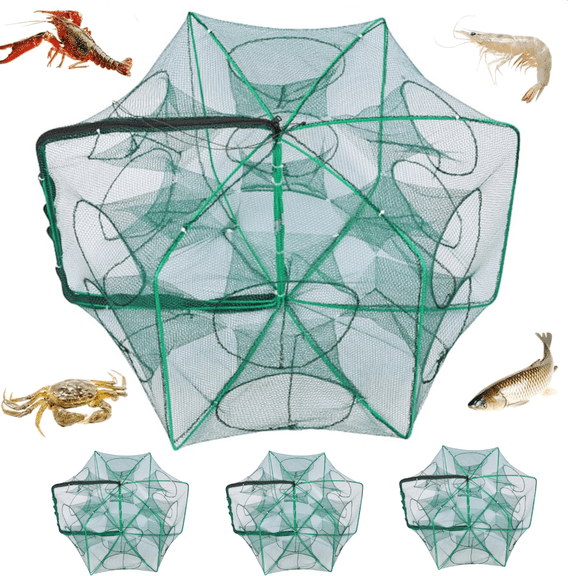
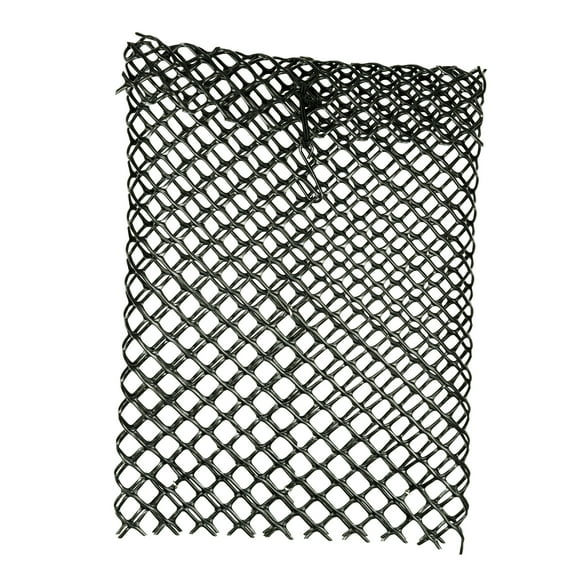
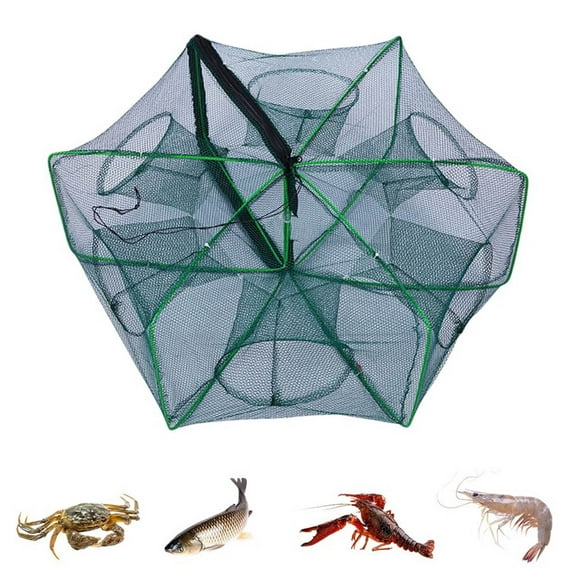
Nylon netting can make a trap lighter and easier to carry between spots. If your storage space is tight, you may like collapsible fishing traps that fold flatter after use.
You should also check mesh size because it affects what enters and what stays inside. A smaller mesh can suit minnows, while larger openings may fit crabs or crawfish better.
Entrance diameter matters just as much because your target species needs room to enter naturally. If you target finfish or larger bait, you should compare double entry and funnel entry dimensions carefully.
You may also want features that support local regulations in your area. You should look for trap details like escape rings or biodegradable rot cords when those requirements apply where you fish.
Comparing collapsible fishing traps and rigid designs
You should think about design based on how you travel, store gear, and fish your spots. If you walk banks or load a small boat, collapsible fishing traps can simplify transport.
Collapsible designs help you pack more gear into limited space without giving up trap function. You’ll often appreciate fold-flat construction when you move between several bait locations in one trip.
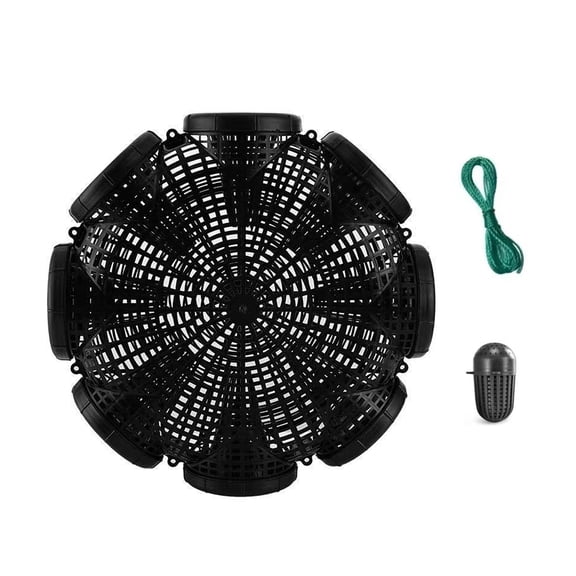
Rigid traps can work well when you want a fixed shape that sets quickly in the water. If you fish rough bottoms or stronger current, you may prefer a frame that keeps its profile.
Double entry designs can improve access from more than one direction during a soak. Funnel entry styles can guide movement inward, which may help when you match the entrance to species behavior.
You should check closure style, bait access, and retrieval points before choosing a design. If you reset traps often, you’ll want hardware and doors that feel easy to manage with wet hands.
Using fishing traps for real conditions and target species
You can use fishing traps in different ways depending on species, season, and water type. If you need live bait for a fishing trip, minnow traps can fit short soaks near grass lines and docks.
When you fish tidal water, crab traps can suit piers, marsh edges, and shallow coastal channels. You should compare frame strength and coating when you expect repeated saltwater use.
If you target crawfish in ponds, ditches, or bayous, you may want longer bodies and easy bait access. You’ll also want mesh and entry points sized for steady bottom feeding activity.
For shrimp traps or other specialized uses, you should check local rules before setting gear. You can avoid poor fit by confirming legal dimensions, required escape features, and approved materials.
Commercial fishing traps may appear in your search, but you should compare capacity and handling needs carefully. If you’re shopping for personal use, you may prefer sizes that lift, store, and reset more easily.
You’ll make a smarter choice when your trap matches your species, water conditions, and storage space. With the right fishing traps, you can spend less time guessing and more time setting gear that fits your plan.