

Outdoor Power Equipment Featured Brands




















About Outdoor Power Equipment Featured Brands - Walmart.com
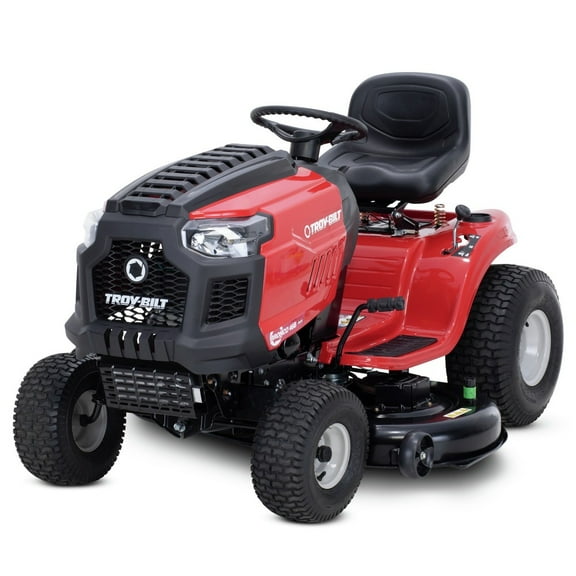
Riding lawn mowers help you cover more ground with less walking, especially when your yard needs wider cuts and steady comfort. You can compare mower type, power source, deck width, and yard fit more easily when you shop this category with a clear plan.
How to choose riding lawn mowers for your yard
Start with your yard size, because that choice guides the deck width and power you should consider. You’ll usually want a smaller deck for tighter paths and a wider deck for open ground.
For about one-half to one acre, you can look at small riding mowers with 30 to 42 inch decks. You’ll find these sizes easier to store, turn, and guide around trees.
If your property covers one to two acres, you may prefer 46 to 54 inch decks for quicker mowing. You’ll cover more grass per pass and spend less time circling broad sections.
When you maintain two or more acres, you should compare 60 plus inch decks and stronger engines. You’ll notice those setups suit longer runs and larger open spaces.
Key benefits you’ll notice from the right mower setup
The right machine helps you match cutting width, steering style, and power output to your routine. You’ll get a smoother mowing pattern when your mower fits your yard instead of fighting it.
- You can finish large lawns faster with a deck width that matches your acreage.
- You can handle tight turns more easily when you compare steering wheels and lap bar controls.
- You can choose gas or battery power based on runtime, charging habits, and storage preferences.
- You can tow select yard carts or accessories when your setup supports extra tasks.
Comfort also matters when you mow for longer stretches across uneven ground. You’ll appreciate a seat, control layout, and transmission style that feels natural in repeated passes.
Consistency matters too when you want cleaner-looking lines across your lawn. You’ll get more even coverage when your deck size and maneuverability fit your obstacles and open areas.
Choosing between riding lawn tractors, zero turn lawn mowers, and rear-engine models
Compare mower type first, because each design handles your yard differently. You’ll usually see riding lawn tractors with steering wheels, while zero turn lawn mowers often use lap bars.
Riding lawn tractors can suit you if you want familiar steering and versatile yard use. You may prefer them for towing attachments, covering medium to large lawns, and handling mixed terrain.
Zero turn lawn mowers can suit you when your yard has many curves, beds, or trees. You’ll make tighter turns, trim closer, and reduce extra passes around obstacles.
Rear-engine options can make sense if you want a more compact footprint. You may find them easier to store when your garage or shed space feels limited.
Maneuverability should stay high on your checklist as you compare controls. You’ll likely prefer steering wheel models for familiar handling, while lap bars can feel quicker around complex layouts.
What to look for in power source and engine output
Power source shapes your mowing routine, storage habits, and upkeep expectations. You can compare gas riding mowers with battery-powered and electric riding mowers based on runtime and convenience.
Gas riding mowers can work well when you mow larger properties and want quick refueling. You’ll often compare engine displacement ranges like under 15 HP, 15 to 20 HP, and over 20 HP.
Under 15 HP can suit you for lighter mowing jobs and smaller yards. You may want 15 to 20 HP for broader lawns, while over 20 HP can support heavier cutting demands.
Electric riding mowers can suit you if you prefer battery operation and quieter starts. You should check battery voltage and estimated runtime, because those details affect how much yard you can finish per charge.
When you compare battery models, look for charging time and acreage guidance in the product details. You’ll get a clearer idea of whether one charge matches your mowing routine.
Comparing deck width and transmission features
Deck width acts as one of your key decision points. You’ll balance faster coverage against access through gates, around landscaping, and inside storage areas.
Small riding mowers with 30 to 42 inch decks can help you navigate tighter spaces. You may like that size when your yard includes narrow openings or frequent direction changes.
Decks in the 46 to 54 inch range can suit you when you want broad coverage without moving into oversized equipment. You’ll often see that range as a practical middle ground.
If you’re comparing transmission types, check whether you want automatic or manual control. You’ll usually find automatic setups simpler for speed changes, while manual styles can feel more hands-on.
That choice affects how natural your mower feels during long sessions. You should consider how often you stop, turn, or shift pace across slopes, edges, and open stretches.
How riding lawn mowers fit different mowing routines
If you mow in spring and want to keep growth under control, matching acreage to deck size becomes especially important. You’ll move through fast-growing grass more efficiently with enough cutting width and power.
For suburban yards with fences, trees, and curved beds, you may prefer a compact rear-engine model or zero-turn setup. You’ll have an easier time trimming around obstacles and reducing awkward backing.
For larger open properties, riding lawn tractors can give you a balanced mix of comfort and coverage. You may also look for compatibility with mower accessories, blades, covers, or yard carts.
If your routine includes regular storage between cuts, size and charging needs deserve extra attention. You’ll want a mower that fits your shed space and matches your preferred maintenance style.
When you compare these category options carefully, you can narrow your choices with more confidence. You’ll end up with a mower that fits your acreage, control preference, and cutting routine more closely.
Riding lawn mowers make more sense when you choose by yard size, deck width, and control style instead of guessing. You’ll feel more confident picking a mower that matches your space and mowing pattern.