

Faucets in Home Improvement























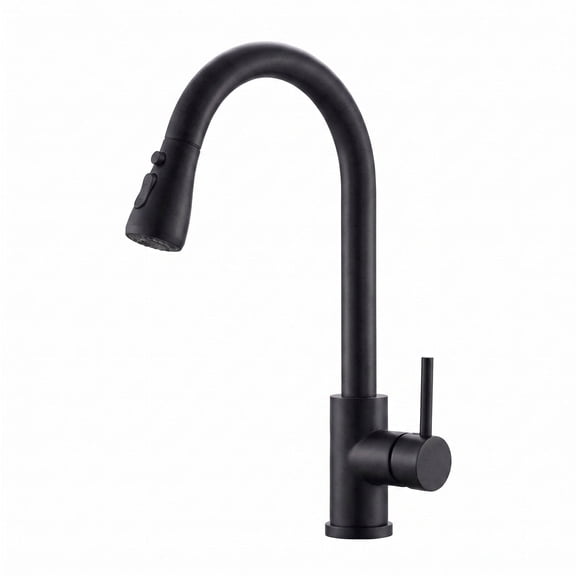

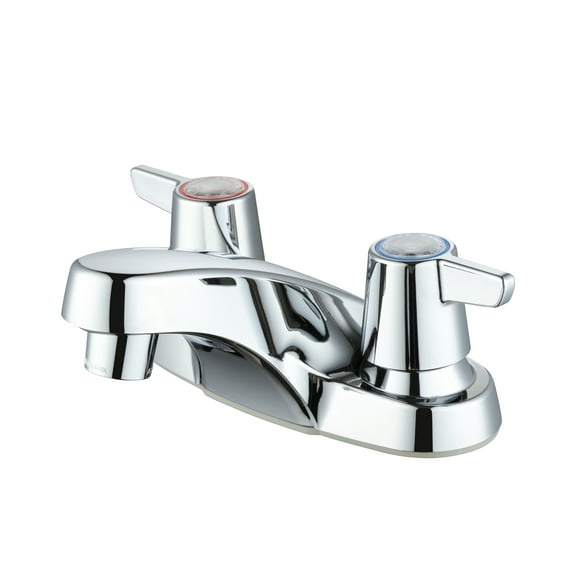
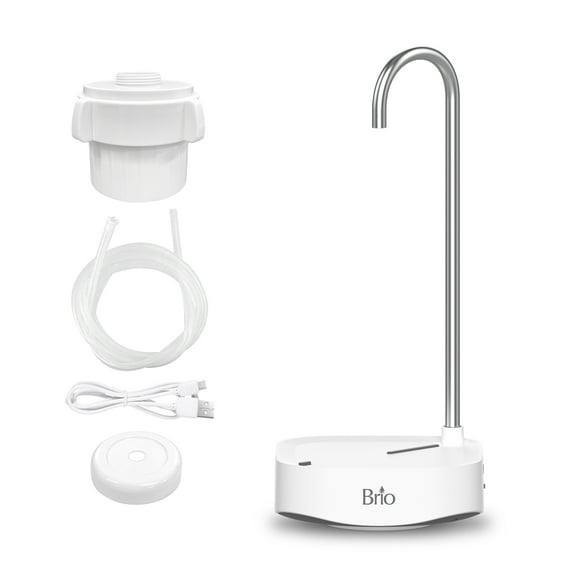











About Faucets in Home Improvement - Walmart.com
Pond pumps help you keep water moving, clearer, and more enjoyable to watch in one hardworking system. You can compare flow rate, pump type, and power source to match your pond setup.
How to choose pond pumps for your setup
If you're starting with pond pumps, you should first check your pond size and water feature style. You should also measure how high your water needs to travel.
For a still fish pond, you may want gentle circulation that keeps water moving across the surface. For a waterfall or fountain, you usually need stronger lift and steadier output.
When you compare pump types, you can match visibility, maintenance, and power needs to your space. That guidance matters because a koi pond uses water movement differently than a fountain basin.
Choosing between submersible pond pumps and external pumps
You can place submersible pond pumps directly in the water, which helps you hide equipment from view. You'll often like this option for small ponds, simple waterfalls, and compact fountain designs.
If you prefer easier above-ground access, you may consider an external pump near your filtration area. You can use that layout when you need stronger output for larger koi ponds.
Magnetic drive options can suit smaller to medium water features where you want steady circulation and quieter operation. You should compare them with direct-drive styles when you expect heavier flow demands.
- You can hide submersible models inside skimmer boxes or pump vaults for a cleaner pond edge.
- You can choose external styles when your setup needs stronger flow and easier access for routine cleaning.
- You can use magnetic drive pumps for continuous circulation in many fish ponds and fountain systems.
- You can consider solar pond pumps when you want a cord-free option for sunny areas.
Choosing the right GPH in pond water pumps
You should use GPH, or gallons per hour, as your main sizing guide. You can think of GPH as the amount of water your pump moves each hour.
For many ponds, you may look for a pump that turns over the full water volume about once each hour. If you have fish, filters, or a waterfall, you may need faster circulation.
A 500 GPH option can fit a small decorative pond or a compact fountain basin. A 1000 GPH or 2000 GPH option can suit larger fish ponds or short waterfall runs.
If you're building a dramatic stream or broad waterfall spillway, you may need 3000+ GPH. You should check width and splash effect, because wider falls need more flow.
You also need to check head height before you choose a flow rate. As lift height increases, you'll usually get less water output at the top.
What head height and wattage mean for your pond filter pumps
You should measure head height as the vertical distance from the pump to the discharge point. That number helps you judge whether your pump can feed a fountain nozzle or waterfall lip.
If your tubing climbs several feet, you can't rely on GPH alone. You should compare performance charts so your pond water pumps still deliver usable flow.
Wattage tells you how much electricity a pump uses during continuous operation. You can use that number to compare running demands for all-day circulation.
If your pond runs day and night, you may prefer a lower-watt design for steady everyday use. If your feature needs stronger lift, you may accept higher wattage for added output.
Pond filter pumps can also support filtration loops that move debris toward mechanical or biological filter media. You should match pump output to your filter's recommended flow range.
Matching pump type and power source to real pond uses
For fish ponds, you should look for reliable circulation that keeps water moving across the full pond area. You may pair that setup with filtration to support clearer viewing.
For koi ponds, you often need stronger flow because larger ponds and active fish create heavier circulation demands. You should check both GPH and head height before choosing.
If your goal is a waterfall, you should focus on lift capacity and spillway width. Pond pumps for waterfalls need enough output at elevation, not just at ground level.
For fountains, you may prefer compact pumps that fit smaller basins and support nozzle patterns. You should confirm compatible tubing and outlet sizing for easier setup.
Solar pond pumps can work well in sunny spots where you want simpler placement and fewer visible cords. You should expect output to vary with available sunlight.
Low-voltage and electric corded options can fit shoppers who want steady daily performance across changing weather. You can compare placement flexibility, cable routing, and run time expectations.
You may also coordinate your pump with related pond liners, pond filters, water treatments, and outdoor fountains. That approach helps you build a more complete water garden system.
What to look for before you finish your selection
You should check intake design, outlet size, cord length, and cleaning access before making your choice. Those details can affect installation time and routine upkeep around your pond.
If you compare pump type, GPH, head height, and power source together, you'll narrow your options faster. You'll end with pond pumps that fit your pond's size, feature style, and daily circulation needs.