

Facility Safety Products for Industrial Use























About Facility Safety Products for Industrial Use - Walmart.com
Facility safety products help you organize hazards, guide traffic, and support emergency readiness across warehouses, offices, and job sites. You can use this category to compare signage, barriers, response supplies, and protective gear with practical choices for compliance and daily operations.
How to choose facility safety products
You should start with the areas where people move, work, and store materials every day. You can then match each zone to the right mix of signs, floor markings, barriers, and response supplies.
When you compare facility safety products, you should look for OSHA and ANSI alignment, clear color coding, and mounting options. You’ll also want materials that suit indoor floors, outdoor weather, and high-traffic industrial spaces.
You can simplify your selection process by grouping needs into four decision points. You’ll usually compare safety signage, traffic control, emergency response, and personal protection before you finish a complete setup.
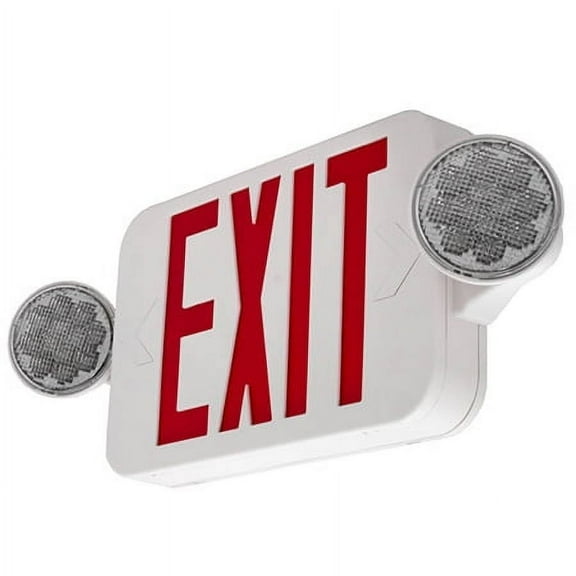
- You can use safety signage to label exits, restricted areas, and equipment zones clearly.
- You can use traffic control items to direct vehicles, separate walkways, and mark loading areas.
- You can use emergency response supplies to prepare workstations, maintenance rooms, and spill-prone spaces.
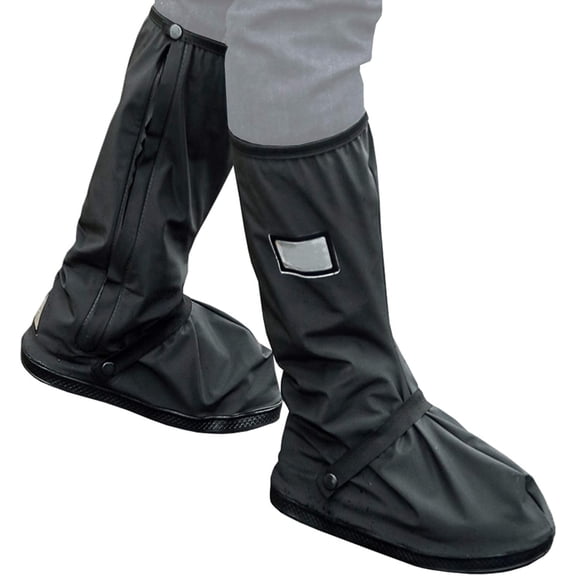
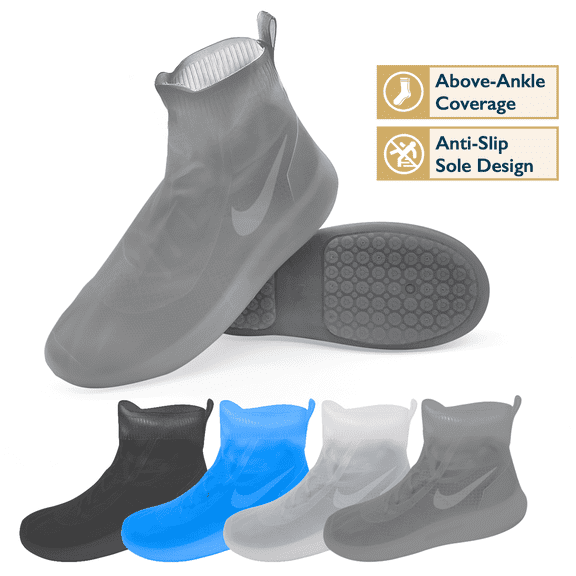
- You can use personal protection gear to support daily tasks in busy industrial environments.
Choosing signage and markings for compliance
You should treat signage as a first-line communication tool for your facility layout. You can use OSHA signs, danger signs, and bilingual signs to make instructions easier to recognize quickly.
When you compare signs, you should check color coding and message visibility first. You’ll often see red for fire equipment, yellow for caution zones, and other colors that support standard workplace communication.
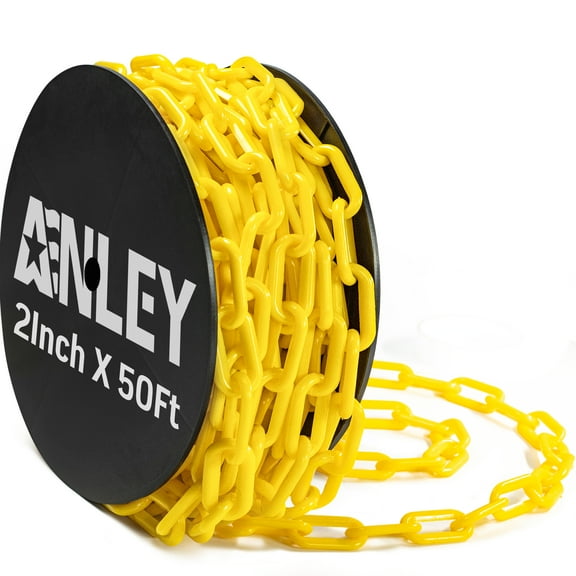
You may also need floor tape for aisles, staging zones, and pedestrian boundaries. You can use adhesive markings when you want a low-profile way to guide movement without adding freestanding equipment.
For installation, you should consider whether you need adhesive, hanging, wall-mounted, or screw-on options. You’ll want mounting styles that match concrete, drywall, doors, racks, or smooth sealed floors.
If your facility includes outdoor docks or exposed entrances, you should compare weather-ready materials and stronger surfaces. You’ll notice indoor signs focus on visibility, while outdoor pieces need durability against sun, moisture, and daily wear.
Comparing traffic control and emergency response options
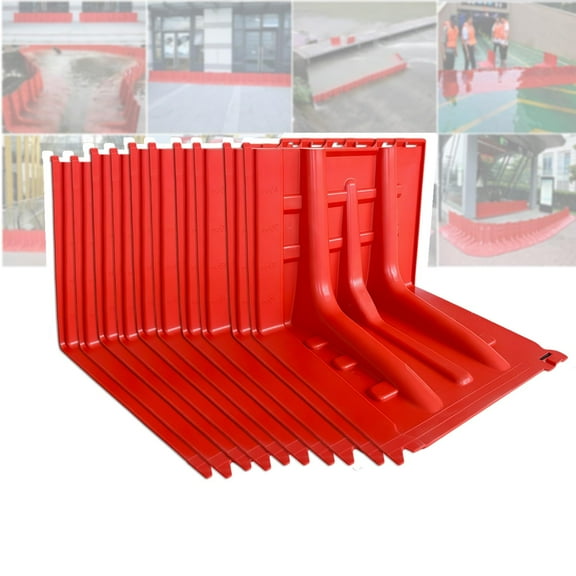
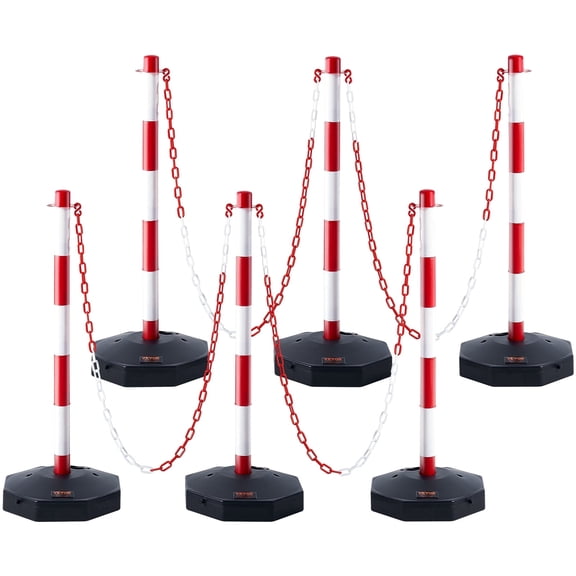
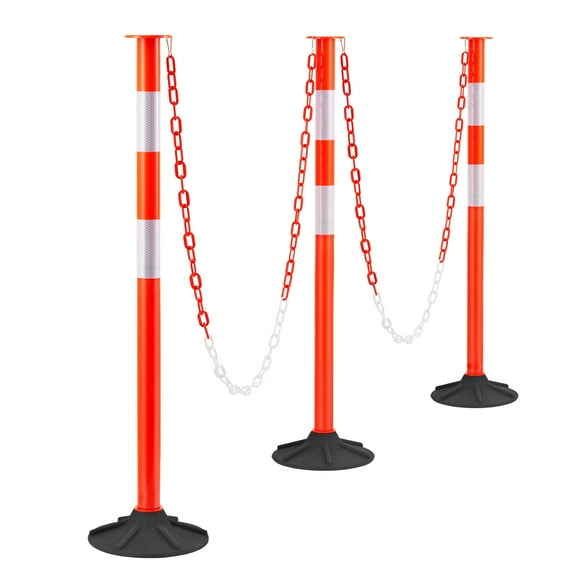
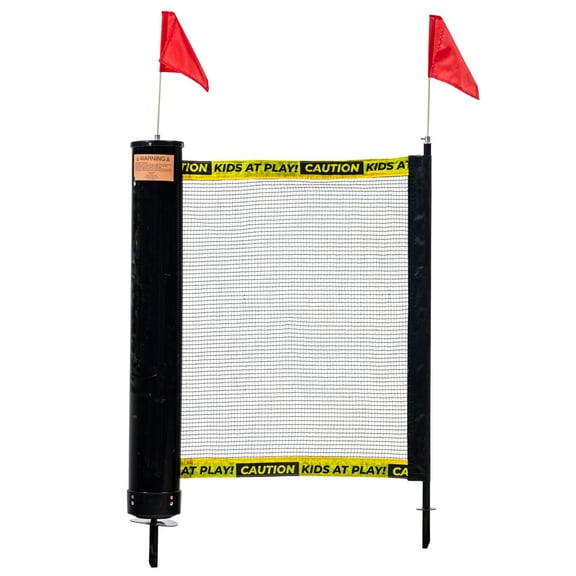
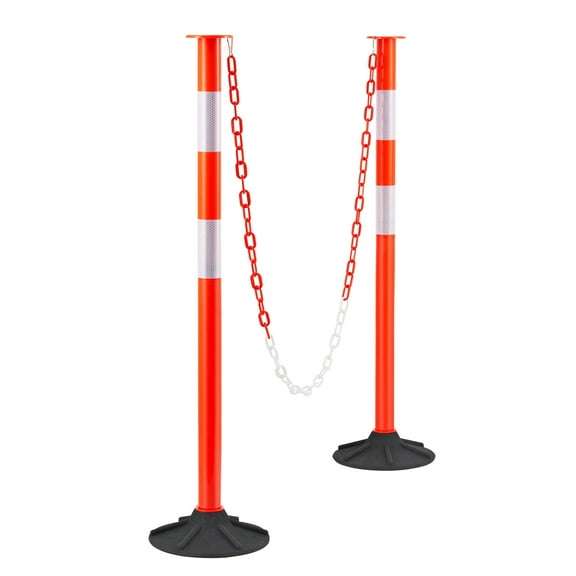
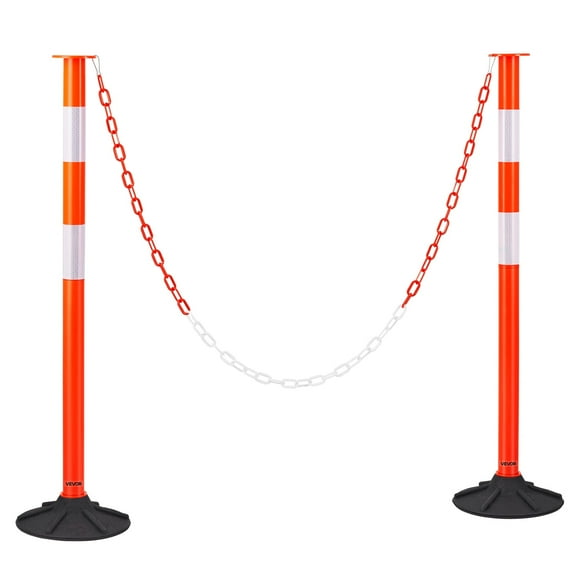
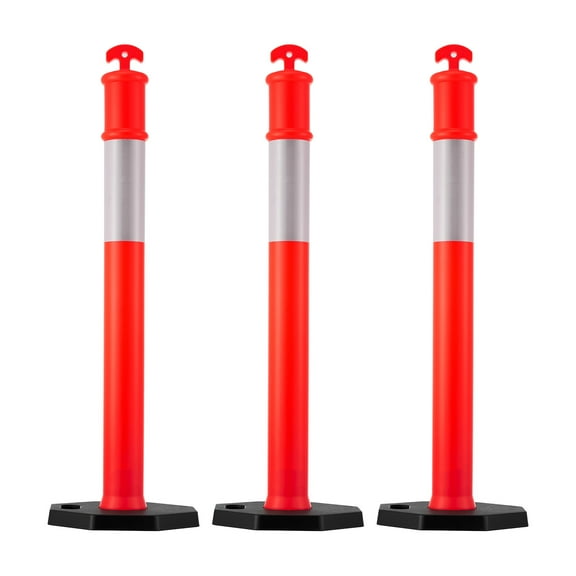
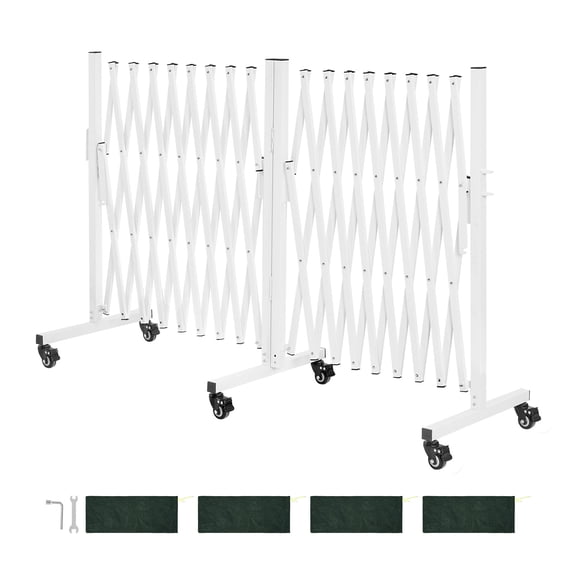
You can use traffic cones, bollards, barricades, and parking curbs to shape safer movement patterns. You’ll find these choices useful when forklifts, delivery vehicles, and foot traffic share the same space.
Portable cones and barricades work well when you need flexible zone changes during cleaning, receiving, or repairs. Fixed bollards and parking curbs make more sense when you want consistent boundaries around doors, lanes, and equipment.
You should also compare weight, visibility, and placement before choosing traffic control items. You’ll want pieces that stay noticeable in busy areas and fit the width of aisles, lots, or loading lanes.
Emergency response supplies cover a different decision point, but you should plan them by location just as carefully. You can place eyewash stations, first aid kits, spill containment items, and fire extinguishers where tasks create specific response needs.
For maintenance areas, you may need spill containment near fluids, storage, and transfer points. For office, warehouse, or shop floors, you can place first aid kits and fire extinguishers where teams can reach them easily.
You should check whether emergency supplies are portable, wall-mounted, or cabinet-ready before you choose. You’ll make installation easier when the format fits your available wall space, carts, stations, or work zones.
Matching personal protection to your work areas
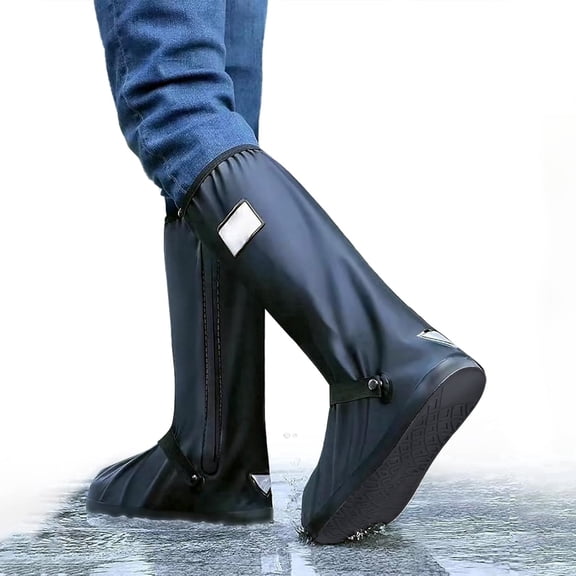
You can complete your facility setup by matching personal protection to the tasks happening in each area. You’ll often compare hard hats, safety glasses, high-visibility vests, and ear protection based on jobsite conditions.
For active floor operations, you may want high-visibility vests where traffic awareness matters throughout the day. For overhead work or construction zones, you can compare hard hats that fit your site rules and shift routines.
You should look at comfort, adjustability, and coverage when protective gear stays on for long periods. You’ll help crews stay consistent when items fit smoothly into daily wear and task changes.
If your teams move between indoor stations and outdoor yards, you should consider durability and visibility together. You’ll want gear that handles changing light, repeated use, and the pace of industrial work.
Using facility safety products in real workplace scenarios
You can combine several facility safety supplies to solve common layout and compliance needs. You might use bilingual signs with floor tape in a warehouse, then add cones and bollards around receiving lanes.
In a parking or loading area, you can pair parking curbs, barricades, and outdoor signs for clearer vehicle guidance. You’ll create more defined routes where trucks, visitors, and employees enter the property.
For maintenance shops, you can stage spill containment, eyewash stations, and fire extinguishers near service points. You’ll keep response tools aligned with the tasks and materials used in those spaces.
In mixed office and industrial settings, you can use first aid kits, directional signs, and safety glasses across separate departments. You’ll support a more consistent safety setup without using the same item in every zone.
When you build a complete plan, you should compare compliance standards, weather exposure, and installation needs together. You’ll choose industrial safety equipment more confidently when each item fits the location, message, and daily activity.
With the right facility safety products, you can create clearer pathways, more visible instructions, and more organized response readiness. You’ll make your facility easier to navigate and easier to manage every day.