

Occupational Health & Safety Products in Industrial & Scientific






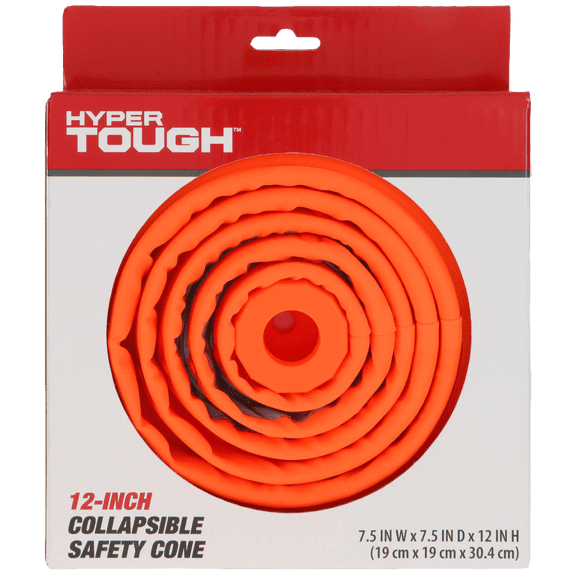
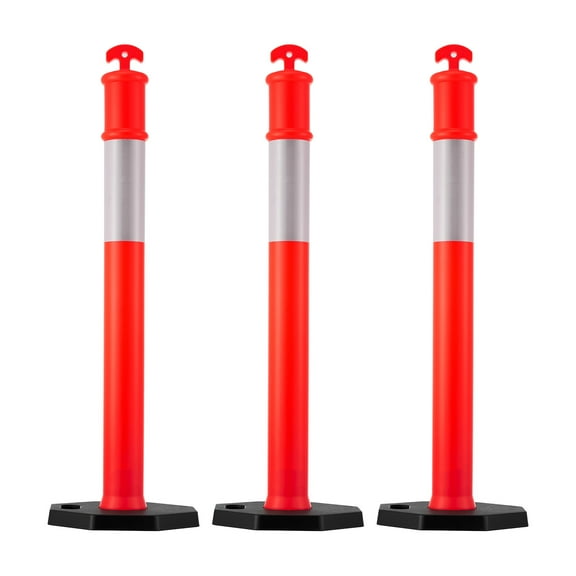
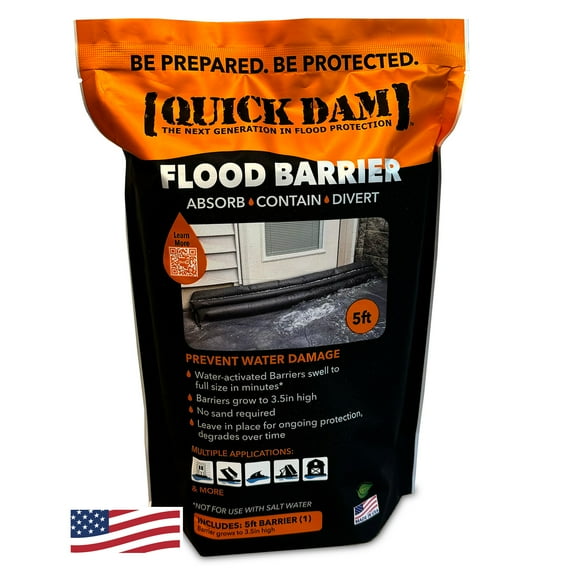
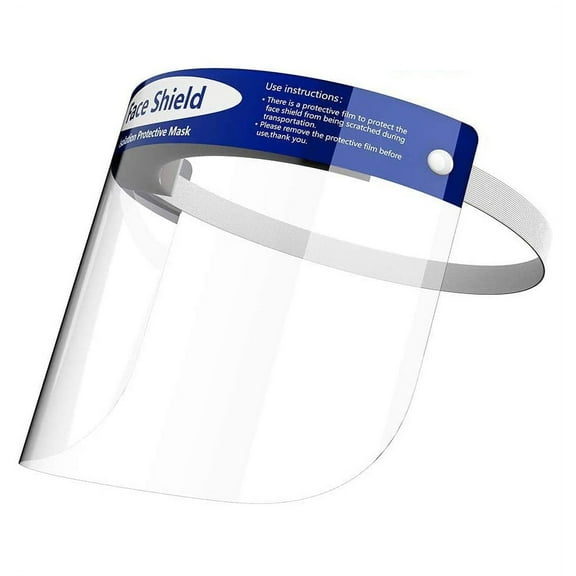











About Occupational Health & Safety Products in Industrial & Scientific - Walmart.com
Occupational health and safety products help you equip worksites, labs, and offices with practical protection for daily tasks. You can compare standards, protection levels, and product types in one place, so your team stays ready for routine work.
If you manage jobsite supplies, you need choices that match hazards, fit requirements, and workplace rules. You can use this guide to sort occupational health supplies by environment, compliance needs, and wear style.
Choosing occupational health and safety products by product type
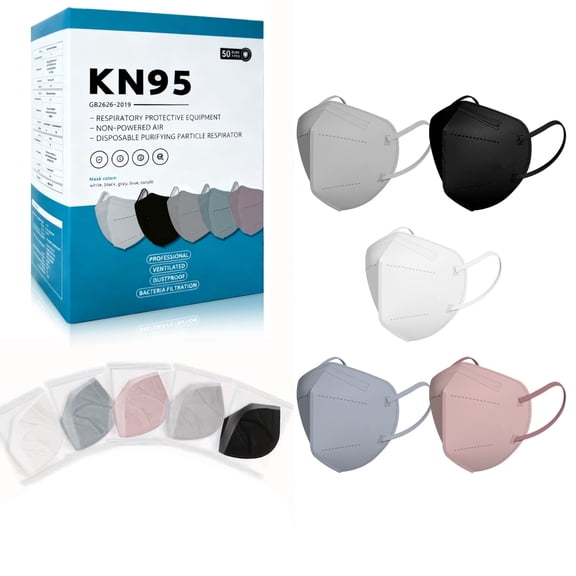
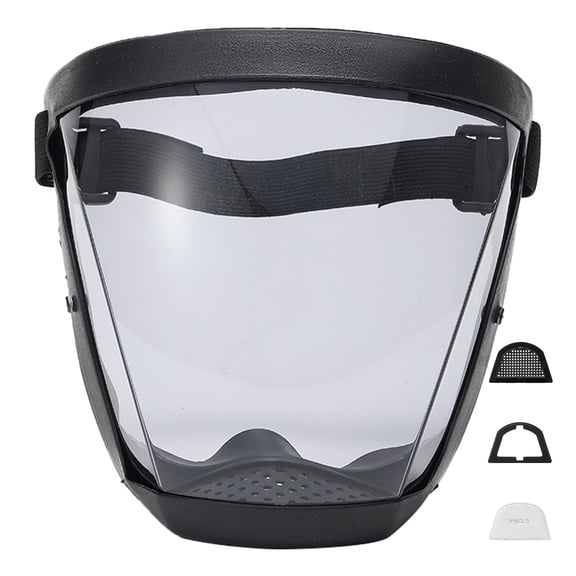
You should start with the product type that matches the task in front of you. You may need face masks for airborne particles, safety glasses for impact exposure, or protective apparel for messy processes.
For everyday readiness, you can also compare first aid kits and spill control supplies. You’ll notice each category supports a different response, from personal wear to cleanup and stocked stations.
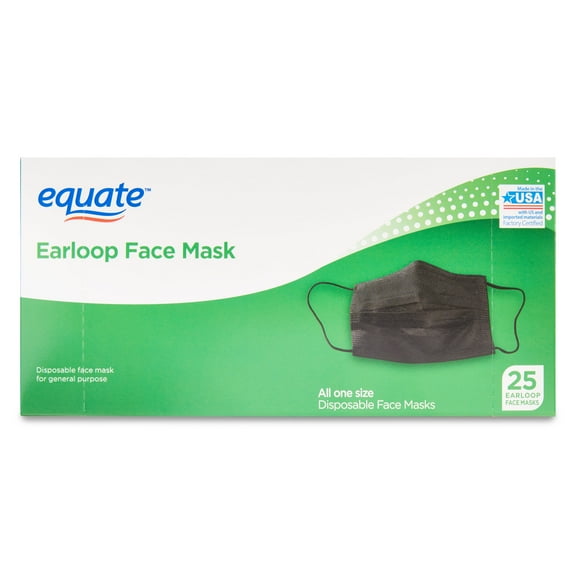
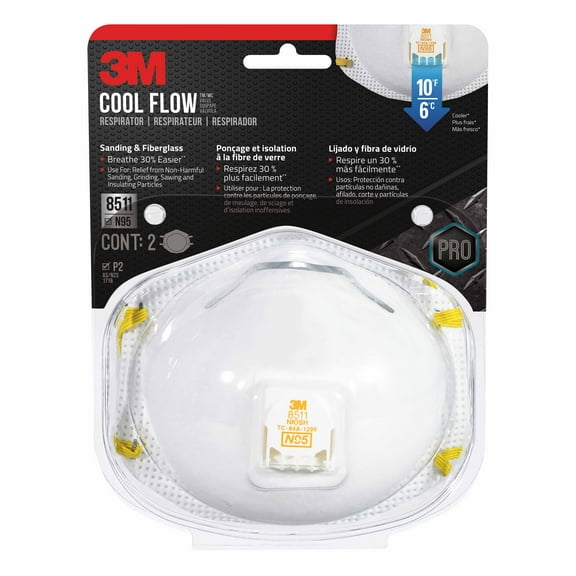
- You can use face masks when your work calls for filtration options like N95 for particle-focused tasks.
- You can choose safety glasses when your job calls for visible coverage and impact-rated eye protection.
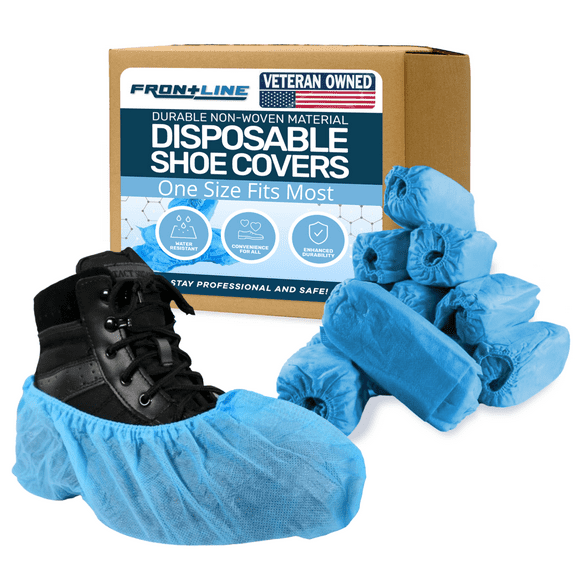
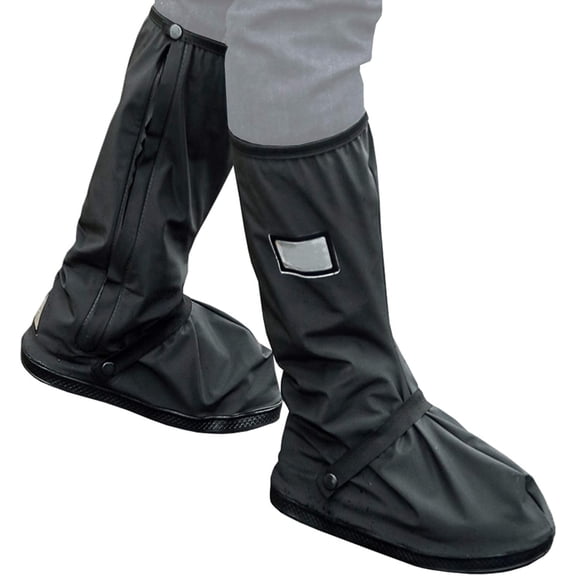
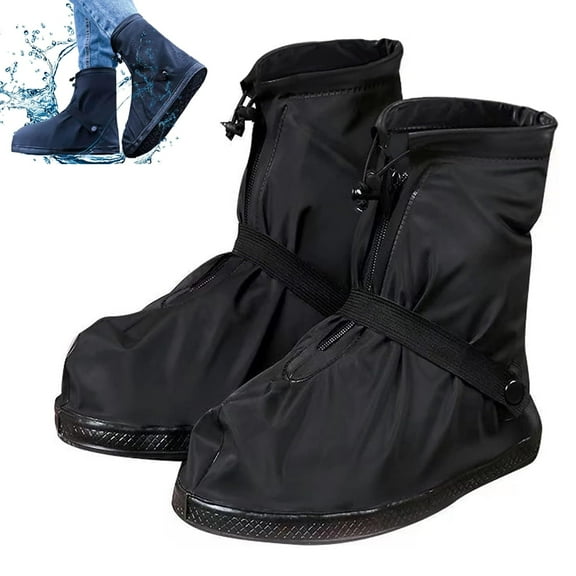
- You can select protective apparel when your workspace involves splashes, dust, or full-shift outer coverage.
- You can keep first aid kits nearby when your team needs organized bandages, wraps, and workplace essentials.
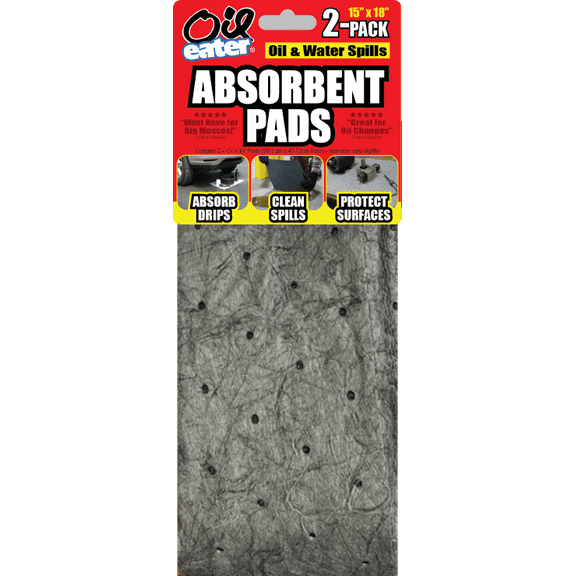
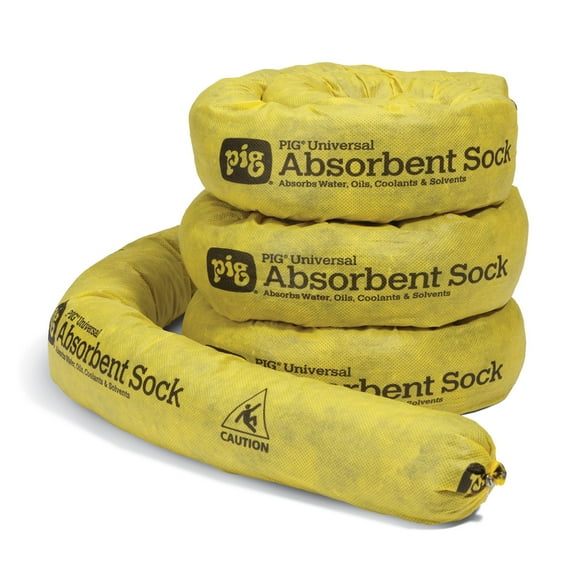
- You can add spill control supplies when your area needs absorbent materials for contained liquid cleanup.
How to compare workplace health products by protection level
You should compare protection levels before you choose workplace health products for a crew or facility. You can match N95, ANSI Class 2, ANSI Class 3, and hazard-specific options to the exposure level.
When you review ratings, you’re checking how visible, filtered, or shielded you need to be. You’ll make a clearer choice when the label matches your task instead of a general use case.
For masks, you may look at filtration efficiency when airborne particles are part of your workflow. For eyewear, you can check impact resistance ratings when flying debris is part of your task.
With visibility apparel, you should compare ANSI Class 2 and ANSI Class 3 based on traffic and background conditions. You’ll often want higher visibility coverage for busier zones and changing light.
What to look for in compliance standards and hazard coverage
You should check whether your health and safety products align with required workplace standards. You can look for OSHA compliant, ANSI certified, or NIOSH approved labeling when your process demands documented guidance.
These terms help you compare products using recognized benchmarks instead of guesswork. You’ll understand faster whether an item fits your site rules, contractor expectations, or department protocols.
You should also match gear to the hazard itself, not just the job title. You can compare chemical splash coverage, particulate filtration, and impact protection for more accurate selection.
In industrial areas, you may need durable outer layers and visible markings for active movement. In laboratories, you might prioritize splash-ready apparel, eye coverage, and contained spill control tools.
For healthcare settings, you can focus on limited-use masks, gloves, and stocked supply stations. In offices, you may need first aid access, safety signage support, and cleanup materials for shared spaces.
Deciding between reusable and disposable options
You should decide how often you’ll replace each item before you build your supply list. You can compare disposable, reusable, and limited-use formats based on shift length, storage, and turnover.
Disposable options can simplify restocking when you need fresh gear available across multiple users. Reusable options can fit repeat tasks when you want gear that handles regular wear and routine maintenance.
Limited-use formats work well when your team needs a middle ground between one-time use and long-term wear. You’ll want to check care instructions, replacement timing, and packaging counts before choosing.
Fit matters just as much as format when you’re selecting occupational safety products for long shifts. You can compare sizing details, adjustable features, and coverage areas to support comfort during movement.
Matching occupational health and safety products to your environment
You should narrow your options by the place where you use the gear. You can compare industrial, construction, healthcare, laboratory, and office settings to find practical combinations.
On construction sites, you may pair ANSI visibility apparel with safety glasses and particulate masks. In industrial spaces, you might combine spill control, eye protection, and protective apparel for mixed tasks.
Inside healthcare settings, you can focus on limited-use masks, stocked first aid items, and easy-to-replace daily essentials. In laboratories, you may prioritize splash coverage, eye protection, and absorbent cleanup materials.
For office preparedness, you can keep first aid kits and cleanup supplies accessible without overbuilding your cabinet. You’ll get a more useful setup when each item matches the environment and likely task.
With occupational health and safety products, you can build a more organized supply plan around standards, hazards, and fit. You’ll choose with more confidence when your gear matches your workplace, wear schedule, and compliance needs.