

Engine Cleaners in Automotive Cleaners & Degreasers






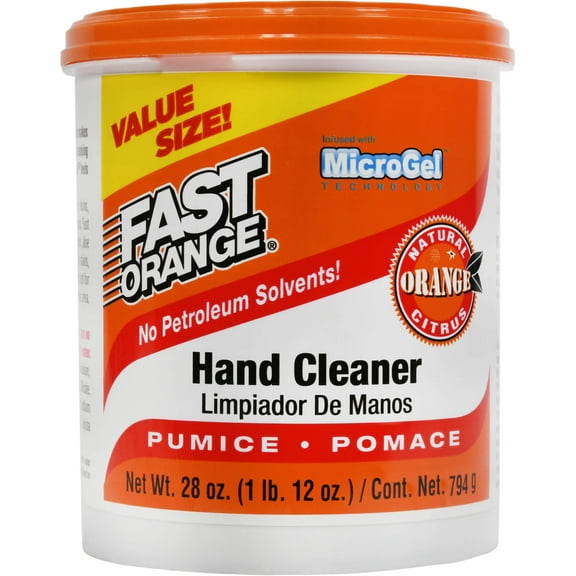
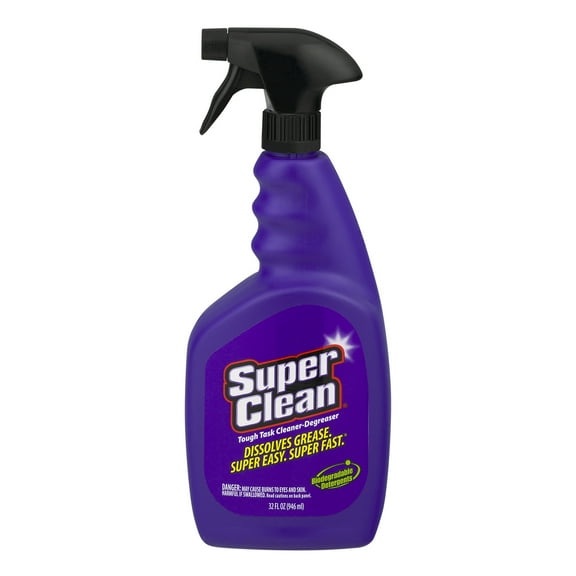
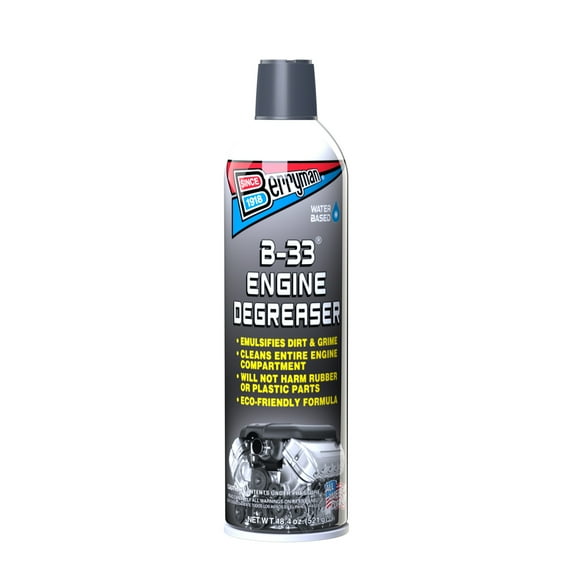
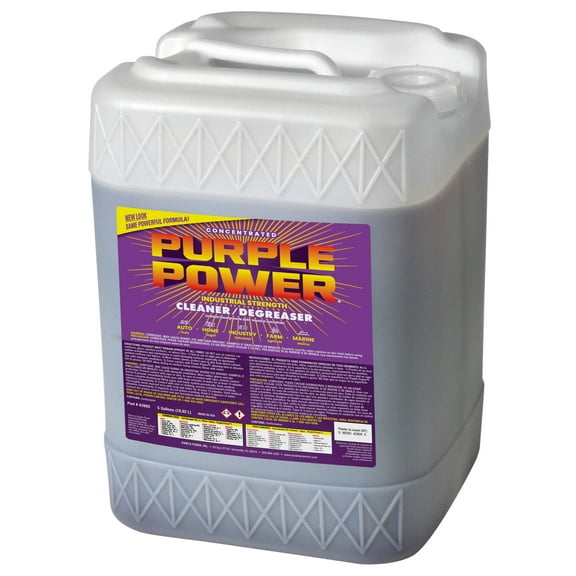






About Engine Cleaners in Automotive Cleaners & Degreasers - Walmart.com
Engine cleaners help you remove greasy buildup from crowded engine spaces with more control. You can compare formula type, base ingredient, and surface safety before you start.
If you maintain a daily driver, truck, or shop equipment, you need targeted cleaning support. You also need options that fit engine bays, transmissions, gears, and mixed-material surfaces.
Choosing engine cleaners for your setup
When you compare engine cleaners, start with where you'll spray and what residue you'll remove. You should also check whether you want a rinse-off formula or a wipe-off approach.
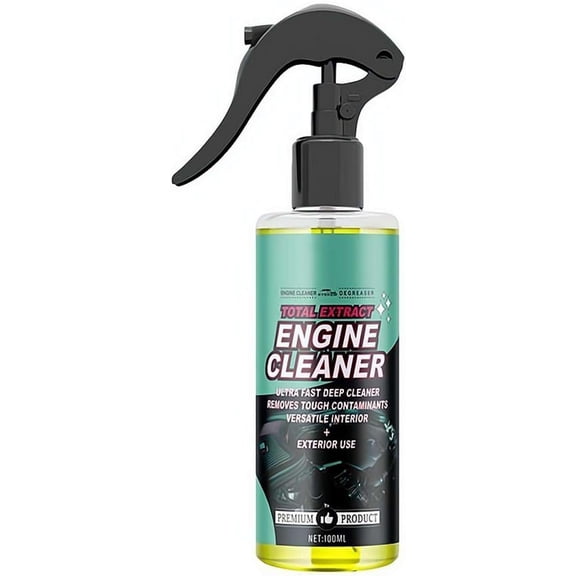
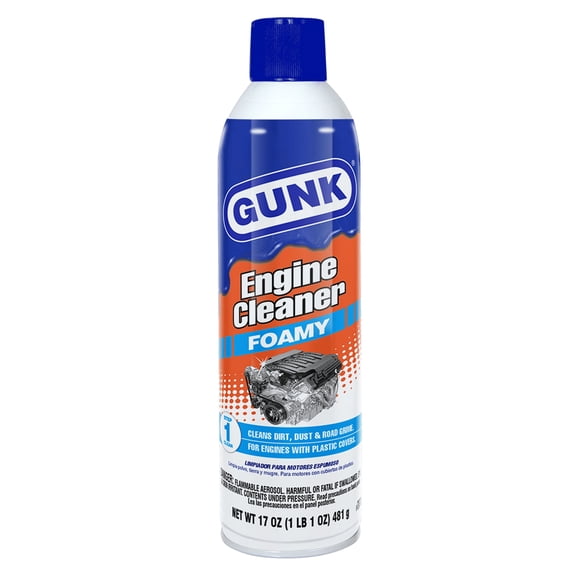
Foaming aerosol formulas help you reach around hoses, brackets, and tight corners. Liquid spray options give you direct coverage, while concentrates suit larger jobs and repeat cleaning.
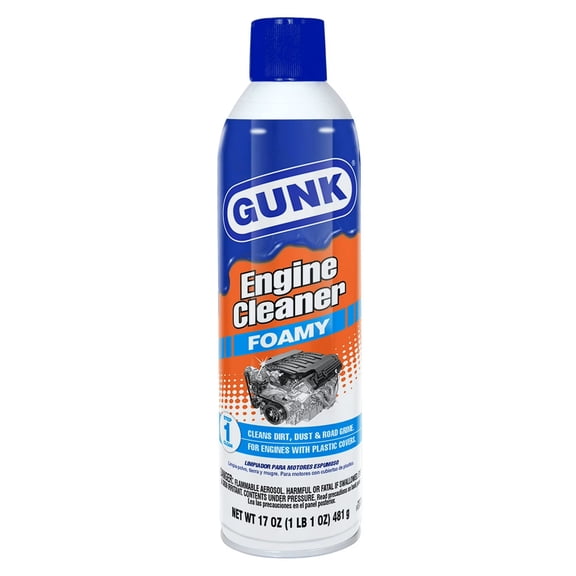
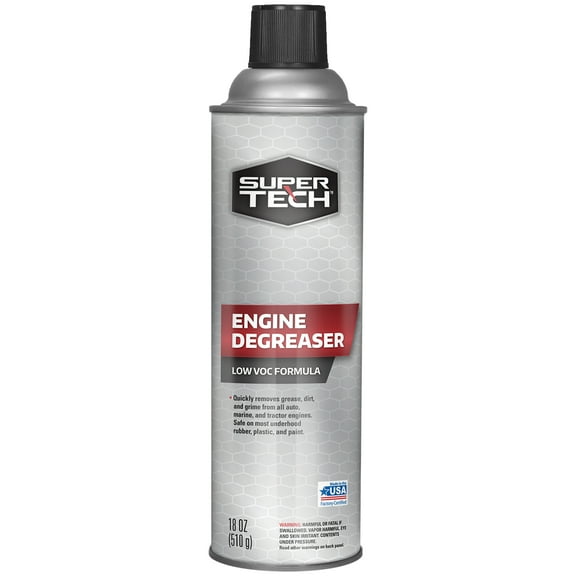
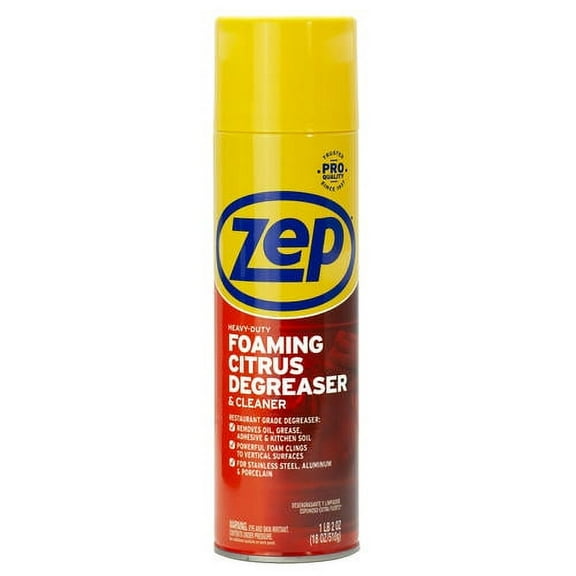
- You can use foaming aerosol to cling to greasy spots on vertical engine parts.
- You can choose liquid spray when you want controlled coverage on smaller areas.
- You can pick concentrate when your garage routine includes heavy machinery or larger metal parts.
- You can look for an engine bay cleaner that matches your rinsing method and cleanup time.
Your choice affects how quickly you loosen grime around covers, pulleys, and housings. It also affects how easily you can clean narrow spaces without overspraying nearby parts.
How to compare engine degreaser formulas
An engine degreaser works differently depending on its base ingredient and intended residue level. You should compare solvent-based, water-based, and citrus-based options before you start.
If you face baked-on grease and oily film, you may choose solvent-based formulas. You should check labels closely if your engine area includes rubber boots, plastic covers, or coated parts.
Water-based formulas suit you when you want a simpler cleanup routine on mixed surfaces. You may need extra brushing, but you often get easier handling for regular maintenance.
Citrus-based options give you another route when you want a fresh-smelling formula type. You should still confirm compatibility with painted surfaces, plastic trim, and rubber components.
If you detail often, your car engine degreaser choice can shape prep time and rinse time. You should also compare whether the formula needs a full rinse or a simple wipe-down.
What to look for in an automotive engine cleaner
An automotive engine cleaner should match the materials under your hood, not just the grime level. You should measure success by surface compatibility as much as cleaning strength.
Metal safe formulas can make sense when you focus on aluminum parts, brackets, or exposed hardware. You should still check whether the cleaner also suits finished coatings and nearby trim.
Rubber and plastic safe options matter when your engine bay includes covers, seals, and wiring protection. You can narrow your search by checking whether the label mentions mixed-material use.
Painted surface compatibility also matters if you clean around fenders, supports, or painted brackets. You should look for clear directions on dwell time, rinsing, and contact with surrounding finishes.
Application area should guide your decision just as much as formula strength. You can choose one engine bay cleaner for under-hood upkeep, while other formulas fit gears, transmissions, or machinery parts.
Matching use cases to the right cleaner type
If you maintain a commuter car, you may want a water-based spray for routine engine bay touchups. You can pair that choice with a rubber and plastic safe formula for covered components.
If you work on older vehicles with heavier buildup, you may prefer stronger cutting action on oily residue. You should compare solvent-based options and check whether your surfaces need extra protection.
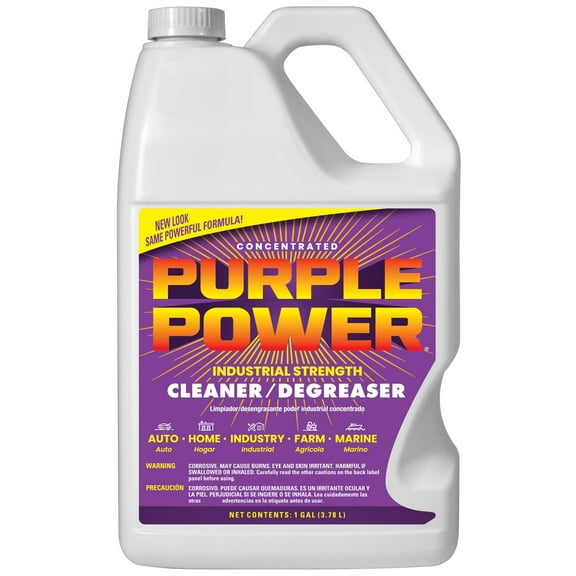
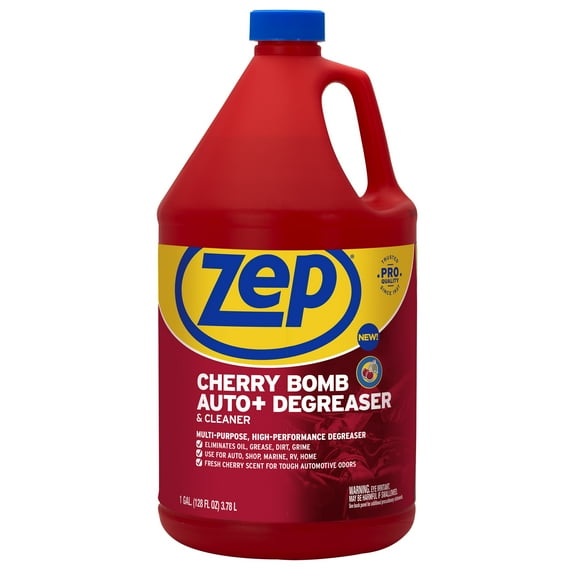
For shop settings or larger equipment, concentrate formulas can support repeat jobs across multiple parts. You can dilute based on the task and use them on heavy machinery, gears, or greasy housings.
If you clean around transmissions or drivetrain parts, you may want targeted spray control. You can use a liquid format when you need direct placement on specific spots.
Foaming formulas help when you need cling in vertical areas and narrow gaps. You can often see where the product sits, which helps you track coverage during cleaning.
Your rinsing setup matters before you choose any car engine degreaser. You should check whether you'll use a hose, pressure rinse, or shop towel for final cleanup.
Using engine cleaners with confidence
You can make a smarter choice by comparing formula type, base ingredient, application area, and surface safety together. That approach helps you select engine cleaners that fit your vehicle, your tools, and your cleanup routine.
When you match the cleaner to your engine surfaces and residue type, you get a more efficient maintenance process. You also get results that suit regular under-hood care without guesswork.