

Electronic Drums in Drums

















About Electronic Drums in Drums - Walmart.com
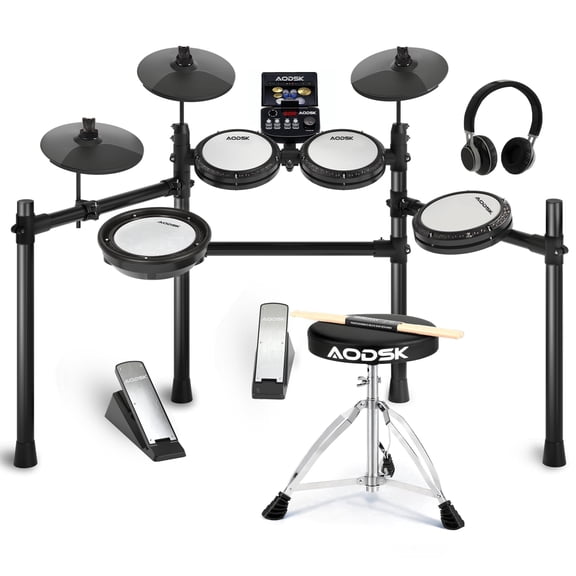
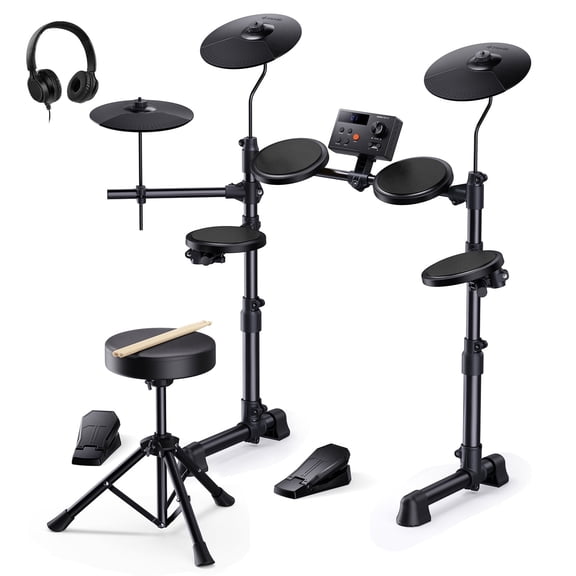
Electronic drums help you practice with less room and less noise than full acoustic kits. You can compare head feel, rack size, and module features before you choose a setup.
If you're building a first practice space, electronic drums give you flexible options for apartments, shared rooms, and home studios. You can focus on mesh heads, folding frames, and headphone play that fit how you learn.
How to choose electronic drums
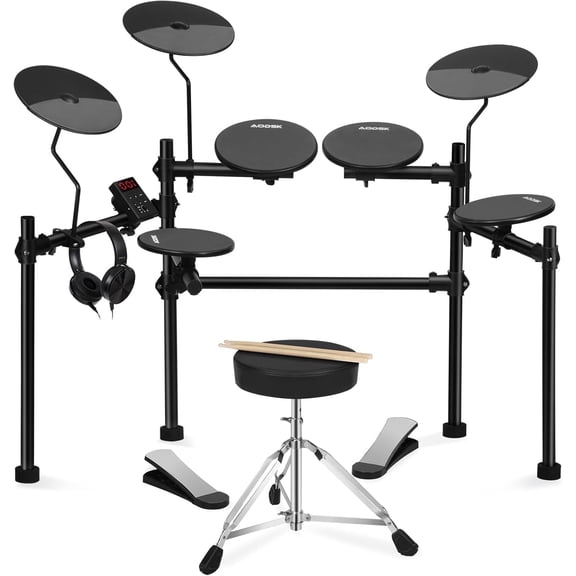
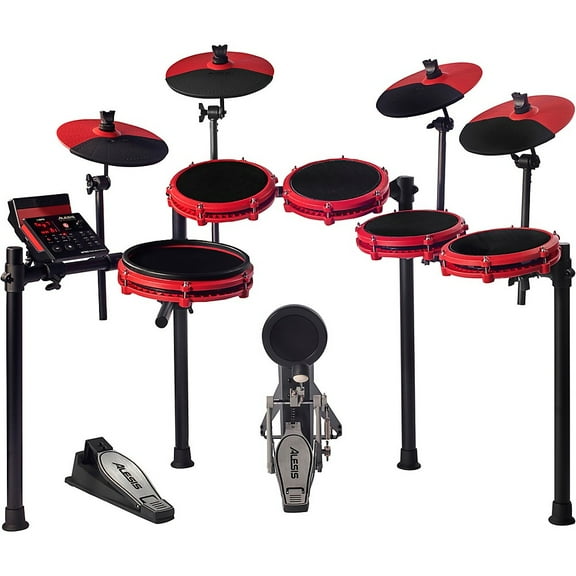
When you compare an electronic drum set, you should start with head type, skill level, kit size, and connectivity. You can narrow choices faster when you measure your space and list your practice goals.
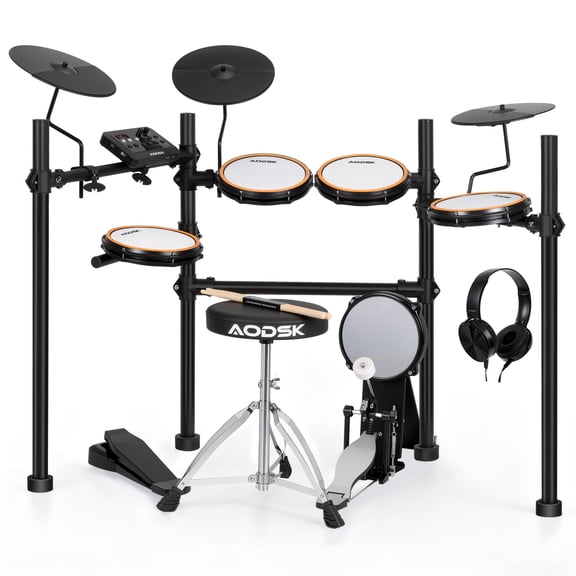
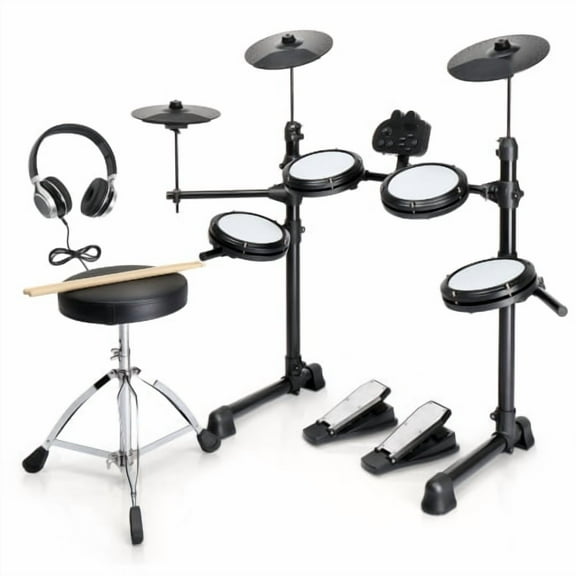
For many shoppers, the right electric drum kit balances realistic stick response with a layout that fits a bedroom or studio corner. You should also check whether bundled sticks, pedals, headphones, or a throne are included.
What you gain from the right setup
You can practice later in the day because many setups support headphone play and quieter pad contact. You'll also keep your footprint smaller with racks that fold or tuck against a wall.
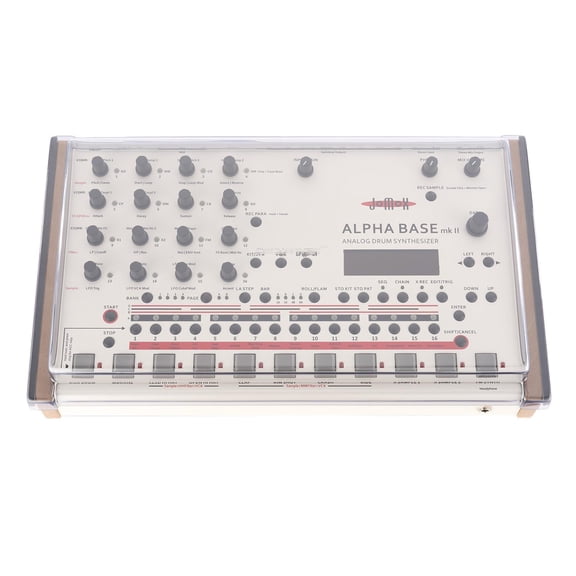
As you build skills, you can use coaching features, onboard songs, and metronome tools for steady timing. You may also connect a digital drum set to recording software for home music projects.
- You can keep practice more contained with headphone jack support and quiet practice drums features.
- You can choose a smaller rack or tabletop layout when your room has limited floor space.
- You can match rebound feel to your preference with mesh, rubber, or silicone playing surfaces.
- You can start simply with beginner-focused modules, then compare expanded controls as your playing grows.
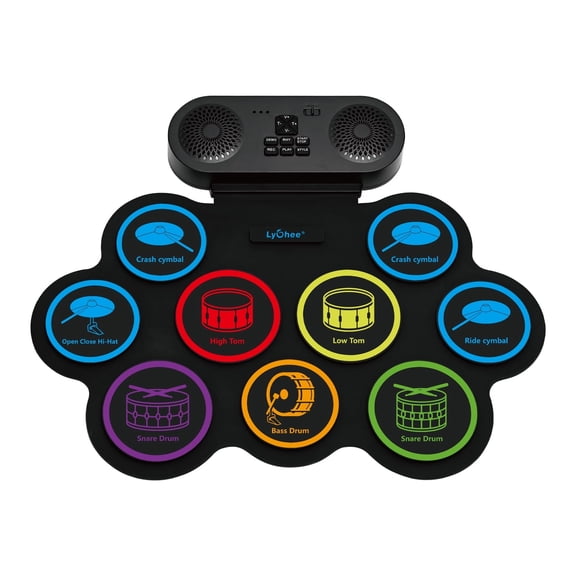
Another benefit is layout flexibility across ages and skill levels. You can compare four-piece, five-piece, and eight-piece tabletop options based on reach and playing style.
If you're shopping for gifting season, electronic drums for holidays can fit learners, returning players, and compact music rooms. You can choose a setup that feels approachable without taking over the house.
Choosing drum head type and playing feel
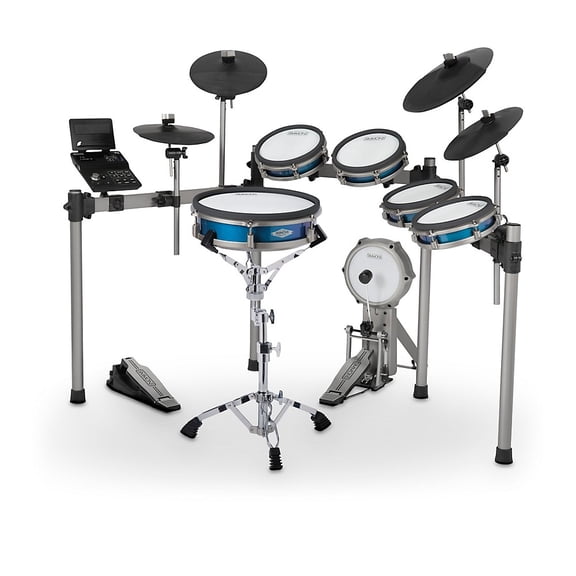
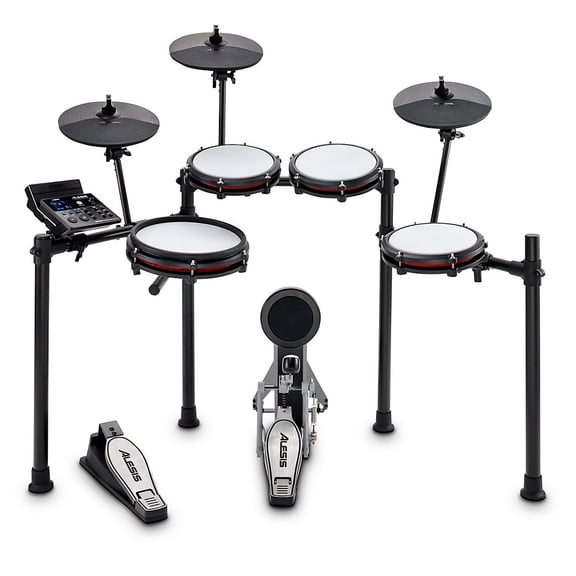
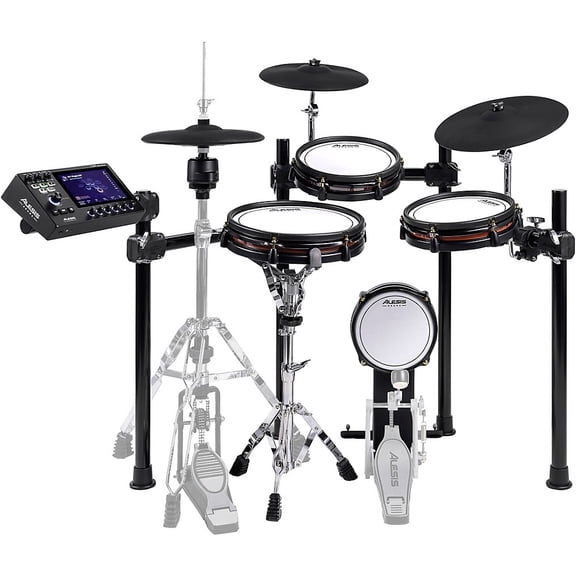
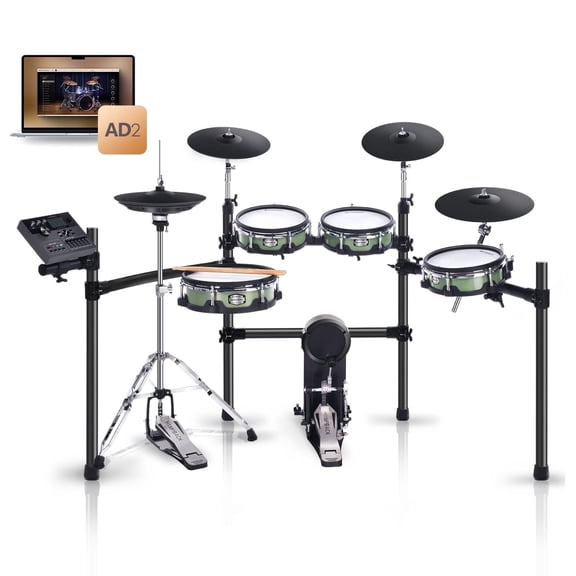
You should compare drum head type first because it shapes feel, rebound, and room sound. Mesh head electronic drums usually give you a more drum-like response with a softer strike sound.
If you prefer a firmer surface, you may look at rubber pads for straightforward setup and consistent response. If you want another touch option, you can compare silicone surfaces for a smooth playing feel.
Because rebound affects how your sticks return, you should think about practice style before you choose. If you're working on control and dynamics, you may prefer heads that feel closer to acoustic drums.
Noise level matters when you share walls or practice near others. You can often keep sessions more private when you pair lower-contact heads with headphones.
Choosing skill level and module features
If you're new to drumming, electronic drums for beginners often center on simple menus, built-in coaching, and clear kit presets. You can start faster when controls are easy to understand.
As your needs grow, you may want more onboard kits, editing options, and trigger inputs. You should also check whether the sound module supports custom sample import or USB MIDI.
USB MIDI matters when you want your kit to work with music software on a computer. You can record ideas, trigger virtual instruments, or practice with lesson apps more easily.
Bluetooth coaching can help when you want wireless lesson playback or backing tracks. You should confirm how audio streams and which controls stay on the module itself.
Choosing kit configuration and room fit
You should measure your floor area before you choose between four-piece, five-piece, and eight-piece tabletop designs. A smaller footprint can matter if your kit shares space with a desk or bed.
Four-piece kits can suit compact practice corners and straightforward learning routines. Five-piece layouts can give you a fuller spread when you want separate tom placement and a more familiar setup.
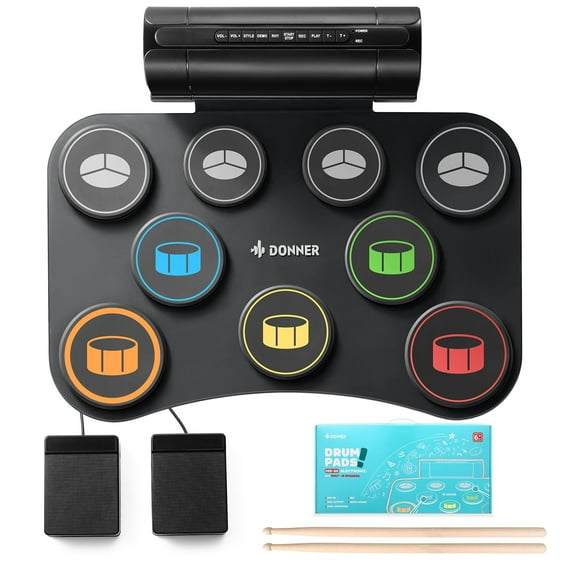
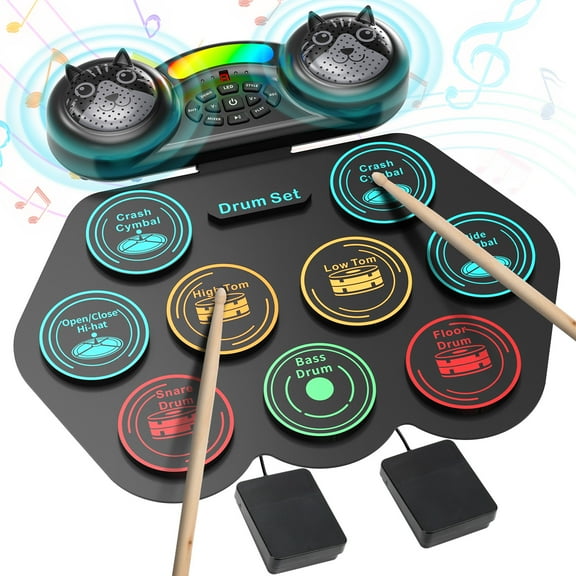
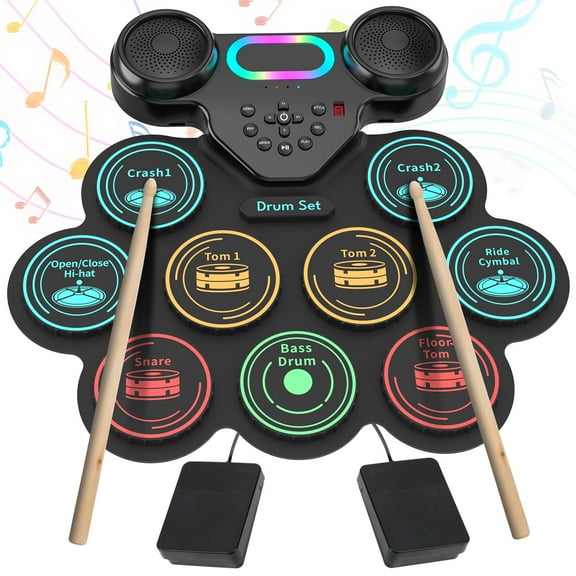
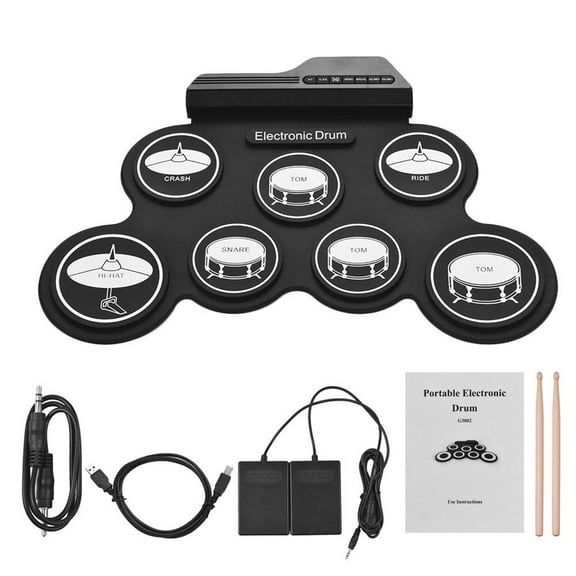
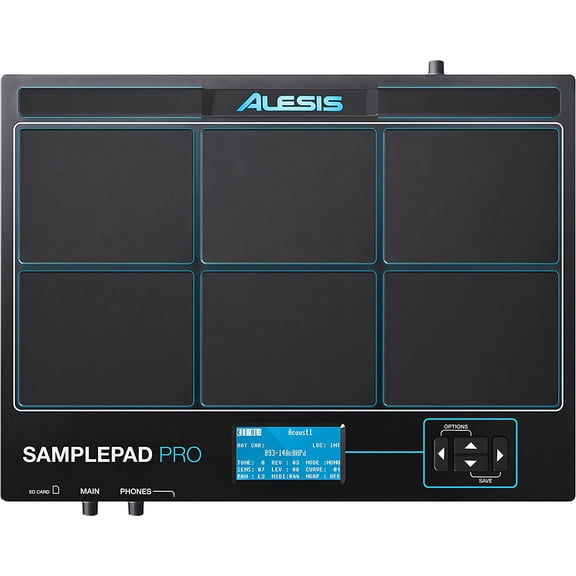
If you need a very compact option, you may compare electronic drum pads in tabletop formats. You can place them on a stand or table when a full rack feels too large.
Rack design also changes daily use. You should compare folding frames for easier storage and fixed racks for a more permanent playing position.
Choosing connectivity, accessories, and use cases
You should look for a headphone jack if your main goal is quiet practice drums for shared spaces. You may also want line outputs if you plan to connect speakers or recording gear.
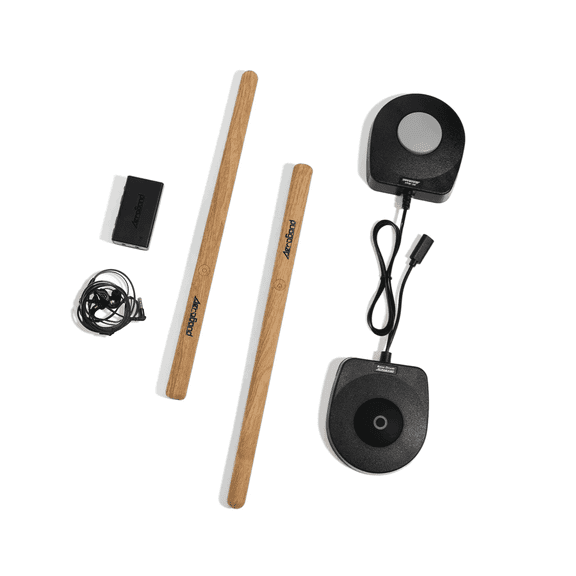
Before you choose, check what comes in the box. You can avoid setup surprises when you confirm whether pedals, sticks, headphones, or a throne are included.
For apartment practice, you may lean toward mesh heads, headphones, and a folding rack. For lessons and daily drills, you might prefer coaching tools and a simple module screen.
If you're recording at home, you should compare USB MIDI support and sample features carefully. If you're setting up a kid's first kit, you may prefer a smaller frame and guided practice modes.
When you compare these details closely, you'll find an electronic drum set that fits your room, your routine, and your learning pace. You can end up with a setup that supports quieter practice and cleaner skill building.