

Electrical Tools
















About Electrical Tools - Walmart.com
You can compare electrical tools more easily when you focus on cutting capacity, insulation, and application fit. You’ll find category-specific options here for wire work, testing, fiber tasks, and detailed cutting.
Choosing the right electrical tools
When you shop electrical tools, you’ll want to match the tool type to your project first. You can narrow choices faster by separating cutters, testers, scissors, and safety kits.
For electrical work, you may need tools that handle specific wire gauges without crushing conductors. You’ll also want handles and head shapes that help you reach panels, boxes, and tight runs.
If you’re comparing manual and powered options, you should think about control, speed, and repeat use. You can use manual tools for precision, while powered choices support frequent cutting tasks.
How to compare tool type and application
You can start with wire cutters when your project involves copper, aluminum, or communication cable. You’ll want to check AWG rating and cutting capacity, because those numbers show the wire sizes a cutter handles.
When you need finer trimming, you may prefer scissors made for fiber work or detailed bench tasks. You can also use jewelry scissors for delicate material handling where compact blades improve control.
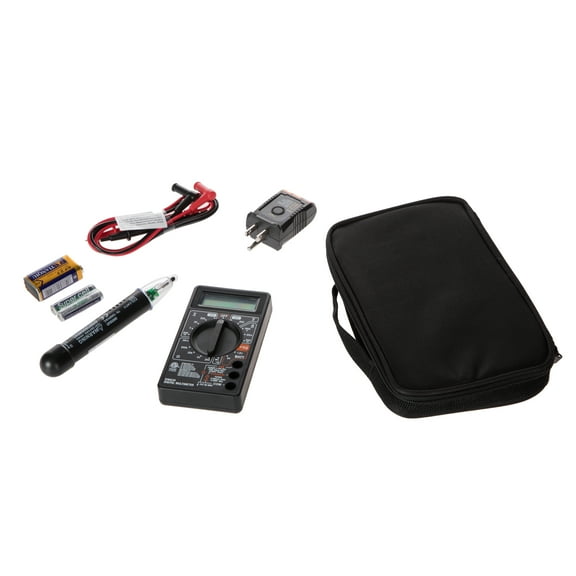
If you’re verifying circuits, you should compare testers by display style, probe design, and reading format. You may notice a w01 tester style fits quick checks when you want straightforward confirmation.
For grouped essentials, you can look at a safety wire kit when you need coordinated pieces together. You’ll appreciate kits that help you keep small accessories organized during repeated electrical work.
- You can choose wire cutters for controlled cuts on common wire sizes.
- You can select testers when you need quick circuit verification and readable results.
- You can use fiber wire scissors for detailed trimming on thin specialty materials.
- You can compare safety kits when you want core accessories grouped for routine tasks.
What to look for in hyper cutter and specialty cutters
If you’re reviewing a hyper cutter or jb cutters style, you should focus on jaw shape and cutting capacity. You’ll want edges that match your material, because hard wire and fine strands cut differently.
You can compare flush cuts, angled heads, and compact frames based on your workspace. You’ll find slimmer profiles useful when your hands need room inside crowded boxes and cabinets.
Grip shape matters when you repeat the same motion throughout the day. You’ll feel the difference with contoured handles that help your hands stay steady during long sessions.
For occasional home improvement, you may only need a straightforward tool with clear sizing guidance. If you handle daily professional work, you should look for reinforced construction and smooth pivot action.
Deciding between manual, corded electric, and battery powered
You can often choose manual tools when precision matters more than speed. You’ll get direct control for trimming, stripping, or snipping in smaller spaces.
When your work stays at a bench, you may prefer corded electric tools for consistent output. You won’t need to pause for charging, which helps when repeated cuts are part of your routine.
If you move between rooms, ladders, or job areas, you may lean toward battery powered options. You’ll gain easier portability for home improvement tasks where outlets aren’t always close.
You should also compare weight and balance before you decide on a power source. You’ll notice lighter tools feel easier to manage when your project lasts several hours.
Checking insulation and tester features
You can sort options by insulated and non-insulated designs based on your workflow. If your task calls for insulated tools, you should check whether the voltage rating reaches up to 1000V.
That rating helps you compare tools built for electrical environments without guessing from appearance. You’ll want markings that are easy to read, so you can confirm the tool’s stated rating quickly.
When you compare testers, you should look for readable screens, simple indicators, and probe layouts. You can work more efficiently when tester details are clear at a glance.
If comfort matters during repeated checks, you should consider body shape and button placement. You’ll benefit from designs that feel secure in your hand and easy to position.
Matching electrical tools to real projects
For home improvement, you can pair cutters and testers for switch replacements, light fixtures, and outlet updates. You’ll want compact tools when your project happens inside narrow wall boxes.
In electrical work with mixed wire gauges, you should compare AWG range before choosing a cutter. You can avoid guesswork when the cutting capacity is clearly listed on the tool details.
For fiber optics or thin communication materials, you may prefer fiber wire scissors with precise tips. You’ll get cleaner handling on delicate strands that need a careful, accurate cut.
If your tasks include jewelry making or detailed hobby work, you can use smaller scissors for close control. You’ll appreciate compact blades and light handles when your work depends on fine hand movement.
When you build a versatile setup, you should combine cutters, testers, and a safety wire kit. You’ll cover setup, verification, and finishing steps with tools that match the job more closely.
You can choose electrical tools with more confidence when you compare tool type, power source, insulation, and cutting range together. You’ll end with a setup that fits your wire sizes, workspace, and daily routine.
Popular in Electrical Tools - Walmart.com
- Best Electrical Tools
- Electronics Tools Kit
- Tools Electronics
- Atd Tools Additional Electrical Tools
- Clearance in Additional Electrical Tools
- Top Rated Products in Electrical Tools
- Roco Electrical Tools Home Improvement
- Amprobe Additional Electrical Tools
- Electrical Equipment Cke Tools Home Improvement
- Rollback in Electrical Tools
- Electronic Specialties Additional Electrical Tools
- Rollback in Additional Electrical Tools