

Electrical Testing Tools for Industrial Use





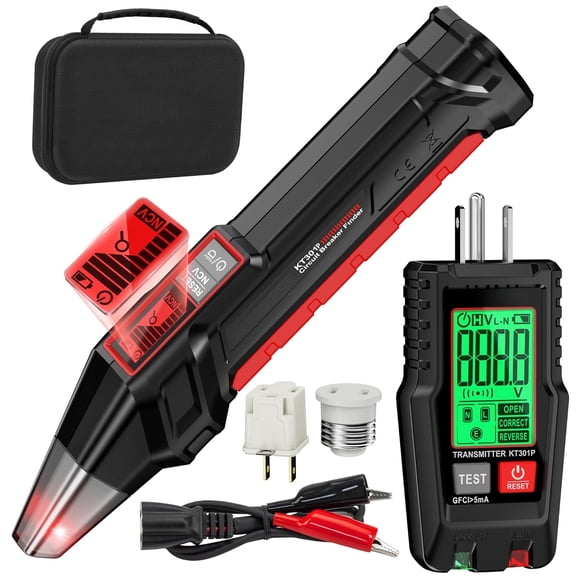
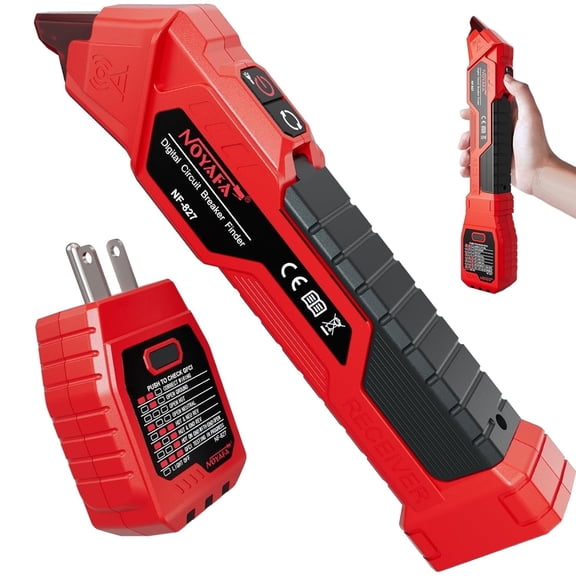
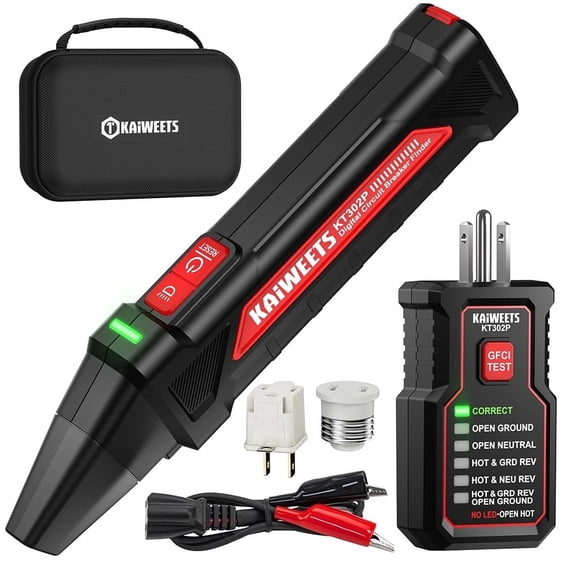
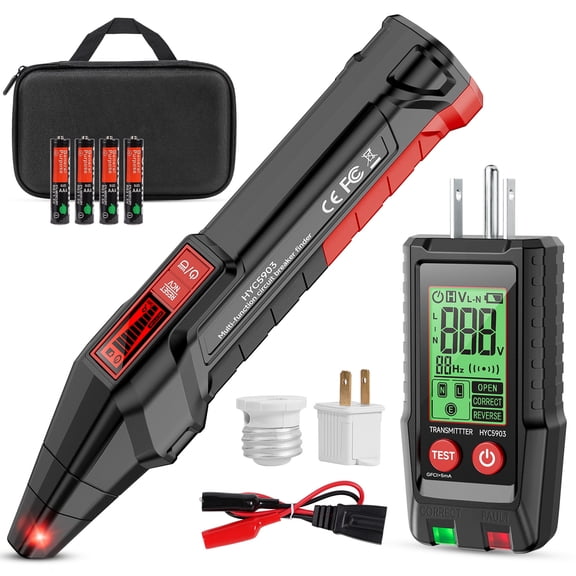
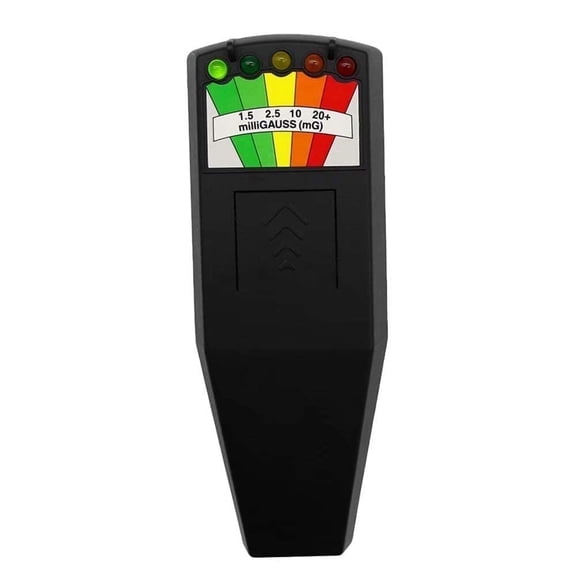

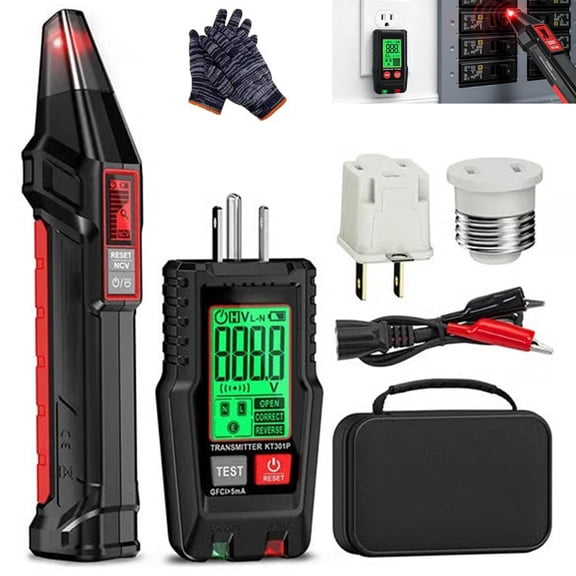

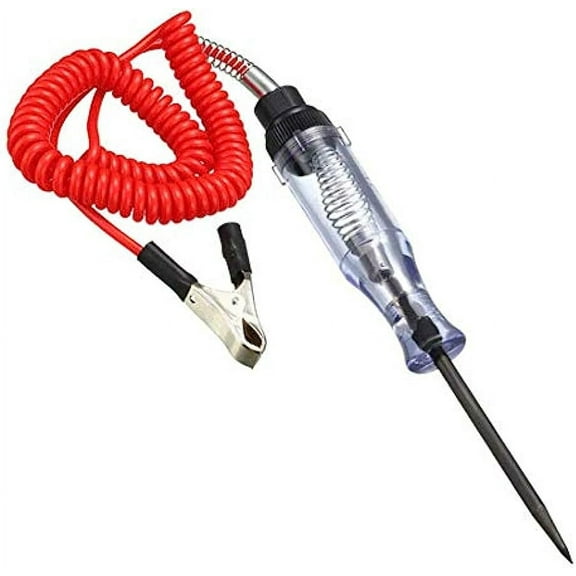

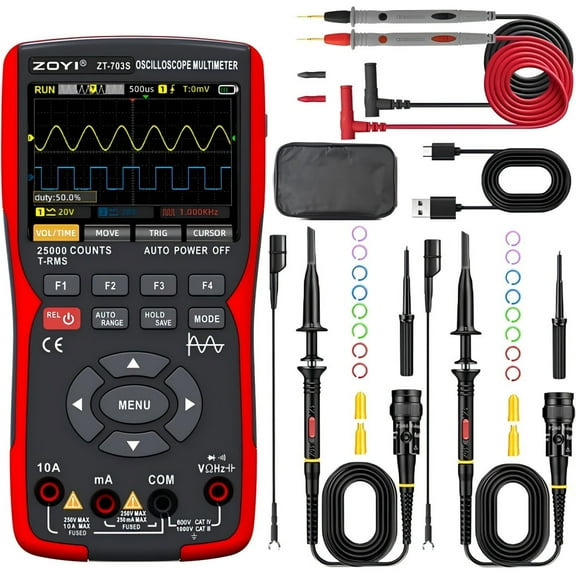


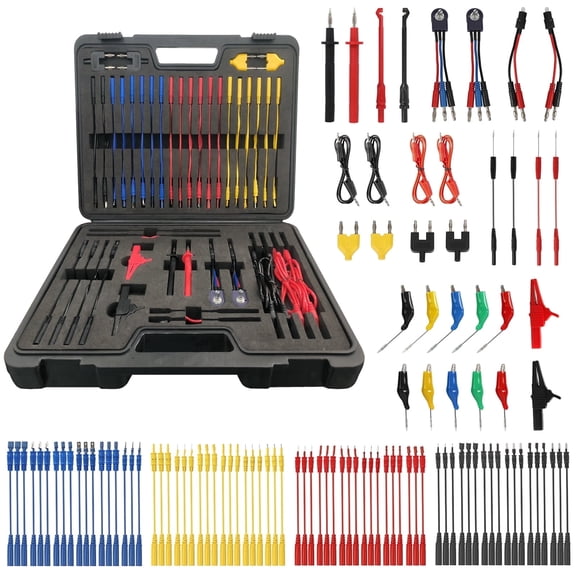
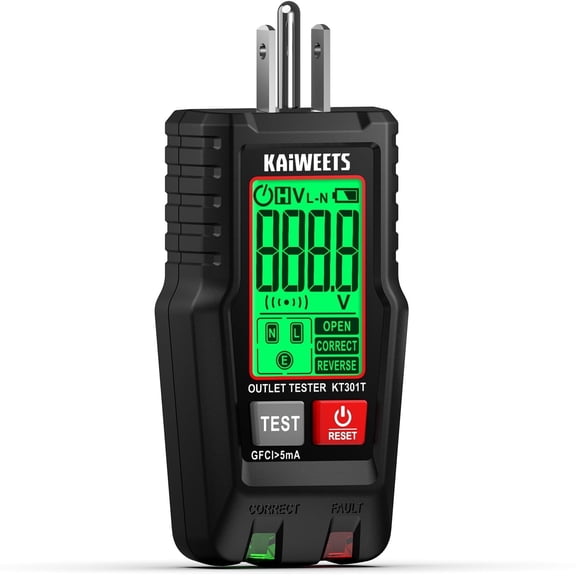
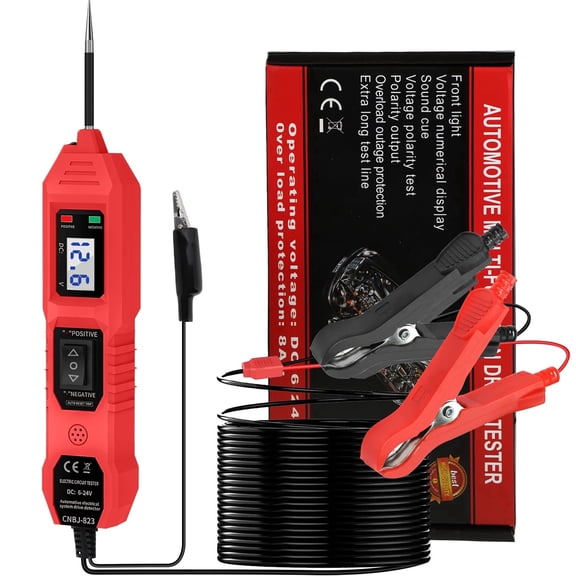
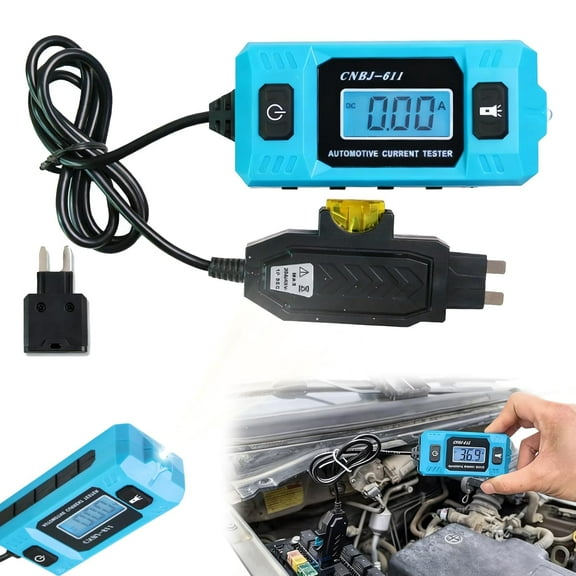
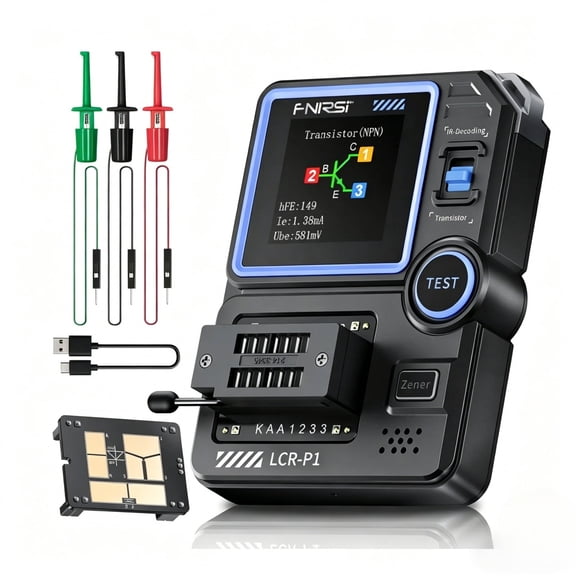
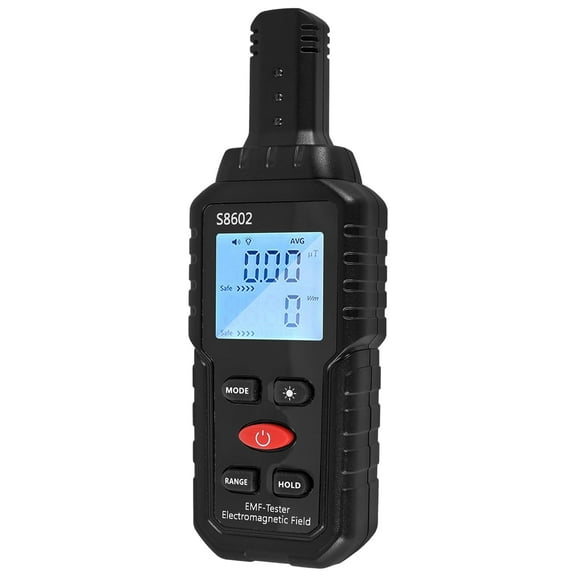
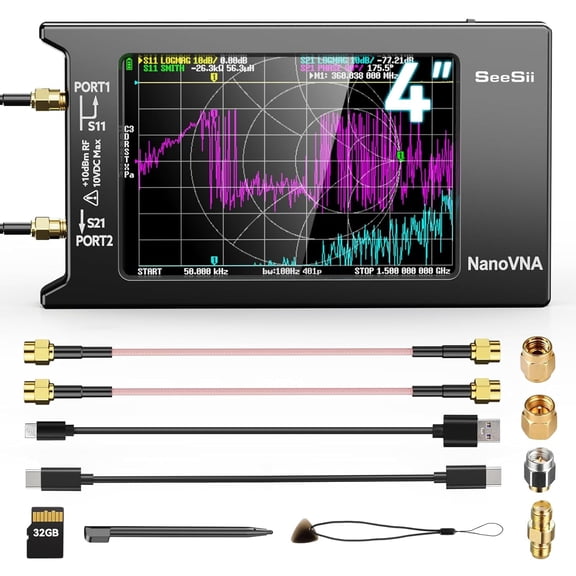

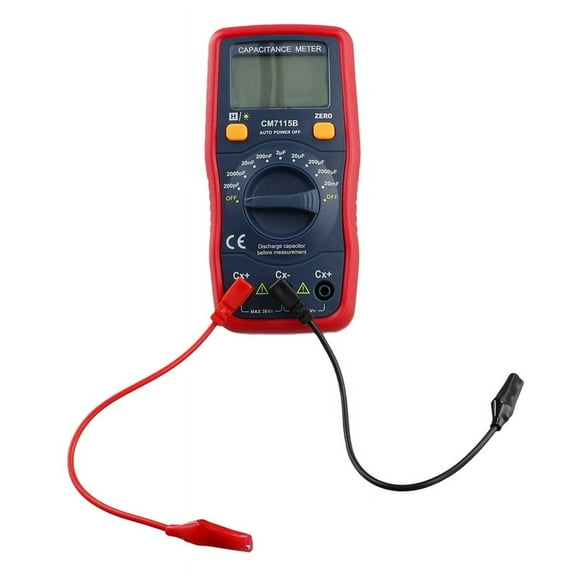
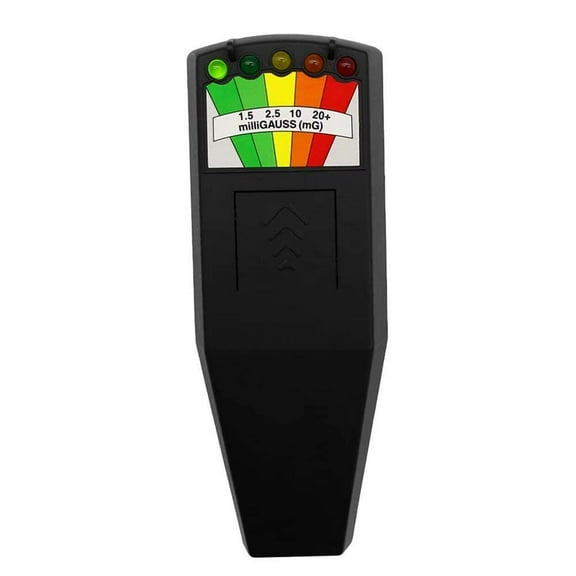
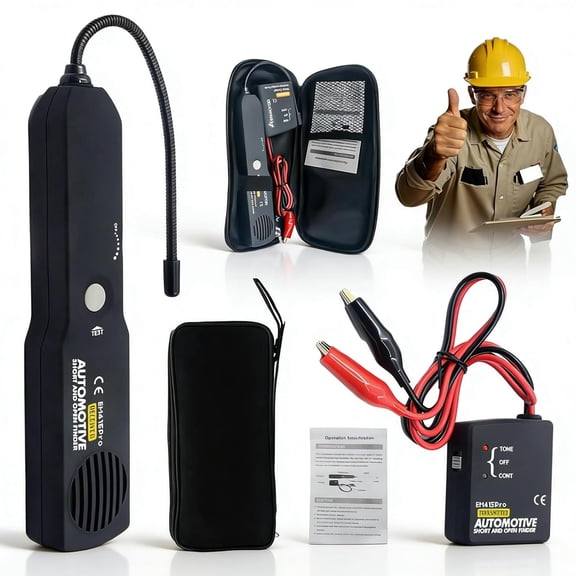
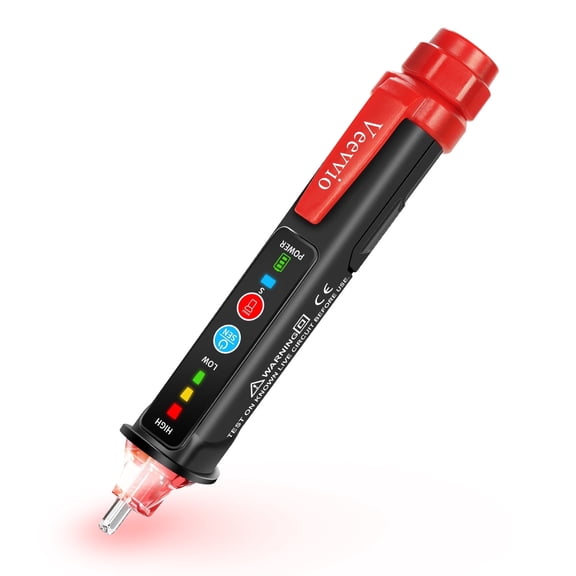


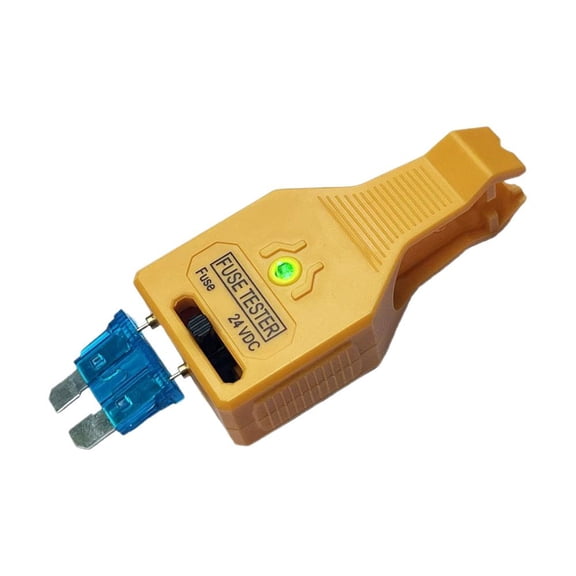
About Electrical Testing Tools for Industrial Use - Walmart.com
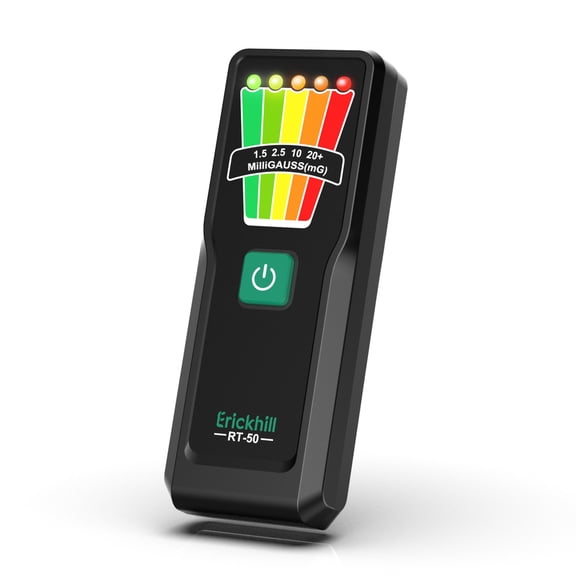
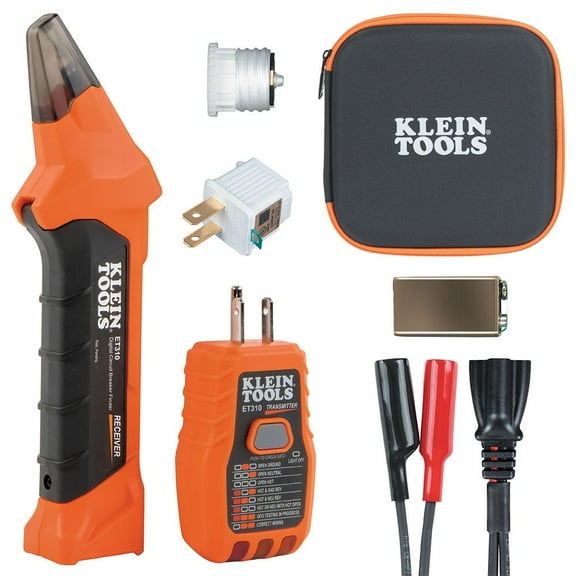
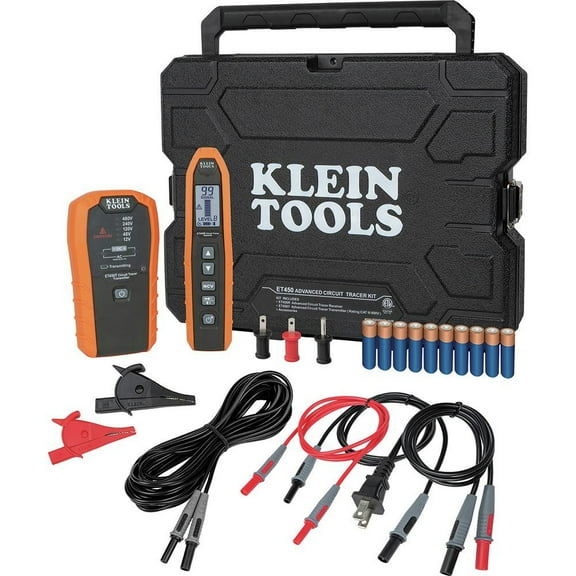
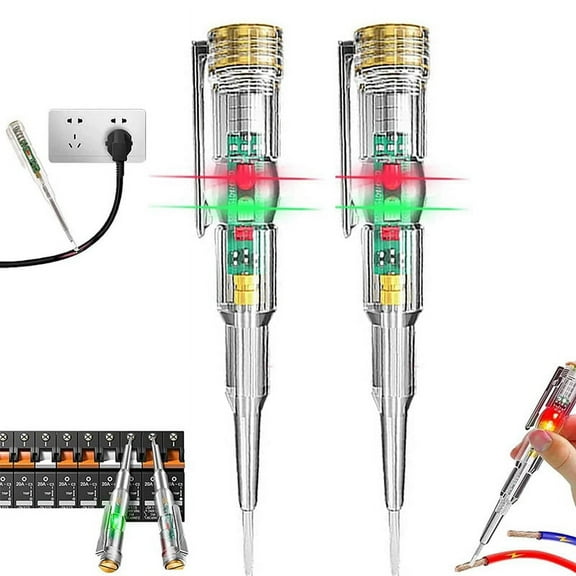
Electrical testing tools help you check power, compare readings, and match each tester to your task. You can use this category to compare tool type, CAT rating, display style, and power source.
If you handle home projects or trade work, you need equipment that fits the job and environment. The right choice can make voltage, continuity, resistance, and current checks easy to manage.
How to choose electrical testing tools
You should start by identifying the measurement you need for the job. You may need a voltage tester for quick checks, or a digital multimeter for deeper troubleshooting.
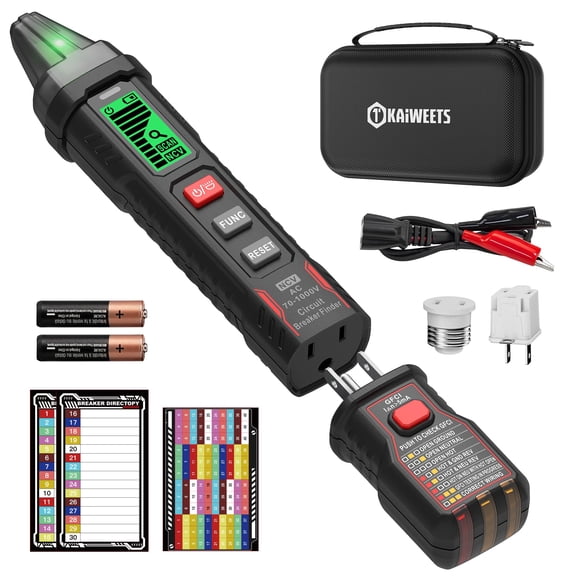
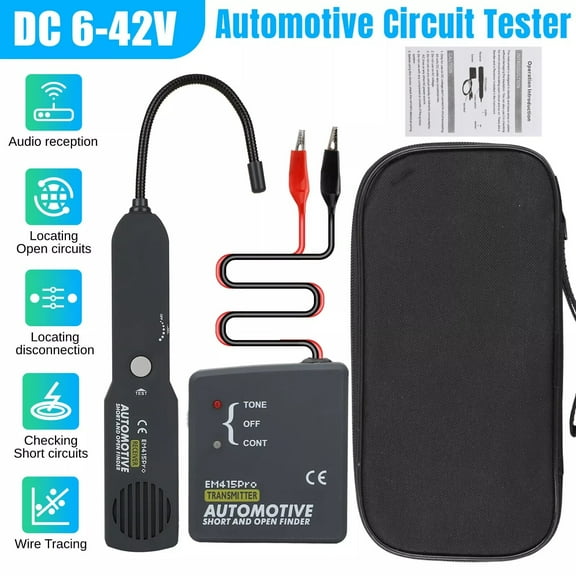
When you compare tool types, you can match each option to a specific task. You can use an electrical circuit tester for wiring checks, a clamp meter for current readings, and an outlet tester for receptacle verification.
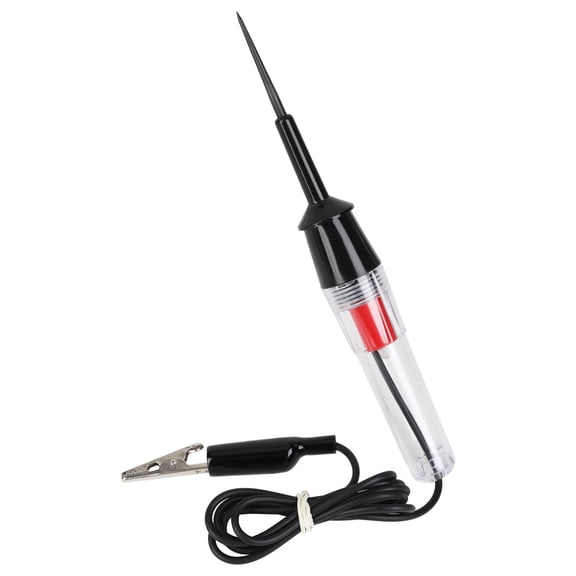
- You can use a voltage tester when you want a quick yes-or-no power check.
- You can choose a digital multimeter when you need voltage, resistance, and continuity readings.
- You can pick a clamp meter when you want to measure current without disconnecting conductors.
- You can use an outlet tester when you want to confirm common receptacle wiring patterns.
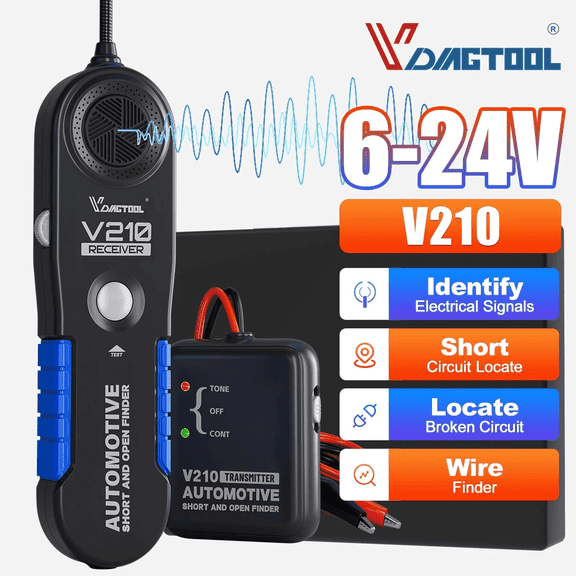
- You can compare continuity tester options when you need a simple path check on wires or components.
Each tool supports a different level of detail for your work. You can keep your search focused when you know whether you need detection, diagnosis, or measurement.
Choosing the right tool type for your test
You should consider whether you need voltage detection, resistance checks, or current measurement. You can narrow your choice quickly by listing the tests you perform frequently.
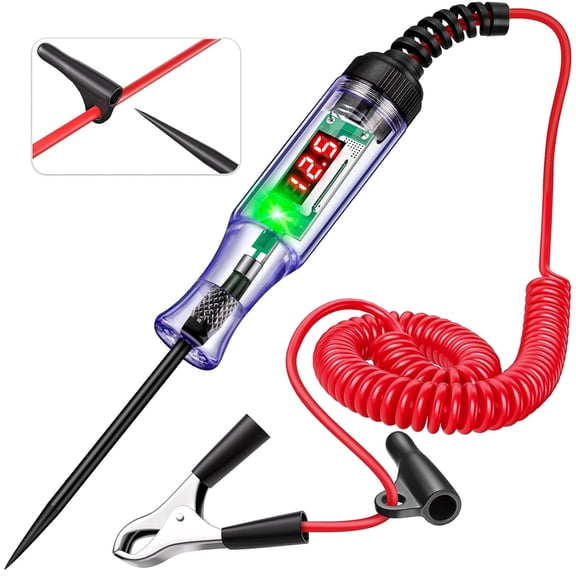
If you want a basic live-wire check, you may prefer a voltage tester with an LED indicator. If you need numeric readings, you can look for a digital LCD display on a digital multimeter.
You can compare analog dial and digital LCD displays based on how you read results. You may like digital screens for exact numbers, while analog dials can help you track changing trends.
For quick pass-or-fail checks, you might prefer an electrical circuit tester or outlet tester with simple lights. You can use those indicators when you want fast visual confirmation.
What CAT ratings mean for your environment
You should check the CAT rating before you compare other specs. You can use CAT II, CAT III, and CAT IV ratings to match tools to the electrical environment.
CAT II tools typically fit appliance cords, plug-in equipment, and similar branch-level checks. You should consider CAT III when you work around distribution panels, fixed wiring, and building circuits.
When you compare CAT IV options, you’re looking at service entrance and utility-side environments. You should match that rating carefully to your work area, not just your preferred features.
You can use CAT ratings as a practical filter when you shop electrical testing equipment. You can make an informed choice when your tool rating aligns with the location you test.
Comparing display types and power sources
You should think about how much detail you want to see during each test. You can choose a digital LCD when exact readings matter, or an LED indicator when quick confirmation matters.
If you prefer a simple interface, you may like manual tools with minimal controls. If you need repeated readings across several functions, you might lean toward battery-powered or cordless options.
You can compare power source styles based on convenience and workflow. You may want battery-powered models for mobile tasks, while manual testers can suit occasional checks.
When you review display and power choices together, you can narrow the field quickly. Your preferred readout and portability often shape the right pick for your routine.
Electrical testing tools for DIY and professional work
You can match these tools to light home maintenance, renovation projects, or daily field service. You should choose features based on the complexity of your work, not just the tool name.
For home projects, you may want an outlet tester for receptacles and a voltage tester for switches. You can also use a digital multimeter when you need to compare continuity or resistance.
For trade work, you may need a clamp meter for current checks and higher CAT ratings for building systems. You should also look for a display that helps you read measurements quickly on the job.
You can use this category as a buying guide when your work varies from room to room or site to site. This helps you gain clear readings and a precise fit for your testing routine.
When you compare tool type, CAT rating, display style, and power source, you can choose with confidence. This helps you find electrical testing tools that fit your measurements, environment, and daily workflow.