

Double Loop Chains in Chains

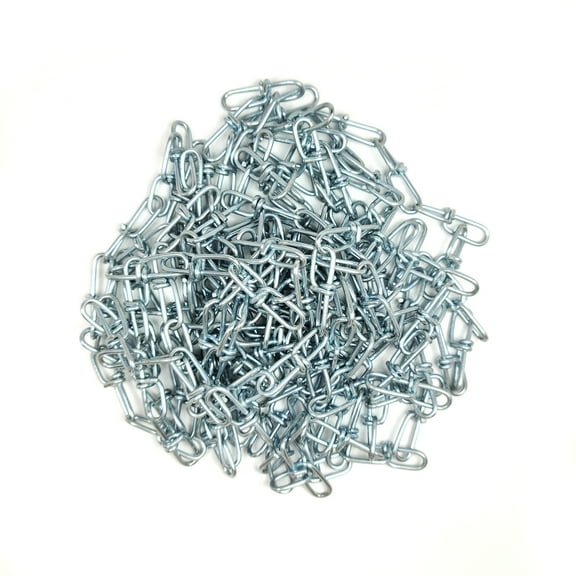
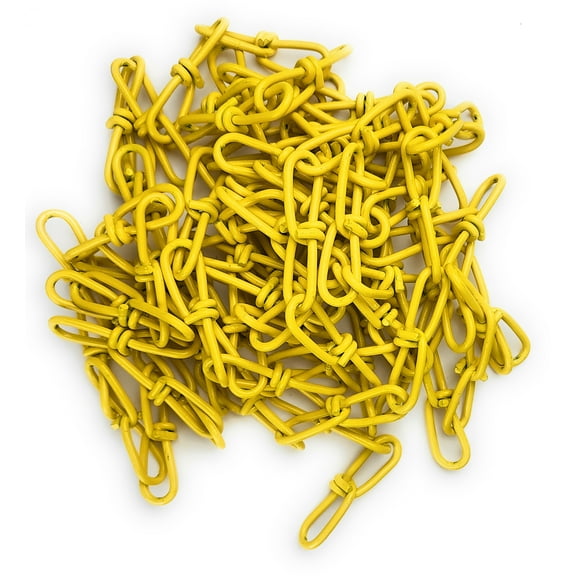
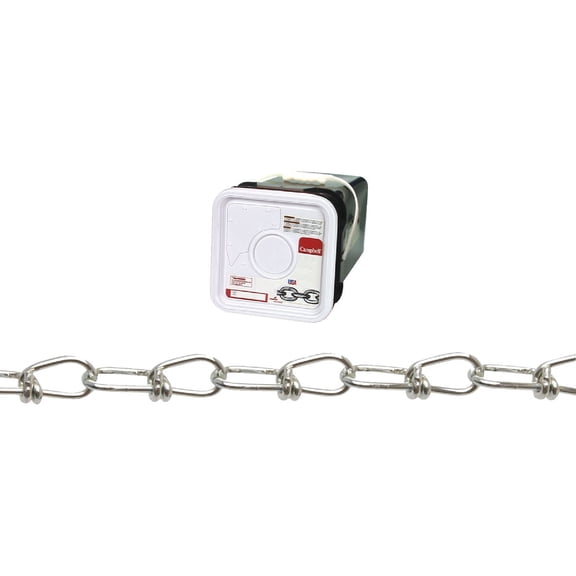


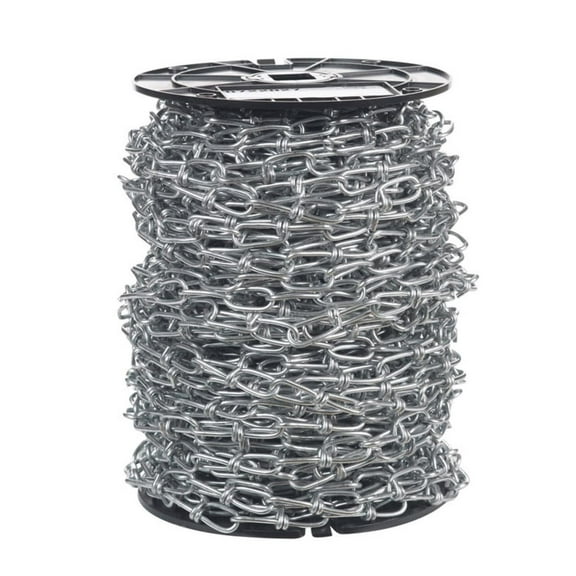



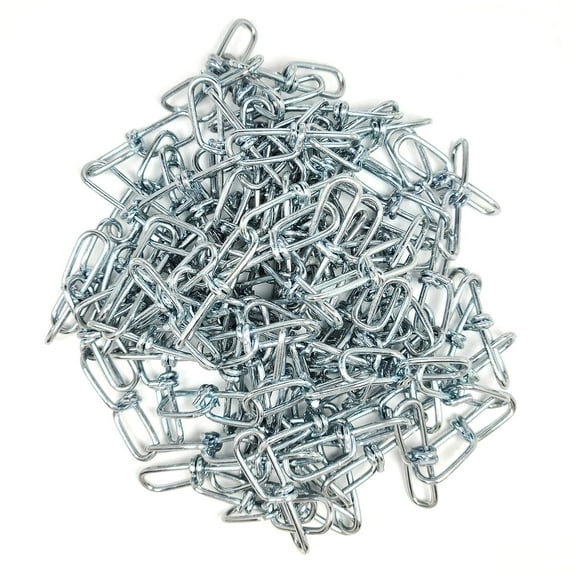
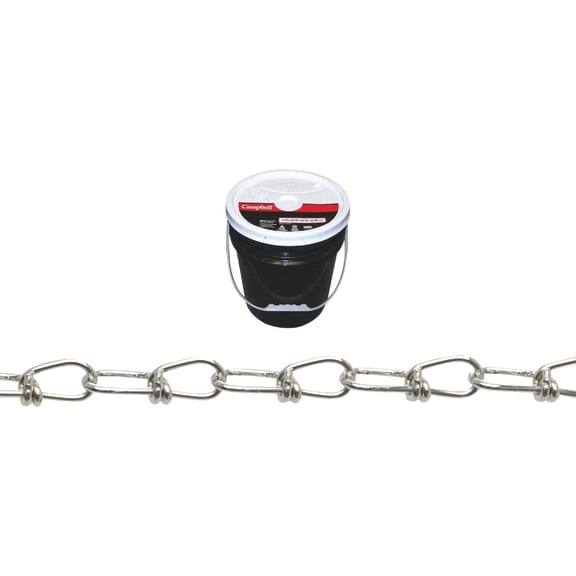
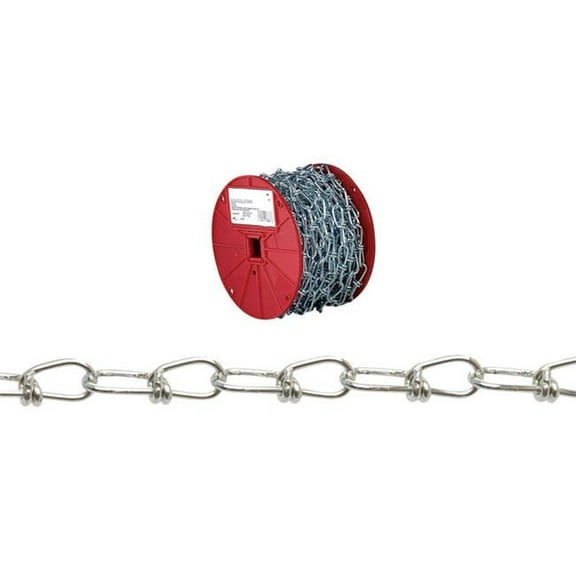
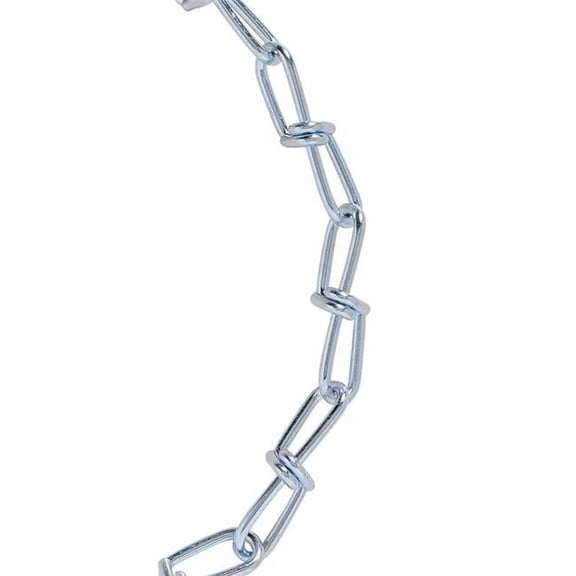

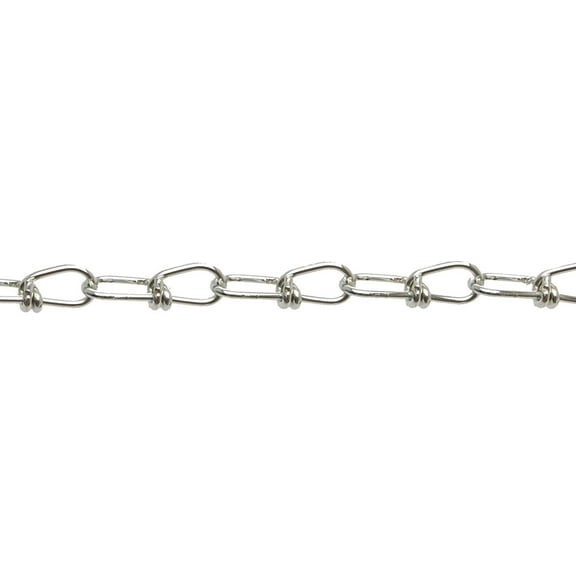
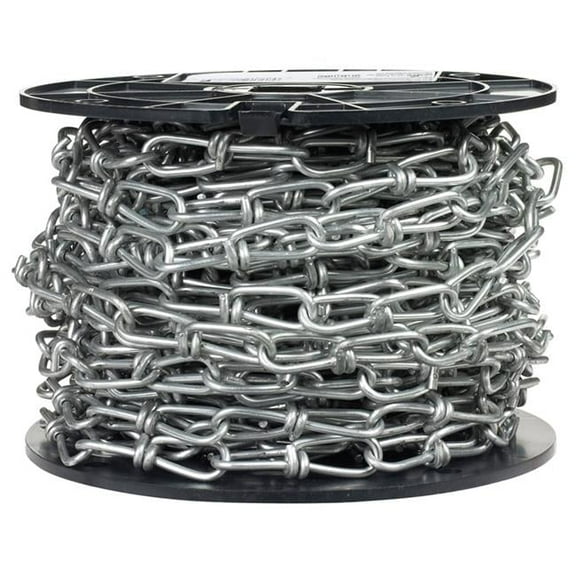
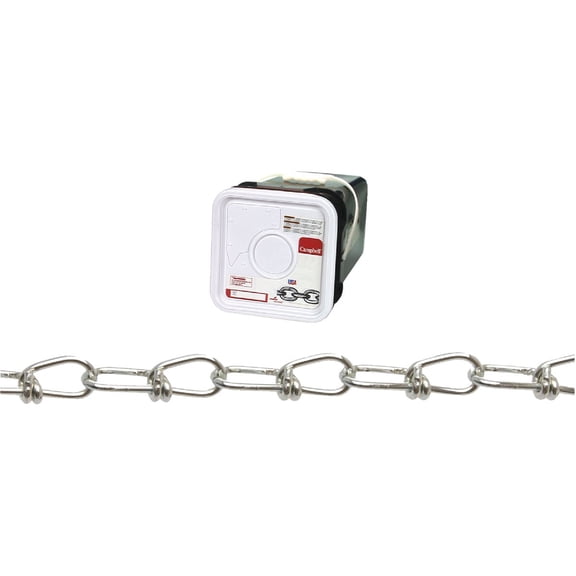
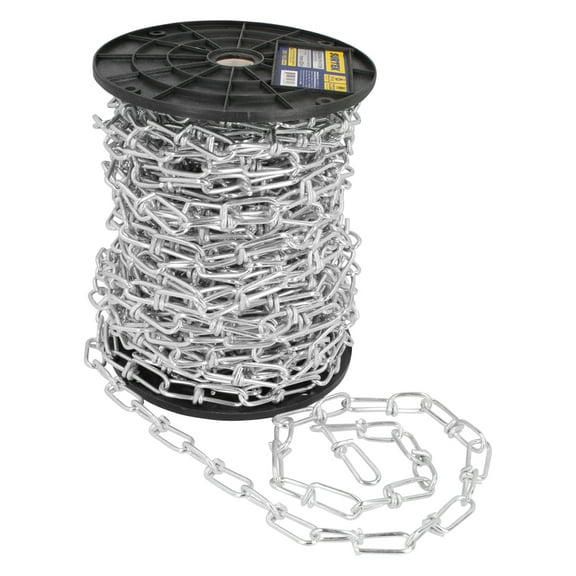

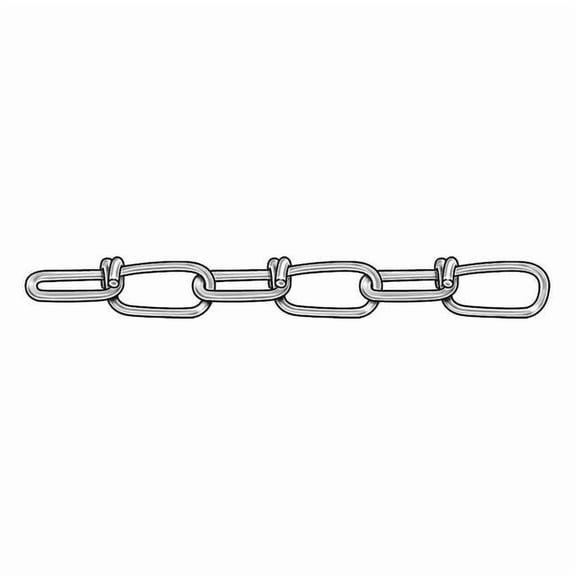


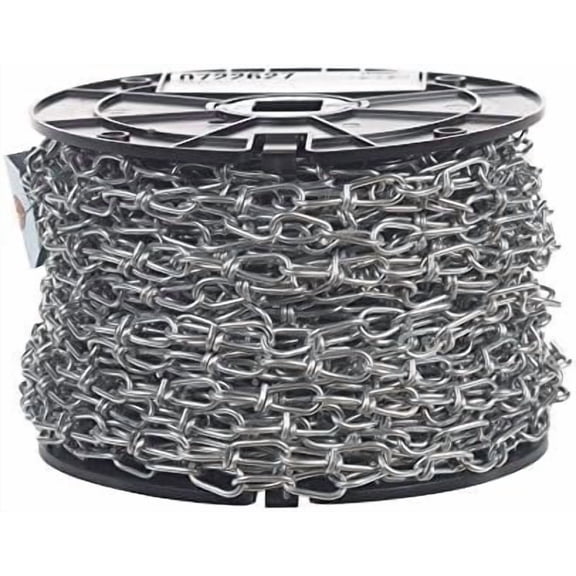
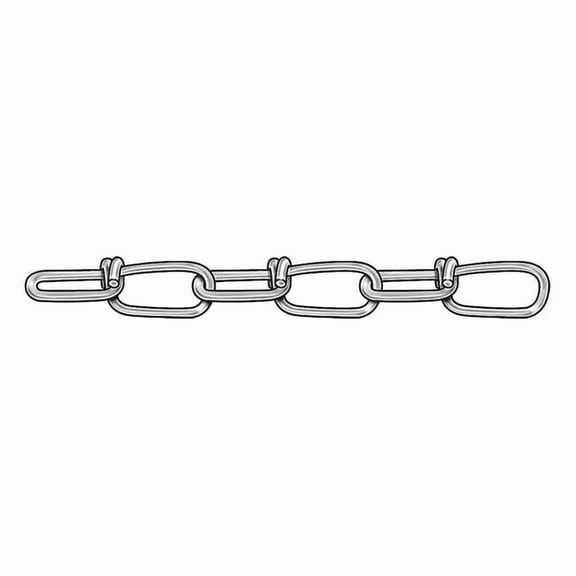





About Double Loop Chains in Chains - Walmart.com
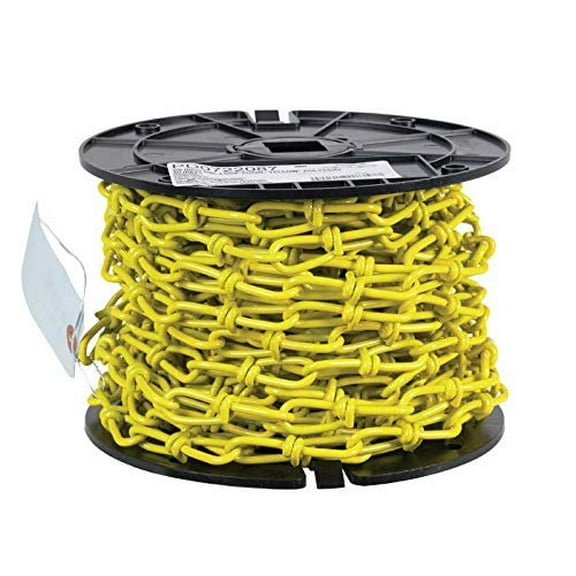
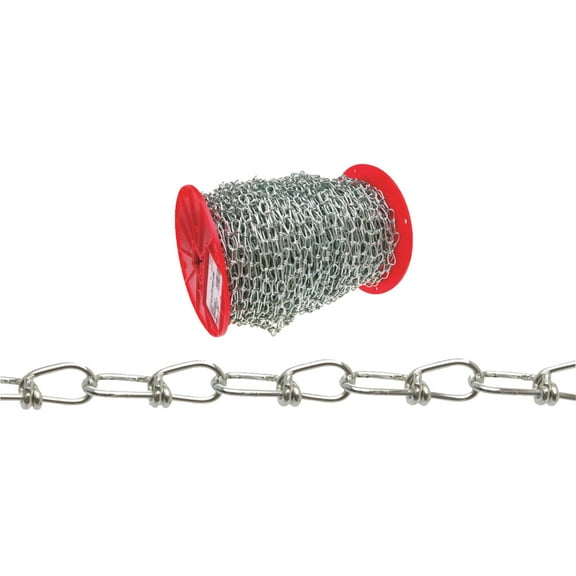
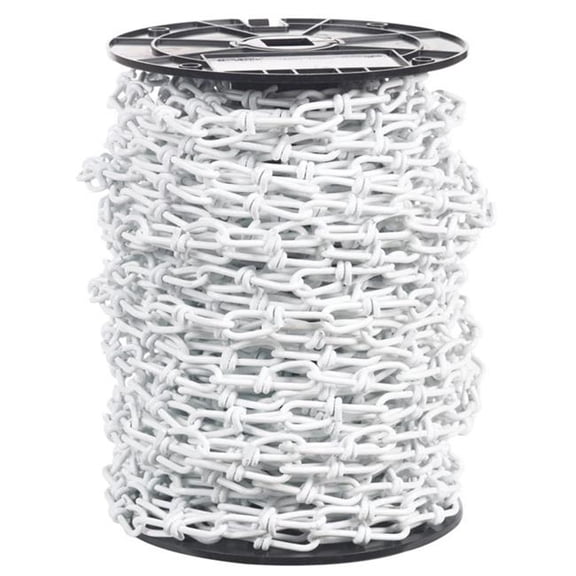
Double loop chains help you handle hanging and utility projects with flexible links and practical hardware fit. You can compare finish, trade size, style, and length to match your setup.
If you're replacing porch swing hardware or hanging a fixture, you need details that fit real project demands. You can use this guide to compare double loop chains with clear decision points.
How to choose double loop chains
You should start with your application, because your use affects finish, size, and working load limit. You can narrow your options faster when you define your hardware and length first.
When you compare a double loop utility chain, you should match link dimensions to hooks, eye bolts, and connectors. You should also measure your needed drop or span before choosing pre-cut sections or longer reels.
- You can use zinc plated options for many indoor or covered setups.
- You can consider galvanized steel when your chain faces outdoor exposure and changing weather.
- You may choose stainless steel when your project needs a finish suited to wet locations.
- You can compare trade sizes like #1, #2, #1/0, and #2/0 for hardware compatibility.
- You should confirm the working load limit so your chain matches your intended task.
- You can compare knotted chain, lion chain, and double loop styles for flexibility and appearance.
Choosing the right double loop steel chain
You can make a quick choice when you compare material and finish before other details. Your finish affects appearance, outdoor use, and how often you may need to replace worn chain.
If you want a common hardware finish, you may choose a zinc plated double loop chain. You'll often see galvanized steel for outdoor utility jobs, while stainless steel suits wet locations.
You can also look at solid brass when your hanging project needs a warm decorative finish. Your light fixture or planter setup may call for metal tones that match nearby hardware.
Trade size matters because your chain has to fit your existing hooks and mounting points. You should compare sizes like #1, #2, #1/0, and #2/0 against your current hardware.
A different trade size can change link width and the feel of the chain in your hand. You should check product details closely so your connectors pass through the links correctly.
The working load limit is another detail you should review before you choose. You need listed load capacity in pounds when your chain supports hanging or mounted items.
Length also shapes your decision because your installation can need a short replacement piece or a longer run. You should measure twice so your chain reaches attachment points without guesswork.
Key differences between knotted chain and lion chain styles
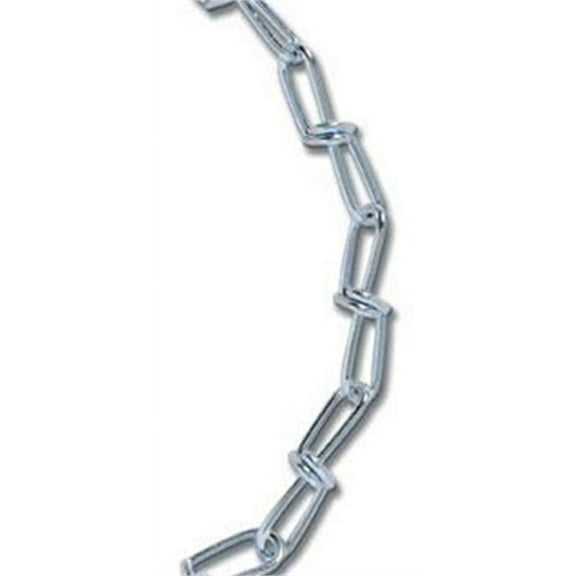
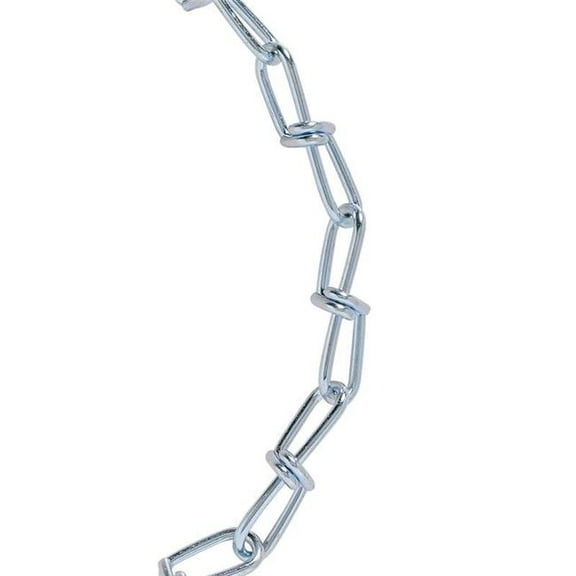
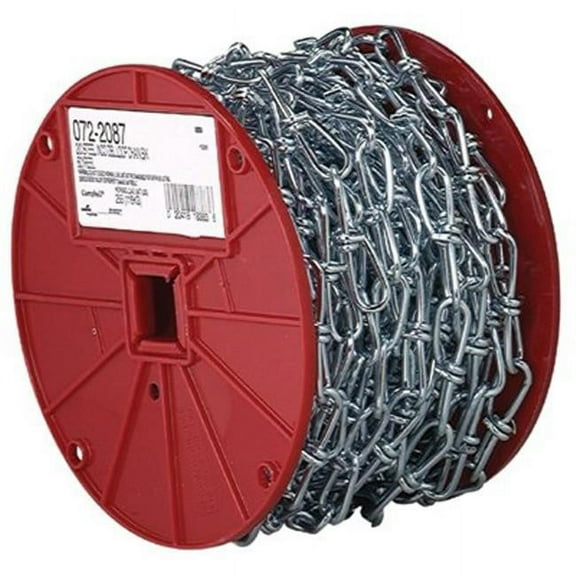
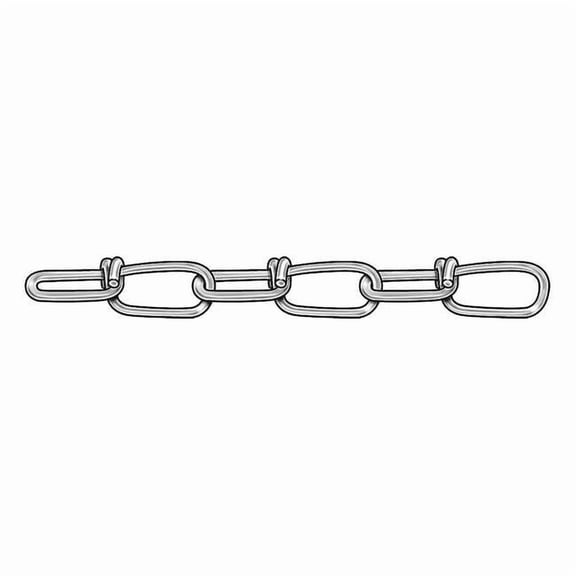
You may see double loop chains labeled as knotted chain in hardware listings. You may also see lion chain, which is a traditional trade term for this linked style.
You can use these chain styles when you need links that bend around corners and connectors. You may notice that flexibility helps with swings, planters, lamps, and utility hardware.
If your project needs a classic decorative look, you may prefer a more traditional link pattern. If your project needs utility performance, you may focus on finish, size, and length instead.
You should still confirm measurements even when two styles look similar in photos. Your hook opening, fastener size, and mounting space determine whether the chain fits correctly.
Matching double loop utility chain to your project
You can narrow your options quickly when you choose by application type. Your swing set, light fixture, dog tie-out, or utility project can point you toward the right specifications.
For swing sets, you should focus on trade size, finish, and working load limit. Your outdoor setup may call for galvanized steel or stainless steel when weather exposure matters.
For light fixtures, you may care more about finish, chain style, and exact hanging length. Your fixture can look more consistent when the chain color matches the canopy and nearby hardware.
For dog tie-outs, you should compare length, trade size, and listed load details. Your setup may need stronger hardware connections that fit securely with your anchor or stake.
For general utility, you may use a double loop steel chain for gates, signs, planters, or workshop tasks. You can choose based on finish, link size, and the amount of flexibility your project needs.
If you're replacing older hardware, you should bring your measurements and compare them with listing details. You can avoid mismatch issues when your link width and connector size align from the start.
You may also compare pre-cut lengths with bulk options for larger jobs. Your multi-point installation may work more effectively when you can cut and fit chain to each location.
What to check before you decide
You should review finish, trade size, style, length, and working load limit together before you choose. Your project can come together more smoothly when those details match your hardware from the start.
With the right double loop chains, you can hang, secure, or support items with flexible utility style. Your finished setup can fit accurately and look clean.