

Cymbals in Percussion Instruments & Accessories


























About Cymbals in Percussion Instruments & Accessories - Walmart.com
Cymbals help you shape your kit’s voice with sharp accents, steady patterns, and controlled wash. You can compare cymbals by type, alloy, sound profile, and diameter to match your playing style.
How to choose cymbals for your kit
When you build a setup, you’ll usually start with crash cymbals, ride cymbals, and hi-hat cymbals. You can then add splash cymbals, china cymbals, or other effects pieces for extra color.
Crash cymbals give you fast accents that open up choruses, fills, and transitions. Ride cymbals help you keep a steady pattern, while hi-hat cymbals shape your groove with closed and open sounds.
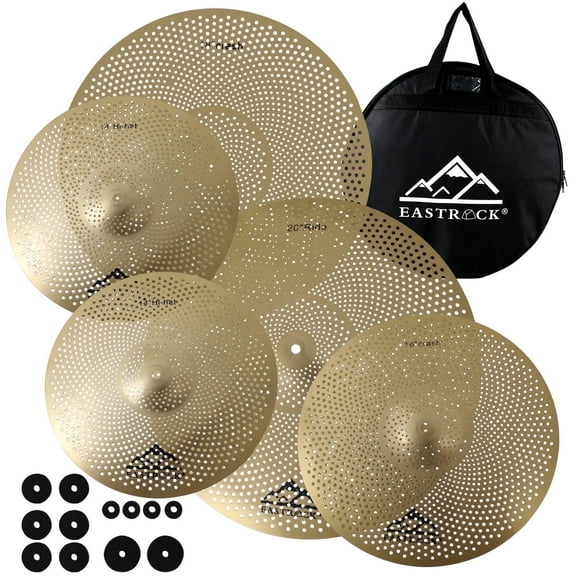
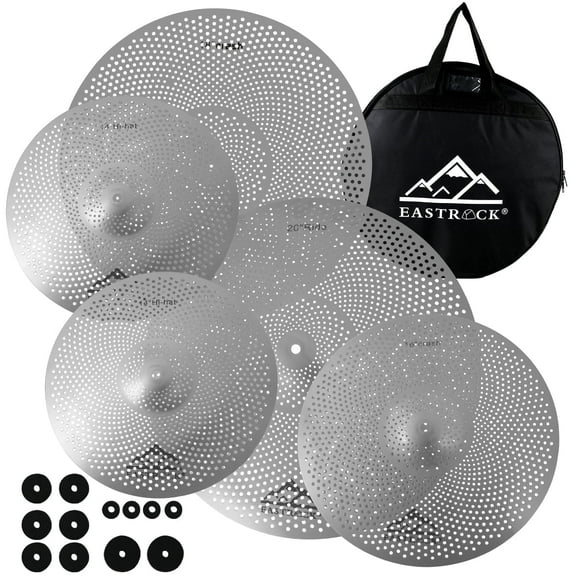
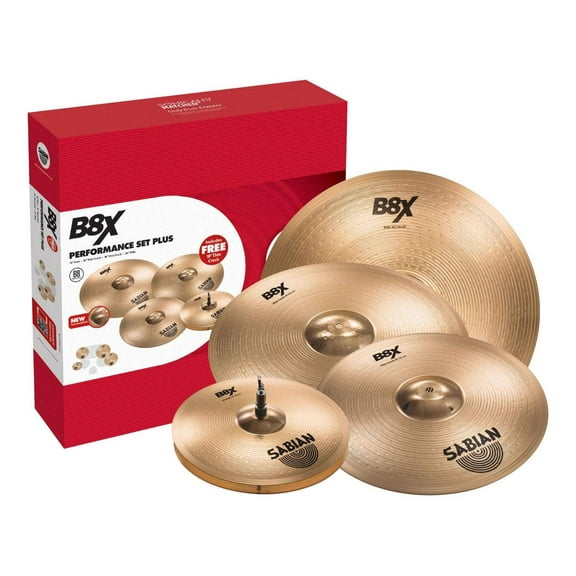
If you want a quick setup, you may compare a cymbal pack with individual drum cymbals. A pack can give you matched tones, while single pieces let you fine-tune each sound.
- You can use crash cymbals for quick, bright accents.
- You can use ride cymbals for clear stick definition and steady timekeeping.
- You can use hi-hat cymbals for tight grooves, open slosh, and foot control.
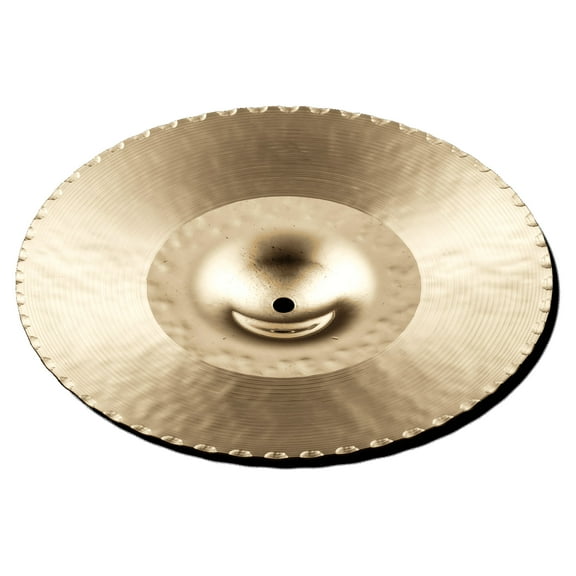
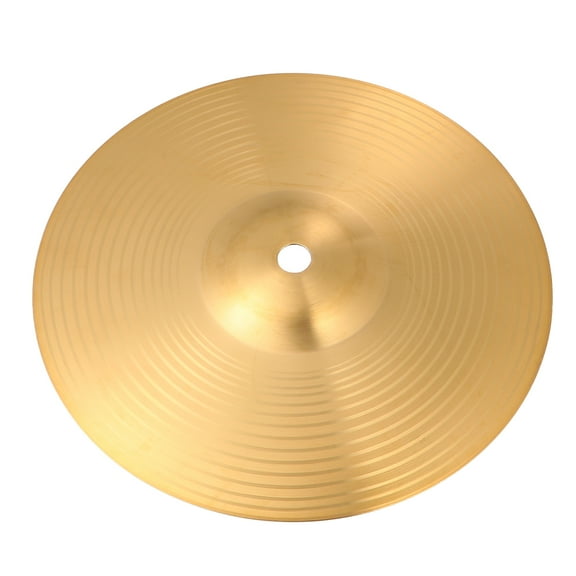
- You can add splash cymbals for short bursts and china cymbals for trashy attack.
Choosing material and sound profile
As you compare materials, you’ll often see brass, B8 bronze, B20 bronze, and nickel silver. You can use these alloy labels as a shortcut when you narrow your choices.
Brass cymbals can suit beginner kits, starter practice spaces, and casual setups. If you want more nuance, you may look at bronze cymbals for richer stick response and broader tone.
When you compare B8 bronze and B20 bronze, you’re really comparing feel and complexity. B8 often sounds brighter and more focused, while B20 often feels warmer, darker, and more layered.
You may also notice sound terms like bright, dark, warm, dry, and trashy. These words help you predict how your cymbal may sit in rock, jazz, worship, studio, or practice settings.
If you want a clean attack that cuts through guitars, you may prefer bright cymbals. If you want shorter sustain and less spread, you may look for dry or quiet cymbals for controlled response.
What size and diameter mean for your sound
Size changes the way your cymbal speaks, so you’ll want to check diameter before you choose. In general, larger cymbals give you lower pitch, more volume, and longer sustain.
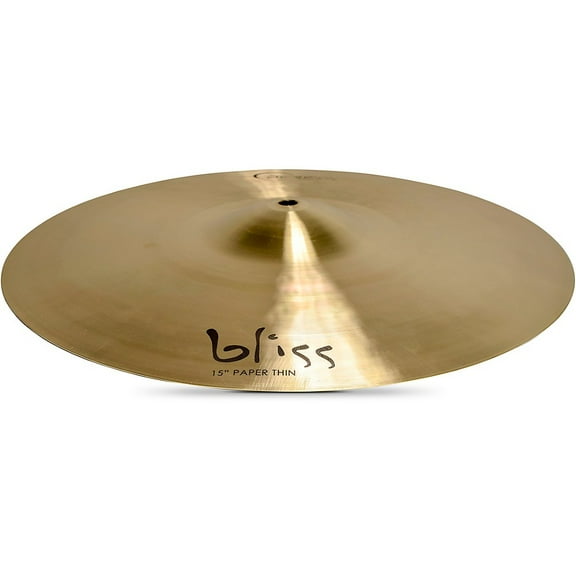
If you compare a 16 inch crash cymbal with an 18 inch model, you’ll often hear a faster response from the smaller option. You may hear a fuller, wider swell from the larger one.
Fourteen inch hi-hat cymbals are a common starting point for balanced control and familiar feel. Twenty inch and 22 inch ride cymbals can give you more spread and a deeper ping.
Smaller splash cymbals can fit tight setups where you want quick accents without long wash. Larger china cymbals can bring a broader, trashy impact that stands out in heavier playing.
Deciding between a cymbal pack and individual pieces
If you’re starting from scratch, a cymbal pack can simplify your decision and cover core sounds. You’ll often get coordinated crash, ride, and hi-hat cymbals that work together right away.
When you buy individual pieces, you can build your own voice one step at a time. You may pair a bright crash with a dry ride, or add practice cymbals for lower-volume sessions.
You should also consider how your music shapes your choices. If you play fast rock patterns, you may want crisp hats and explosive crashes, while jazz often leans toward darker rides.
For rehearsal rooms, practice cymbals and quiet cymbals can help you keep a familiar layout with softer output. For recording spaces, you may compare wash, stick definition, and decay more closely.
Using cymbals in real playing situations
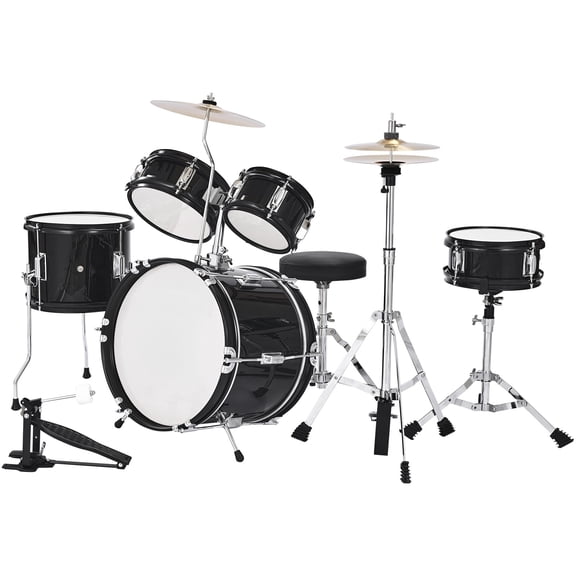
In a standard drum kit, you’ll usually place hi-hat cymbals on your left, a ride on your right, and one or more crashes above. That layout helps you move between timekeeping, accents, and transitions with less reach.
If you’re outfitting a beginner kit, you may start with brass or entry bronze options in common sizes. You can then add a second crash or splash as your playing becomes more specific.
For church, acoustic, or smaller rooms, you may look for warm or dry tones with controlled sustain. If you play louder stages, you may prefer brighter cymbals that keep their definition in dense mixes.
You can also use effects pieces to shape your signature setup. A china can add a sharp, trashy hit, while a splash can give you quick punctuation during fills.
As you compare cymbals, you’ll make a stronger choice when you match type, alloy, sound, and size. You can build a kit that feels balanced, responds clearly, and fits the music you play.