

Electrical Conduit Pipes & Conduit Tubes | Walmart
















About Electrical Conduit Pipes & Conduit Tubes | Walmart - Walmart.com
You can organize and protect wiring with conduit pipe that matches your project, location, and installation method. You’ll find options for straight runs, tight bends, outdoor setups, and underground routing in one category.
When you compare conduits by material, type, application, and format, you can choose with fewer surprises during installation. You’ll also narrow down compatible fittings, trade sizes, and ratings before you start pulling wire.
Choosing conduit pipe by material
You should start with material because it affects strength, bending, and where you can install the run. You’ll usually compare PVC, EMT metal, rigid steel, and aluminum for different electrical jobs.
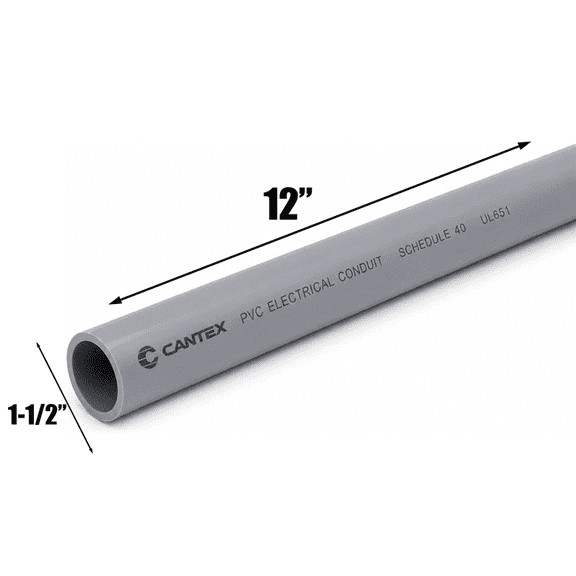
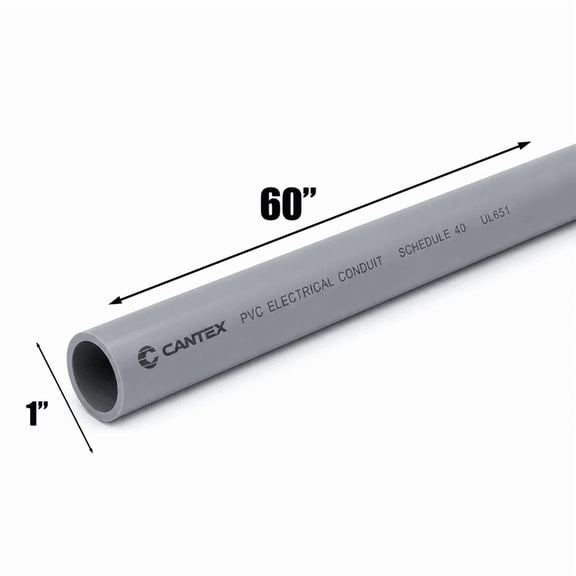
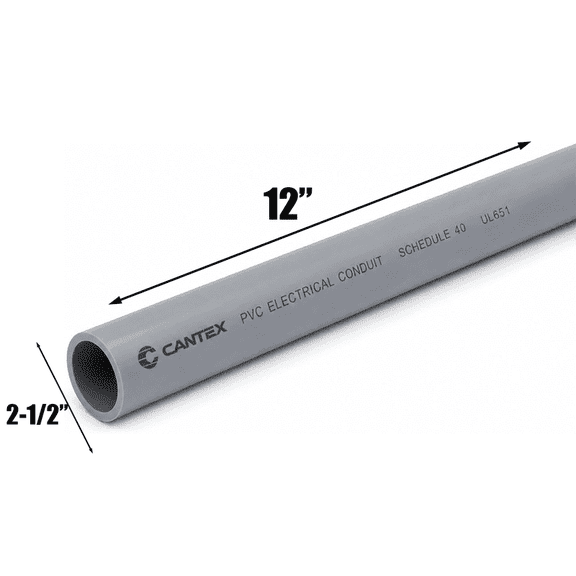
If you want a lightweight option, you may consider PVC for many indoor, outdoor, and underground layouts. You’ll often see schedule 40 and schedule 80 PVC when your project needs specific wall thickness.
When you need a metal raceway that’s easier to cut and bend on site, you may look at EMT metal. You’ll often use EMT on exposed interior runs where a clean, finished path matters.
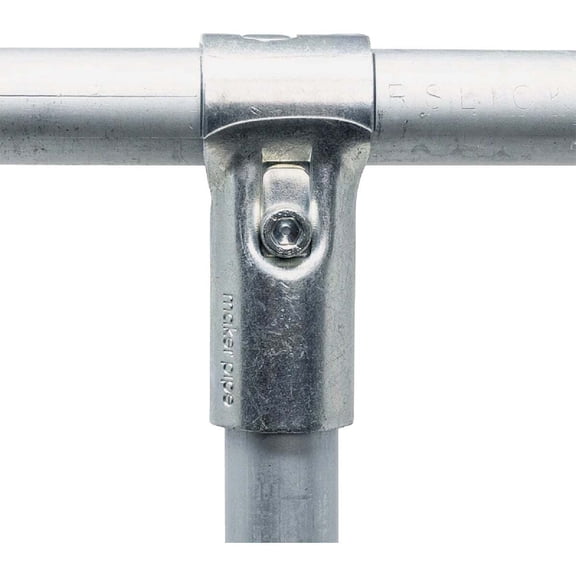
If your installation calls for added toughness, you may compare rigid steel and aluminum conduits. You’ll notice rigid steel suits demanding environments, while aluminum can reduce weight during longer runs.
How to choose between conduits and conduit tubes
You should compare rigid and flexible formats based on the path your wiring needs to follow. You’ll usually want rigid pieces for straight spans and flexible sections for equipment connections or offset bends.
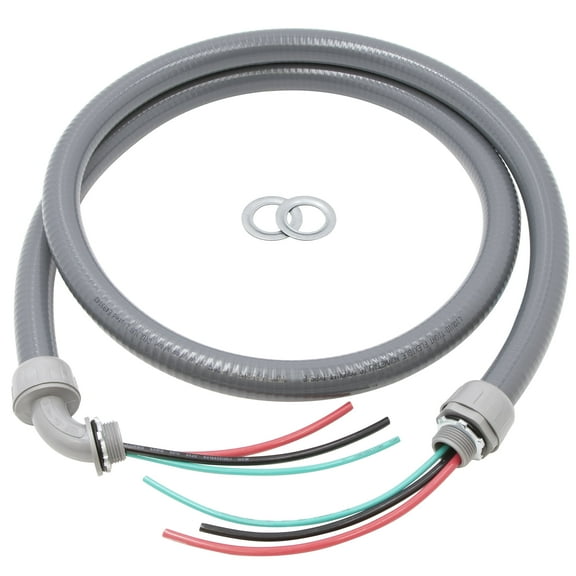
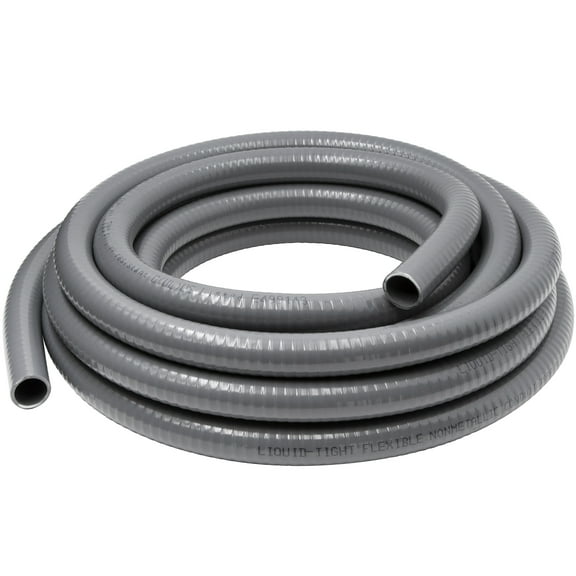
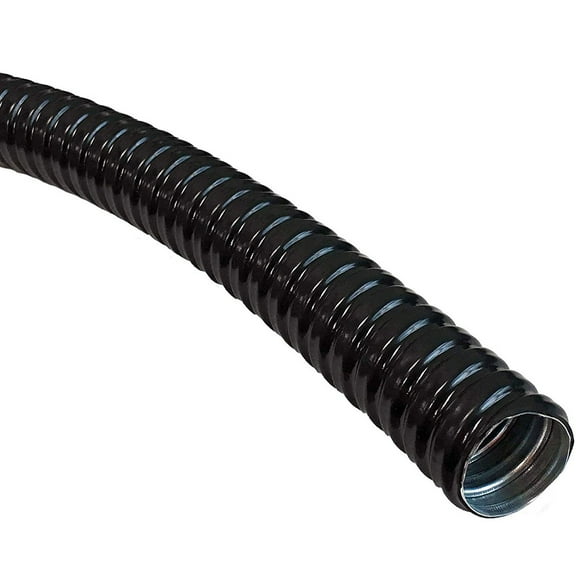
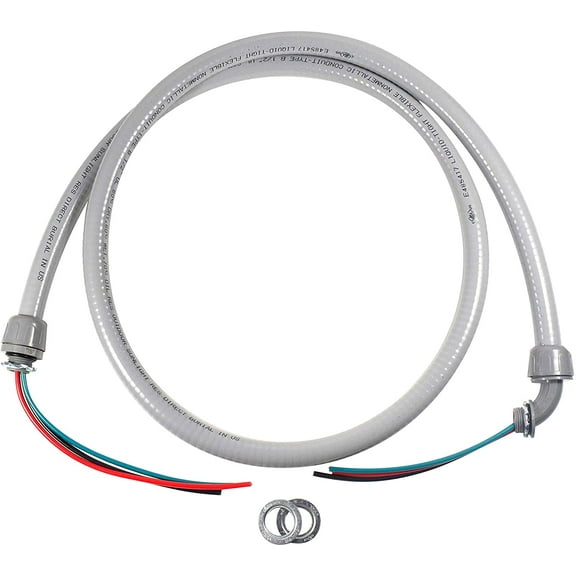
When your run includes turns around framing, machinery, or existing lines, flexible conduit tubes can simplify the route. You’ll often use liquid-tight styles where moisture resistance and bendability both matter.
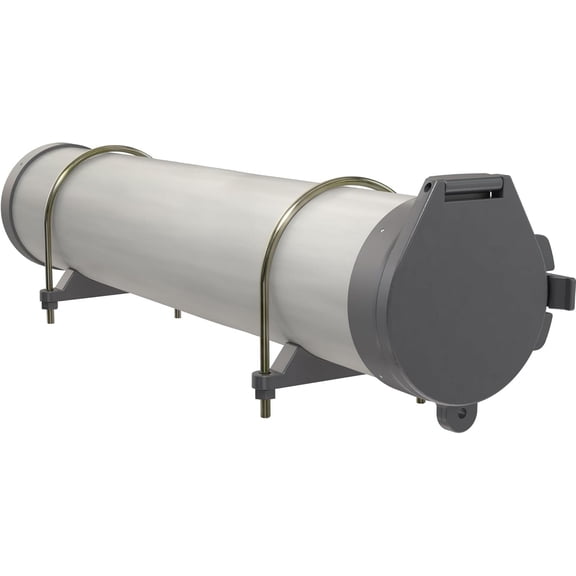
If you’re planning a straight exposed run, rigid electrical tube conduit can help you keep a neat line. You’ll also find rigid styles useful when you want consistent support spacing and matching connectors.
- You can use flexible conduit when your wiring path includes frequent bends.
- You can choose rigid conduit for straight runs that need a structured appearance.
- You can look for liquid-tight conduit when your setup includes damp or weather-exposed areas.
- You can compare metal and PVC options based on weight, corrosion exposure, and installation tools.
What size and rating you should check
You should check trade size and fill capacity before choosing conduit pipe for any wiring job. You’ll want enough interior space for your wire gauge, conductor count, and easier pulling.
When you compare sizes, you should match the conduit to the wire bundle instead of one conductor alone. You’ll reduce crowding and make future changes easier if you leave practical pulling room.
If your project includes outdoor or buried sections, you should verify the application rating before you buy. You’ll often see wet location guidance and schedule 40 or 80 PVC details for these uses.
You may need schedule 40 PVC for many underground burial layouts, while schedule 80 adds thicker walls in exposed areas. You’ll want to confirm the listed use before finalizing your route.
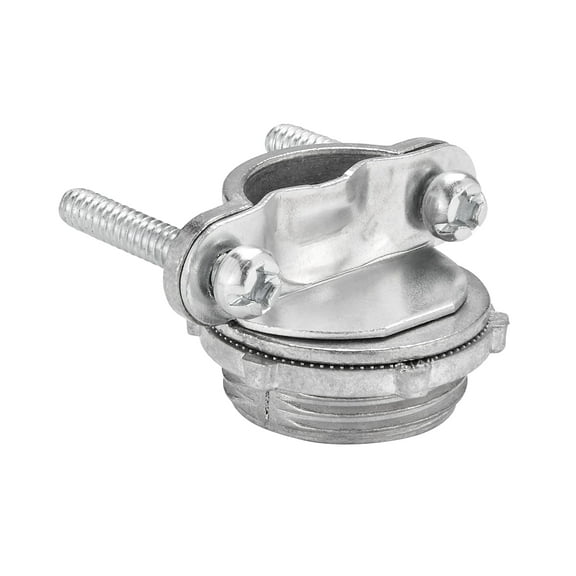
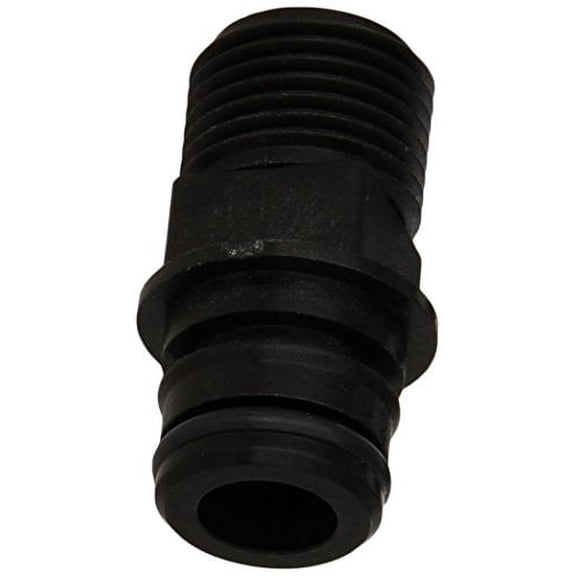
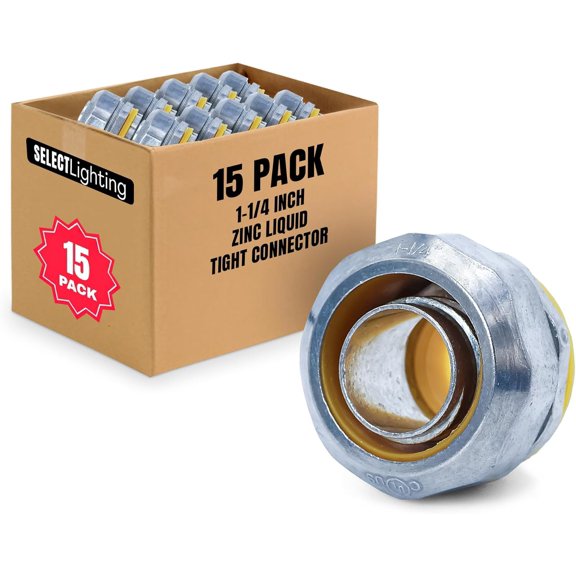
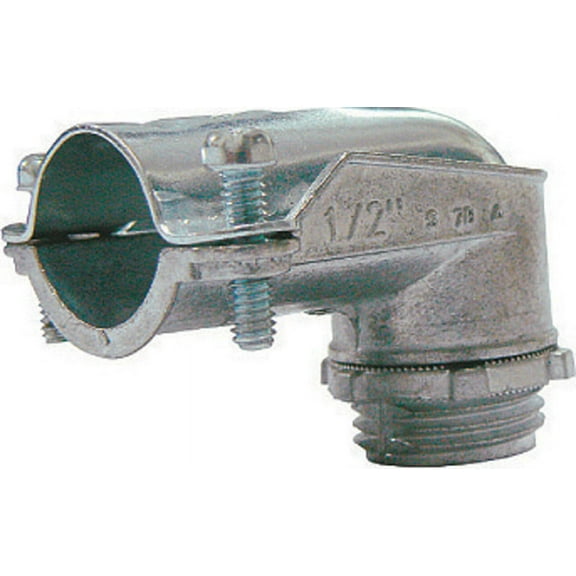
When your conduit connects to boxes, panels, or enclosures, you should check fitting compatibility carefully. You’ll want the right thread type, plus compression or set-screw fittings that match the conduit style.
Matching conduit pipe to your application
You should think about the environment before choosing indoor, outdoor, underground burial, or exposed run options. You’ll avoid mismatched materials when you compare sunlight, moisture, impact, and mounting conditions.
For an indoor remodel, you may want EMT or flexible sections that route through studs, joists, and utility spaces. You’ll appreciate choices that help you navigate corners and connect neatly to boxes.
If you’re wiring an exterior wall, detached structure, or equipment area, you should check outdoor ratings first. You’ll often compare PVC, rigid metal, and liquid-tight conduit for weather-exposed sections.
For underground burial, you should focus on conduit types designed for trench installations and direct environmental exposure. You’ll want to pair the run with fittings and sweeps that support smooth wire pulls.
When you’re planning an exposed run in a garage, shop, or basement, appearance and support hardware matter too. You’ll often prefer straight conduit tubes that line up cleanly along walls and ceilings.
How to plan quantities and larger jobs
You can buy single pieces for repairs, short upgrades, or one-room projects that need only a few lengths. You’ll keep planning simple when you already know the route and fitting count.
For new construction, workshop wiring, or multi-run installations, you may need conduit in bulk for consistent materials. You’ll often choose bulk bundles when your layout repeats the same trade size across several runs.
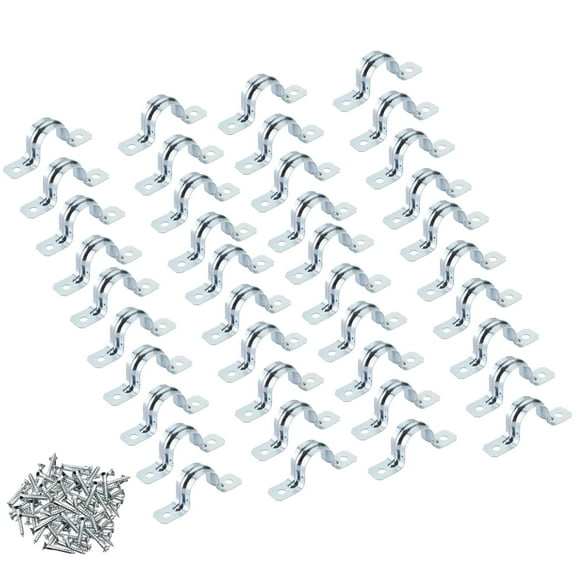
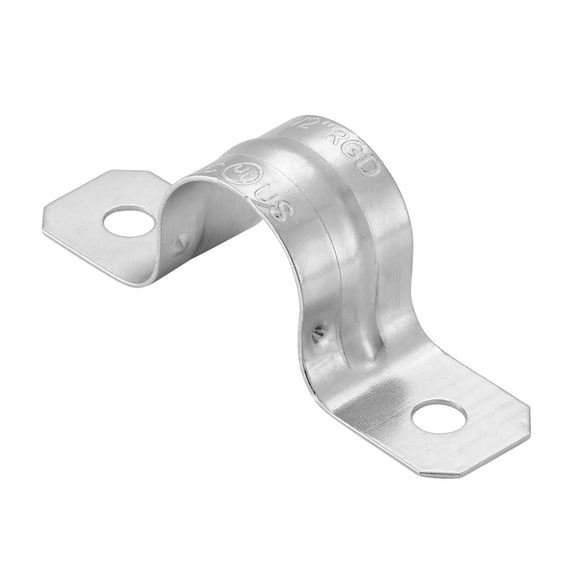
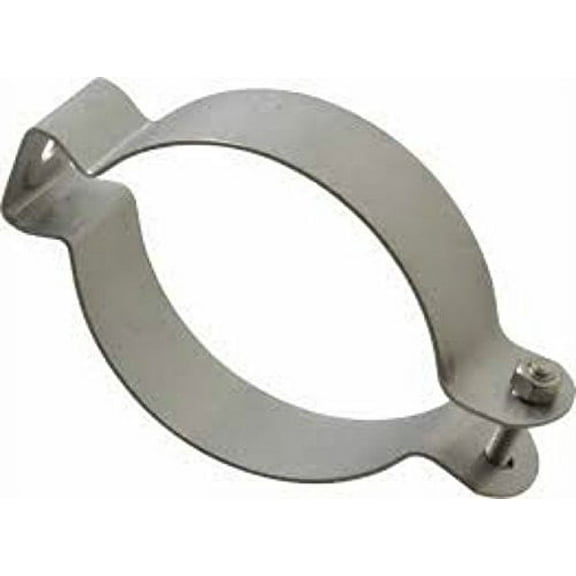
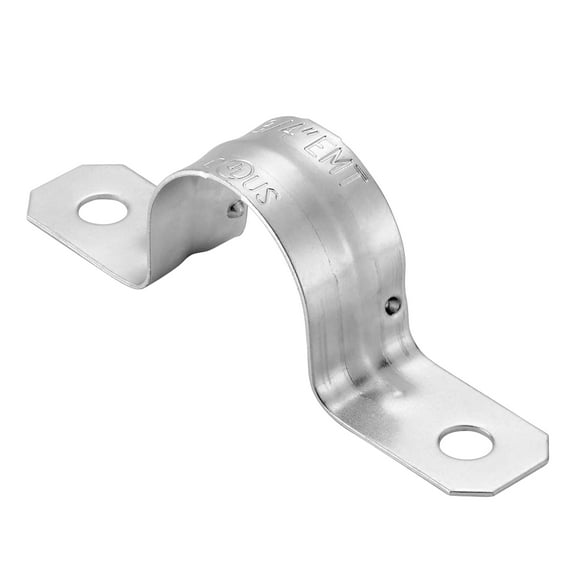
You should also plan for couplings, connectors, straps, elbows, and boxes at the same time. You’ll finish the job more smoothly when your conduit and fittings match by material and connection style.
With the right conduits, you can build cleaner runs, support easier wire pulls, and match your installation to code-driven project needs. You’ll gain a clearer path from planning to final connection with the proper size, type, and rating.