



Compost Bins in Composters






About Compost Bins in Composters - Walmart.com
Compost bins help you sort food scraps by space, volume, and cleanup routine. You can compare indoor, outdoor, countertop, and backyard options before you choose a setup.
If you cook often, you may want a kitchen compost bin near your prep area. If you handle yard debris too, you may prefer larger outdoor formats.
How to choose compost bins by placement
An indoor compost bin works well when you want daily access near the sink or prep zone. You can keep peels, grounds, and eggshells close during cooking.
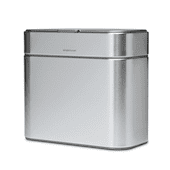
A countertop compost bin fits small kitchens because you can place it beside the sink or under cabinets. You can choose a compact profile when your counter space stays busy.
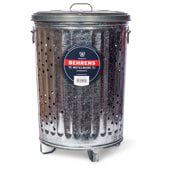
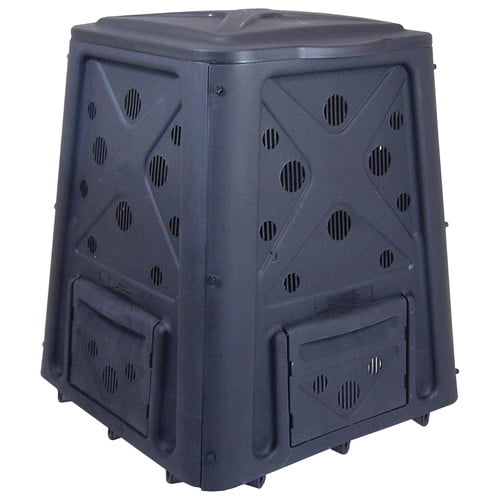
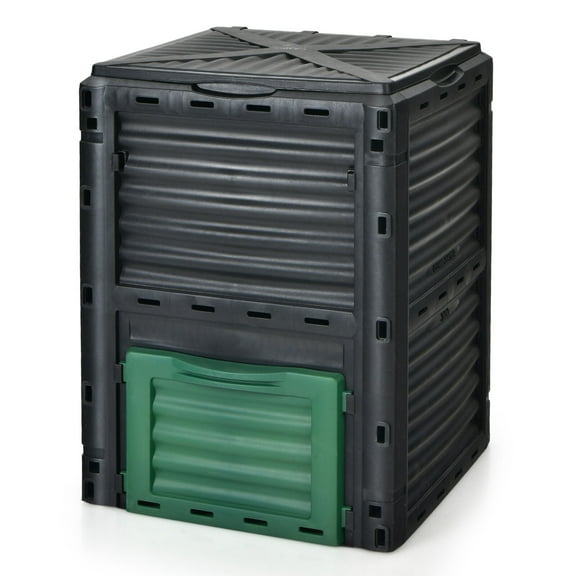
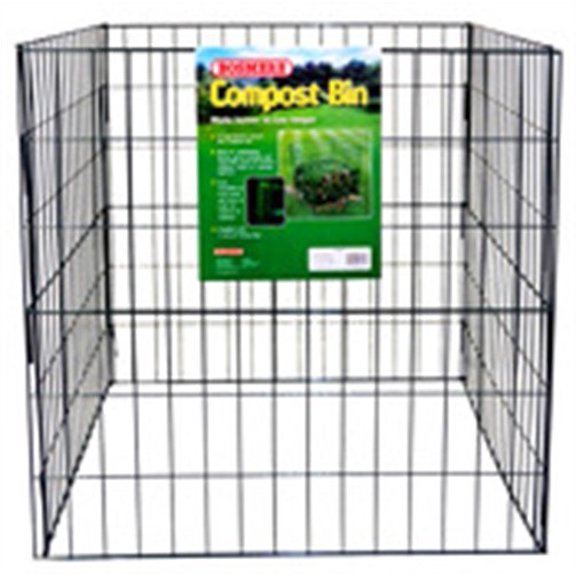
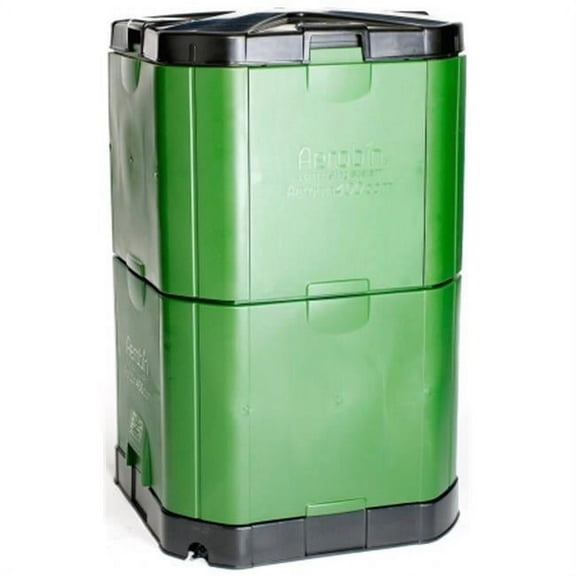
An outdoor compost bin makes sense when you manage larger batches from your kitchen and yard. You can place it in a backyard area where layering and emptying feel easier.
If you live in an apartment, you may prefer an indoor compost bin or bokashi container. If you have a garden, you may want a backyard bin for leaves and trimmings.
What to look for in odor control
Odor control matters when you keep scraps close to your kitchen routine. You should compare charcoal filters and airtight seals because both help keep contents contained.
A kitchen compost bin with a charcoal filter can suit daily countertop use. You can lift the lid often, then keep the bin closed between meals.
Airtight lids help when you want to hold scraps a little longer before emptying. You should also check how easily you can remove the liner or inner bucket.
- You can choose charcoal filters for regular kitchen scrap collection.
- You can look for airtight seals when you want a tidier indoor setup.
- You can compare removable buckets to simplify emptying and rinsing.
- You can select smooth interiors that make stuck-on scraps easier to clean.
If you plan to keep your bin on display, you may want stainless steel or ceramic. If you want a lighter carry outside, you may prefer plastic.
Choosing type: compost tumbler, stationary bin, worm farm, or bokashi
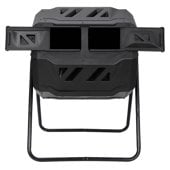
A compost tumbler works well when you want easier turning and stronger aeration. You can rotate the chamber instead of mixing materials by hand.
A stationary bin suits you if you want a simple setup in one backyard spot. You can add layers over time and manage a larger pile gradually.
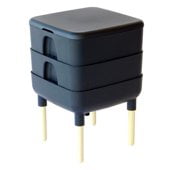
A worm farm can fit your needs when you focus on food scraps in a compact space. You can use it indoors or in sheltered areas, depending on your setup.
Bokashi systems can help when you want a sealed container for kitchen scraps. You can use them in smaller homes where outdoor composting space feels limited.
If you want faster mixing, you should compare tumblers with easy-turn handles or balanced barrels. If you want higher volume, you may lean toward a stationary outdoor compost bin.
How material and capacity affect daily use
Material changes how your bin looks, carries, and cleans after use. You should compare stainless steel, plastic, ceramic, and wooden designs based on your routine.
A stainless steel compost bin can suit your kitchen when you want a polished look. You may also like how it pairs with modern appliances and open shelving.
Plastic bins can feel lighter when you carry scraps outside often. You can also compare molded shapes that fit under sinks or beside pantry shelves.
Ceramic styles can blend into your countertop setup when appearance matters. Wooden outdoor designs can match garden spaces where you want a natural look.
Capacity should match how much food waste your household creates each week. You can avoid frequent emptying when your bin size fits your cooking habits.
Small bins under one gallon can work for light prep and tight counters. Medium sizes from one to five gallons fit many everyday kitchen routines.
Large bins over five gallons fit bigger households or mixed kitchen and yard waste. You should measure your storage area before choosing a larger footprint.
Using compost bins in real spaces
You can use a countertop compost bin during meal prep for peels, stems, and grounds. You can empty it into an outdoor compost tumbler when the container fills.
If you manage a backyard garden, you may pair a kitchen compost bin with a larger stationary bin. You can move scraps outside regularly and keep indoor space tidier.
If your home has limited outdoor access, you may compare worm farm and bokashi options. You can choose the format that fits your available space and handling preference.
You should also think about related yard and planting projects. You can pair your setup with soil and soil amendments, gardening tools, and trash cans and recycling bins.
With the right compost bins, you can match placement, type, material, and capacity to your routine. This helps you find a setup that fits your space and keeps scrap collection manageable.