

Collated Fasteners in Fasteners


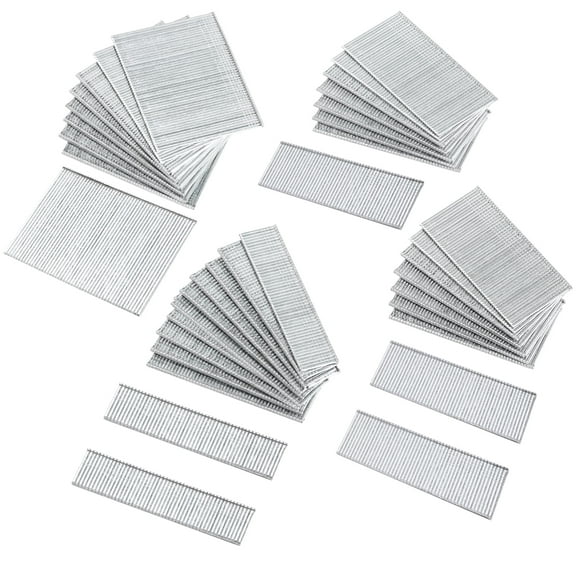


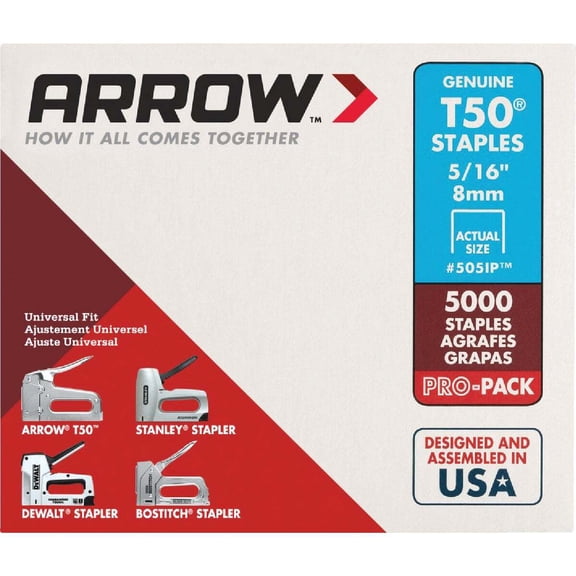


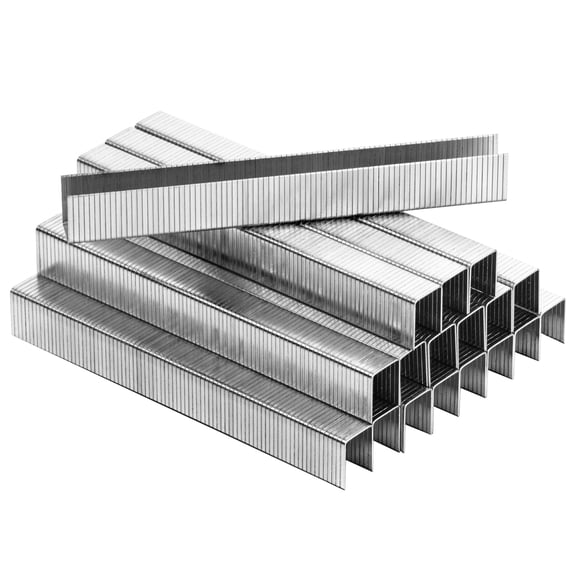


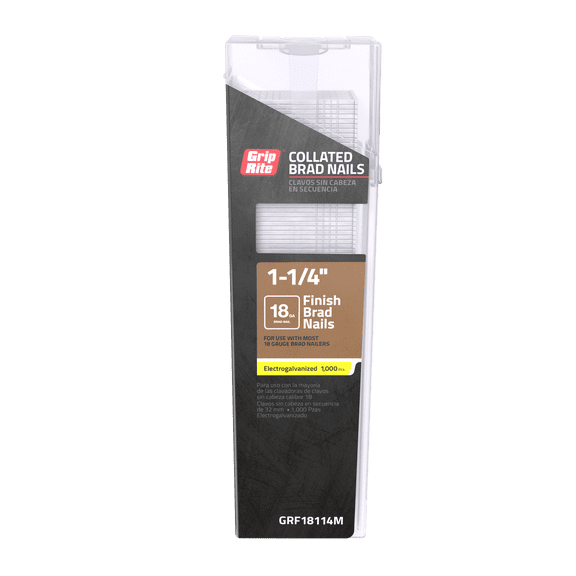
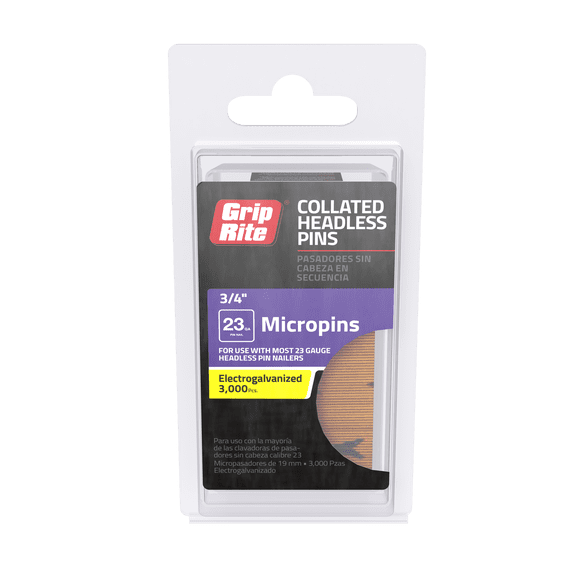

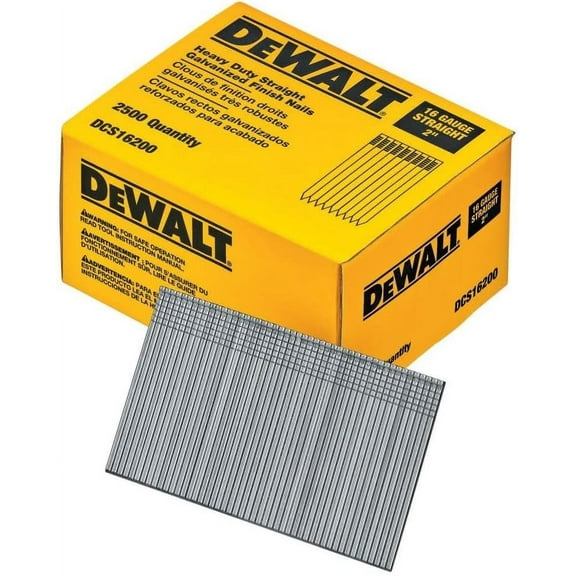
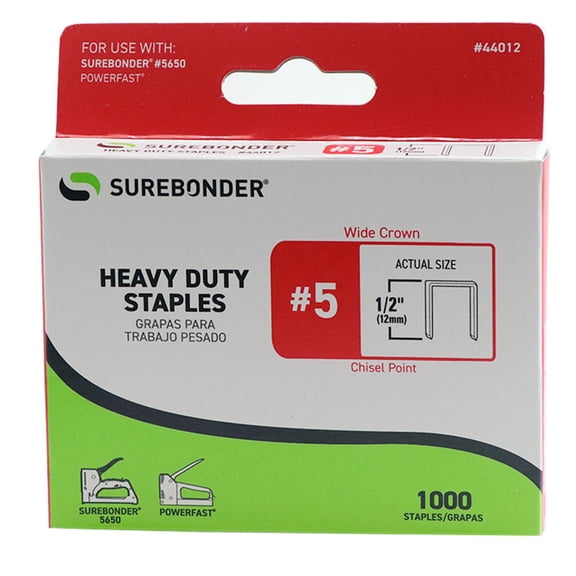

About Collated Fasteners in Fasteners - Walmart.com
Collated fasteners help you keep your nailer, screw gun, or stapler working with minimal interruptions. You can compare angle, collation type, finish, and shank style here, so your fasteners match your tool and your project.
How to choose collated fasteners
You should start with fastener type, because your tool is built for nails, screws, staples, or brads. You can get a clean fit when your fastener format matches your specific tool design.
Next, you should check the collation style that your tool accepts, such as paper tape, plastic strip, wire weld, or glue. This helps you avoid feed issues when your strip or coil format matches your tool’s magazine.
You should also confirm the collation angle before you buy. You can commonly see 15 degree, 21 degree, 30 degree, and 34 degree options for different framing and finish tools.
What to look for in fastener type and holding power
You can choose nails for framing, decking, sheathing, and general construction tasks that need speed and strong placement. You may prefer screws when your project calls for controlled driving and a threaded hold.
You can use staples when you’re fastening thinner materials, underlayment, or trim pieces that need broad contact. You may choose brads when your finish work calls for a smaller, less visible fastener.
Your holding power also depends on shank style, and that detail matters during tool setup. You can usually find smooth shank options for easy driving, while ring shank and screw shank designs grip more firmly.
- You can use smooth shank fasteners when your project calls for easy driving in general framing tasks.
- You can choose ring shank fasteners when your subfloor or sheathing needs extra grip.
- You can select screw shank fasteners when your wood assemblies call for a stronger bite.
- You can match nails, screws, staples, or brads to your specific tool category for clean feeding.
Choosing the right collated fasteners angle and collation type
You should compare paper tape, plastic strip, wire weld, and glue collation based on your tool manual. This helps make installation smooth when you check exactly what your nailer or screw gun accepts.
You may notice that paper tape strips are common for framing nailers and can support a snug magazine fit. You may also see plastic strip and wire weld styles that match specific tools and loading preferences.
Your angle choice is a decision-critical detail, because similar fasteners may not fit the same nailer. You should verify whether your tool requires 15 degree, 21 degree, 30 degree, or 34 degree fasteners.
You can think of angle as the shape of the fastener strip inside your tool. This helps support dependable feeding when that angle lines up with your nailer’s magazine design.
Choosing material and finish for your project environment
You should match material and finish to where your project will live, especially when you’re choosing for interior or exterior work. You can often find bright, electro-galvanized, hot-dipped galvanized, and stainless steel options.
You can use bright fasteners for many indoor applications where your project needs a basic unfinished look. You may choose electro-galvanized finishes when your project needs a coated option for light exposure.
You should consider hot-dipped galvanized fasteners when your project faces harsh outdoor conditions and treated lumber contact. You can look at stainless steel when your environment calls for corrosion resistance and a lasting appearance.
Your finish choice also affects long-term performance in fencing, decking, siding, and roofing work. You may want the finish to match your surface, weather exposure, and job requirements before loading your tool.
Matching quantity and format to real projects
You should think about pack count before you start, because small repairs and large builds need different quantities. This helps keep your workflow steady when your box count fits your project scope.
You can choose smaller counts for punch-list tasks, trim touch-ups, or a single room project. You may want larger counts when you’re framing walls, installing subfloor, or handling repeated fastening on a big job.
Your project type can also guide your fastener combination. You might pair 21 degree framing nails with structural woodwork, 15 degree coil nails with roofing or siding tasks, and brads with interior trim.
You can also match staples to underlayment or light panel work, while collated screws fit repeated fastening with compatible screw guns. This can lead to minimal interruptions when your quantity, angle, and finish all line up.
Collated fasteners make sense when you choose by tool compatibility, project environment, holding power, and pack size. This helps you finish with a smooth workflow and a fit that supports clean, consistent fastening.