

Ceramic Heaters in Space Heaters










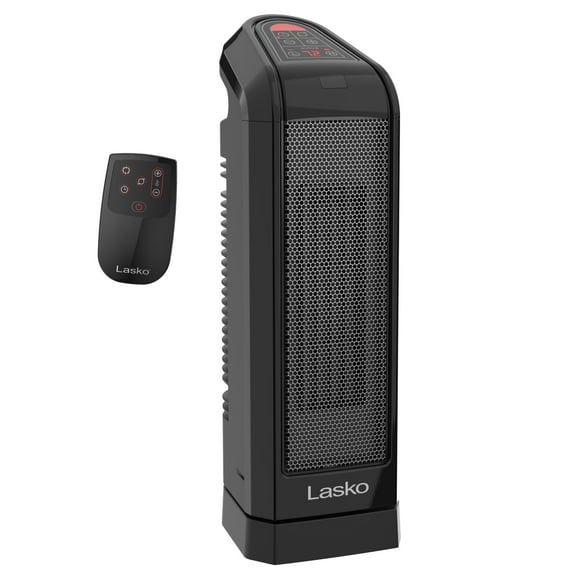


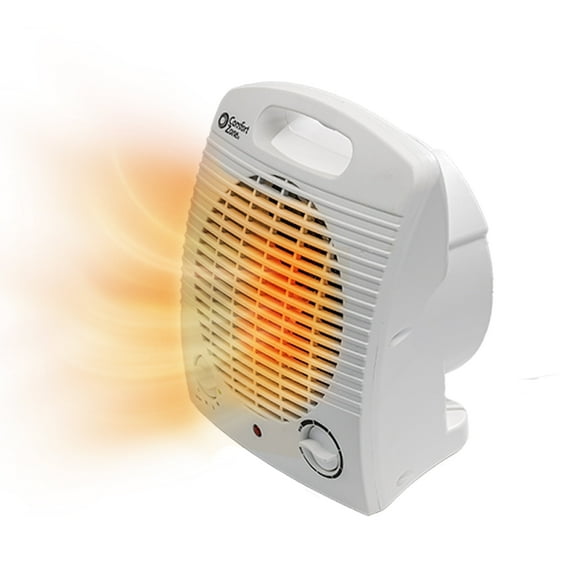


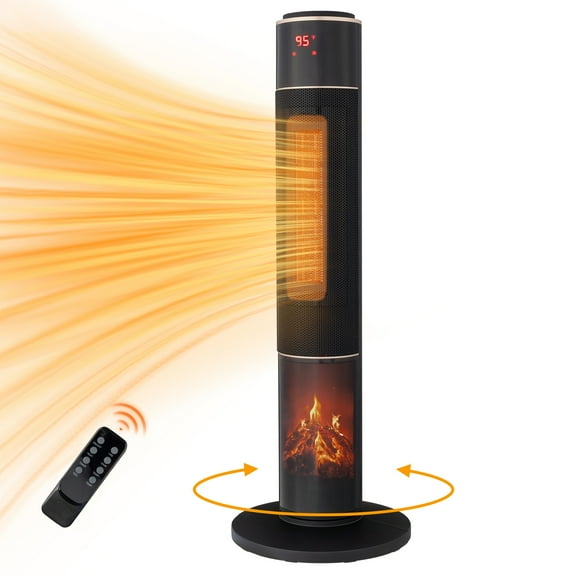
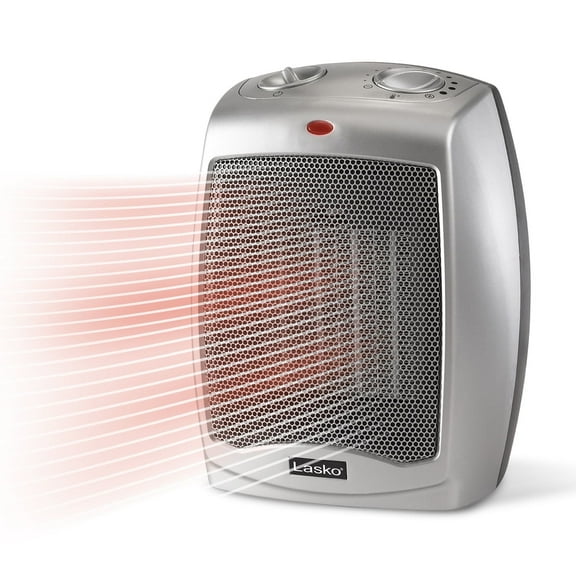



















About Ceramic Heaters in Space Heaters - Walmart.com
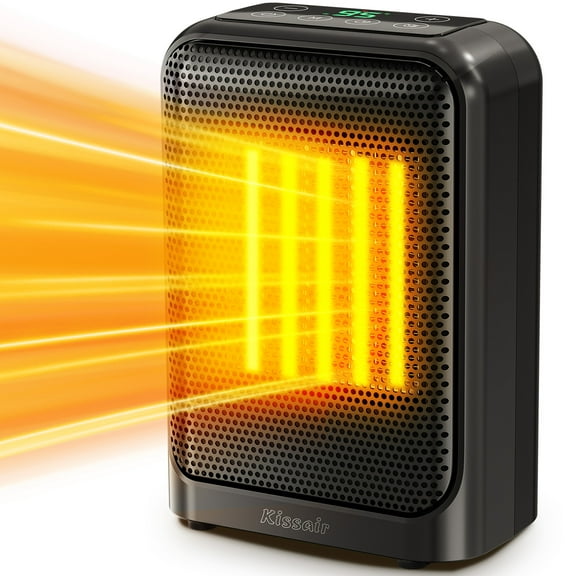
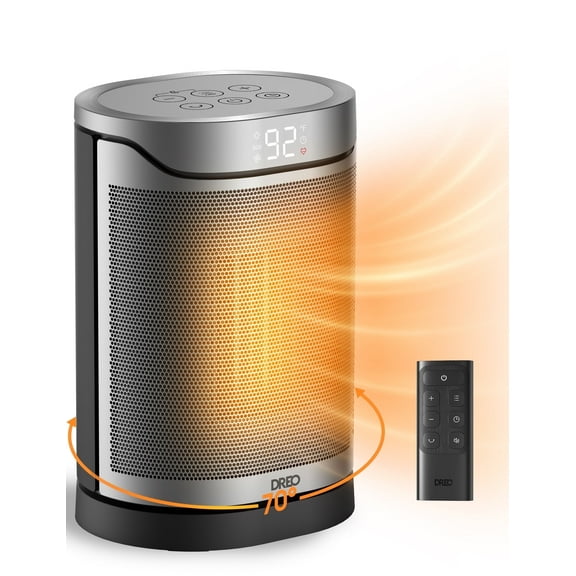
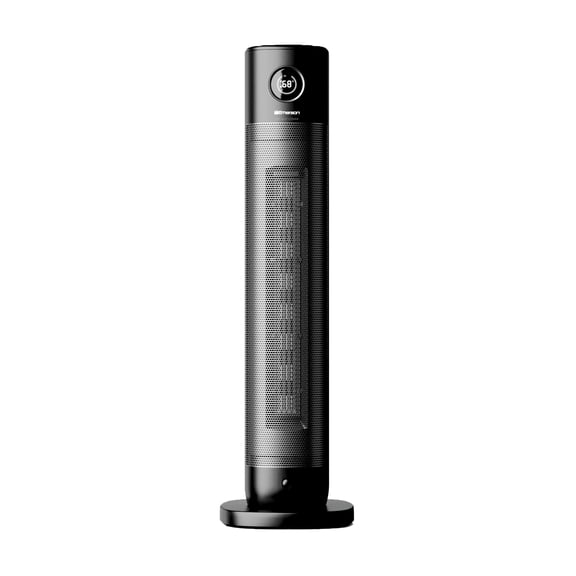
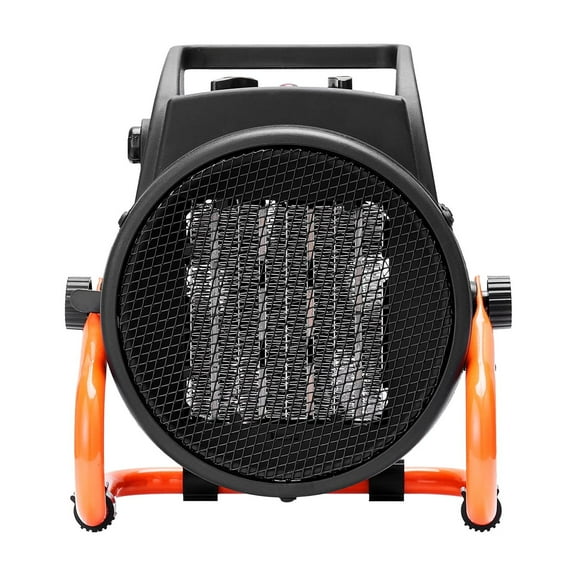
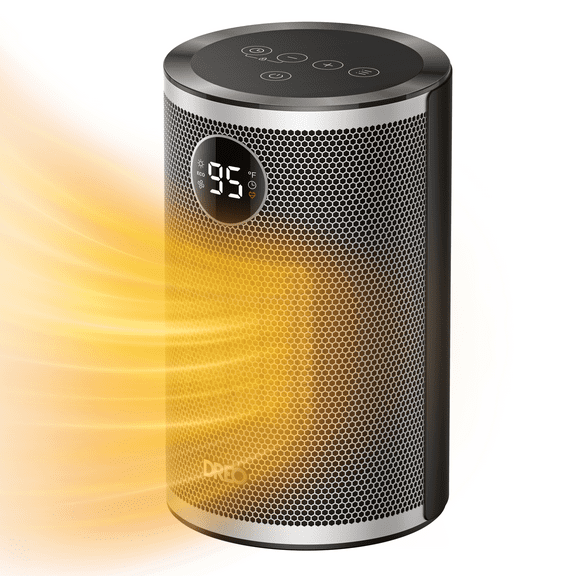
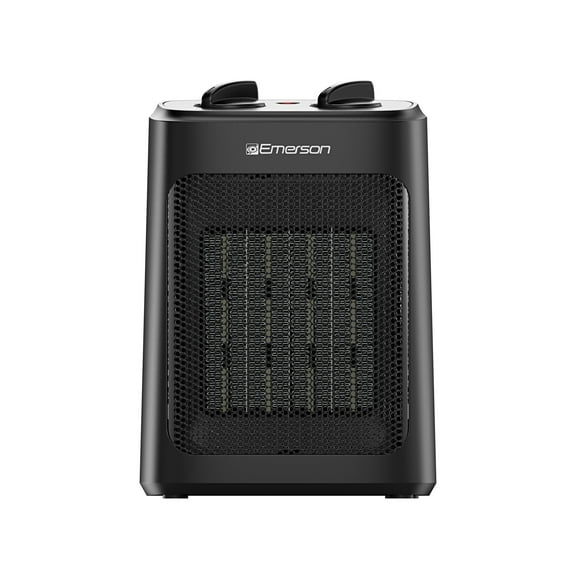
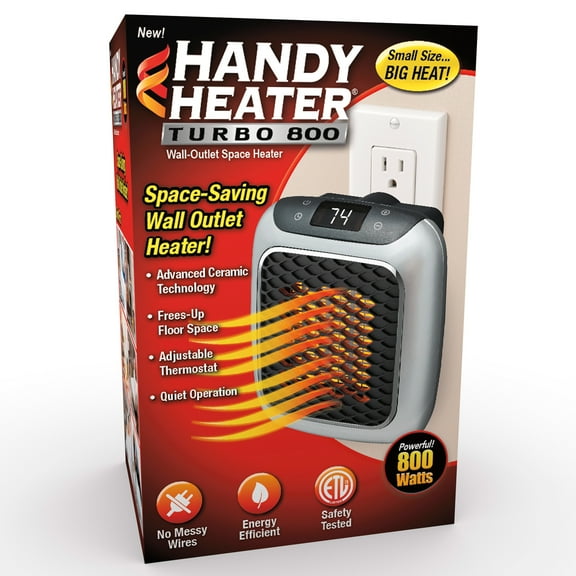
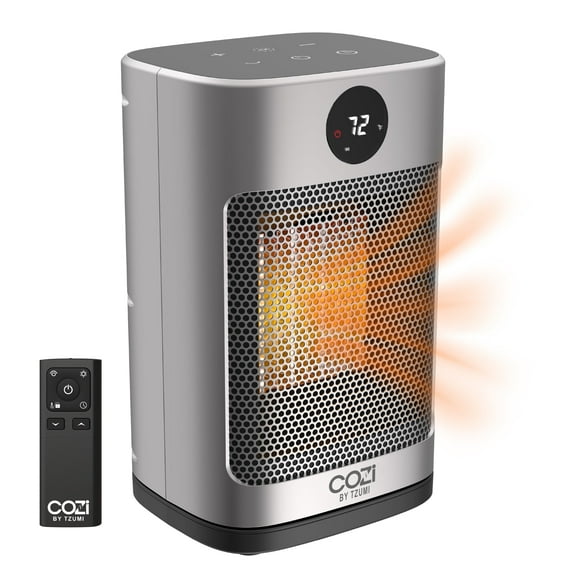
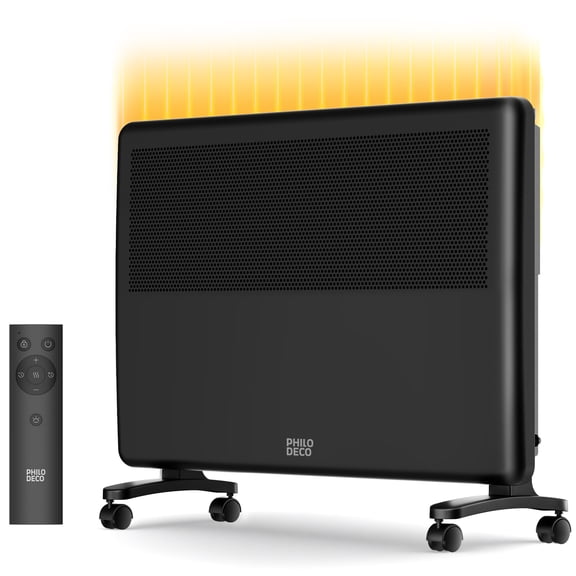
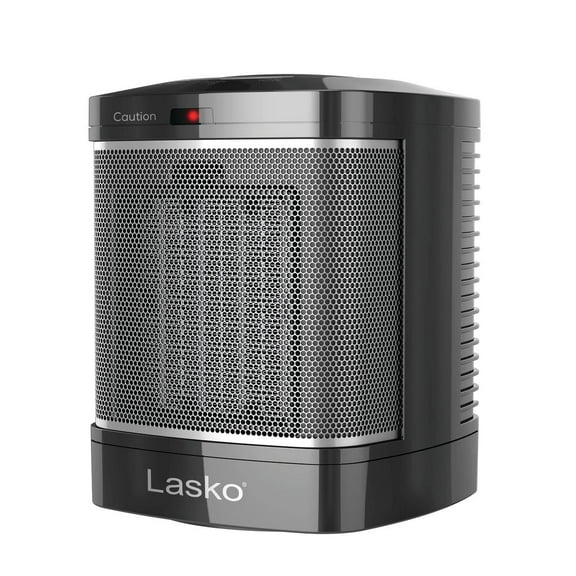
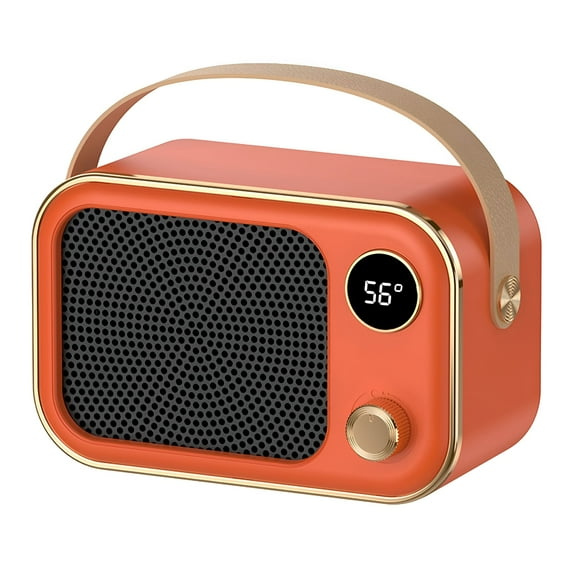
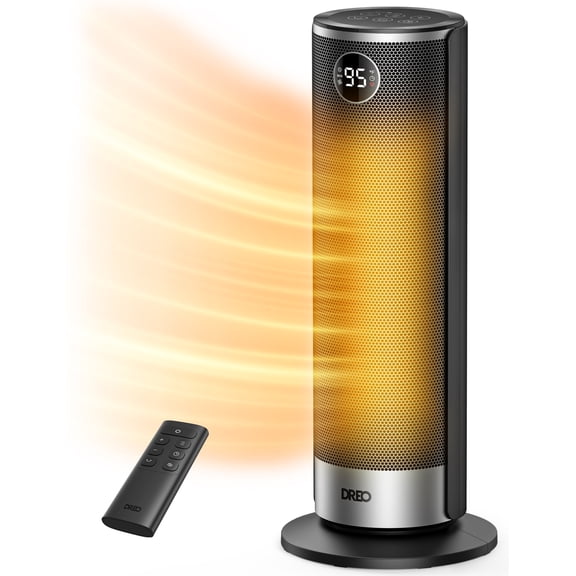
Heat electric heaters help you warm small indoor areas with focused output, compact footprints, and ceramic elements that fit everyday room use. This ceramic heater category helps you compare size, portability, safety details, and heating performance. Use those points to choose a model for a bedroom, office, dorm, or another indoor space.
How to choose heat electric heaters
Start with heater size because placement shapes daily use. A small ceramic heater often fits desks, nightstands, or narrow floor areas. Compact options work well when open space is limited. Standard sizes usually suit larger seating zones or dedicated corners.
Next, compare portability. Portable heaters are easy to move between rooms during the day. Desktop models sit on elevated surfaces for close-range warmth. Freestanding styles stay at floor level for more permanent placement.
Then check the use case. Bedroom shoppers often want a smaller footprint and simple controls. Office and dorm setups usually need compact dimensions that fit tight layouts. Indoor room heating also depends on where you spend the most time.
- Small and compact sizes support desks, bedside tables, and tighter dorm layouts.
- Portable formats let you move warmth from a workspace to a reading corner.
- Desktop and freestanding designs give you different placement options indoors.
- Ceramic electric formats support plug-in convenience for everyday room use.
Choosing a ceramic space heater by features
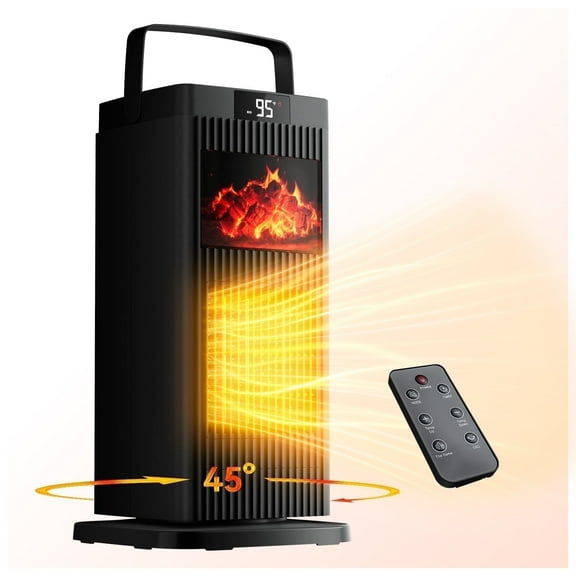
A ceramic space heater uses electric power and ceramic heating components for focused warmth. Key decision points include wattage, controls, oscillation, timers, and thermostat settings. Those details help you match the heater to the space.
Check wattage first because it affects output and room fit. Smaller rooms often pair well with compact units. Larger personal spaces may need a standard model with broader coverage. Compare dimensions before placing one near furniture or under a desk.
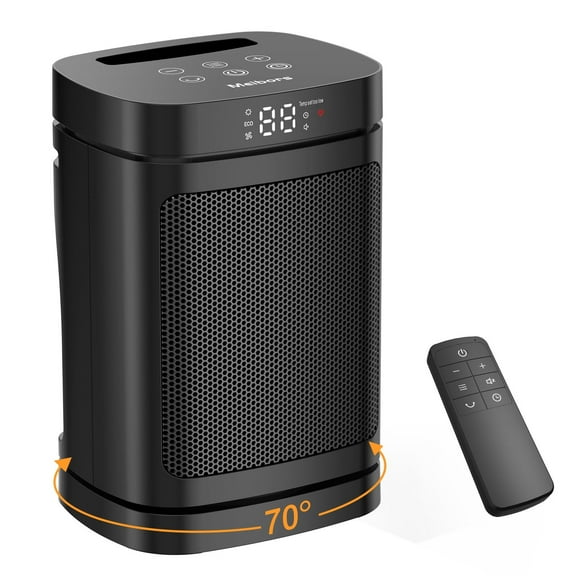
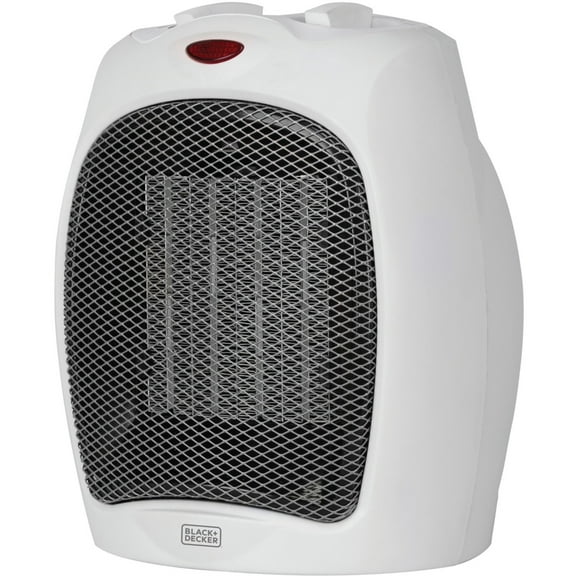
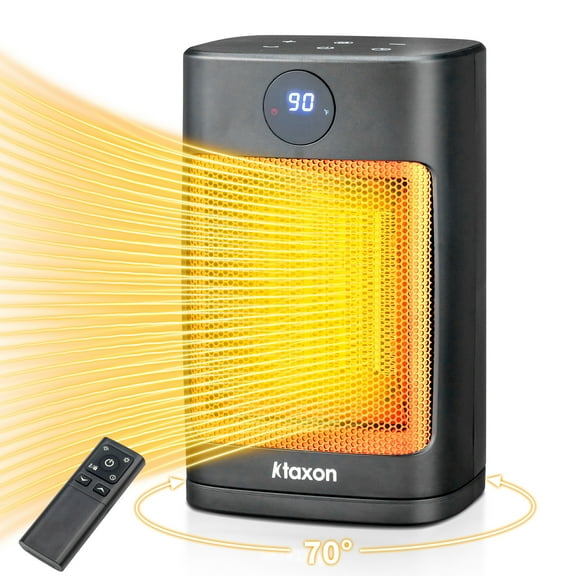
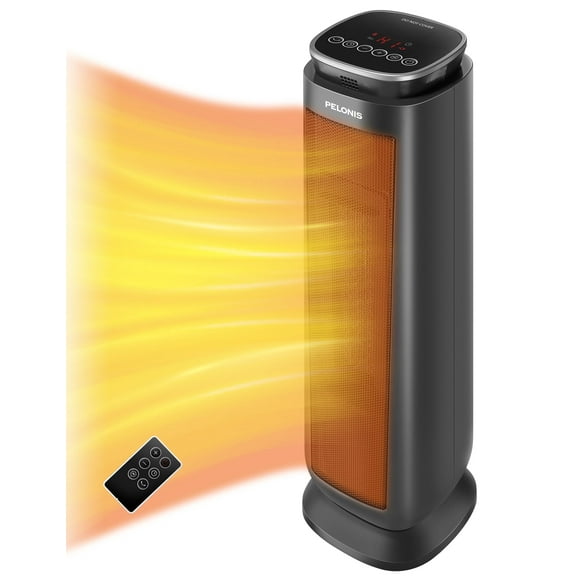
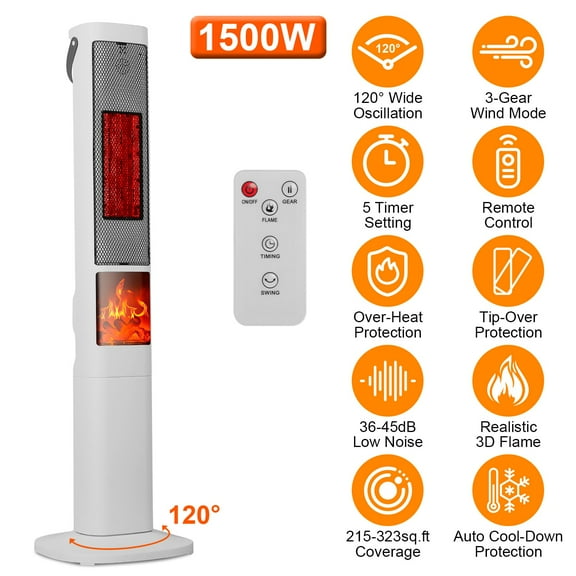
Control style also matters. Dial controls feel straightforward for quick changes. Digital panels can make temperature settings easier to read. Remote controls and timers support more convenient adjustments during work or rest.
Oscillation changes how warm air moves across a room. It can spread heat through a wider area instead of one direct path. That feature often matters in offices, study spaces, and shared seating zones.
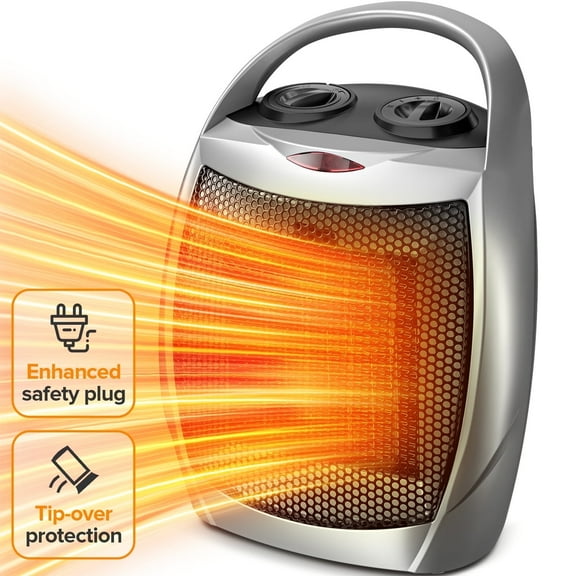
Safety features deserve close attention when comparing options. Look for overheat protection, tip-over shutoff, and a cool-touch exterior. Those features are common decision criteria in bedrooms, dorms, and busy indoor spaces.
Comparing small ceramic heater options
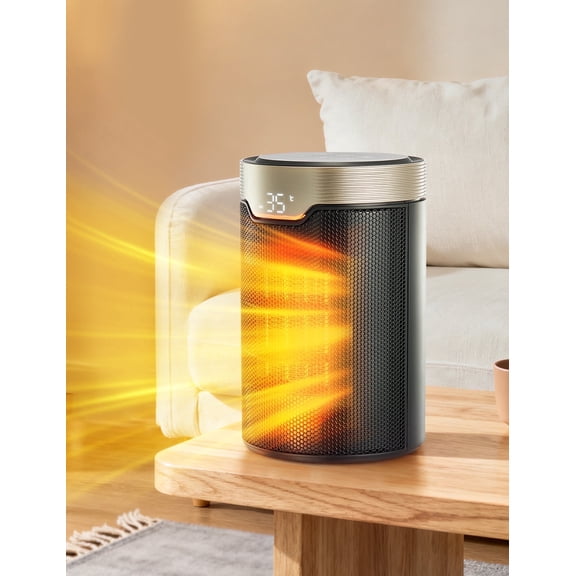
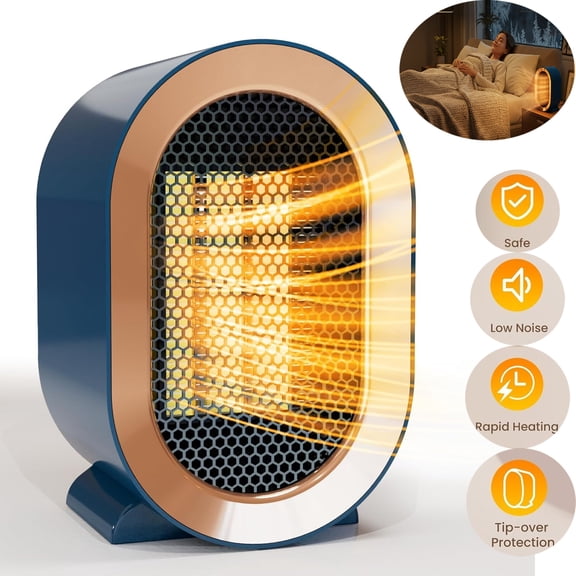
A small ceramic heater works well when square footage is tight. It can fit under desks, beside beds, or in study corners without taking over the room. That makes size a practical filter for apartments, dorms, and home offices.
Compact models support spot heating around one chair, desk, or bedside area. They work well when you stay in one part of the room. If you move between tasks, a portable format can follow your routine more easily.
Desktop units usually suit elevated surfaces and close seating positions. Freestanding compact models stay on the floor and keep surfaces clear. Standard heaters can make more sense when you want broader warmth in a defined area.
Measure the placement zone before choosing a unit. Check width, height, and floor clearance. A few inches can change whether a heater fits beside a chair, under a table, or near a dresser.
Matching ceramic portable space heater styles to real use
A ceramic portable space heater fits routines that shift throughout the day. You can move it from a morning workspace to an evening bedroom setup. That flexibility matters when one heater serves several indoor areas.
For office use, compare compact dimensions, easy-carry designs, and simple controls. A desktop heater can warm the area around a chair and keyboard. A freestanding unit can support a larger desk zone or reading nook.
Bedroom use often calls for a smaller footprint and straightforward settings. A compact ceramic heater can fit beside a nightstand or dresser. Portable designs also store more easily when floor space is limited.
Dorm rooms need careful measuring and flexible placement. Compact or desktop options can suit shelves, desks, or small open areas. Control type and exterior design matter when every inch has a job.
Purchase-ready shoppers also look for convenient fulfillment. Walmart.com helps you compare availability, shipping, and pickup options in one place. That supports faster decisions when you need indoor comfort without extra searching.
Understanding rapid heating and steady warmth
Rapid heating and steady warmth describe different comfort goals. Rapid heating suits quick warmups after entering a cold room. Steady warmth fits longer sessions when you plan to stay in one place.
Spot heating focuses warmth on a personal zone instead of a whole home. That approach works well for desks, bedside seating, and reading areas. Ceramic portable electric heaters are often chosen for that type of targeted use.
Power type also shapes expectations. Heat electric heaters in ceramic formats are designed for plug-in convenience and indoor placement. They suit shoppers who want room-focused warmth without a fixed installation.
When size, portability, heating style, and safety features line up, choosing gets easier. A ceramic heater that fits your room and routine delivers focused comfort where you need it most.