







Cat Carriers

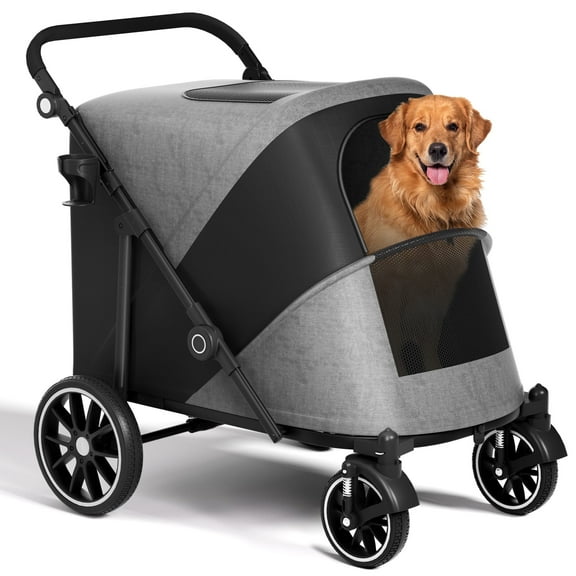
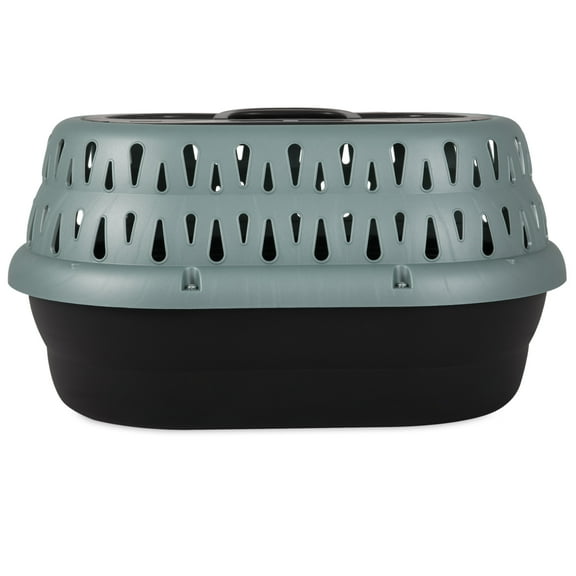
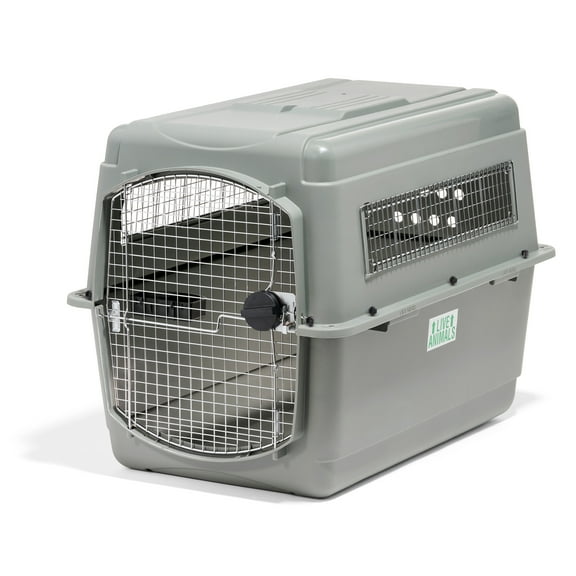
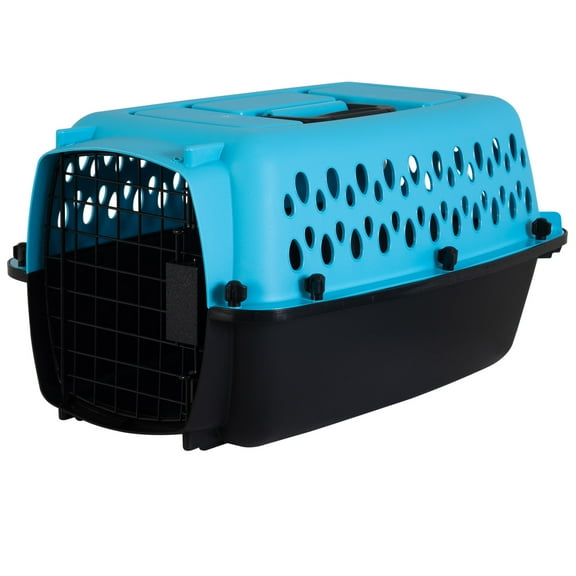































About Cat Carriers - Walmart.com
Cat carriers help you move your cat with less stress and more control. You can compare carrier type, size, airline fit, and entry style before you choose.
If you travel often, you’ll want options built for ventilation, secure closures, and easier loading. You can also narrow your choice by how your cat rides, waits, and settles.
How to choose cat carriers
When you compare cat carriers, you should start with how you’ll use them most. You may need one for car rides, flights, vet visits, or short walks.
Carrier type changes how you carry weight and how your cat experiences motion. Size also matters because your cat should sit, turn, and lie down comfortably.
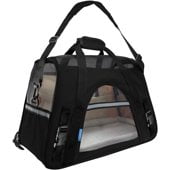
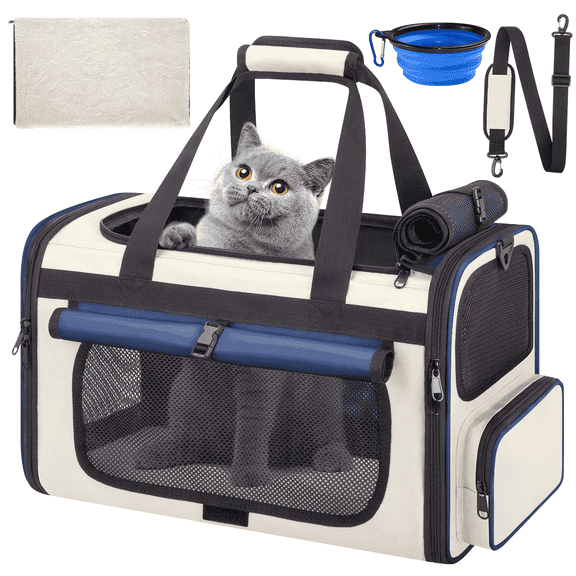
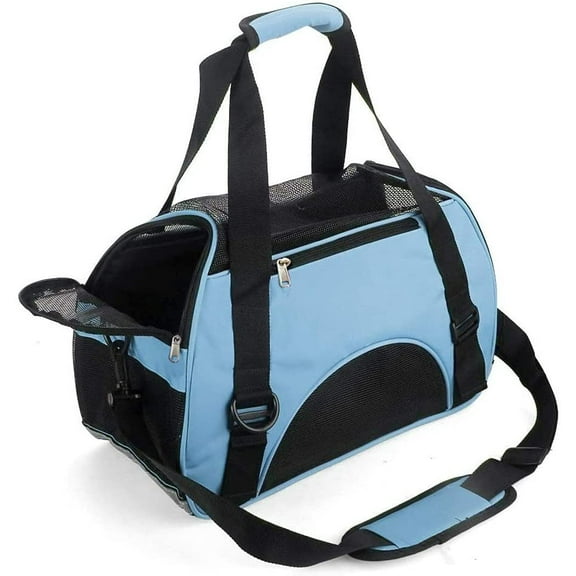
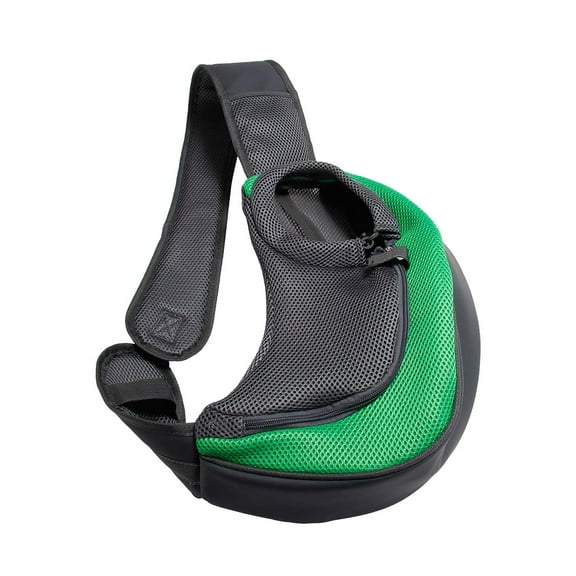
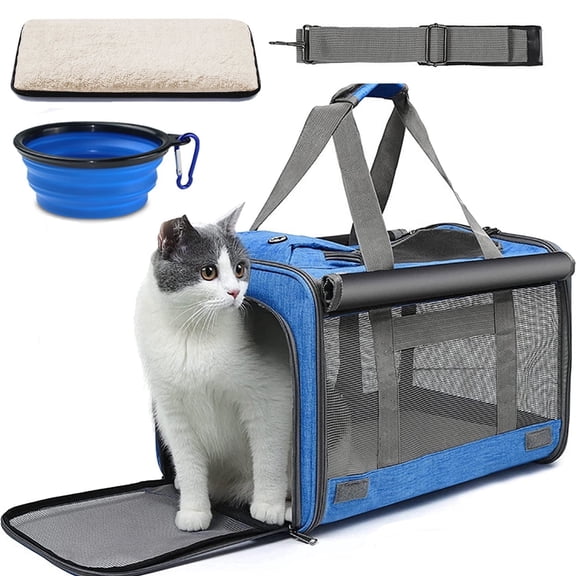
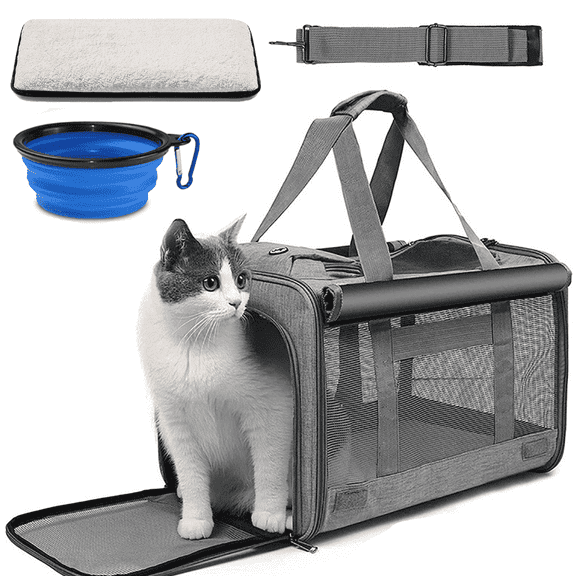
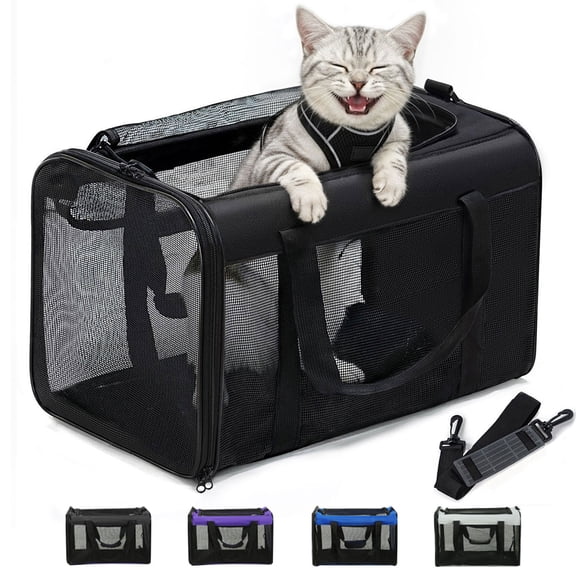
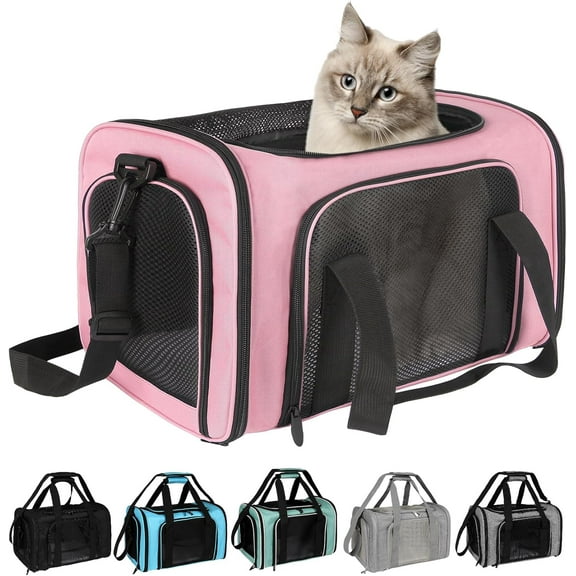
- You can choose soft-sided styles when you want flexibility and lighter carrying weight.
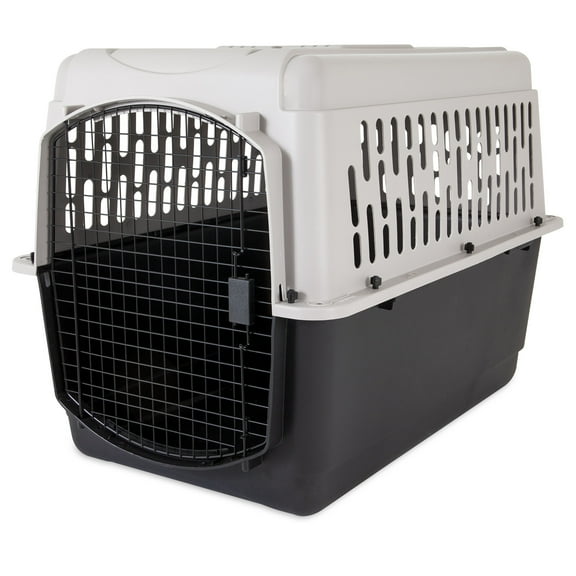
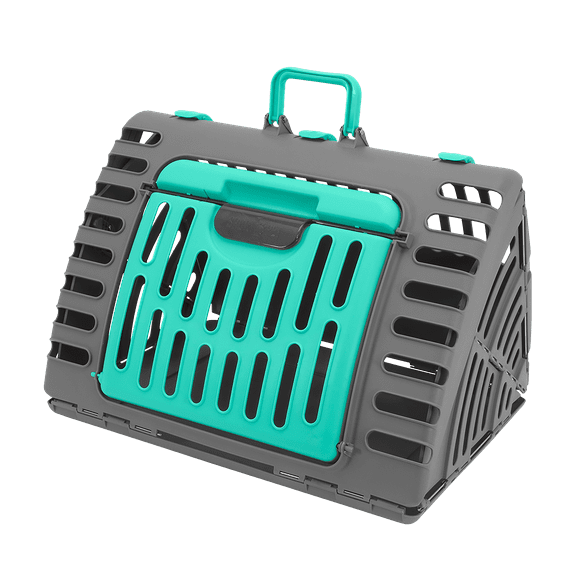
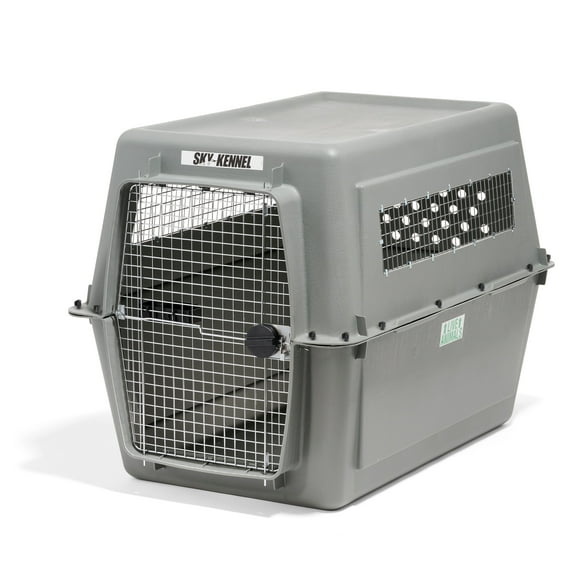
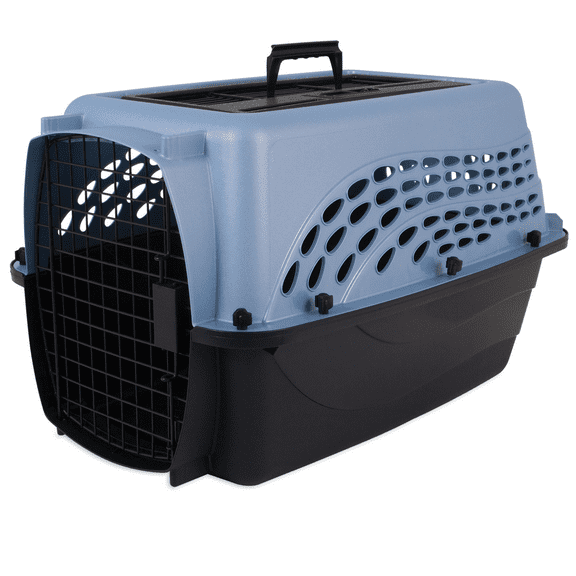
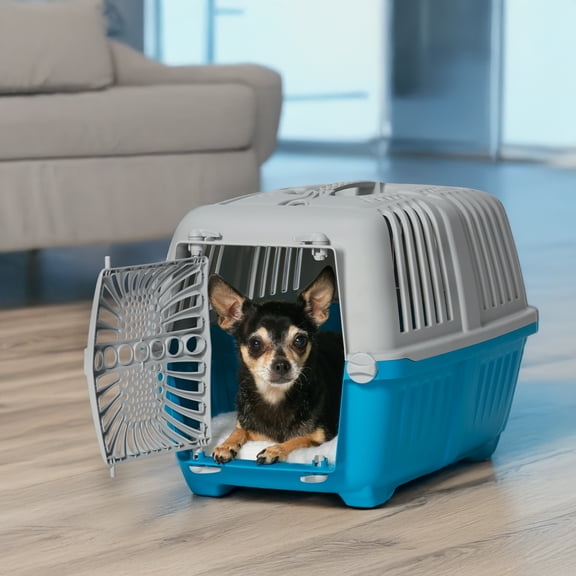
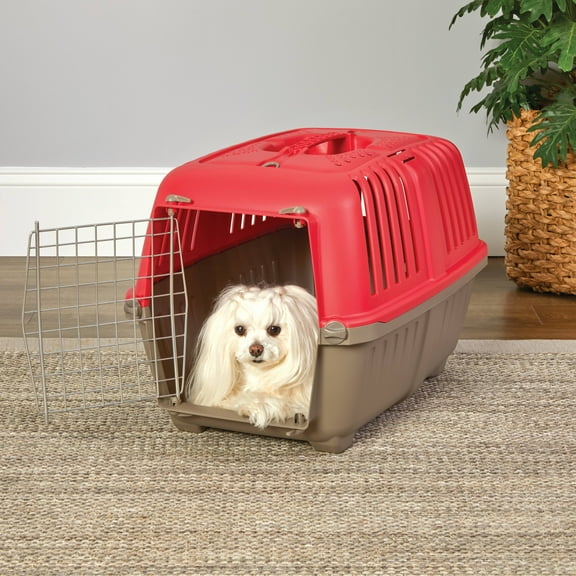
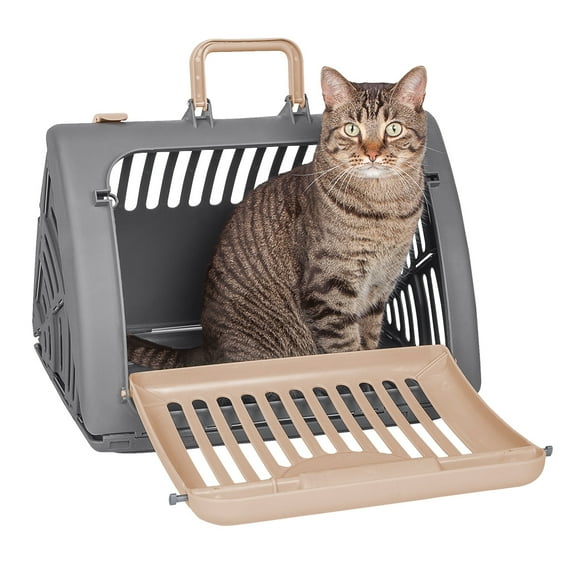
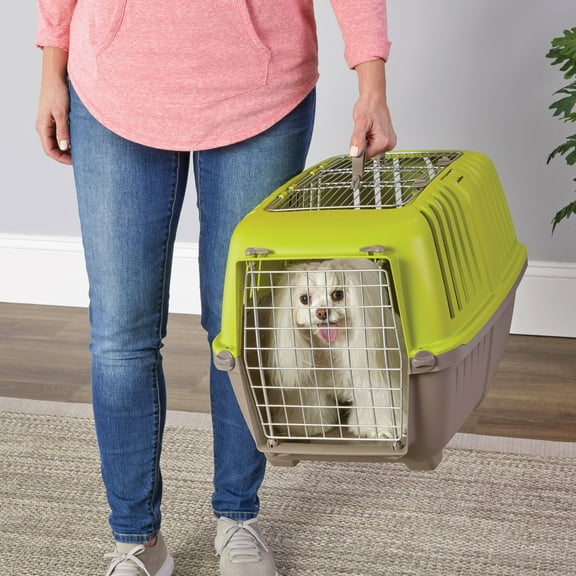
- You can pick a hard cat carrier when you want firmer walls and a structured shell.
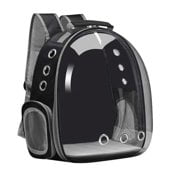
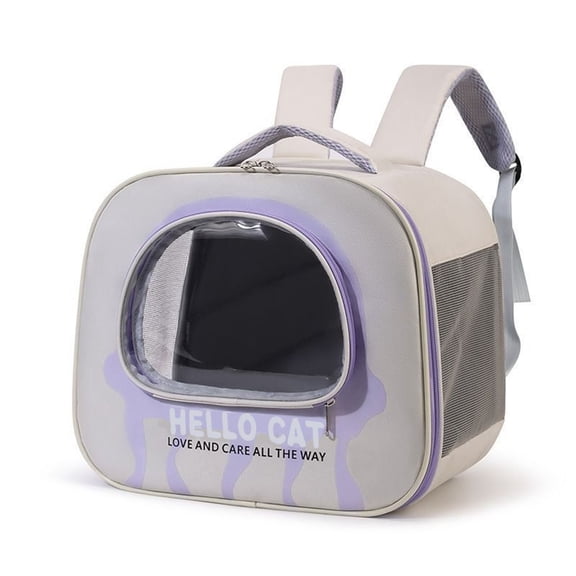
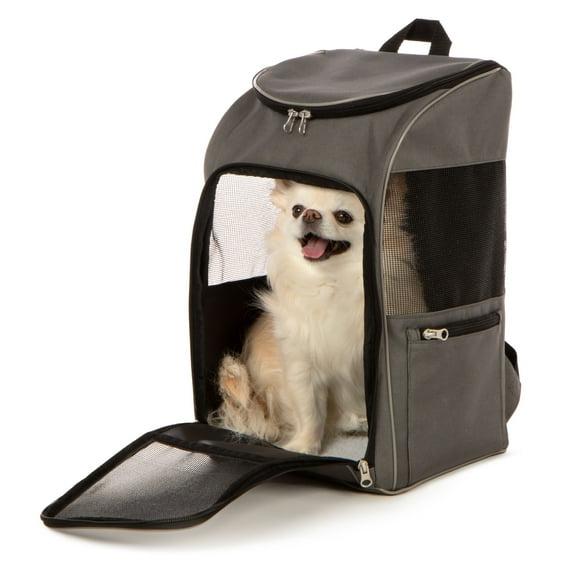
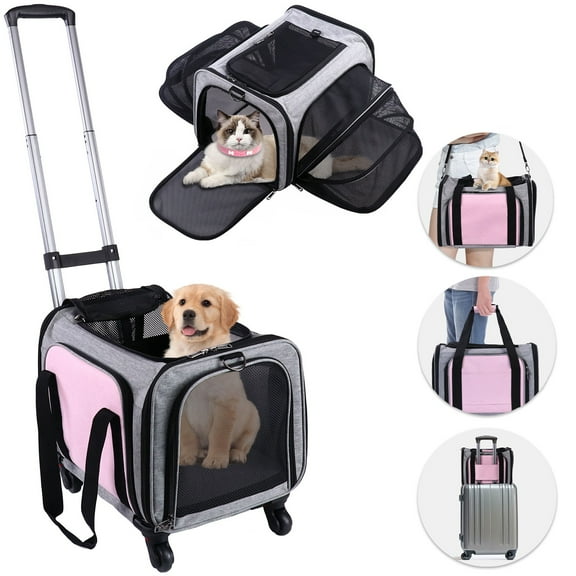
- You can use a cat backpack carrier when you want hands-free movement through airports or sidewalks.
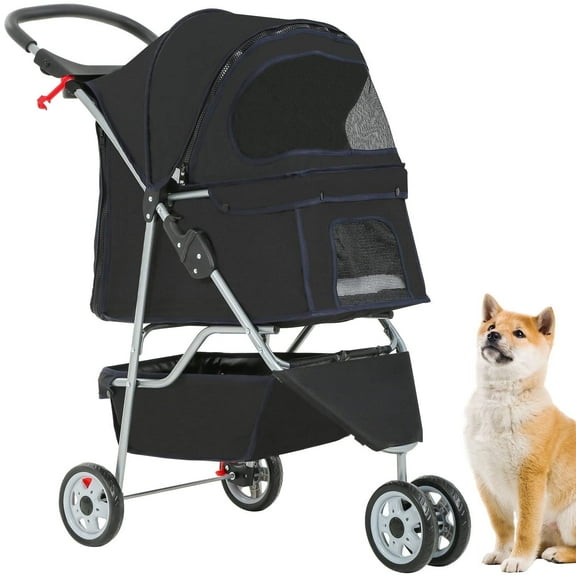
- You can consider a wheeled option when you want easier transport for longer terminals and heavier cats.
- You can look for ventilated panels and washable bedding when comfort and cleanup matter to your routine.
Access style shapes your daily experience more than many shoppers expect. You may find a top loading cat carrier easier when your cat resists front entry.
Dual entry designs give you more loading angles in tight spaces. Expandable sections can also give your cat more room during longer waiting periods.
Choosing between soft sided cat carrier and hard cat carrier
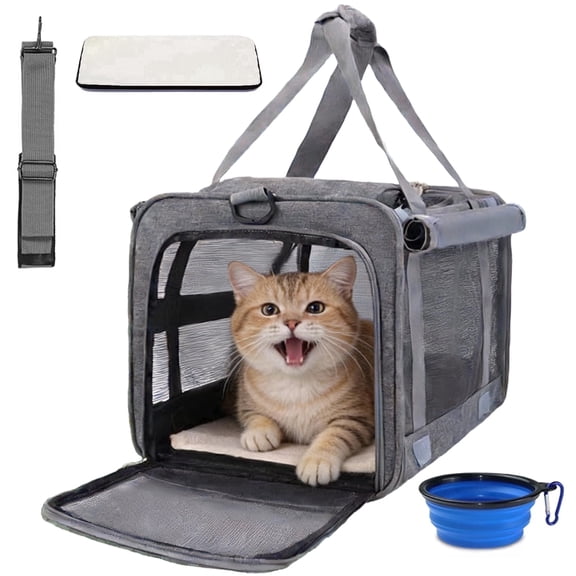
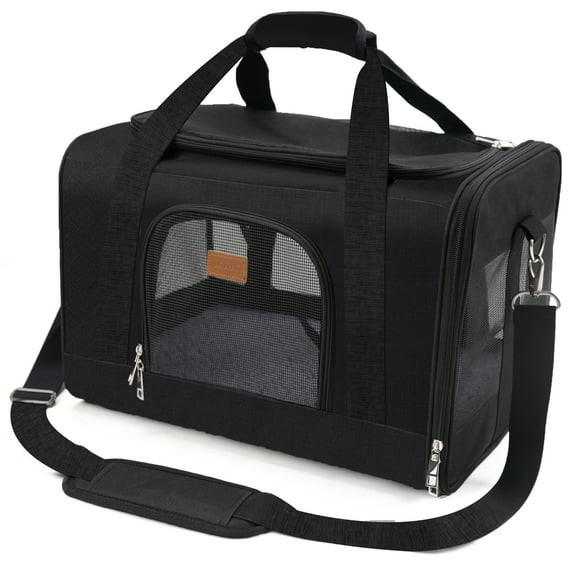
A soft sided cat carrier usually works well when you need flexibility under a seat or in a compact back seat. You’ll often notice lighter weight and mesh panels that keep air moving.
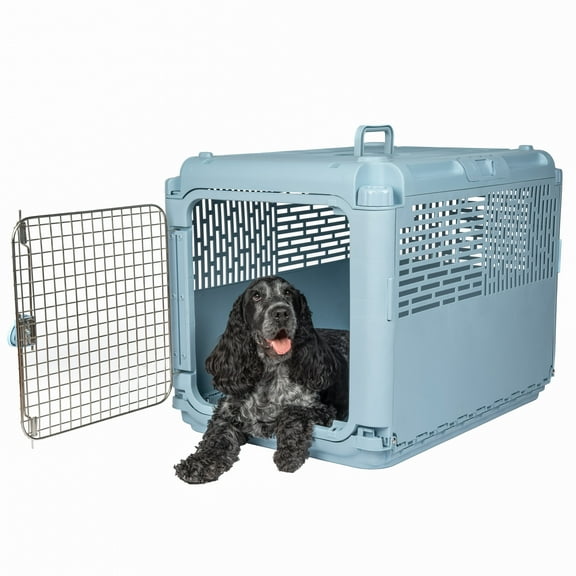
A hard cat carrier usually makes sense when you want a firmer frame for a heavier cat. You may also prefer it when you want a stable shape during loading.
Look closely at panel construction and zipper design before you decide. You’ll want durable mesh and secure closures when your cat pushes or paws at openings.
Check how the carrier opens and how the base feels during movement. You’ll appreciate a supportive floor insert when your cat shifts during travel.
Choosing the right size, from small to large cat carrier
Size should match your cat’s body length, height, and travel habits. You should measure before buying instead of guessing by label alone.
A large cat carrier can give bigger cats more room to settle naturally. You’ll also want to compare listed weight limits with your cat’s current weight.
Small and medium options can work well for compact cats and shorter rides. You may prefer a closer fit when you want less sliding in the carrier.
Extra large styles can help when you carry a broad cat or add a travel blanket. You should still check door width so loading stays simple.
Checking airline approved cat carrier details
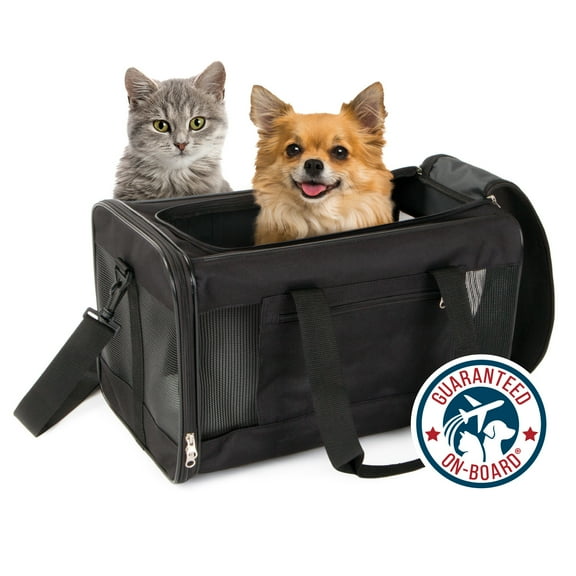
If you plan to fly, you should compare each airline approved cat carrier with your airline’s posted dimensions. You’ll want under-seat compatibility, flexible sides, and clear measurement details.
TSA screening and airline boarding can feel smoother when you’ve checked size rules early. You should confirm length, width, and height before your trip date.
Soft-sided travel choices often work well for under-seat spaces because the sides can flex slightly. You’ll still need to confirm that the base dimensions fit your route.
Look for strong mesh windows and a removable bed when flight prep matters. You may appreciate bedding you can wash after layovers or long travel days.
Comparing top loading cat carrier and other access points
Access points matter because they change how easily you place your cat inside. You may find top loading designs useful when your cat backs away from front doors.
Front loading carriers can work well when your cat walks forward willingly. Dual entry options give you another angle when you’re working in a small car or exam room.
Expandable designs can add temporary lounging space during waiting periods. You should check whether the expansion area still keeps good airflow and secure closures.
Look at handle placement and shoulder strap padding before you decide. You’ll notice these details during parking lots, stairs, and longer walks into appointments.
Matching cat carriers to real travel routines
If you’re planning flights, you may want a travel cat carrier with soft sides and under-seat friendly dimensions. You should also look for ventilation on multiple panels.
If you make frequent vet visits, you may prefer a hard shell or top loading cat carrier. You’ll often get easier loading and a steadier shape on exam-day trips.
If you walk through stations or terminals, you may like a cat backpack carrier or wheeled design. You can keep your hands freer while managing bags and documents.
If your cat is larger or likes to stretch out, you may need a large cat carrier with a supportive base. You should also compare shoulder strap strength and carry handles.
For quick errands, you may want a portable pet kennel that stores easily between uses. You can choose a shape that fits your car seat or closet space.
When ventilation and comfort are your focus, you should compare mesh coverage and bed materials. You’ll likely prefer a ventilated cat carrier with washable fleece bedding.
You can choose cat carriers with more confidence when you match dimensions, access, and structure to your routine. Your final pick can make every trip feel more organized and manageable.