






Dog Carriers for Travel and Transport







































About Dog Carriers for Travel and Transport - Walmart.com
Dog carriers help you travel with your pet in a way that feels organized, comfortable, and easier to manage. You can compare carrier type, size capacity, and airline compatibility to narrow your choice fast.
How to choose dog carriers for your routine
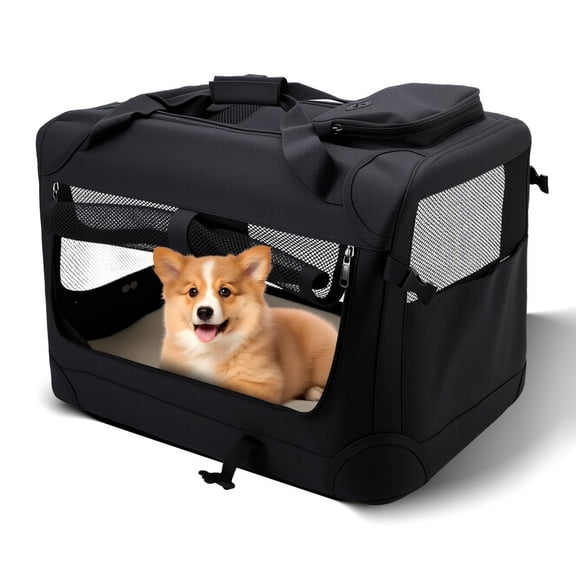
Start with how you plan to carry your dog from place to place. You may prefer a soft-sided option for flexibility, or you may want a hard-sided shell for more structure.
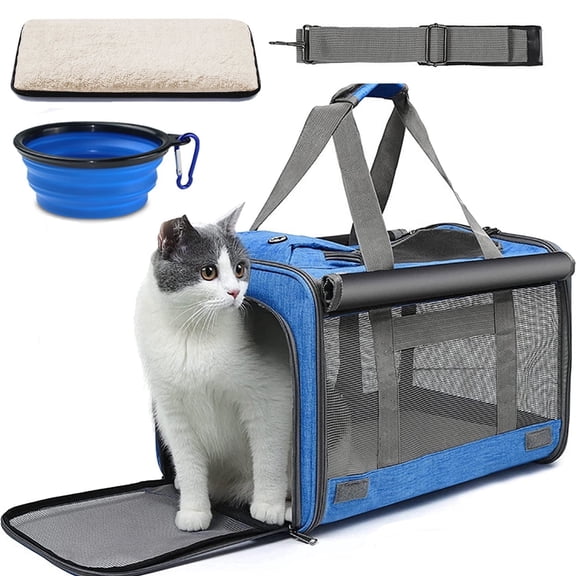
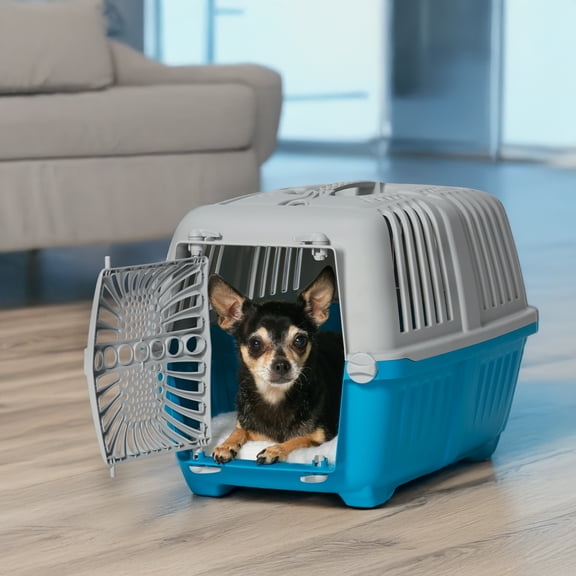
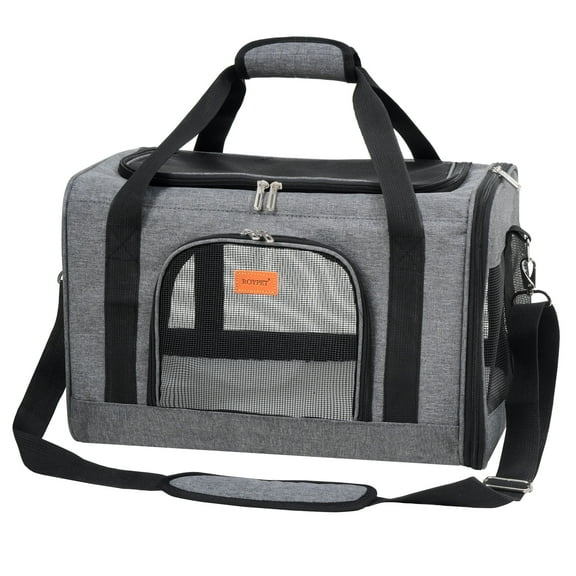
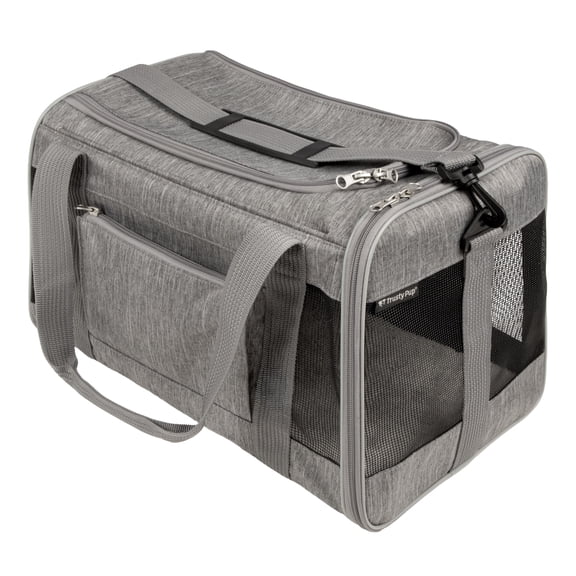
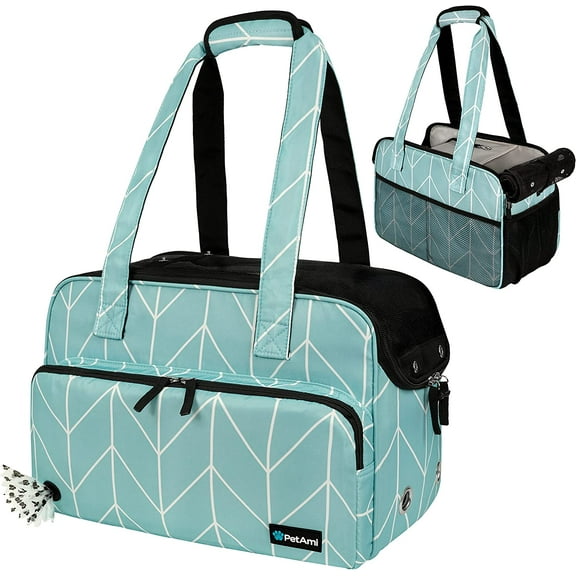
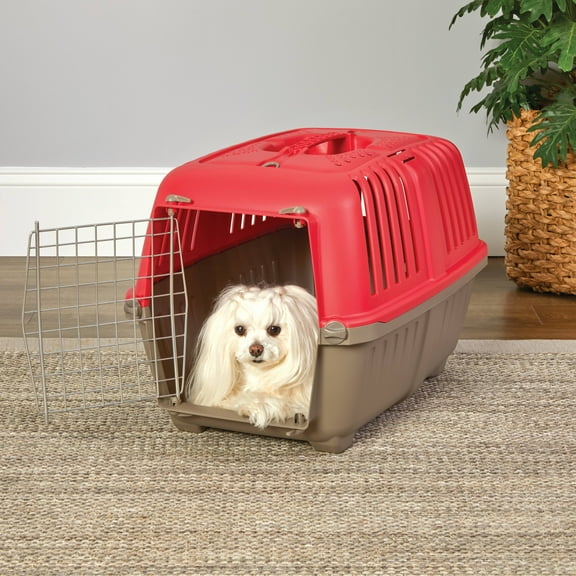
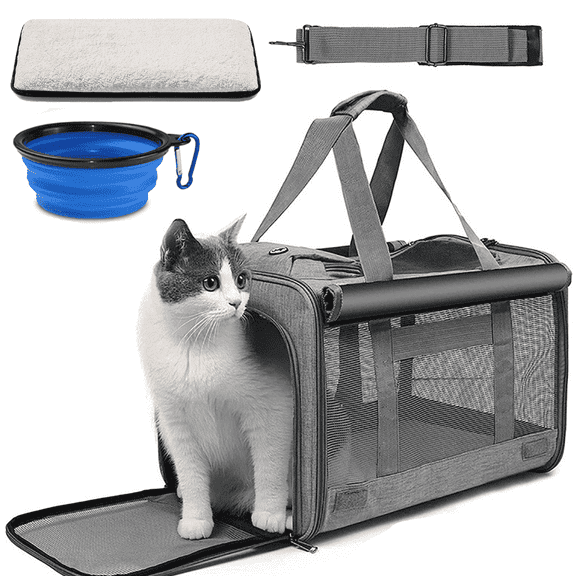
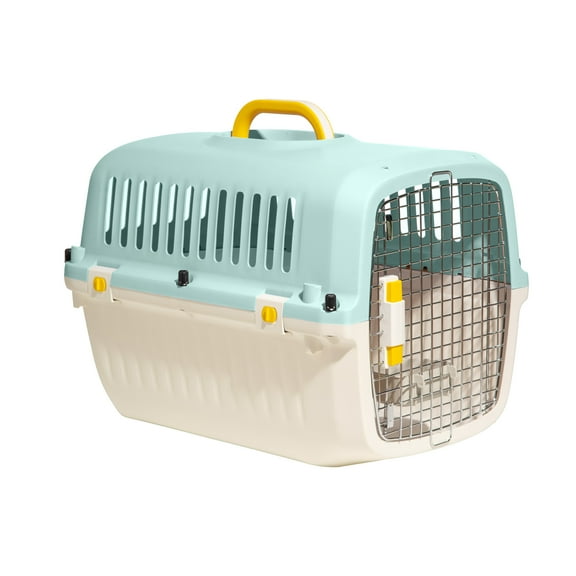
A soft dog carrier often works well when you want lighter weight and easier storage between trips. A hard-sided design can suit car rides, crate training transitions, and everyday transport needs.
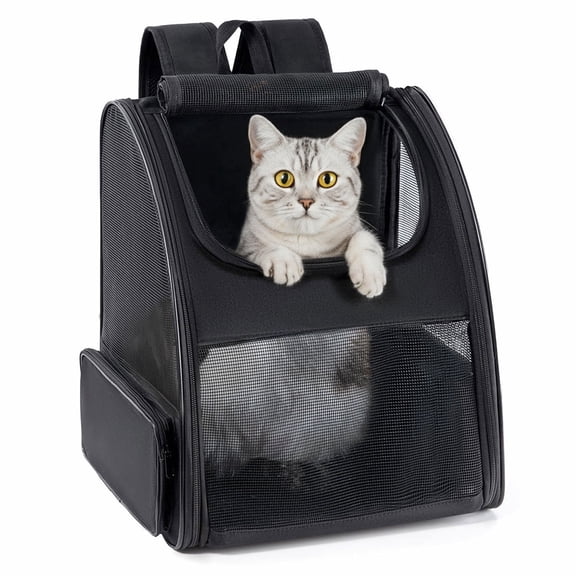
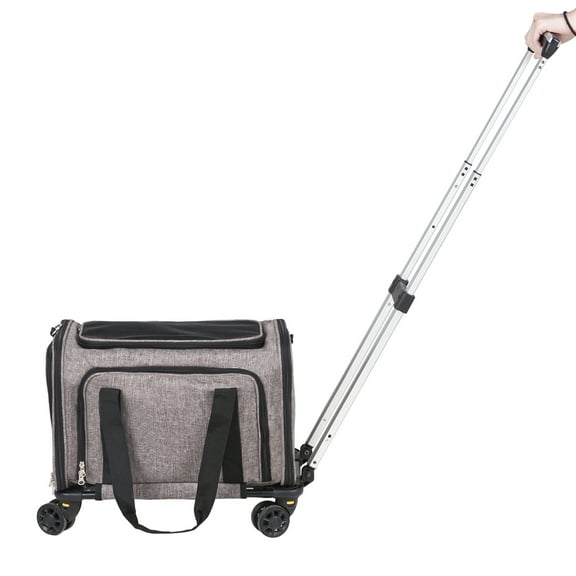
If you stay active, a dog backpack carrier can keep your hands free on walks and outings. If you move through terminals, you may prefer wheeled styles that roll smoothly across floors.
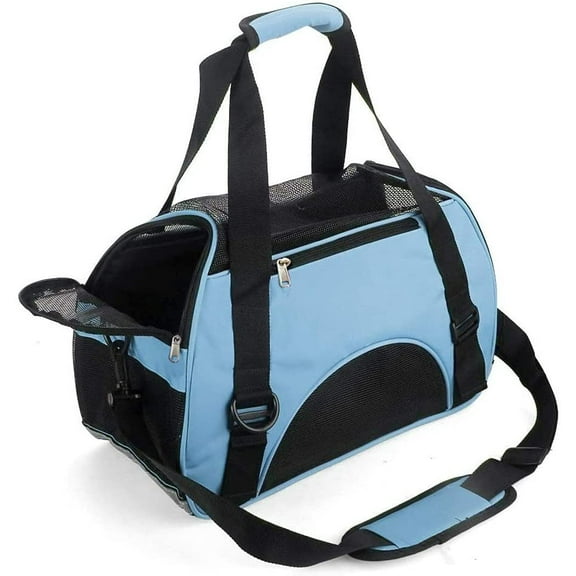
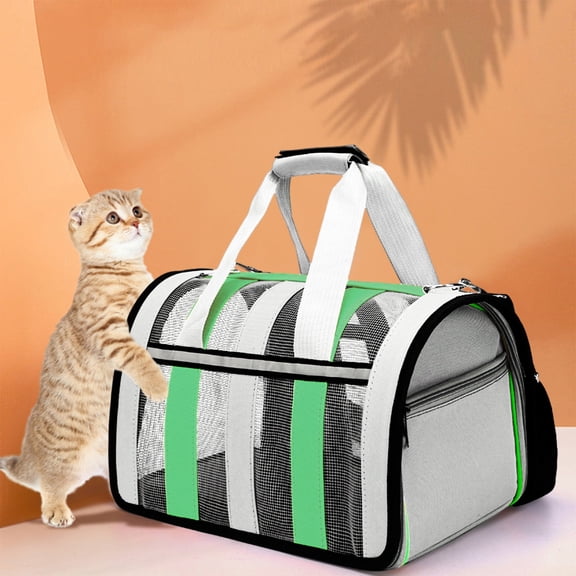
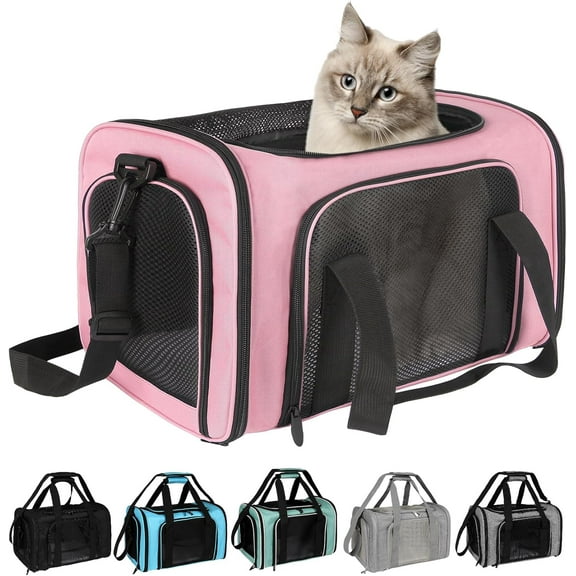
- You can choose soft-sided carriers when you want lighter travel gear and compressible sides.
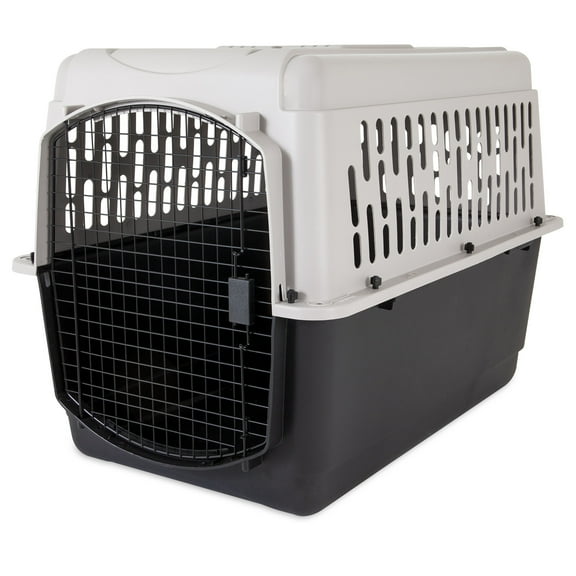
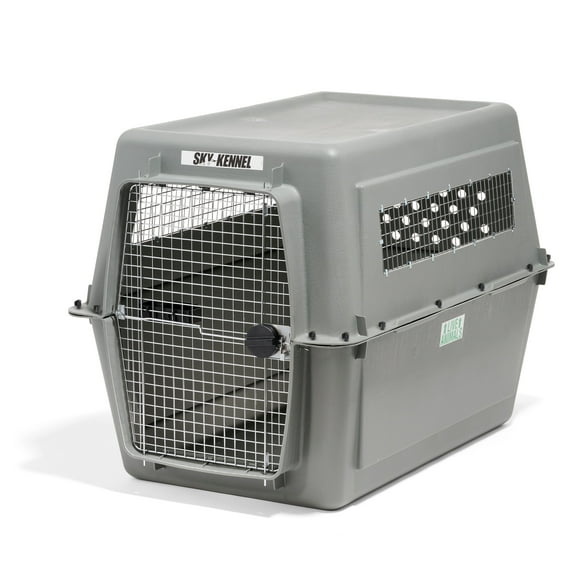
- You can pick hard-sided carriers when you want a firm frame and wipe-clean surfaces.
- You can use backpack styles when you want hands-free carrying for walking trails or crowded spaces.
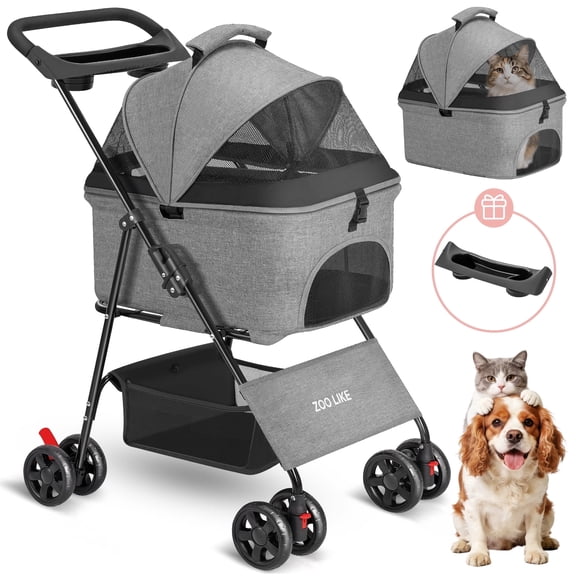
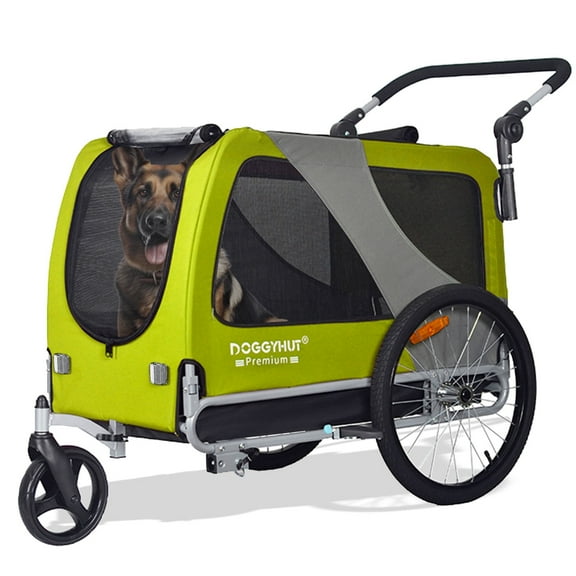
- You can select wheeled carriers when you want easier movement through airports, hotels, or long hallways.
- You can try sling carriers when you want close carrying for short errands and quick trips.
Choosing size and dog crates for travel needs
You'll want interior dimensions that match your dog's length and seated height, not just a label for small or medium dogs. You should measure from chest to tail base and from floor to head before choosing.
Small dogs often fit compact carriers that slide under many seats and store neatly in cars. Medium dogs may need extra headroom, stronger panels, and a wider base for steadier positioning.
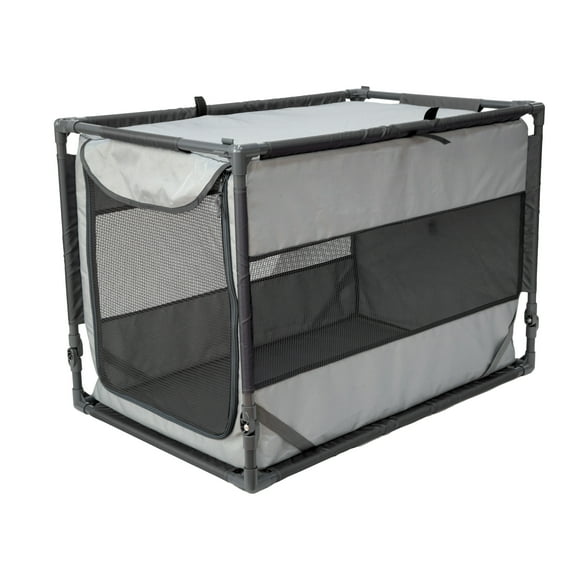
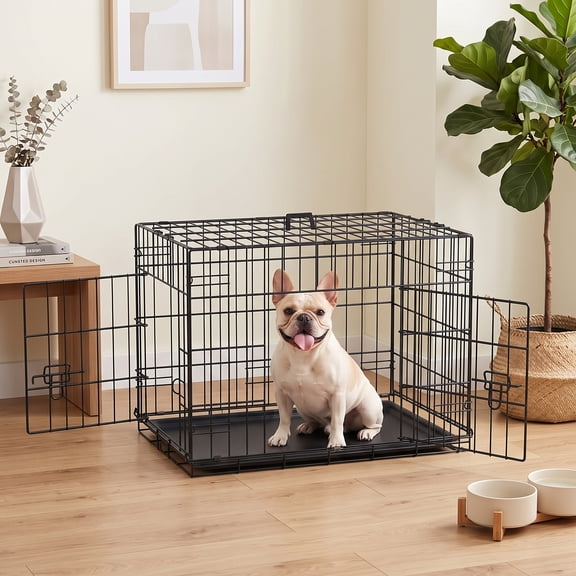
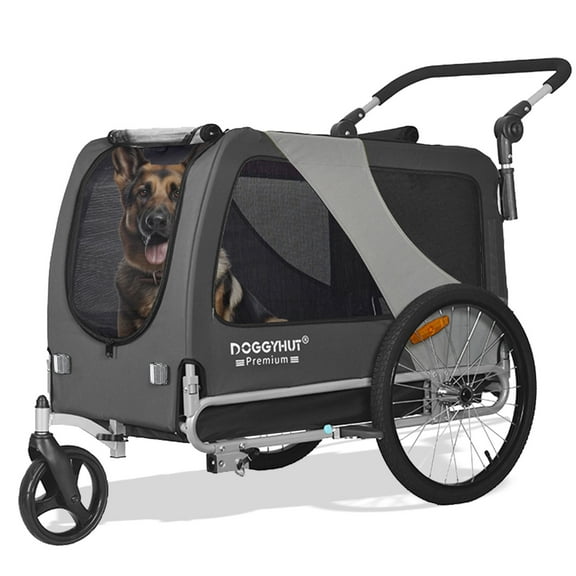
Large dogs can outgrow many portable styles, so you may compare roomier dog crates for longer rides. You should check weight limits and floor space, especially when your dog likes to turn around.
Some shoppers compare dog carriers and dog crates for different parts of the same trip. You might use a carrier for short transfers and a crate when you need more interior structure.
What to look for in airline-approved options
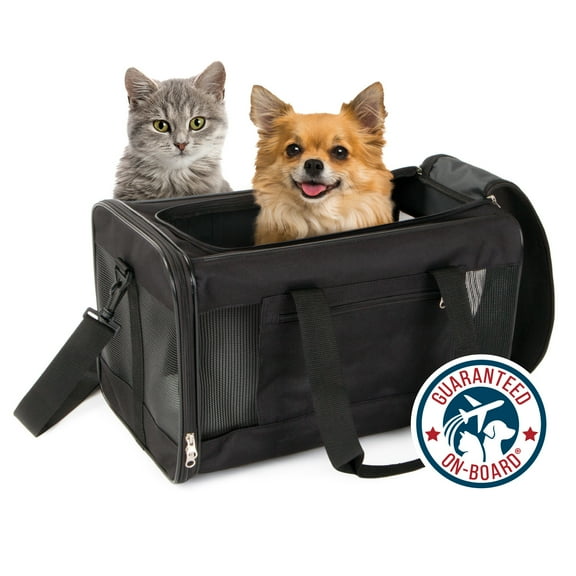
If you fly, you should check whether a carrier is airline approved before you finalize your choice. You'll also want under-seat compatible dimensions that match your airline's current cabin rules.
Airline compatibility often depends on exterior measurements, flexible sides, and accessible openings during screening. You may also want a carrier with a secure zipper, leash clip, and padded shoulder strap.
Mesh windows matter when you want airflow and visibility during longer waits and boarding lines. You'll appreciate top and side entry points when you need smoother loading in tight spaces.
TSA compliant language can help you identify travel-focused designs, but you should still compare each airline's posted size chart. You'll make a more confident choice when you verify dimensions before departure.
Comparing materials, ventilation, and cleanup
You should compare materials based on how often you travel and how much structure your dog prefers. Oxford fabric can feel lighter to carry, while plastic shells can feel easier to wipe clean.
Mesh windows can support airflow and let your dog see out during rides and waiting periods. Metal wire doors or inserts can add structure when you want a firmer opening and latch area.
If cleanup matters, you may want removable liners or pads that come out quickly after a trip. You can also look for wipe-clean interiors when you want less hassle between outings.
Comfort details count too, especially when your dog spends extra time inside the carrier. You'll notice padded bases, secure closures, and easy-access pockets can simplify longer travel days.
Matching carrier styles to everyday use
You can match your carrier style to the way you actually travel each week. A sling may suit short errands, while a backpack may fit hikes, transit, or busy sidewalks.
For road trips, you may want soft-sided carriers that store easily in the trunk or back seat. For airport travel, you may lean toward wheeled or under-seat compatible styles with organized pockets.
If you visit groomers, parks, or family often, you may want quick entry and a lighter frame. If your dog prefers enclosed spaces, you may choose a firmer design with more defined walls.
You can also coordinate your setup with dog travel accessories, dog leashes, dog collars, and travel bowls. That approach helps you keep your pet routine more organized from home to destination.
How to measure before you decide
Before you choose, you should measure your dog's length, height, and weight with your pet standing naturally. You'll get a more useful fit when you compare those numbers to interior dimensions.
You should leave enough room for your dog to sit, lie down, and turn with reasonable comfort. You'll avoid guesswork when you compare floor length, ceiling height, and door opening size together.
When you use these buying points, dog carriers become easier to compare across styles and travel plans. You'll feel more prepared for rides, flights, and daily outings with a carrier that fits your routine.