









Camping Electronics in Camping Accessories


















About Camping Electronics in Camping Accessories - Walmart.com
Camping electronics help you stay powered, informed, and comfortable when your campsite sits far from outlets. You can compare power options, weather protection, and packable designs that fit real outdoor use.
How to choose camping electronics for your setup
You should start with the kind of trip you take most often. Your backpacking setup usually needs lighter gear, while your car camping setup can handle larger batteries and multi-function devices.
You’ll also want camping electronics that match your routine after sunset and before sunrise. Your plans may call for rechargeable camping lanterns, portable camping fans, GPS tools, or weather radios.
You can narrow your options quickly when you compare a few key decisions first. Your focus should be power source, device type, water resistance, and connectivity.
Portable power for camping
You need dependable power when your phone, light, or radio matters at camp. Your choice often starts with solar, rechargeable battery, disposable battery, or dual-power designs.
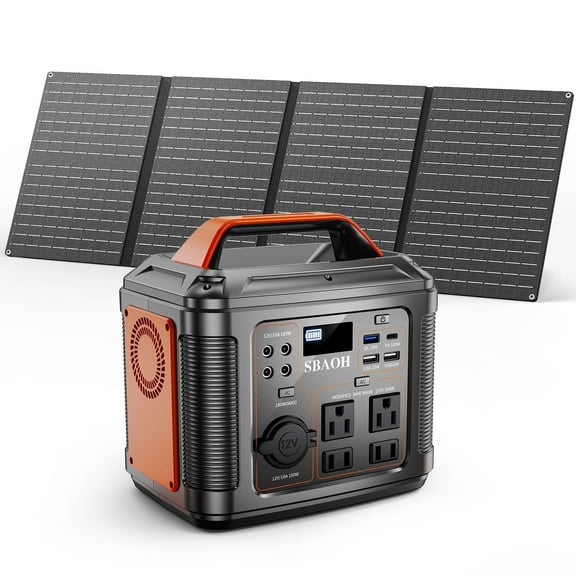
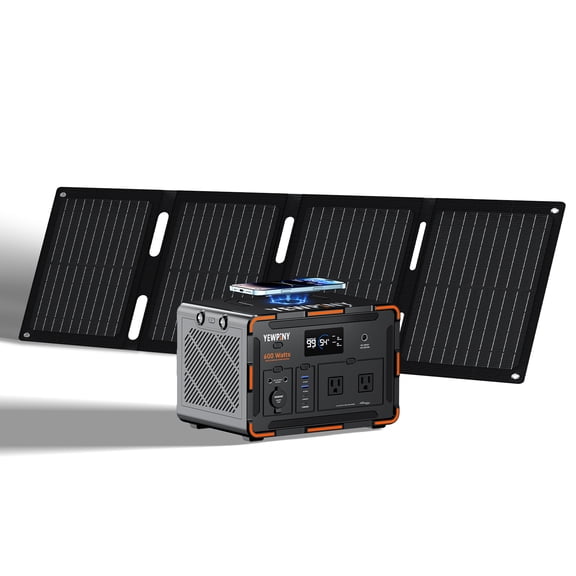
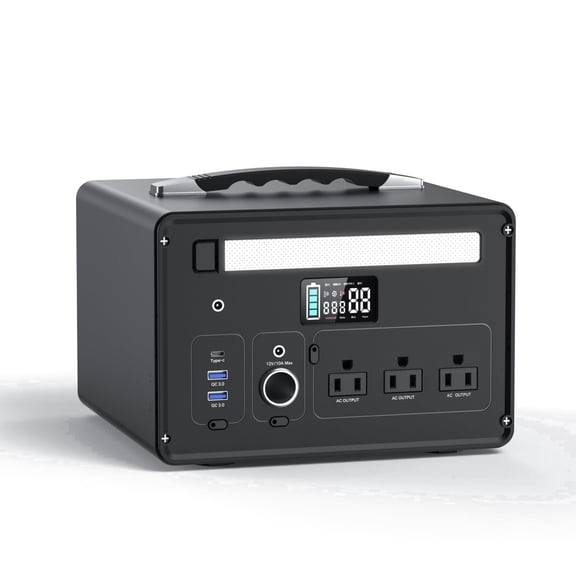
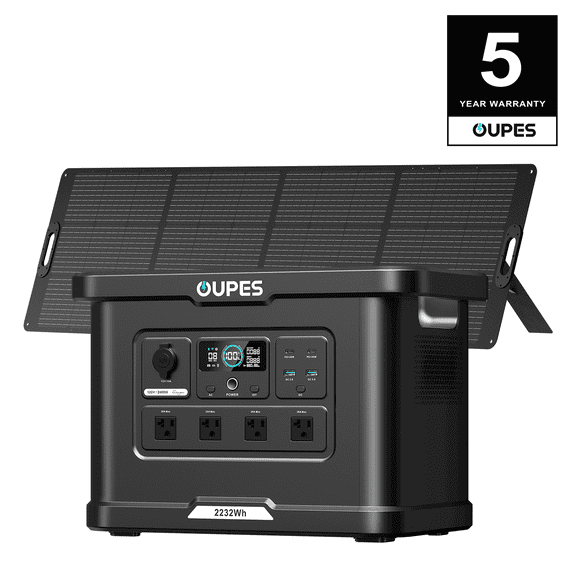
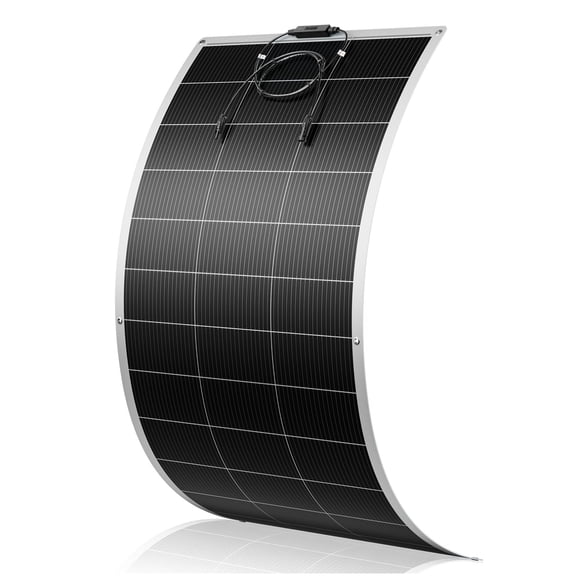
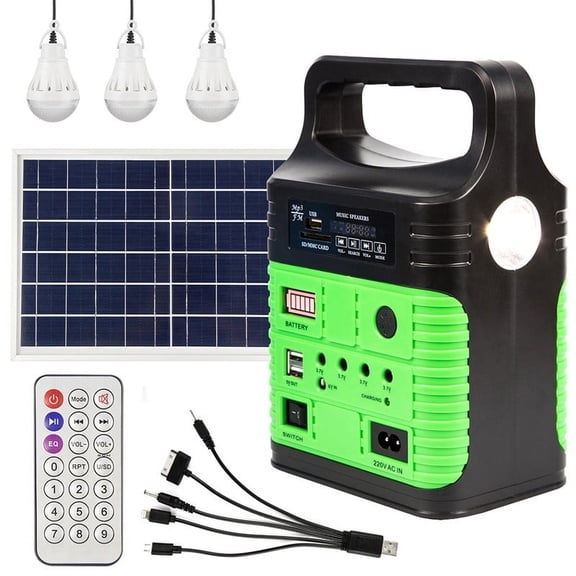
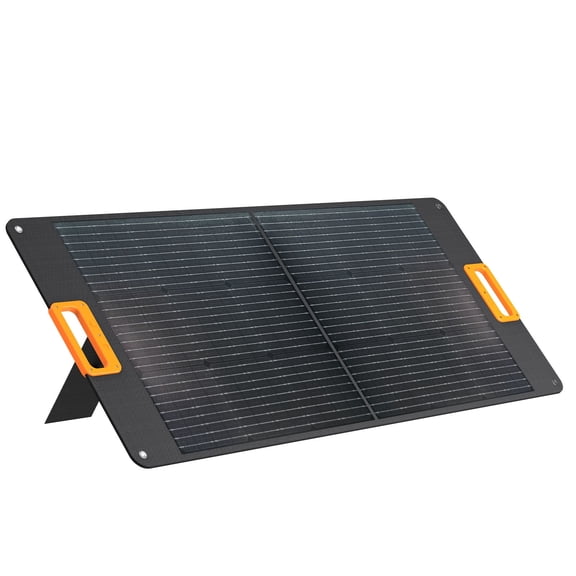
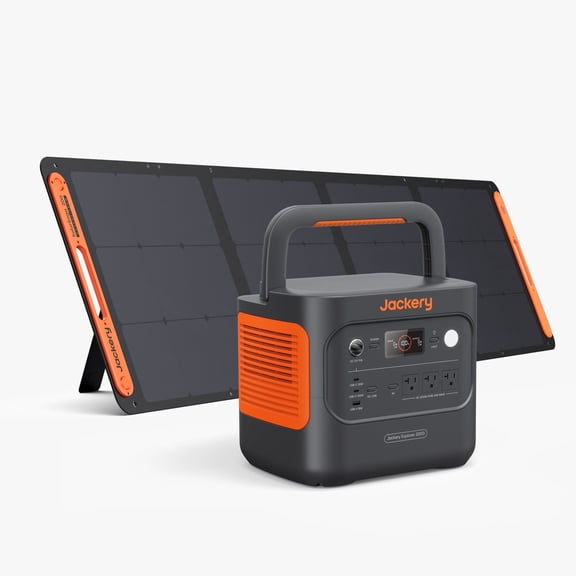
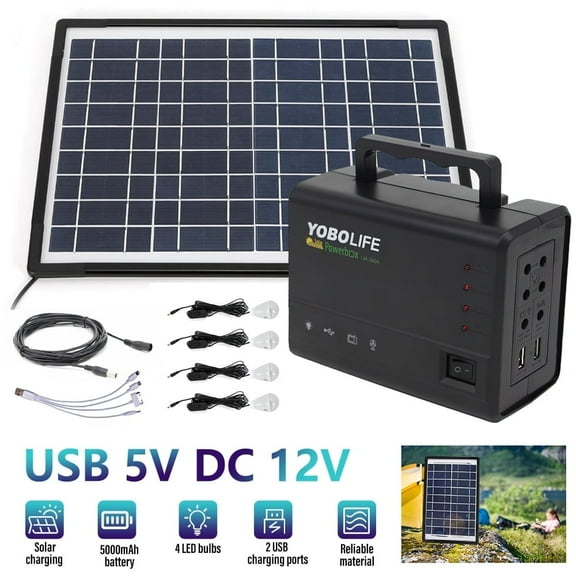
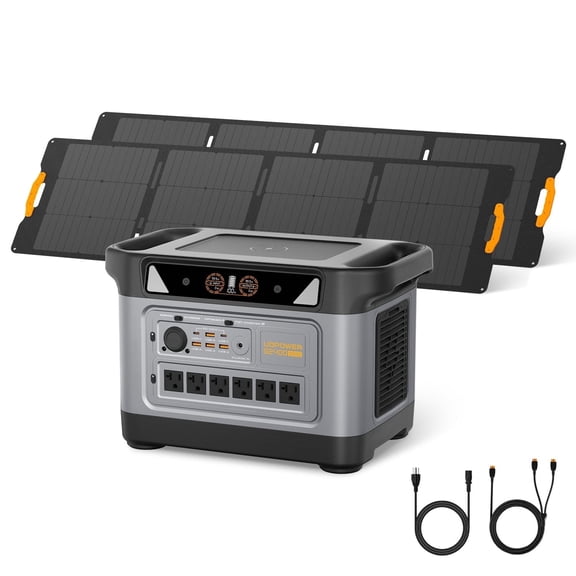
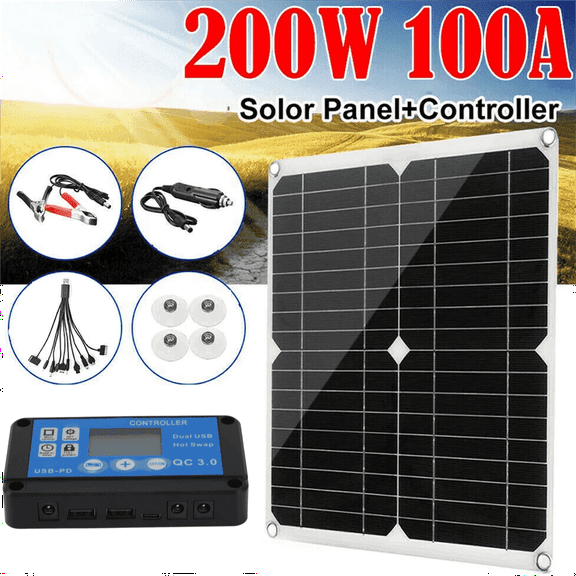
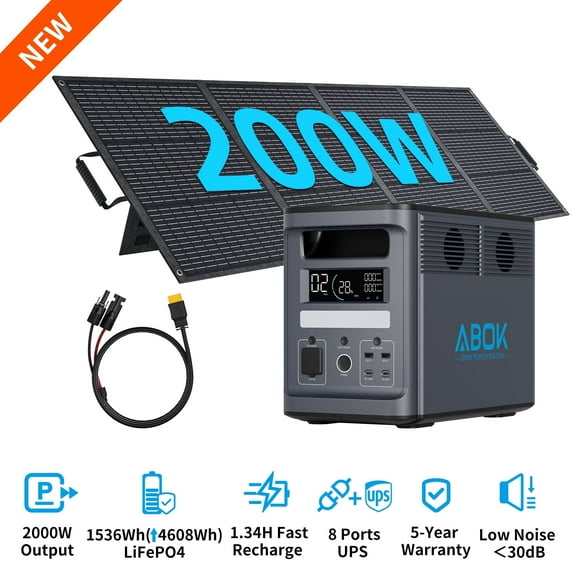
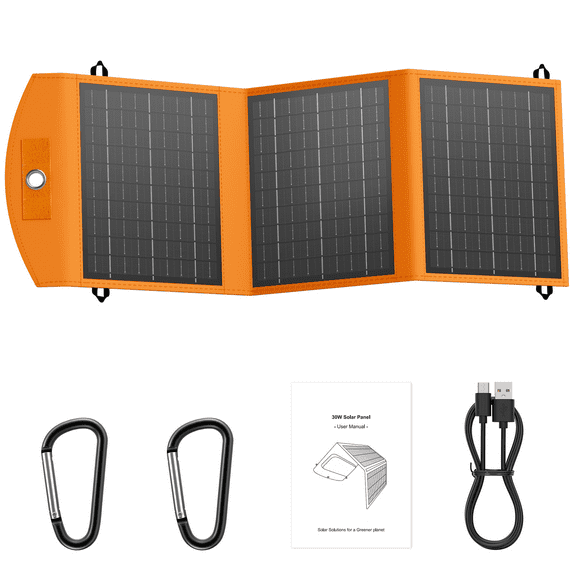
Solar camping chargers work well when you expect long days outside and steady sun exposure. You should check solar panel wattage, because higher wattage usually supports rapid charging in bright conditions.
Rechargeable battery models give you a simple routine for weekend trips and repeated use. You can compare battery capacity in mAh, because higher numbers usually support longer runtime between charges.
Disposable battery gear can make sense when you want quick swaps and simple packing. Dual-power options give you extra flexibility, because you can recharge first and keep backup batteries ready.
- You can use a power bank to keep phones, headlamps, and small lights ready.
- You can choose a solar charger when your trip includes long daylight hours.
- You can pick dual-power devices when your route limits charging access.
- You can compare USB-C and Micro-USB ports for easier cable compatibility.
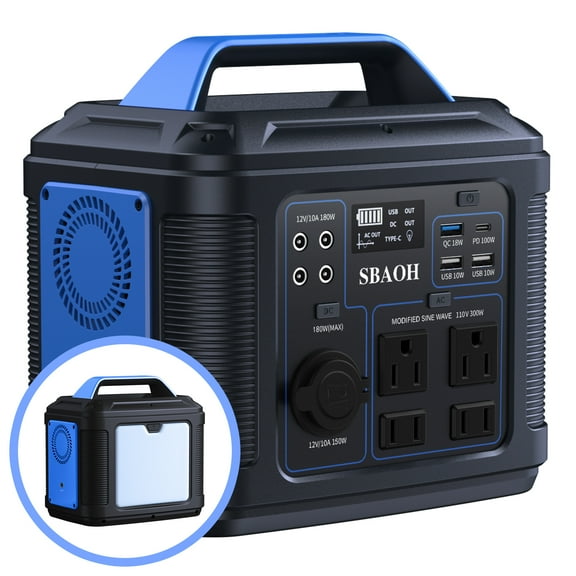
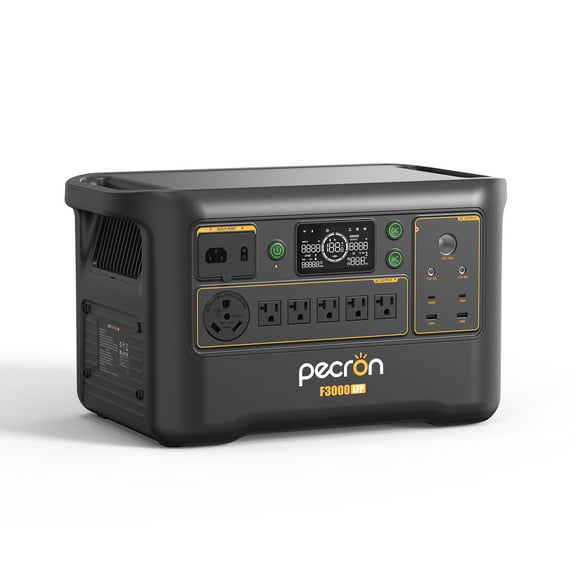
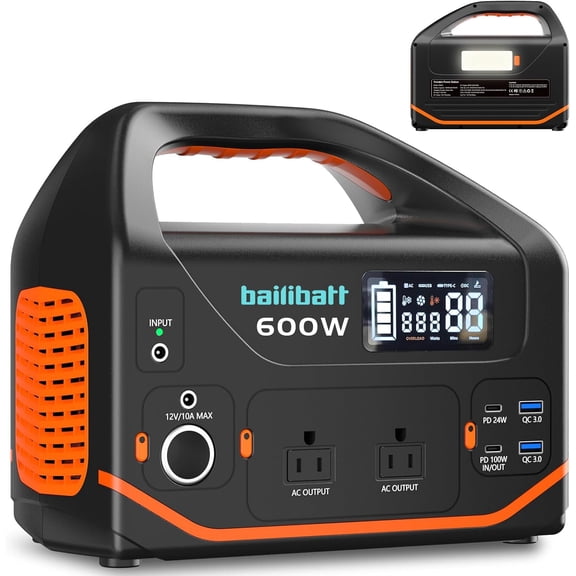
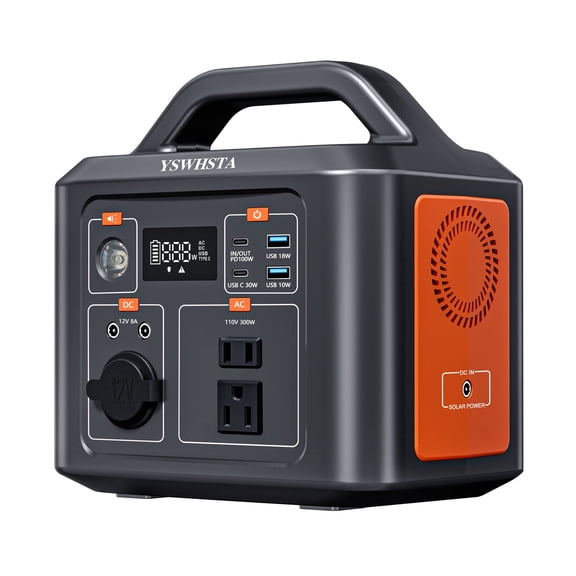
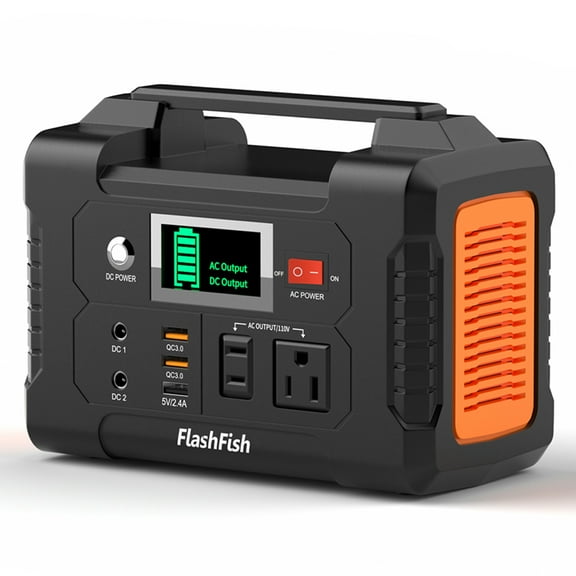
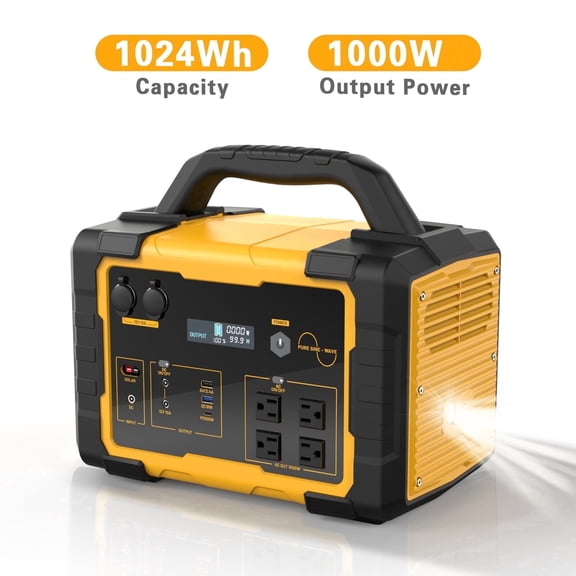
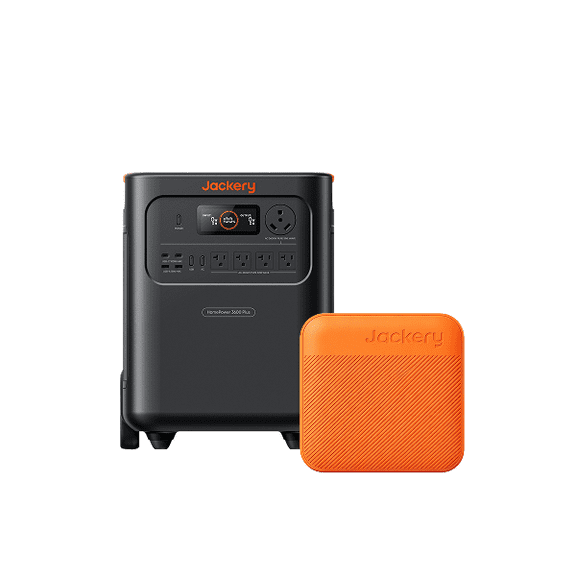
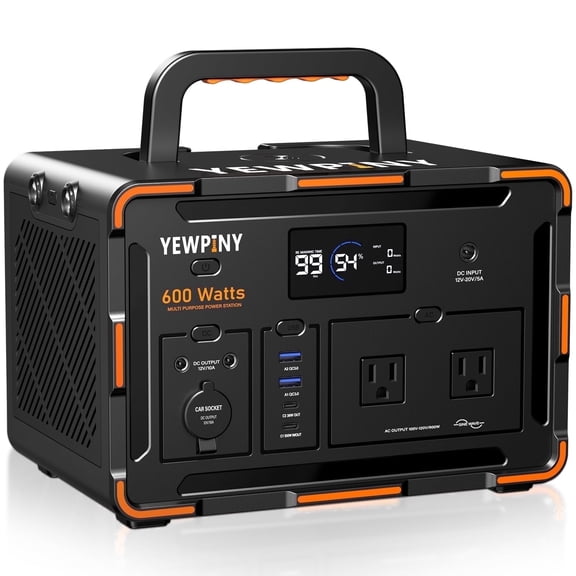
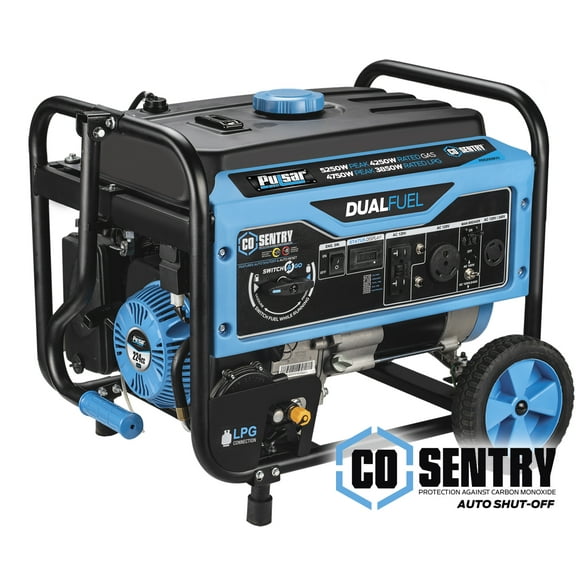
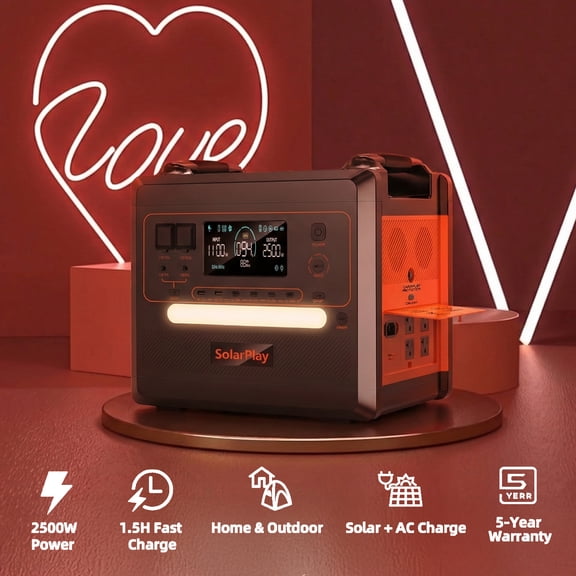
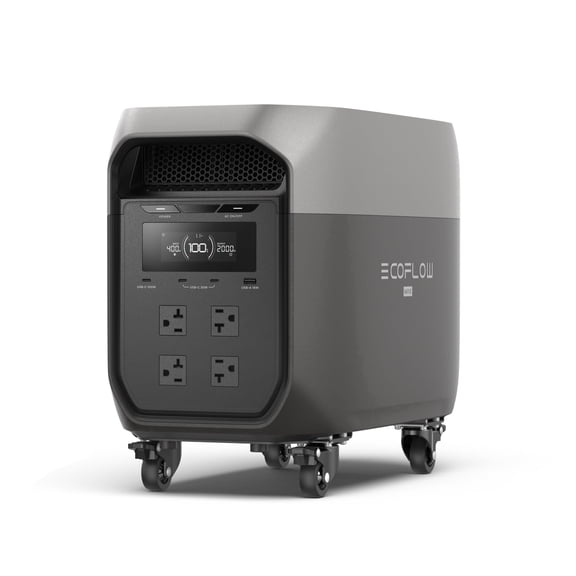
You should also think about how much weight you want to carry. Your backpack may feel lighter with compact chargers, while your vehicle can support larger power stations and fans.
Choosing device types for camp use
You can build a highly useful kit when each device matches a clear job. Your options often include GPS units, power banks, lanterns, weather radios, and fans.
GPS devices help you track routes and landmarks when your trip covers unfamiliar ground. You should look for screens and controls you can use easily in changing outdoor light.
Power banks support daily charging for phones, watches, cameras, and other small electronics. You can compare output ports and charging speed, especially if your gear uses USB-C.
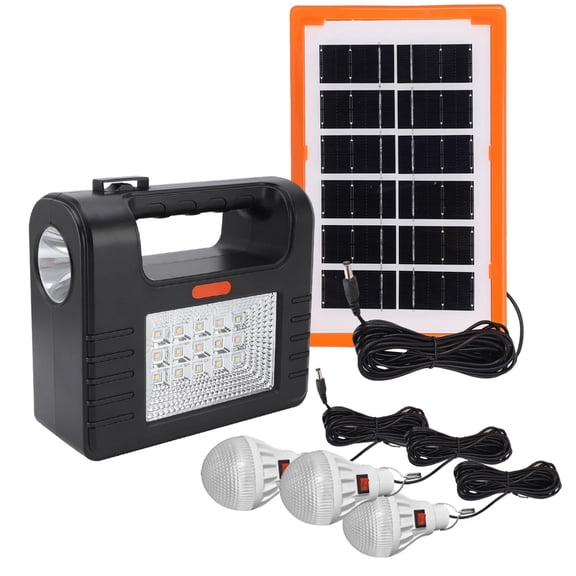
Rechargeable camping lanterns give you area lighting for tents, tables, and cooking spaces. You may prefer a lantern that balances runtime, brightness, and pack size for your trip style.
Camping weather radios can add updates, alerts, and backup charging in one compact tool. You should consider multi-function models if you want fewer separate items in your bin or pack.
Portable camping fans can improve airflow inside tents and campers during warm nights. You can compare clip-on, tabletop, and hanging styles based on your sleeping setup.
Understanding waterproof outdoor electronics
You should compare water resistance before you head into wet trails, lake camps, or sudden storms. Your camping electronics may face splashes, rain, dew, or short drops into water.
IPX4 usually means your gear can handle light splashes from several directions. IPX7 usually means your device can handle temporary immersion, which gives you added flexibility around water.
You may also see waterproof outdoor electronics labeled as water-resistant instead of using an IPX number. You should check those details closely, because the wording can describe different levels of protection.
Water-resistant designs often work well for casual campground use and light rain exposure. Waterproof options can suit paddling trips, wet weather camps, or gear that rides outside your pack.
You should still compare sealed ports, covered buttons, and sturdy outer housings. Your electronics usually last longer outdoors when exposed areas stay protected from moisture and dust.
Connectivity and charging compatibility
You can avoid packing extra adapters when your electronics share the same charging connection. Your setup may use USB-C, Micro-USB, Bluetooth, or satellite features depending on device type.
USB-C can simplify charging because many newer phones, lights, and battery packs use it. You may prefer matching ports across your kit to keep cable clutter low.
Micro-USB still appears on many outdoor devices and backup accessories. You should confirm cable needs before your trip, especially if you want one compact charging pouch.
Bluetooth can make it easier to pair speakers or control certain devices from your phone. Satellite connectivity can matter when your trip takes you beyond regular cell coverage.
Matching camping electronics to real trips
You should match your electronics to your campsite, travel style, and planned activities. Your needs for a family campground often differ from your needs on a long trail.
For backpacking, you may want a lightweight power bank, compact lantern, and small GPS device. Your gear should stay light, charge efficiently, and fit limited pack space.
For car camping, you can carry larger batteries, brighter lanterns, and portable camping fans. Your vehicle space lets you prioritize longer runtime and added comfort features.
If your trip includes fishing, paddling, or rainy forecasts, you should focus on stronger water protection. Your gear may benefit from IPX7 designs, sealed ports, and durable housings.
For emergency prep at camp, you may want camping weather radios with charging support and flashlight functions. Your multi-function setup can reduce clutter while covering several campsite tasks.
If your campsite gets strong sun, solar camping chargers can help extend power between outlet access. You should place panels carefully, because angle and sunlight exposure affect charging output.
You can choose camping electronics with confidence when you compare power, protection, weight, and connectivity together. Your final setup supports smoother nights, easier charging, and reliable outdoor routines.