



Backpacking Gear in Camping Gear




































About Backpacking Gear in Camping Gear - Walmart.com
Backpacking gear helps you cover miles with less strain while keeping your shelter, sleep system, and cooking setup organized. You can compare weight class, pack capacity, and season ratings to build a trail kit that fits your route.
If you're planning a weekend loop or a long trail section, you need choices that match distance and conditions. You can sort through backpacking equipment faster when you know how liters, denier ratings, and weather coverage affect your carry.
How to choose backpacking gear by weight class
Weight class shapes how your pack feels after long climbs and repeated camp setups. You should compare ultralight, lightweight, and standard options based on how far you'll hike and how much comfort you want.
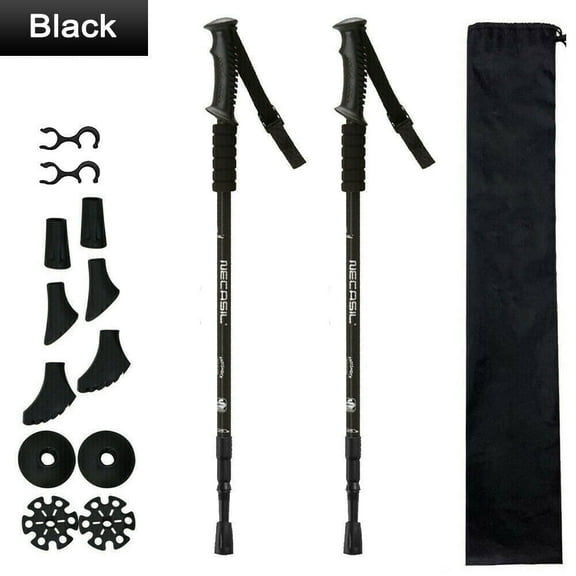
If you want ultralight backpacking gear, look for trimmed-down designs and lighter fabrics that reduce base weight. You may give up extra pockets, thicker padding, or heavier poles to keep your load lower.
If you prefer lightweight backpacking gear, you get a balanced middle ground for many trips. You can carry useful comfort features without pushing your total pack weight as high as standard gear.
Standard setups can suit you when durability matters more than shaving ounces. You may want sturdier fabrics, more structure, and added storage if your route includes rough ground or bulkier supplies.
- You can reduce trail fatigue by matching your load to your trip length and elevation gain.
- You can pack more efficiently when your gear weight and pack size work together.
- You can compare denier ratings and fabric weight to balance durability with lower carry weight.
- You can build a complete system when your tent, sleep gear, and cookware fit one weight strategy.
Choosing backpacking equipment by capacity and fit
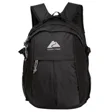
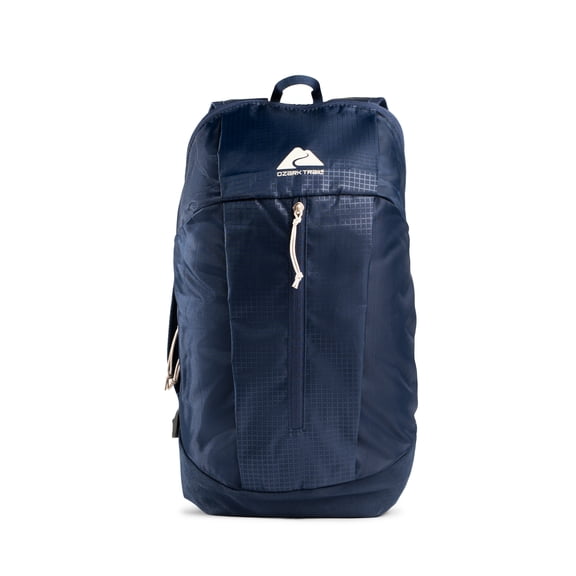
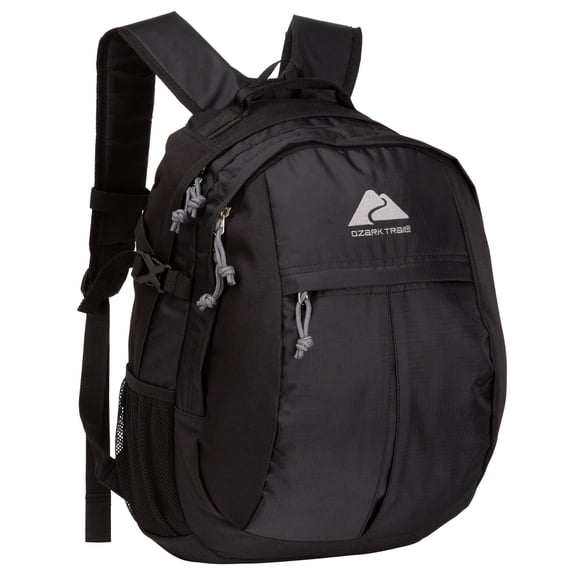
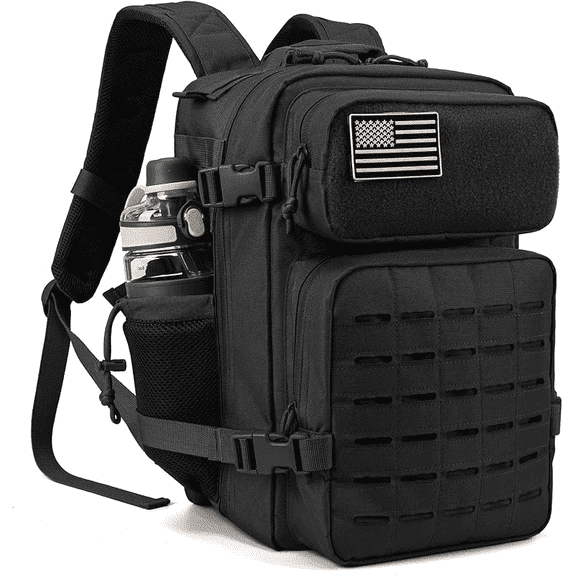
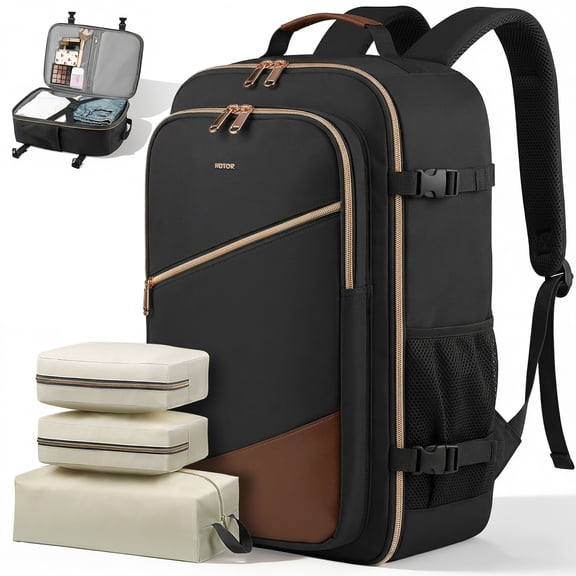
Capacity matters because your backpack has to hold food, layers, and camp gear without wasting space. You should use trip length as your starting point when you compare 30L to 50L, 50L to 70L, and 70L plus packs.
You may find 30L to 50L packs work for short trips with compact gear and careful packing. You can use this range for weekend backpacking when your shelter and sleep system compress well.
You may need 50L to 70L packs for three-day to five-day trips with extra meals and layers. You can often fit a fuller backpacking supplies list here without strapping too much gear outside.
If you're carrying winter layers, extended food loads, or group items, 70L plus packs can make sense. You should check whether the added room supports your trip instead of encouraging overpacking.
Fit matters just as much as volume when you're choosing hiking and backpacking gear. You should compare torso length and hip belt sizing so your load sits on your hips instead of pulling on your shoulders.
Adjustment points can help you fine-tune comfort before the first mile. You can look for load lifters, sternum straps, and hip belt shaping that support a steadier carry.
What to look for in season ratings and weather coverage
Seasonality helps you match shelter and sleep gear to expected conditions. You should compare 3-season, 4-season, and winter options based on wind exposure, temperature swings, and route timing.
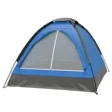
You may choose 3-season backpacking tents for spring backpacking gear and summer backpacking gear plans. You can use them when you want lighter carry weight and ventilation for milder conditions.
If your route includes stronger wind or shoulder-season weather, 4-season designs may suit your setup. You should expect sturdier construction and extra coverage that can add weight to your pack.
Winter-focused gear can support snow travel, colder camps, and bulkier layering systems. You need to check packed size and total weight because cold-weather kits can fill your pack quickly.
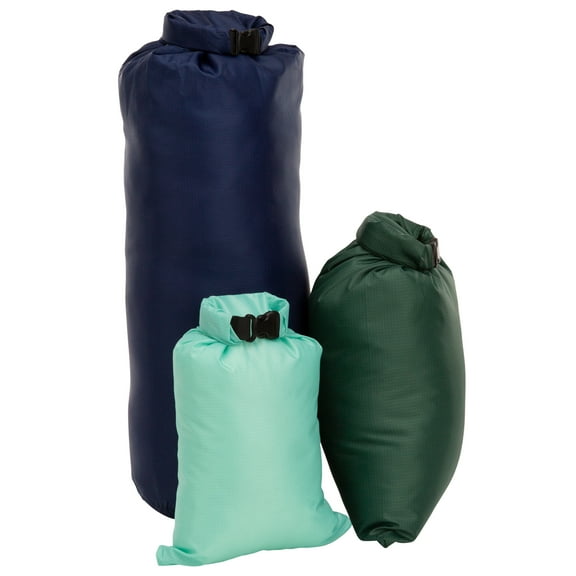
Weather protection goes beyond a tent label, so you should compare waterproofing details carefully. You can look for rain cover inclusion, coated fabrics, seam design, and storage that keeps key items easy to reach.
If you hike through changing conditions, you need gear that manages wet ground and sudden rain. You can keep your setup more organized when your pack, shelter, and dry storage work together.
Matching backpacking gear to your activity type
Activity type changes what matters most in your setup. You should compare features differently for thru-hiking, weekend backpacking, and alpine climbing because each trip style asks more from specific gear.
If you're thru-hiking, you may focus on lower base weight and faster packing every morning. You can prioritize lighter fabrics, compact cooking gear, and streamlined storage that supports long daily mileage.
If you head out for weekend backpacking, you may want a balanced kit that's simple to organize. You can choose comfort-focused details like extra padding or roomier tents when your trip stays shorter.
If alpine climbing is part of your plan, you need gear that works with technical layers and harsher exposure. You should compare weather resistance, attachment points, and pack structure for steeper terrain.
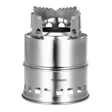
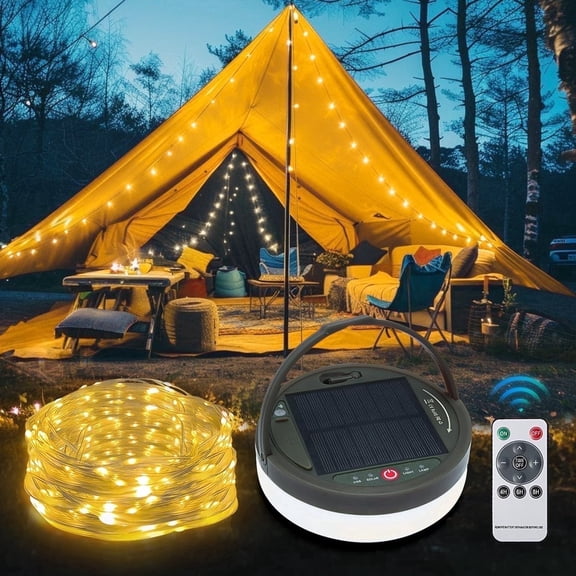
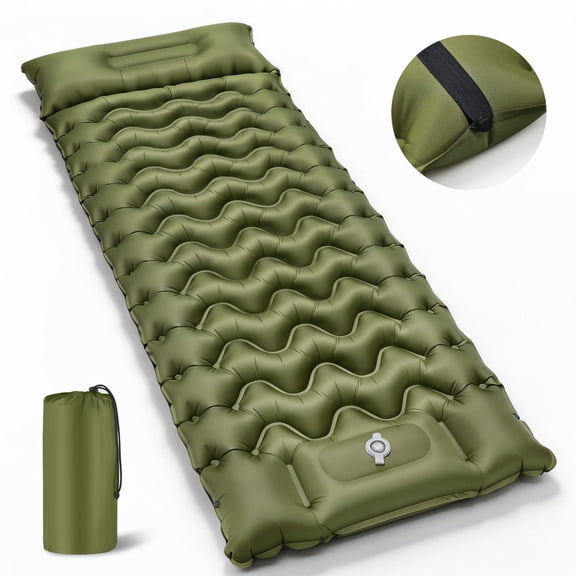
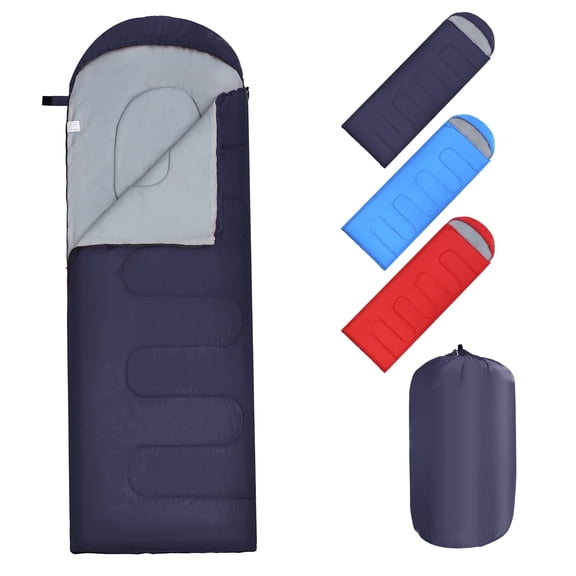
You may also build your checklist around a three-day trip to avoid missing core items. You can start with a pack, tent, sleeping bag, sleeping pad, stove, cookware, water storage, lighting, and trail layers.
That approach helps you compare complete systems instead of isolated pieces. You can create a more efficient load when each item supports your route, season, and carrying capacity.
Backpacking gear checklist for a complete setup
A complete setup works when your shelter, pack, and sleep system match the same trip goal. You should compare backpacking gear as one system so packed size, weight, and weather coverage stay aligned.
When you use these decision points, you can narrow choices with more confidence and fewer mismatches. You get a trail-ready setup that carries more comfortably and fits your trip with less guesswork.