

Cable Management in Electrical






















About Cable Management in Electrical - Walmart.com
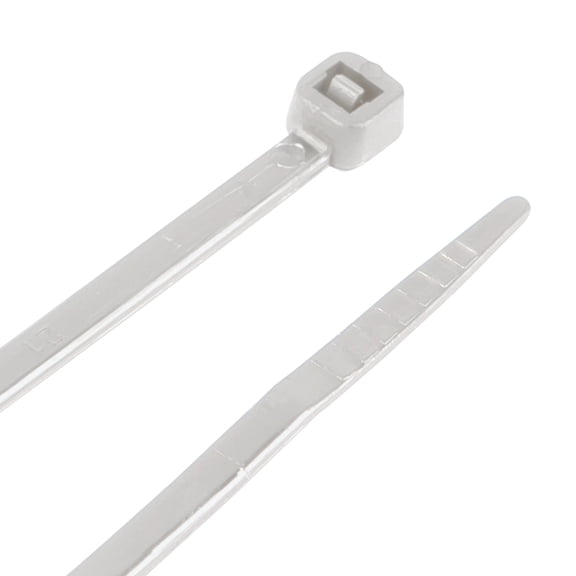
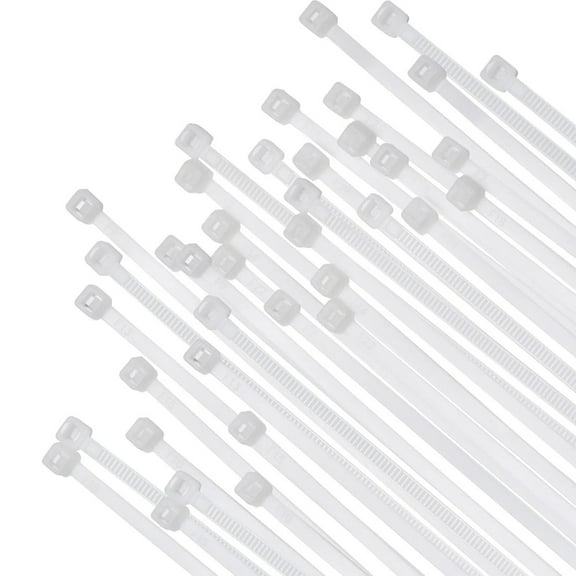
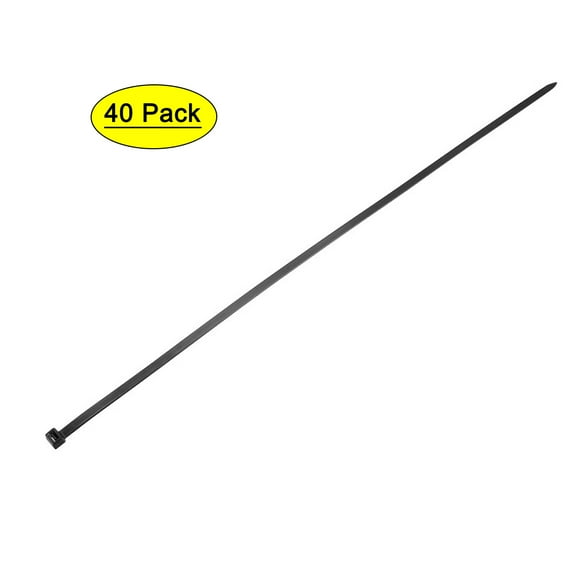
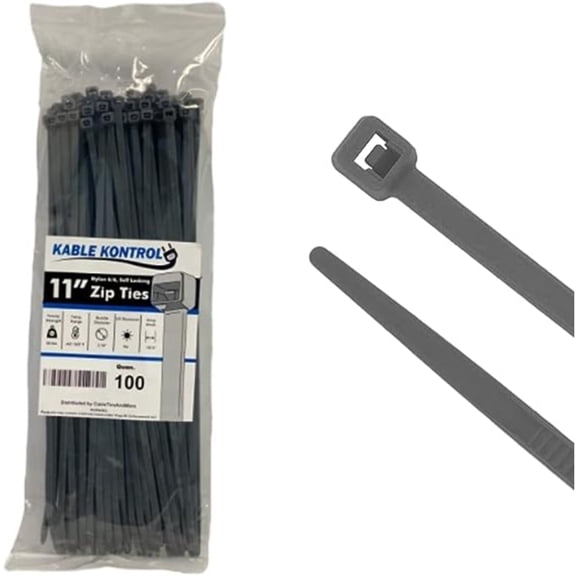
Zip ties and cable management help you secure cords, organize bundles, and route wires with less clutter in your home, office, garage, or yard. When you compare strength, material, and style early, you can choose options that fit fixed installs, reusable setups, and visible cable runs.
How to choose zip ties and cable management
Start with your environment, because your indoor desk setup needs different support than your patio lighting or workshop storage. If your cords stay inside, you can compare standard nylon and plastic options for everyday bundling.
For exterior runs, you can look for outdoor zip ties made with UV-stabilized nylon 6/6. That material helps you choose ties suited for sun-exposed wiring, fence lighting, and garden equipment routing.
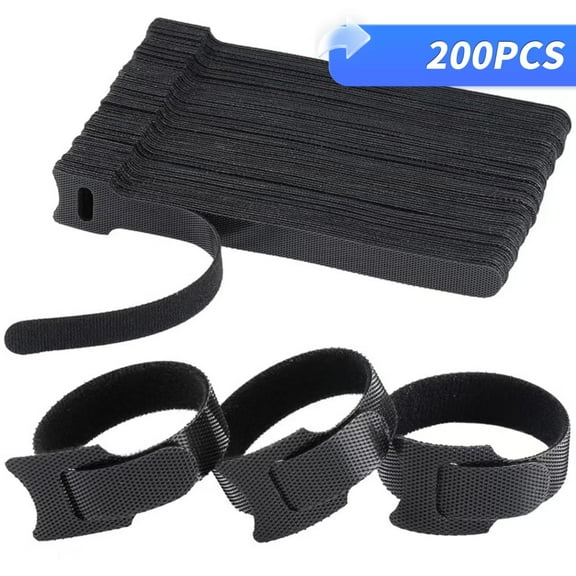
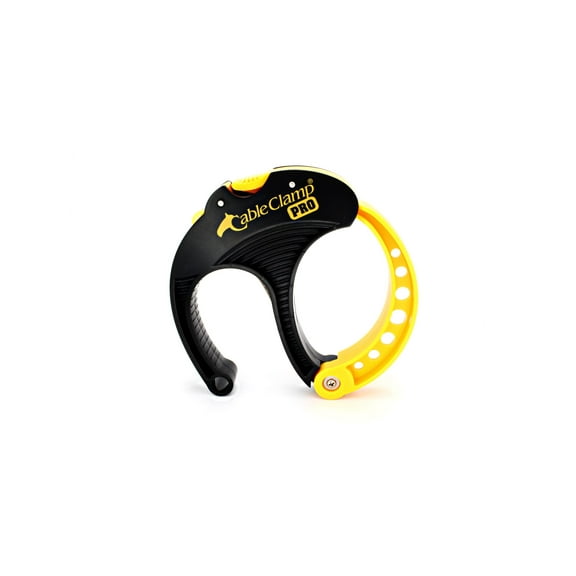
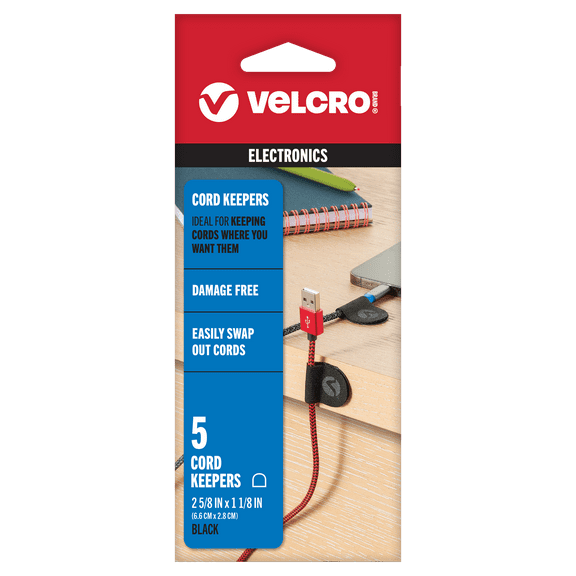
Next, consider whether your setup changes often or stays fixed after installation. If you move devices often, you can compare reusable wraps, hook-and-loop cord straps, and sleeves for easier access.
Choosing the right tensile strength
Tensile strength tells you how much pulling force a tie can handle around your bundle. When you match that rating to your cable weight, you can keep cords together without using more tie than you need.
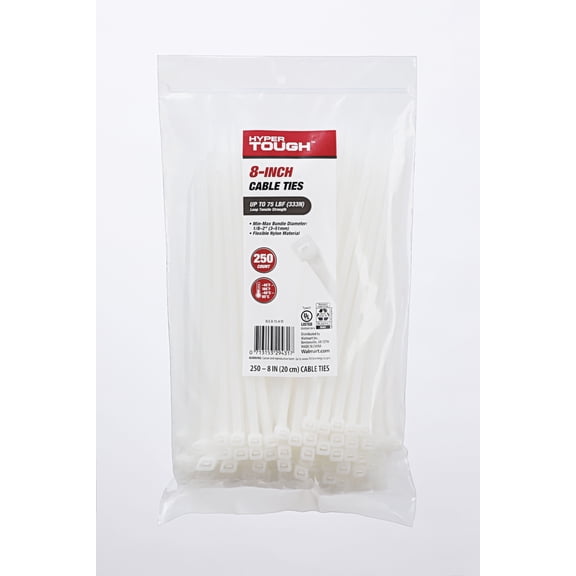
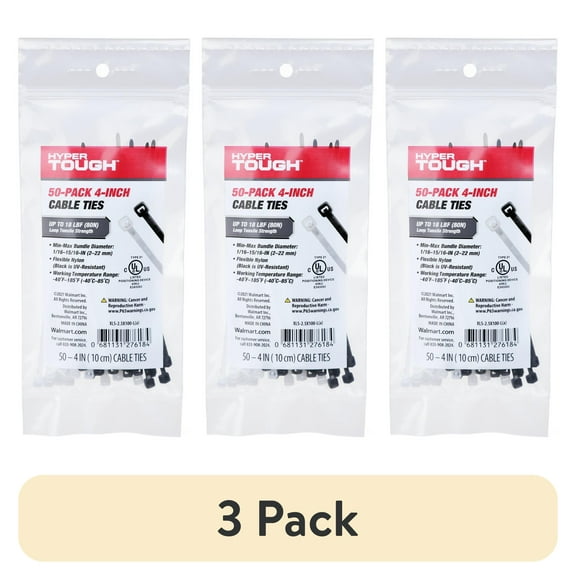
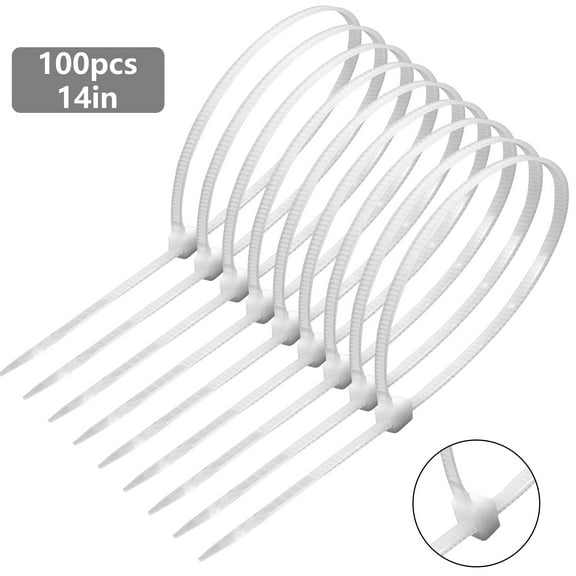
Light duty ties around 18 pounds fit your smaller jobs, like phone chargers, labels, and narrow wire groups. Standard 50 pound ties suit your TV cords, router wires, and moderate extension cord bundles.
Heavy duty zip ties make sense when your cords are thicker, denser, or harder to control. In your garage or utility area, you can use 120 plus pound options for hoses, large extension cords, and bulkier grouped runs.
- You can use light duty ties for chargers, speaker wires, and compact desk setups.
- You can choose standard ties for entertainment centers, modem cables, and common storage tasks.
- You can select heavy duty zip ties for thicker extension cords, tools, and larger grouped bundles.
- You can check your bundle diameter so your tie wraps securely without excess slack.
Comparing material options and outdoor zip ties
Material affects how your tie performs in different spaces and conditions. You can use nylon cable ties for common bundling, plastic wire ties for simple organization, and stainless steel for industrial settings.
If your project faces sun exposure, you can compare outdoor zip ties with UV-stabilized nylon 6/6. That detail helps you choose ties suited for patio lights, gate wiring, and other exterior cable paths.
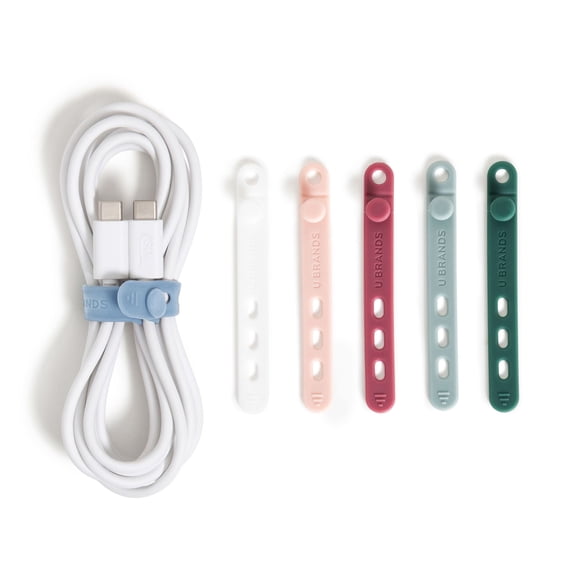
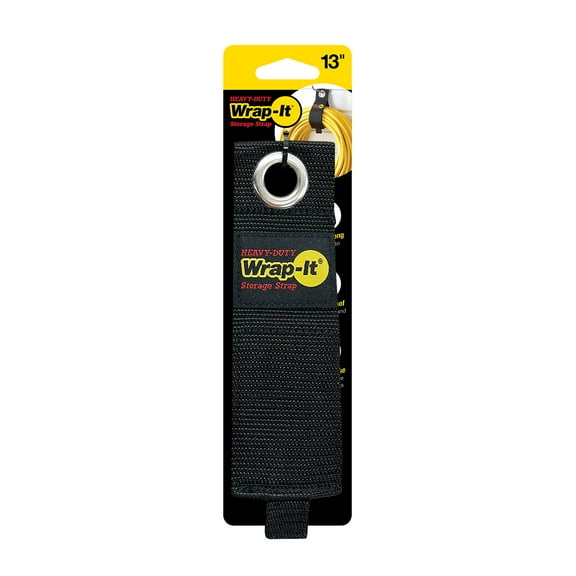
Some shoppers need repeated access instead of a fixed lock around every cord group. In those cases, you can switch to hook-and-loop cord straps when your chargers, accessories, or workstations change often.
Deciding between self-locking ties, reusable wraps, and cable management sleeves
Style shapes how easily you can adjust your setup after installation. If you want a fixed hold, you can use self-locking ties for storage bundles, longer cable runs, and tucked-away wiring.
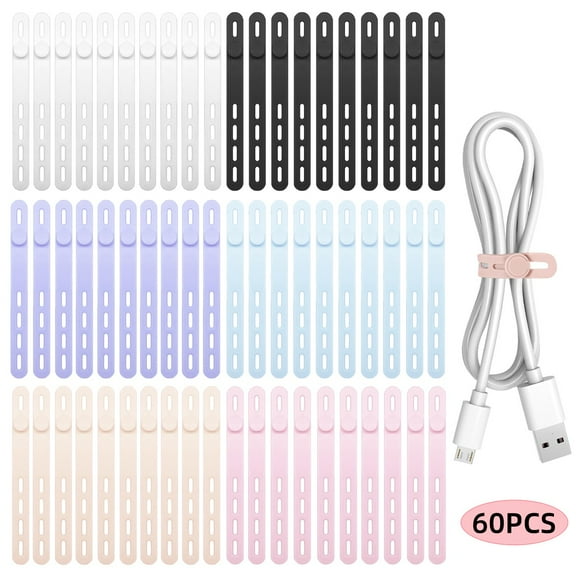
Reusable wraps fit spaces where your layout changes during the week. Around laptops, printers, and gaming accessories, you can reopen and reroute cords without replacing the whole wrap.
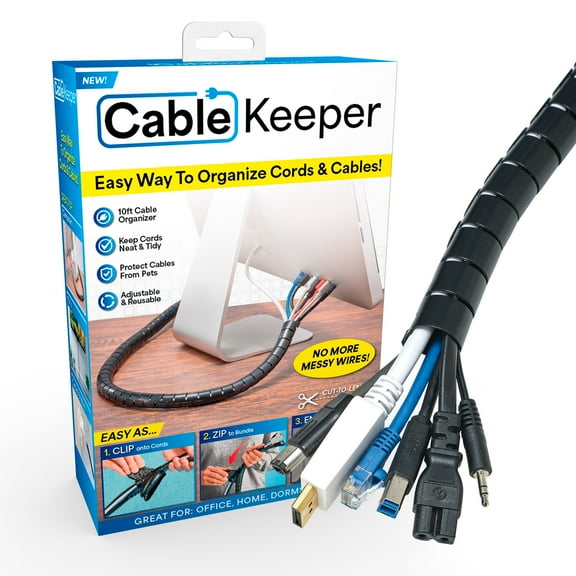
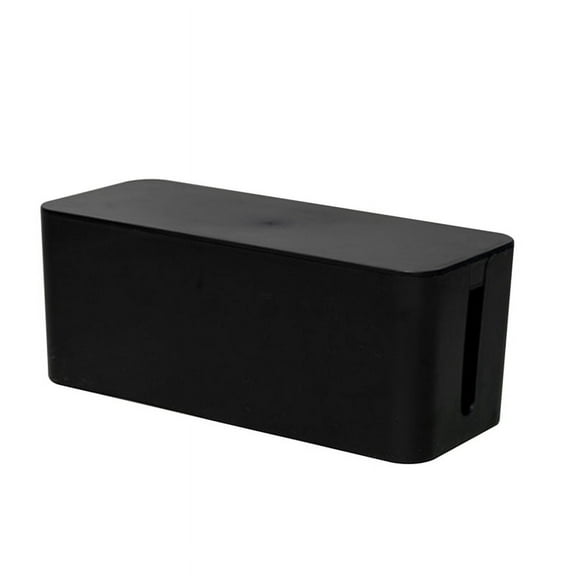
Cable management sleeves group several cords into one cleaner path along your furniture or workstation. Under your desk or behind your TV, you can use cable management sleeves to reduce visible cable clutter.
What to look for in a desk cable organizer
A desk cable organizer works well when you measure your cable count and bundle width before choosing a format. When you know how many cords you manage daily, you can avoid crowded wraps or loose sleeves.
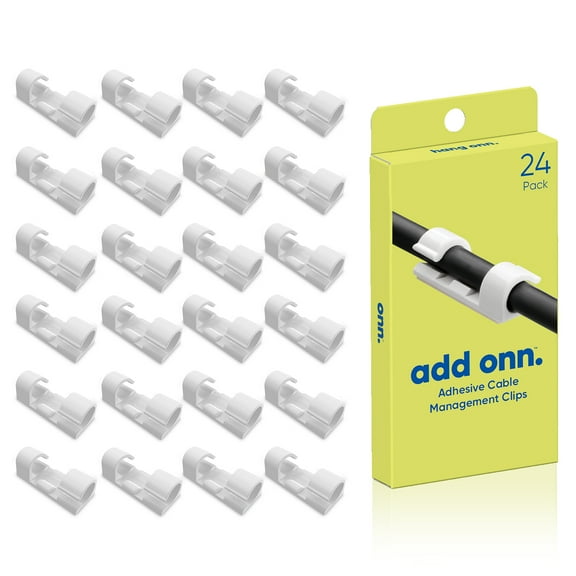
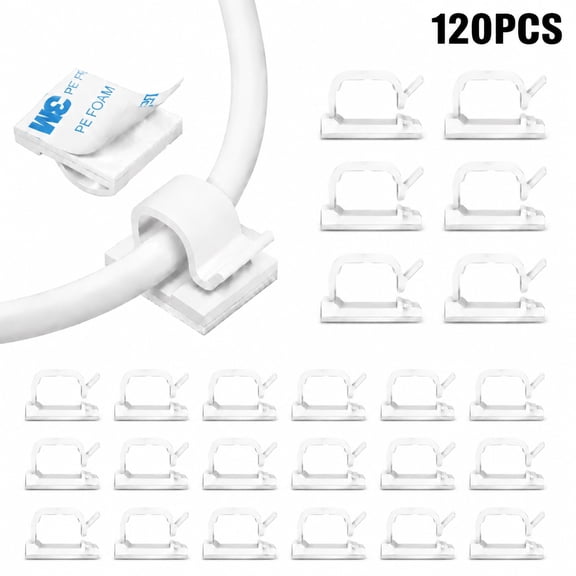
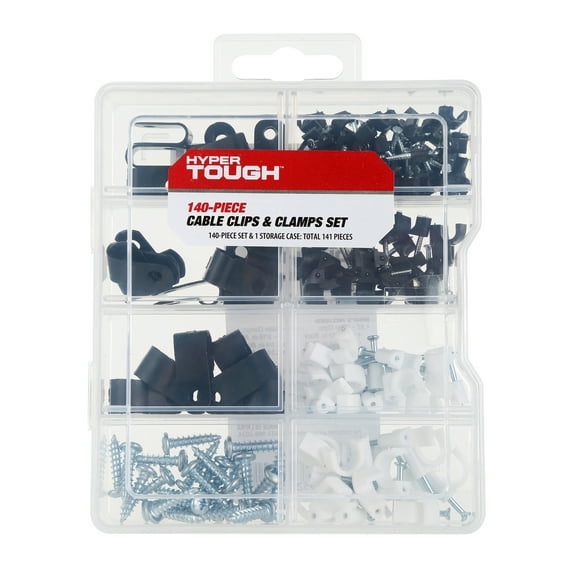
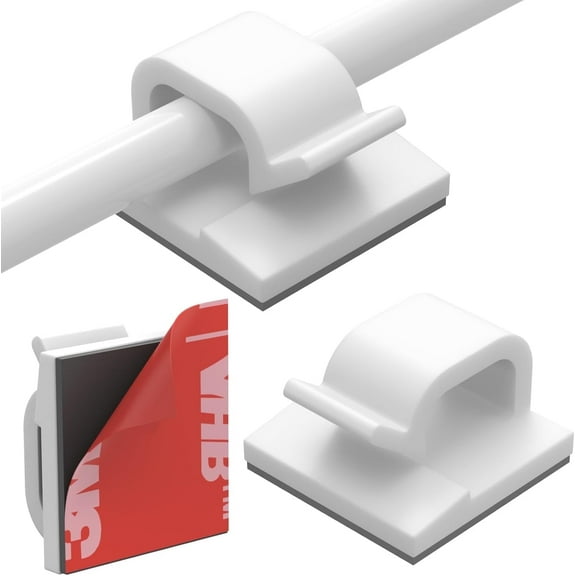
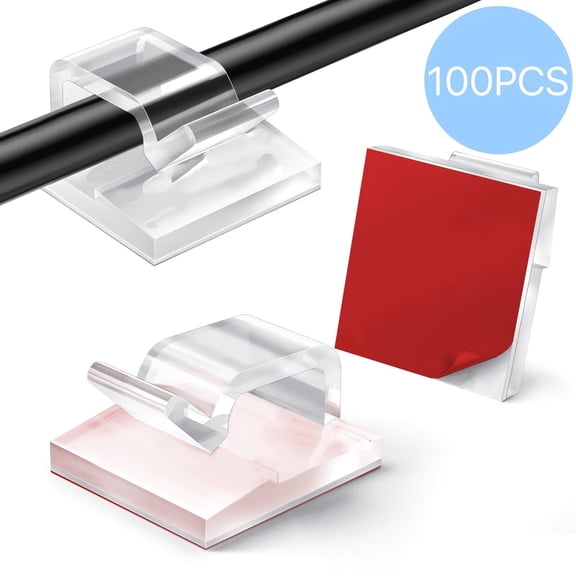
Along your desk edge, you can guide wires with mountable ties or clips instead of letting cords drop behind furniture. Then you can pair those guides with reusable straps for chargers, monitors, and USB hubs.
Frequent charging setups need quick access and easy rerouting throughout your day. In those spaces, you can separate daily-use cords more clearly when your organizer supports regular changes.
Matching combinations to your real projects
Different rooms and tasks call for different combinations of material, strength, and style. In your living room, you can use standard nylon cable ties for router wires or sleeves for visible media cords.
At your workstation, you can pair a desk cable organizer with hook-and-loop cord straps for chargers and accessories. That combination helps you reroute devices quickly when your setup shifts during the week.
For your exterior lighting or garden equipment, you can compare outdoor zip ties with UV-stabilized nylon 6/6 and heavier strength ratings. Those details help you choose ties that fit sun-exposed runs and thicker seasonal bundles.
Inside your garage or shop, you can turn to heavy duty zip ties for coiled extension cords, stored hoses, and grouped tools. When you want a cleaner surface path, you can add sleeves to gather several cords into one run.
With the right zip ties and cable management setup, you can match bundle size, environment, and access needs from the start. That approach helps you create a neater space and a more dependable cord layout.