

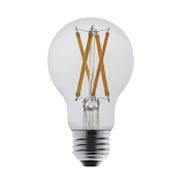
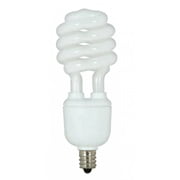
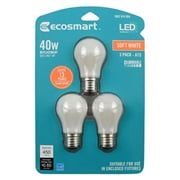
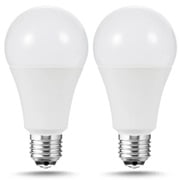
Bug Zapper Bulbs in Specialty Light Bulbs





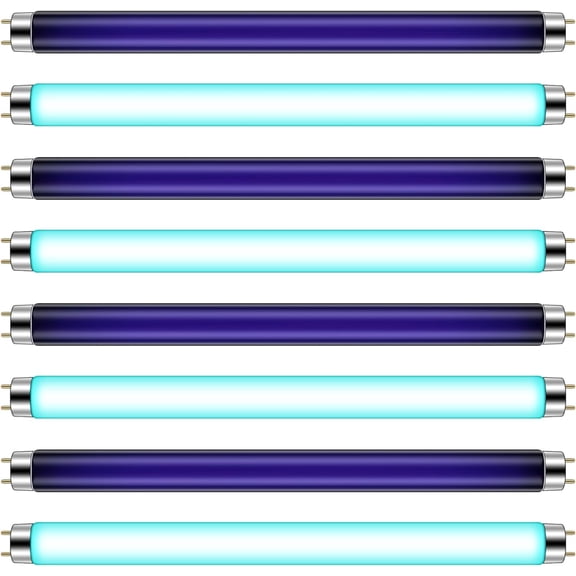
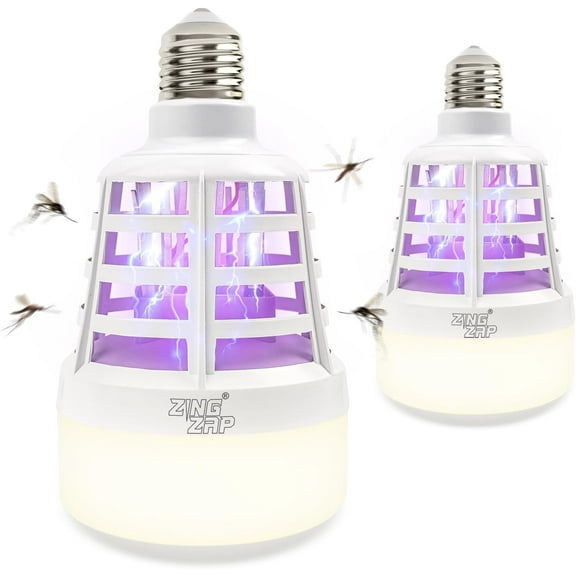
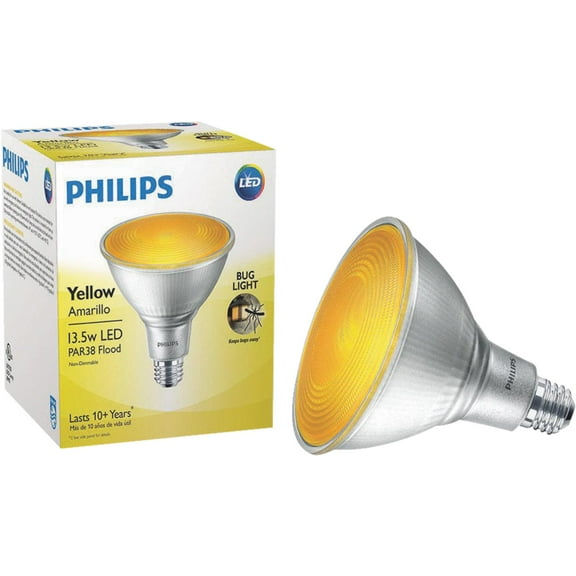
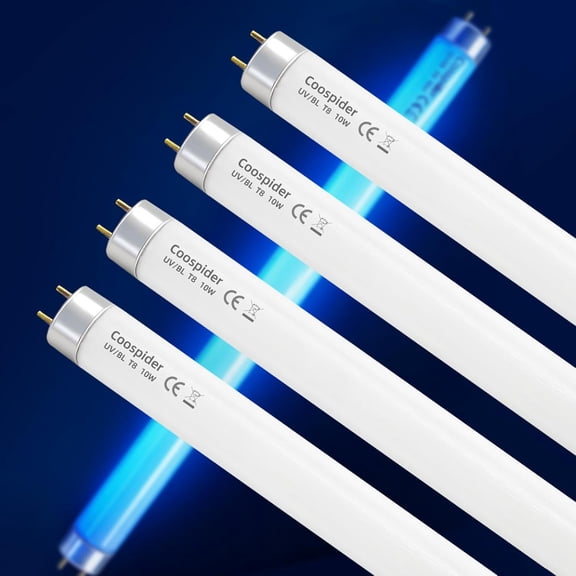

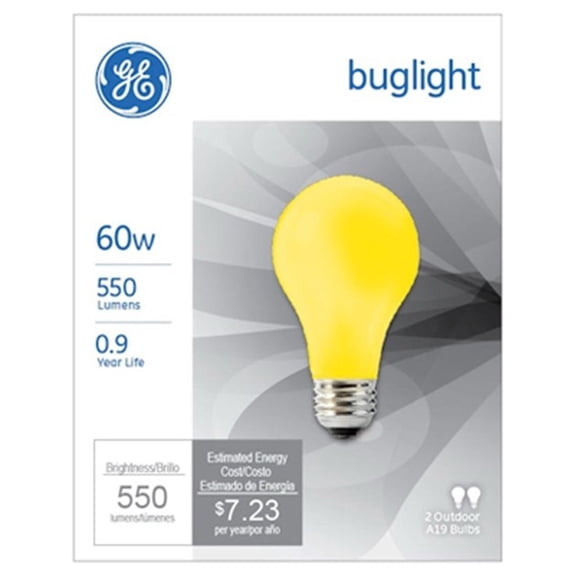
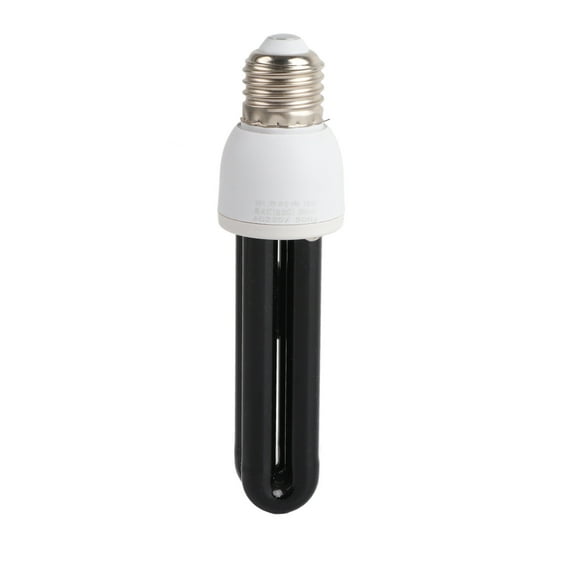
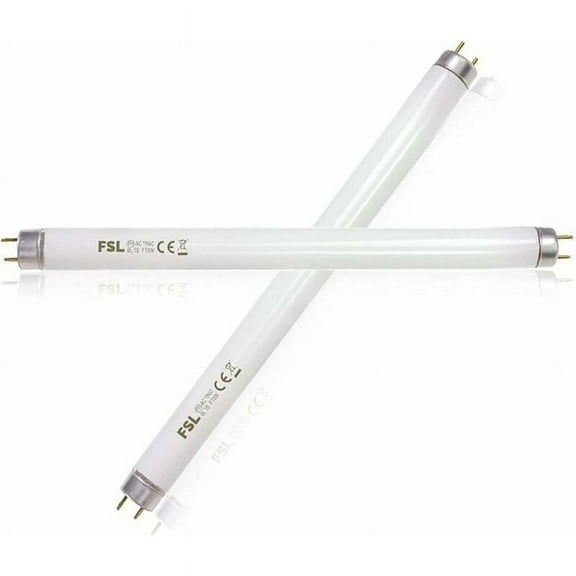
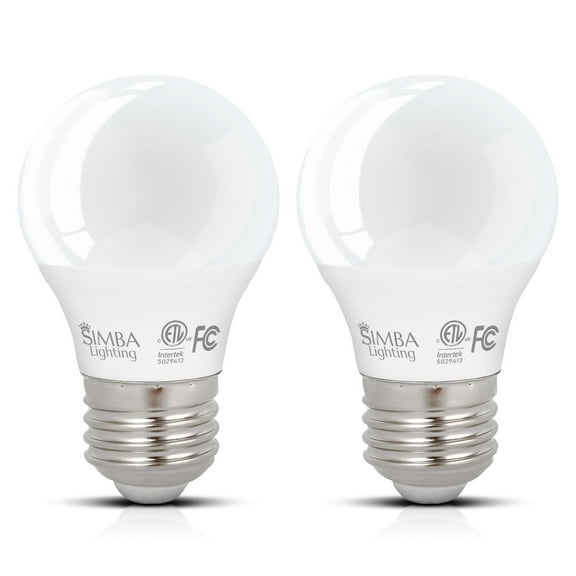




About Bug Zapper Bulbs in Specialty Light Bulbs - Walmart.com
Your bug zapper light bulb choice matters when you need a replacement that fits correctly and works with your existing zapper housing. You can use this guide to compare bulb technology, pin configuration, wattage, and brand compatibility before you replace an older bulb.
If you're replacing a worn bulb, you should start with the details printed on your current lamp or your zapper manual. You can avoid fit issues by matching the base style, bulb length, and wattage before you install a new option.
How to choose a bug zapper light bulb
You should first check whether your unit uses LED, fluorescent, or UVA blacklight technology. You can narrow your options faster when you match the original bulb type instead of switching formats.
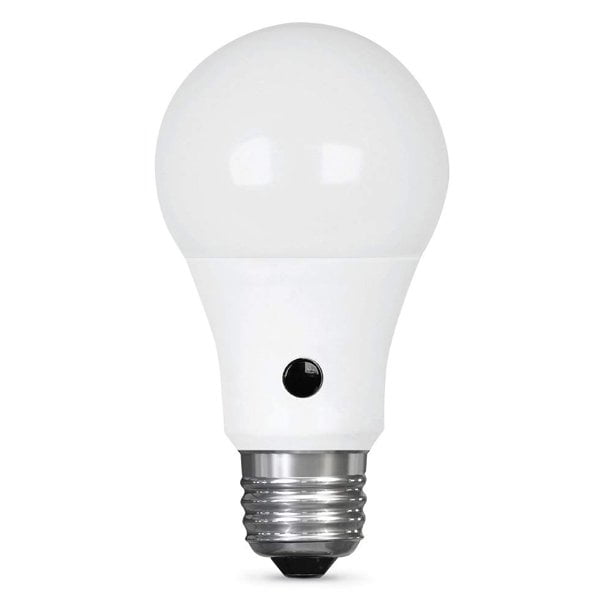
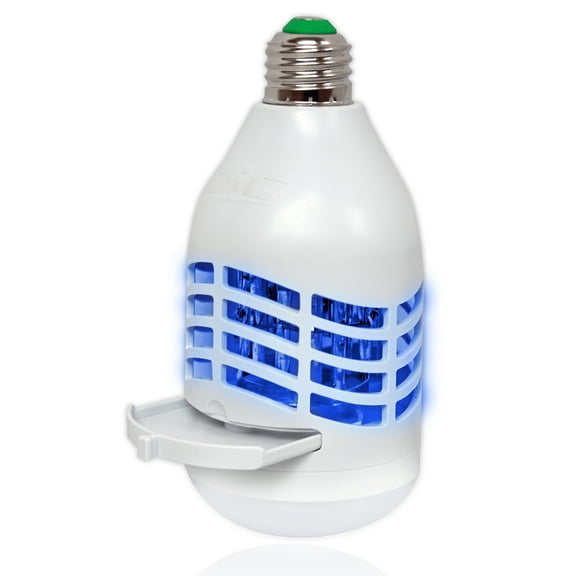
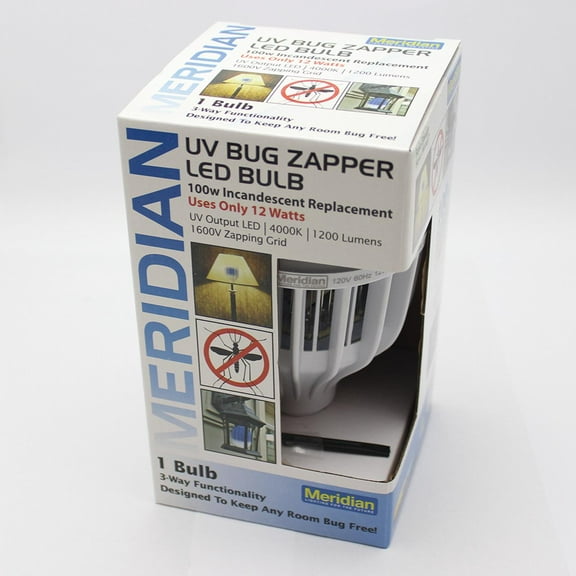
LED styles may appeal to you if your unit uses a bug zapper led light bulb setup. Fluorescent and UVA formats may suit you when your zapper depends on a specific glow pattern and ballast design.
- You can match the original bulb technology to keep your zapper operating as intended.
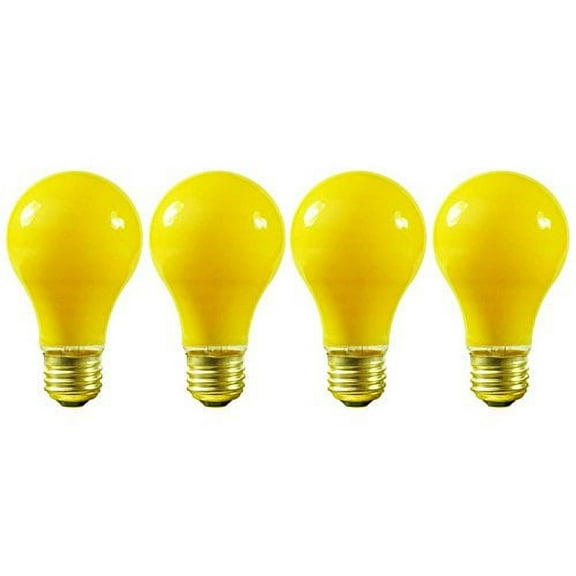
- You can compare two-pin, four-pin, and screw-in bases before you order a replacement.
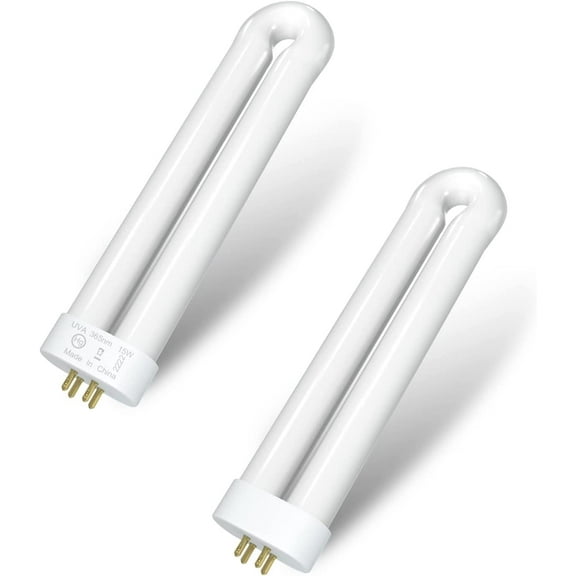
- You can confirm 11W, 15W, and 365nm specs to support proper fit and light output.
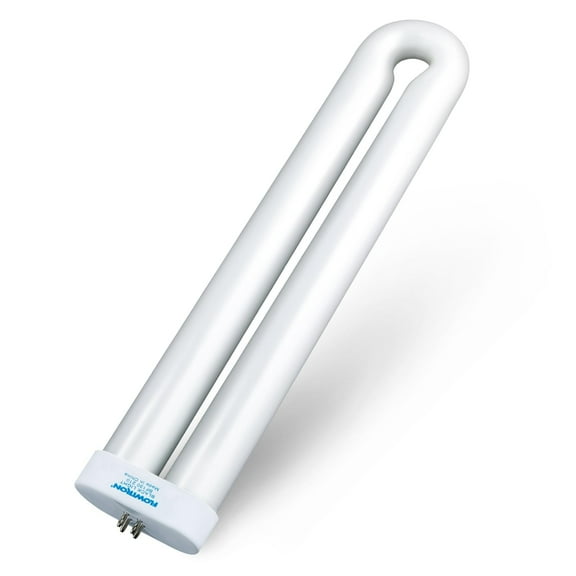
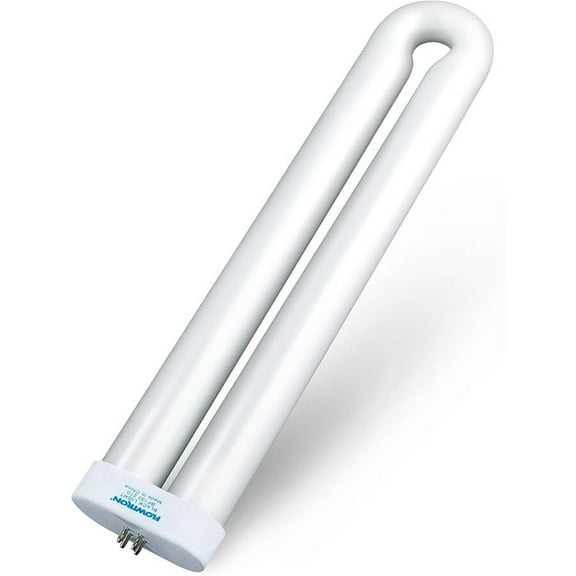
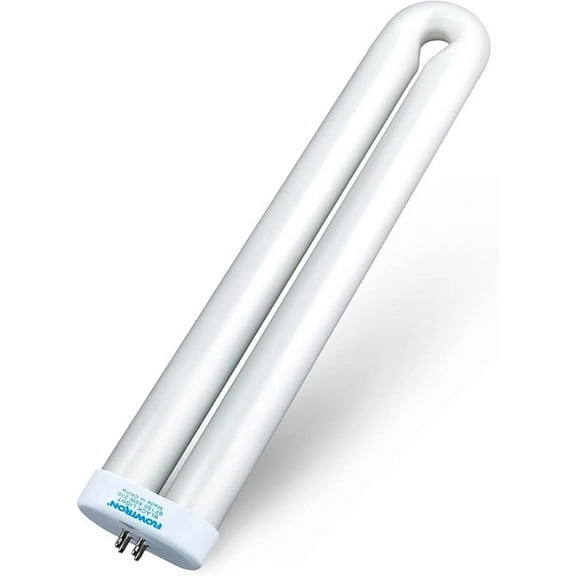
- You can look for brand compatibility details when you need a flowtron bug zapper bulb or similar replacement.
You may also want to compare bulb shape and overall length before you choose a light bulb for bug zapper use. You can prevent clearance issues by measuring the space inside the protective grid.
Choosing bulb technology and light output
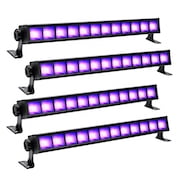
You should consider how your zapper uses light around patios, porches, and enclosed outdoor areas. You can often find UVA or blacklight formats when your unit relies on ultraviolet attraction rather than standard room lighting.
If you're comparing a light bulb mosquito zapper replacement, you may notice 365nm listed on some bulbs. You can treat that number as a wavelength check that helps you match the original attraction range your zapper uses.
You might also see fluorescent tubes or compact plug-in lamps in older units and LED options in newer designs. You can use the original bulb label to compare technology without guessing across formats.
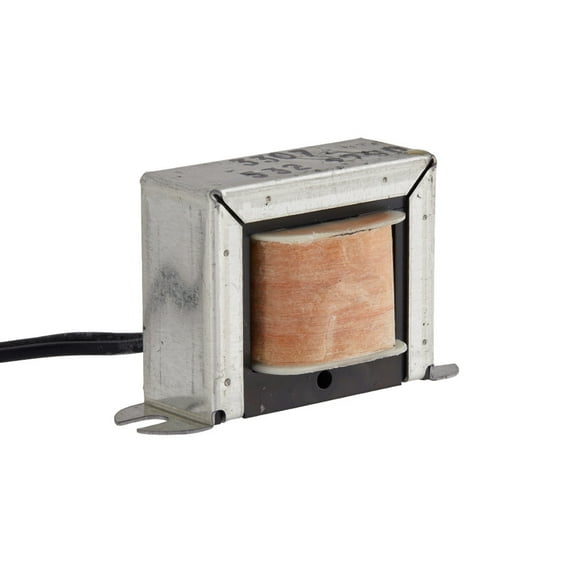
When you need a bug killing light bulb replacement, you should check whether your fixture uses a ballast. You can avoid mismatch issues by pairing the replacement style with the electrical setup already inside your unit.
Comparing base and pin configuration
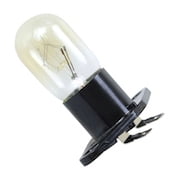
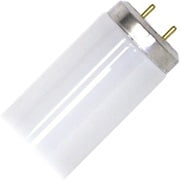
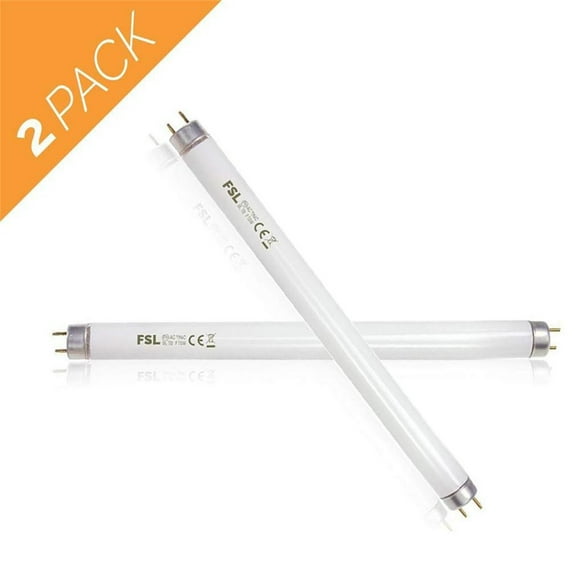
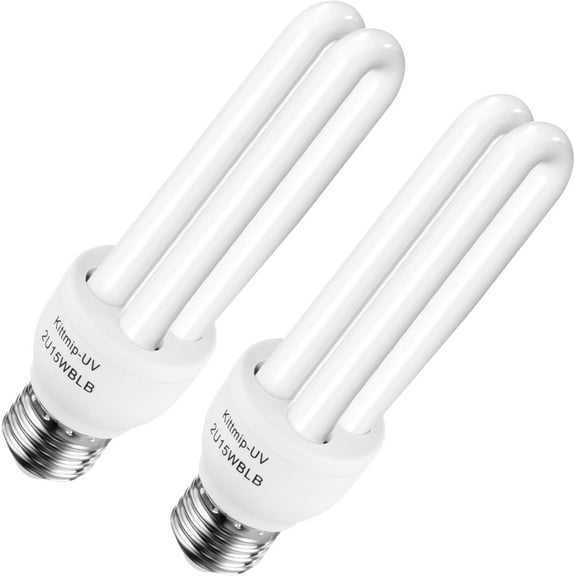
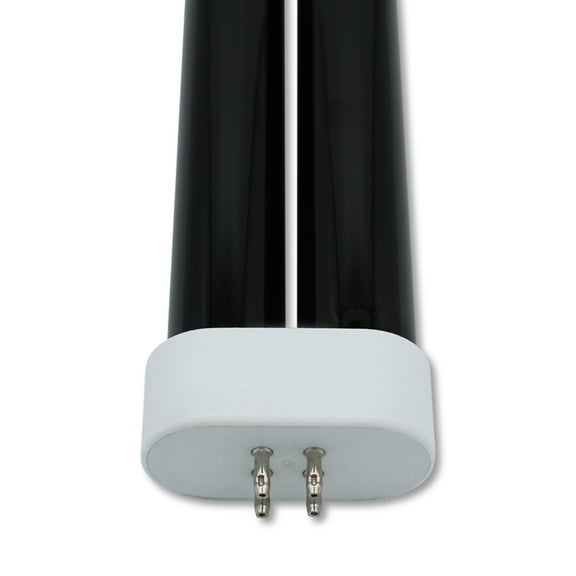
You should check the base before anything else because physical compatibility drives the whole replacement process. You can usually choose between 2-pin, 4-pin, or screw-in E26 styles in this category.
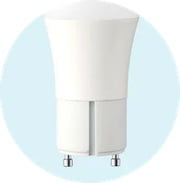
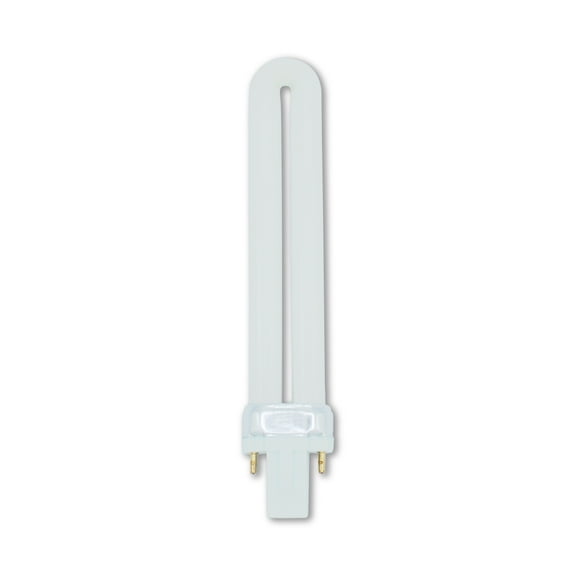
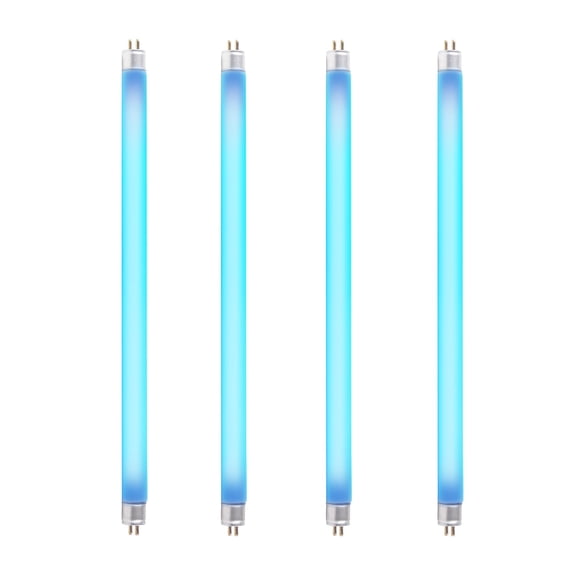
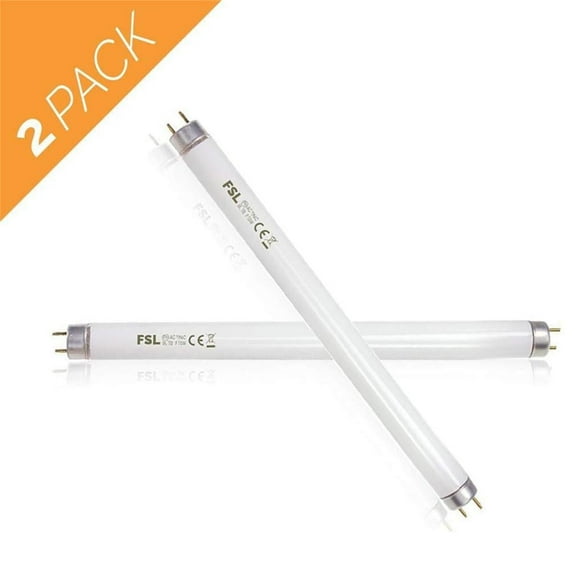
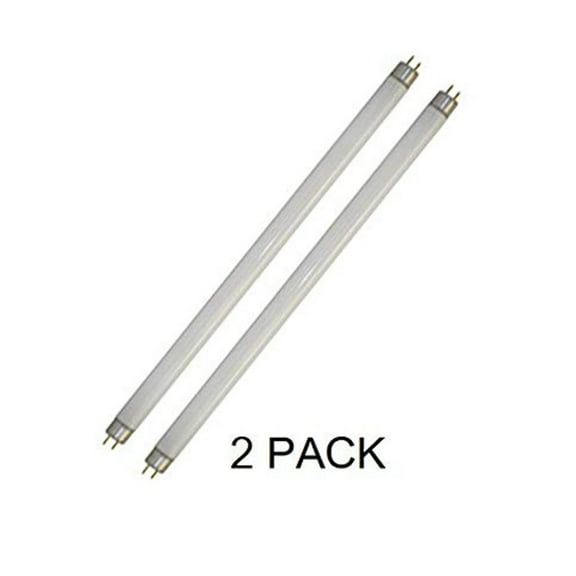
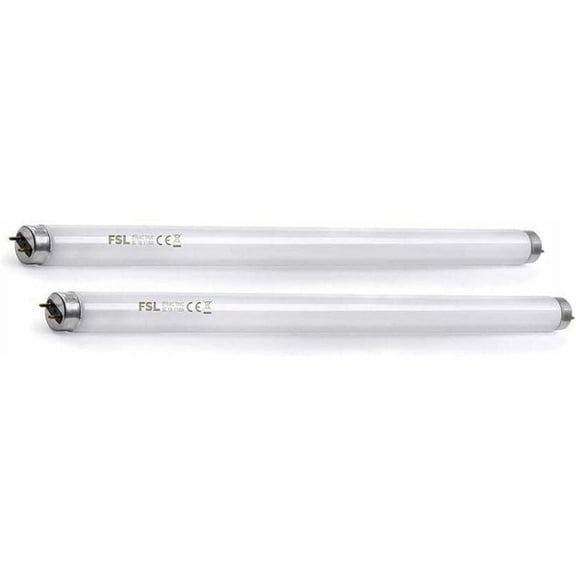
If your bulb plugs into a socket block, you should count the pins and compare their spacing carefully. You can avoid ordering errors by matching a 2-pin or 4-pin layout exactly to your current bulb.
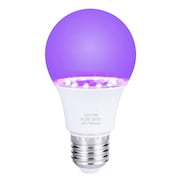
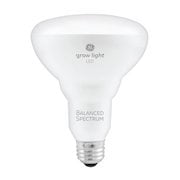
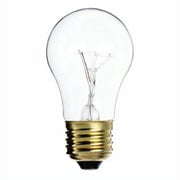
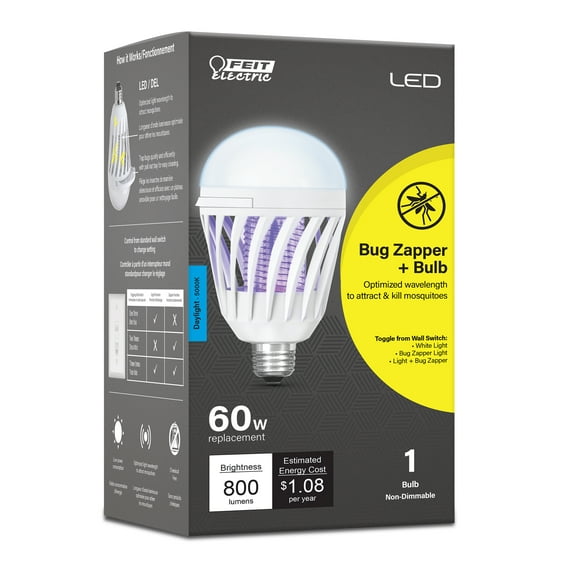
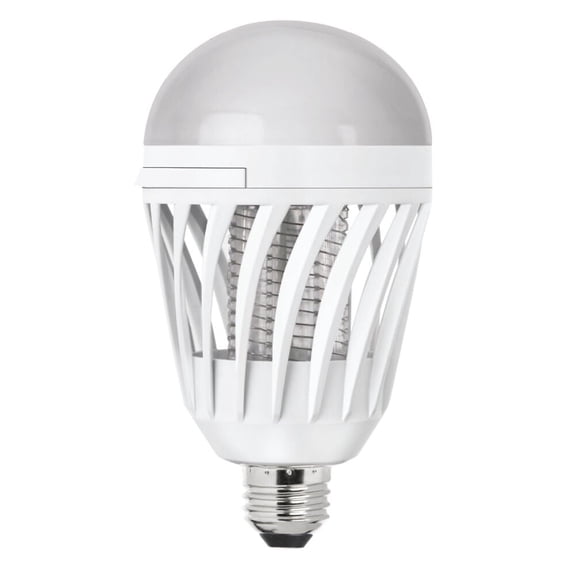
If your unit uses a standard household-style socket, you may need a screw-in light bulb with bug zapper compatibility. You can also confirm the bulb width so it clears the surrounding cage and protective bars.
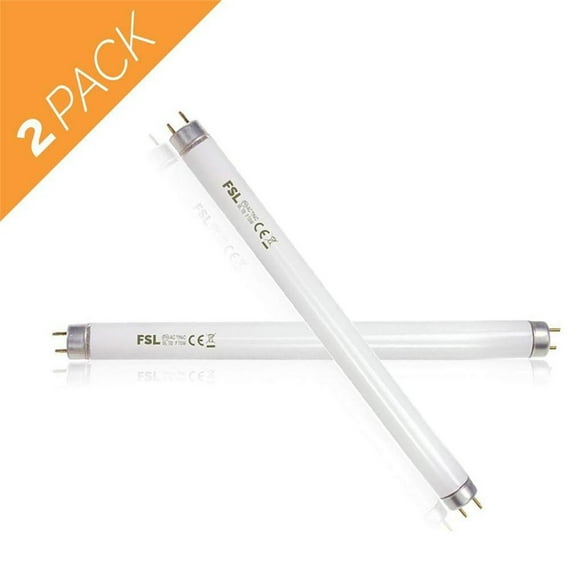
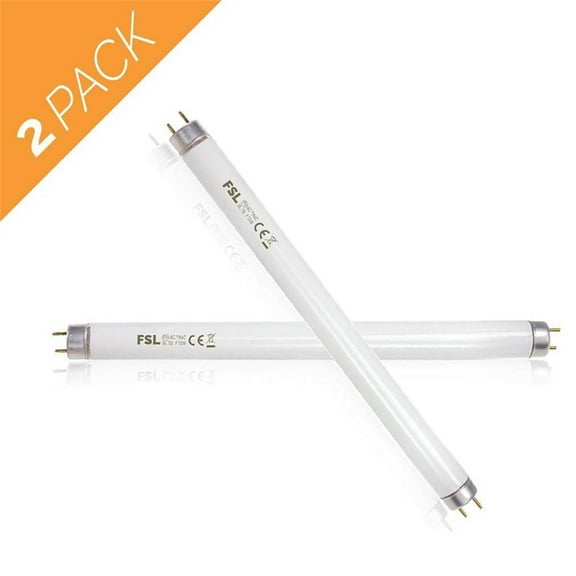
You may notice part numbers like fsl plf11w bl replacement on certain older bulbs. You can use those printed codes as a direct reference when your manual doesn't list the full bulb description.
Matching wattage, dimensions, and replacement fit
You should match wattage closely because your zapper operates within a specific power range. You can look for common ratings like 11W or 15W when you compare a bug zapper bulb replacement.
If you're replacing a uva 365nm 15w bug zapper bulb replacement, you should compare both wattage and wavelength together. You can also check voltage and socket style so the bulb aligns with your existing hardware.
Physical dimensions matter because many zappers have narrow inner channels and fixed bulb clips. You can measure bulb length, tube shape, and end spacing to make sure the replacement slides in cleanly.
When you need a bug zapper replacement light bulb, you should compare the old bulb side by side with the listing details. You can reduce returns by checking length, width, and connector orientation before you choose.
Checking brand compatibility and real use cases
You may shop by brand when you already know your zapper model and want a direct fit. You can look for compatibility details for Flowtron, Wybot, and Black + Decker units across common replacement types.
If you need a flowtron bug zapper bulb replacement, you should compare the model number with the bulb code first. You can also verify whether your Flowtron unit uses a plug-in fluorescent lamp or another format.
If you're looking at wybot yellow light options, you should confirm the intended fixture and bulb technology. You can use brand notes as a guide, but you should still match pins, wattage, and dimensions.
You might want a bug zapper light replacement for a backyard unit used during warm evenings and humid nights. You can also need a light bulb bug zapper replacement for a garage, covered patio, or screened workspace where insects gather around light sources.
Once you match the bulb technology, base style, wattage, and dimensions, you can choose with more confidence. You can get a replacement that fits your zapper correctly and restores the light output your unit uses.