

Bowling in Sports





























About Bowling in Sports - Walmart.com
Bowling gear helps you build a setup that matches your style, your skill level, and your lane goals. You can compare bowling balls, bowling shoes, bags, and accessories in one place for a more focused search.
If you're starting fresh or updating older equipment, you need clear guidance on weight, fit, and carry options. You'll also want category choices that support straight shots, controlled hooks, and easy trips to league night.
How to choose bowling gear by product type
You can narrow bowling choices faster when you start with product type. Your main decisions usually center on balls, shoes, bags, and small accessories that complete your setup.
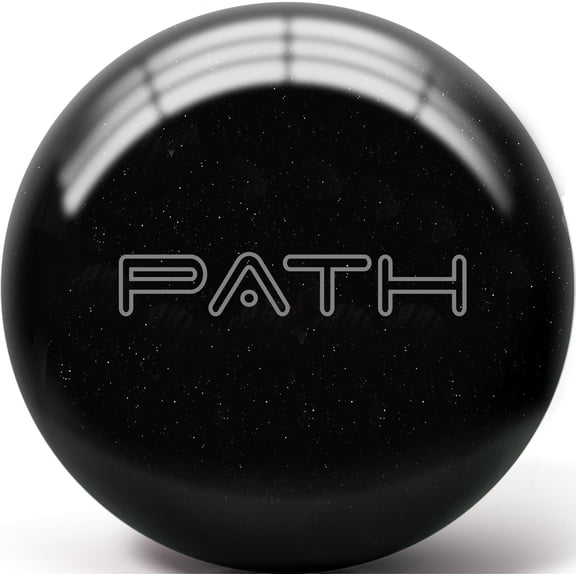
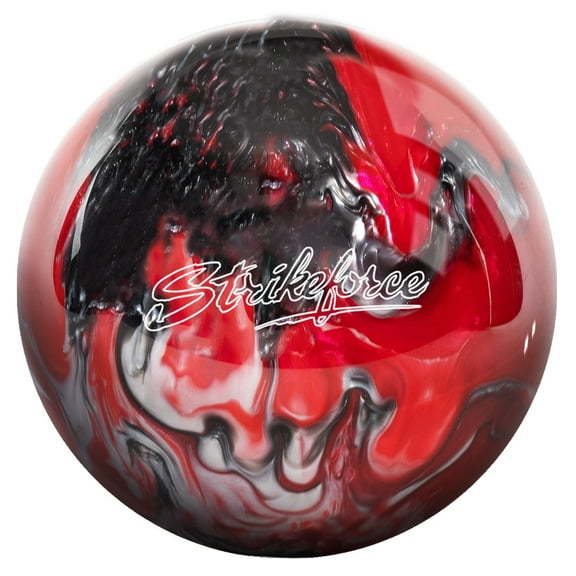
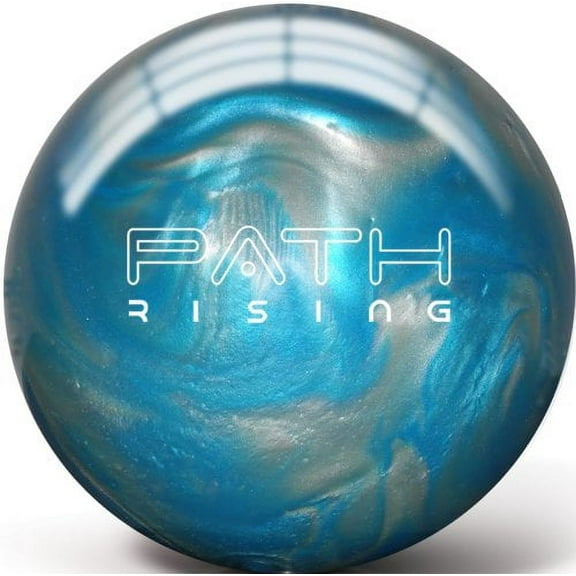
Bowling balls shape how your throw feels on the lane, from lighter entry weights to heavier league-ready options. Bowling shoes affect your slide and traction, while bags organize how you carry one or more balls.
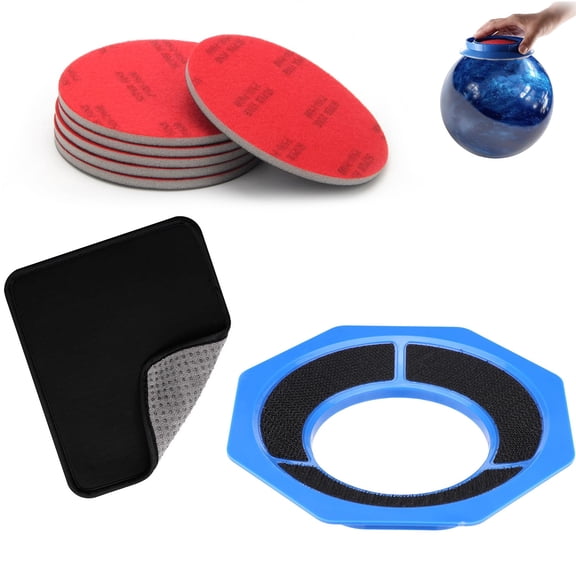
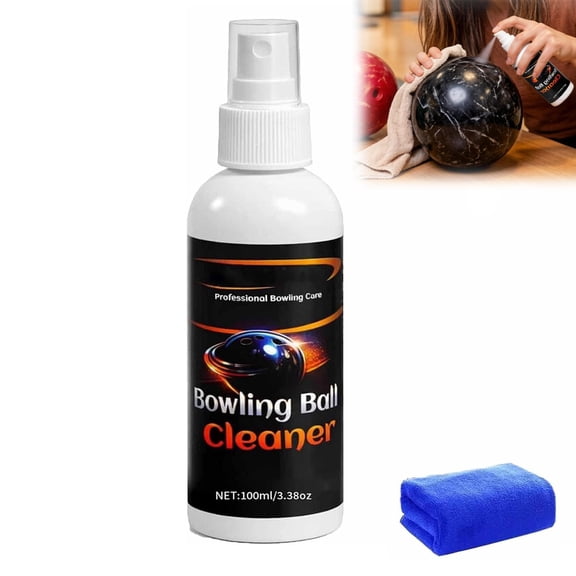
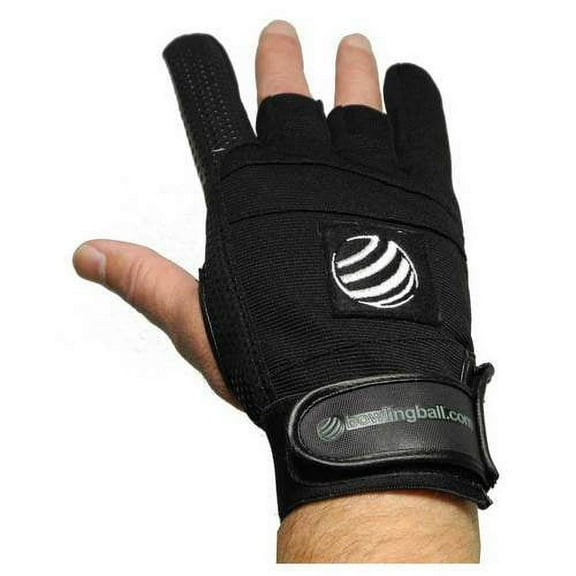
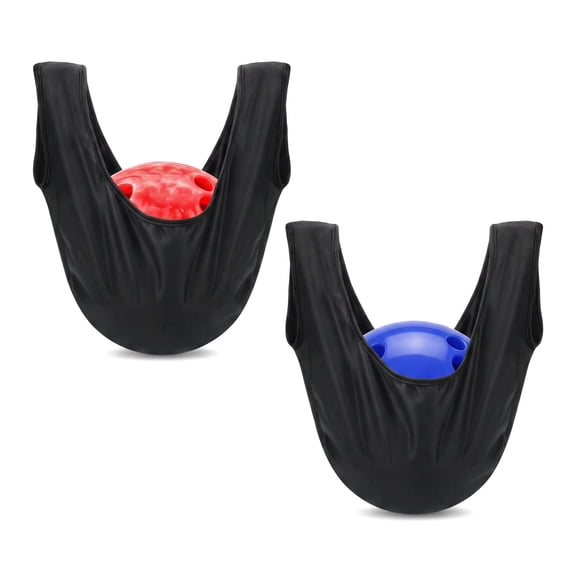
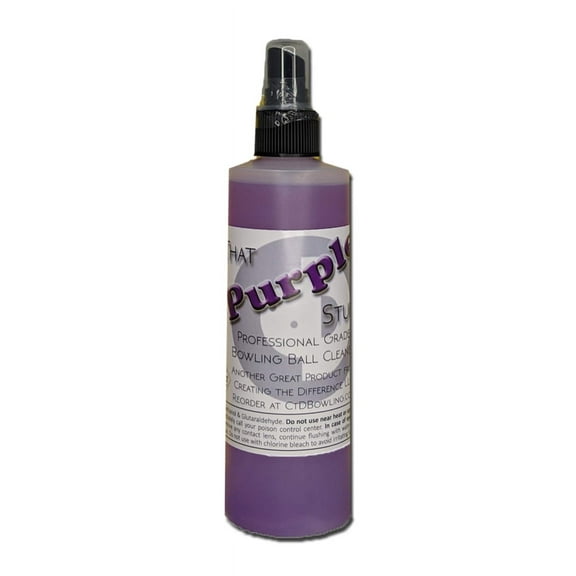
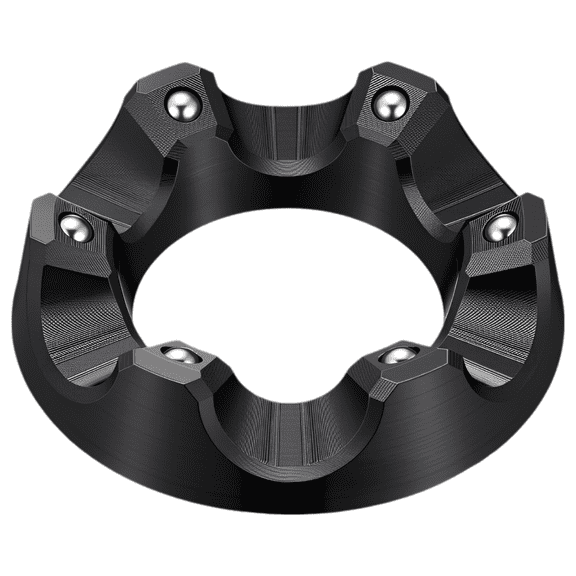
Accessories can round out your routine with items that support grip, storage, and lane prep habits. You'll appreciate having these basics together when you're building a full bowling equipment setup.
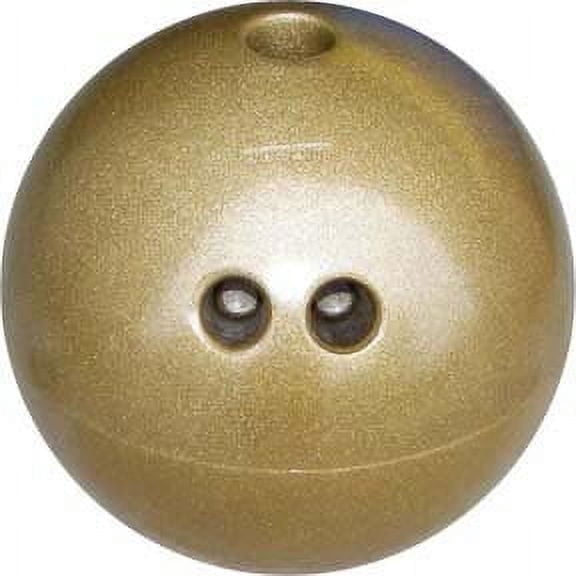
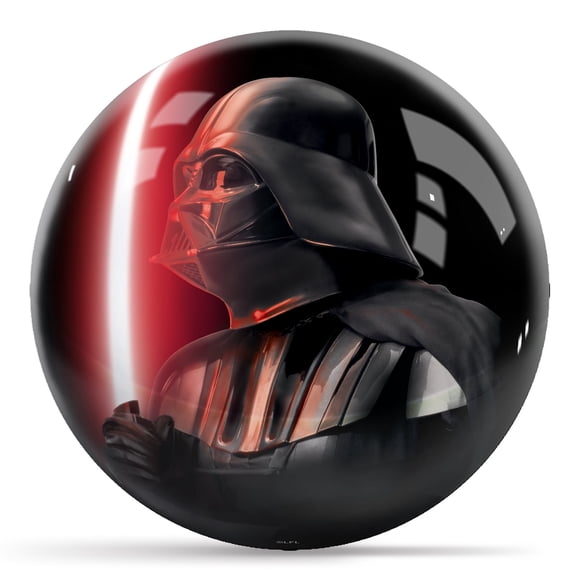
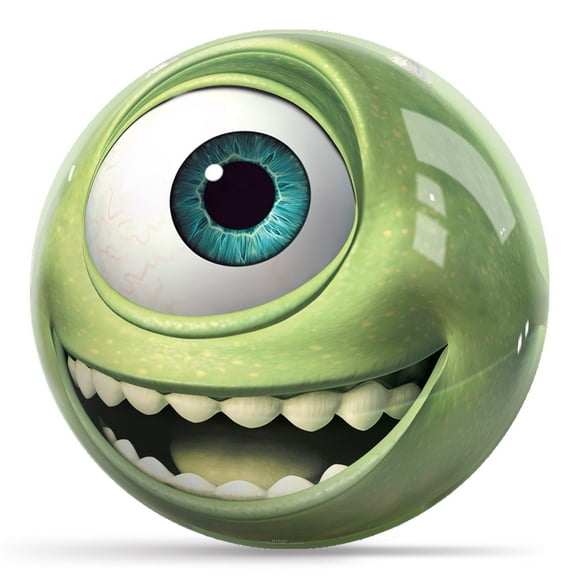
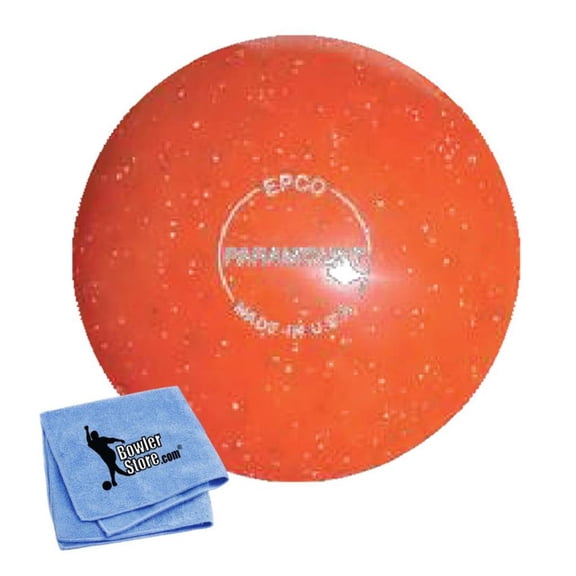
- You can choose bowling balls by weight and coverstock for straighter shots or more hook potential.
- You can compare bowling shoes by fit, slide sole feel, and user group, including men, women, kids, and unisex options.
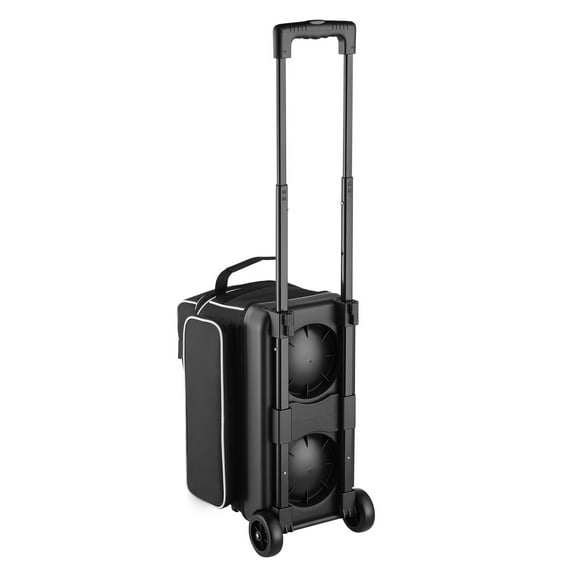
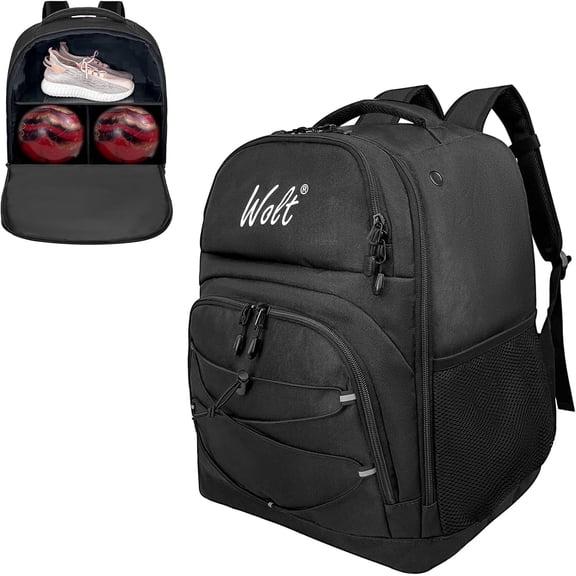
- You can select bowling bags by capacity, including single-ball, double-ball, and roller styles.
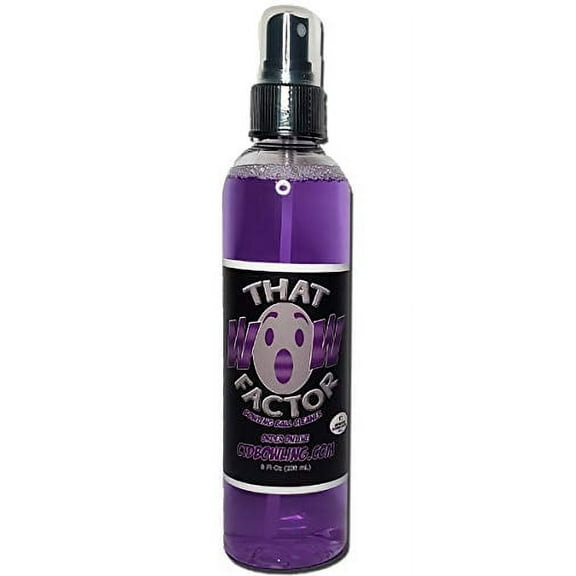
- You can add bowling accessories when your routine calls for cleaner organization and easier transport.
Choosing bowling balls weight for your game
You should start with a ball weight that feels controllable through your full approach and release. Many shoppers use the 10 percent body weight guideline as a simple starting point.
If you weigh around 100 pounds, you may begin by comparing a 10-pound ball. If you have more strength and steady form, you may prefer 12, 14, or 16 pounds.
Younger players and many beginners often look at 8-pound or 10-pound options for easier handling. You'll want enough weight for solid pin action without forcing your swing or timing.
As you compare bowling balls, check how the finger holes and span feel in your hand. You'll usually throw with more control when your ball weight feels smooth from backswing to follow-through.
Comparing coverstock materials in bowling balls
You can also compare coverstock material because it changes how your ball responds on the lane. The main choices you may see are polyester, urethane, and reactive resin bowling ball options.
Polyester works well when you want a straighter path and simpler control. You'll often see it chosen for spare shooting and for new players learning release basics.
Urethane gives you earlier traction and a smoother, more controlled motion than many stronger shells. You may prefer it when your game needs readable movement instead of a sharp backend turn.
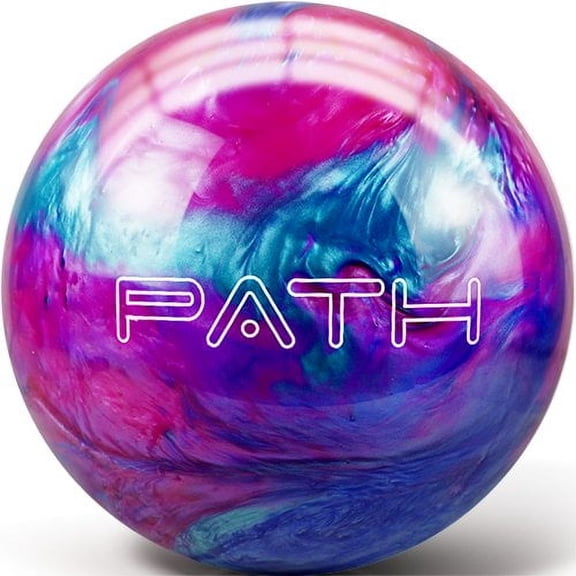
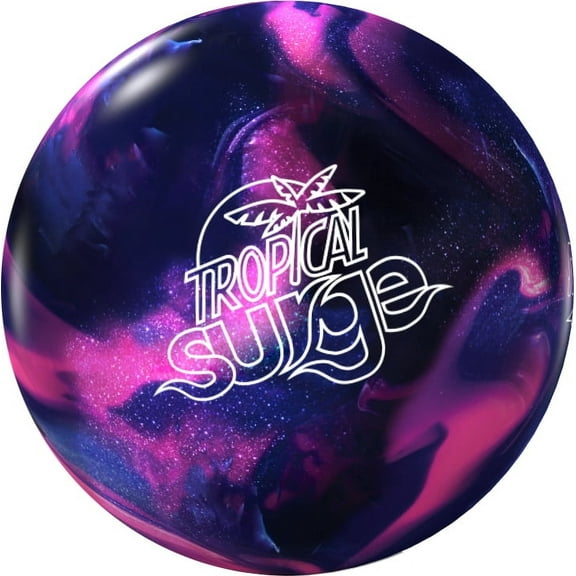
A reactive resin bowling ball can create more grip and more hook potential on many lane conditions. You'll likely compare this type when you're ready to shape your shot and create a stronger entry angle.
When you match material to your current skill level, your ball choice becomes easier to understand. You'll avoid guessing and focus on the motion that fits your release and lane goals.
What to look for in bowling shoes
You should compare bowling shoes with the same care you give your ball. Your slide, balance, and approach rhythm all depend on how the soles feel underfoot.
Some shoes offer a smoother slide sole that helps you glide into your release. Others emphasize traction in key areas, which can feel steadier if you want a more planted approach.
If you're shopping for bowling shoes for men, women, kids, or unisex wearers, check sizing and closure details closely. You'll want a secure fit that feels stable through every step.
Rental-style discomfort can distract from your throw, so your own pair can make practice feel more consistent. You'll notice it becomes easier to repeat your footwork when your fit feels familiar.
Choosing bowling bags and accessories
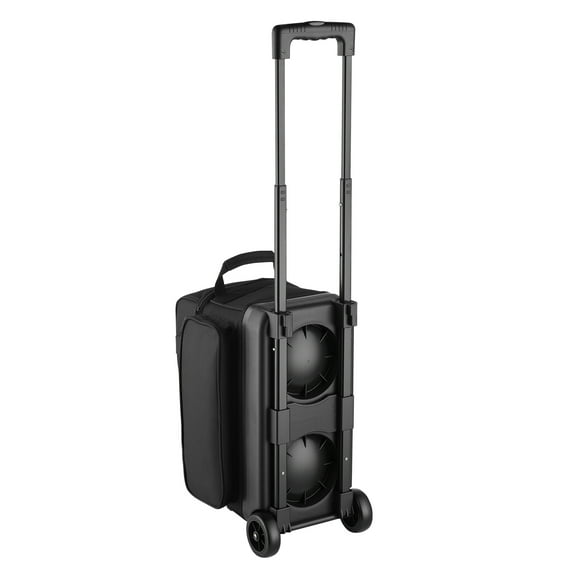
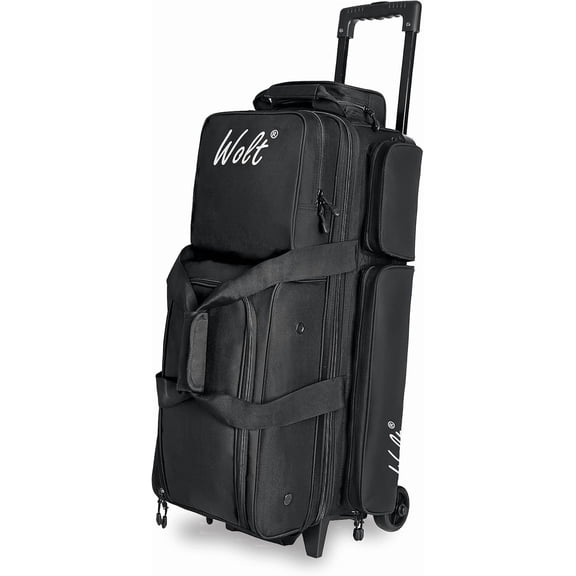
You can make transport simpler when you choose a bag that matches how often you bowl. Your options often include single-ball bags, double-ball bags, and roller bags.
A single-ball bag suits shorter trips and lighter carrying needs. A double-ball bag helps when you bring separate balls for strikes and spares.
A roller bag can feel easier to manage when your setup includes heavier equipment. You'll also want space for shoes, towels, tape, and other bowling accessories you keep close.
Check handle design, storage pockets, and base support before you decide. You'll get more day-to-day convenience when your bowling bags fit your gear without crowding it.
Matching bowling equipment to how you play
If you're a beginner, you may want a lighter ball, polyester coverstock, and comfortable shoes with predictable slide. Your setup can stay simple while you build timing and release confidence.
If you bowl in leagues, you may compare heavier weights, reactive coverstocks, and larger bags with room for extra gear. You'll benefit from equipment that supports repeat practice and organized transport.
For family outings, you may look for kids' shoes, unisex options, and manageable bag sizes. Your group can get on the lane faster when each piece fits the player using it.
When you choose bowling equipment around your habits, every trip feels more streamlined. You'll spend less time sorting gear and more time focusing on your approach, release, and carry through the pins.
Bowling becomes easier to shop when you compare weight, coverstock, shoe design, and bag capacity together. You'll leave with a setup that fits your hand, your footwork, and your time on the lane.