


















Boots in Boots






























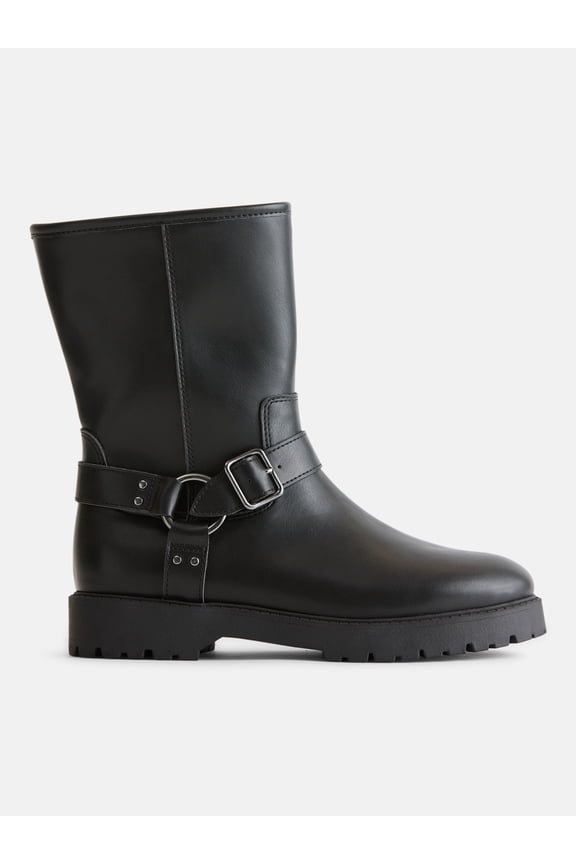


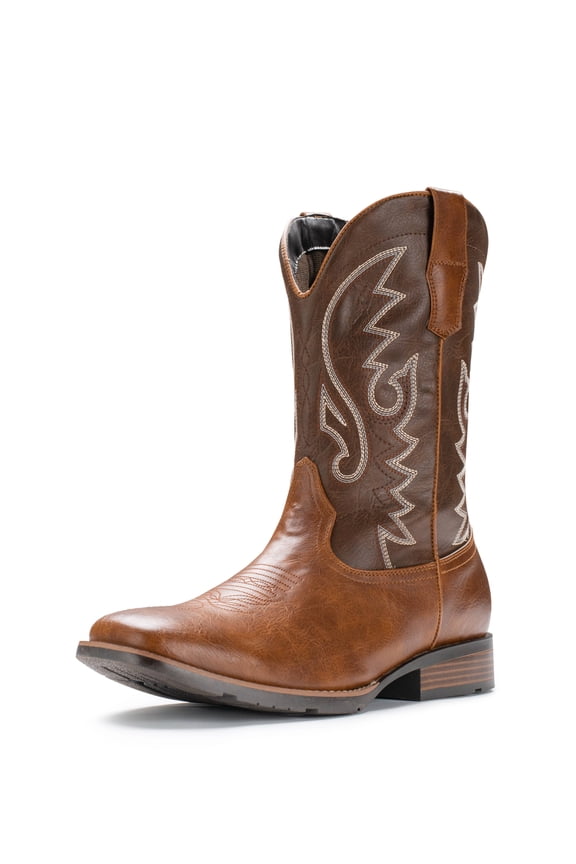


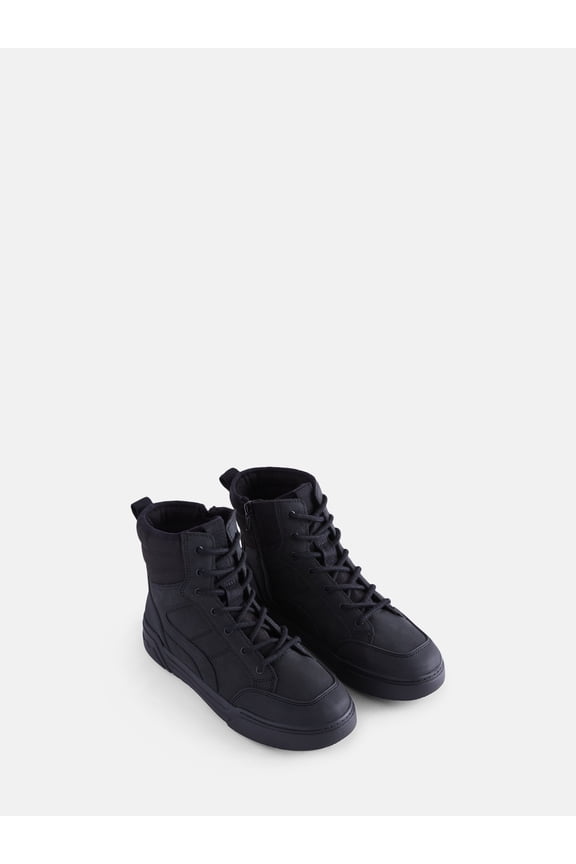


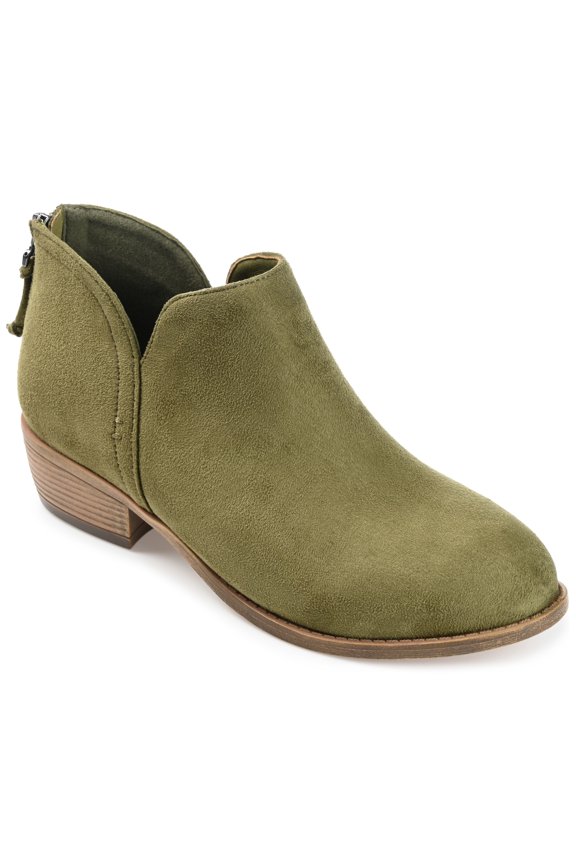




About Boots in Boots - Walmart.com
Boots help you dress for changing weather, long shifts, and everyday outfits with one versatile footwear category. You can compare styles, materials, and closures to find pairs that match your routine and your fit needs.
You may want sleek ankle boots for daily wear, insulated winter boots for cold days, or work boots for demanding tasks. You can also find options for wide widths, varied calf shapes, and weather-ready materials that support more precise choices.
How to choose boots by style and type
You can narrow boots quickly when you start with style and intended use. Your choice often comes down to shaft height, traction, and how structured you want the silhouette.
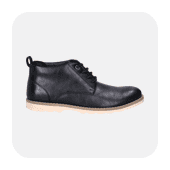
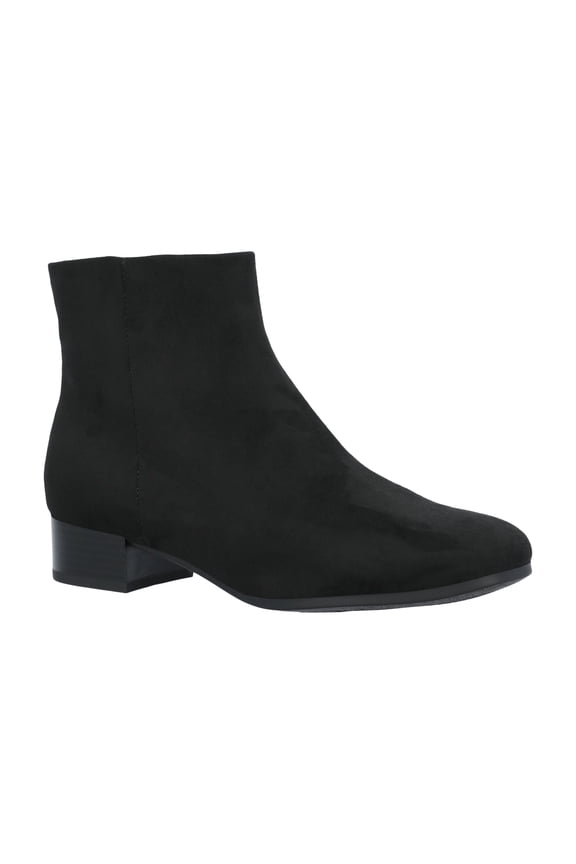
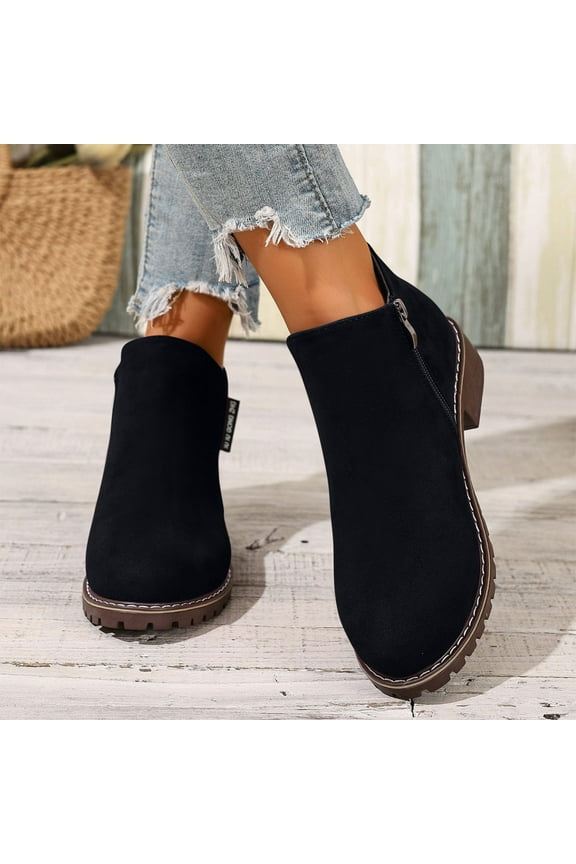
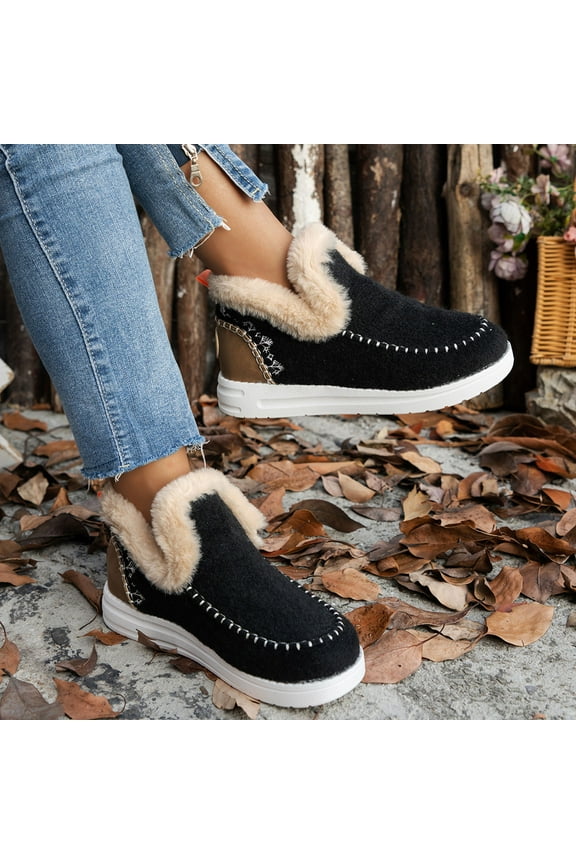
Ankle boots work well when you want easy outfit pairing and quick on-and-off wear. You can style them with jeans, trousers, or dresses without adding much bulk.
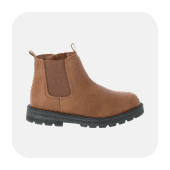
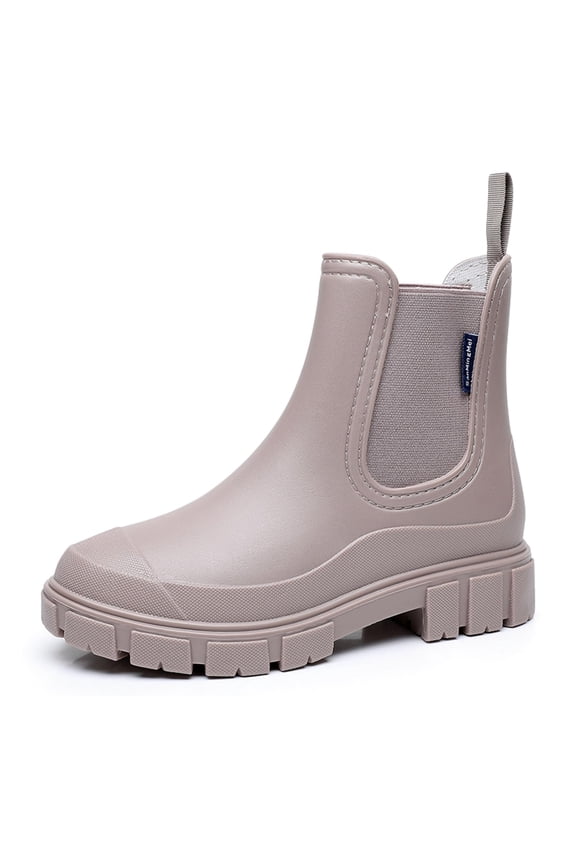
Chelsea boots give you a clean slip-on shape with stretch panels that feel streamlined. You may prefer them when your day moves between work settings and casual plans.
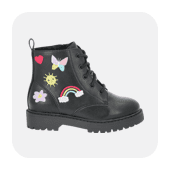
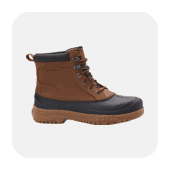
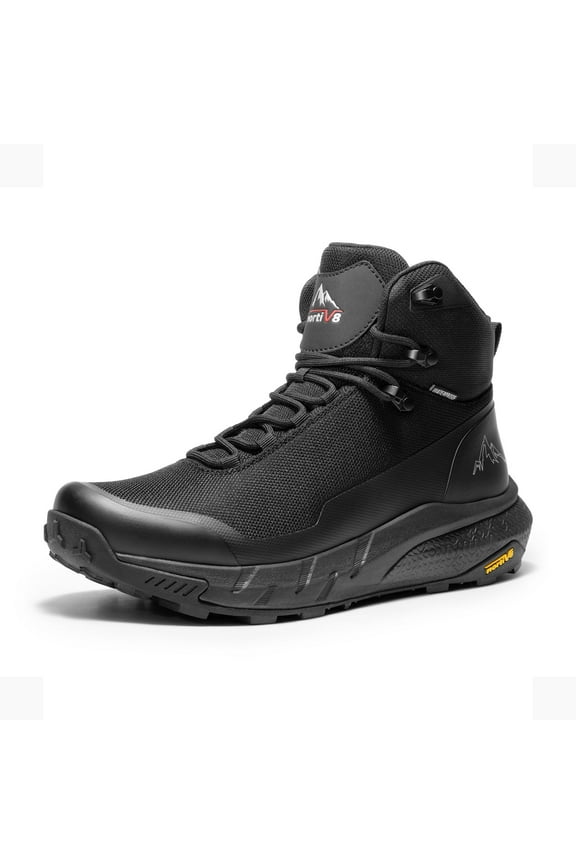
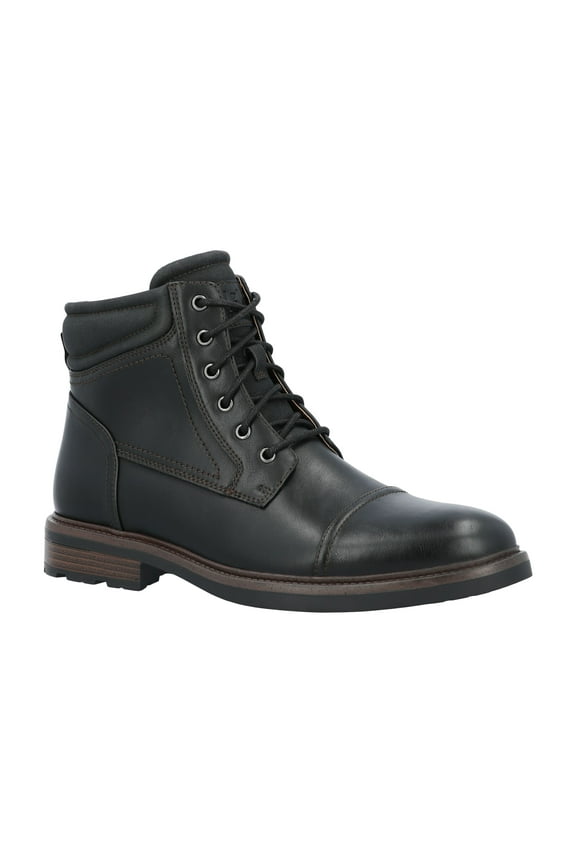
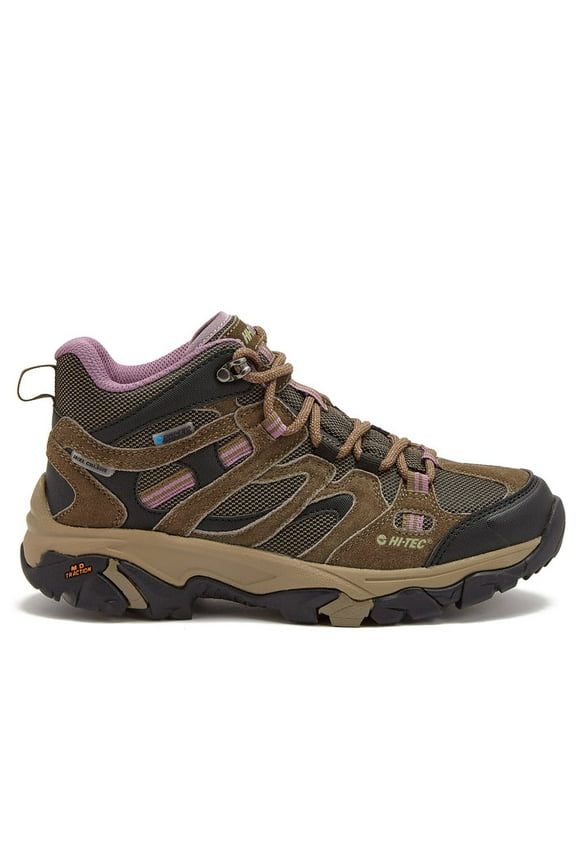
Combat and hiking styles give you a more rugged profile with lace-up support and grippy soles. You can reach for these when your day includes longer walks or uneven ground.
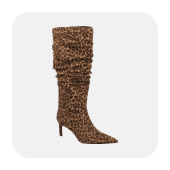
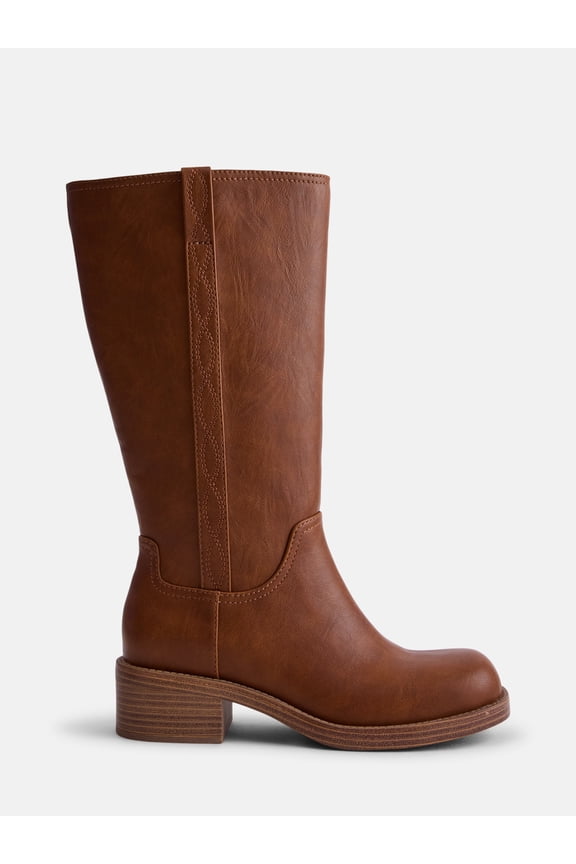
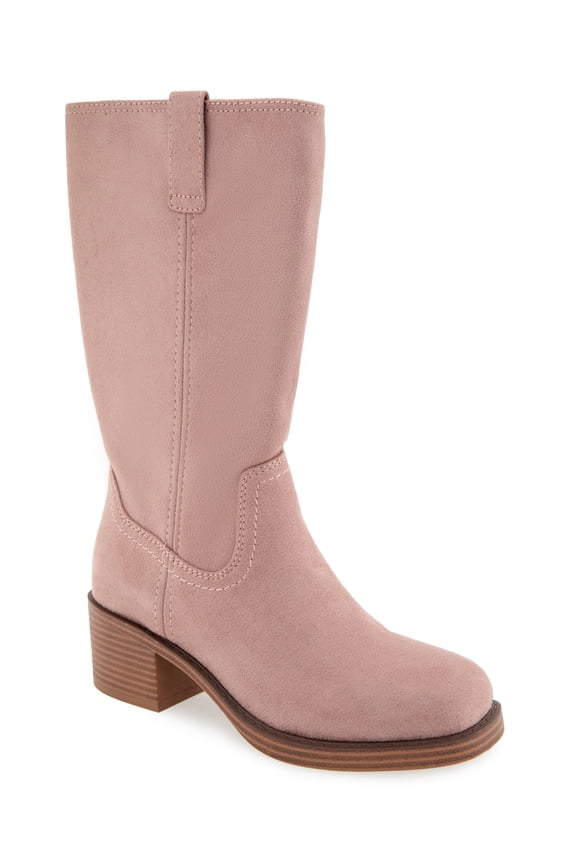
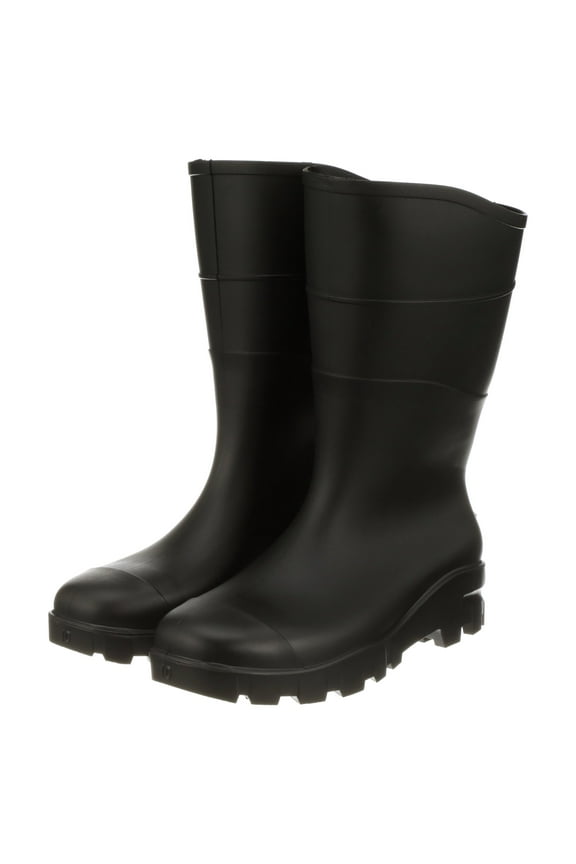
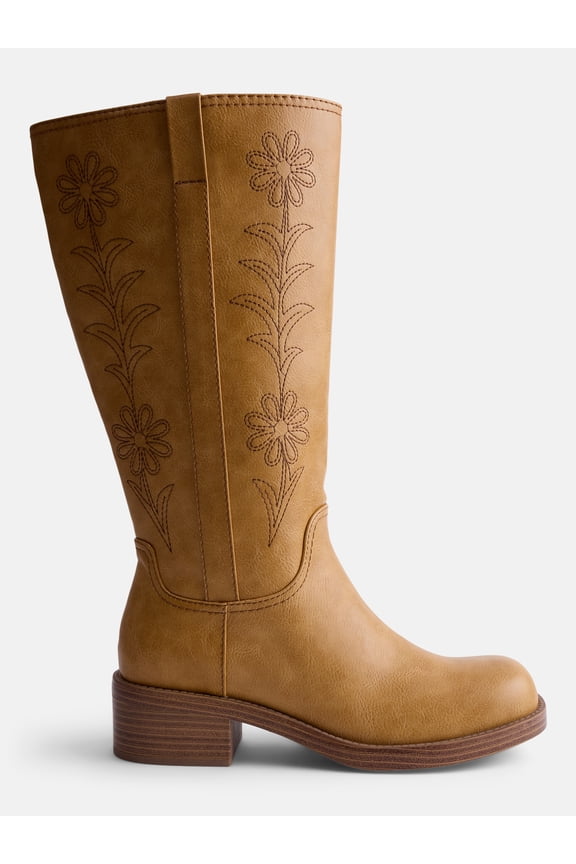
Knee-high and rain silhouettes cover more of your leg and help you plan for changing conditions. You may like taller shafts when your outfits need extra coverage or your forecast looks wet.
- You can choose ankle boots when your priority is everyday styling flexibility.
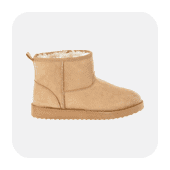
- You can choose winter boots when your priority is insulation, coverage, and cold-weather traction.
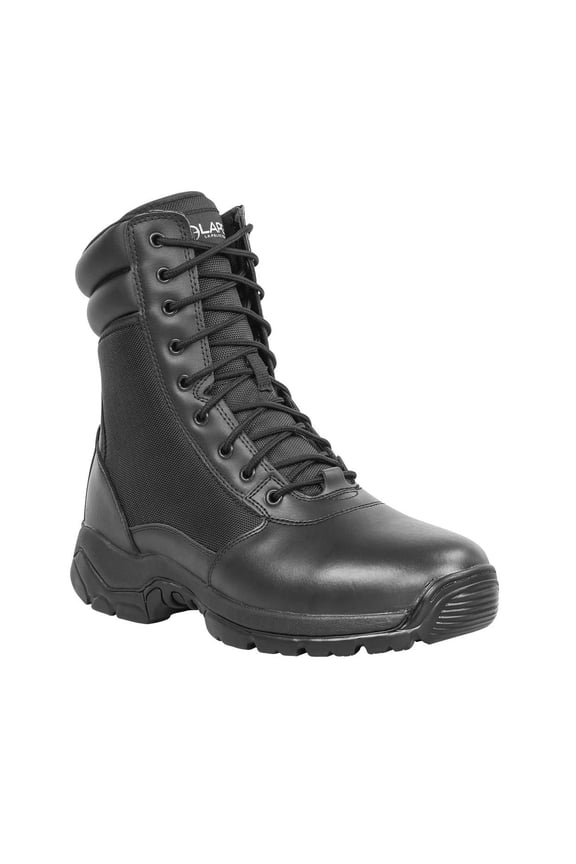
- You can choose work boots when your priority is support, safety details, and durable construction.
- You can choose rain styles when your priority is quick-clean materials and wet-weather coverage.
Comparing materials and waterproof boots
You should compare materials early because they affect care, structure, and how your boots feel across seasons. Your material choice can also change the finish, weight, and flexibility of each pair.
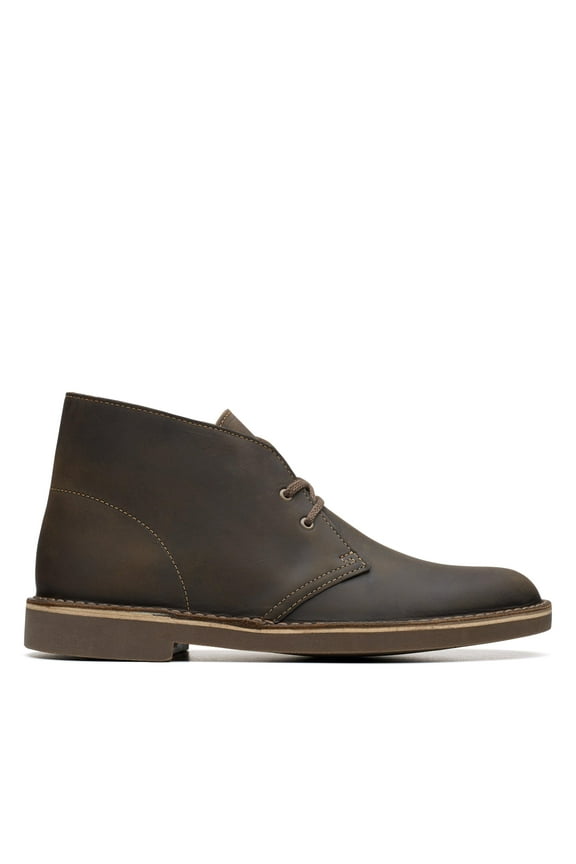
Leather often gives you a classic look that can soften over time with regular conditioning. You may prefer it when you want a polished finish and a material that can age with character.
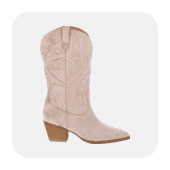
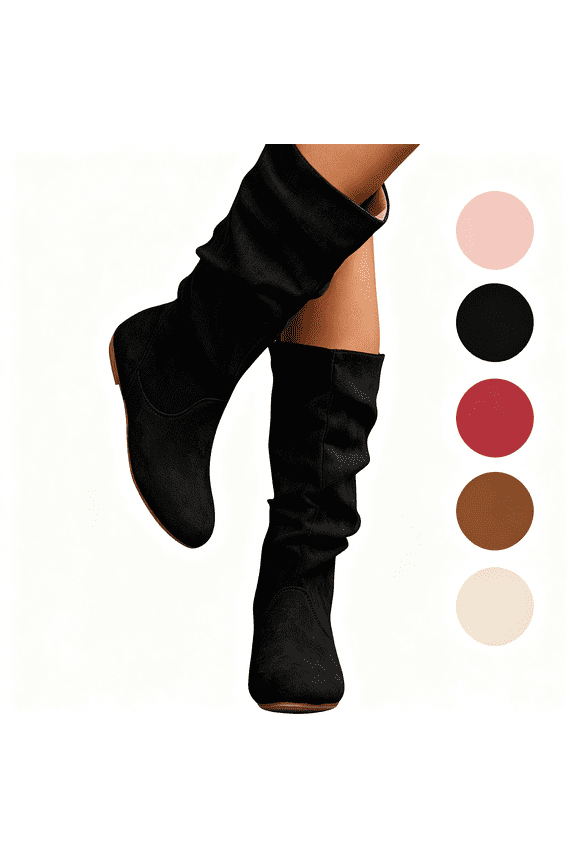
Suede gives you a softer texture and a more casual look for transitional outfits. You may want to check care needs carefully because your routine may include brushing and protective treatment.
Synthetic materials can give you lighter upkeep and an easy-clean surface for frequent wear. You may choose them when your schedule calls for simple maintenance and everyday convenience.
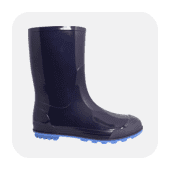
Rubber styles help you handle puddles, messy sidewalks, and damp conditions with easy wipe-clean care. You can look to these pairs when your forecast changes often and your errands keep moving.
Waterproof boots deserve extra attention when weather resistance matters to your commute or weekend plans. You should check for waterproof membranes and sealed construction, because those details help keep moisture out.
Choosing heel height, shape, and closure
You can fine-tune comfort and appearance by comparing heel shape before you choose a pair. Your outfit goals and walking plans usually point you toward the right height.
Flat soles keep your look grounded and can feel practical for longer wear. You may want block or chunky heels when you want added lift with a steadier base.
High heel options can sharpen dressier outfits and add a more elevated profile. You should balance that look with where you walk and how long you stay on your feet.
Closure type also changes how your boots fit and how quickly you can get ready. You can compare lace-up, slip-on, zipper, and buckle designs based on adjustability and convenience.
Lace-up pairs let you adjust the fit across your foot and ankle more precisely. You may prefer slip-on or zipper styles when your mornings move fast and you want less fuss.
Buckle details can add visual interest while helping you customize fit at specific points. You should also check shaft opening and calf circumference when you’re shopping taller boots.
Finding winter boots and work boots for real use
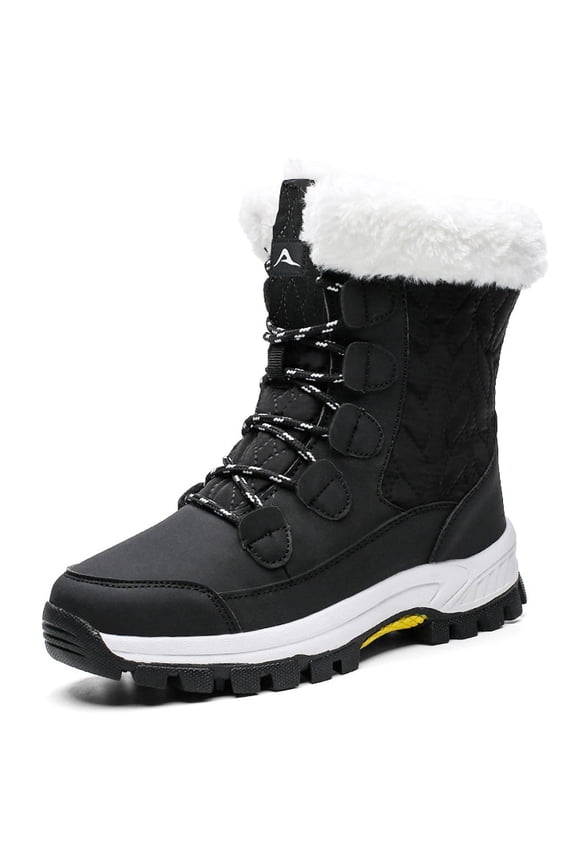
You can shop winter boots more confidently when you compare insulation, traction, and shaft coverage together. Your cold-weather needs may call for waterproof membranes and insulation listed by gram weight.
When you see Thinsulate gram weight, you can use it as a simple warmth guide. Your higher gram options usually suit colder conditions, while lighter insulation can feel easier indoors.
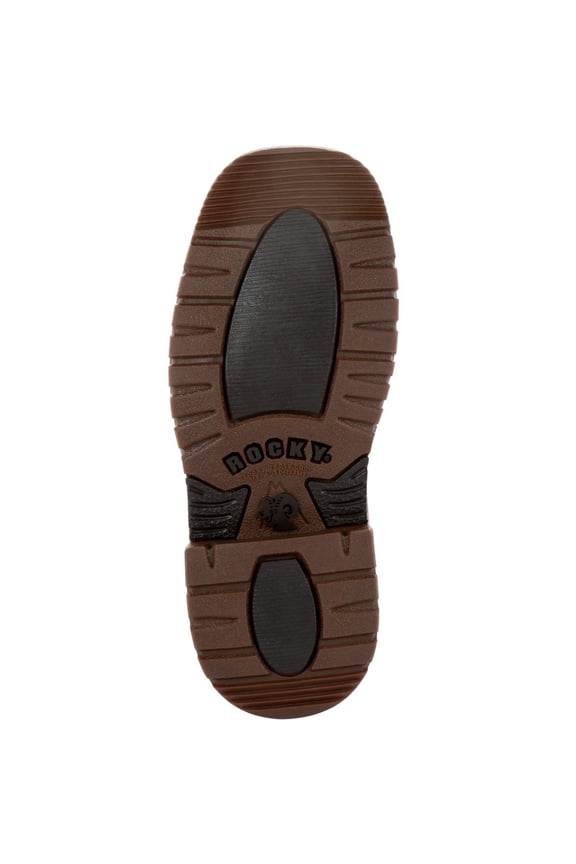
You should also look at outsole tread because winter footing depends on grip as much as insulation. Your commute, school drop-offs, or outdoor time can all shape that choice.
Work boots call for a different checklist centered on support, durability, and jobsite requirements. You can compare safety toe options and ASTM labeling when your role requires specific standards.
Slip-resistance rating matters when your floors stay slick or your workday keeps you moving. You should look for that detail when traction affects how stable your steps feel on the job.
Fit matters across every category, especially when you wear thicker socks or need wide width options. You can also measure calf circumference for tall styles so your boots feel easier to zip and wear.
Care needs can shape long-term satisfaction just as much as style or traction. You may need leather conditioning for some pairs, while synthetic or rubber options usually clean up with less effort.
When you match the right style, material, closure, and fit to your routine, boots become easier to wear across seasons. You can step into daily plans, wet weather, or work tasks with comfort-focused confidence.