



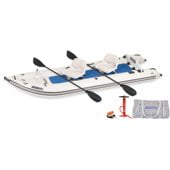
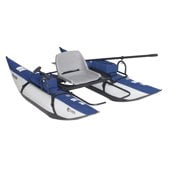
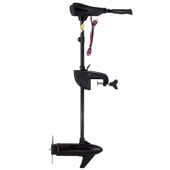
Boats in Boating

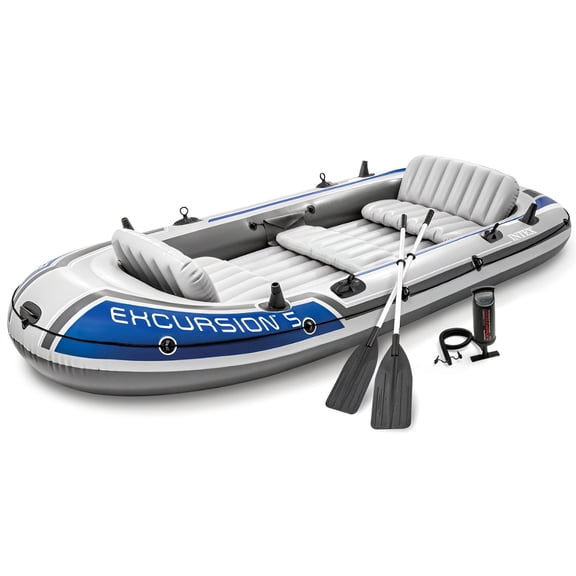


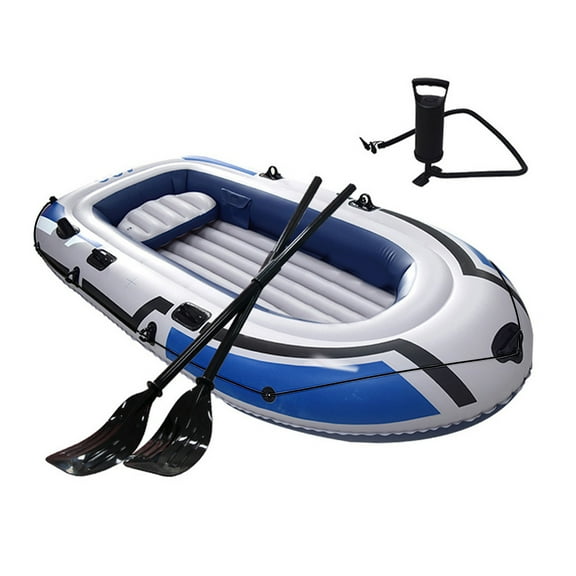
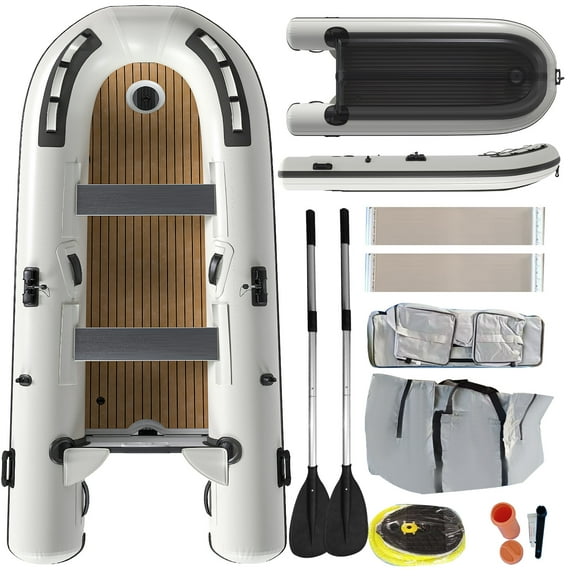
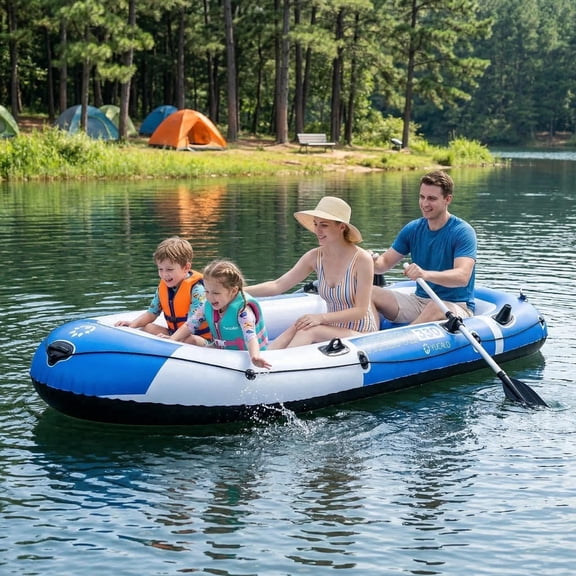






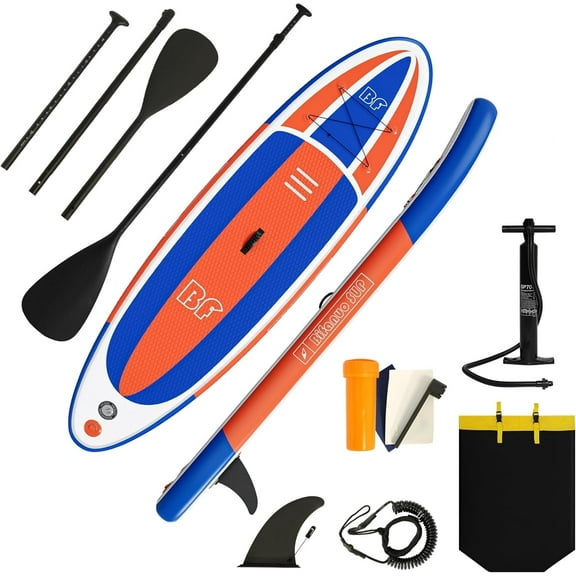


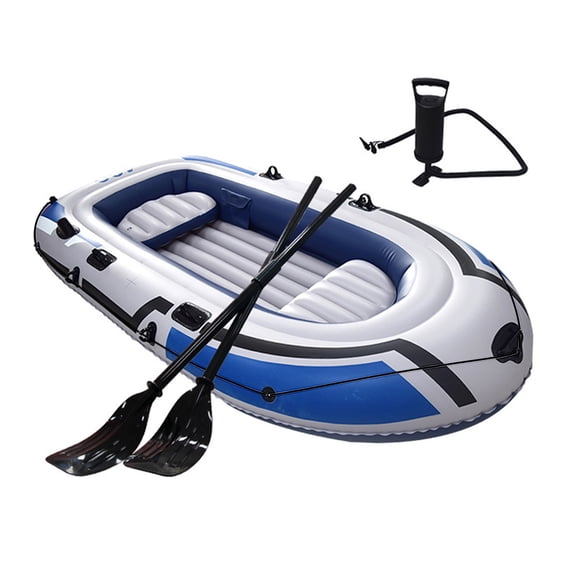

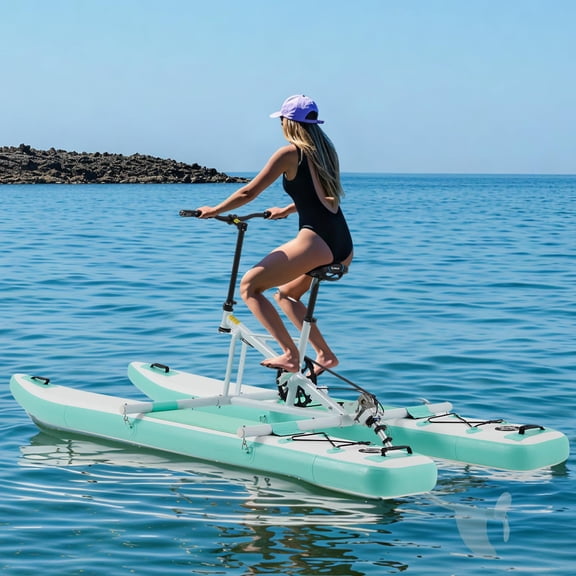
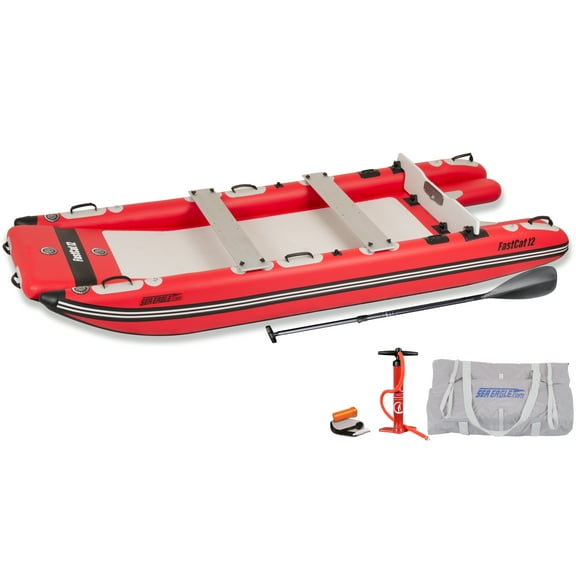
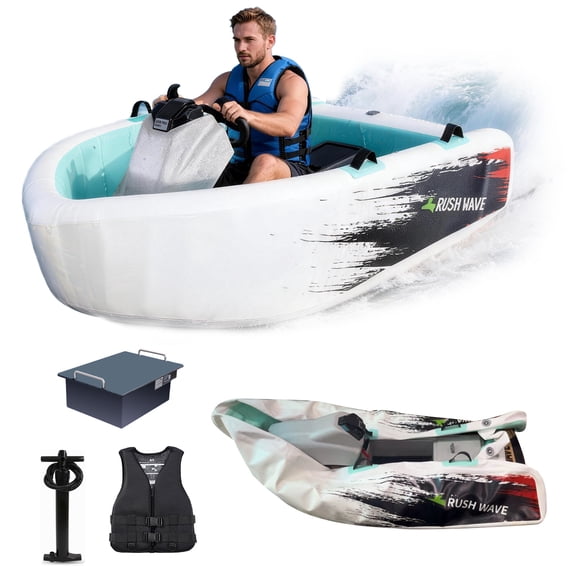
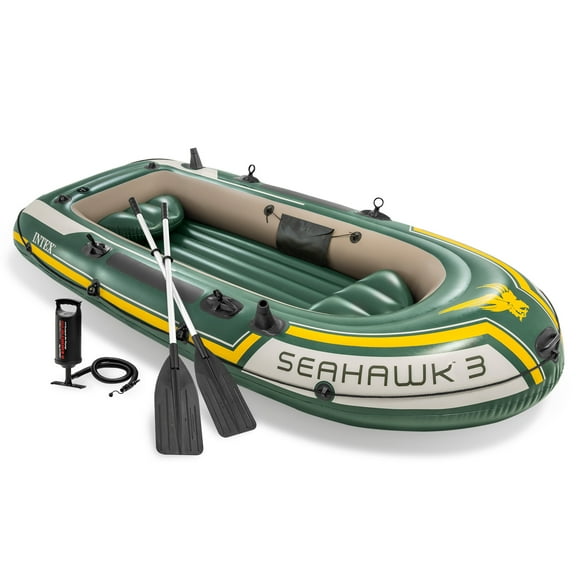
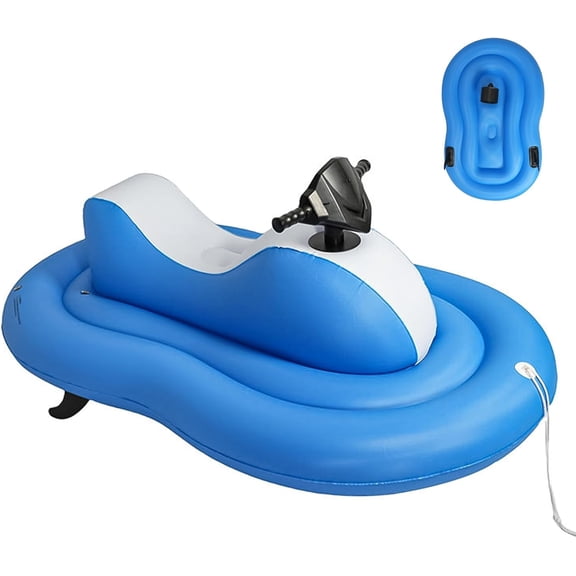
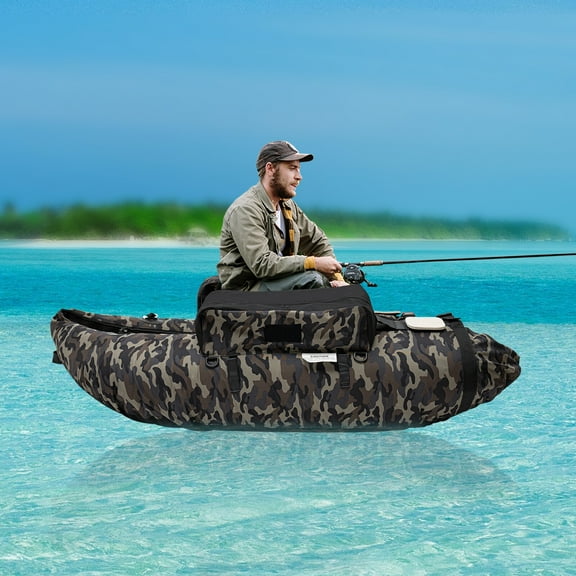






About Boats in Boating - Walmart.com
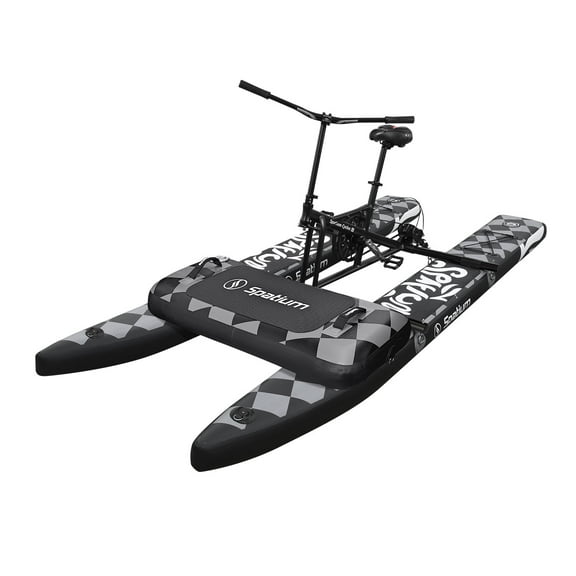
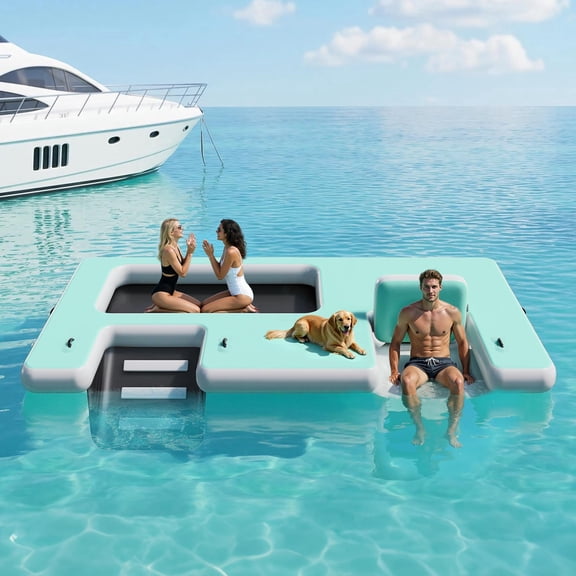
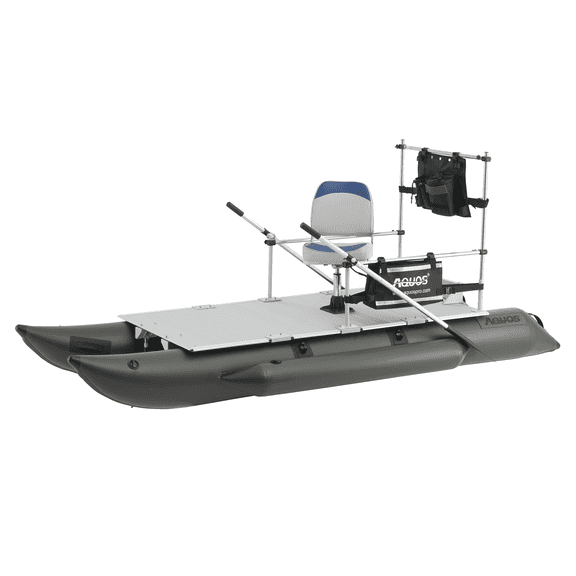
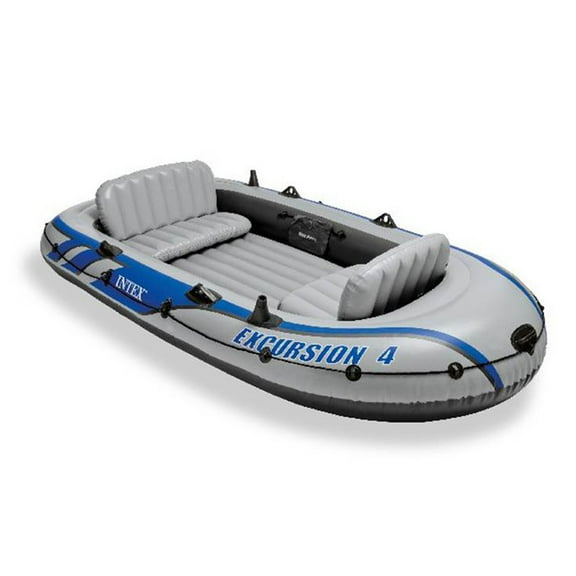
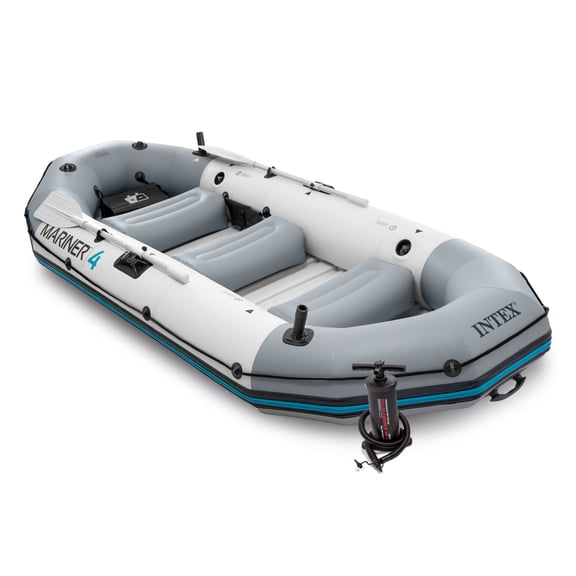
Boats help you get on the water with options for fishing, recreation, and touring. You can compare inflatable boats, small boats, and motorized boats by capacity, material, and transport needs.
If you want a category guide that fits many water plans, you should start with boat type and intended use. You can narrow choices faster when you match hull style, passenger space, and power setup.
How to choose boats for your water plans
You'll want to choose between inflatable, rigid, kayak, and dinghy styles before anything else. Your choice affects storage space, launch time, and how your boat feels on lakes or calm rivers.
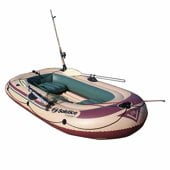
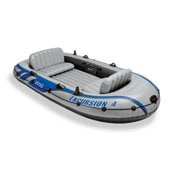
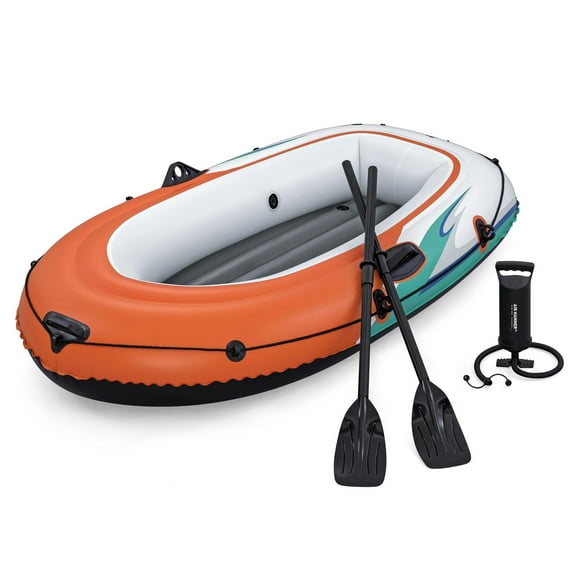
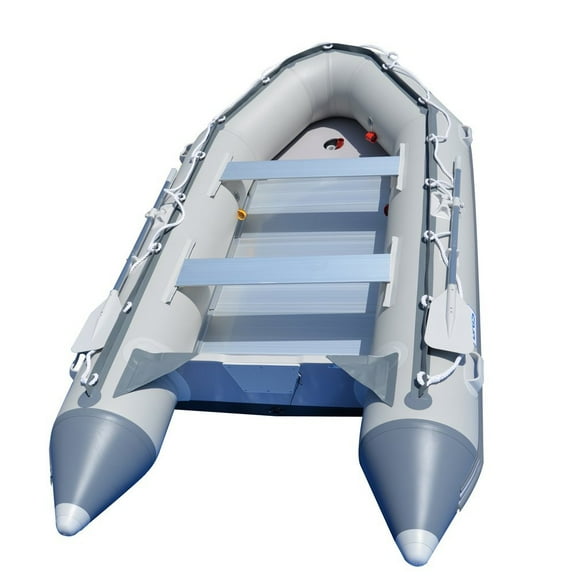
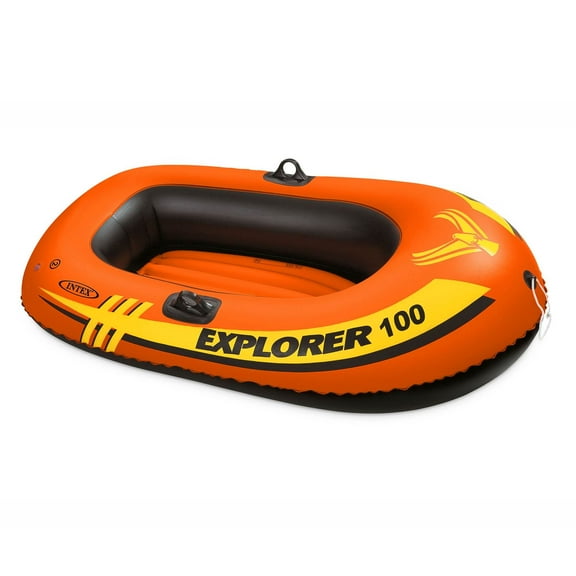
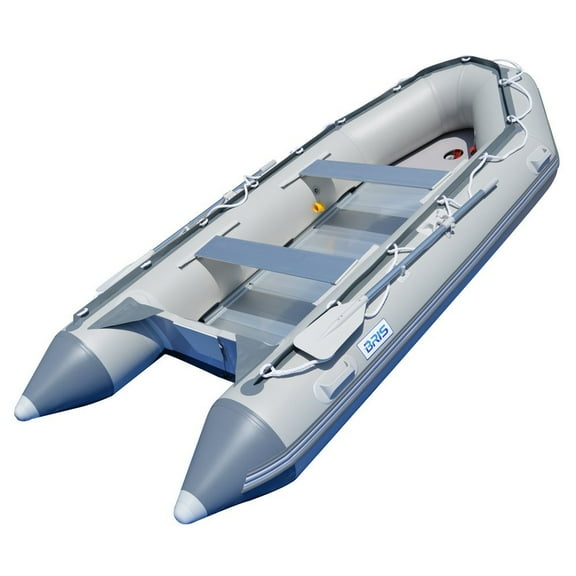
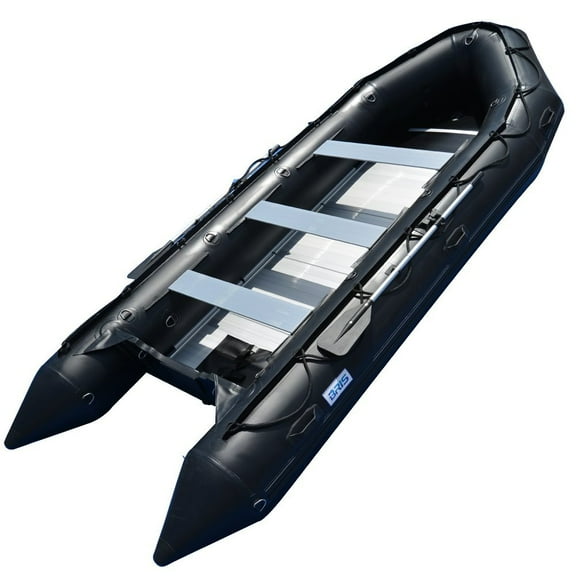
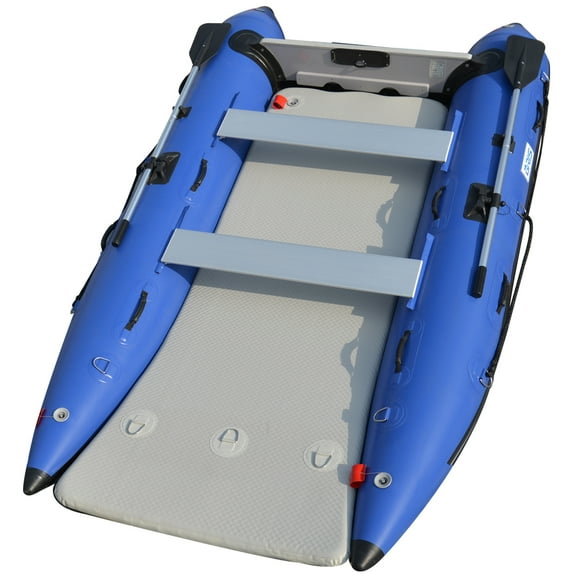
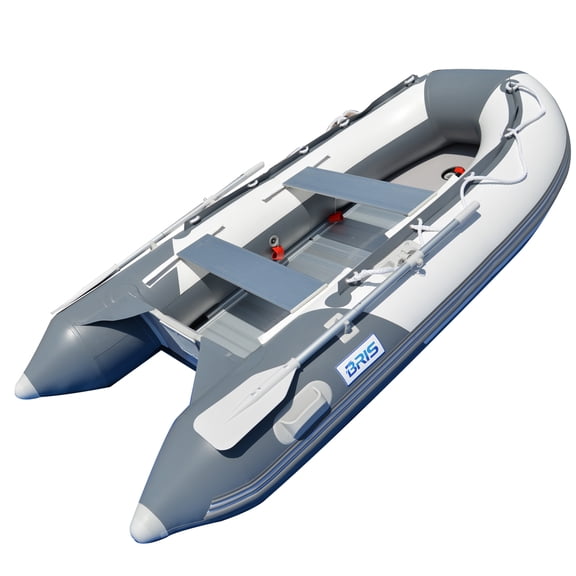
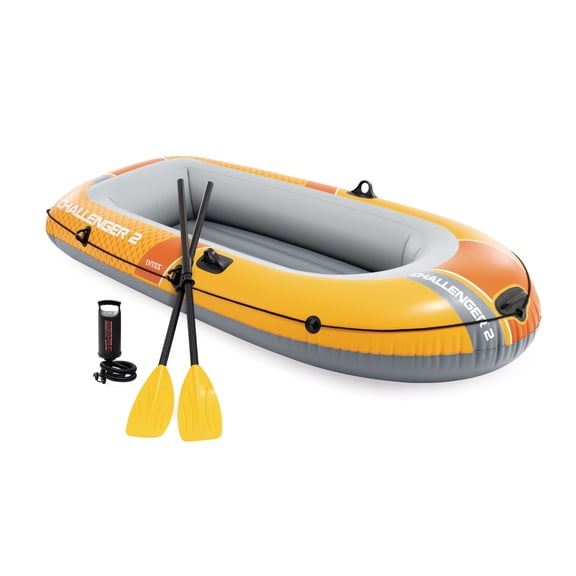
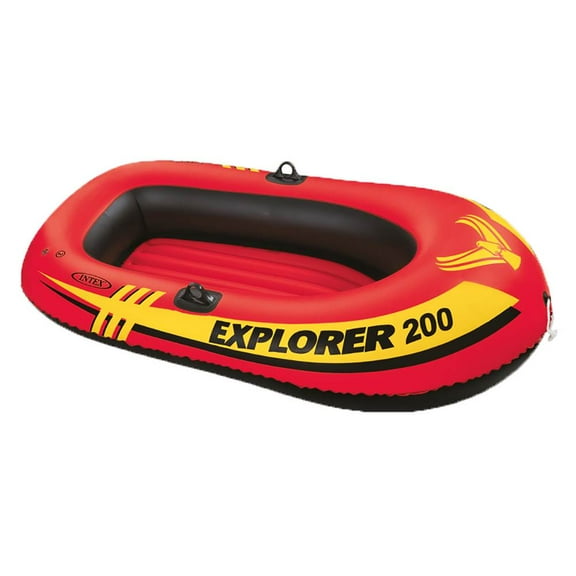
Inflatable boats work well when you need compact transport and easy storage between trips. You can deflate them, pack them in a vehicle, and carry them to the shoreline.
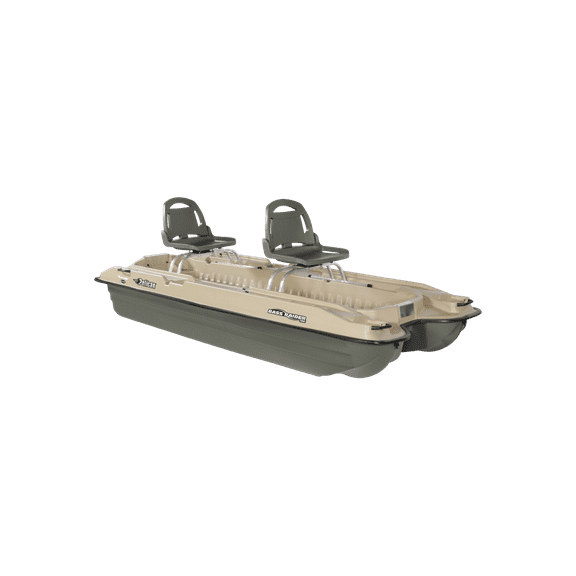
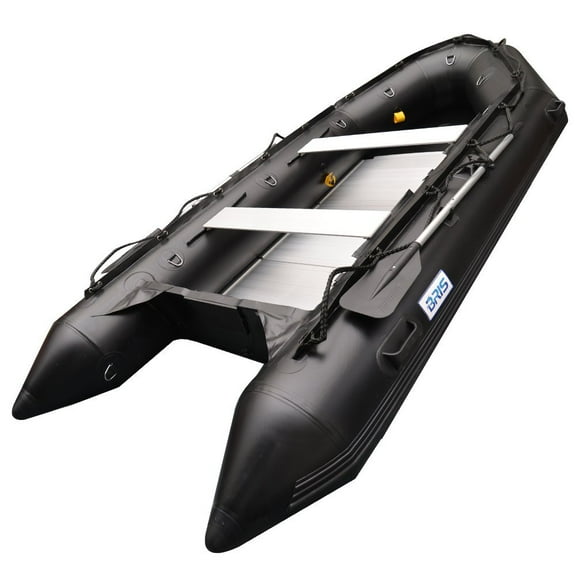
Rigid options suit you when you prefer a fixed shape and a ready-to-launch setup. You may compare aluminum, polyethylene, and fiberglass builds based on your water type and handling style.
- You can choose inflatable boats when your storage space is limited.
- You can choose fishing boats with motor mounts when you want hands-free movement on the water.
- You can choose small boats when you need easier launching and simpler transport.
- You can choose dinghies or kayaks when your trips involve short routes or tight spaces.
Choosing capacity and primary use
You should check passenger and weight capacity early because it shapes comfort and gear room. Your one-person or two-person setup fits quick solo trips, while larger layouts support family outings.
If you pack coolers, tackle, or camping gear, you should leave extra room beyond headcount. You’ll notice a less crowded layout helps you paddle, cast, and move around more easily.
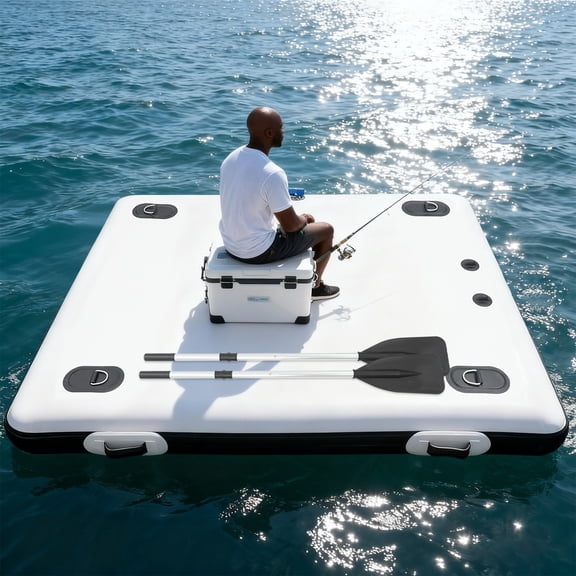
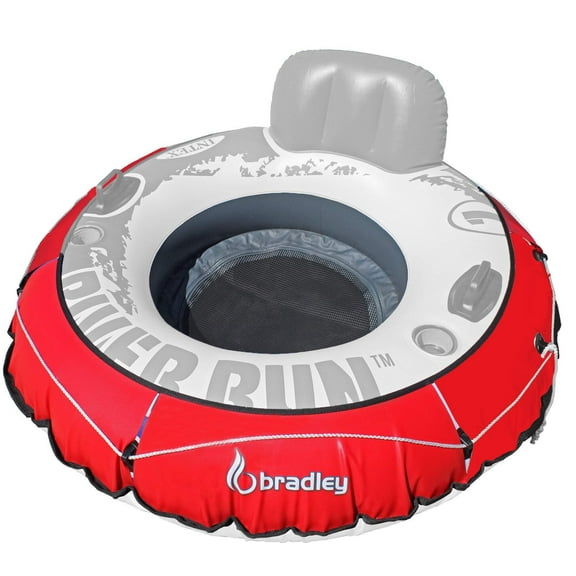
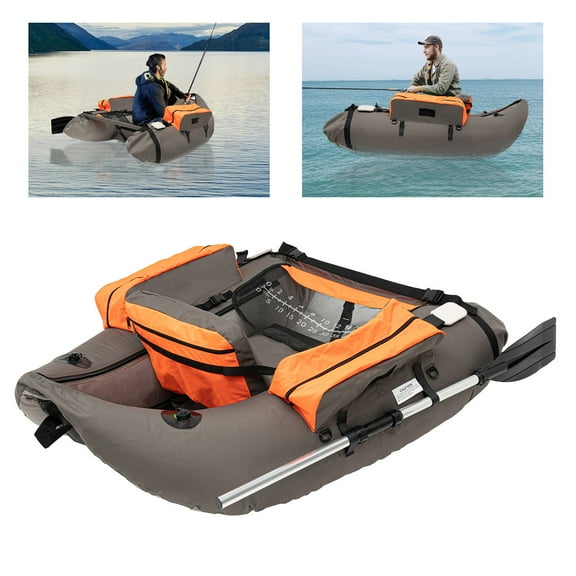
Fishing boats often include layouts that support rods, tackle access, and steady positioning on calm water. Recreational boats usually fit casual drifting, shoreline exploring, and relaxed lake days with friends.
Touring designs help you cover longer distances with more efficient movement through flat water. Whitewater-focused choices give you shapes and materials built for faster current and rougher splashes.
Comparing boat materials and hull durability
You should match material to your launch spots and water conditions before choosing a model. Your hull material affects weight, upkeep, and how your boat handles bumps from docks or rocky edges.
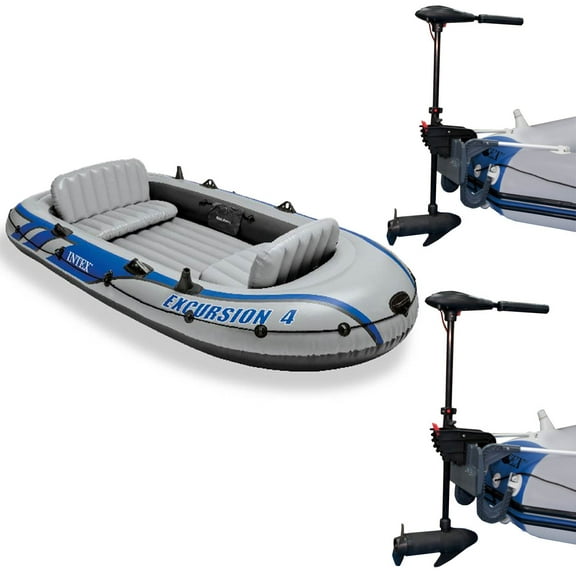
Heavy-duty PVC matters if you’re comparing inflatable boats for transport and storage convenience. You can look for puncture resistance and denier rating, because higher denier usually means thicker fabric layers.
Aluminum can suit you when you want a sturdy rigid hull for repeated lake use. Polyethylene may fit your needs when you prefer impact resistance and straightforward maintenance after weekend trips.
Fiberglass can appeal to you when you want a smooth shape and a refined on-water feel. You should compare finish care and storage needs if your boat stays outside part of the season.
If you launch in calmer water, you may focus on portability and easy cleanup. If you use rocky shorelines or busy docks, you should compare reinforced seams, thicker fabric, and solid hull construction.
Checking inflation, transport, and storage details
You should measure where your boat will live before you choose size or construction. Your garage space, vehicle cargo room, and carry distance can shape whether inflatable boats make more sense.
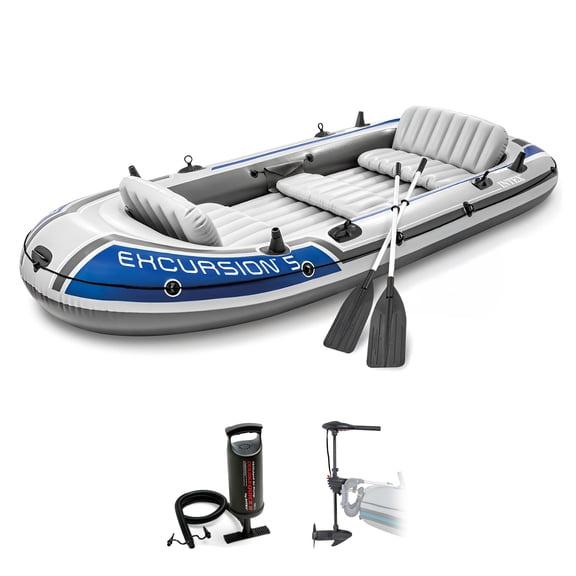
Inflatable rafts and inflatable dinghy styles help you reduce storage bulk between outings. You can carry packed components more easily, then inflate them near the water when you arrive.
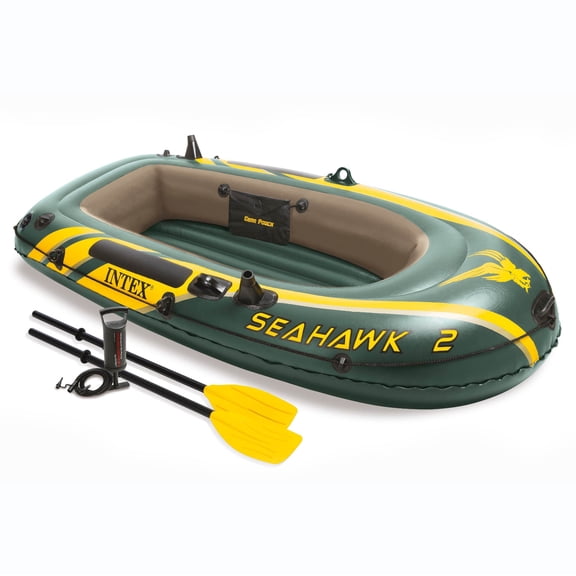
You’ll want to compare setup steps, valve style, and included inflation tools for easier prep. Your launch routine feels smoother when inflation time and packed weight match your trip length.
Small boats also help you manage quick lake visits when you don't want a large trailer setup. You can spend less time organizing transport and more time planning your route and gear.
Understanding paddle and motorized boats
You should decide early if you want paddle control, trolling motor compatibility, or gas outboard support. Your power source affects speed, mounting hardware, and the waters where your setup feels practical.
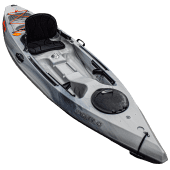
Paddle boats and kayaks give you simple handling for short routes, quiet coves, and relaxed exploration. You can move at your own pace and keep your setup lighter for transport.
If you want motorized boats, you should check transom design, mounting points, and max horsepower. Your boat should also match the shaft length your motor requires for proper fit.
Trolling motor compatible layouts can suit you for fishing when quiet movement matters. You can hold position more easily and adjust direction without constant paddling during longer casts.
Boats with motors may fit your plans when you cover more water in a single outing. You should compare compatibility notes closely so your motor and hull work together cleanly.
Matching boats to real use cases
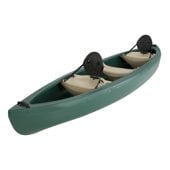
If you want a simple lake day, you may choose small boats with two-person capacity and paddle power. Your setup stays manageable for calm water, light gear, and short launch walks.
For fishing trips, you may look for fishing boats with room for tackle and a trolling motor mount. Your boat can support steady positioning, easier casting, and better access to onboard gear.
If your trips involve travel and compact storage, inflatable boats can fit your routine well. You can deflate them after use, pack them into a vehicle, and store them without a trailer.
For touring, you should compare hull shape, seating room, and gear space for longer outings. Your comfort improves when your boat leaves room for dry bags, snacks, and extra layers.
If you plan mixed recreation with family or friends, you should focus on larger capacity and durable materials. Your group will have more usable room for paddles, coolers, and day-trip essentials.
You can feel more confident choosing boats when you compare type, capacity, material, and power together. Your final pick will fit your water plans, storage space, and launch routine more closely.