

Beverage in Food & Beverage Preparation

















About Beverage in Food & Beverage Preparation - Walmart.com
Commercial beverage equipment helps you serve drinks faster, keep stations organized, and match daily volume across restaurants, offices, and concession setups. You can compare dispensers, brewers, carbonators, and slushy machines in one place, with decision points that fit commercial service.
If you're outfitting a counter, breakroom, or service line, you need equipment built for repeated pours and steady traffic. You can also narrow your options by capacity, application, material, and utility requirements before you choose.
How to choose commercial beverage equipment
When you compare equipment type first, you can match the machine to the drinks you actually serve. You should look at whether you need hot brewing, cold dispensing, carbonation, or frozen drink production.
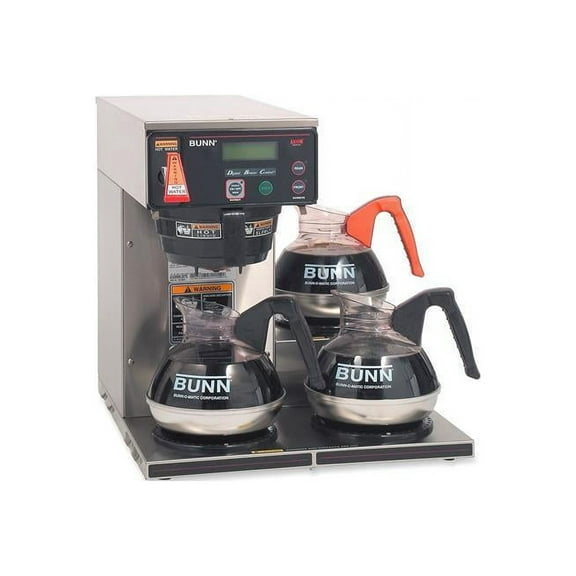
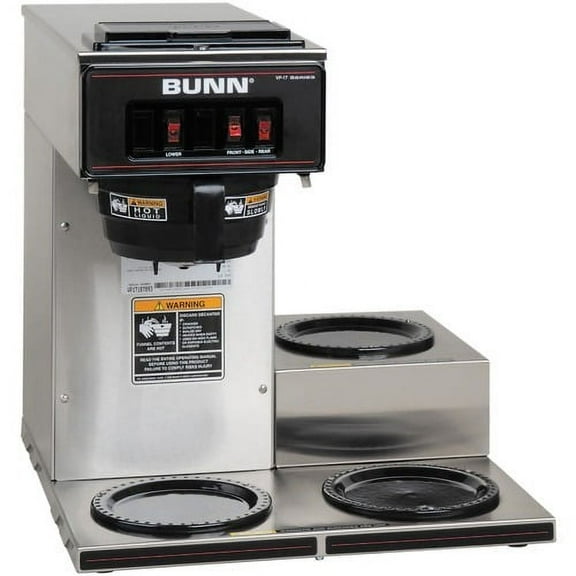
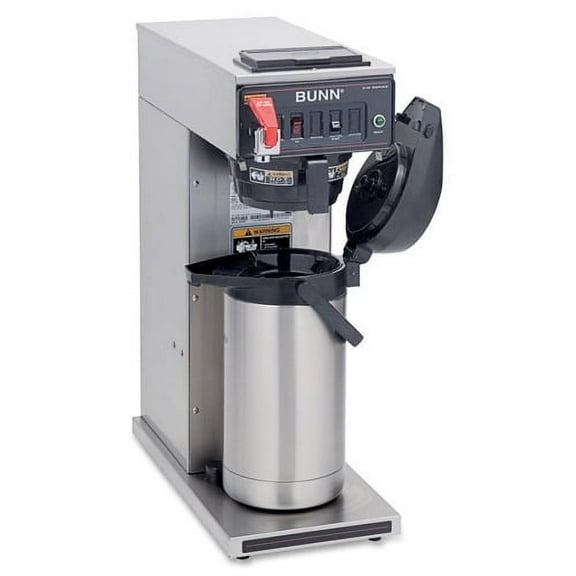
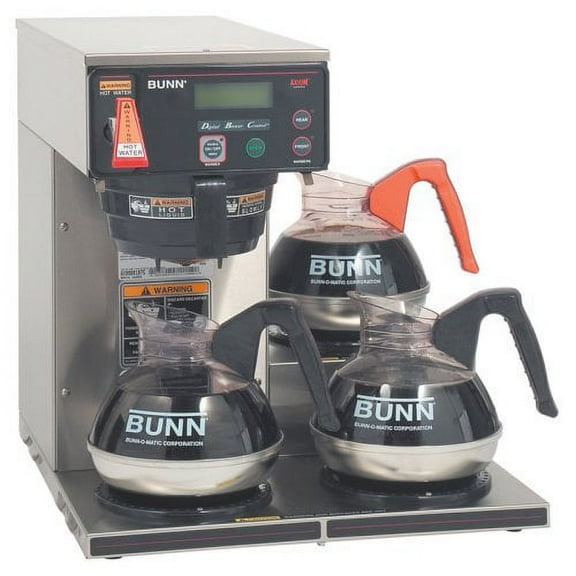
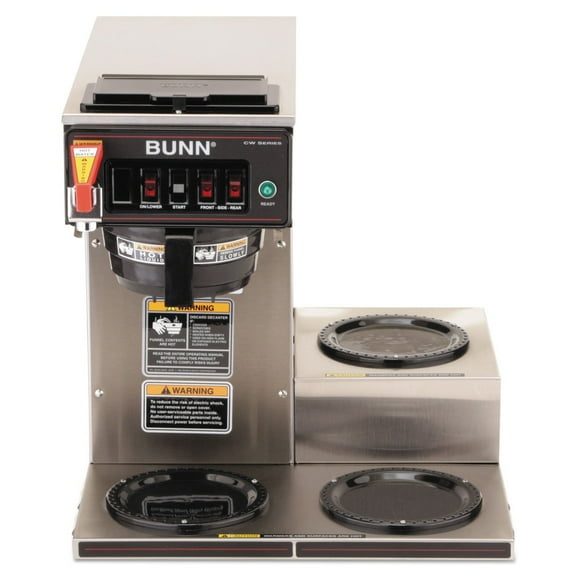
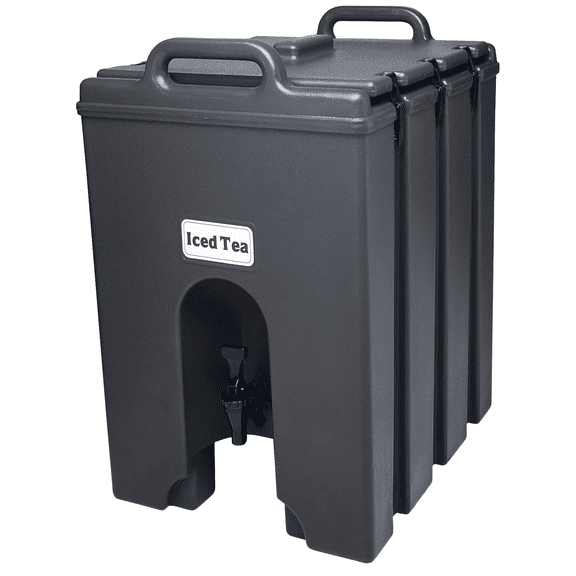
Dispensers work well when you want quick self-service for tea, juice, or infused water during busy shifts. Brewers fit coffee and hot beverage programs, while carbonators and slushy machines support specialty drink menus.
You should also compare how each setup affects labor and counter flow during peak periods. A self-serve unit can reduce line backups, while a brewer can support measured portions and refill routines.
Key differences in commercial beverage dispensers and capacity
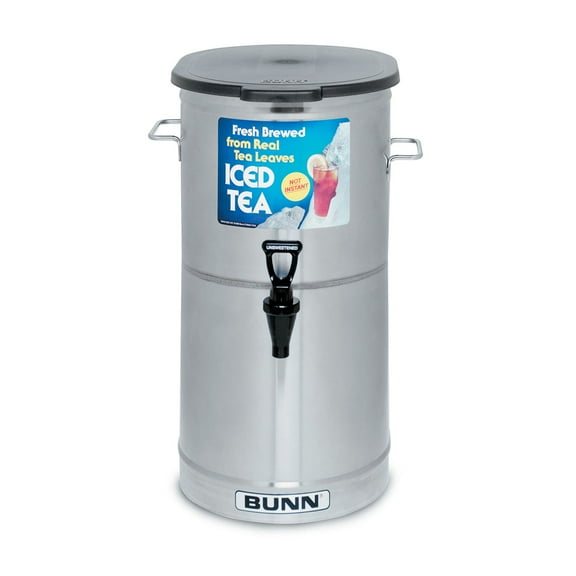
Capacity shapes how often you refill, how long service stays moving, and how much space you dedicate. You can choose single serve models for smaller stations or larger three gallon, five gallon, and high volume options.
If you serve guests in waves, you should check cups-per-hour and recovery time before choosing. Those numbers help you estimate whether your machine can keep up once demand spikes.
You may prefer a compact unit for an office breakroom where traffic stays steady through the day. You may need larger commercial beverage dispensers for a concession stand where rushes hit hard before events.
- You can use single serve equipment when you want portion control and a smaller footprint.
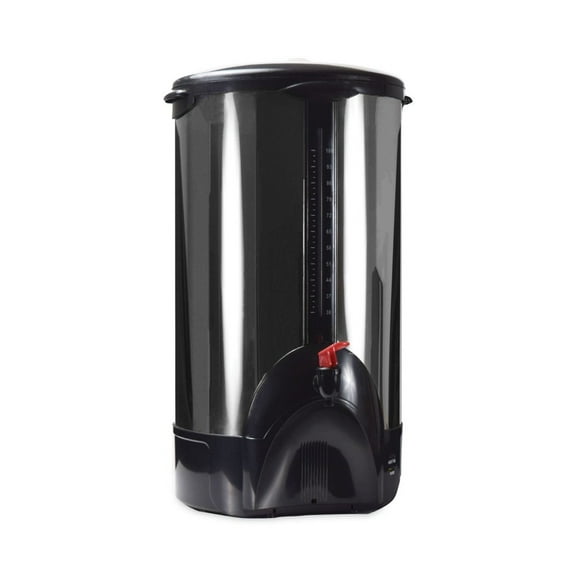
- You can use three gallon or five gallon units when you need visible beverage storage and fewer refills.
- You can use high volume machines when you expect continuous service during lunch, events, or catered functions.
- You should compare cups-per-hour and recovery time when you need consistent output across busy service windows.
What to look for in beverage service equipment
You should check voltage, NEMA plug type, and water line inlet before you finalize any installation plan. Those details help you confirm your space supports the unit without extra guesswork.
If your station already has standard commercial hookups, you can narrow choices quickly by electrical and plumbing compatibility. If your layout is tighter, you should measure width, height, and clearance for filling and cleaning access.
You may also look for NSF certified restaurant beverage equipment when you serve drinks in food service settings. That marking tells you the unit is designed for commercial sanitation standards and routine inspection environments.
Daily cleaning matters because you need equipment that supports quick turnover and consistent presentation. You should compare removable parts, smooth surfaces, and accessible reservoirs that simplify wipe-downs and rinse cycles.
Choosing materials and applications for your setup
Material affects appearance, upkeep, and where your equipment fits in the service area. You can compare stainless steel, BPA-free plastic, and acrylic based on traffic, visibility, and cleaning preferences.
Stainless steel often suits back-of-house or heavy-use counters where you want a durable commercial look. Acrylic can help you display colorful drinks clearly, while BPA-free plastic can support lighter beverage service equipment setups.
Application matters just as much as construction when you plan your beverage station. You should compare restaurant, office breakroom, concession stand, and catering use so your setup matches service style.
For a restaurant, you may need industrial beverage machines that handle repeated output and quick refills through long shifts. For catering, you may want portable units that are easier to transport, place, and refill on site.
In an office breakroom, you might prioritize quieter operation, simple controls, and moderate capacity for steady daily use. At a concession stand, you may focus on fast dispensing, visible product levels, and easy front-counter service.
How commercial beverage equipment fits real service needs
You can match a brewer with single serve capacity when your office wants controlled portions and simple restocking. You can pair a larger dispenser with a restaurant dining room when guests need quick access during meal rushes.
If your menu includes sparkling drinks, you should compare carbonators with your available hookups and output goals. If you serve frozen drinks, you should check slushy machines for recovery time, bowl size, and cleaning access.
You may also need beverage equipment parts when you maintain existing stations or replace worn components. That helps you keep your equipment lineup consistent without changing your full service setup.
When you choose with output, hookups, sanitation, and material in mind, you reduce installation surprises and daily slowdowns. You end up with restaurant beverage equipment that supports smoother pours, cleaner stations, and steadier service.