

Beginner Drums in Beginner Musical Instruments





















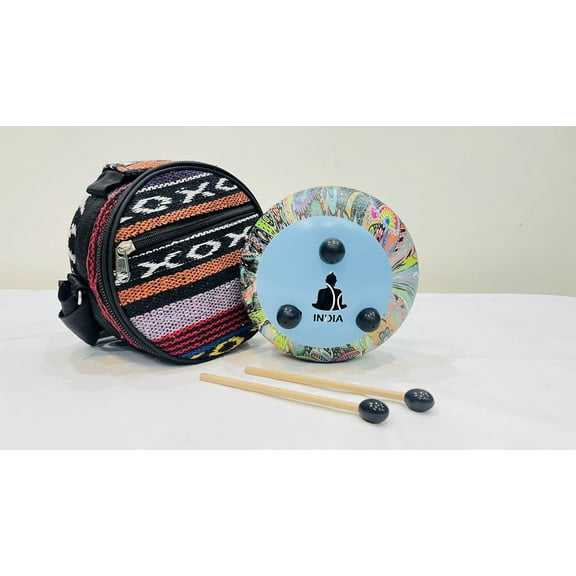


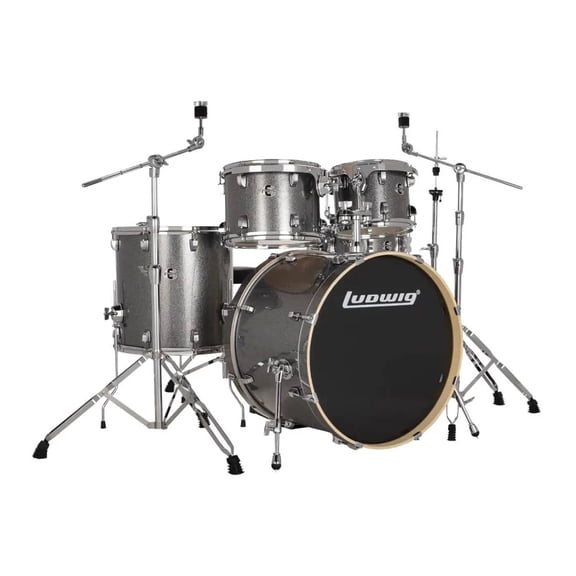
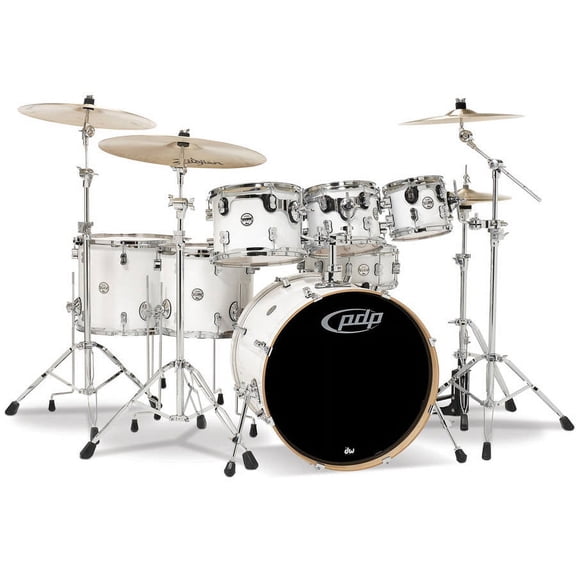
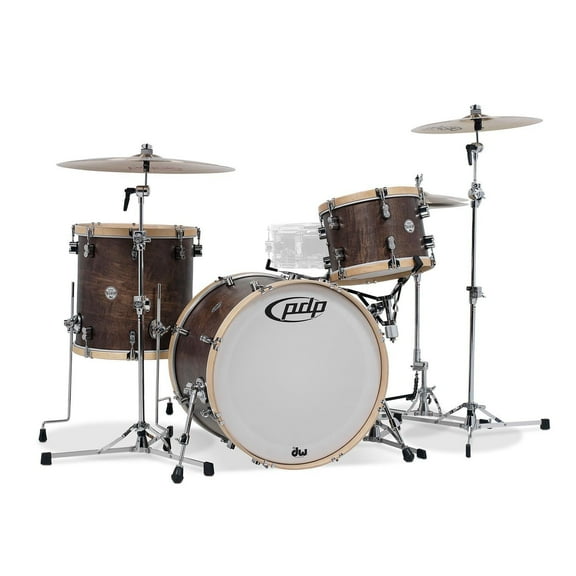




About Beginner Drums in Beginner Musical Instruments - Walmart.com
Beginner drums help you start playing with the right setup, whether you need quiet practice, smaller sizes, or a complete kit. You can compare acoustic, electronic, and junior options faster when you know which features matter first.
Choosing beginner drums by drum type
You'll want to start with drum type because your space and noise level shape everything else. You can narrow your options quickly by comparing acoustic kits, electronic kits, and junior sets.
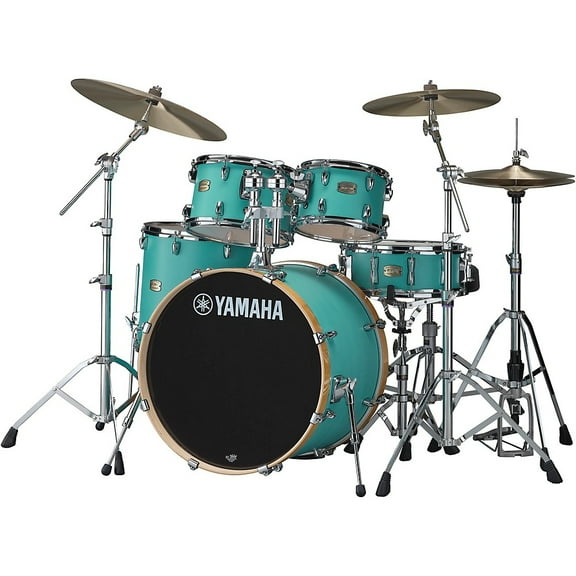
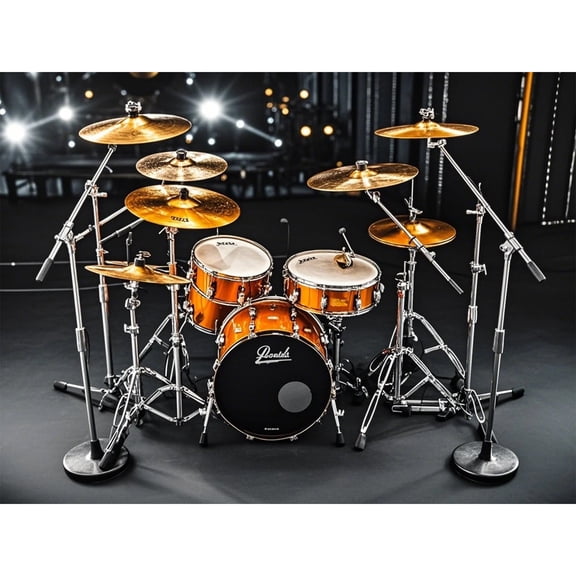
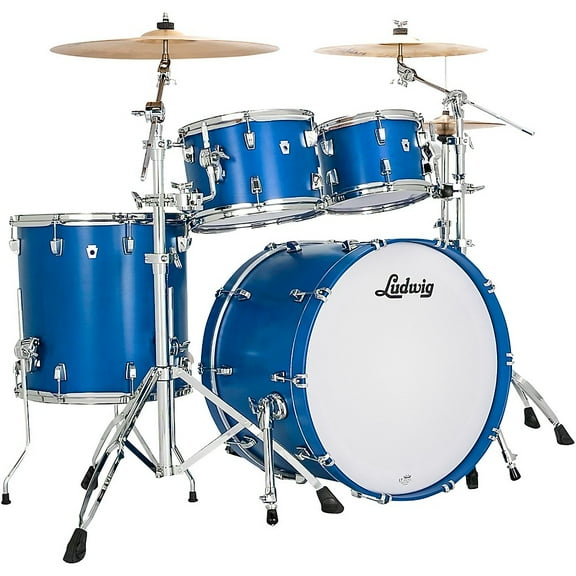
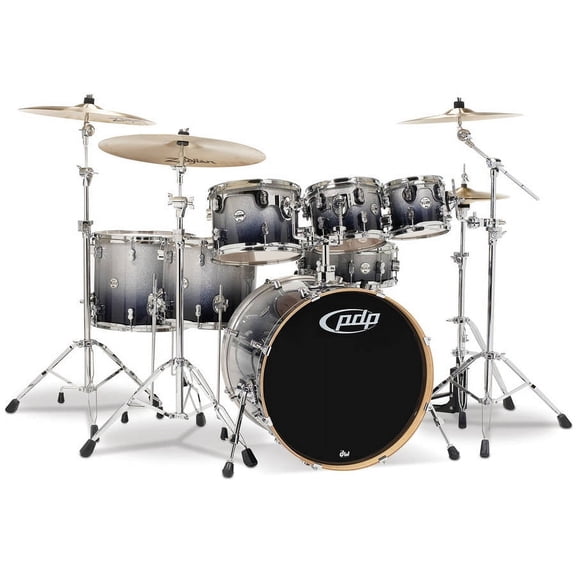
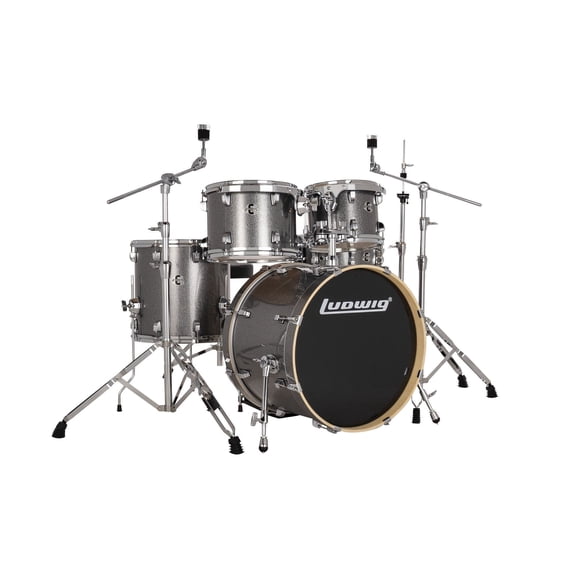
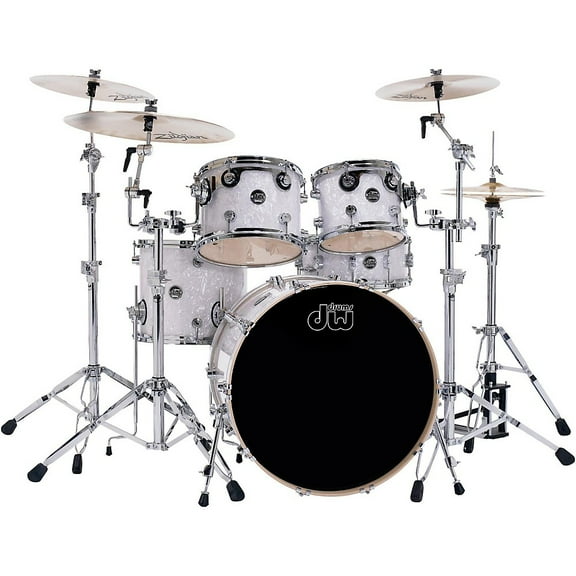
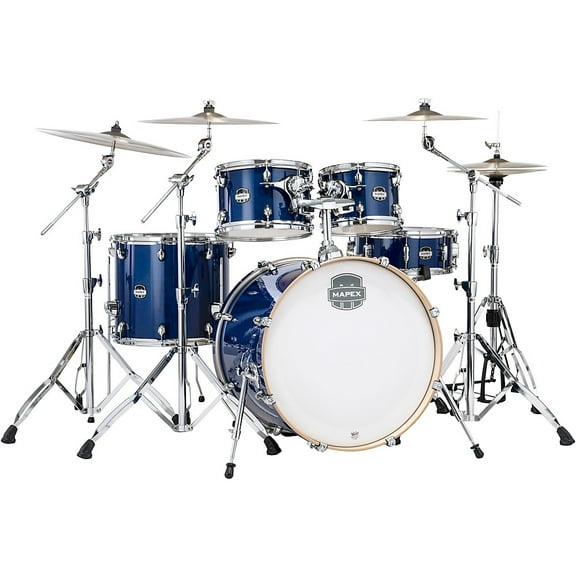
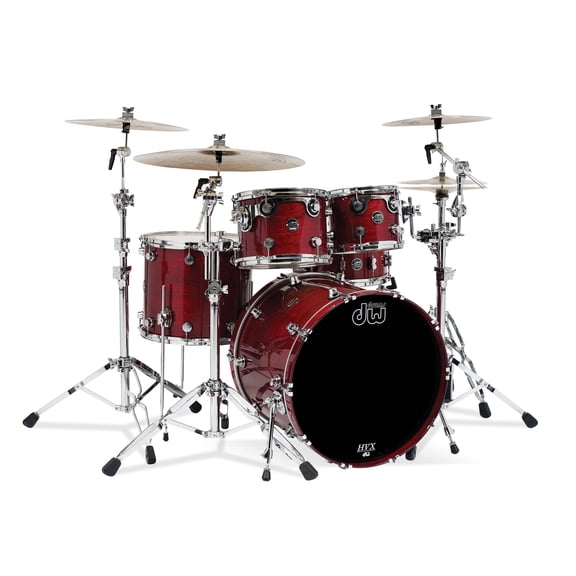
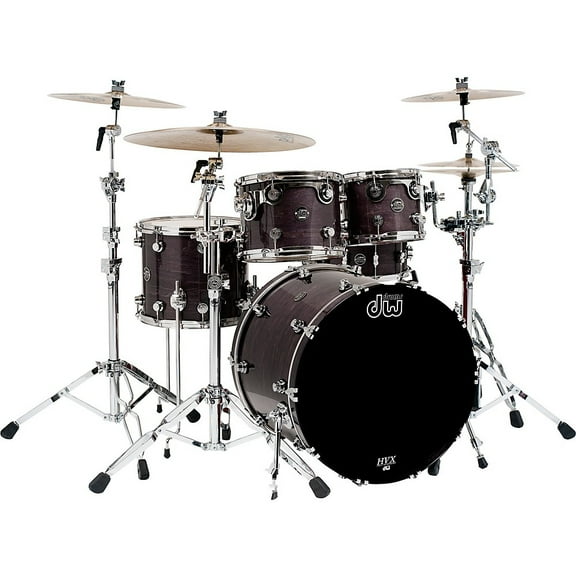
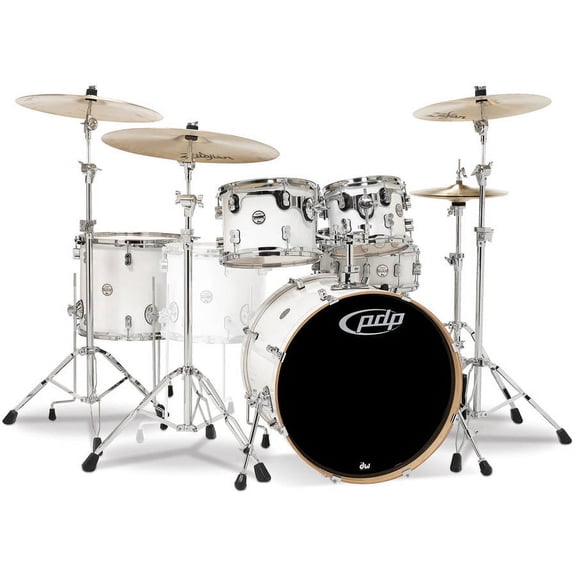
If you want a classic feel and visible shells, you may prefer acoustic beginner drums for full stick response. You'll usually see cymbals and tom layouts that match what many new players expect.
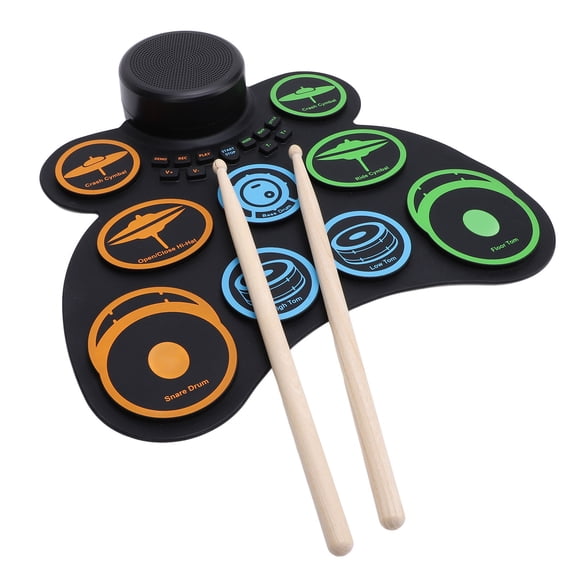
When you need quieter practice, you may lean toward electronic kits with compact pads and headphone-friendly setups. You'll also notice some designs fold down more easily for shared rooms.
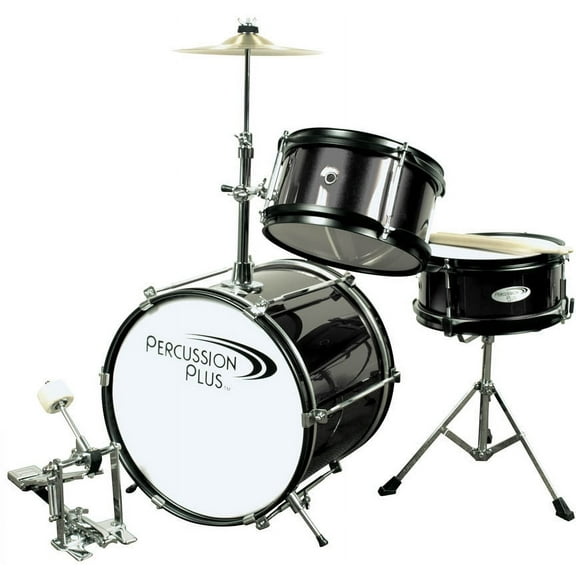
If you're shopping for a younger player, you may choose junior sets with scaled-down sizes and simpler layouts. You'll get proportions that feel easier for smaller arms and shorter reaches.
What to look for in a beginner drum set
You'll make a smarter choice when you compare configuration before you compare looks. You should check whether you need a three-piece setup, a five-piece setup, or a complete kit.
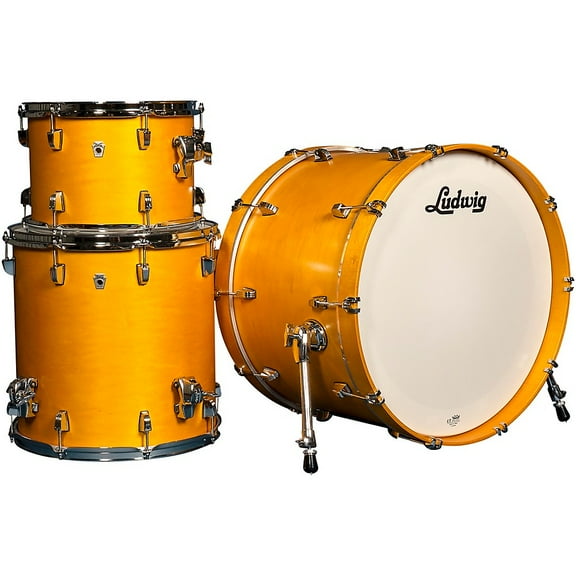
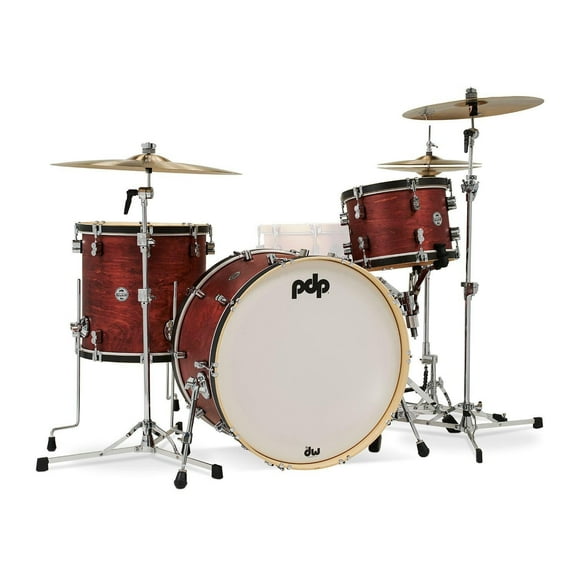
A three-piece setup can feel easier when you want a simpler first layout and less assembly. You'll often get a more compact footprint that fits tighter practice spaces.
A five-piece setup gives you extra tom placement and a fuller learning layout. You can practice transitions across more drums as your coordination improves.
With a complete kit, you should check whether cymbals, a throne, and sticks are already included. You'll avoid guesswork when your first setup arrives ready for basic practice.
- You can choose acoustic kits when you want a traditional drum feel and room-filling sound.
- You can choose electronic kits when you need quieter practice and easier storage.
- You can choose junior kits when your child needs smaller proportions and simpler reach.
- You should compare complete kits if you want cymbals, a throne, and sticks included.
Comparing drums for beginners by age and size
You should match the kit to the player's age, height, and reach before anything else. You'll get a more comfortable starting point when the seat height and drum spacing feel manageable.
For kids, you may want junior drums for beginners that keep everything closer together. You'll help new players reach the snare, toms, and cymbals with less stretching.
For teens and adults, you may prefer full-size kits that offer standard spacing and room to grow. You'll get a setup that feels closer to long-term practice expectations.
You should also measure the area where your kit will sit before you choose. You'll avoid cramped placement when you compare shell depth, rack size, or folding frame dimensions.
Checking included accessories and setup details
You should always confirm what comes in the box before you decide on a beginner drum set. You'll want to know whether cymbals, a throne, sticks, pedals, or pads are included.
If you choose pads only, you may already have hardware or want a custom setup. You'll get flexibility, but you should plan for any extras you still need.
Assembly matters when you're setting up in a bedroom, practice corner, or shared family room. You'll appreciate hardware that adjusts clearly and kits that don't overwhelm your first setup.
Electronic options can be especially practical when you need easier storage after practice. You'll find some folding frames fit better when your floor space changes day to day.
Matching beginner drums to real practice situations
You can match your kit to your routine by thinking about where and when you'll play. You'll make a clearer choice when your practice habits guide the setup.
If you practice in an apartment or shared home, you may prefer electronic drums with a compact rack. You'll get a setup that supports quieter sessions and easier storage.
If you want a classic lesson-room feel, you may choose an acoustic configuration with cymbals and a throne. You'll have a familiar layout for learning basic beats and fills.
When you're buying for a child, you may want a junior complete kit with sticks included. You'll have an easier starting point for birthdays, lessons, or first-time music practice.
If you're building a starter corner in a small room, you may look at three-piece or folding options. You'll keep your setup manageable without giving up regular practice time.
For households with multiple learners, you may compare adjustable components and full-size layouts carefully. You'll get a kit that can support changing players and growing skills.
Choosing the right beginner drums with confidence
You can narrow beginner drums fast when you compare drum type, kit size, age fit, and included accessories in that order. You'll end up with a setup that fits your space, supports steady practice, and feels ready from day one.