

Bathtubs
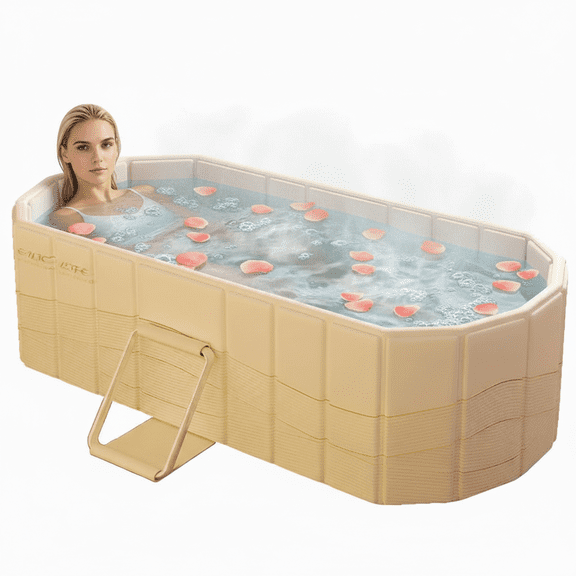


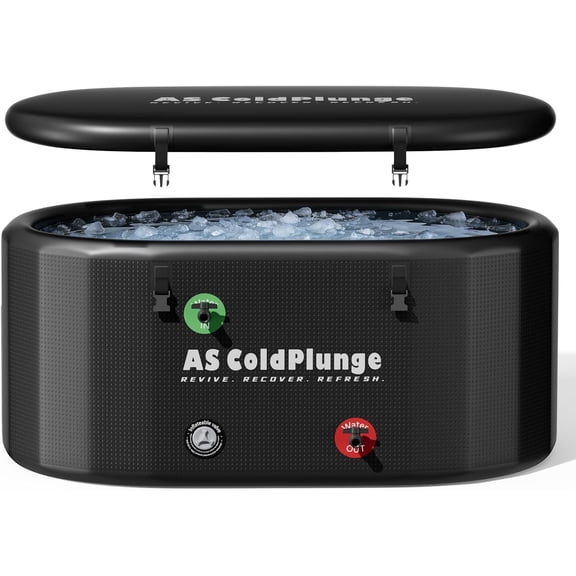




















About Bathtubs - Walmart.com
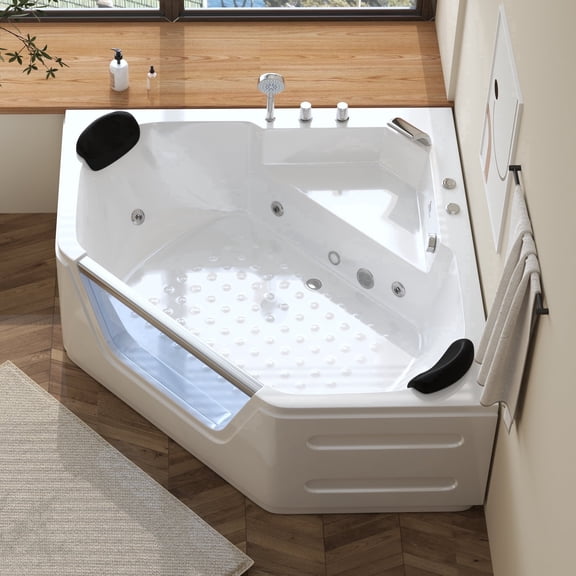
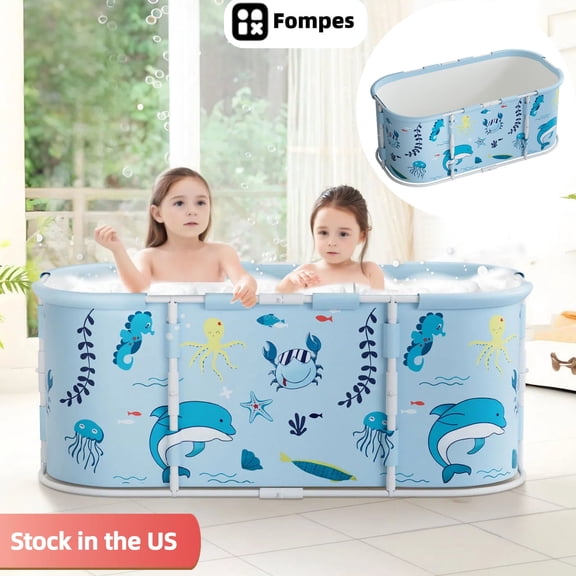
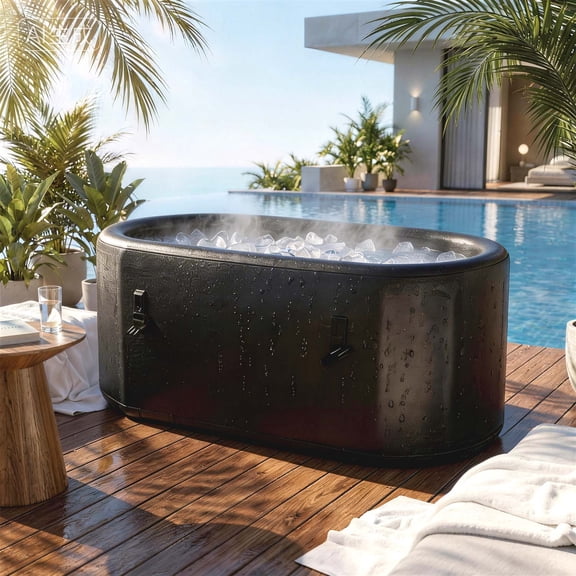
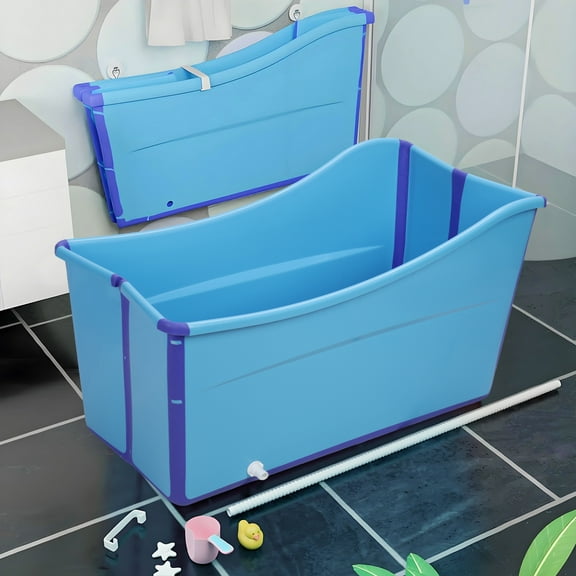
Bathtubs help you plan a bathroom that fits your space, your routine, and your installation needs. You can compare alcove layouts, freestanding profiles, soaking depth, and material options with clear decision points.
If you're replacing an older tub, you'll want measurements that match your rough-in dimensions and drain placement. If you're remodeling, you'll also want a style that fits your floor plan and bathing habits.
How to choose bathtubs by installation type
You should start with installation type because it shapes fit, plumbing access, and wall requirements. You can compare alcove, freestanding, drop-in, and undermount designs before you narrow material or size.
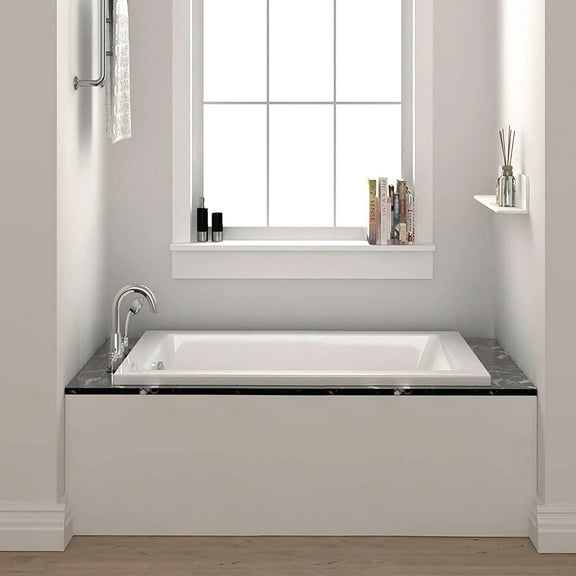
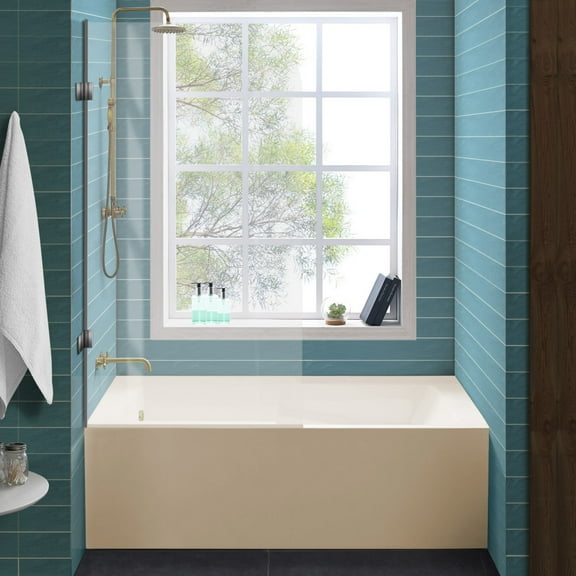
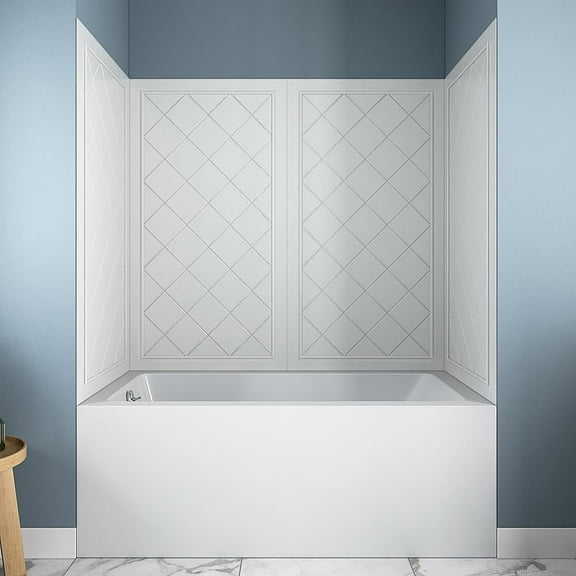
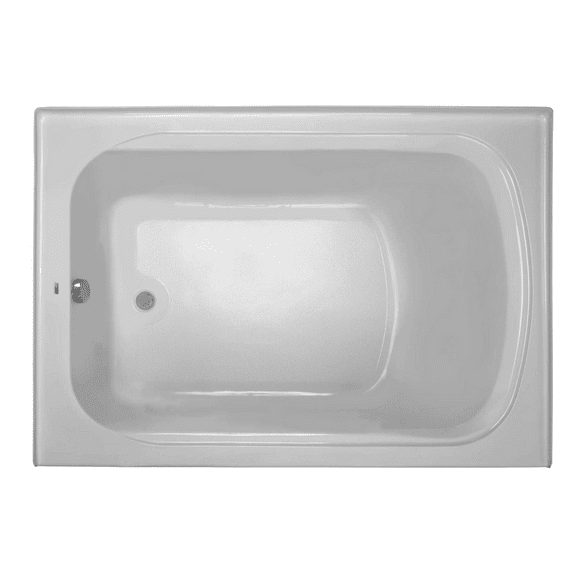
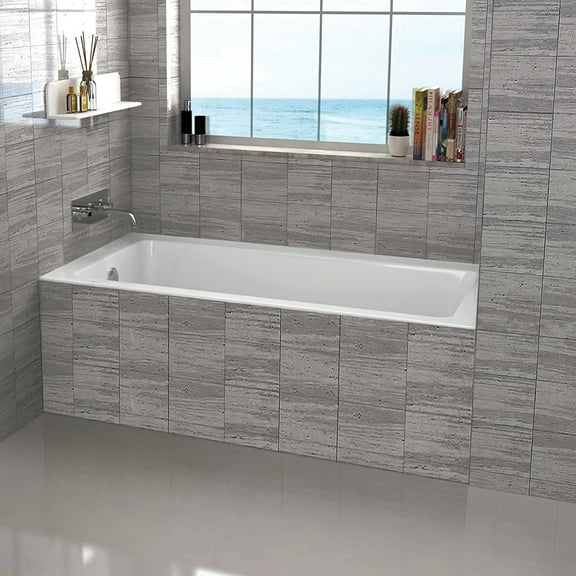
Alcove bathtubs suit bathrooms where your tub fits between three walls and connects to an existing surround. You should measure width, length, and apron orientation before you confirm your drain location.
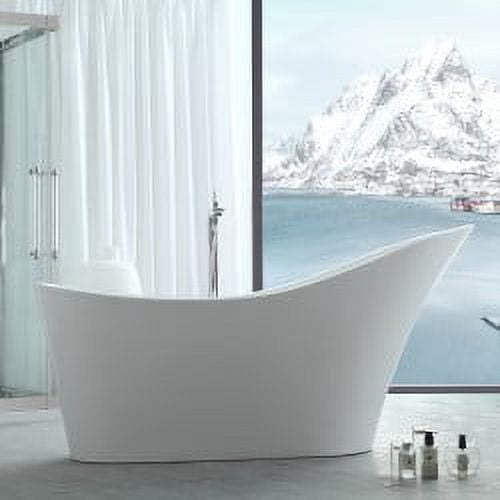
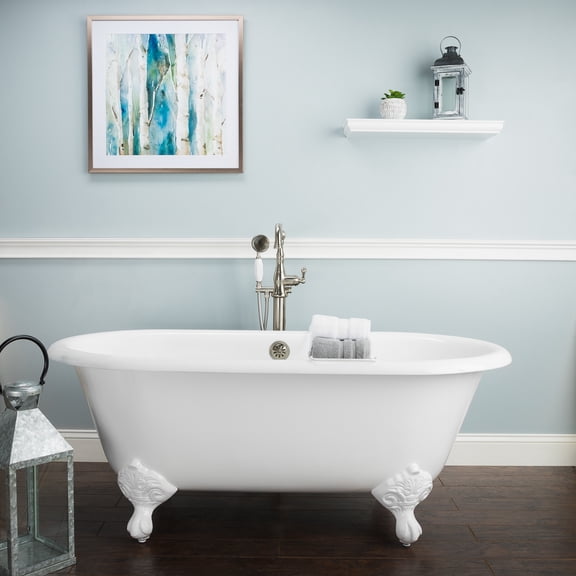
Freestanding bathtubs fit open layouts where your tub remains visible on all sides. You can place them in larger bathrooms when your floor plan allows clear space around the tub.
Drop-in tubs fit into a framed deck, so you should plan for surround dimensions and faucet placement. Undermount tubs sit below the deck edge, and you should check countertop finish details before you choose.
- You can use alcove bathtubs for common replacement projects in 54-inch or 60-inch openings.
- You can choose freestanding bathtubs when your bathroom layout supports open-side placement.
- You can consider drop-in tubs when your remodel includes a built surround or deck.
- You can compare undermount tubs when your design calls for a smooth deck edge.
What to look for in acrylic bathtubs and other materials
You should compare materials closely because your choice affects weight, surface feel, and heat retention. You can also use material details to match your installation plan and cleaning preferences.
Acrylic bathtubs give you a lighter option that can simplify delivery and placement in many homes. You'll often notice acrylic warms quickly, and you may like how it supports longer soaking sessions.
Cast iron tubs bring substantial weight, so you should confirm floor joist capacity before installation. You'll notice cast iron takes longer to warm, yet it can keep water hot for longer after filling.
Fiberglass tubs can suit straightforward updates when your project calls for a lighter build and familiar sizing. You should compare finish feel and maintenance expectations if fiberglass fits your bathroom plan.
Porcelain-enameled steel gives you a hard surface with a traditional look in many bathrooms. You can compare it with acrylic if your project balances installation weight, feel, and upkeep.
Choosing size, rough-in dimensions, and soaking depth
You should measure your bathroom carefully before you choose tub length or basin depth. You can avoid fit issues when you check rough-in dimensions, entry clearance, and the path into your room.
A 54-inch tub can fit shorter footprints where your bathroom leaves less wall space. A 60 inch bathtub often matches common replacement openings, so you can plan with familiar dimensions.
A 72-inch tub gives you ample room to stretch out when your layout supports extra length. You should also compare interior basin shape because outside size doesn't always equal usable soaking space.
Standard soaking depth can suit everyday bathing when your priority is a familiar water line and easy entry. A deep soaking tub can raise water coverage, and you may prefer that for a fuller bath.
Japanese soaking styles usually pair deeper water with an upright seated position. You should compare tub height, interior depth, and surrounding clearance before you choose that format.
How alcove bathtubs and freestanding bathtubs fit your project
You may need a tub that fits an existing alcove without changing nearby walls or plumbing lines. You should check drain placement, apron side, and finished dimensions so your replacement aligns with your layout.
If you're designing a new primary bath, freestanding bathtubs can define the room visually. You can pair that layout with open floor space and separate fixtures for a highly flexible plan.
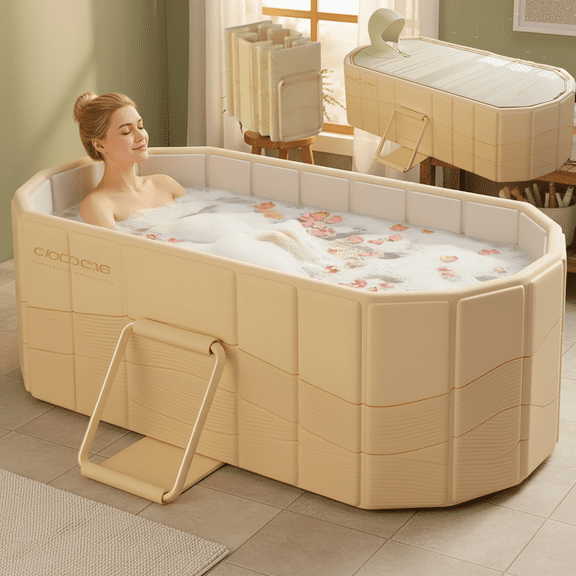
You might want soaking tubs for evening routines where your comfort matters along with fit. You should compare back slope, arm room, and water depth so your tub matches the bathing style you prefer.
If you're updating a family bathroom, acrylic bathtubs can make handling and installation planning easier. You can also compare common lengths and surround options when you want a coordinated update.
When your project includes upper floors, you should pay attention to filled tub weight before installation. You can compare lighter materials with cast iron and confirm structural support with your installer.
You may also want to coordinate your tub with bathtub faucets, shower walls, and bathroom vanities. You can create a unified bathroom when your fixture style and finish work together.
Why bathtub details matter
You can choose with more confidence when you compare installation type, material, size, and soaking depth together. Your bathroom works harder for you when your tub fits your space, your plumbing, and your daily routine.