









Arm support in Braces and Supports












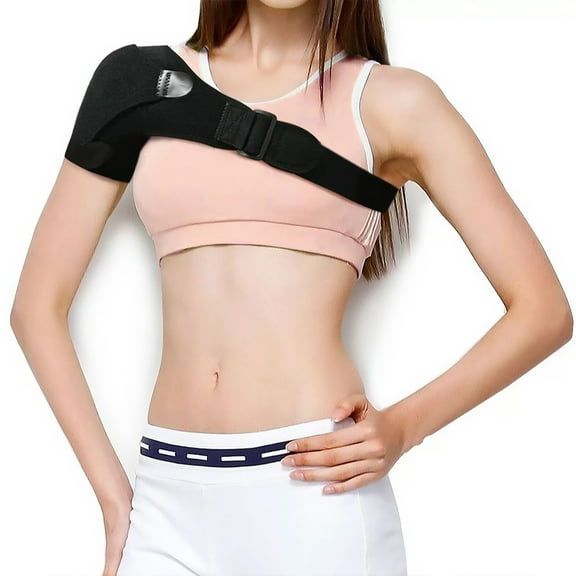
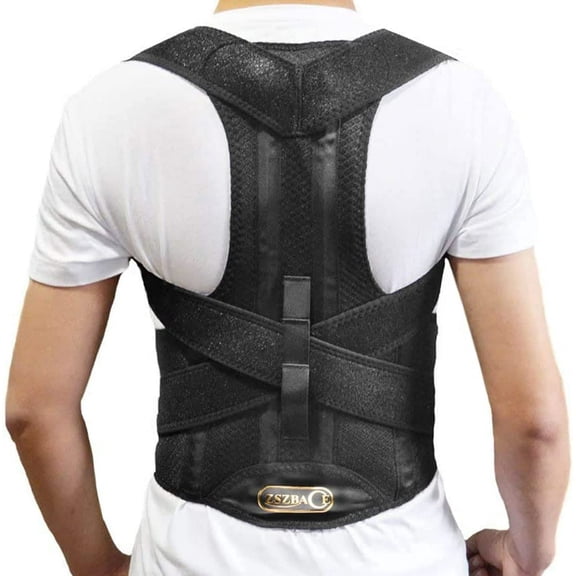

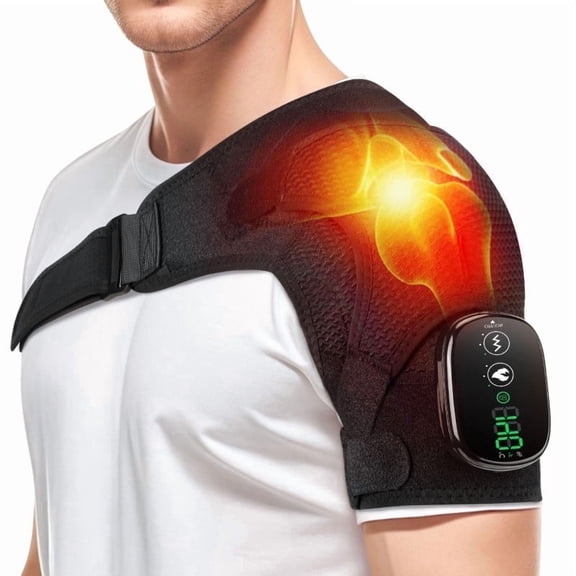


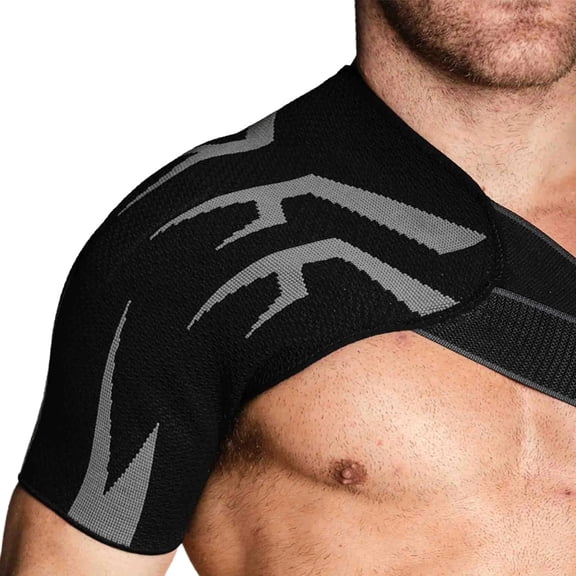
About Arm support in Braces and Supports - Walmart.com
Arm and shoulder support helps you compare braces, slings, and sleeves for fit, coverage, and daily comfort. You can use this guide to choose the right support level, material, and adjustability for your routine.
If you're narrowing options for recovery or everyday wear, you need category details that match real use. You can compare a shoulder brace, an arm sling, or an arm support sleeve by how each one stabilizes movement.
How to choose arm and shoulder support
When you choose arm and shoulder support, you should start with the area you want to cover. You may need support for your left shoulder, right shoulder, both sides, or your arm and elbow.
Your support level affects how much movement you keep during the day. You can look for mild or moderate compression for active wear, or structured hold for post-surgery routines.
You'll also want a fit that matches your measurements before you order. You should check chest or bicep circumference, because sizing affects comfort, placement, and steady support.
As you compare options, you should also consider how easily you can put the support on. You may prefer designs you can adjust with one hand during solo wear.
Choosing a shoulder brace or arm sling
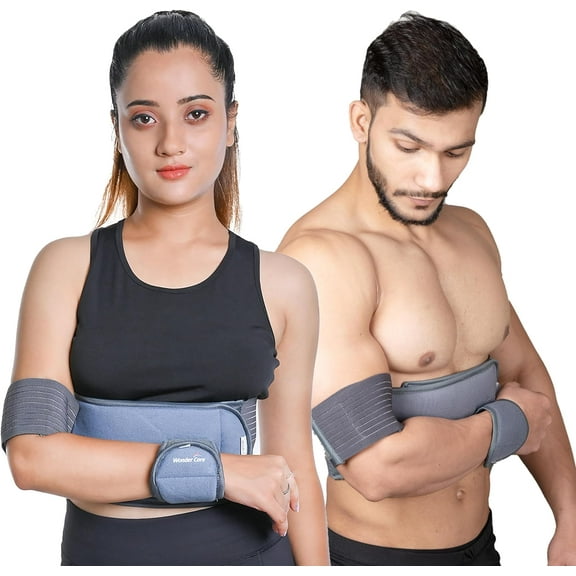
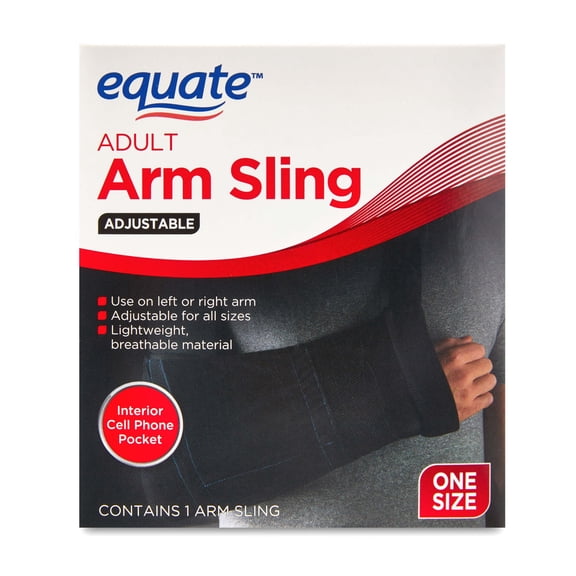
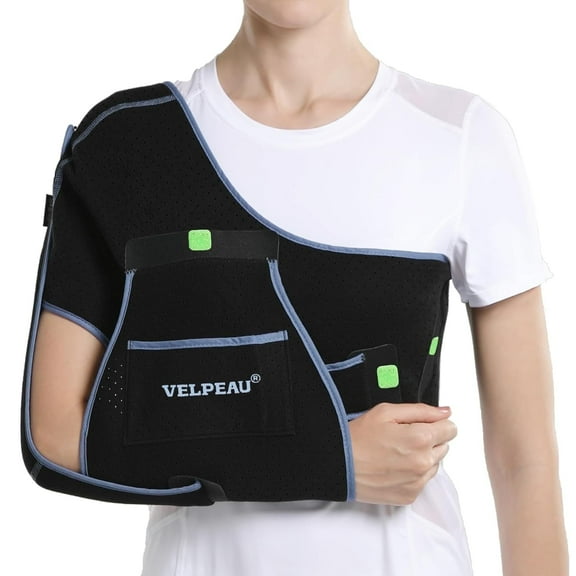
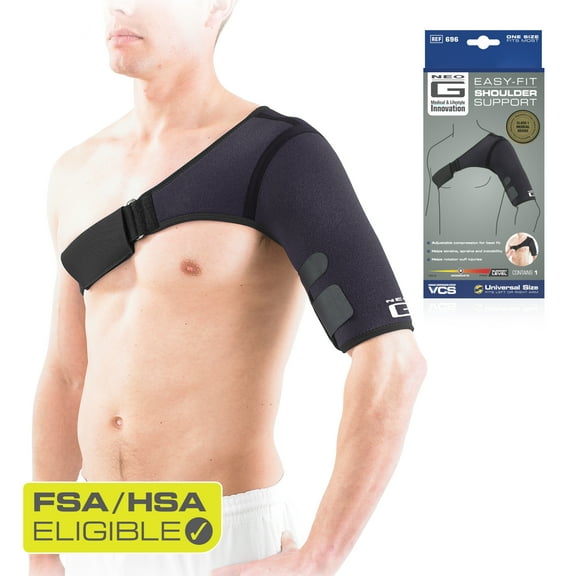
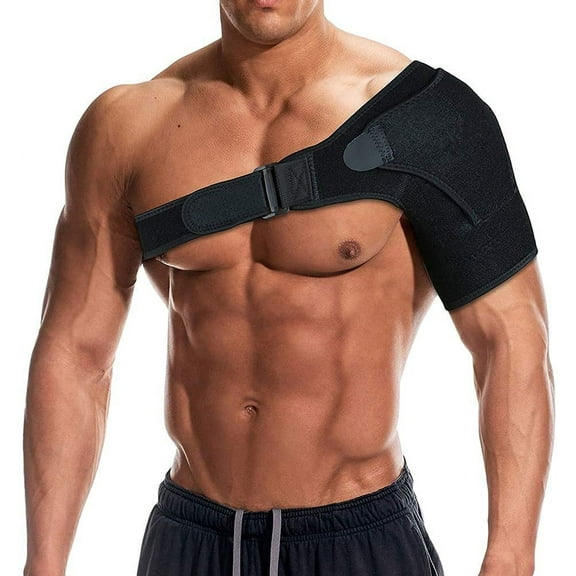
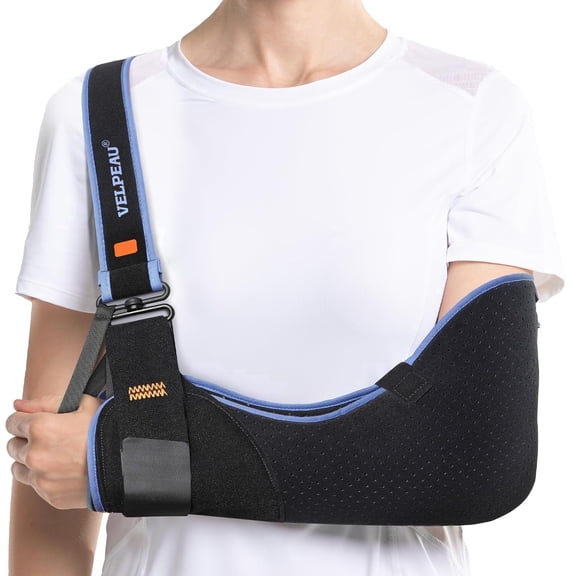
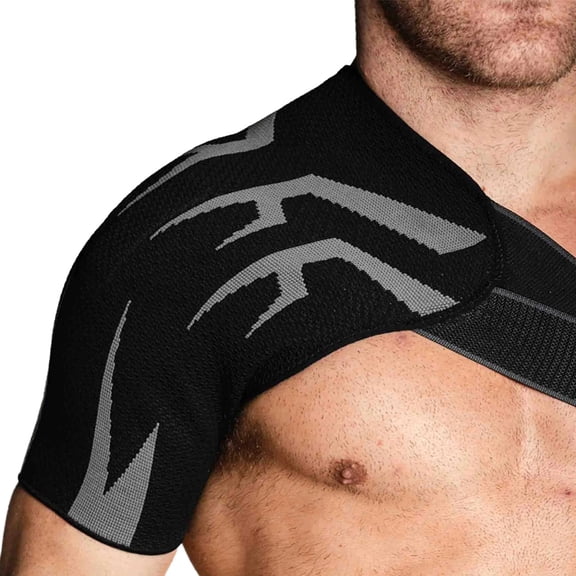
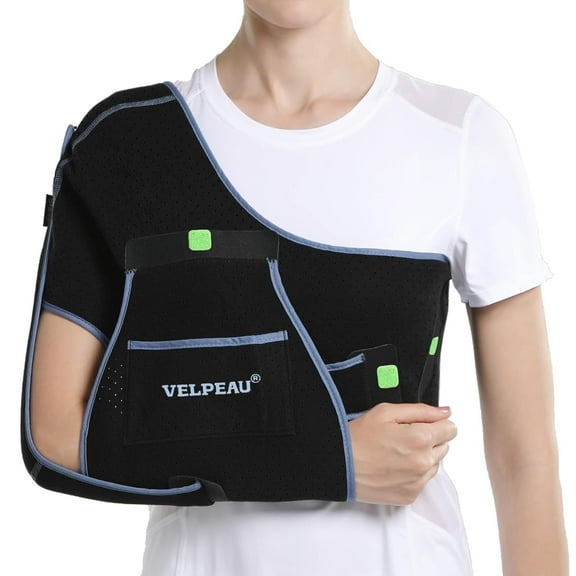
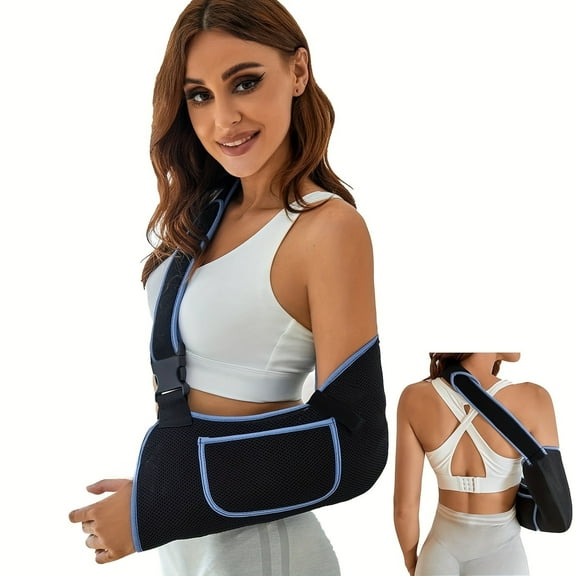
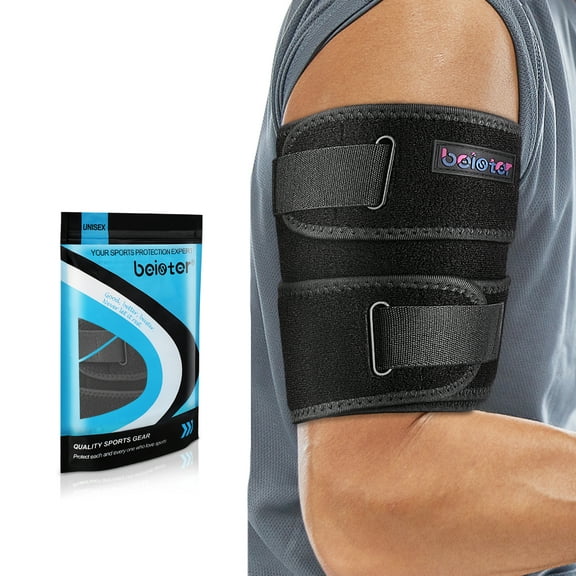
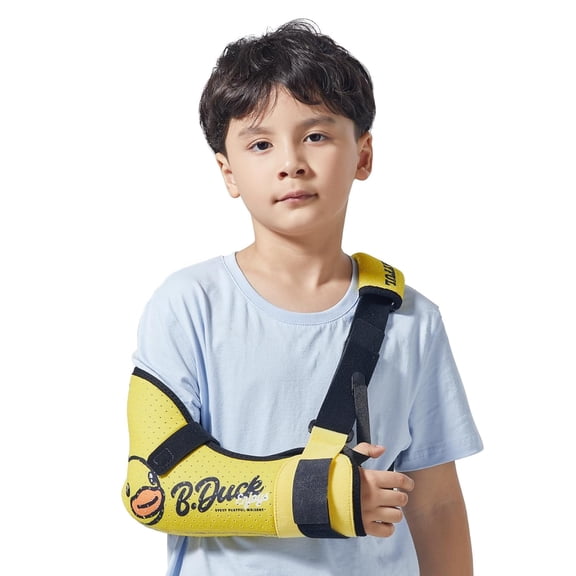
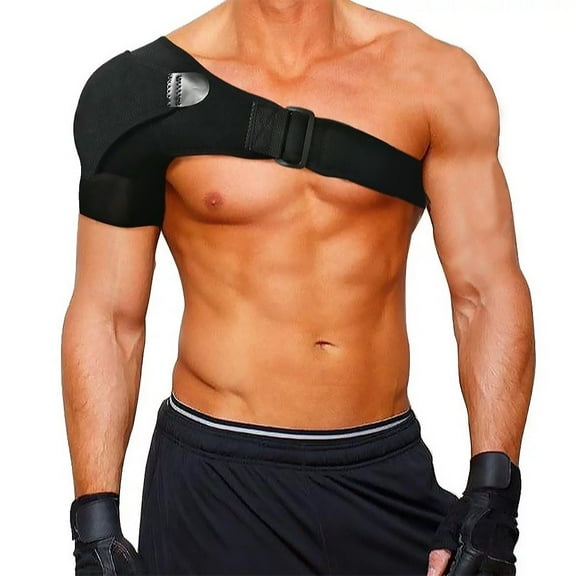
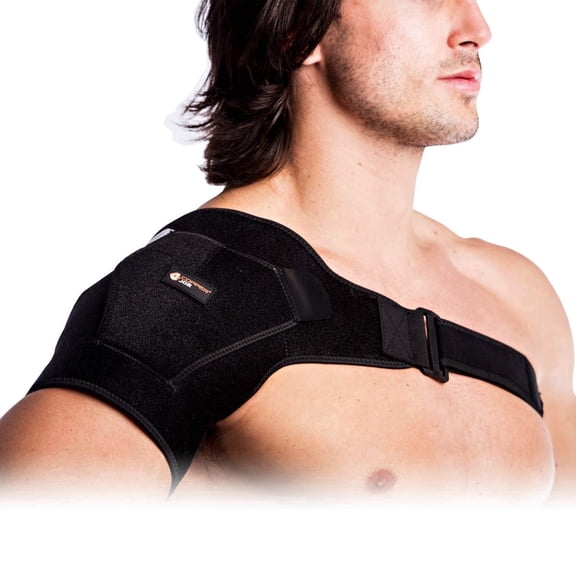
You can use a shoulder brace when you want targeted stabilization around the shoulder joint. You may prefer an arm sling when you want your arm held in a supported position.
If you're comparing a rotator cuff brace and a dislocated shoulder brace, you should focus on motion control first. You can then compare strap placement, overall coverage, and whether the design supports one side or both.
Your daily routine can guide this decision quickly. If you need easier reach at a desk, you may prefer flexible compression, while lower-motion recovery may call for a sling.
- You can choose mild support when you want light compression and easier daily movement.
- You can choose moderate support when you want a balance of stability and mobility.
- You can choose rigid support when you want stronger hold with less shoulder motion.
- You can choose one-size adjustable designs when you want simpler fitting across layers.
What to look for in fit, materials, and adjustability
You should measure carefully before choosing a size, because fit drives comfort and support placement. You can check chest and bicep circumference to see whether the brace will sit securely.
If you plan to put it on by yourself, you should compare closure style closely. You may find hook-and-loop straps or compression straps easier to adjust with one hand.
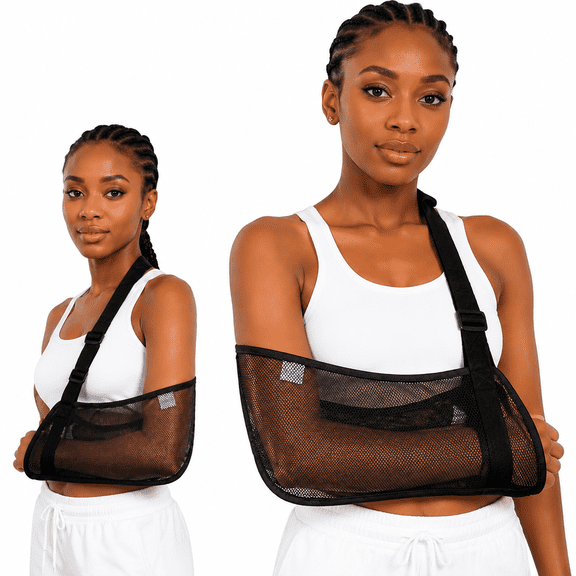
Your material choice can affect how the support feels through long wear. You can compare neoprene for a close feel, breathable mesh for airflow, elastic for stretch, and latex-free options for sensitivity preferences.
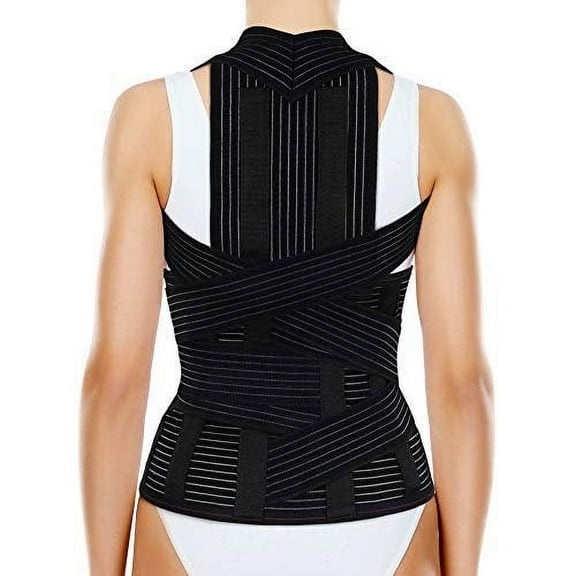
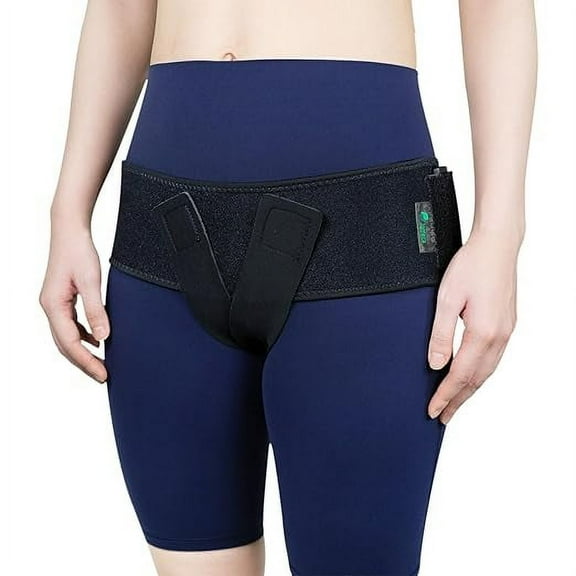
If you wear support under clothing, you should check bulk and edge placement. You may prefer slimmer panels and smoother seams when you want easier layering during work or travel.
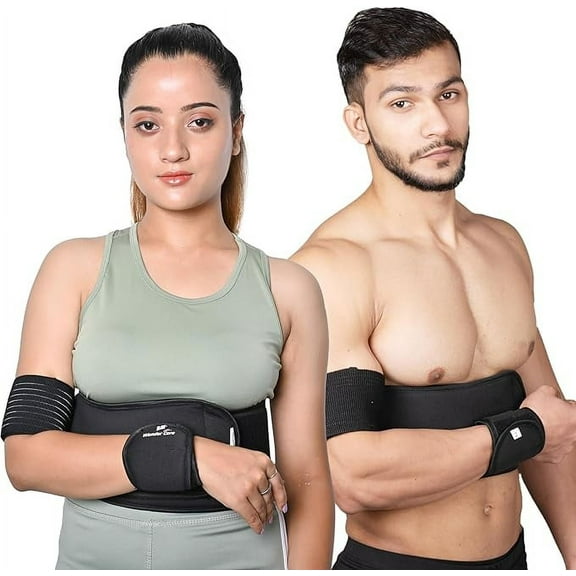
A shoulder support strap can help you fine-tune tension across the chest or upper arm. You can look for adjustable anchoring points when you want a more customized fit.
Matching support level to your routine
You should compare support level with how much mobility your day requires. You may want flexible compression for walking, errands, or light activity, especially when frequent movement matters.
If your routine includes quieter recovery time, you can look for structured designs that limit motion. You should check whether the manufacturer describes the support as rigid or immobilizing before you choose.
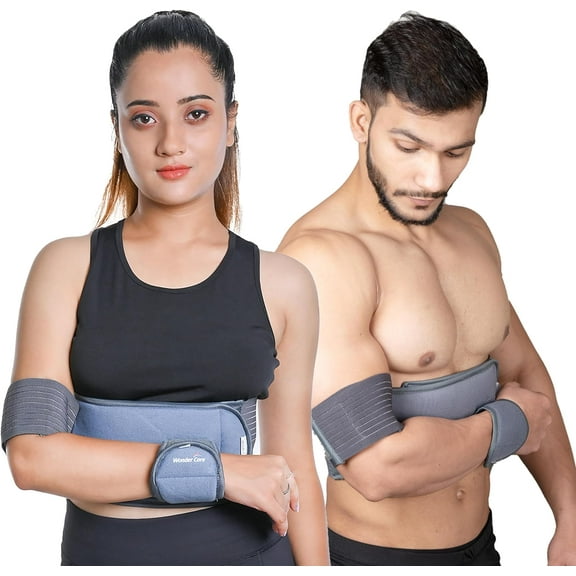
Your clothing and schedule can also shape this decision. You may want a breathable arm sling for daytime wear, or a wrap style that adjusts easily between layers.
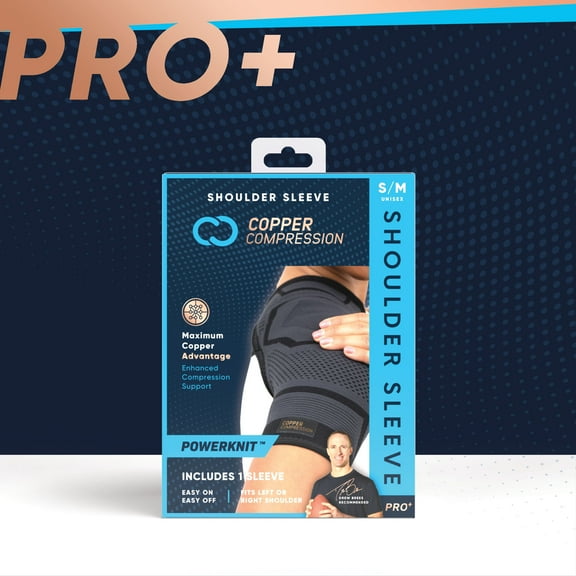
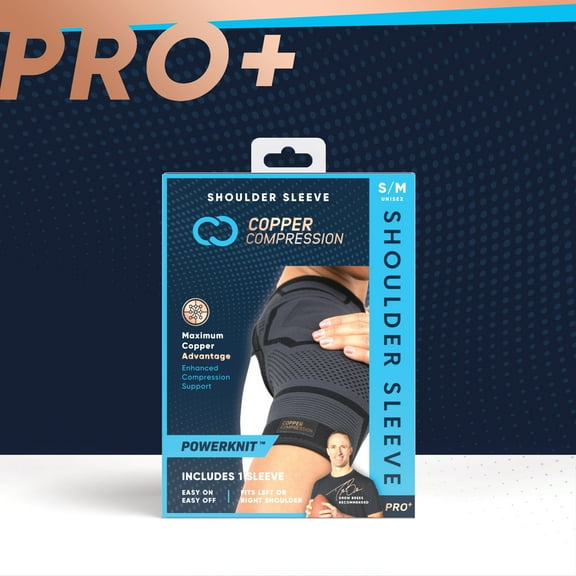
An arm support sleeve may suit you when you want a lighter feel around the arm. You can compare that option with a fuller shoulder brace if you need wider coverage near the joint.
Using arm and shoulder support for common situations
You may shop for support after a sprain, during post-surgery recovery, or while managing a busy daily schedule. You should match the design to your intended use, not just the product name.
If you're considering a rotator cuff brace, you should check how it secures around the shoulder and upper arm. You can compare whether the design allows flexible wear or more restricted motion.
If you need a dislocated shoulder brace, you may want coverage that helps keep the area positioned consistently. You should also check side orientation, because left and right shoulder designs can fit differently.
For commuting, desk work, or household tasks, you may prefer adjustable support that you can re-fit quickly. You can look for compression straps when you want small tension changes during the day.
If you need occasional wear during sports or activity, you should compare mobility, breathability, and bulk. You may find lighter materials easier to wear under a shirt or jacket.
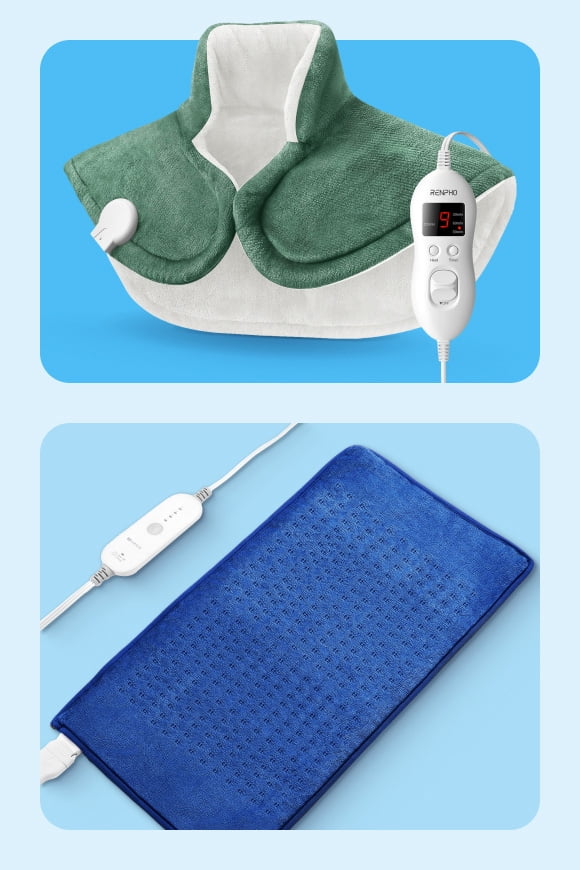
You can also pair your selection process with related categories that support your routine. You may want to compare options alongside braces and supports, heating pads, or pain relief creams.
Arm and shoulder support that fits your decision
You can narrow your choice faster when you compare target area, support level, material, and adjustability together. Your final pick should fit your measurements, your routine, and the amount of motion you want each day.
If you use those decision points first, you can choose arm and shoulder support with steadier fit and more practical daily comfort. You can move forward knowing the design matches how you plan to wear it.