












Bracing Arms & Arm Braces for Support | Walmart

















About Bracing Arms & Arm Braces for Support | Walmart - Walmart.com
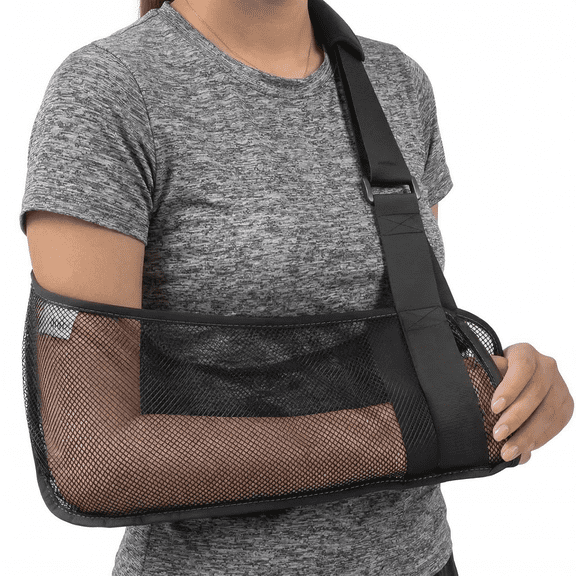
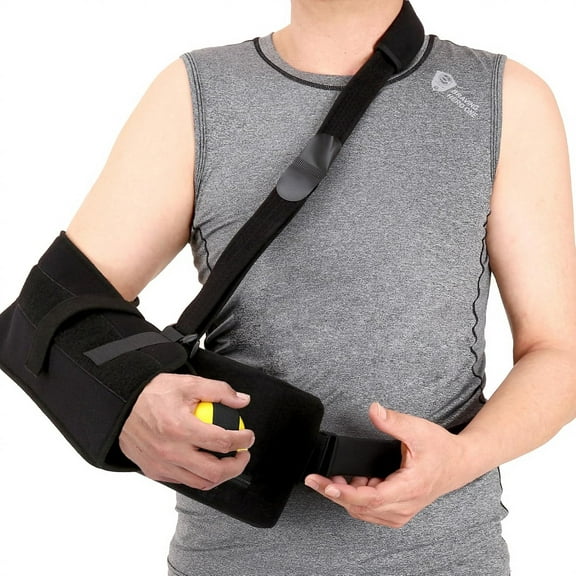
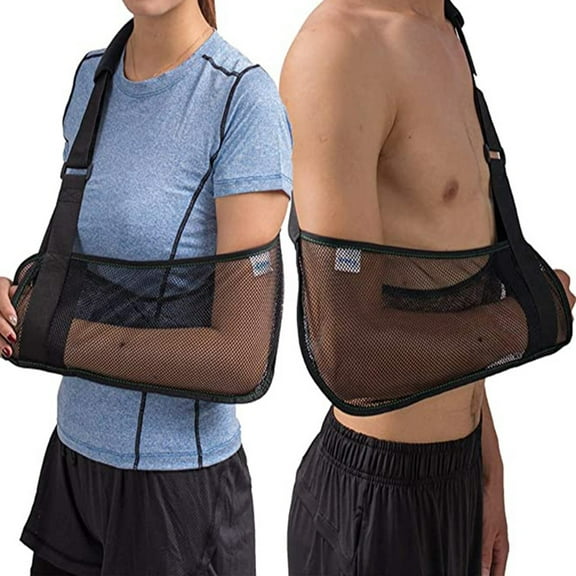
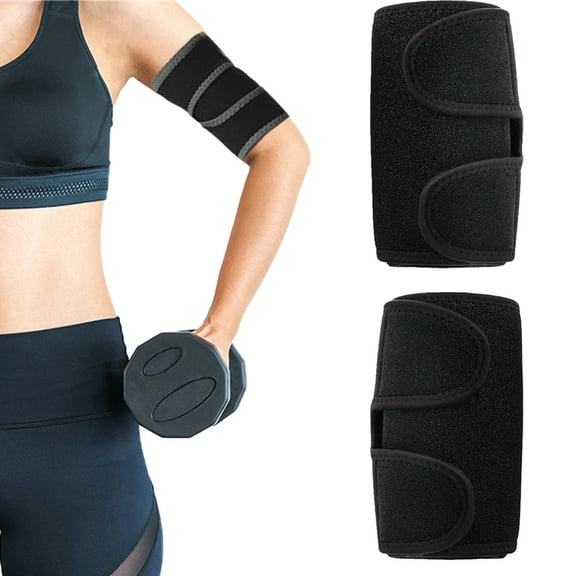
Arm braces help you narrow support by target area, fit, and feel. You can compare elbow wraps, forearm sleeves, wrist supports, and full arm options in one place.
If you need daily stability or activity-ready compression, arm braces give you a practical starting point. You can focus on support level, closure type, and material before you choose.
Choosing arm braces by support level
You should start with the amount of structure your routine calls for. You can choose mild compression for light activity, moderate support for regular wear, firm support for extra stability, or a rigid splint for restricted movement.
When you compare support levels, you should match movement to comfort. You may want flexible stretch for typing or training, while your routine may call for a stiffer arm splint during rest.
- You can use mild support when your day calls for light compression and easy movement.
- You can choose moderate support when your routine needs a balanced mix of stability and flexibility.
- You can look for firm support when your activity calls for a more secure feel.
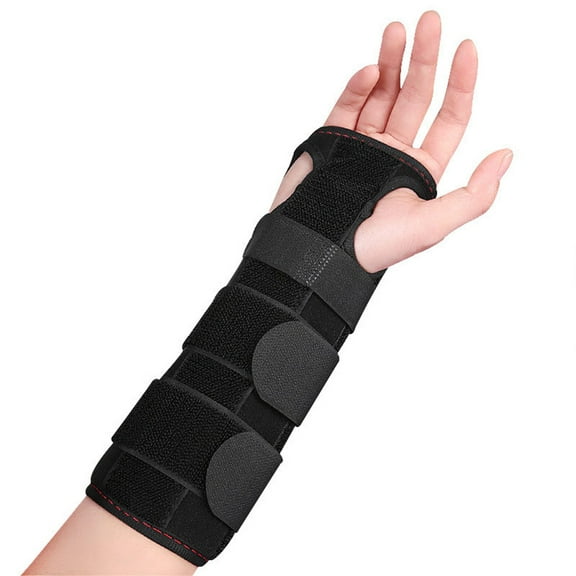
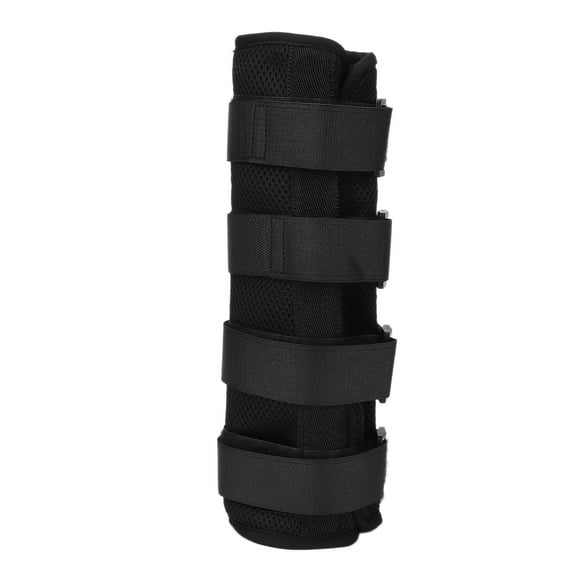
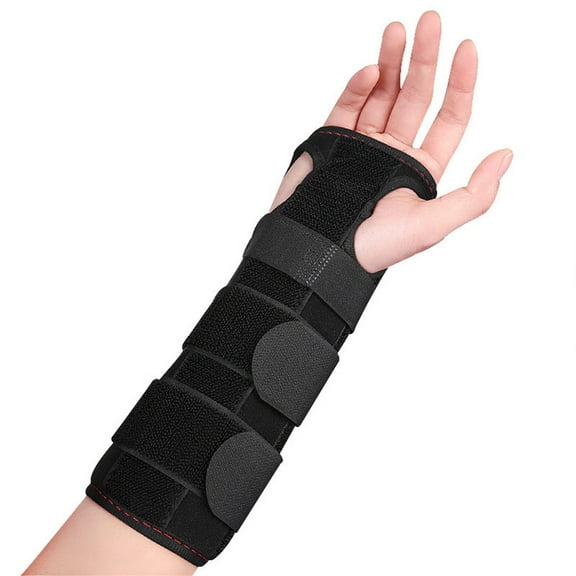
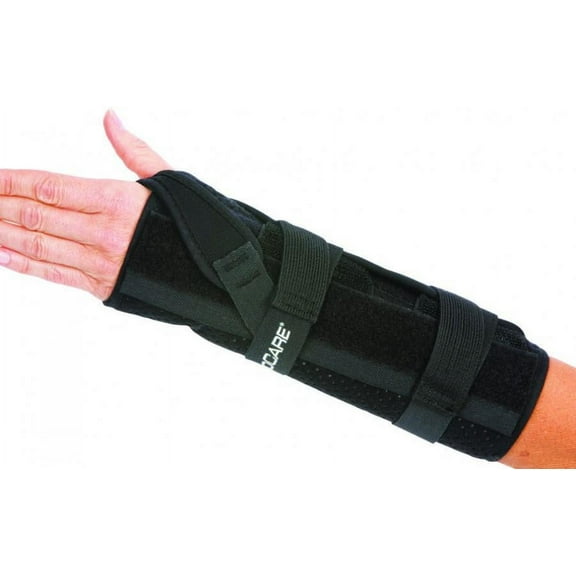
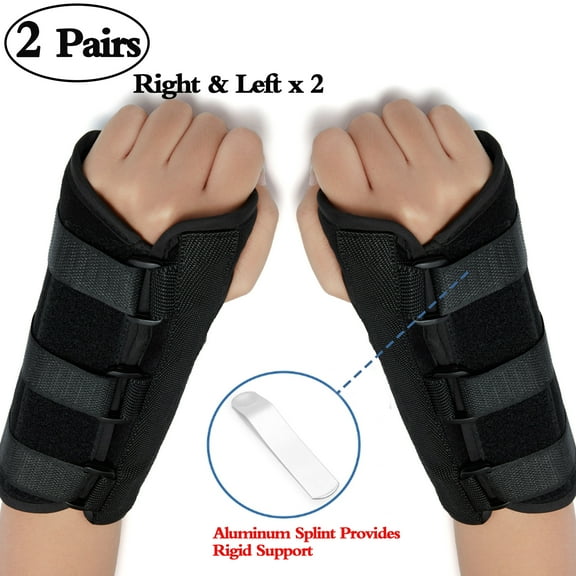
- You can consider a rigid splint when your plan calls for reduced motion and a straighter position.
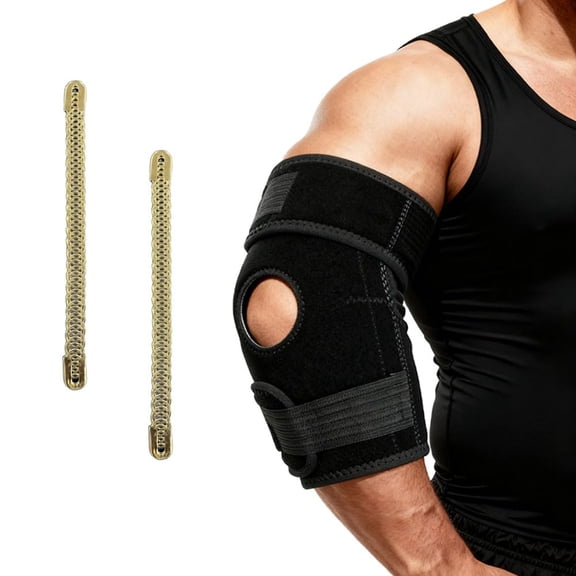
You may also compare whether a brace includes removable stays or a more flexible build. You can often switch between structured support and easier movement with the right design.
Choosing arm support braces by target area
You should next decide where you want support along your arm. You can narrow options by elbow, forearm, wrist, or full arm coverage to match how and where you wear it.
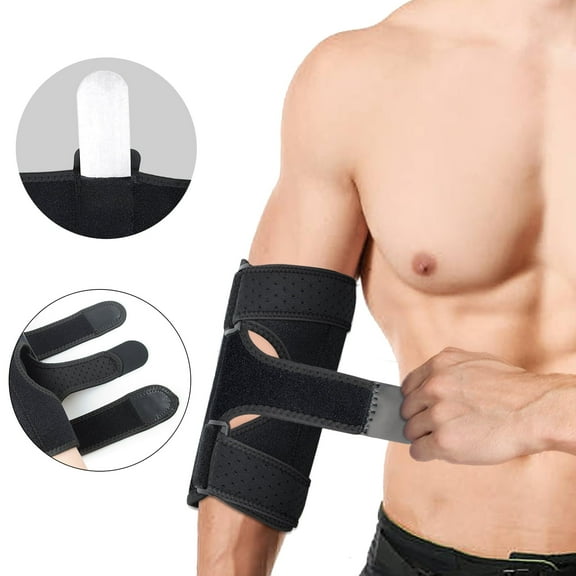
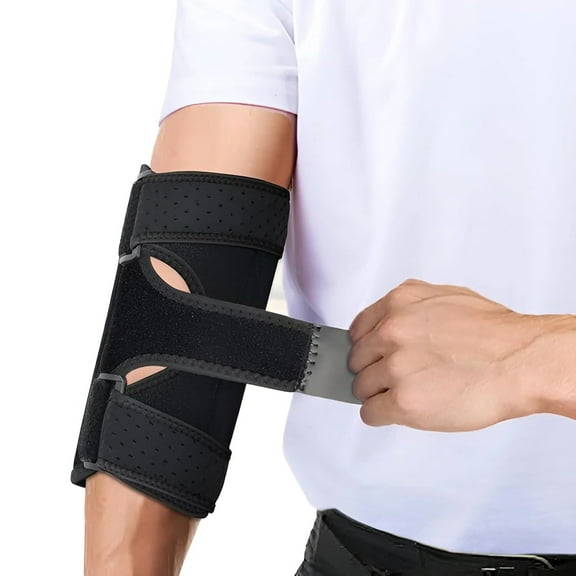
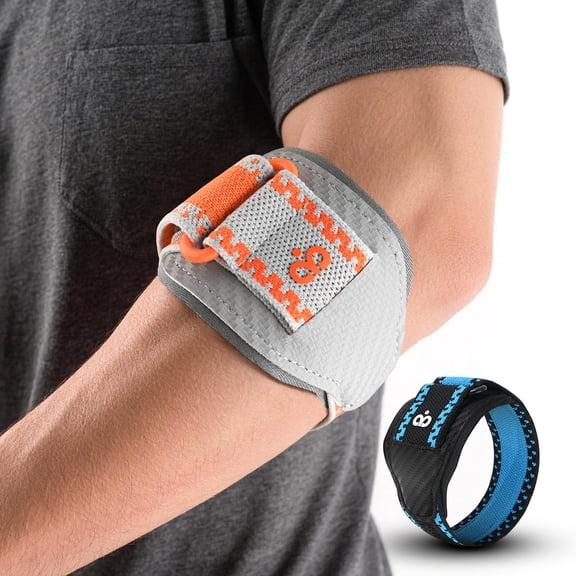
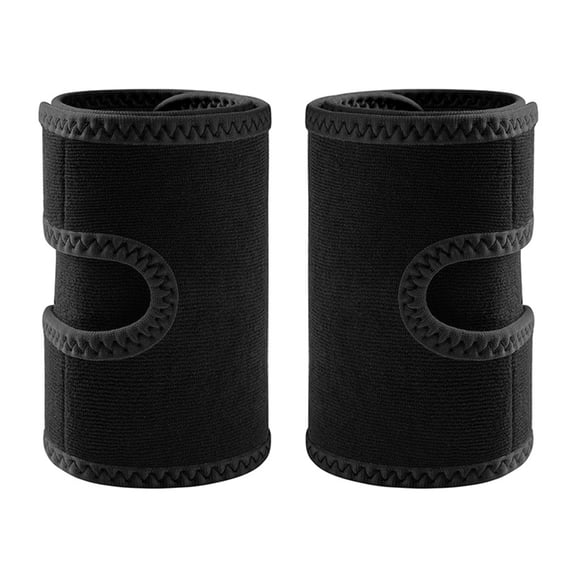
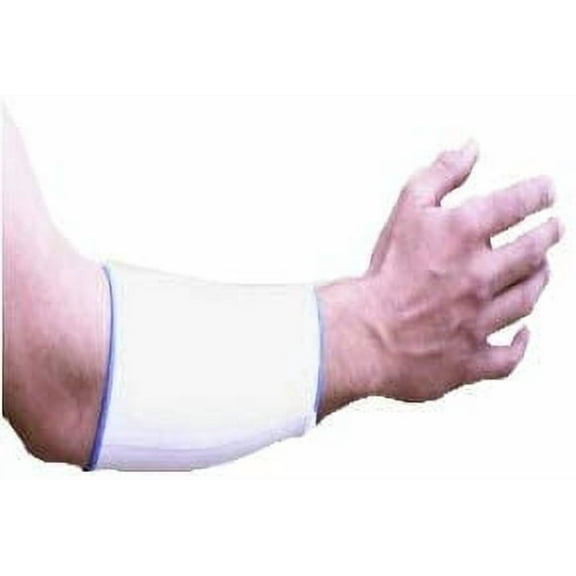
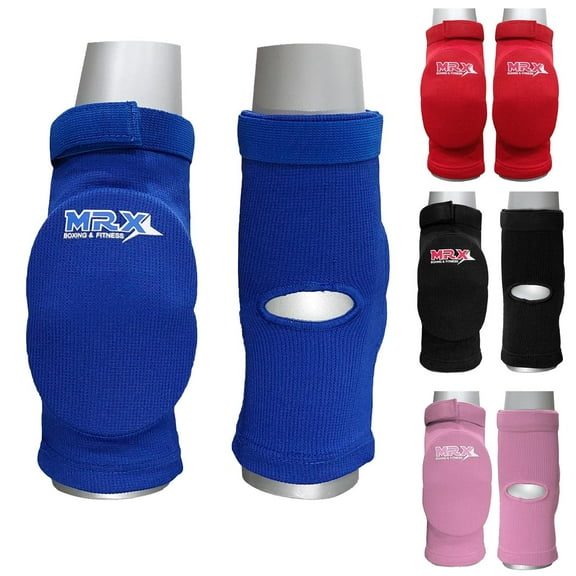
If your focus is the elbow, you may compare elbow braces and tendonitis arm band styles. You can use these designs for repetitive motion tasks, racket sports, golf swings, or everyday lifting.
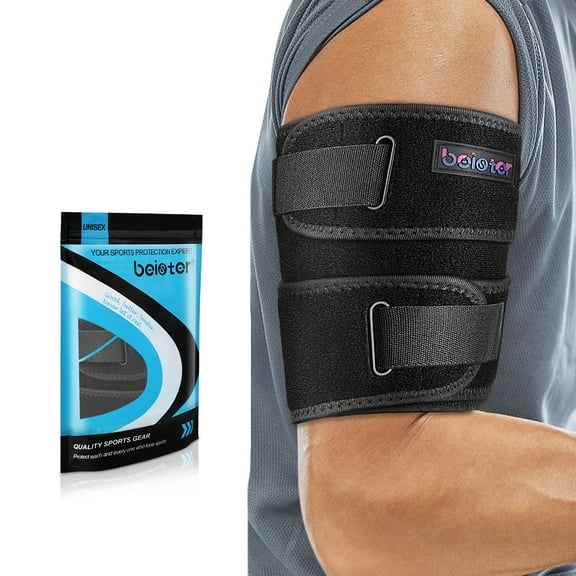
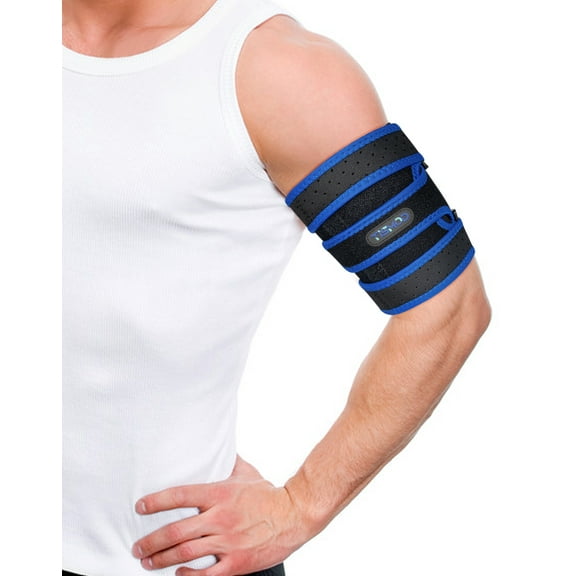
If your focus is the forearm, you may prefer a forearm compression sleeve or adjustable arm strap. You can get a close feel around the lower arm without covering your entire hand.
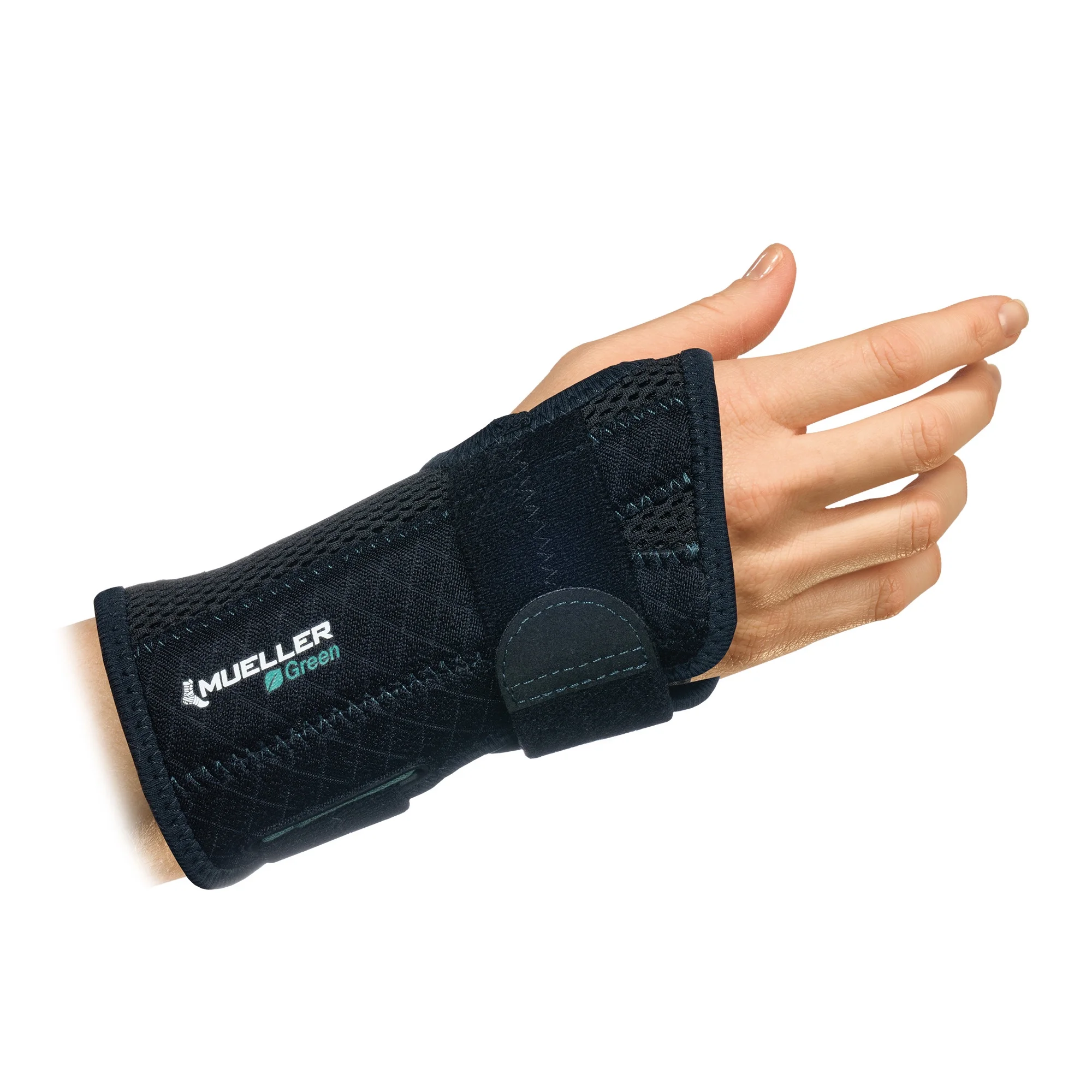
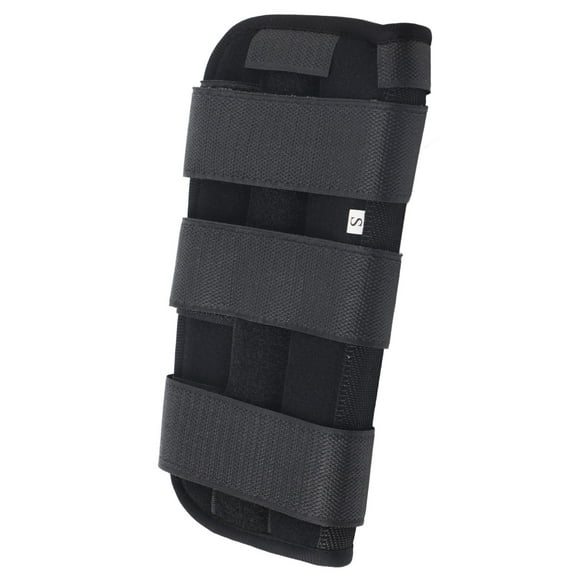
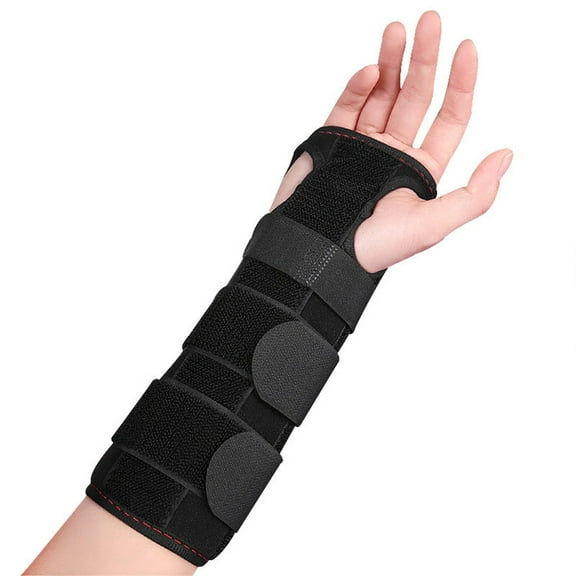
When your wrist needs extra structure, you can compare wrist supports with longer coverage. You may also look for a removable palmar splint, which helps you keep a straighter hand position.
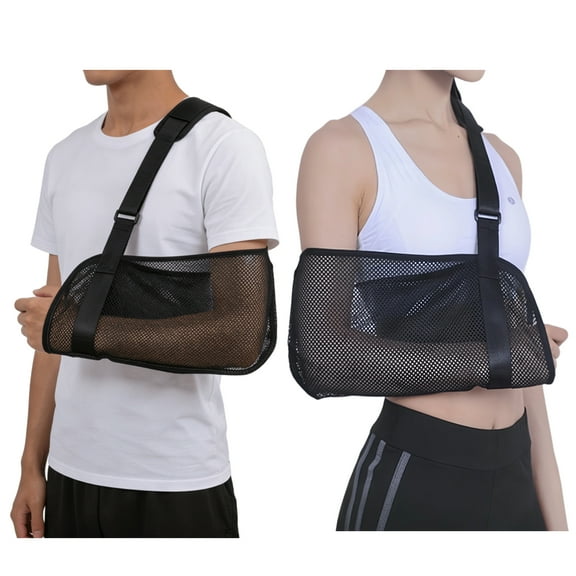
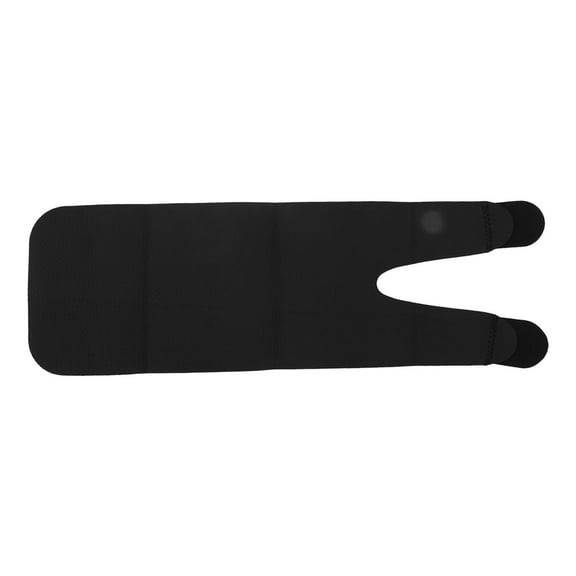
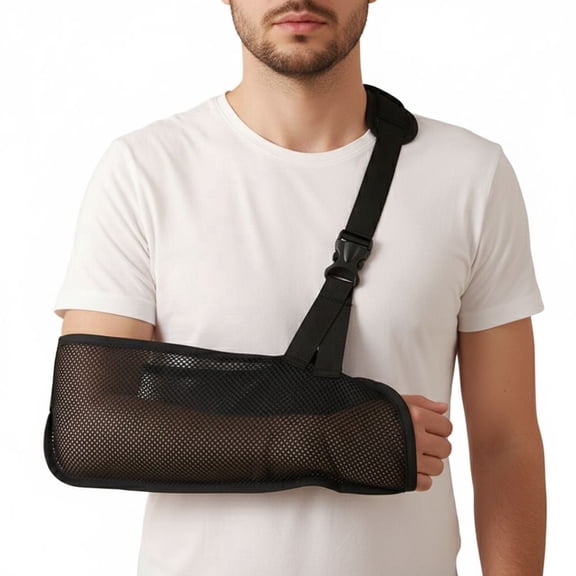
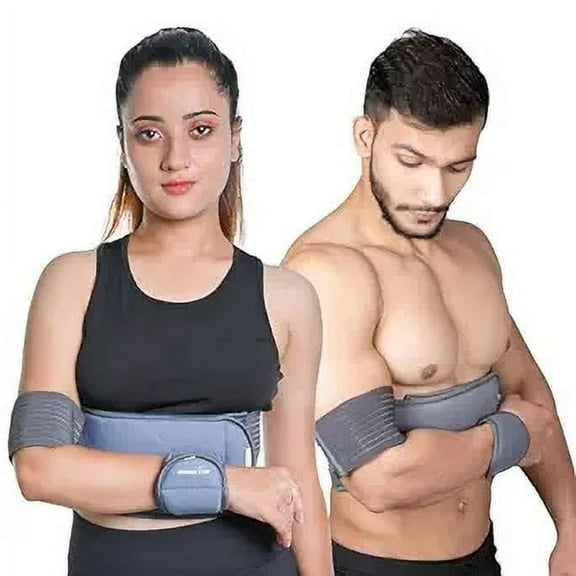
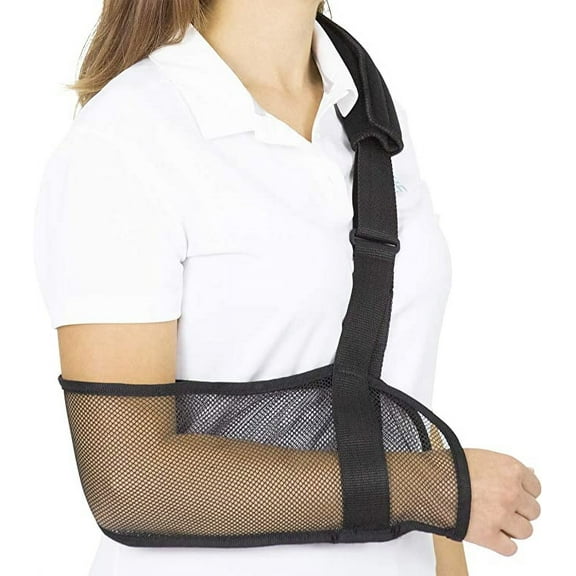
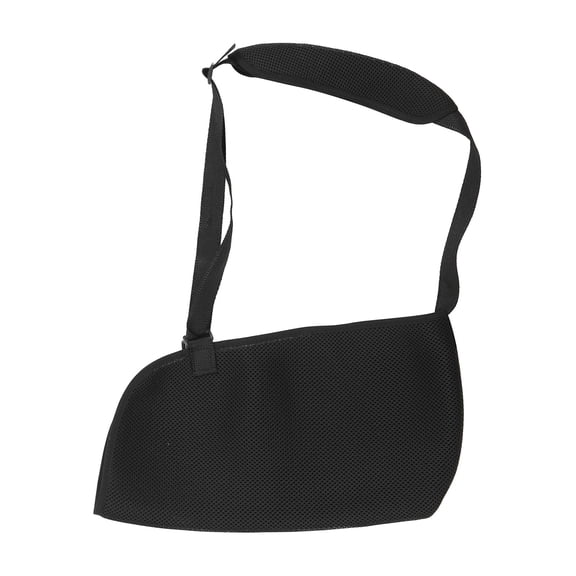
If you want broader coverage, you can look at full arm designs that span several areas. You can use that shape when your routine calls for one brace instead of separate pieces.
Comparing closure types and fit
You should measure carefully before you choose a size. You can check product details for circumference guidance, then compare that number with the brand chart for a closer fit.
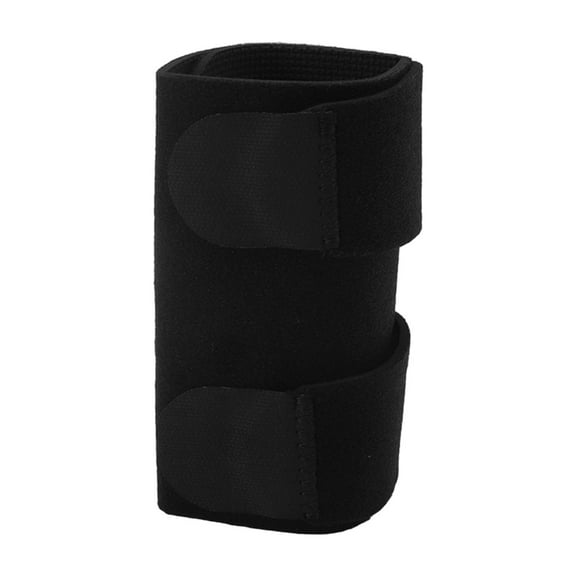
Closure type changes how easily you adjust pressure during the day. You can pick adjustable straps, hook-and-loop tabs, or a slip-on sleeve based on how often you change your fit.
Adjustable straps work well when you want quick changes around swelling or activity. You can tighten before a workout, then loosen later when your schedule becomes more relaxed.
A slip-on sleeve gives you even compression with fewer steps. You may like that option when you want a smooth fit under clothing and fast on-and-off wear.
Hook-and-loop designs help you fine-tune placement around the elbow or wrist. You can position support exactly where your motion feels busiest, especially during repetitive tasks.
Comparing materials for comfort and daily wear
You should also compare material because feel matters over long hours. You can choose neoprene for a cushioned feel, breathable mesh for airflow, elastic for stretch, or copper-infused fabric for another texture option.
If you plan to wear support during sports, you may look for lighter fabrics and flexible panels. You can move more naturally when your brace balances compression with breathability.
For work, commuting, or home routines, you may want smooth seams and easy layering. You can wear many arm support braces under sleeves, jackets, or uniforms with less bulk.
If you want overnight wear, you should check whether the design feels soft against your skin. You can also compare how firm the brace stays when your arm rests in one position.
Matching use cases to the right brace
You can use category filters to match your support to specific routines. If you type all day, you may prefer wrist coverage, while sports practice may point you toward elbow braces or a forearm compression sleeve.
For tennis elbow, also called lateral epicondylitis, you may look for a focused band or strap. You can place pressure closer to the upper forearm when repetitive swings are part of your routine.
For lifting, yardwork, or repeated reaching, you may want moderate or firm support with adjustable placement. You can change tension as your task changes without switching to another brace.
If your plan includes sleep or quiet recovery time, you may compare firmer options with splint support. You can keep your arm in a steadier position when less movement feels more practical.
You may also shop by how visible or bulky a brace feels under clothing. You can choose a slim sleeve for everyday errands or a larger structured option for more coverage at home.
When you compare these details together, your choice becomes clearer. You can narrow by support level, target area, closure, and material to get arm support that fits your routine.