

Apparel in Medical & Dental



























About Apparel in Medical & Dental - Walmart.com
Medical apparel and textiles help you stay comfortable, covered, and work-ready through long shifts. You can compare fabric technology, garment types, fit options, and laundry durability before you choose.
If you work in clinics, labs, or care settings, you need apparel built for repeated wear. You may also need textiles that handle frequent washing, practical storage, and professional presentation.
How to choose medical apparel and textiles
When you compare medical apparel and textiles, you should start with fabric performance. You’ll want materials that support movement, help manage moisture, and suit your workplace requirements.
Different care environments call for different levels of coverage and fabric protection. You should also check whether your apparel needs to align with barrier standards like AAMI levels.
- You can choose fluid-resistant fabrics when your tasks involve splashes or frequent contact with wet surfaces.
- You can look for antimicrobial treatment when you want fabric technology paired with everyday wearability.
- You can select moisture-wicking materials when you need dry comfort during active, fast-paced shifts.
- You can consider stretch blends when you bend, reach, lift, and move naturally throughout the day.
- You can check industrial laundry friendly fabrics when you need repeat washing without major shrinkage concerns.
Choosing fabric technology for your shift
Fluid-resistant fabric helps you choose apparel designed for demanding settings and quick cleanup. You’ll notice this option matters when your role includes patient care, lab work, or transport tasks.
Antimicrobial treatment is a fabric feature you may compare alongside comfort and care instructions. You should review the garment details so your choice matches your workplace expectations.
Moisture-wicking textiles help you stay drier when your shift keeps you moving. You’ll appreciate this feature during long hours, warmer rooms, and layered uniform requirements.
Stretch blend construction gives you flexibility across shoulders, knees, and waist areas. You can move naturally when your day includes crouching, reaching, and repeated motion.
Comparing garment types and utility details
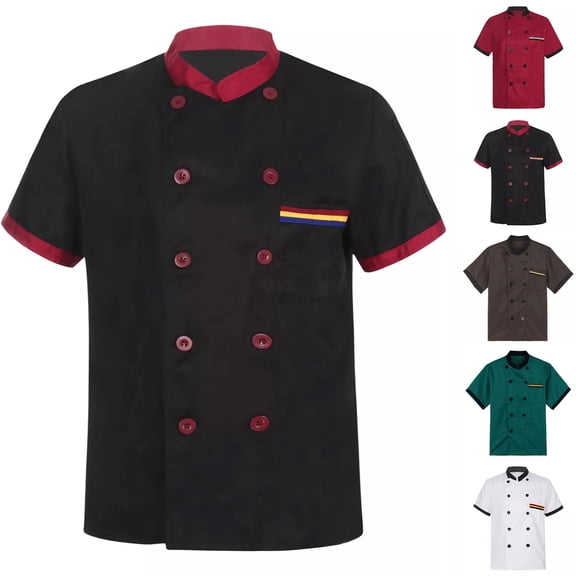
Scrub tops and scrub pants work well when you want a coordinated uniform with easy movement. You can compare necklines, closures, and pocket placement based on your daily routine.
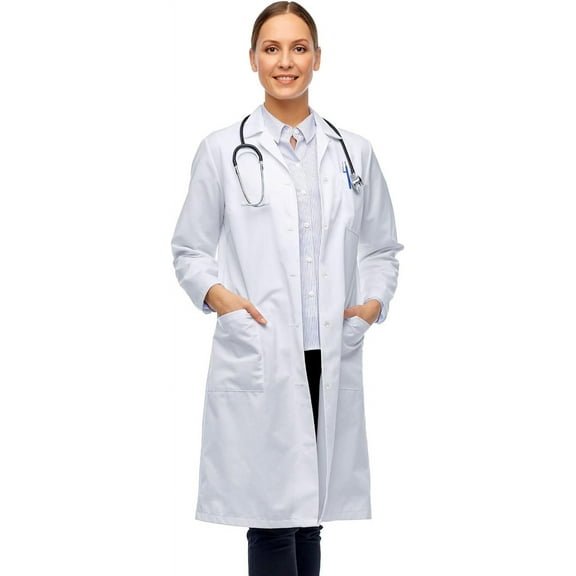
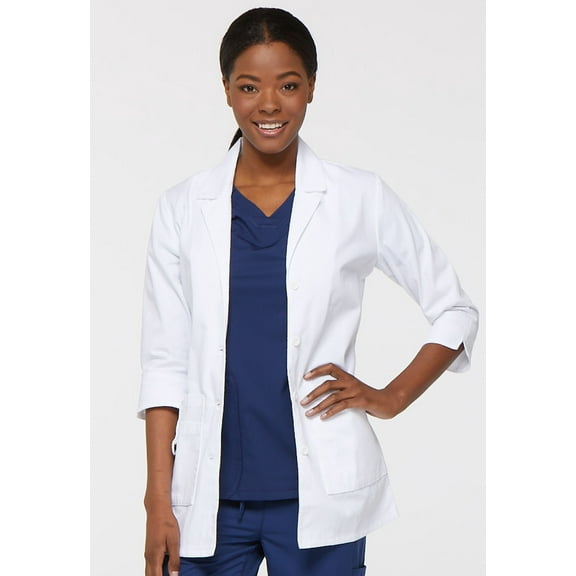
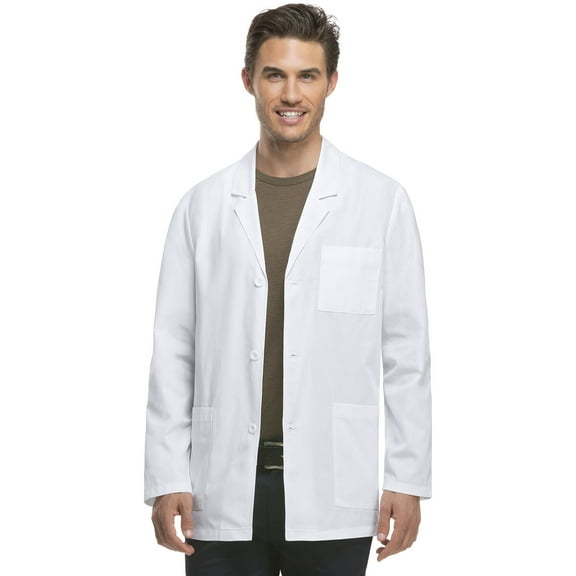
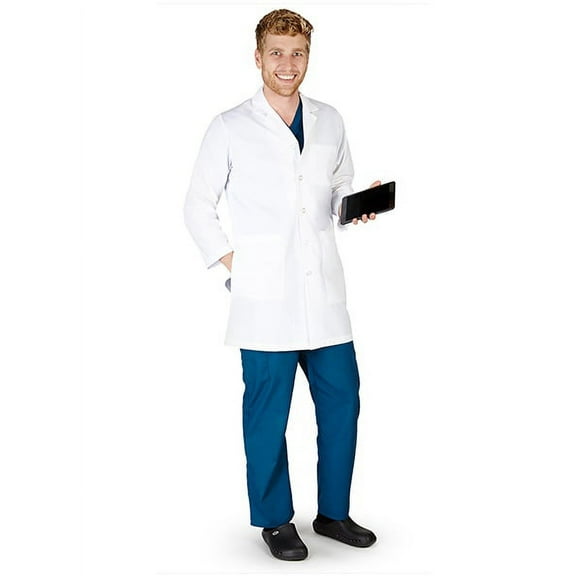
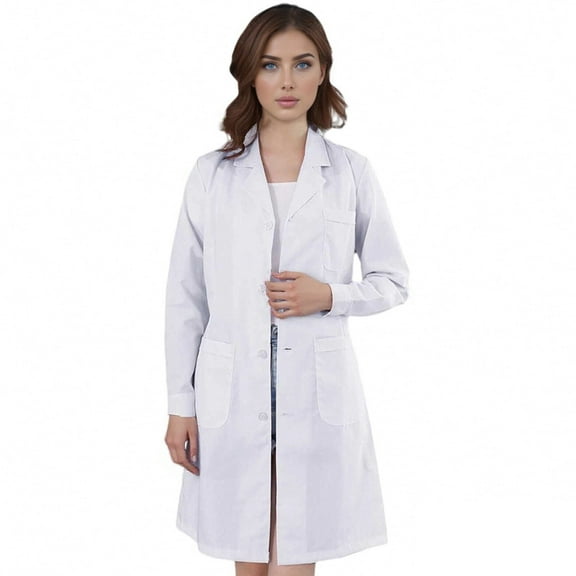
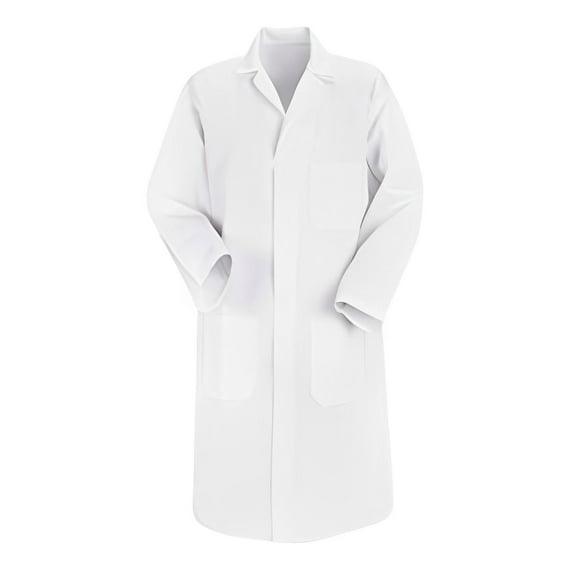
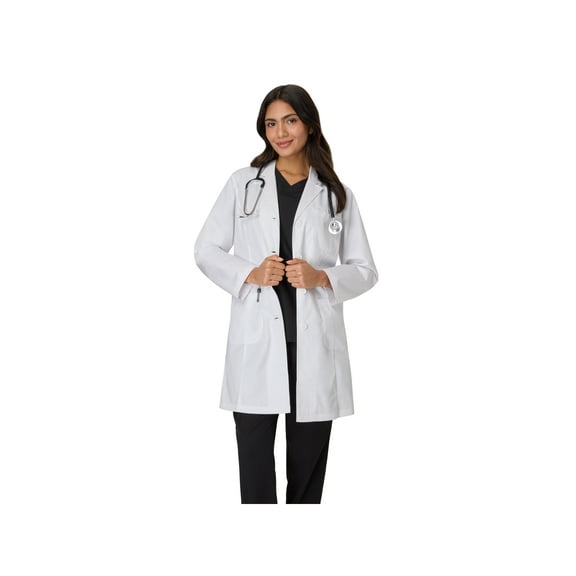
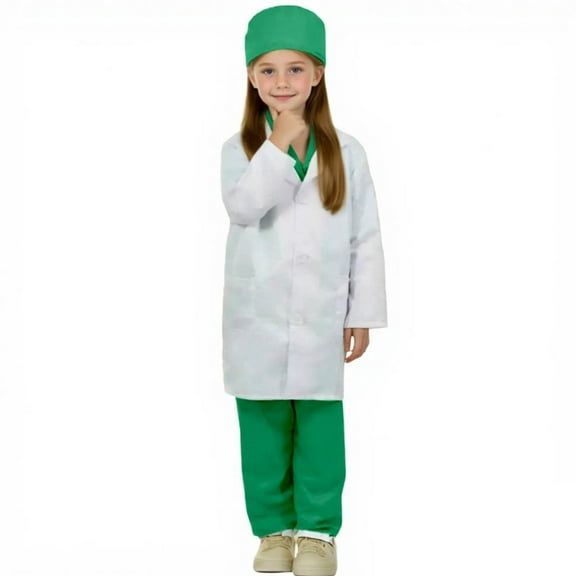
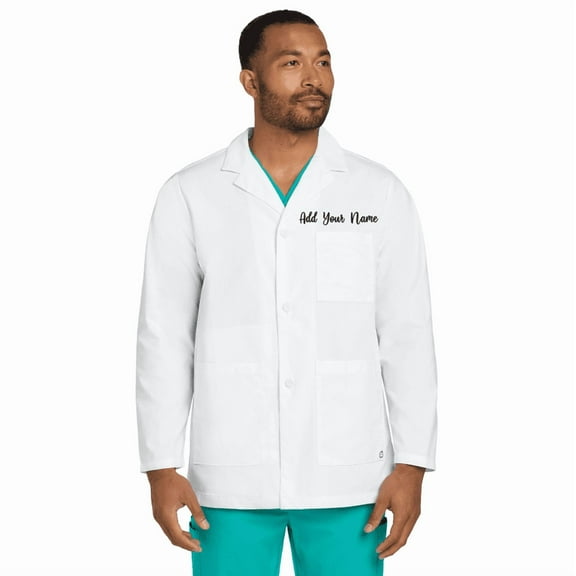
Lab coats give you added coverage and a polished look in clinical and research settings. You may prefer longer lengths when you need extra layering over everyday uniforms.
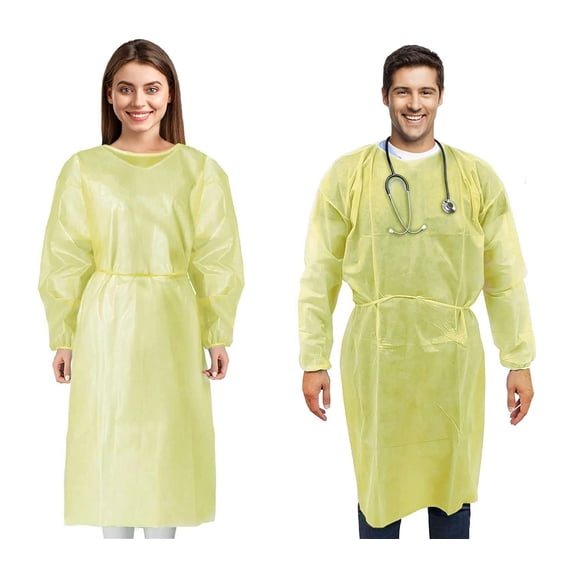
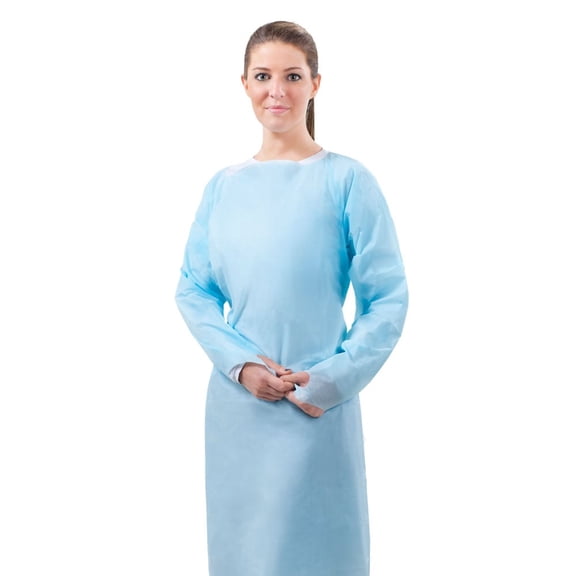
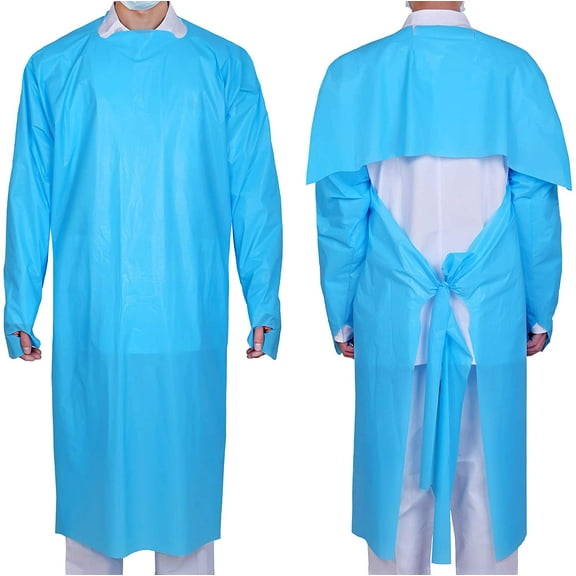
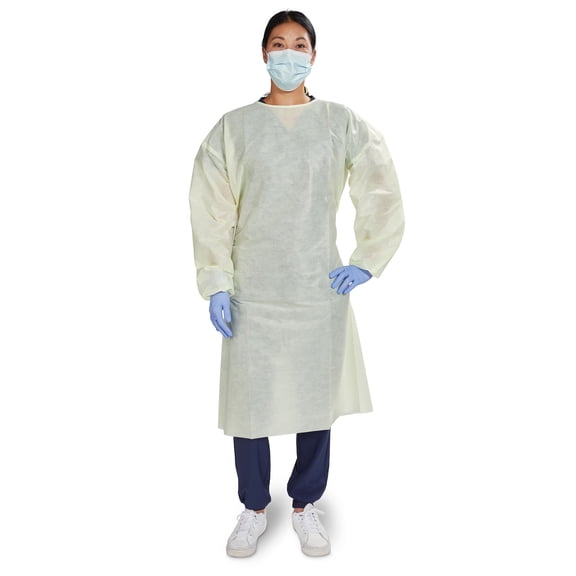
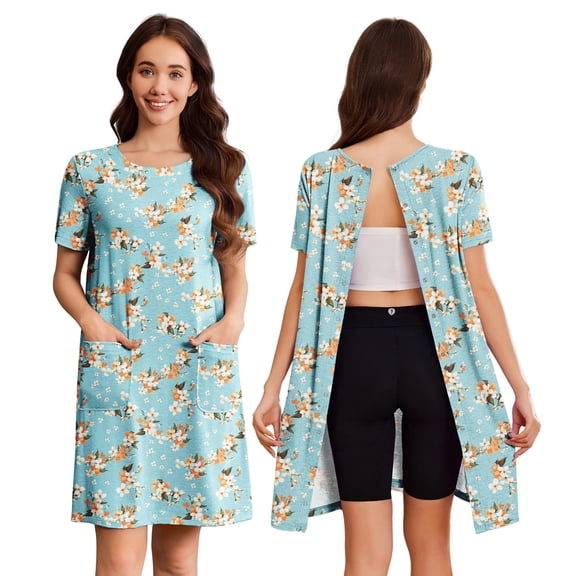
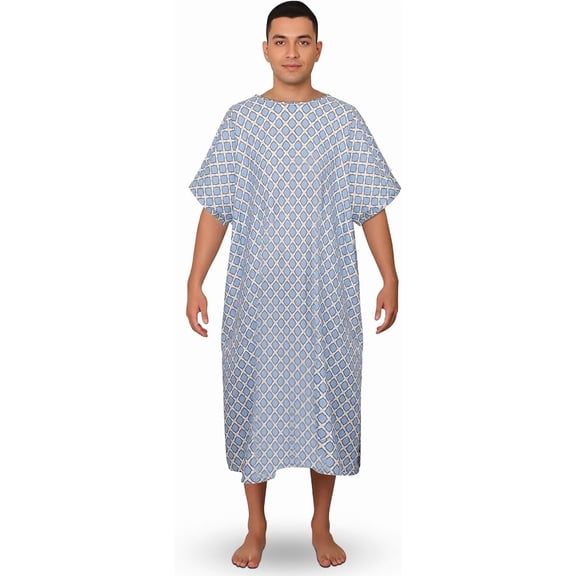
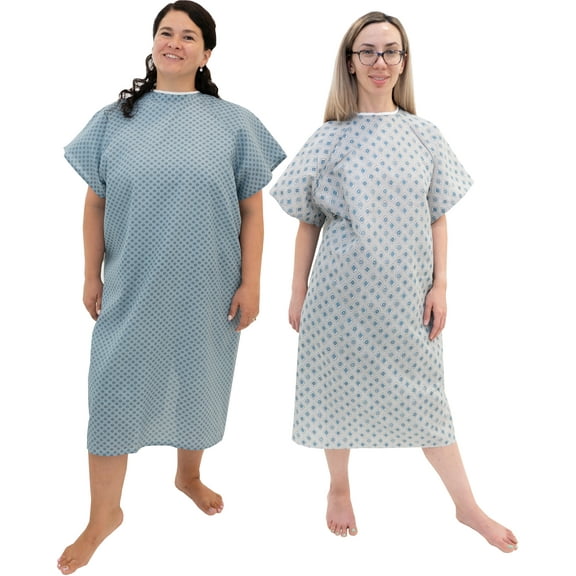
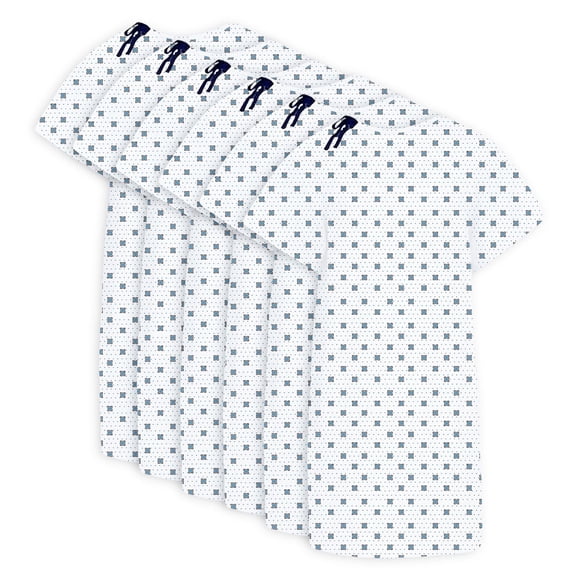
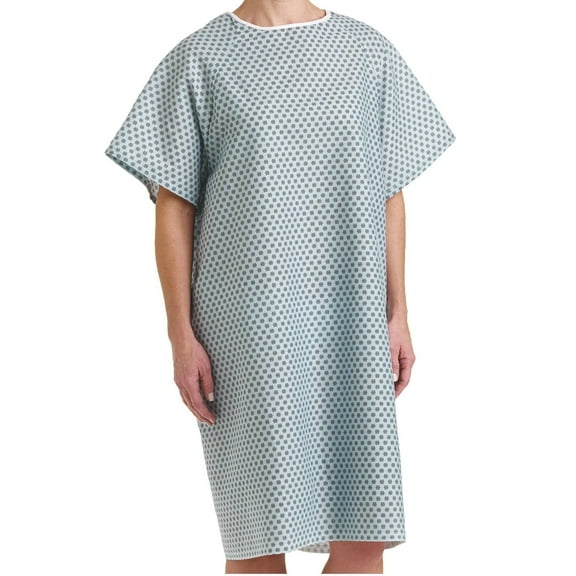
Protective gowns support tasks that call for lightweight coverage over regular workwear. You should check closure style, sleeve design, and intended use before you decide.
Pocket configuration can shape your workday in key ways. You can look for cargo pockets, pen slots, and divided storage when you carry tools, notes, or small devices.
Finding the right size and fit
Fit affects comfort from your first hour to your last task. You should compare unisex, women’s fit, and men’s fit options based on shape, layering needs, and range of motion.
Petite and tall sizing can help you avoid hems or sleeves that feel awkward. You’ll get a cleaner fit when your proportions match the garment’s intended length.
You should also consider how your apparel fits over undershirts or base layers. You can choose a roomier cut when your setting requires extra layers or frequent movement.
Closure style and waistband design also influence your comfort during active shifts. You may prefer drawstring, elastic, or snap details depending on how you dress for work.
Checking durability and wash performance
Medical apparel and textiles often face repeated laundering, high heat, and strong cleaning processes. You should look for fabrics labeled as industrial laundry friendly when durability matters every week.
High-temperature wash compatibility can matter when your workplace follows strict laundry routines. You’ll want materials that keep their shape and color through frequent cleaning cycles.
Bleach-resistant construction can help you narrow options for demanding care environments. You should check care guidance if you want apparel that resists fading and keeps a consistent appearance.
Shrinkage resistance and colorfastness are practical details worth comparing before you buy. You can avoid early replacement when your garments hold size, color, and structure over time.
Matching apparel to real work settings
If you work on a busy floor, you may want stretch blends with moisture-wicking comfort. You can pair that fabric choice with cargo pockets for tools and personal essentials.
If you work in a lab, you may lean toward a lab coat with longer coverage. You should compare sleeve style, front closure, and easy-care fabric for daily wear.
If your role includes transport, intake, or fast-paced support tasks, scrub separates may fit well. You can choose flexible waistbands and pen slots for comfort and utility.
If your environment requires additional barrier support, you should review fluid resistance and AAMI-related details. You can make a clearer choice when fabric protection aligns with your task needs.
For extended schedules, you may prioritize breathable textiles that feel lighter across the day. You should also compare fit, pocket access, and laundry performance before you commit.
When your workplace uses frequent industrial cleaning, durable textiles become a key buying factor. You can focus on high-temperature wash compatibility, bleach resistance, and dependable shape retention.
With the right medical apparel and textiles, you can balance comfort, coverage, and lasting wear. You’ll feel more prepared when your choice matches your shift, fit needs, and laundry routine.