

Anchors in Fasteners

















About Anchors in Fasteners - Walmart.com
Drywall anchors help you hang shelves, mirrors, hooks, and frames with a steady hold in hollow walls. You can compare anchor type, material, load rating, and pack size to match your project.
If you're mounting into drywall instead of a wall stud, you need hardware designed for sheetrock's hollow structure. You'll get reliable results when you match the anchor to wall thickness and item weight.
How to choose drywall anchors
Start with the load rating, because your wall anchors for drywall need to match what you're hanging. You should also check your drywall thickness, since anchor length affects how securely the hardware seats.
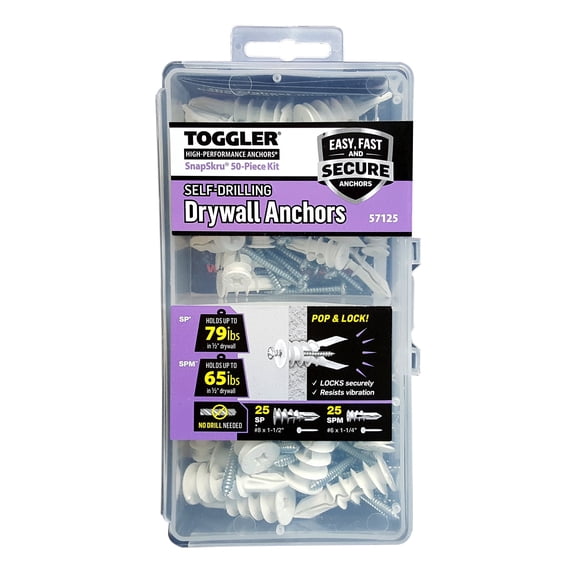
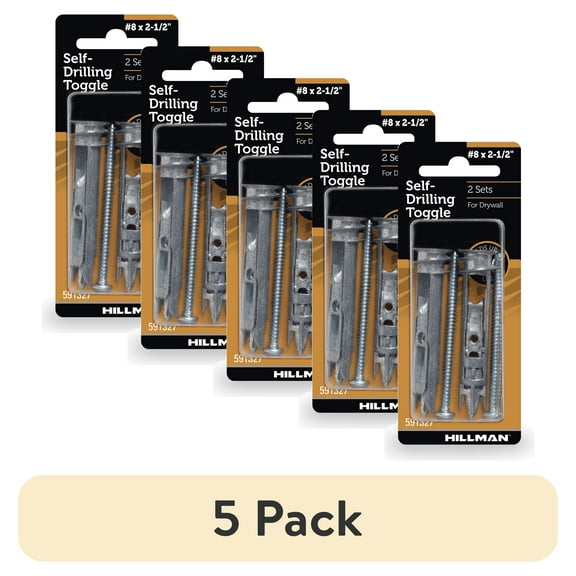
Next, compare whether you want drill-free installation or a pre-drilled hole. You'll usually find self drilling drywall anchors easy for quick hanging, while toggle bolts suit heavier loads.
- You can use light duty anchors for small frames, wall hooks, and lightweight decor.
- You can choose medium duty anchors when you need support for larger mirrors, organizers, or small shelves.
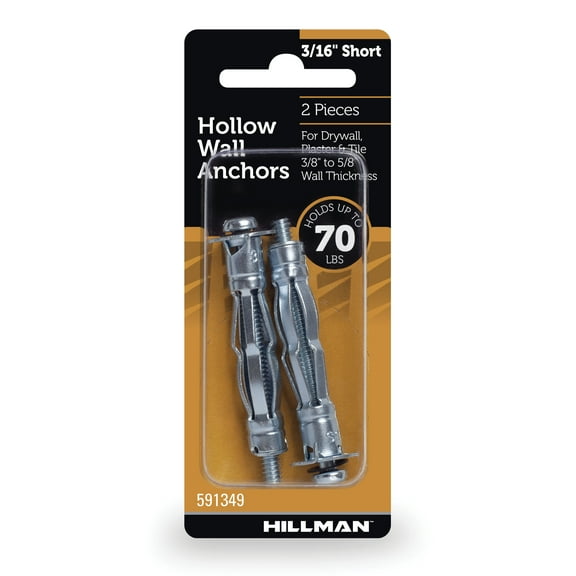
- You can pick heavy duty drywall anchors for wall-mounted storage, larger shelves, and other weightier items.
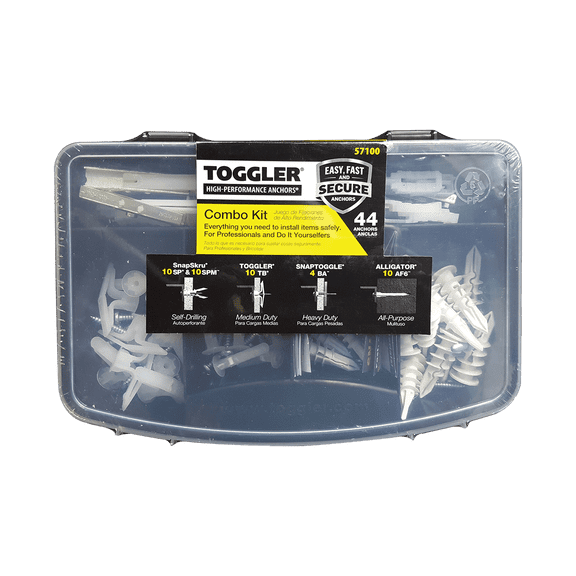
- You can select assortment kits when your projects vary from room to room.
Comparing anchor types for your project
You can narrow your options faster when you understand how each anchor type works in drywall. You'll usually see self drilling, expansion, toggle bolt, and threaded designs in this category.
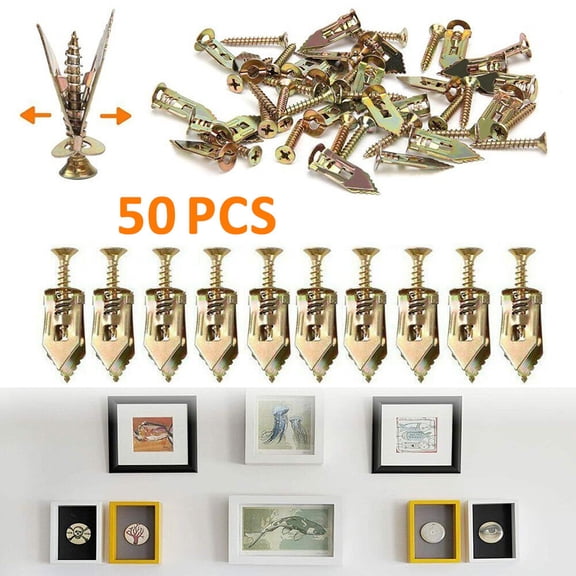
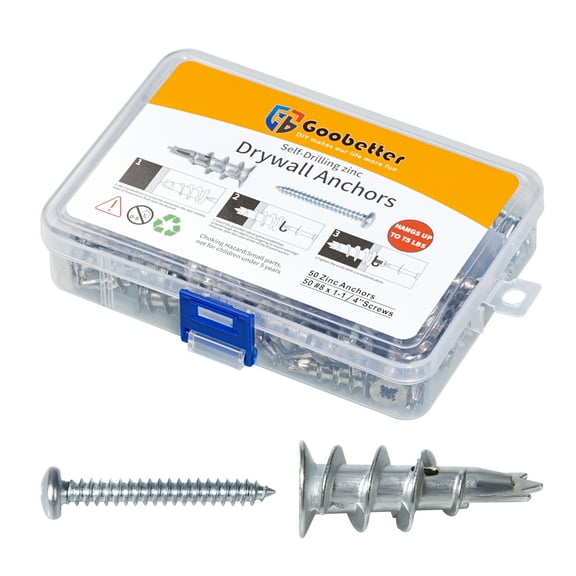
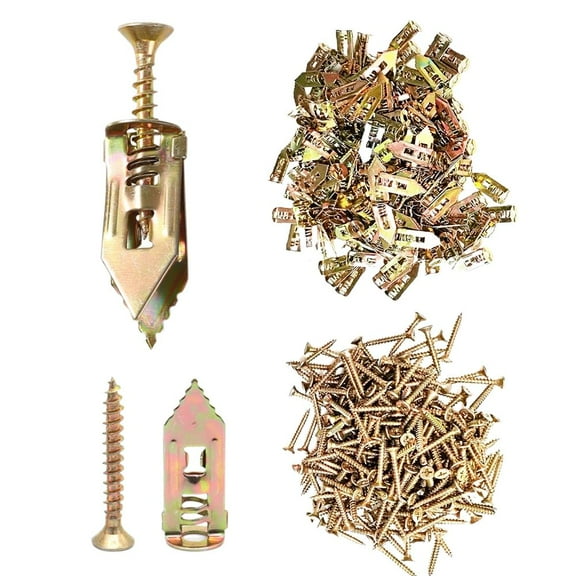
With self drilling drywall anchors, you can often start directly in the wall with a screwdriver or driver bit. You'll like them for straightforward installs where you want fewer steps.
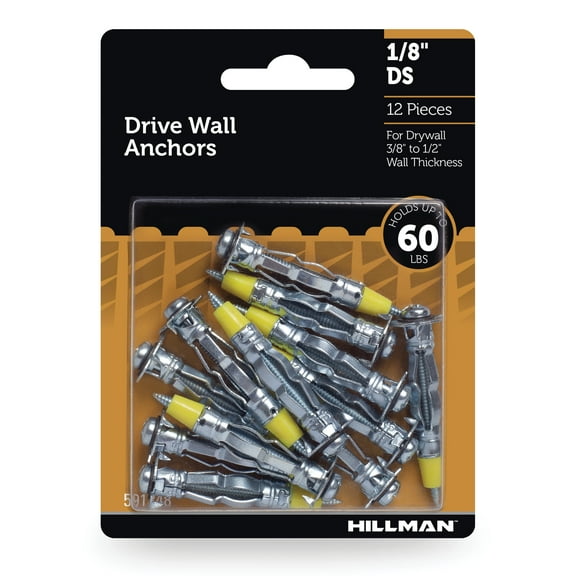
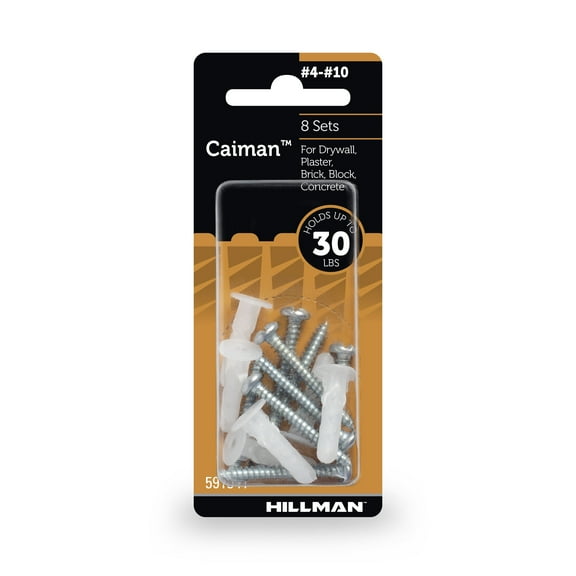
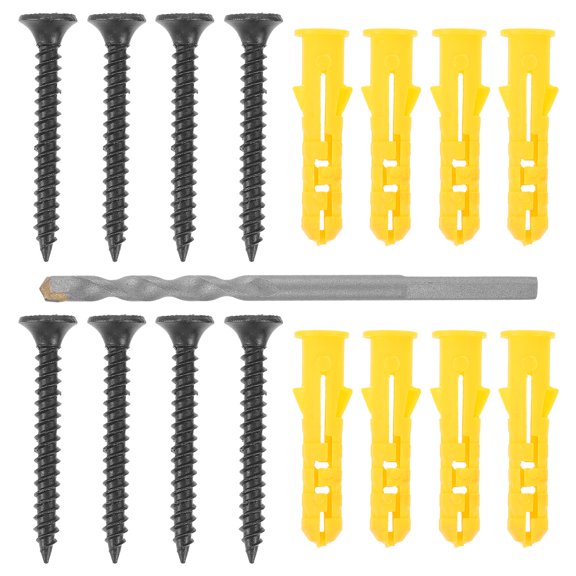
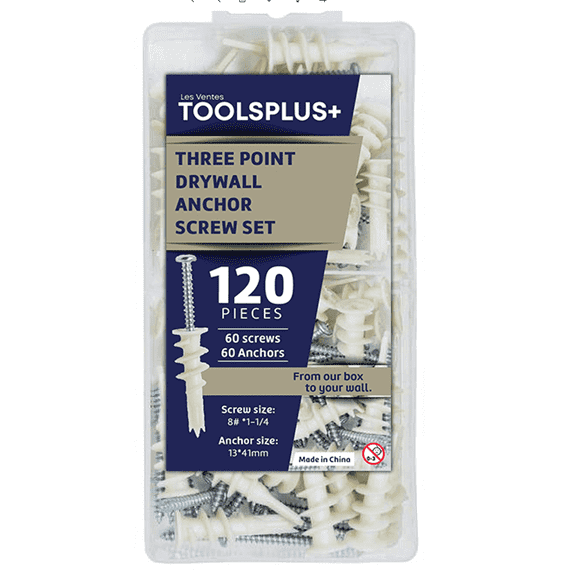
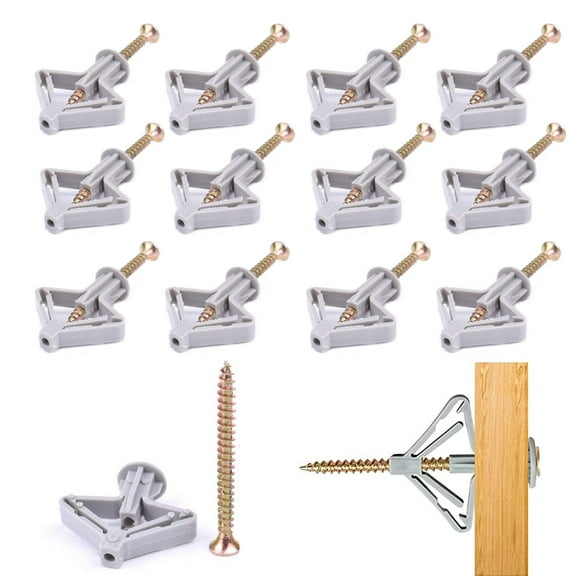
Expansion styles spread as you drive the screw, so you get a snug fit in lighter applications. You may prefer these sheetrock anchors for picture frames, small hooks, or simple room updates.
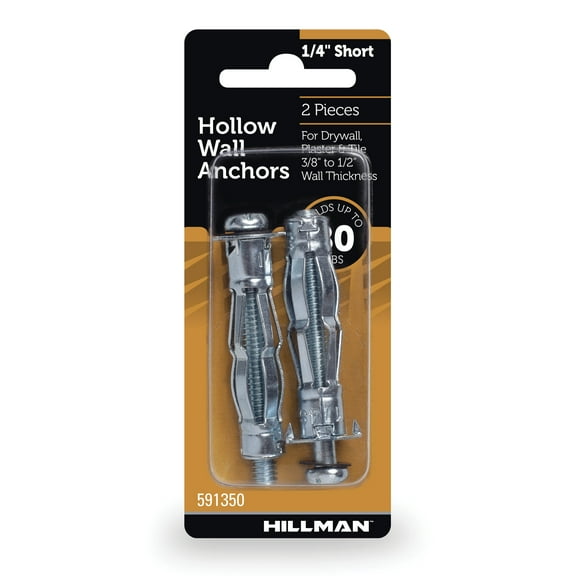
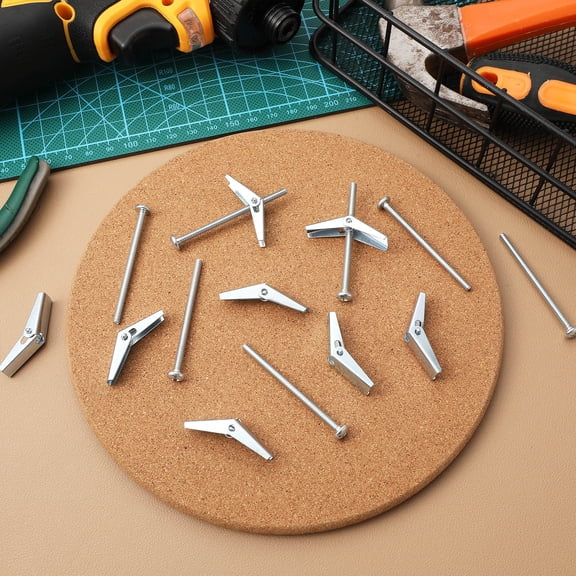
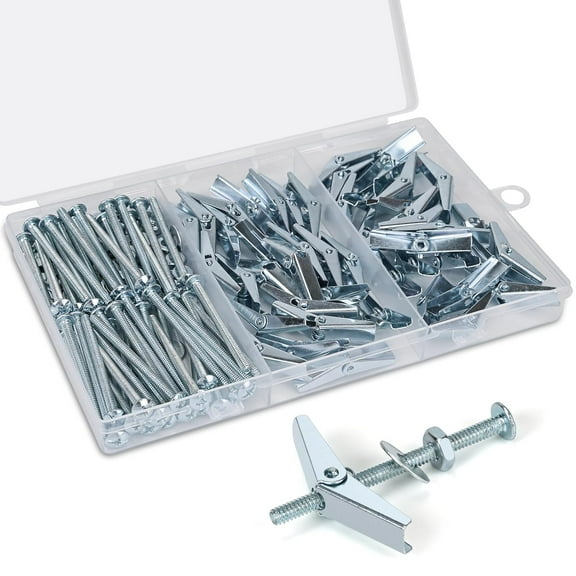
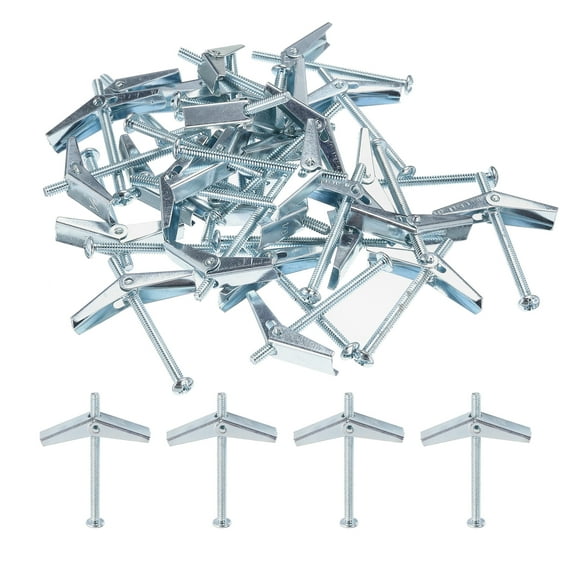
Toggle bolts open behind the wall, which creates support across a wider area. You should consider them when you need extra holding power for heavier pieces.
Threaded anchors bite into drywall with deeper outer threads for a firm grip. You can use them when you want a balance of simple installation and dependable support.
Choosing between plastic drywall anchors and metal options
Material changes how an anchor installs and how it handles repeated use. You can compare plastic, nylon, zinc, and steel options based on project demands.
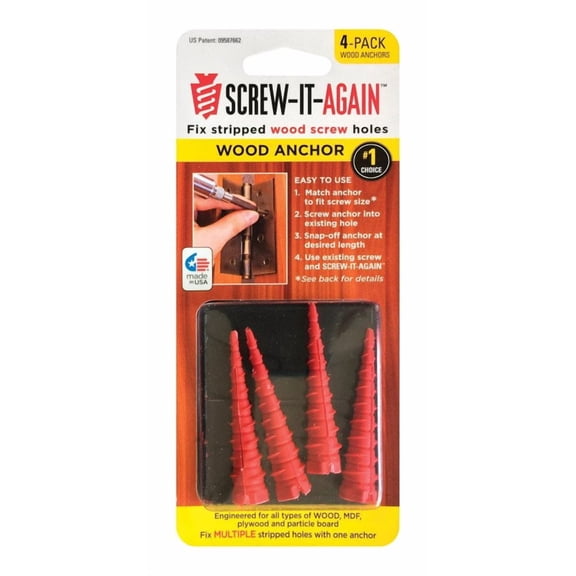
Plastic drywall anchors often suit lighter household tasks and basic hanging jobs. You may choose them when you want a familiar option for decor, signs, or small accessories.
Nylon anchors can offer a similar feel with added flexibility during installation. You can use them when you want an anchor that handles everyday indoor projects neatly.
Zinc and steel anchors usually fit projects that call for a sturdy build. You'll often see these materials in threaded and heavy duty drywall anchors designed for higher load ratings.
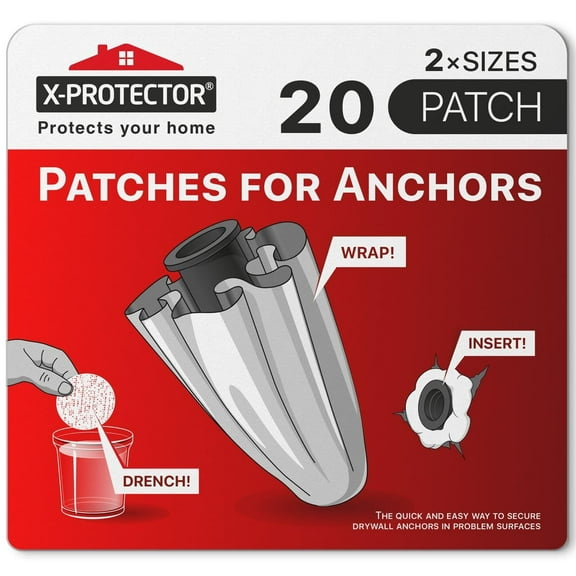
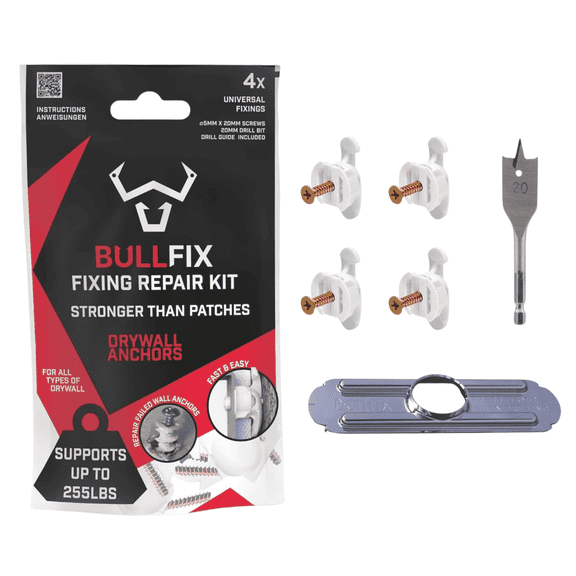
You should also think about how often you'll remove or replace the mounted item. If you expect updates later, you'll want an anchor style that leaves a repairable opening.
Understanding weight capacity and wall fit
Load rating in pounds is a key decision point, because you need the anchor to match the item and its contents. You should count the full hanging weight, not just the empty shelf or frame.
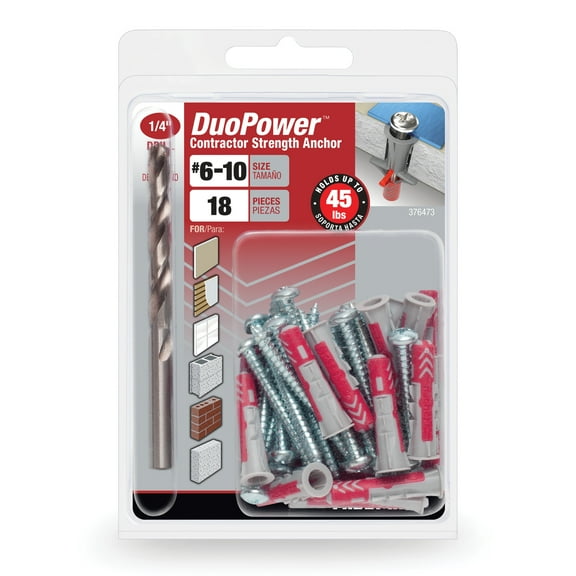
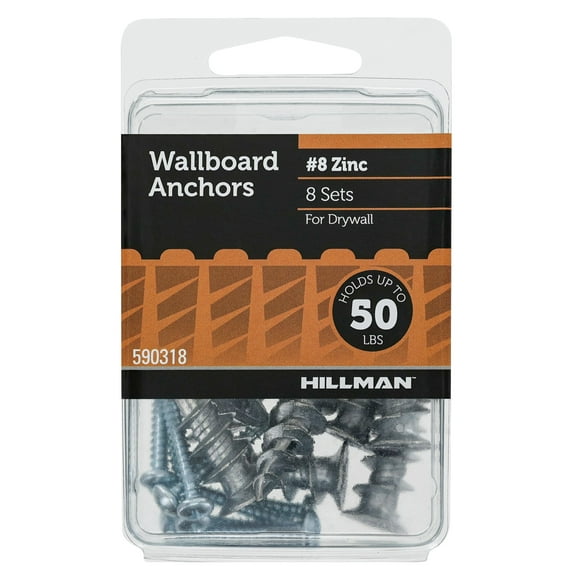
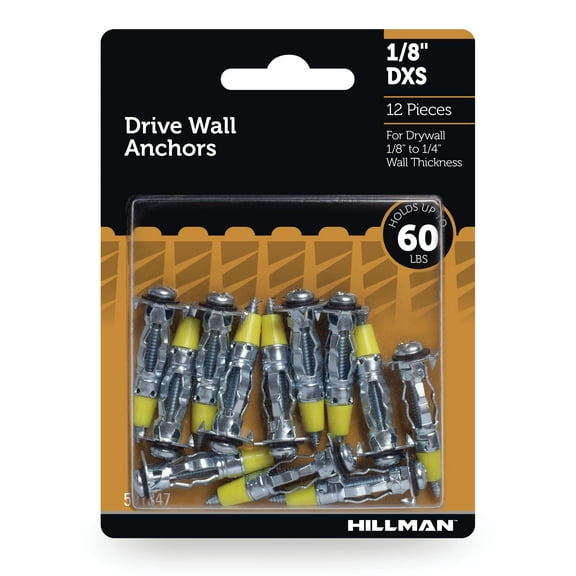
Light duty anchors often cover about 10 to 25 pounds for smaller decor. Medium duty anchors often cover about 25 to 50 pounds for larger wall pieces.
When your project goes above that range, heavy duty drywall anchors may make more sense. You'll want to follow package guidance closely so your anchor type and screw work together.
Drywall thickness matters too, because longer anchors need enough space to seat correctly. You should measure your wall or check common drywall thickness before choosing your hardware.
If your anchor is too short or too long for the wall, you may get a loose fit. You'll improve your results when the anchor length matches the drywall and the mounting screw.
Installation tools and common use cases
You can simplify your project by checking the required tools before you start. Some drywall anchors install with basic hand tools, while others need a pilot hole or a larger opening.
For fast decorating updates, you may want self-drilling anchors that reduce prep work. You'll appreciate that style when you're hanging clocks, lightweight shelves, or entryway hooks.
For laundry rooms, closets, and utility spaces, you may need anchors with more support. You can turn to toggle bolts or sturdy threaded designs for organizers and storage accessories.
If you're mounting a TV accessory shelf, a larger mirror, or a floating organizer, load rating becomes even more important. You'll also want to confirm the screw size and drywall thickness before installation.
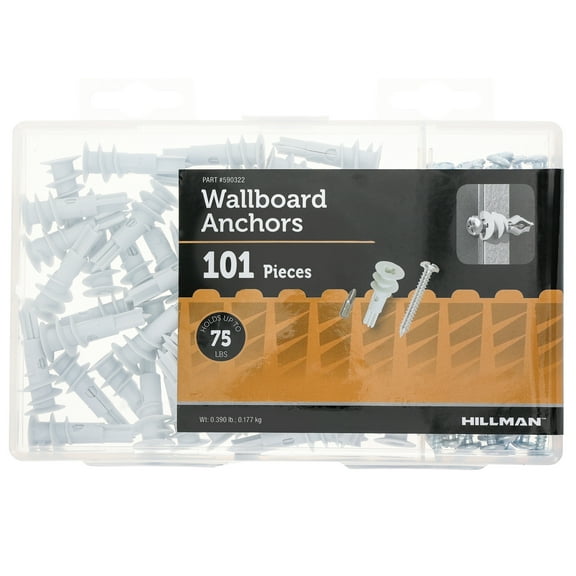
Package size can shape your choice as much as anchor style. You can buy a five-pack for one job, a 50-pack for several rooms, or a 100-pack for larger projects.
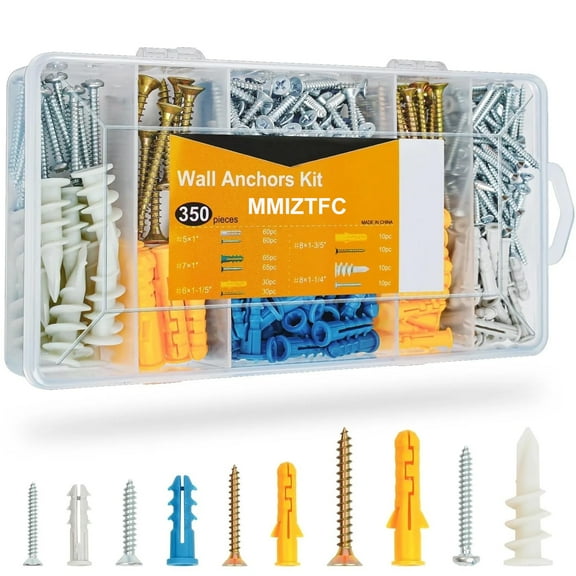
An assortment kit helps you compare sizes and styles without guessing before you begin. You'll find that useful when your home projects range from light decor to heavier wall storage.
What to look for before you finish your project
You should confirm anchor type, material, wall thickness, and load rating before making your final choice. You'll avoid mismatched hardware and spend less time patching and reinstalling later.
With the right drywall anchors, you can hang household items with a clean fit and dependable support. You'll finish your wall project with hardware that matches the job from the start.