

Amplifiers & Effects in Musical Instruments







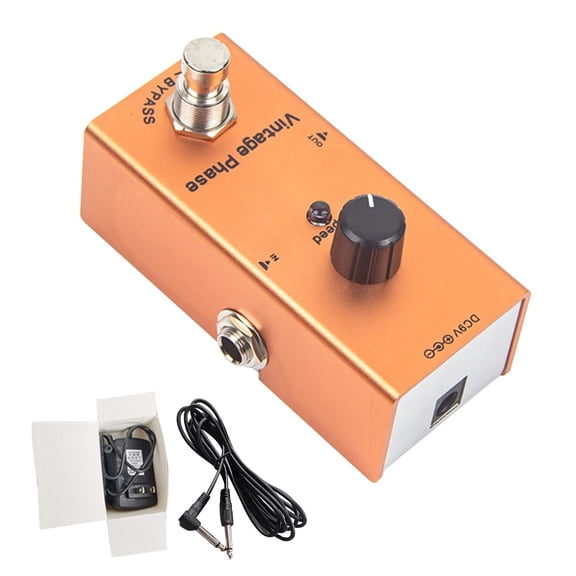


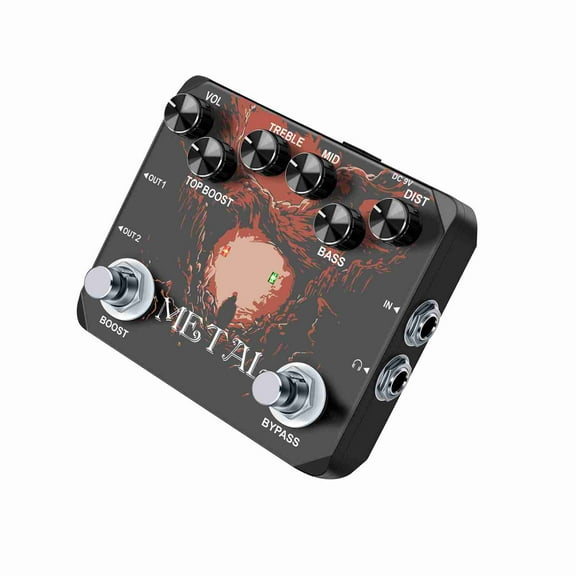

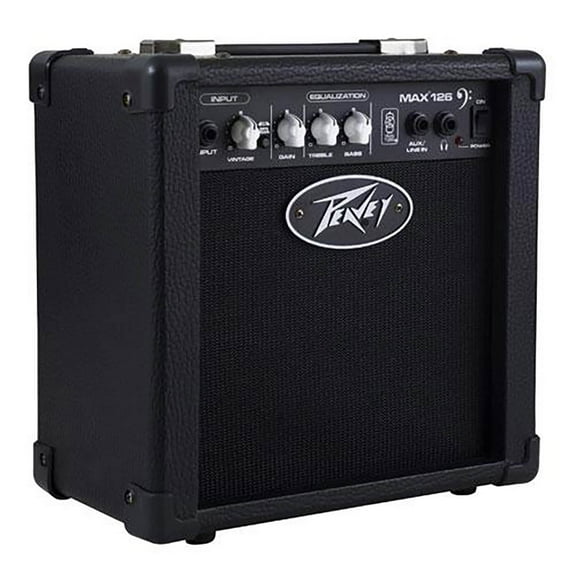
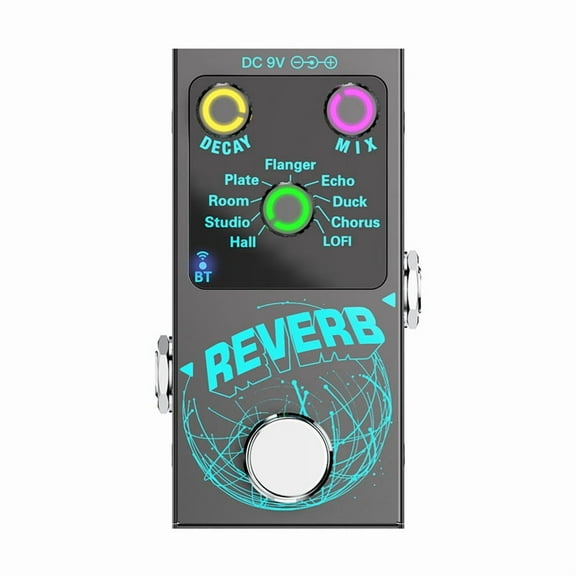











About Amplifiers & Effects in Musical Instruments - Walmart.com
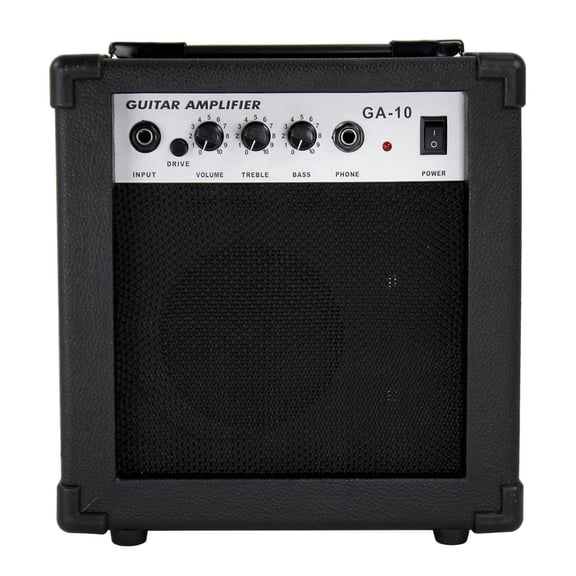
With guitar bass amplifiers in a black finish, you can narrow your search faster and compare stage-ready looks with instrument-specific performance. You’ll find this color filter especially useful when your setup needs a clean, understated amp that matches pedals, stands, and speaker cabinets.
How to choose guitar bass amplifiers
When you compare guitar bass amplifiers, you should start with instrument compatibility before you check size or style. You’ll hear different results because guitar and bass signals need different speaker voicing and frequency response.
For electric guitar amplifiers, you may want midrange detail that helps chords, leads, and effects stand out clearly. For bass guitar amplifiers, you should look for fuller low-end handling that supports deeper notes without losing definition.
If you play more than one instrument, you should check whether an amp is designed for electric guitar, bass guitar, or acoustic guitar use. You’ll make a clearer choice when you match your instrument to the amp’s intended sound profile.
- You can choose combo amplifiers when you want the amp and speaker in one unit.
- You can compare heads and cabinets when you want more flexibility for speaker size and stage setup.
- You can pick portable guitar amps when you need easy carrying for lessons, rehearsals, or desktop playing.
- You can focus on black guitar amplifiers when you want a neutral finish that blends into most music spaces.
Choosing amplifier type and wattage
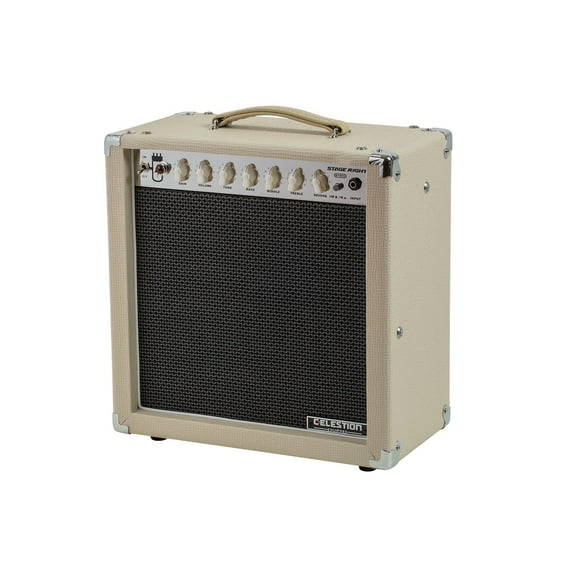
Combo amplifiers work well when you want a simpler setup with fewer separate pieces to move. You’ll often prefer this format for home practice, smaller rooms, and quick plug-in sessions.
Head and cabinet setups give you more ways to shape your rig around speaker size and projection. You can compare cabinets carefully when you want a fuller spread for rehearsal spaces or larger performance areas.
Wattage matters because you’ll want enough output for your usual space without carrying extra bulk. You can use lower wattage for home practice, while higher wattage may suit rehearsals, recording rooms, or gigs.
Mini and desktop options help when you need a compact footprint for a bedroom, office, or lesson corner. You’ll appreciate these smaller formats when you want quick setup and easier storage between sessions.
Comparing black guitar amplifiers by technology
When you compare black guitar amplifiers, you should also consider solid-state, tube, and modeling designs. You’ll notice each technology changes how your amp responds to playing dynamics, pedals, and volume levels.
Solid-state amps can appeal to you when you want consistent response and straightforward operation. You may also prefer them when you want lighter maintenance and an easy practice setup.
Tube amps may suit you when you want a warmer feel and responsive breakup as volume rises. You should also consider that tube designs can involve more upkeep over time.
Modeling amps help you explore different tones from one unit, which can simplify your setup. You can test clean, driven, and effects-based sounds without building a larger rig around separate gear.
If you’re choosing between guitar and bass use, you should check how the speaker is voiced for your instrument. You’ll get a more focused result when the amp supports your note range and playing style.
Matching portable guitar amps to your routine
Portable guitar amps make sense when your playing happens across bedrooms, dorms, lessons, and casual rehearsals. You’ll benefit from a smaller amp when you need quick transport and faster setup.
If you practice at home, you may want a combo amp with manageable wattage and a compact footprint. You can keep your space tidier while still having enough output for daily playing.
For rehearsals or small performances, you should compare combo units against head and cabinet options. You’ll want enough projection for the room while keeping your rig practical to carry.
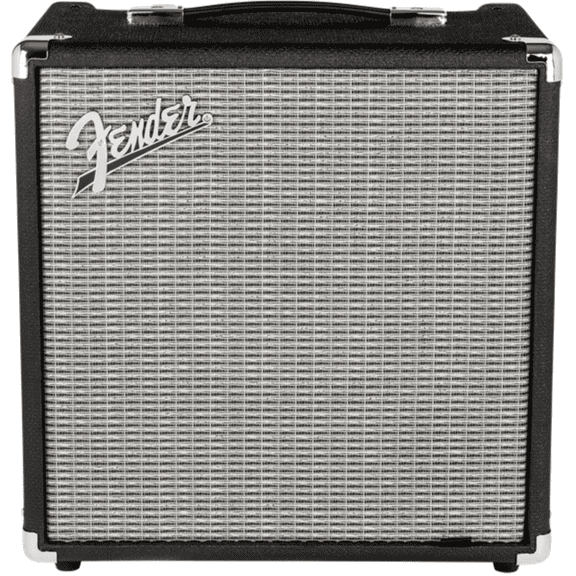
If your focus is bass, black bass amps can give your setup a clean look while supporting instrument-specific output needs. You should still compare wattage, speaker format, and cabinet pairing before you decide.
Acoustic players may also look for amplifier options that suit pickups and cleaner tone preferences. You can narrow choices faster when you check compatibility first, then review portability and finish.
What to look for in black bass amps and guitar setups
You should measure where your amp will live before you compare full-size cabinets, combo units, or desktop models. You’ll avoid fit issues when you check floor space, storage space, and transport needs early.
Look for controls that match how you actually play, especially if you switch between clean sounds, pedals, and higher-gain tones. You can keep your setup simpler when the amp layout feels easy to adjust.
You should also compare finish and form together, because black guitar amplifiers often fit visually with pedalboards and studio furniture. You’ll get a more cohesive setup when your amp matches the rest of your gear.
When you focus on compatibility, wattage, technology, and portability, you can choose with more confidence and fewer compromises. You’ll end up with an amp that fits your instrument, your room, and your playing routine.