

Adjustable Wrenches in Wrenches















About Adjustable Wrenches in Wrenches - Walmart.com
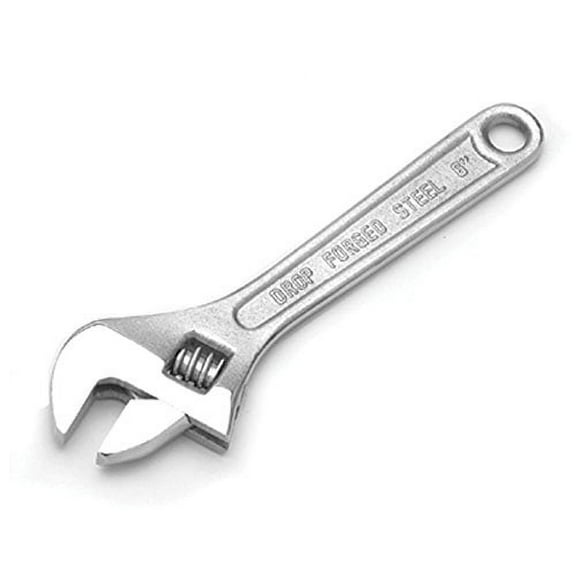
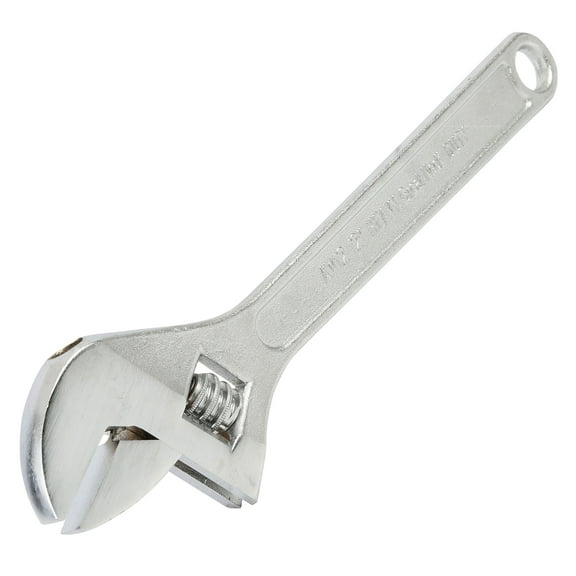
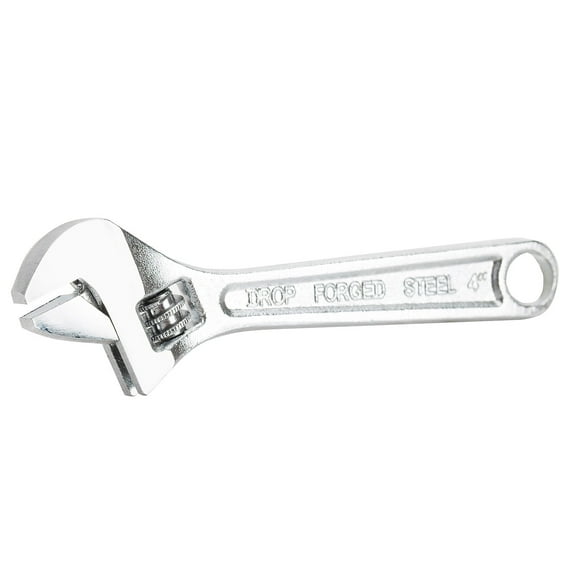
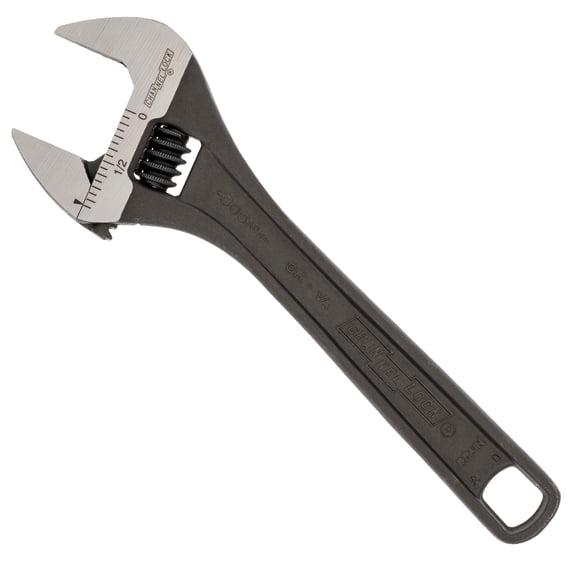
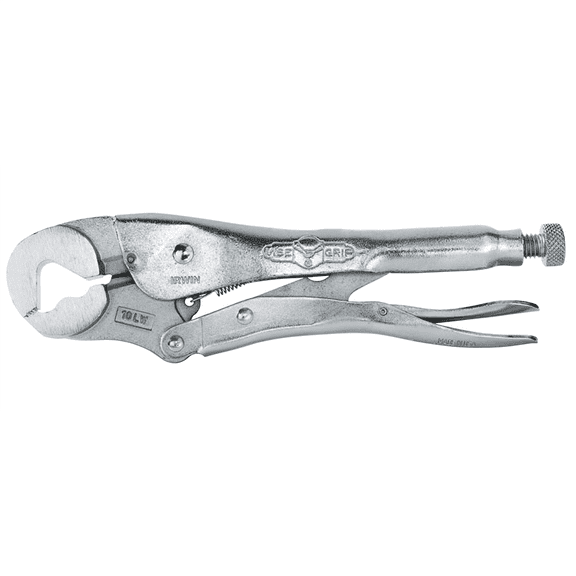
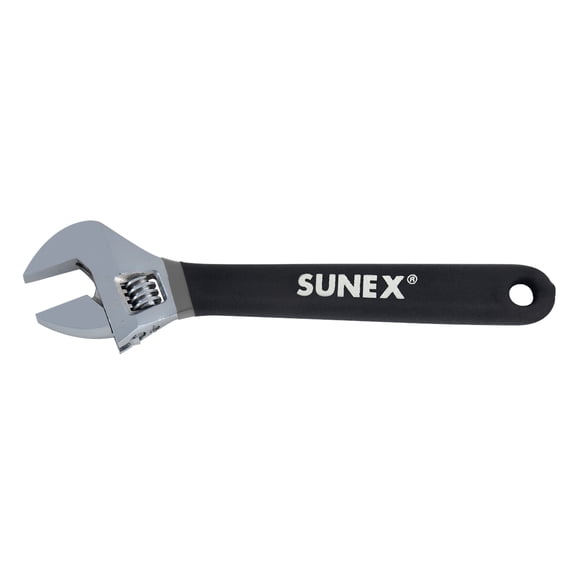
Crescent adjustable wrenches help you handle fasteners with familiar sizing, strong jaw control, and trusted hand-tool versatility. You can compare wrench sizes, jaw capacity, finishes, and set options to match your workspace and daily tasks.
How to choose crescent adjustable wrenches
When you compare crescent adjustable wrenches, you should start with the bolt sizes and clearances you face most often. You’ll want a tool length and jaw opening that fit your hardware without crowding your hands.
If you work around larger nuts, you may need a wide jaw adjustable wrench for extra opening range. If you work in narrow access points, you may prefer a shorter handle that gives your wrist more room.
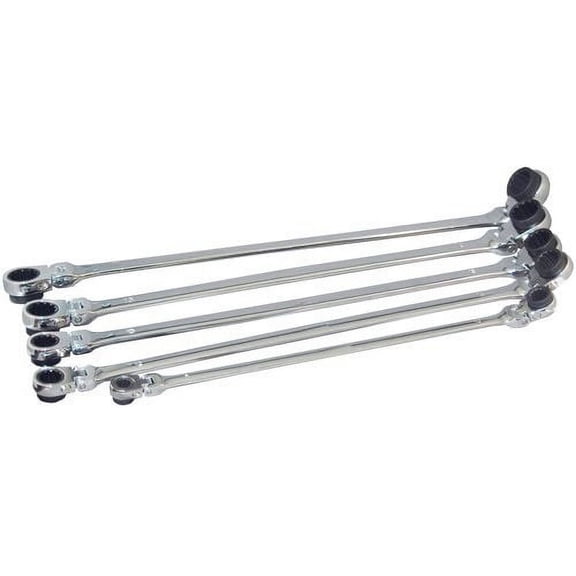
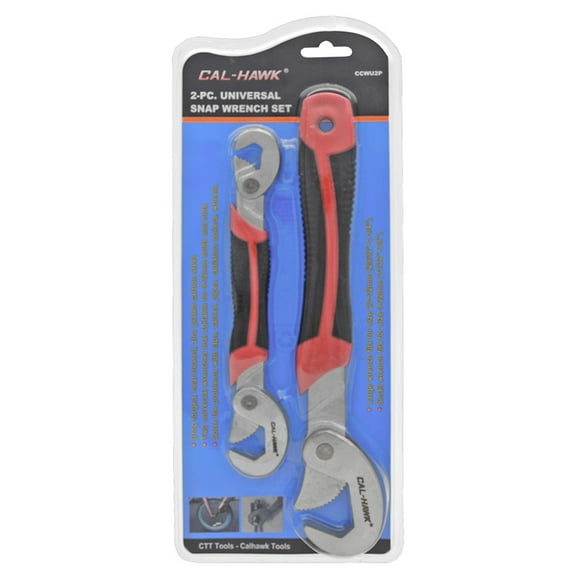
You can also compare an individual wrench against a crescent wrench set before you commit. You’ll get more flexibility from a set when your projects shift between household repairs, garage work, and jobsite tasks.
Choosing the right wrench size
You should match wrench size to both leverage and working space. A longer handle gives you more turning force, while a shorter handle helps you reach cramped connections.
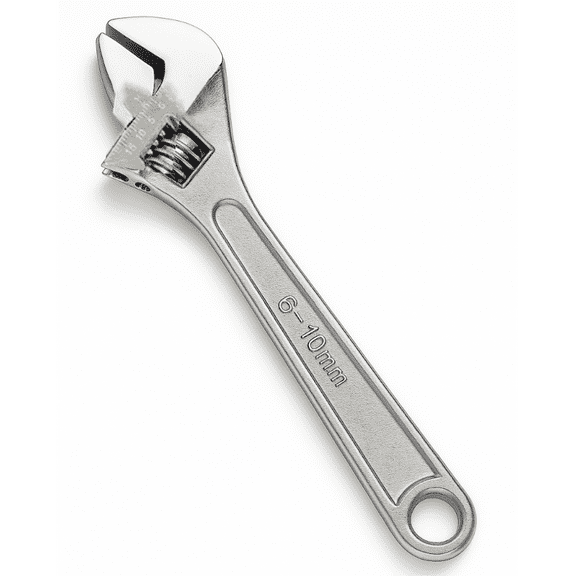
A 6-inch model can suit light adjustments where your clearance is limited. An 8 inch crescent wrench can give you a useful middle ground for drawers, fixtures, and small hardware.
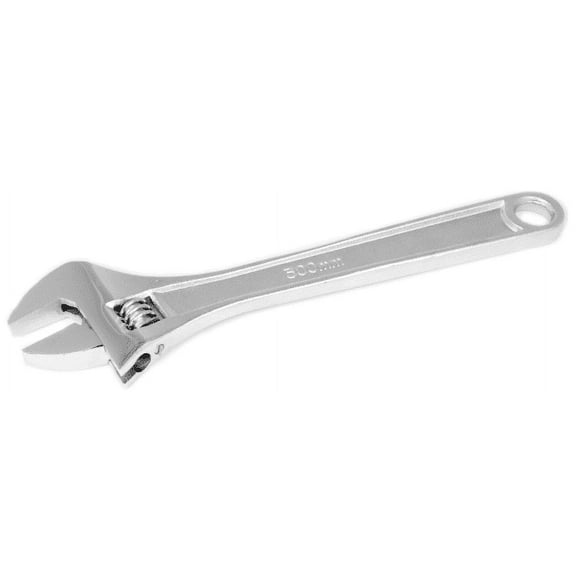
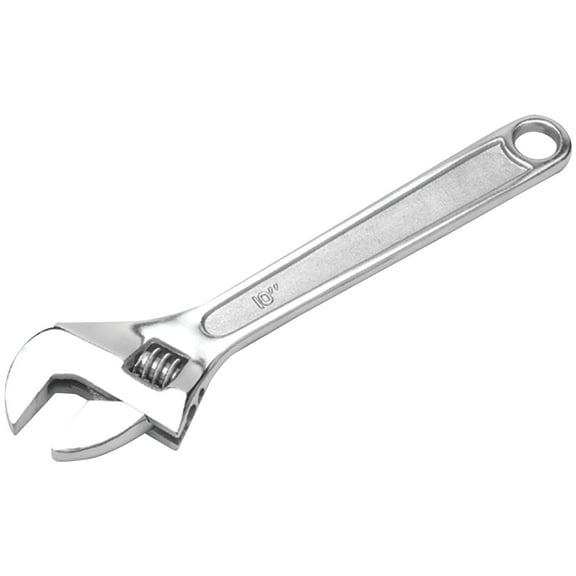
You may reach for a 10 inch adjustable wrench when you want added leverage on larger fasteners. A 12-inch option can make sense when your project calls for more handle length and a broader opening.
- You can choose 6-inch sizes for compact storage and close quarters.
- You can use 8-inch and 10-inch sizes for everyday home and garage tasks.
- You can select 12-inch sizes when you need extra reach and turning force.
- You can pick a crescent wrench set when your fastener sizes change often.
Comparing jaw capacity and opening range
You should check maximum jaw opening before you choose any adjustable spanner wrench. That measurement tells you how large a nut or bolt the tool can grip.
If you handle varied hardware, you may prefer a wide jaw adjustable wrench because it covers more sizes in one tool. You can often reduce tool swaps when your wrench opens wider without adding much extra bulk.
You’ll also want smooth jaw adjustment that helps you dial in a close fit. A precise fit can help you keep steadier contact on hex fasteners and threaded fittings.
Comparing finish, material, and grip options
You should consider where you’ll use your wrench before you choose a finish. Chrome plated options can suit damp garages or utility spaces where you want a bright, easy-to-wipe surface.
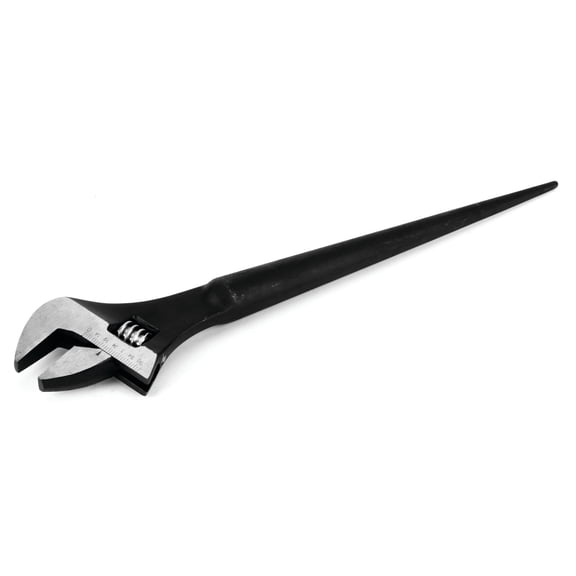
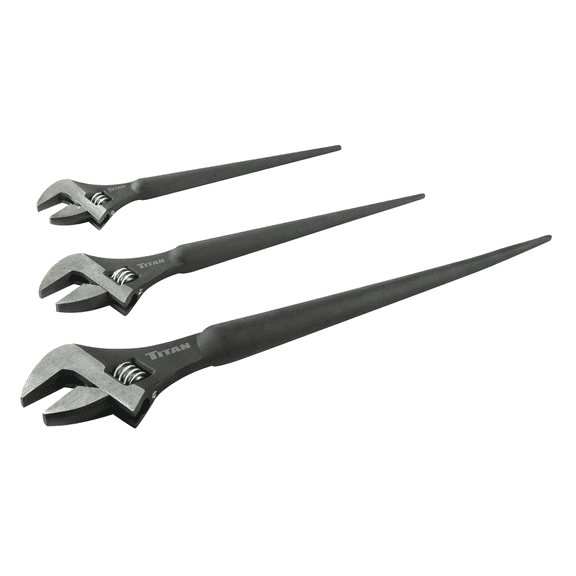
A black oxide crescent wrench can appeal to you if you like a darker finish with a more subdued look. You may also prefer that finish when you want a more secure feel in active work sessions.
You can also compare handle styles based on comfort and control. Classic steel handles can give you a traditional feel, while co-molded grips can give your hand more cushioning during higher-torque turns.
If you’re comparing material details, you may notice chrome vanadium steel wrench listings across the assortment. You’ll often look for that construction when you want a strong everyday hand tool for repeated adjustments.
Matching configurations to your projects
You should think about how often your hardware sizes change during one task. An individual wrench can work well when you already know the size range you’ll handle most.
A crescent wrench set can make more sense when you move between furniture assembly, plumbing connections, bicycle tuning, and automotive touchups. You can keep multiple lengths nearby instead of stopping to adapt one tool to every job.
If your work alternates between tight spaces and larger fasteners, you may benefit from owning several sizes together. You’ll be able to switch from compact access to stronger leverage with less interruption.
Using adjustable wrenches around home, garage, and shop
You can use these tools for appliance leveling feet, pipe-adjacent fittings, and outdoor equipment adjustments. You’ll appreciate quick jaw changes when your project mixes several nut and bolt sizes.
In the garage, you may want a 10 inch adjustable wrench for brackets, battery hold-downs, and general hardware. In a utility room, you may prefer a shorter length that fits behind equipment or under sinks.
For toolboxes that travel, you can keep one compact wrench for quick fixes or a set for broader coverage. You’ll have a practical option whether you’re tightening loose hardware or dialing in a replacement part.
When you compare crescent adjustable wrenches by size, finish, jaw capacity, and configuration, you can choose with more clarity. You’ll end up with a hand tool setup that fits your hardware, your grip, and your working space.