

Fresh Produce


Shop top picks

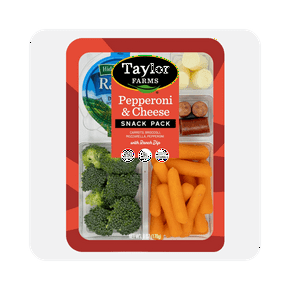
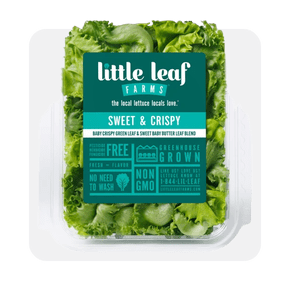

Lunchbox favorites
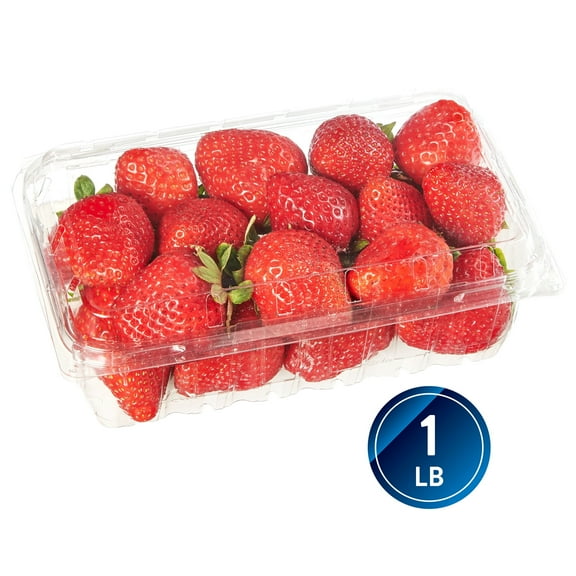

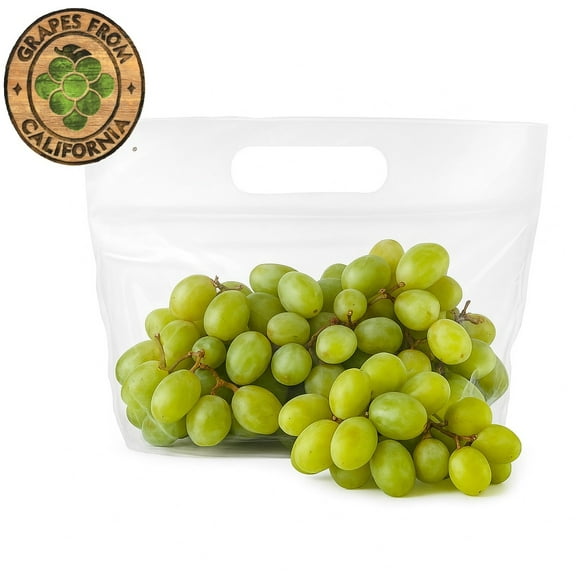
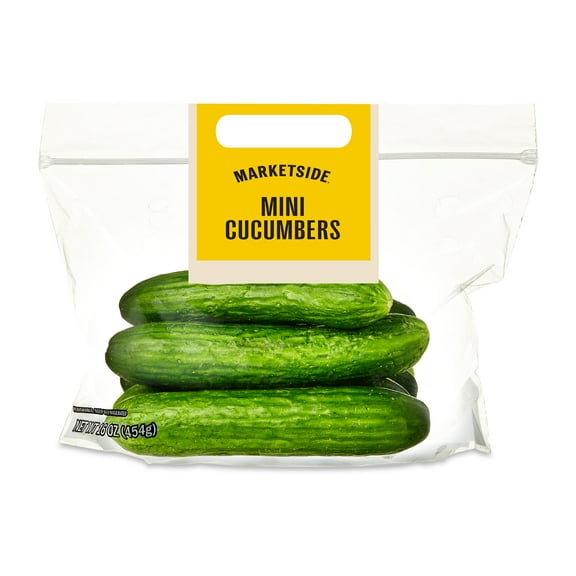
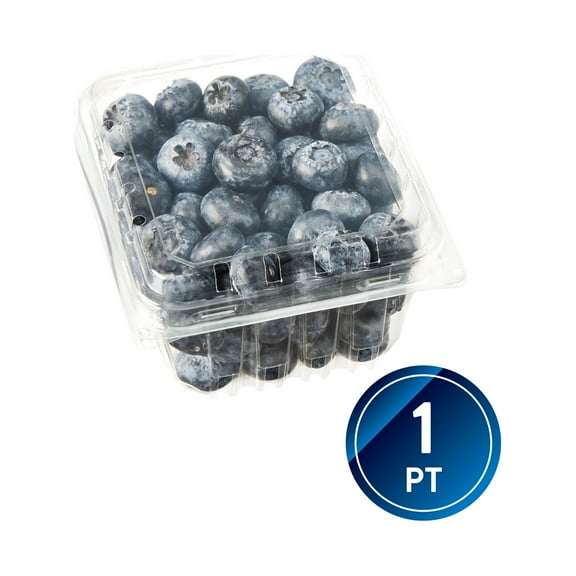
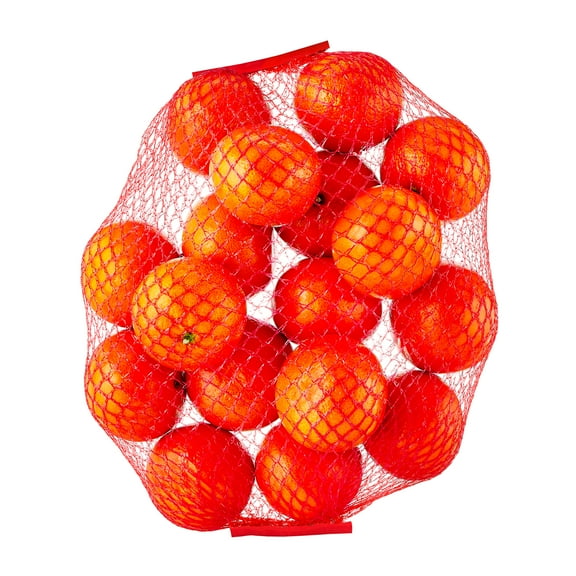
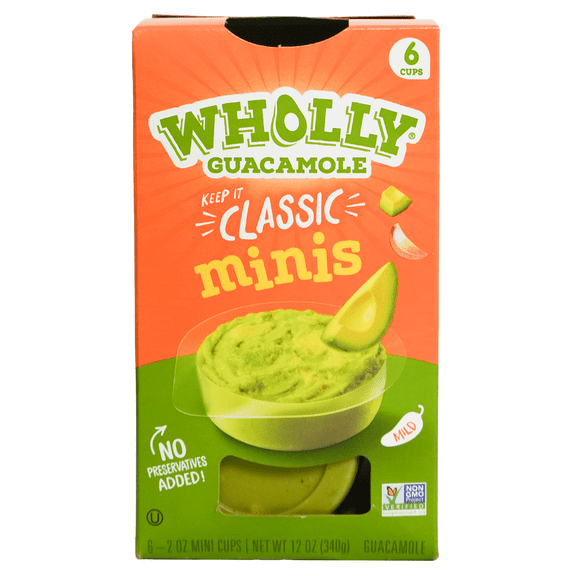












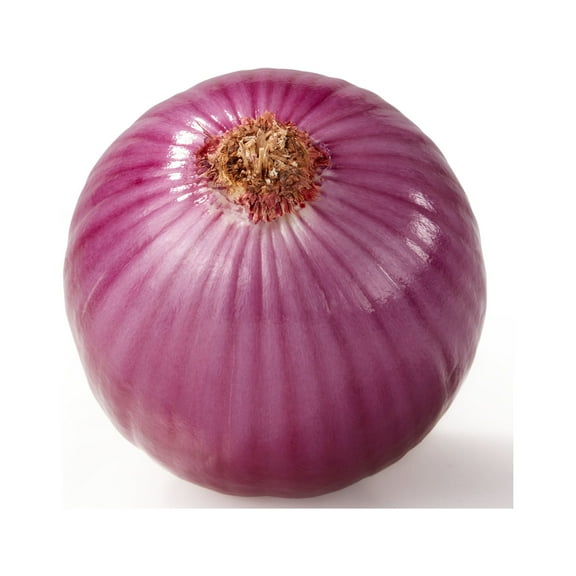
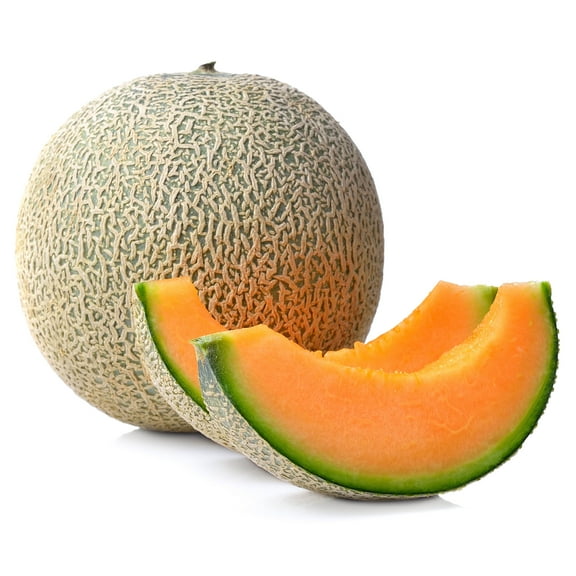
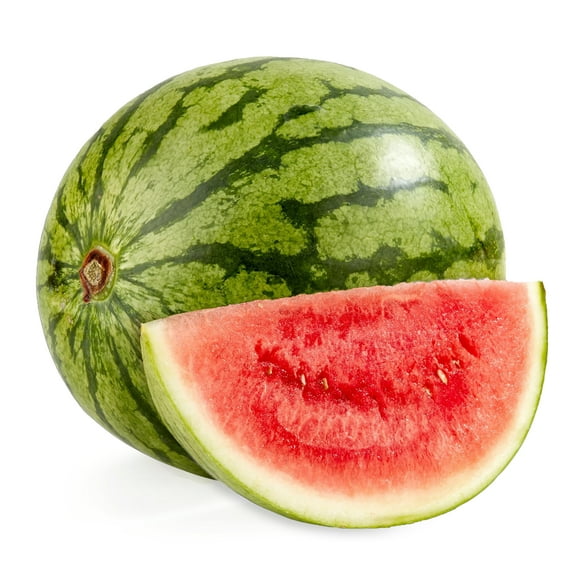
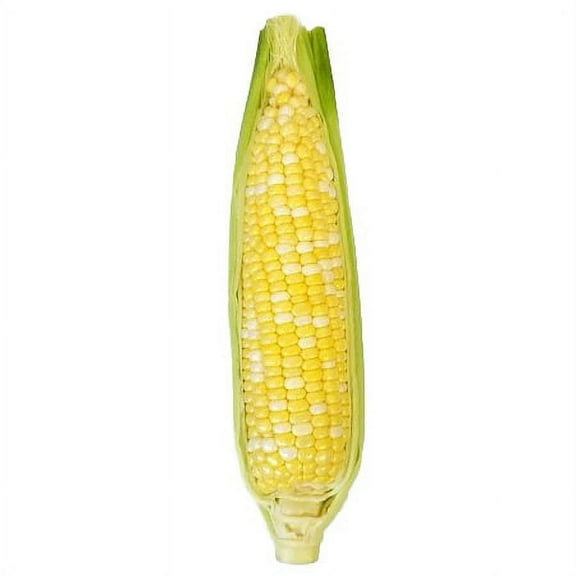
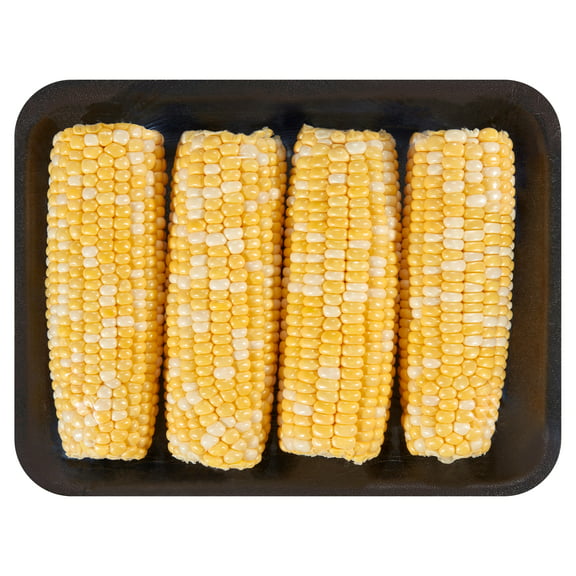



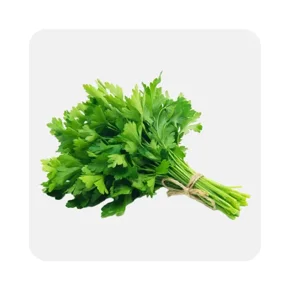

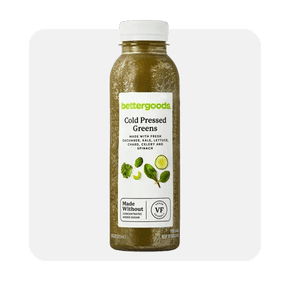






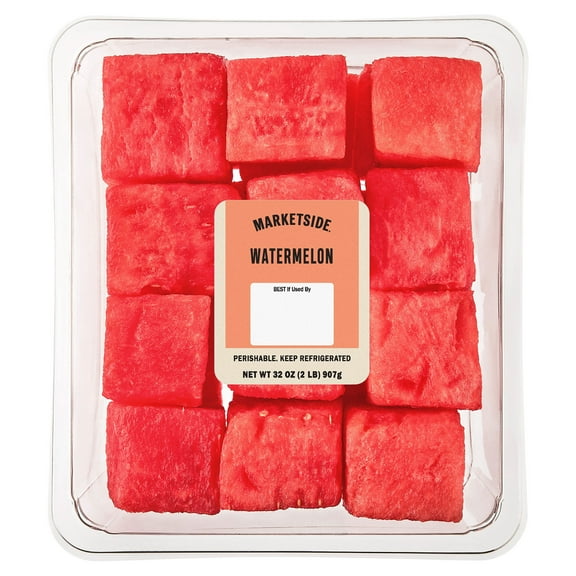
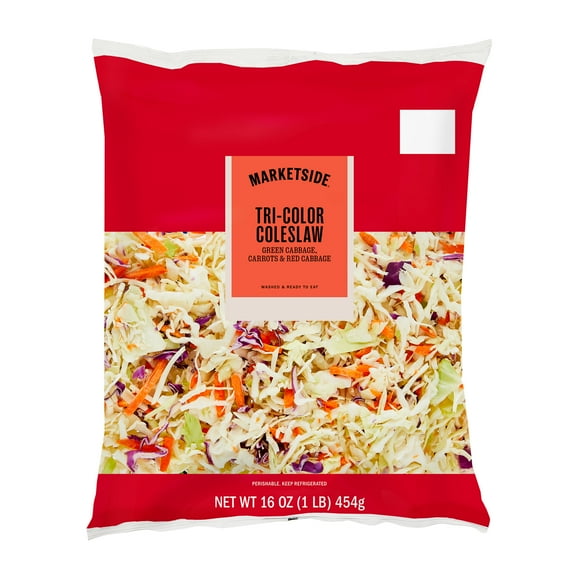



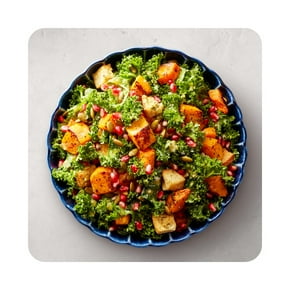
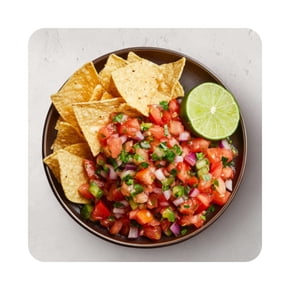


Simple sides for dinner
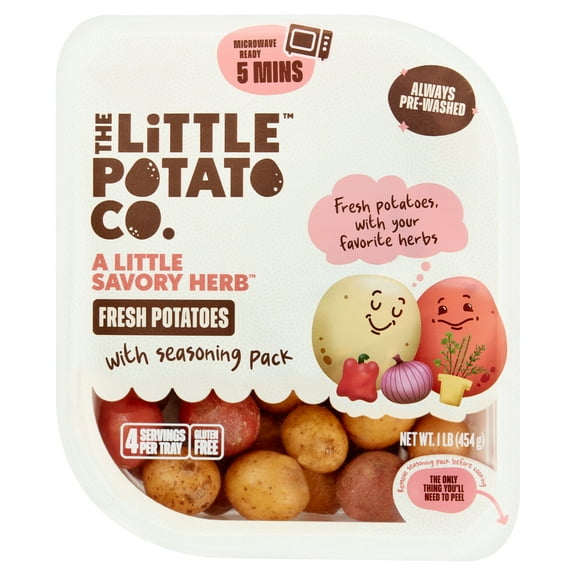
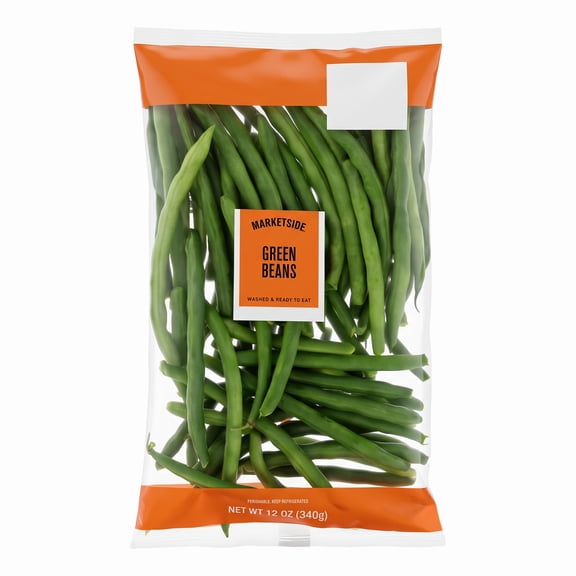


Ready-to-go refreshments
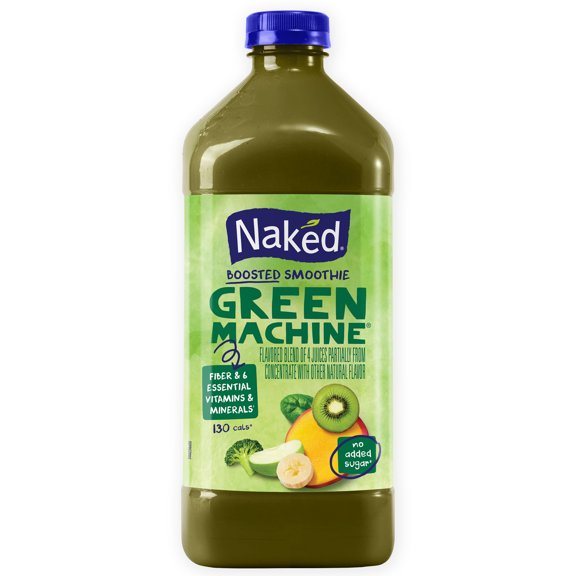
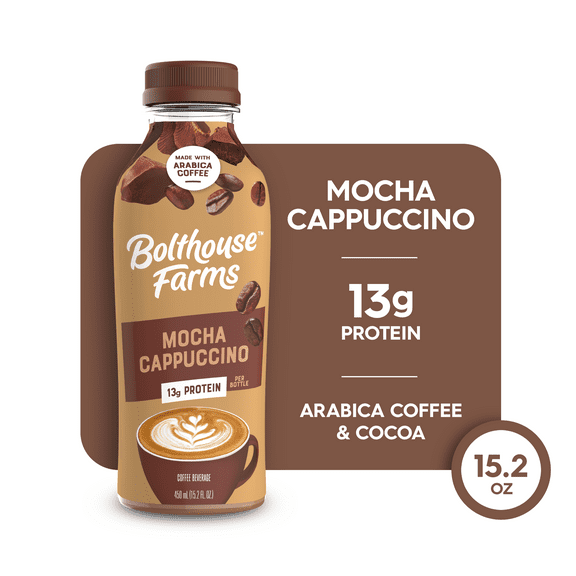
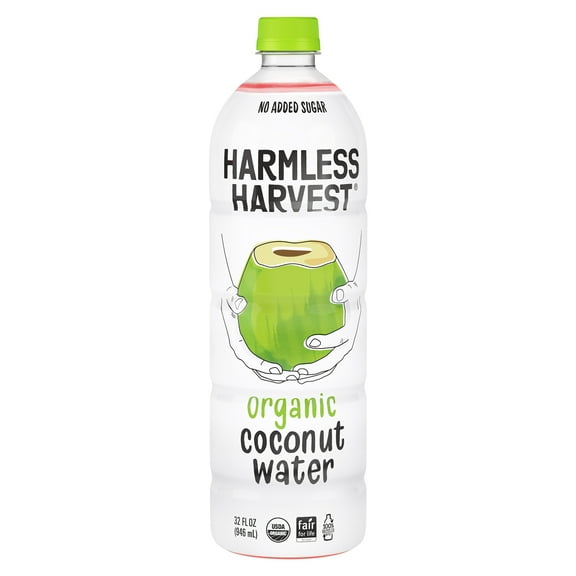
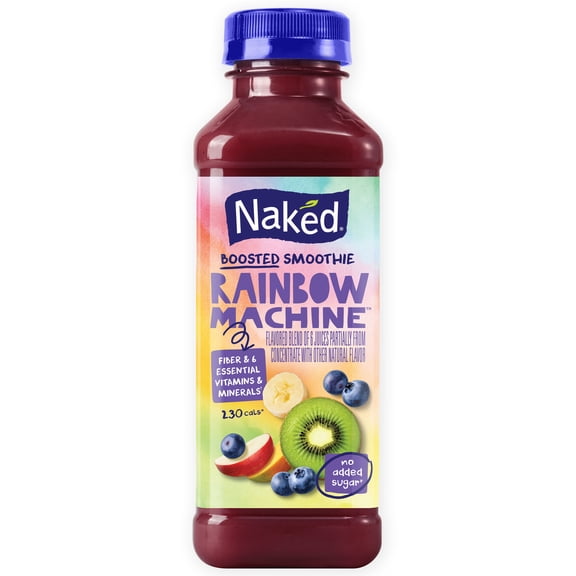
Juices, smoothies & more delish drinks.









Terms & Conditions
FAQ
About Fresh Produce
You can plan everyday meals with fresh produce that matches your schedule, pantry staples, and seasonal cooking needs. You’ll also get pickup and delivery options that support the convenience you expect from a grocery store produce section.
When you compare fresh fruit and vegetables, you’ll usually start with ripeness, prep time, and package size. You may also look for organic labels, locally grown options, and produce that fits how quickly your household uses it.
How to choose fresh produce for your meals
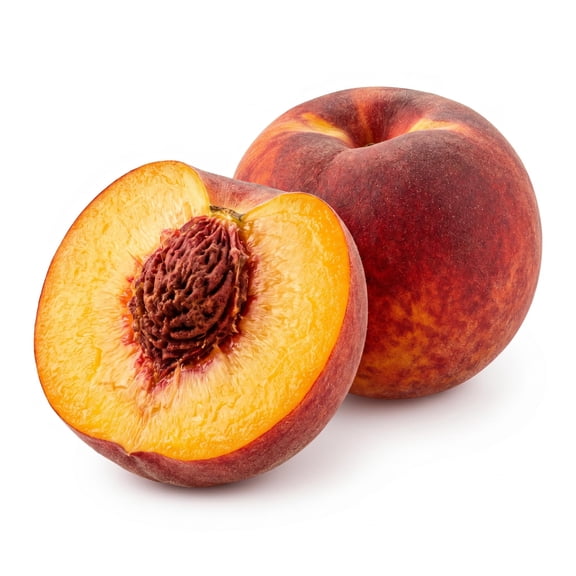
You can narrow your choices by produce type, because each group supports a different kitchen routine. You might choose fruits for snacks, vegetables for sides, herbs for flavor, and salad greens for quick lunches.
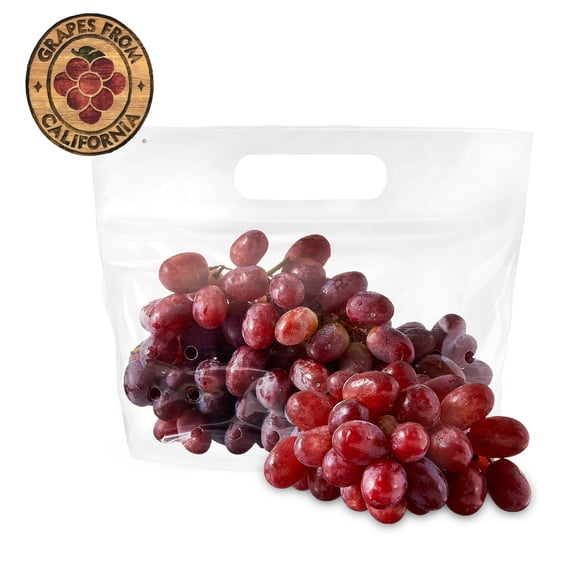
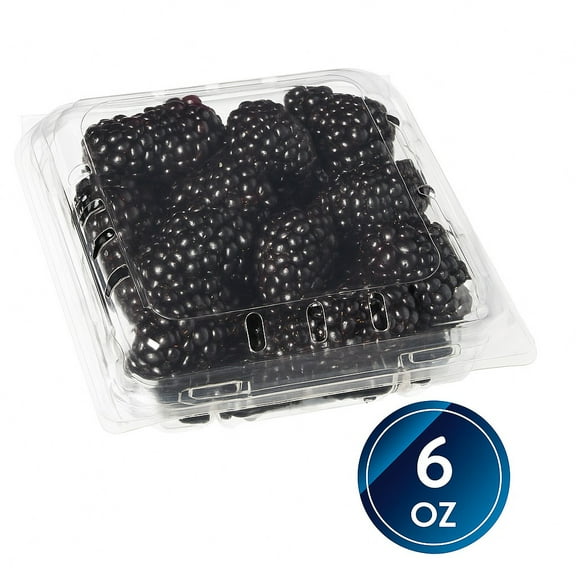
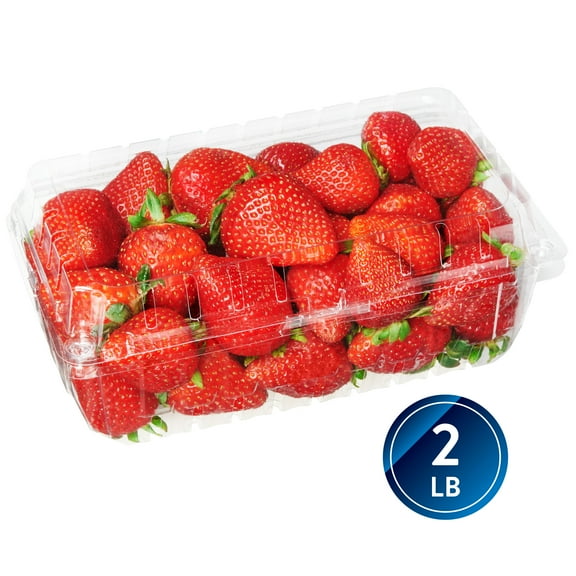
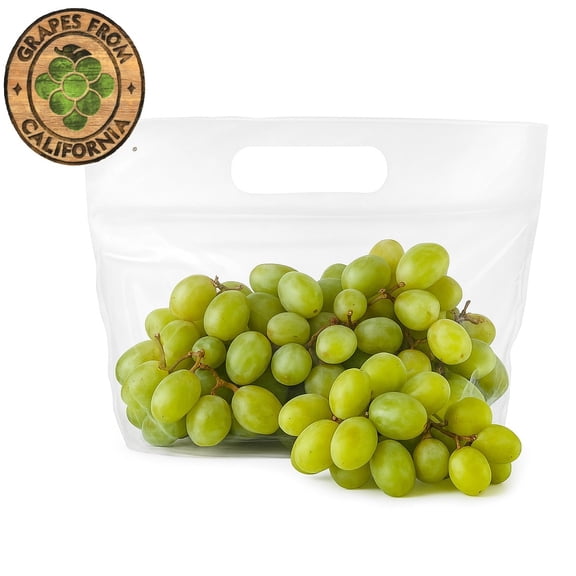
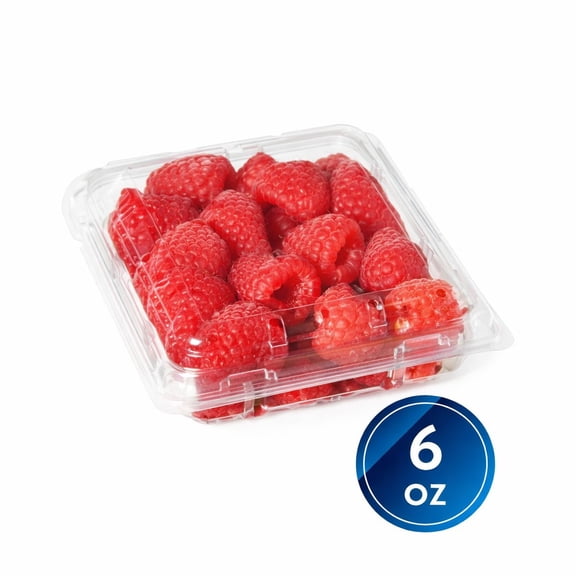
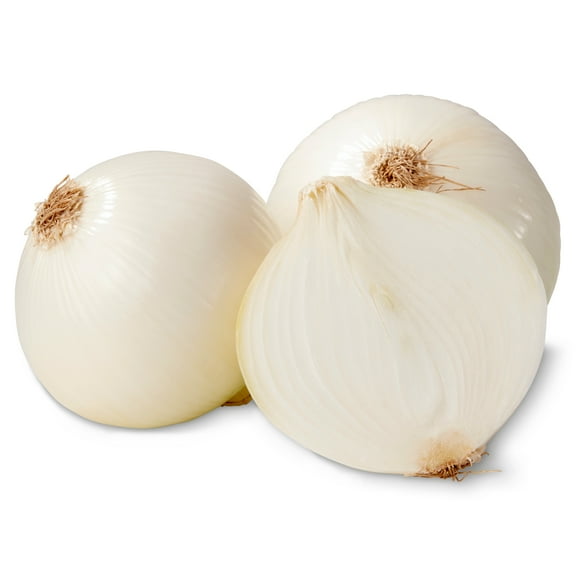
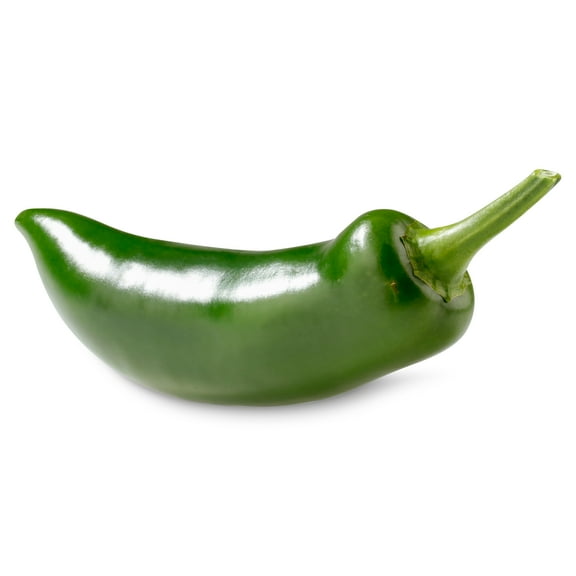
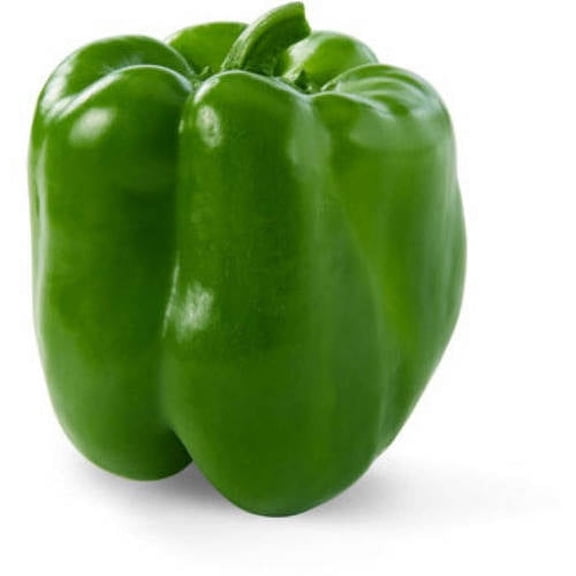
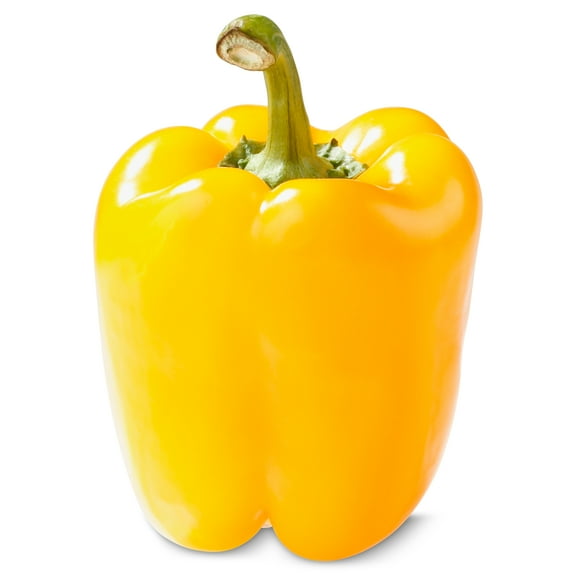
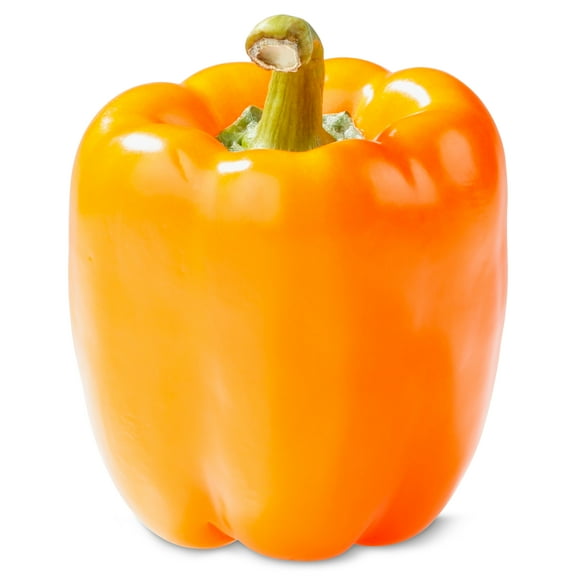
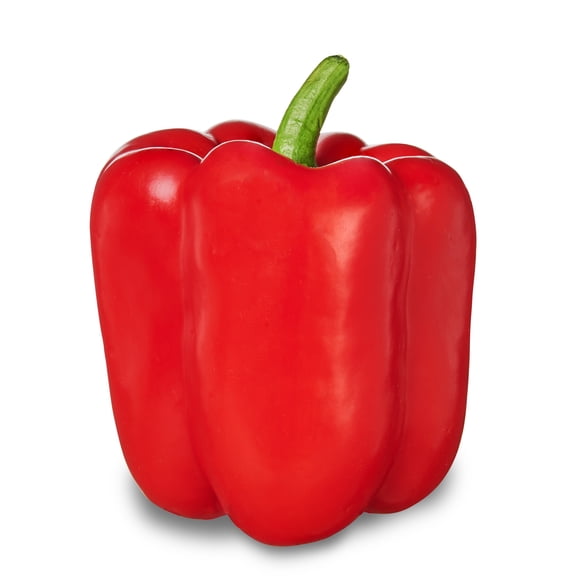
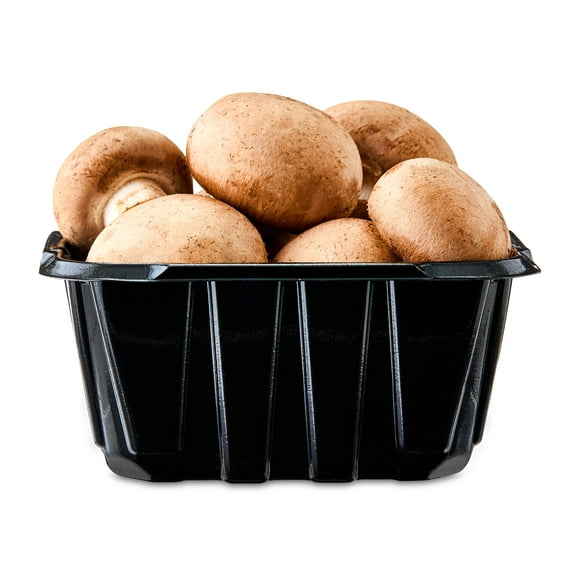
As you compare fresh vegetables fruit options, you’ll want to match texture and use to your routine. You can keep berries and grapes for easy snacking, while you use onions, peppers, and greens across several dishes.
- You can build breakfast, lunch, and dinner plans with fruits, vegetables, herbs, and greens.
- You can compare whole items with pre-washed choices when your schedule is packed.
- You can choose bulk, single-serve, or family-size packs based on how quickly your household eats them.
- You can check for organic and locally grown options when sourcing matters to you.
Choosing between fresh fruit and vegetables, herbs, and greens
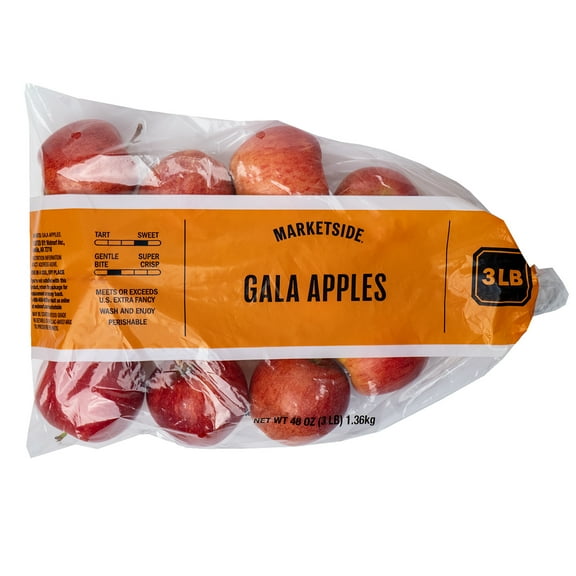
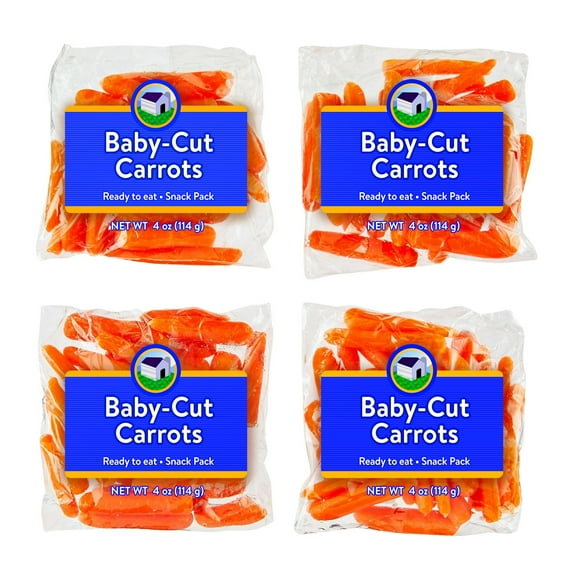
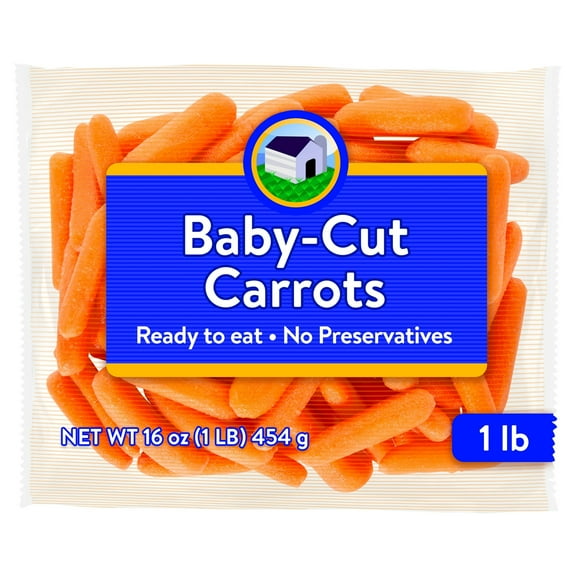
You’ll usually shop fruits and vegetables differently, because their roles in your kitchen aren’t the same. You may pick bananas, apples, or citrus for grab-and-go use, while you choose broccoli, carrots, or squash for cooking.
If you cook often, you can add fresh herbs for finishing soups, pasta, and roasted dishes. If you need quick lunches, you can choose salad greens that help you assemble bowls and salads quickly.
You can also think about shelf life as you build your cart for the week. You may use tender berries and greens early, while you keep potatoes, onions, and apples for later meals.
Comparing organic, conventional, and locally grown fresh produce
You can sort fresh produce by farming method when growing practices matter to your household. You may compare conventional choices with organic and locally grown options before you decide what belongs in your order.
If you’re looking for organic items, you can check whether produce carries the USDA Certified Organic label. That label helps you identify options that follow organic standards you may already know.
When local sourcing matters, you can look for locally grown selections as availability changes through the season. You’ll appreciate that sourcing details can help you plan around freshness, variety, and regional harvest timing.
You may also mix farming methods across your cart instead of choosing only one approach. You can pick organic salad greens, conventional citrus, and locally grown tomatoes based on your meals and preferences.
What to look for in whole, pre-washed, and ready-to-use fresh food
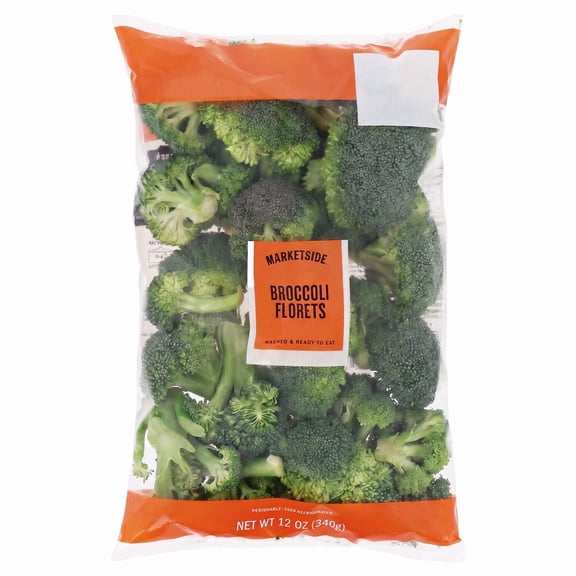
You can cut prep time by comparing whole produce with pre-washed and cut options. You may prefer whole heads of lettuce for flexibility, or you can choose washed greens when you want quick meal assembly.
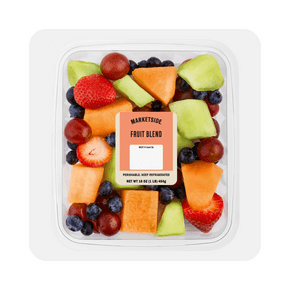
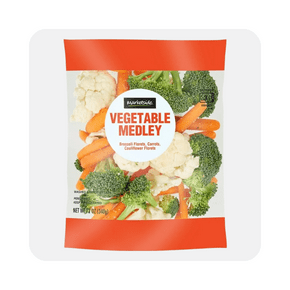
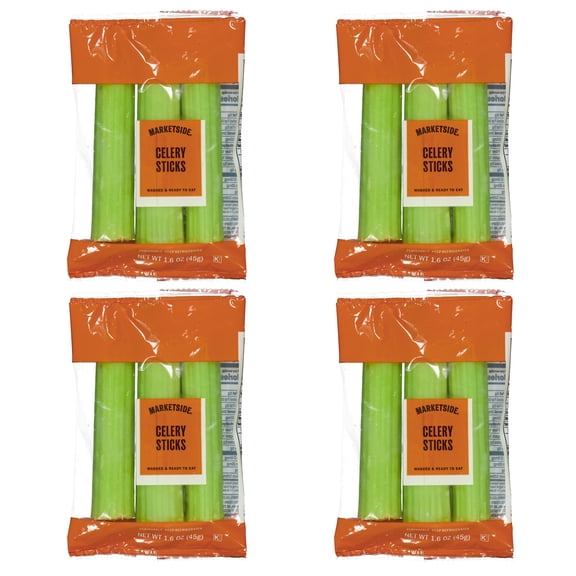
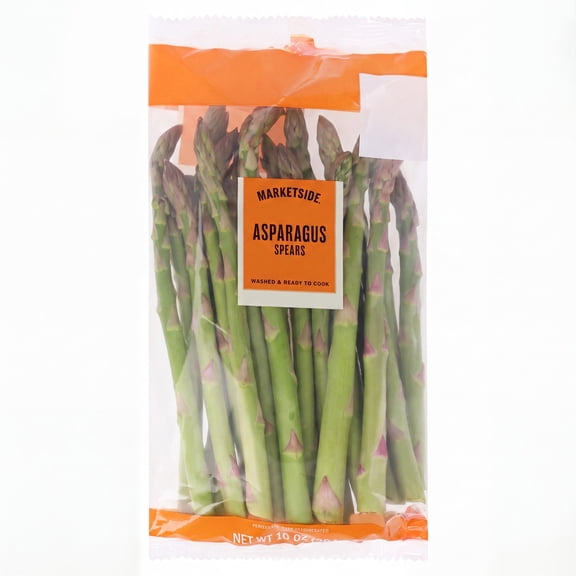
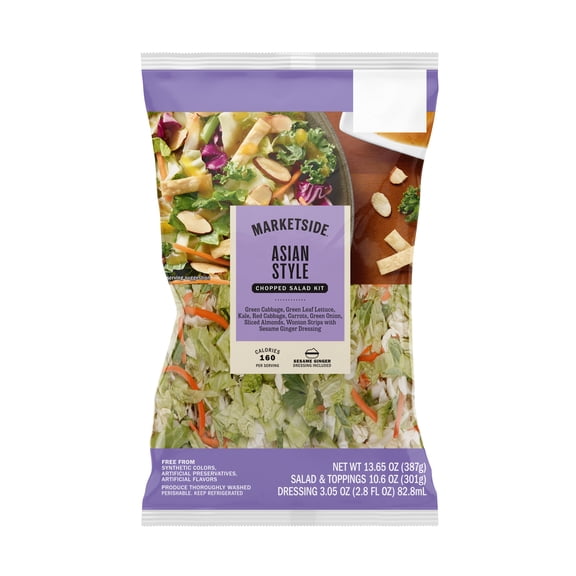
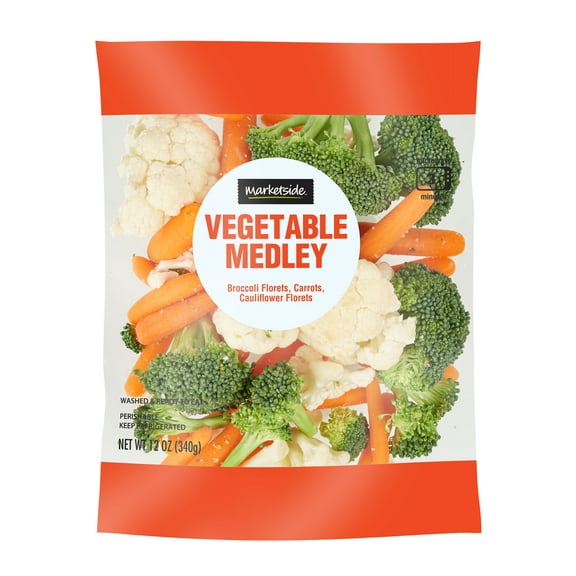
For packed schedules, you’ll notice that steam-in-bag vegetables and cut fruit support quick lunches and simple sides. You can also choose trays and platters when you’re preparing for gatherings, snack spreads, or shared meals.
If you cook in batches, whole produce can give you more control over slicing, seasoning, and portioning. If convenience leads your decision, you can look for fresh food that comes washed, trimmed, or packed for direct use.
Matching packaging size to your household
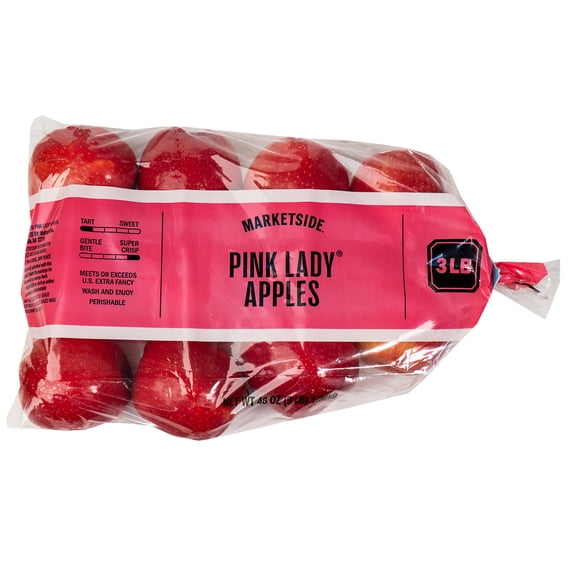
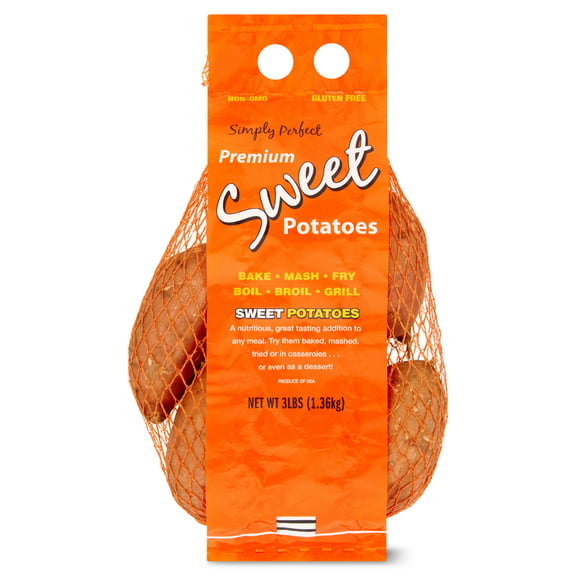
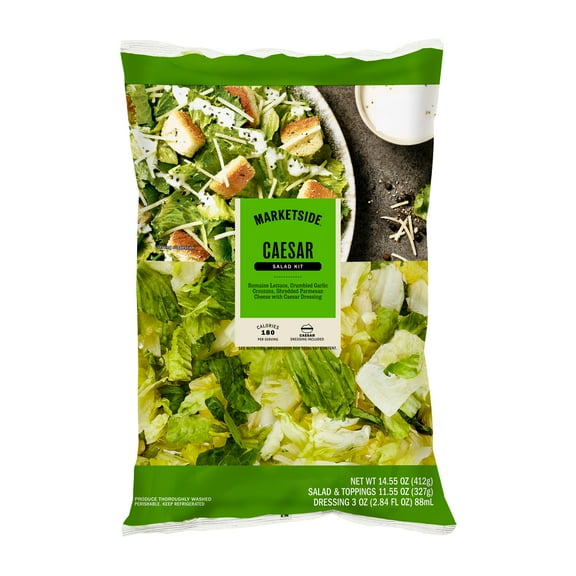
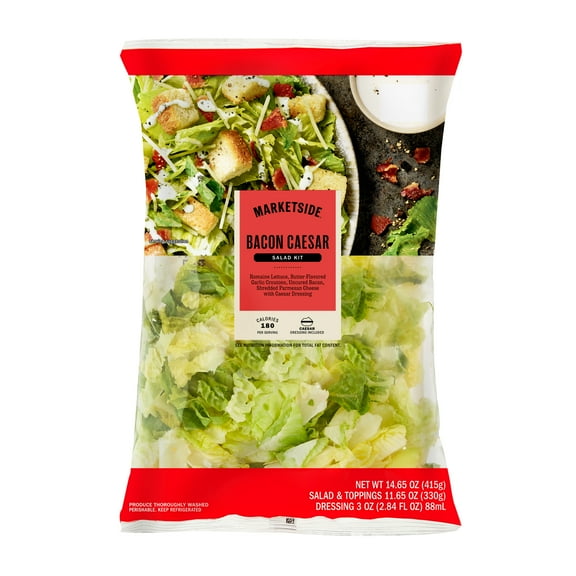
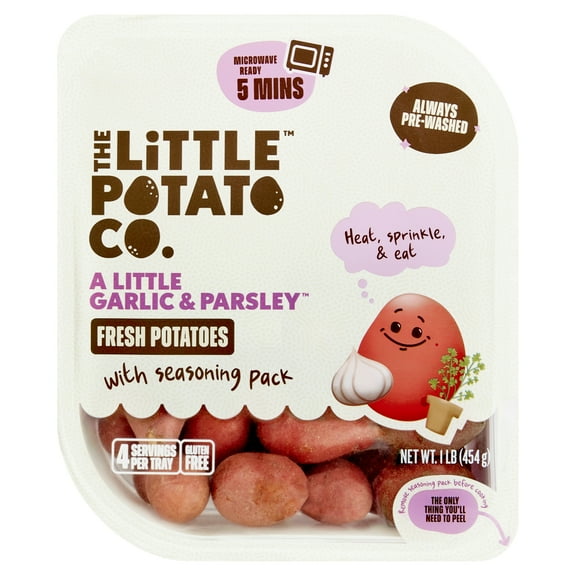
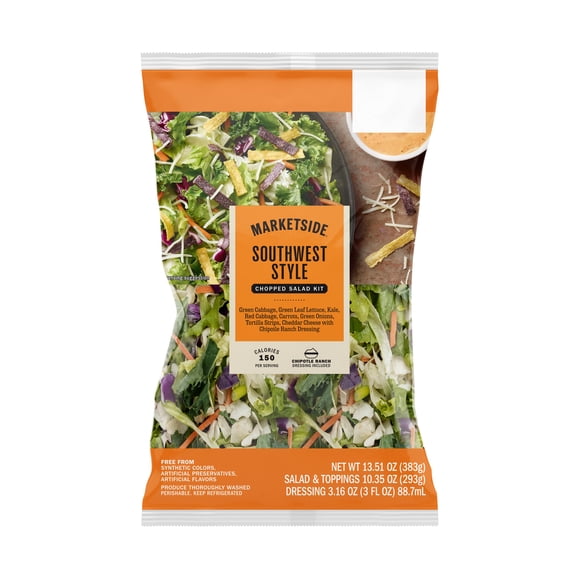
You can choose produce by the pound when you want flexibility for recipes and changing plans. You may prefer pre-packaged bags when you’re stocking staples like apples, oranges, potatoes, or salad kits.
Single-serve packs can help you portion snacks and lunches with less guesswork during busy days. Family-size options can make sense when you’re planning several meals or feeding a larger household.
As you compare sizes, you’ll want to think about how quickly you use delicate produce. You can buy bulk avocados or greens for meal prep, or you can pick smaller packs for a shorter shopping cycle.
Using the grocery store produce section for pickup and delivery
You can use Walmart’s grocery store produce section to plan meals around convenience as well as variety. If you’re searching for fresh produce, you’ll want options that support pickup or delivery.
You can build a weekly order with fruit for snacks, vegetables for dinners, and herbs for finishing recipes. You may also add salad greens, cut produce, and family packs when you want fewer separate shopping trips.
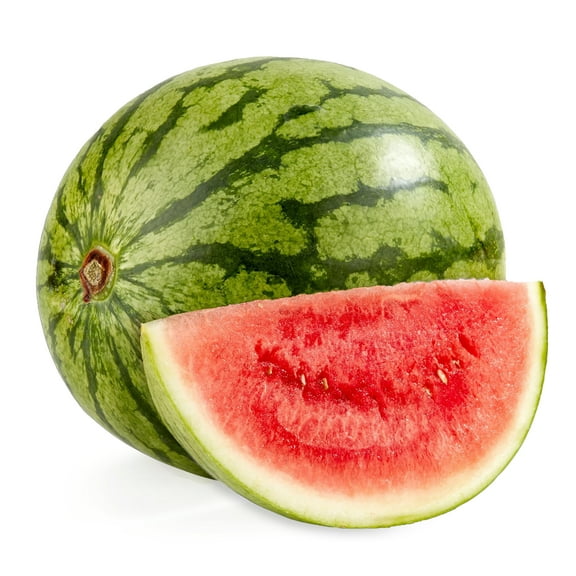
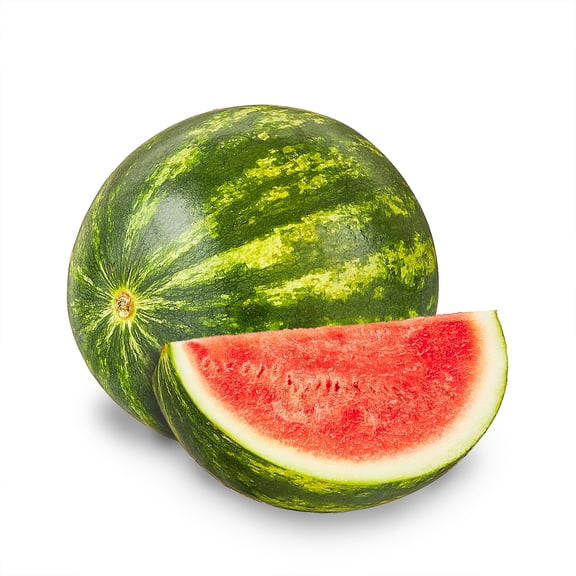
Seasonal planning also becomes easier when you compare produce by use instead of by item alone. You can choose crisp apples and squash for cooler months, or you can switch to berries, melon, and salad greens in warmer weather.
What freshness and sourcing details mean for your order
You’ll often judge freshness by how well produce matches the timing of your meals for the week. You can choose longer-lasting staples for later recipes, while you use tender greens, herbs, and berries sooner.
Country of origin and sourcing details can also guide your decisions when transparency matters to you. You may check product information to understand where your produce comes from and how it fits your preferences.
With fresh produce, you’re choosing ingredients that support quick snacks, meal prep, and everyday cooking in one trip. You can make more confident choices when produce type, farming method, prep state, and package size are easy to compare.