




















Office Furniture
Home office essentials
More to explore
Only at Walmart


More ways to shop





FAQ
About Office Furniture - Walmart.com
Office furniture helps you create a workspace that fits your room, your schedule, and your daily tasks. You can compare desks, chairs, file cabinets, and bookcases with guidance built for home and business setups.
How to choose office furniture for your space
When you start office furniture shopping, you should match each piece to your floor plan and work style. You’ll want options that support focus, storage, and comfortable movement through the day.
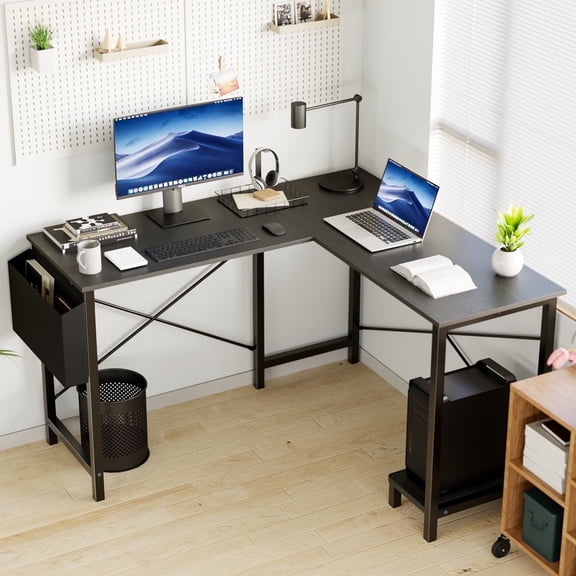
If you’re furnishing a home workspace, you may prefer space-saving home office furniture with compact footprints. You can also consider corner, modular, or L-shaped layouts when your room needs every inch used well.
For shared offices, you may look for coordinated storage and seating that keeps paperwork and devices organized. You’ll notice a planned setup helps your workspace feel clearer and easier to use.
Choosing the right furniture type
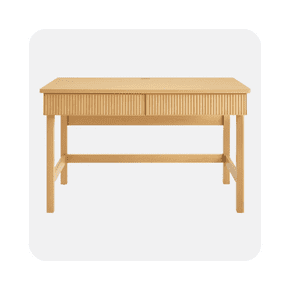
You’ll usually begin with desks, because your desk size shapes how you work and what fits nearby. You can choose straight desks for simple layouts or L-shaped designs for spreading out monitors and paperwork.
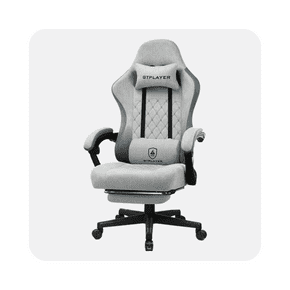
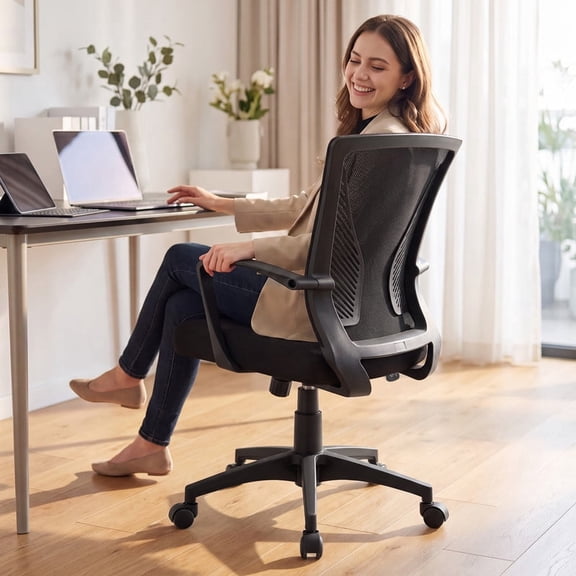
Chairs deserve close attention when you sit for long stretches and move between tasks. You’ll want seating that aligns with your desk height and supports steady movement during calls, typing, and meetings.
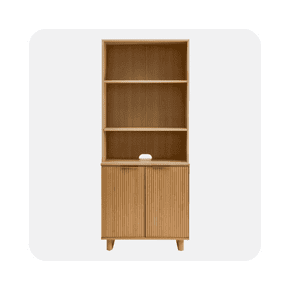
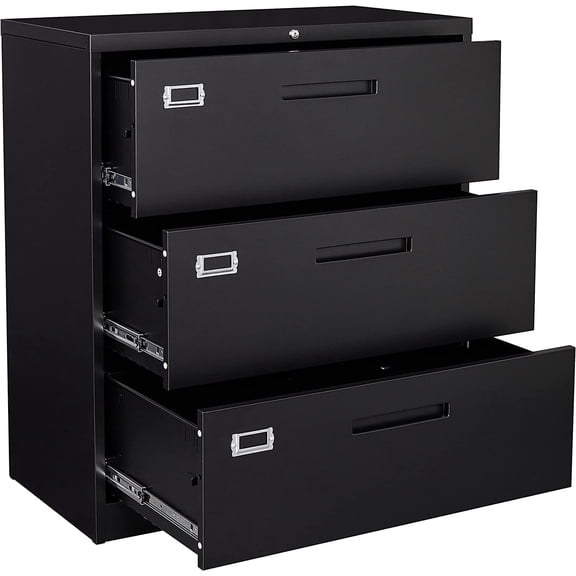
File cabinets help you sort records, office supplies, and documents without crowding your desktop. Bookcases give you room for binders, reference materials, and display items while keeping essentials within reach.
- You can use desks to define your main work zone and support screens, keyboards, and writing tasks.
- You can choose chairs with adjustable settings when your workday includes long hours at a computer.
- You can add file cabinets for document storage and bookcases for vertical organization in smaller rooms.
Key differences in space-saving home office furniture
You should measure wall length, doorway clearance, and walking space before choosing your layout. You’ll avoid cramped placement when you compare compact, corner, modular, and L-shaped configurations in advance.
Compact desks work well when you need a small footprint in bedrooms, apartments, or multipurpose rooms. You can pair them with vertical storage to keep supplies close without taking over your floor space.
Corner desks help you use overlooked angles and create a defined workspace in tight rooms. Modular pieces let you rearrange your setup as your equipment, storage needs, or room layout changes.
If you manage cables for monitors, printers, or chargers, you should check for cable management grommets. You’ll keep cords more contained and make your desktop easier to clean and use.
What to look for in quality office furniture materials
You should compare material and finish choices based on daily use, cleaning habits, and the look you want. You’ll often see wood, metal, mesh, and laminate across desks, chairs, and storage pieces.
Wood finishes can give your workspace a warm, classic feel that blends into living areas. Metal frames often feel sturdier under frequent use, especially when you want a more streamlined office look.
Mesh chair backs can feel lighter and more open in smaller rooms or warmer spaces. Laminate surfaces can make wipe-down care simpler when your desk handles drinks, notebooks, and devices every day.
You may also compare steel frame construction with particle board components when durability matters. You’ll often get a clearer sense of stability, weight handling, and long-term fit for daily use.
How ergonomic features support your workday
If you spend many hours seated, you should focus on ergonomic features before matching colors or finishes. You’ll likely notice comfort depends on adjustability, seat shape, and how your chair fits your desk.
Look for adjustable height when you want your feet planted and your arms aligned with your keyboard. You can fine-tune your position more easily when your chair adapts to your body and desk.
Lumbar support matters when you want a chair back that follows the curve of your lower back. You should also compare seat depth, because it affects how fully your legs and hips fit the seat.
Swivel bases help you turn between screens, drawers, and nearby surfaces without constant scooting. You may also check weight capacity, because it helps you choose a chair built for your everyday routine.
Assembly and setup decisions before you buy
You should check assembly details early, especially when you’re furnishing several rooms or upgrading quickly. You’ll want to know whether tools are included and how many steps your setup may require.
Some pieces arrive with simpler designs that help you get your workspace ready with less effort. Larger desks, storage units, and modular sets may require more time, more parts, and more planning.
If you’re comparing office equipment for a busy work area, you should think about placement before assembly starts. You’ll make setup smoother when you measure outlets, doorways, and chair movement in advance.
Office furniture shopping for real work setups
You might need a compact desk and mesh chair for a bedroom office that shares space with daily life. You can add a narrow file cabinet or bookcase when you need storage without a bulky footprint.
If you handle paperwork, dual monitors, or creative projects, you may prefer an L-shaped desk with nearby drawers. You’ll get more surface area for spreading out tasks while keeping essentials close by.
For a business setting, you may combine laminate desks, swivel chairs, and metal storage for steady daily use. You can create a consistent look that supports meetings, solo work, and organized records.
When you’re deciding where to buy office furniture, you’ll want options that fit different rooms and routines. You can choose pieces that support comfort, storage, and layout flexibility, so your workspace works harder for you.
With the right office furniture, you can build a setup that feels organized from your first task to your last. You’ll gain a workspace that supports focus, comfort, and cleaner use of your available room.