


Kids Bikes for Boys and Girls























About Kids Bikes for Boys and Girls - Walmart.com
Kids' bikes help you compare wheel size, bike type, and brake style for your child’s age, height, and riding stage. You’ll get clearer sizing guidance here, especially when you’re comparing toddler starters with youth trail-ready options.
Choosing kids' bikes by size and rider stage
When you compare kids' bikes, you’ll want to start with wheel size before color or style. Your child’s height and riding confidence usually matter more than age alone.
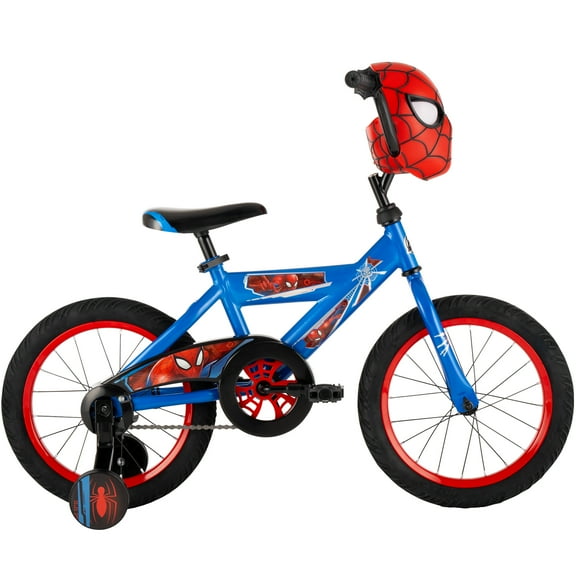
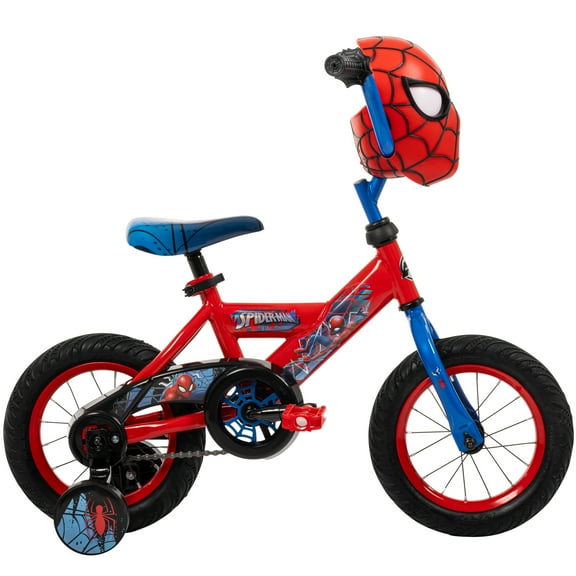
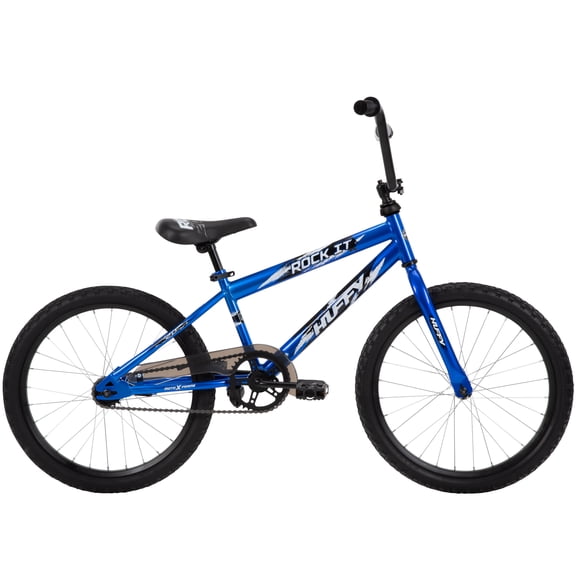
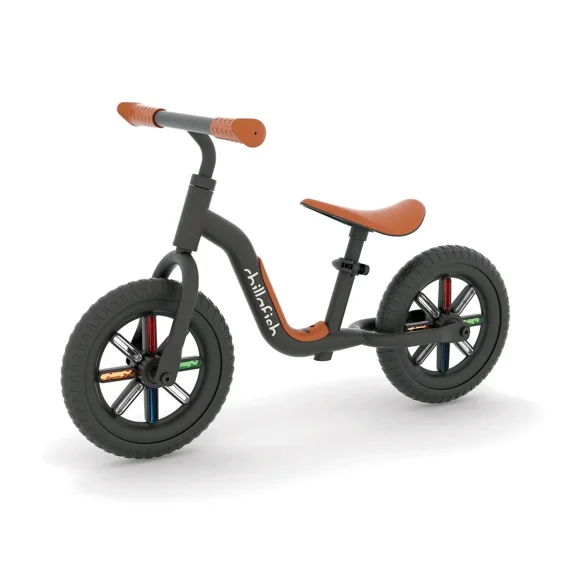
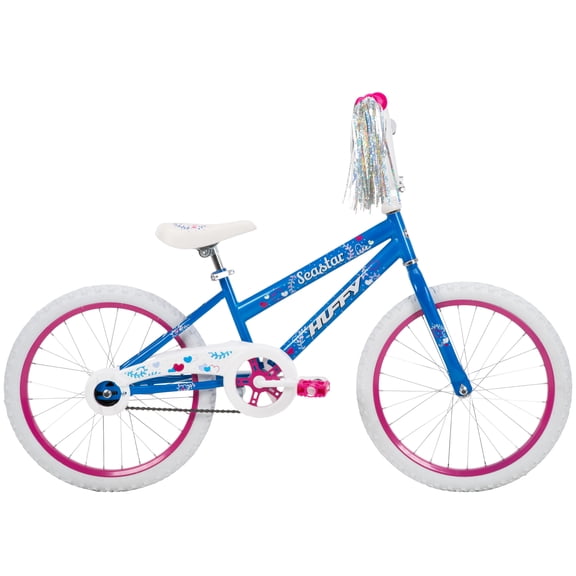
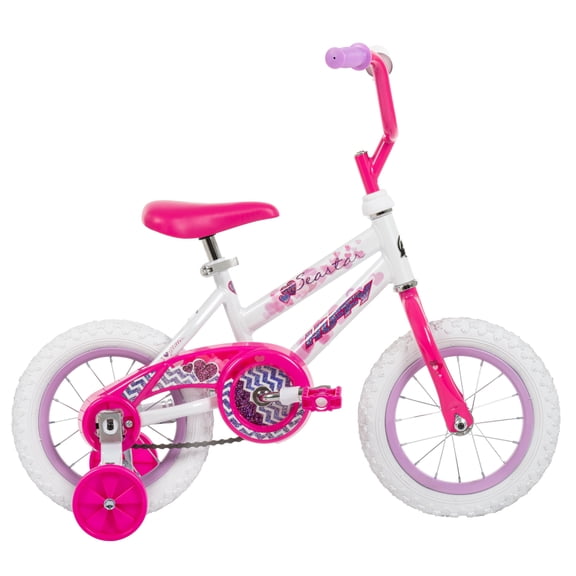
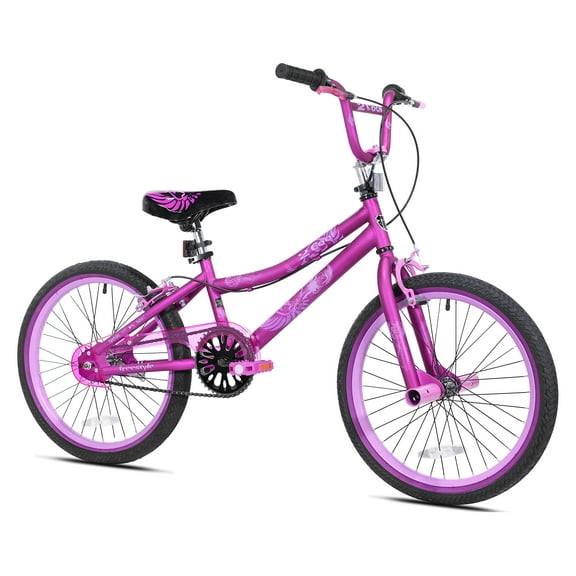
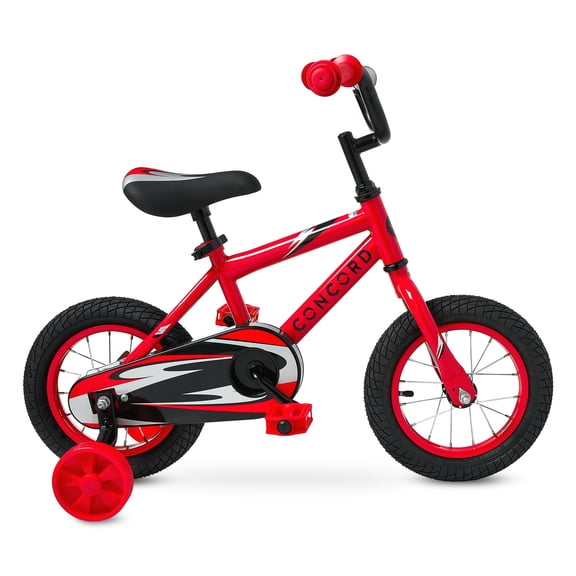
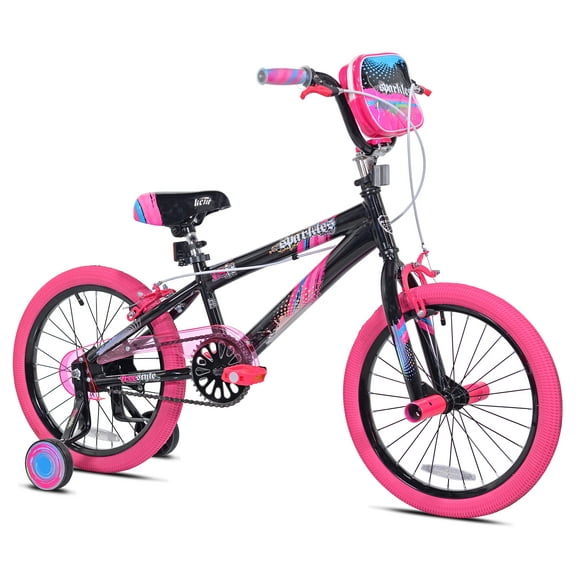
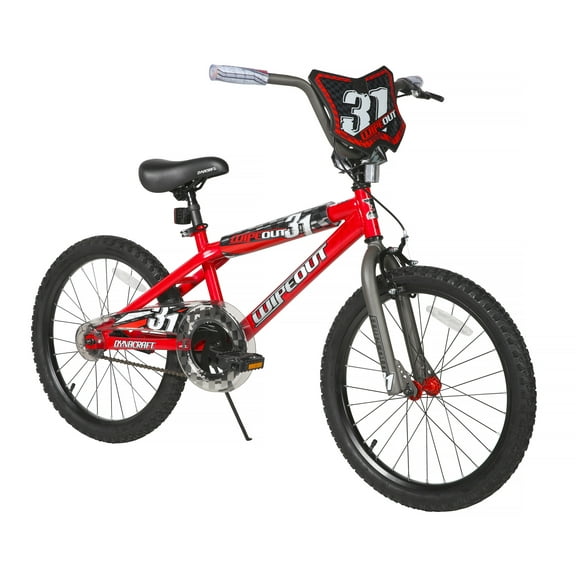
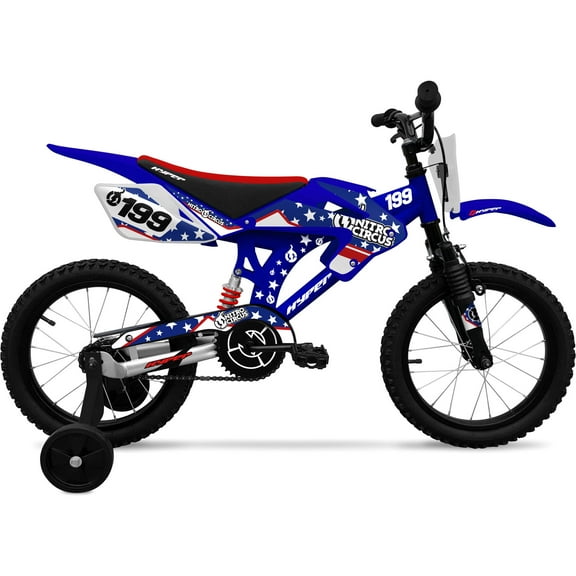
For a little bike, you’ll often see 12 inch wheels for toddler riders who are just learning balance. You’ll usually move to 16 inch wheels for ages 3-5, then 20 inch wheels for ages 5-8.
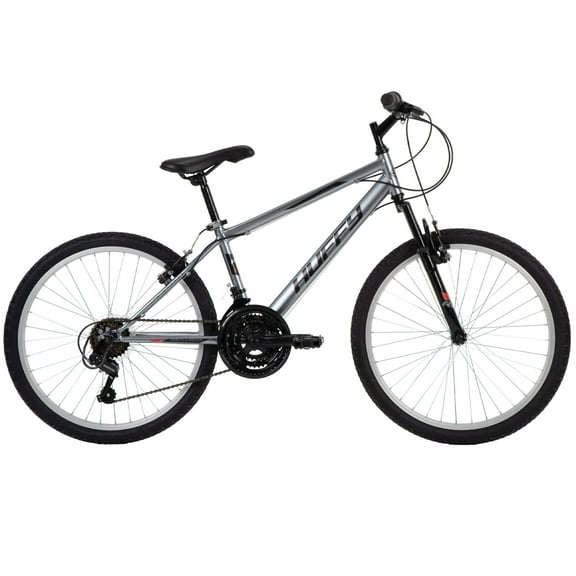
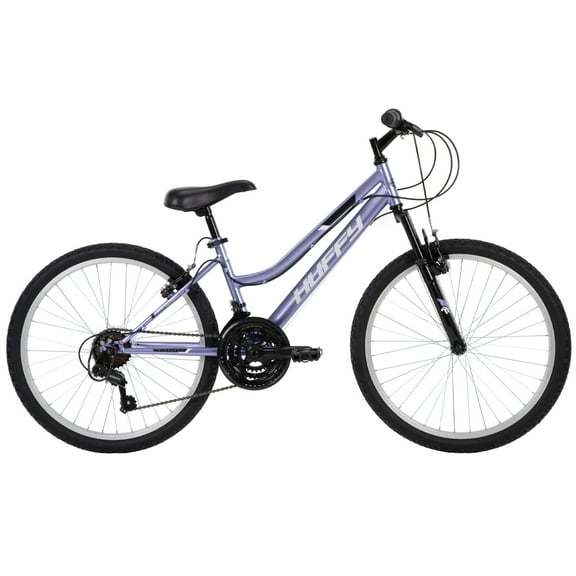
If your rider is taller or ready for longer neighborhood rides, you’ll often consider 24 inch wheels. You’ll usually see that youth sizes give your child more room to grow and pedal smoothly.
You can use these common decision points when narrowing your options. You’ll notice that each one supports a different riding stage and learning style.
- You may choose 12 inch wheels when your toddler needs a lower, easier-to-manage frame.
- You may choose 16 inch wheels when your child is learning pedals and simple steering control.
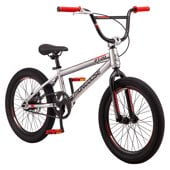
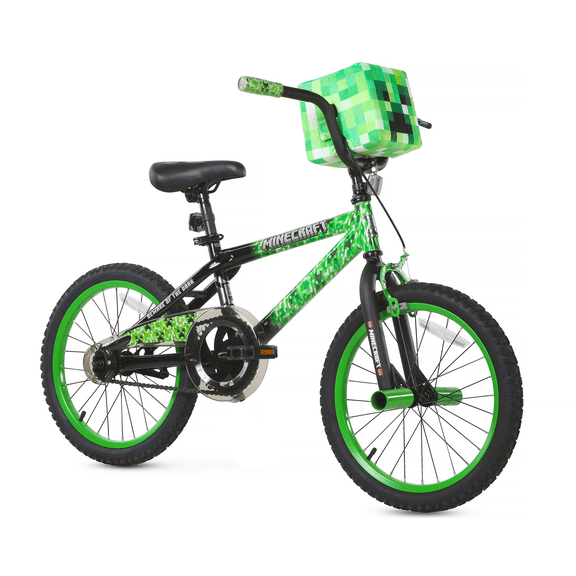
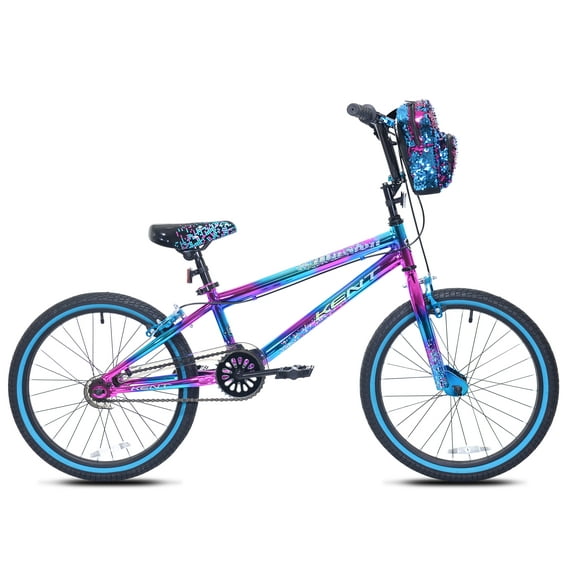
- You may choose 20 inch wheels when your rider wants more distance and steadier handling.
- You may choose 24 inch wheels when your youth rider needs a larger fit for parks or paths.
- You should compare stand-over room, seat height, and reach so your child feels stable from the first ride.
How to choose a kids bicycle by bike type
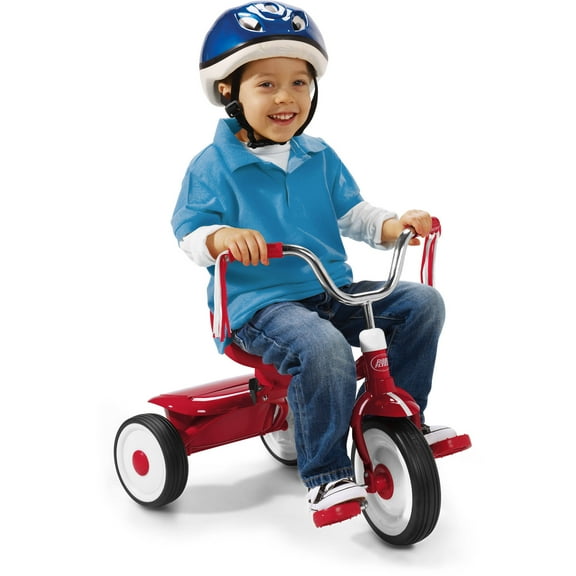
A kids bicycle can feel very different depending on how your child learns to ride. You’ll want to compare balance bike, training wheels, cruiser, and mountain bike options by intended use.
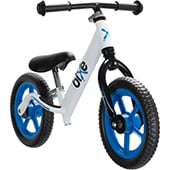
If your child is starting from scratch, you may prefer a balance bike without pedals. You’ll help your child practice push-off control, steering, and gliding before adding pedaling.
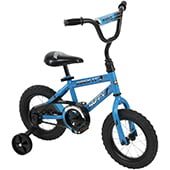
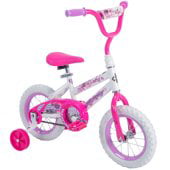
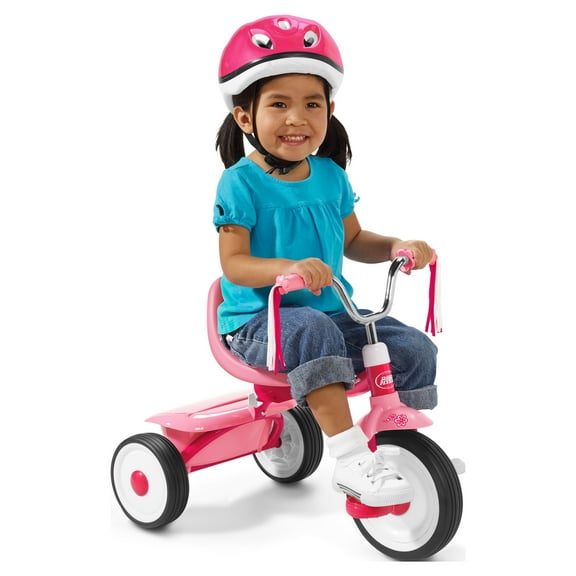
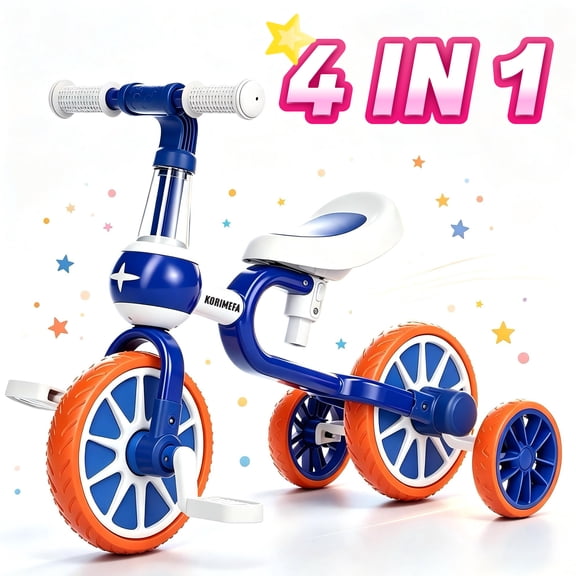
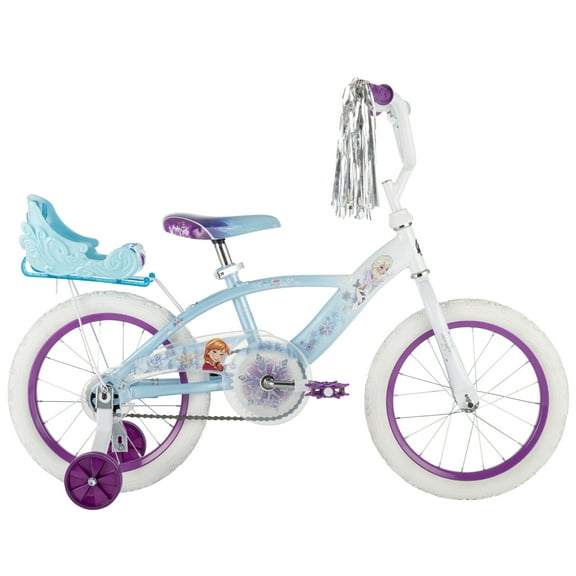
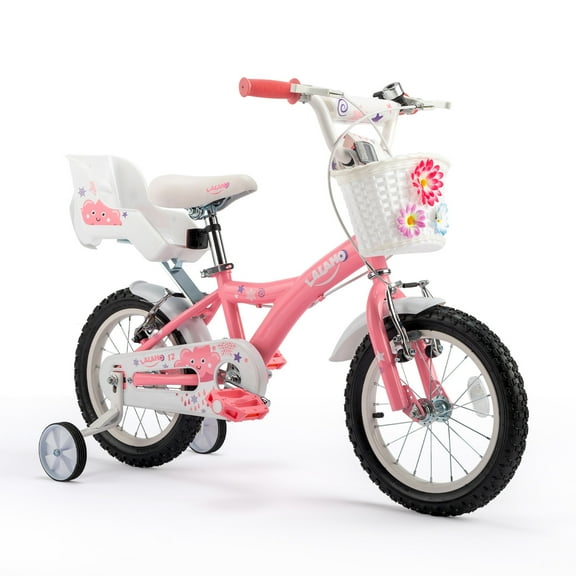
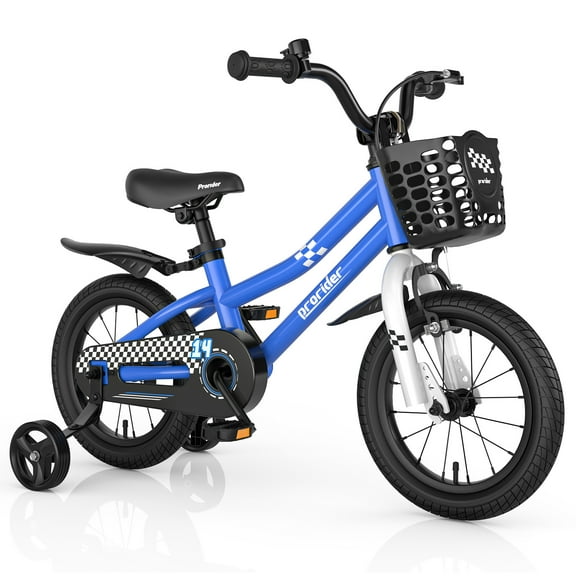
If your rider wants a familiar path into pedaling, you may look for training wheels. You’ll often choose this route when your child wants extra support during first pedal sessions.
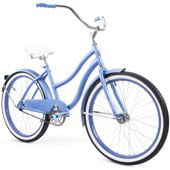
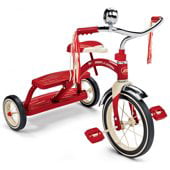
For relaxed neighborhood rides, you may compare cruiser styles with easygoing geometry and upright posture. You’ll usually notice that this setup suits sidewalks, driveways, and short family outings.
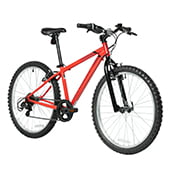
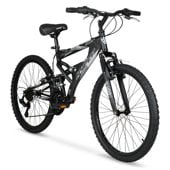
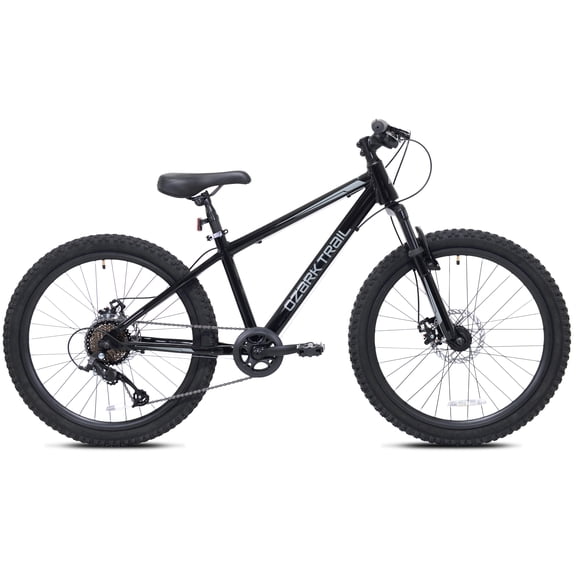
If your rider heads onto varied terrain, you may consider a mountain bike style. You’ll often look for this type when your child needs traction, stronger handling, and a more adventurous ride feel.
Comparing bicycle for kids brake options
When you choose a bicycle for kids, you’ll also need to compare coaster brakes and hand brakes. Your child’s hand size, coordination, and riding experience can guide that decision.
With coaster brakes, you’ll stop by pedaling backward, which can feel simple for beginners. You’ll often like this option when your child is learning basic starts, stops, and balance.
With hand brakes, you’ll squeeze levers on the handlebar to slow down and stop. You’ll usually consider hand brakes when your child has stronger grip control and rides at varied speeds.
You should check whether your rider can comfortably reach and use the brake levers. You’ll make a more confident choice when your child can control braking without stretching or guessing.
Some shoppers also want to know about assembly before choosing a model. You’ll often receive a bike that needs final setup, such as handlebars, pedals, seat adjustment, or training wheel attachment.
You may want to review assembly details before you decide on a size or type. You’ll appreciate knowing whether your bike needs quick finishing steps before the first ride.
Using a little bike for everyday riding needs
Your little bike choice should match where and how your child plans to ride. You’ll get more from the bike when the frame, wheels, and features fit the routine.
For driveway practice, you may start with a balance bike or a 12 inch setup. You’ll keep the learning process approachable while your child builds comfort with steering and stopping.
For neighborhood laps and park paths, you may choose a 16 inch or 20 inch kids bicycle. You’ll often want training wheels or a cruiser style when your rider prefers steady, casual rides.
If your child joins family rides or explores mixed surfaces, you may look at mountain bike styles. You’ll usually pair that choice with a youth size and hand brakes for more active riding.
When you’re searching for kids' bikes with quick access, you may also want flexible fulfillment options. You’ll appreciate being able to compare sizes, styles, and pickup or delivery choices in one place.
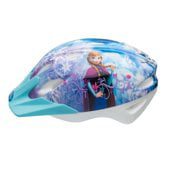
You may also compare matching gear as part of the full setup. You’ll often pair a new bike with helmets, pads, baskets, or bells that fit your child’s riding stage.
What to look for before you decide
You should measure your child’s height, compare wheel sizes, and check the learning stage before choosing. You’ll make a more informed choice when fit comes before appearance.
You’ll feel more confident when your child can reach the ground, hold the bars comfortably, and use the brake style with ease. Your final choice can support smoother starts, steadier riding, and more enjoyable family outings.