






Bikes

The Bike Shop
Your stop for all things cycling.

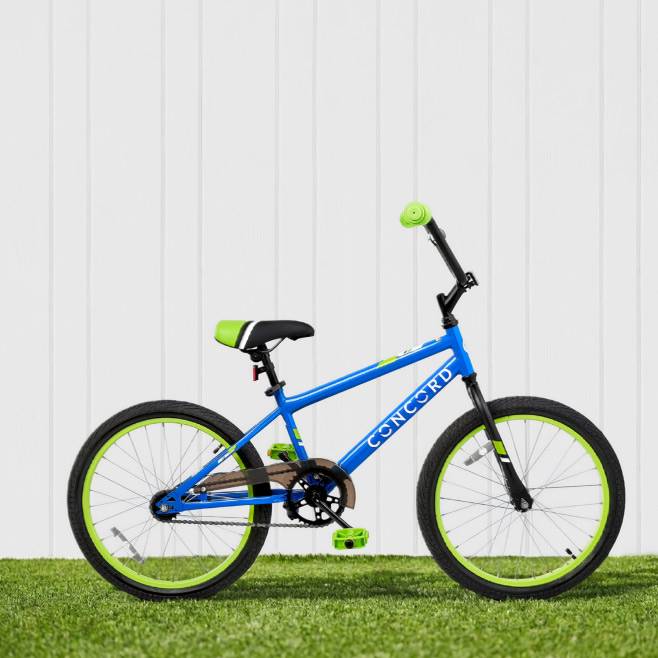
From tots to teens
Bikes your kids will love
Shop all kids’ bikes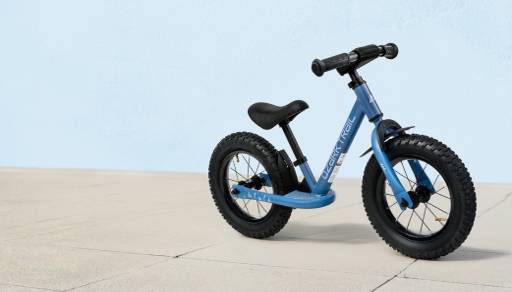
Help them learn
Balance bikes for budding cyclists
Shop now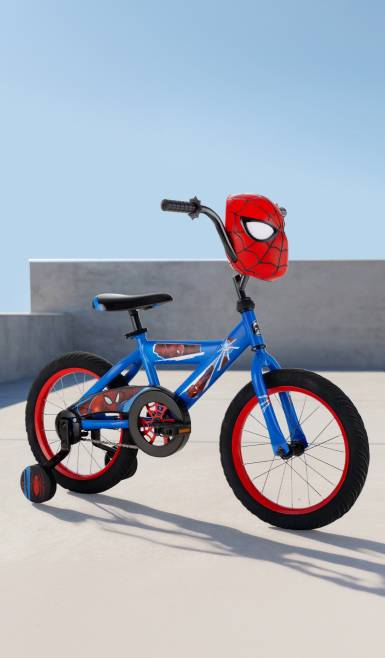
Confidence boosters
Bikes with training wheels
Shop nowE-transportation



Kids’ bikes by wheel size









JUYGHMYGXizeUnbrandedREDSMILEHykolityTBSCWYFICEELFCostwayEcarpatTrack 7Aiva ProductsConcord BikesFloseruINFANSJusticeKent BicyclesMongooseFUPOJHHuffykidpopSchwinnStoneRidgeStoneridgeAbrihomeCiraynoSKIDEEDirect WickerimerelezJoystarkorimefaRedsmlieSMATEIGHTAmbifirnerGLENGOHHVELJUEXINGLiltJanQPlayRAISTYWSPATIALTheEshowXirurusXJDBlueyESRIDOMFancyjoyGenericGOBOKLEHyper BicyclesKynorvaNOBRANDOlakidsOUFANOzark TrailRadio FlyerRoyalbabyRullyWARAYZArt In RealAVASTABaoblazeBESTSKYBruce & SharkBstjeweyChicHomeyChuvikidCNSRXCozynestCybicDcskyDolonmDOLUDuoDianE-CARPATElowenEnjoyrunFKZNPJFlybarGlafGymaxHaraisyoHarmieHILANDHilandHommowHurtleHyperHZWDDImountekITEAFCOMJMMDJuuarKEEPSUNLHYYLittleMissMatchedLOL-FUNLukstrLUVNIMBM BuderMadd GearMEGHNAMELLCOMMIHOVERMusbetuNEORIVEREPorfeetPOVANLIPresencePYJDMAQARSWARichveloSeaYhSHUO YSuodokaTopComfyUSToyOutletVisit the Amber Brook StoreWdmiyaWEIMMINWinadoWinfireWliqienWLRETMCIWRXELANYajisiYunTopKidsZIFFY
New arrivals
Uses external data. Price when purchased online














FAQ
About Bikes - Mountain Bikes and Adult Bicycle Deals - Walmart.com
Bike cost matters when you compare a bicycle for daily rides, trails, commutes, and family outings. You can use this guide to understand bike prices, sizing, and ride styles before you choose.
If you’re comparing your first bicycle or replacing an older ride, you need clear buying steps. You can find practical guidance here for adults, kids, and toddlers across common bike categories.
Understanding bike cost and bike prices
Bike prices often change with frame material, wheel size, and the type of riding you plan. You may pay differently for a mountain bike, road bike, hybrid, cruiser, or BMX model.
When you ask how much do bikes cost, you should compare the parts that affect your ride. You can check rider age group, frame feel, terrain match, and gear setup first.
You can narrow your options fast when you focus on the choices that shape comfort and control. Your decision feels clear when you compare these points side by side.
- You can choose mountain bikes when your rides include dirt paths, uneven ground, or park trails.
- You can choose road bikes when your routes focus on pavement, longer distances, and steady speed.
- You can choose hybrid bikes when your week mixes neighborhood streets, bike paths, and short commutes.
- You can choose cruiser bikes when your rides center on relaxed pacing and upright comfort.
- You can choose BMX bikes when you want compact frames, quick handling, and skatepark-style riding.
Choosing bikes by type and terrain
Your terrain should guide your bike type before you compare colors or accessories. You may notice that tread, frame shape, and riding position all feel different on pavement and trails.
If your route includes gravel, roots, or packed dirt, you should consider mountain bikes first. You may get a sturdy setup that suits uneven surfaces and trail-focused handling.
For paved streets and longer rides, you may prefer a road bike or hybrid bicycle. You may get a smooth roll and a position that fits regular commuting.
When your rides stay close to home, a cruiser can feel simple and easy to manage. You may appreciate the relaxed posture for boardwalks, neighborhoods, and casual loops.
If your riding centers on short bursts, ramps, or park practice, BMX deserves a close look. You can expect a compact frame and responsive steering for quick moves.
Choosing a bicycle by rider age and size
Your rider age group affects frame scale, wheel size, and overall fit. You should start with who will ride most often, then compare the size that feels easy to control.
Adults often compare bikes under 100 dollars, commuter styles, and trail-ready options in one search. You can narrow those choices by matching your height and riding purpose first.
Kids’ bicycles need a manageable size that supports easy starts and stops. You should look for a frame and wheel size that helps your child feel steady while learning.
Toddler bikes and early rider options work differently from larger bicycles. You should look for a smaller format that matches shorter legs and developing coordination.
Wheel size matters because it changes how your bike feels on the ground. You can compare 20 inch, 24 inch, 26 inch, and 29 inch options based on rider size and ride style.
A 20 inch wheel often suits smaller riders and compact bikes. A 24 inch wheel can bridge the gap before a larger youth or adult setup.
You may see 26 inch wheels on versatile bikes built for everyday riding. You may prefer 29 inch wheels when you want smooth rollover on longer paths and rougher surfaces.
Comparing bicycle frame materials and gears
Your frame material changes how your bicycle feels when you lift it, store it, or ride it. You should compare aluminum, steel, and carbon fiber based on handling and daily use.
Aluminum frames usually feel lighter and simple to carry up steps or place on a rack. You may like aluminum when your rides include commuting or frequent loading.
Steel frames often feel sturdy and planted on everyday routes. You may prefer steel when your riding style values a solid feel over a lighter carry.
Carbon fiber appears on some bicycles for riders who focus on low weight and responsive feel. You should check whether that difference matches how often and where you ride.
Your gear choice also affects how your ride feels on flat streets and hills. You can keep things simple with single-speed options or gain flexibility with multi-speed bikes.
If your neighborhood stays mostly flat, a single-speed bike can feel straightforward and easy to maintain. If your route includes climbs, you may want multi-speed gearing.
How much do bikes cost for real-life rides
How much does a bike cost depends on where, how, and how often you ride. You can make a smart choice when you match the bike to your routine.
If you commute on city streets, you may want a hybrid or road bike with a practical wheel size. You may care about smooth rolling, easy steering, and comfortable daily use.
For weekend trails, you should look closely at mountain bikes with terrain-friendly tires and suitable gearing. You may want control on climbs, turns, and uneven ground.
If you’re buying for growing kids, you can focus on fit, wheel size, and learning stage first. You get a clear path through the bicycles category when you compare age and confidence level.
Adults who search bikes under 100 dollars often want simple transportation or casual recreation. You can compare entry-level options by frame feel, wheel size, and intended route.
When your household needs more than one bicycle style, you can use these decision points across categories. You compare bikes with more confidence and choose a ride that fits your routine.
Your bike cost search feels easier when you focus on terrain, rider size, frame material, and gears. You can choose a bicycle that fits your rides and stays useful across everyday miles.