









Engagement Rings in Engagement Rings




























About Engagement Rings in Engagement Rings - Walmart.com
Engagement rings help you mark a life-changing moment with a style that fits your story. You can compare metals, stones, and settings here, so your choice feels personal and informed.
How to choose engagement rings that fit your priorities
When you compare engagement rings, you’ll want to balance appearance, daily wear, and long-term care. You can narrow options faster when you start with metal type, stone type, ring style, and shape.
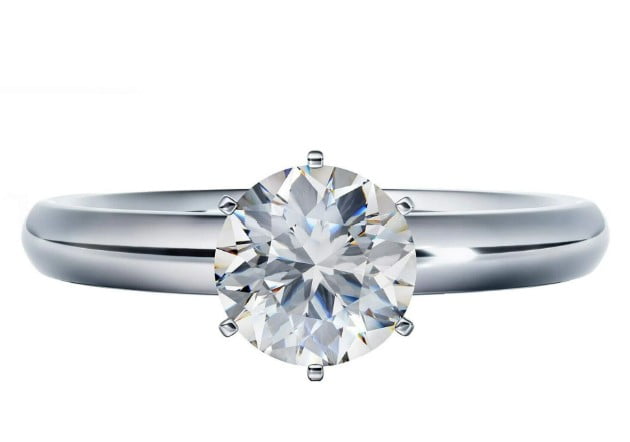
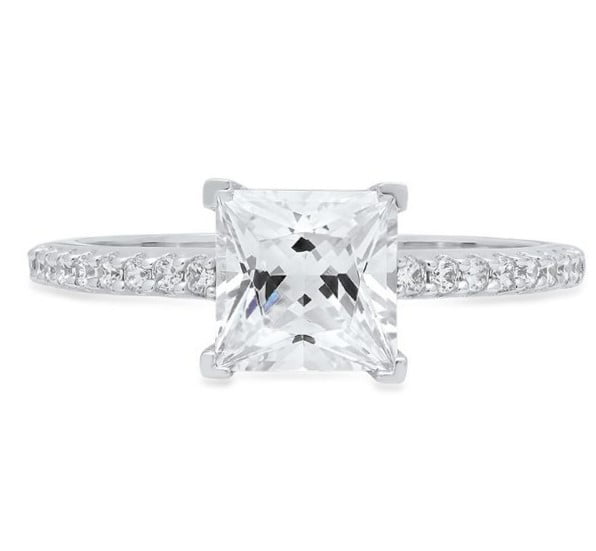
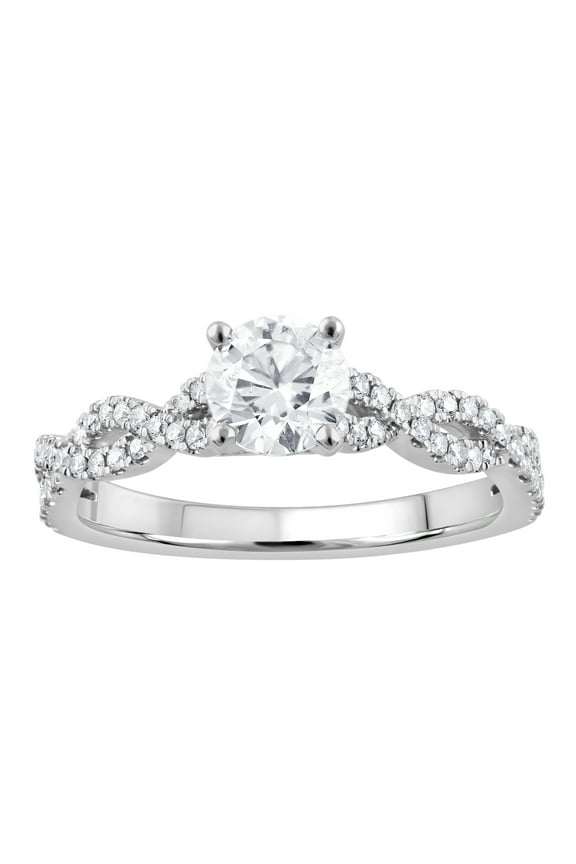
If you’re shopping for a classic look, you may focus on diamond engagement rings with round or princess cut stones. If you want extra sparkle with a different look, you may consider moissanite engagement rings or gemstone styles.
- You can use metal type to match your color preference and daily routine.
- You can use stone type to compare brilliance, composition, and visual style.
- You can use ring style to match a clean, ornate, or vintage-inspired look.
- You can use stone shape to choose a silhouette that feels timeless or modern.
You’ll also want to think about ring size before you finalize your choice. You can use a sizing chart to compare measurements and get a fit that feels secure and comfortable.
Choosing metal type for gold engagement rings and more
Metal type shapes how your ring looks on the hand and how it wears over time. You can compare 14k gold, platinum, sterling silver, rose gold, and white gold based on color, upkeep, and feel.
If you’re considering gold engagement rings, you’ll notice karat purity affects metal content and everyday wear. You can expect 14k gold to balance rich color with practical durability for regular use.
Platinum gives you a naturally white look and a substantial feel. If you want a bright finish, white gold can give you a similar appearance with a different metal makeup.
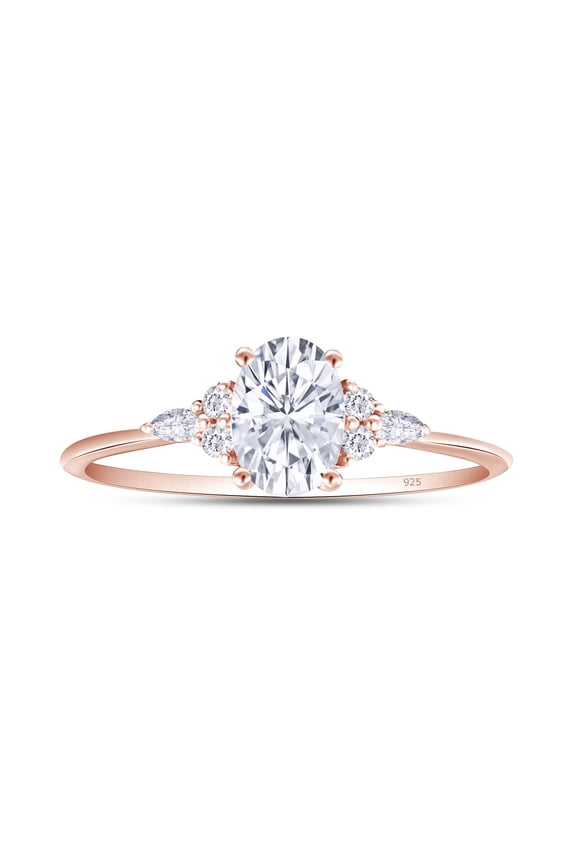
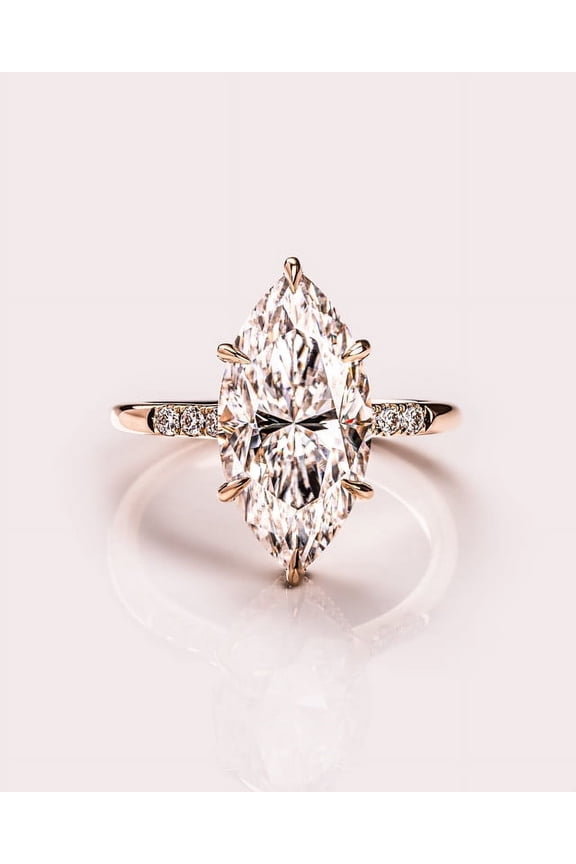
Rose gold brings a warm blush tone that stands out in vintage and modern settings. Sterling silver can appeal to you when you want a bright metal look with a lighter feel.
Comparing stone types for diamond engagement rings
Stone type changes how your ring catches light and how you compare visual characteristics. You can look at diamond, moissanite, cubic zirconia, and gemstone options with clear decision points in mind.
If you’re choosing diamond engagement rings, you may compare natural and lab-grown diamonds by origin and carbon structure. You’ll still get a diamond in both cases, because each option shares the same basic material makeup.
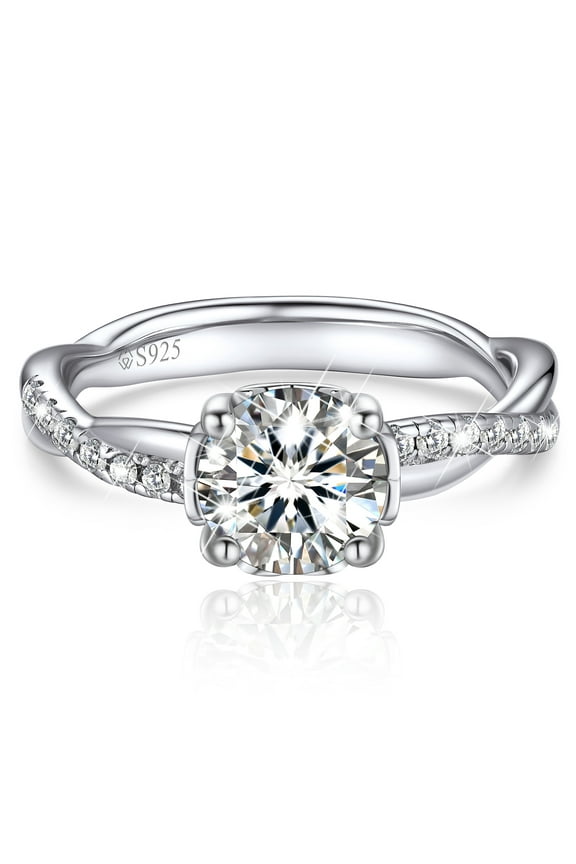
If you’re comparing moissanite engagement rings, you may notice strong sparkle from a higher refractive index. You can use that term as a simple way to compare how intensely a stone returns light.
You can also use the Mohs hardness scale when you compare stone durability for daily wear. Diamonds rank at 10, while moissanite ranks near 9.25, so both can suit frequent use.
Cubic zirconia can give you a bright look for occasional wear or style testing. Gemstone rings let you choose color-forward looks when you want sapphire, emerald, or other standout centers.
Picking ring style and stone shape
Ring style helps you match the design to your partner’s taste and wardrobe. You can compare solitaire, halo, three-stone, vintage, and bridal set options by overall look and detail level.
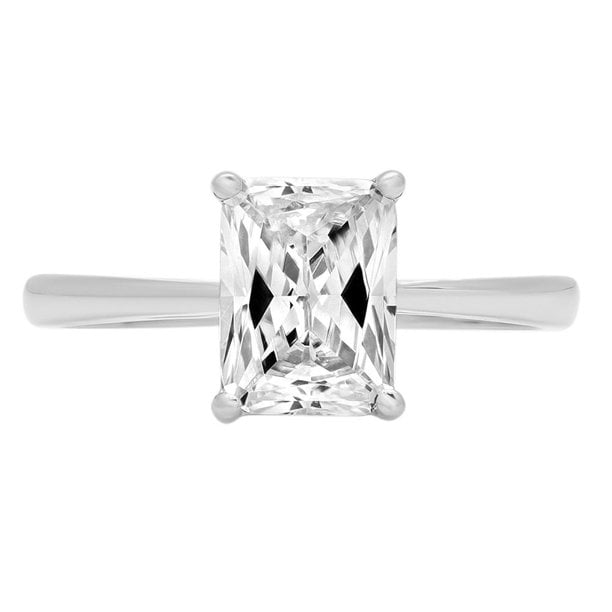
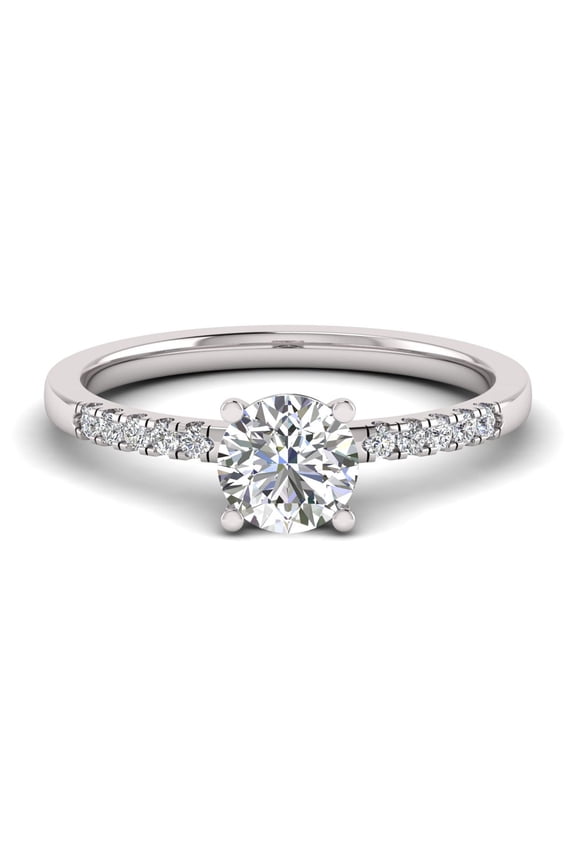
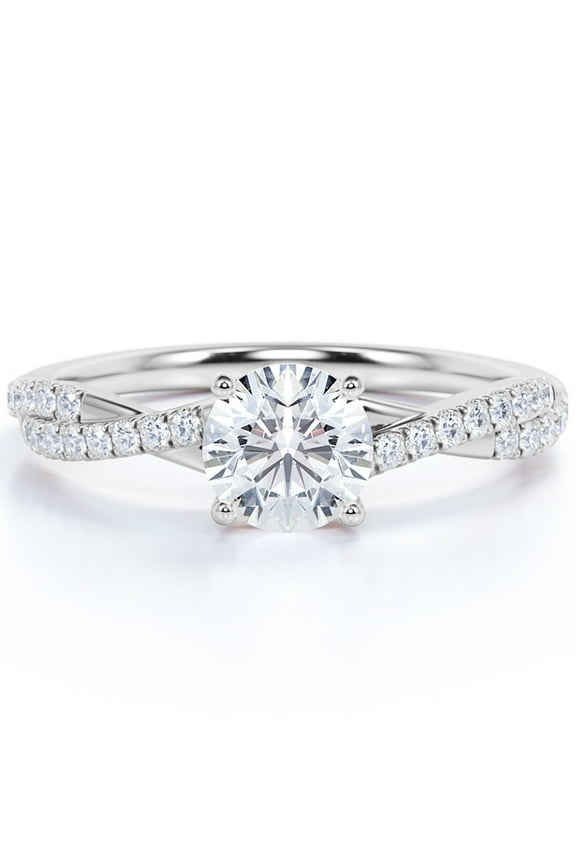
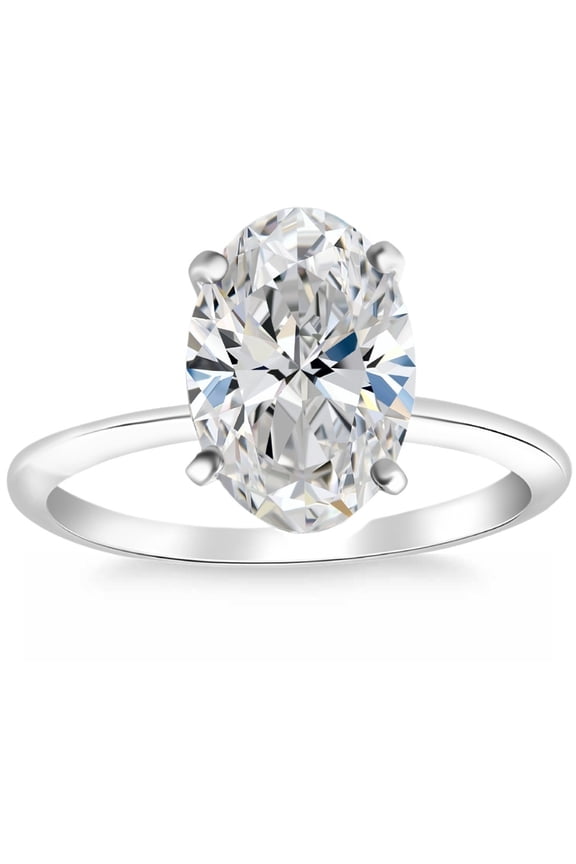
Solitaire engagement rings keep the focus on one center stone with a clean setting. If you want a simple presentation, you may prefer this style for its uncluttered appearance.
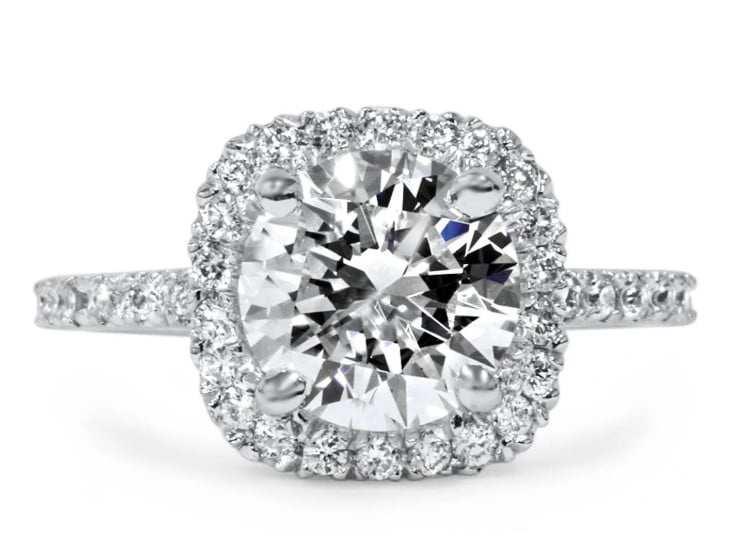
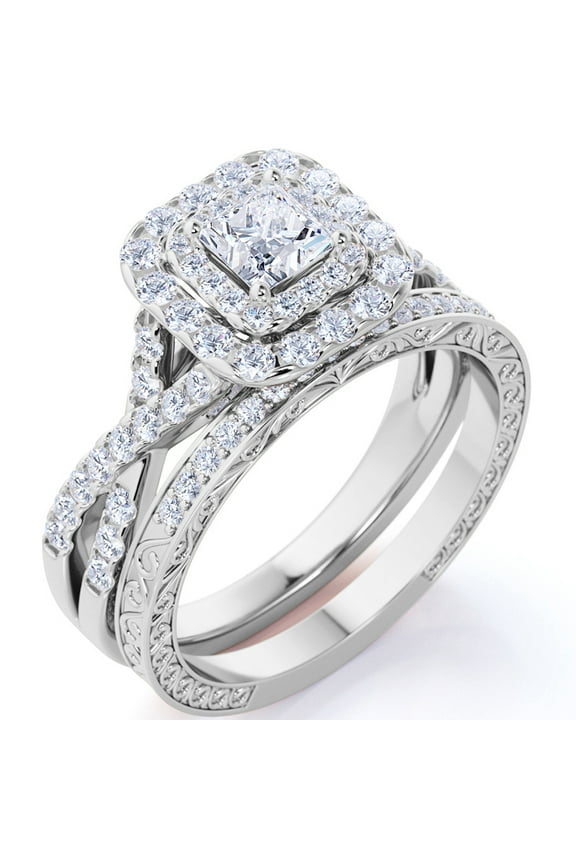
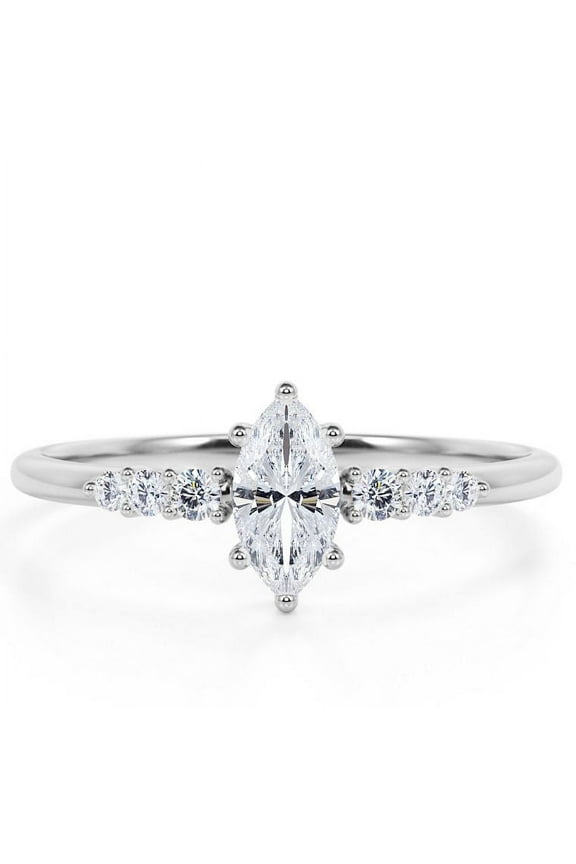
Halo settings place smaller stones around the center for extra visual sparkle. Three-stone rings give you a balanced layout that feels detailed without looking overly ornate.
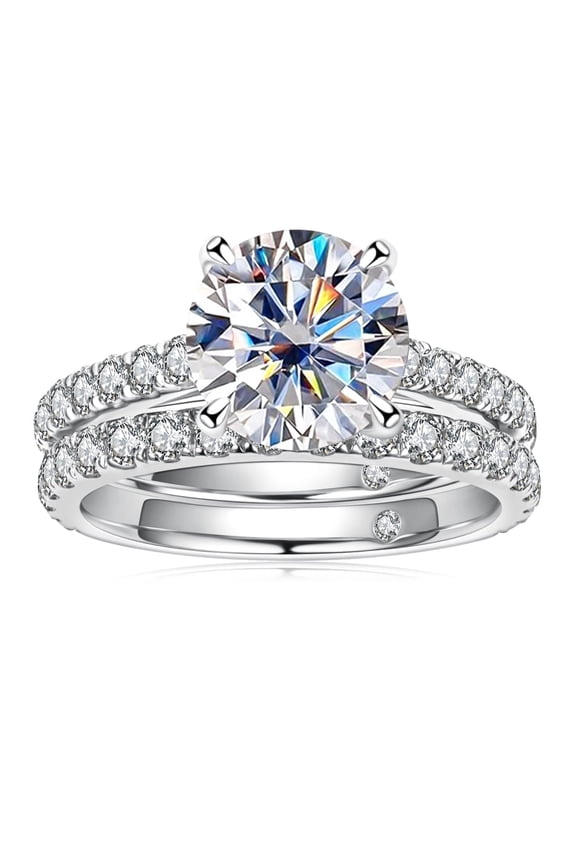
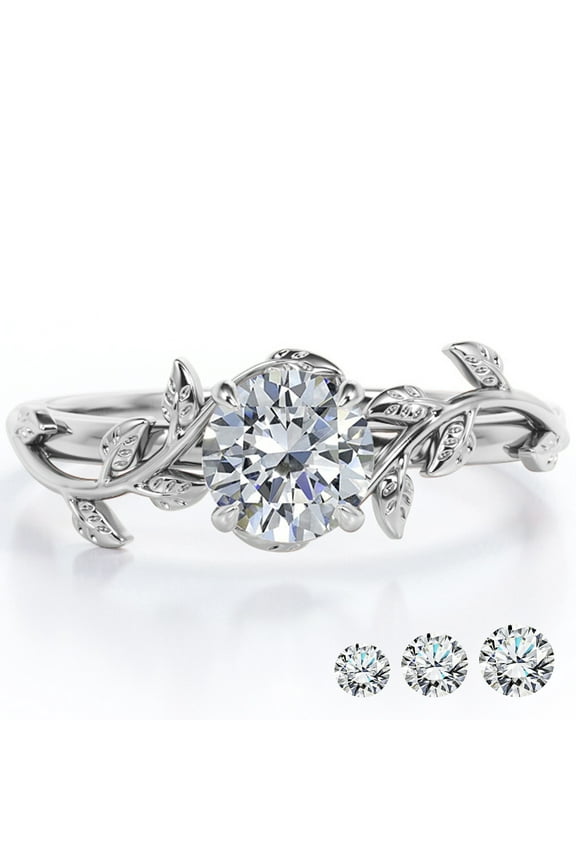
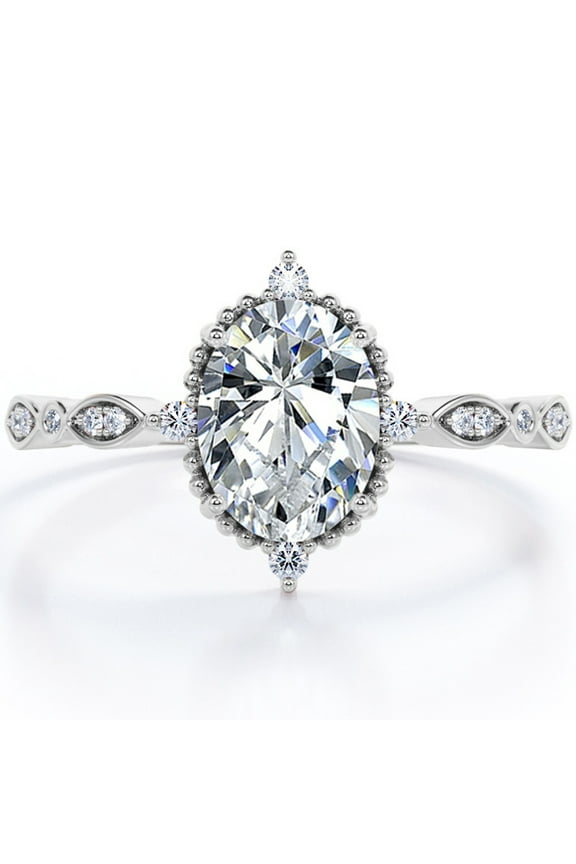
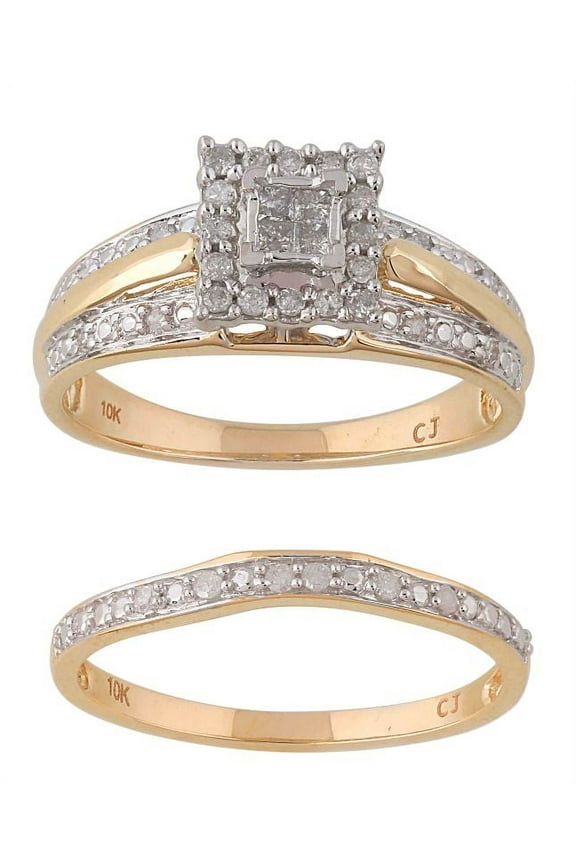
Vintage styles often include milgrain details, engraved accents, or intricate side work. Bridal sets can help you coordinate an engagement ring with a matching band from the start.
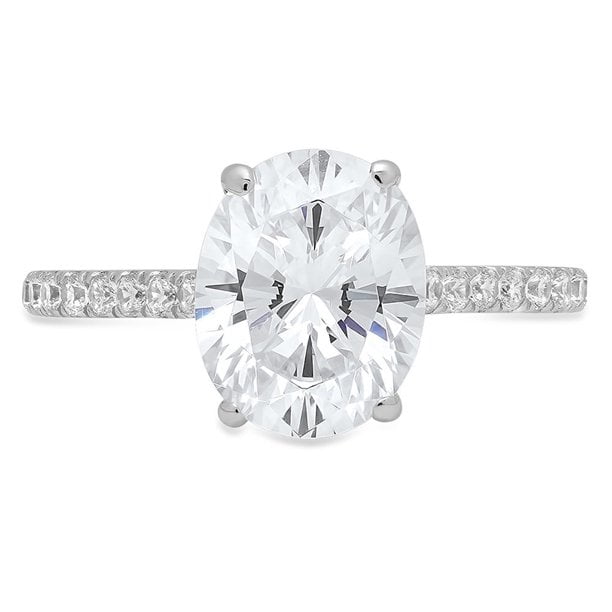
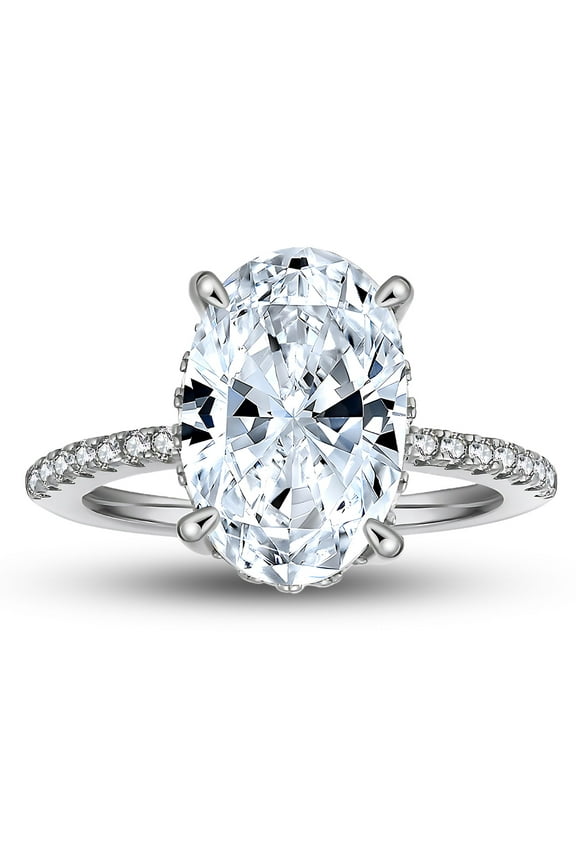
Stone shape also changes the ring’s overall personality on the hand. You can choose round for a classic profile, oval for an elongated look, or cushion for softened edges.
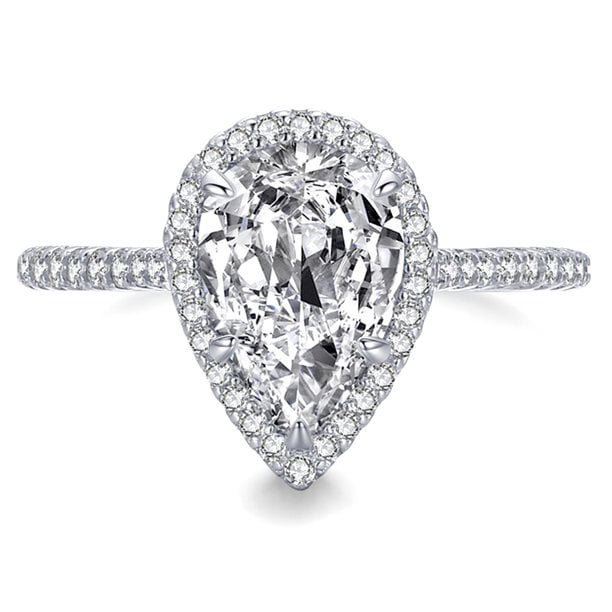
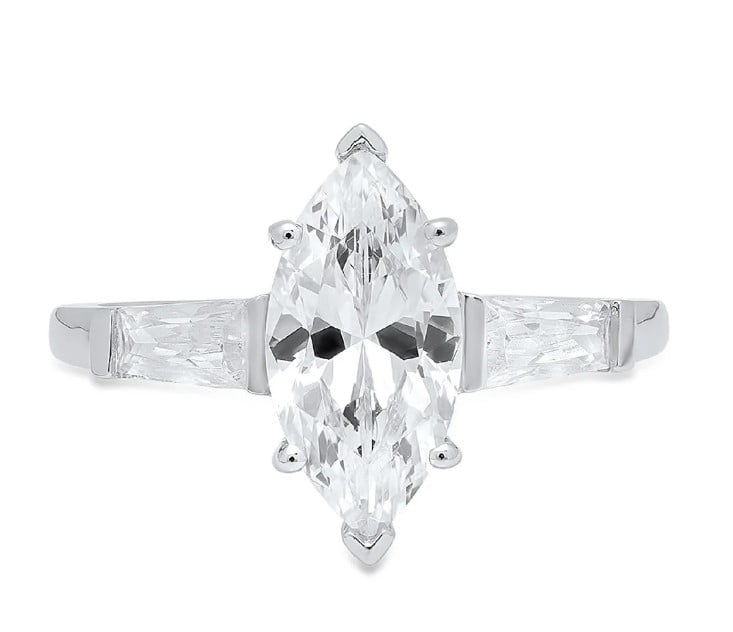
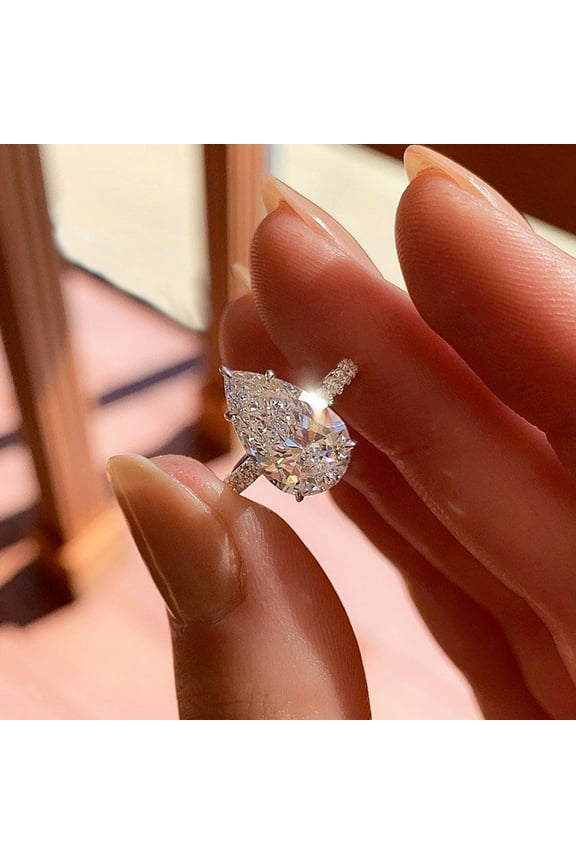
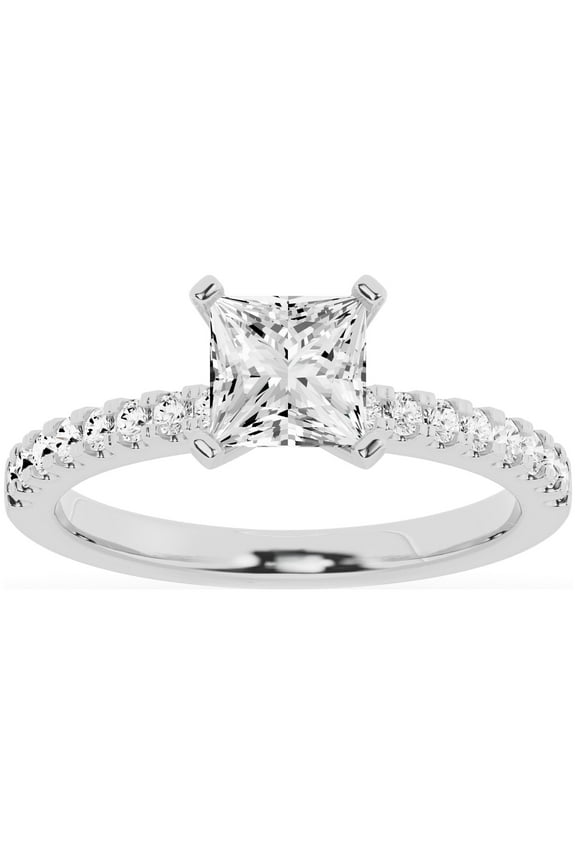
If you want sharper lines, princess cut shapes offer a structured appearance. Pear shapes can give you a distinctive silhouette that stands out in solitaire and halo designs.
Using ring size, style goals, and proposal plans to decide
You can make your shortlist easier by matching key features to how the ring will be worn. If your partner prefers everyday simplicity, you may lean toward a solitaire setting in 14k gold or platinum.
If your partner likes eye-catching detail, you may choose a halo or vintage design with a round or cushion stone. You can also pair rose gold with warm-toned stones for a softer color story.
For coordinated bridal jewelry, you may prefer a bridal set that simplifies matching. If you’re planning a surprise proposal, you can use an existing ring and a sizing chart for guidance.
You may also compare stone type by what matters most in your decision process. If you want classic diamond material, natural and lab-grown options fit that goal, while moissanite offers a distinct sparkle pattern.
When you review these choices together, your options become easier to understand and compare. You can move forward with more confidence when your ring matches your preferred metal, stone, shape, and fit.
Engagement rings become easier to choose when you focus on the decisions that shape daily wear and personal style. You can feel confident when your ring reflects your proposal plan and your partner’s taste.