



Skateboards & Skates





















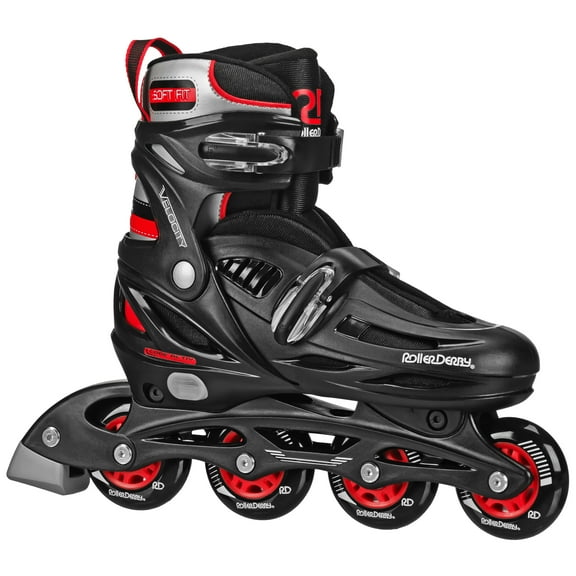


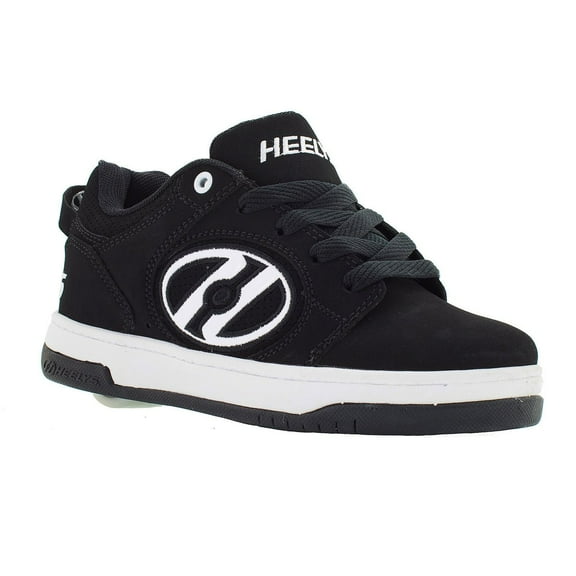


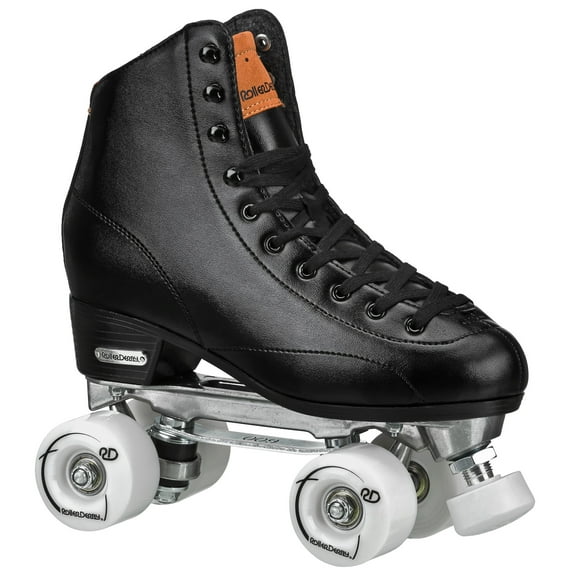


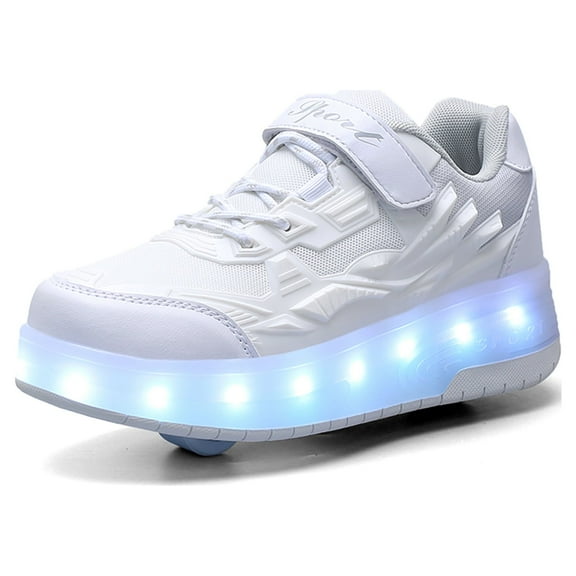


About Skateboards & Skates - Walmart.com
Skateboards give you a clear path to street, park, and neighborhood riding when you choose the right shape, width, and setup. You can compare complete skateboards, cruiser boards, and parts in one place, so your next ride matches your skill level and terrain.
If you're starting out, you may want a setup that arrives ready to roll and feels easy to control. If you're building a custom ride, you can focus on deck width, wheel feel, and trucks that match how you skate.
How to choose skateboards for your riding style
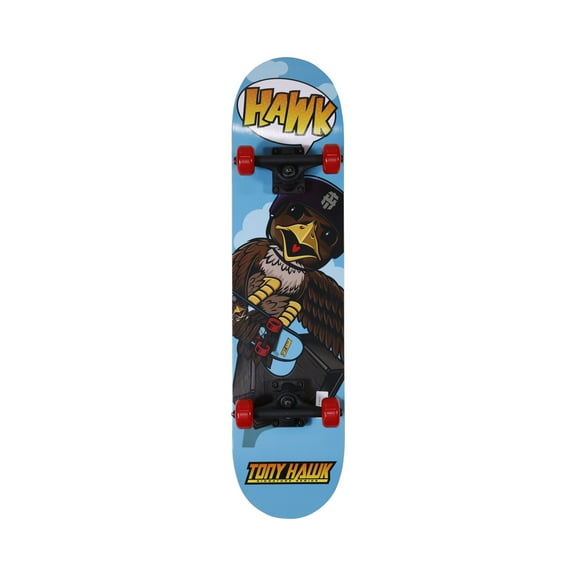
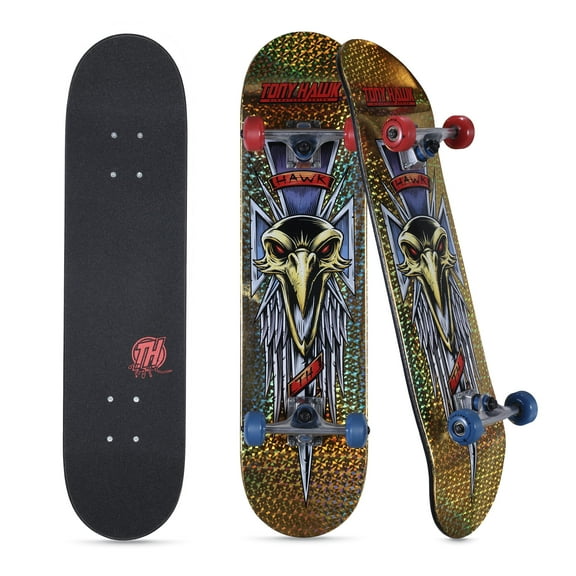
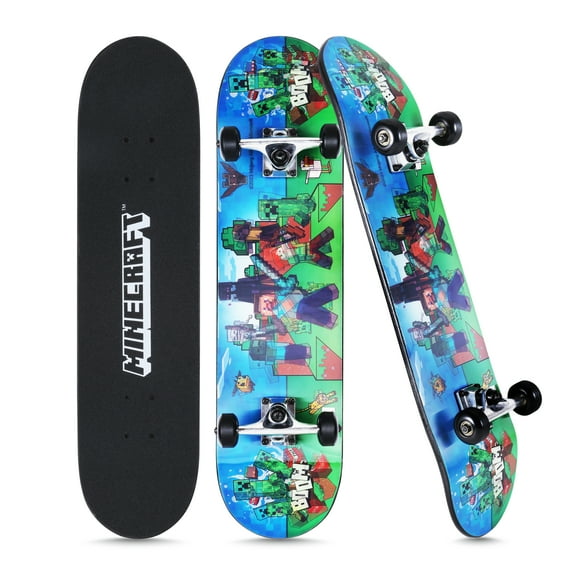
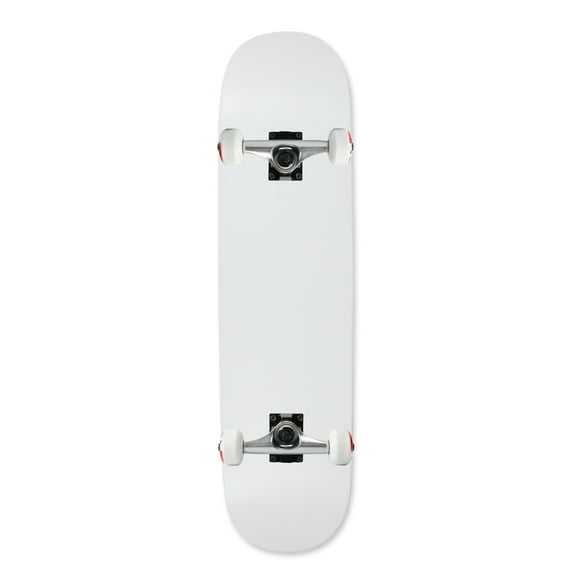
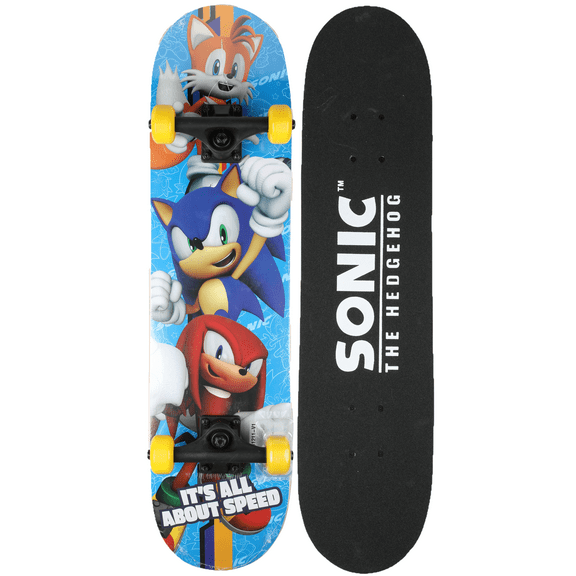
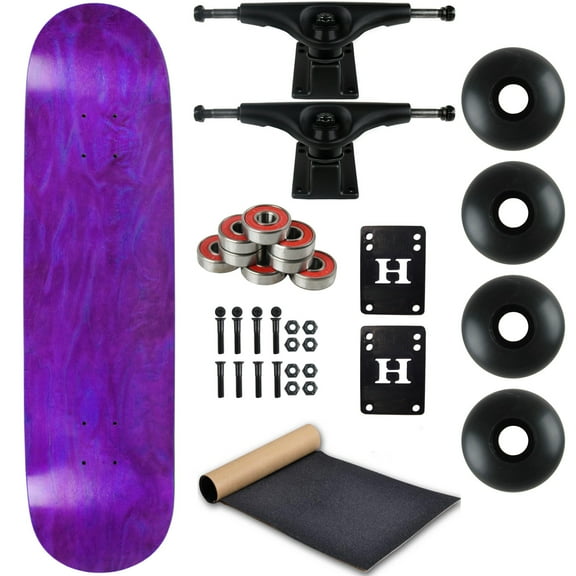
Complete skateboards work well when you want a deck, trucks, wheels, and grip tape already matched for everyday riding. You can get on the board faster, and you can spend less time comparing each separate component.
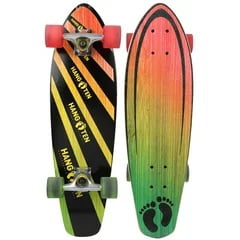
Cruiser boards suit shorter trips, smoother pavement, and relaxed turns around your block or campus. You'll usually notice a more compact shape or softer ride feel that fits casual rolling.
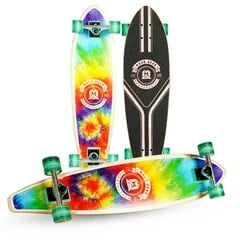
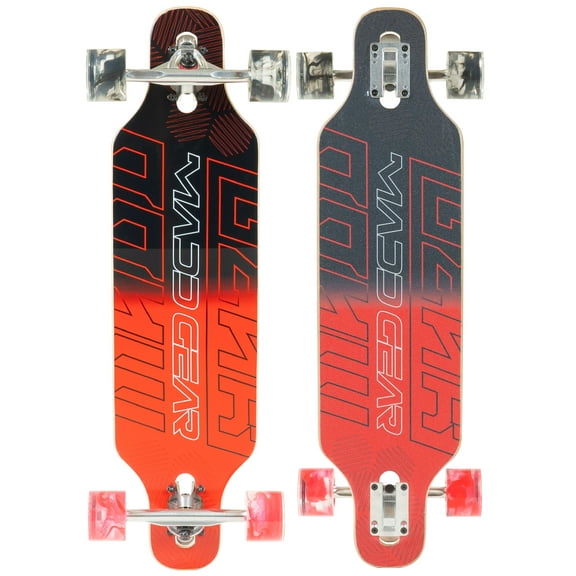
Longboards make sense when you want more deck length and a stable stance for longer routes. You can feel more planted during wide turns, and you can cover sidewalks or paved paths comfortably.
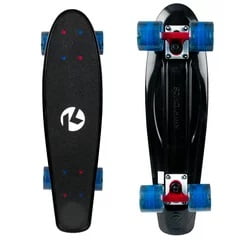
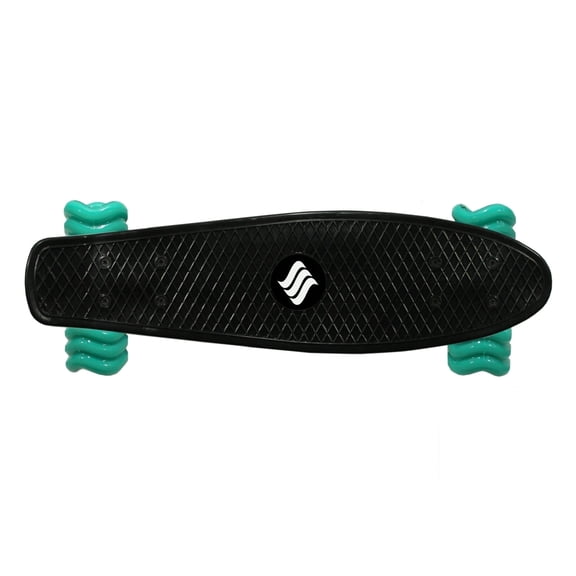
Penny boards appeal when you want a small board that's easy to carry between classes or errands. You can tuck one into tight spaces, and you can keep your ride simple for quick outings.
- You can choose complete skateboards when you want an easier start.
- You can pick cruiser skateboards when you want smoother neighborhood rides.
- You can compare longboards when you want extra length and stability.
- You can select penny boards when you want a compact carry-friendly option.
Choosing the right deck width and skateboard decks
Deck width matters because your stance, shoe size, and riding style affect how the board feels under your feet. You should compare 7.5-inch, 8.0-inch, 8.25-inch, and 8.5-inch skateboard decks before you commit.
A 7.5-inch deck can feel lighter and quicker when you want responsive flips and a narrower platform. An 8.0-inch deck gives you a balanced middle ground for street skating and many beginner setups.
An 8.25-inch deck gives you a little more standing room when you want added control on ramps or mixed terrain. An 8.5-inch deck can suit riders who prefer a wider platform and a steadier feel.
You should measure with your stance in mind, not only by looks. You may find that a wider deck feels more comfortable when you want stability, while a narrower deck feels easier to flick.
What to look for in trucks, wheels, and bearings
If you're building from parts, you should match skateboard trucks to your deck width for smoother turning and cleaner balance. You can avoid an awkward setup when your trucks line up closely with your deck edges.
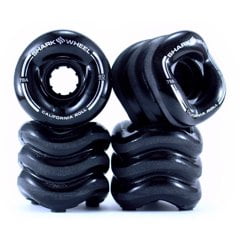
Skateboard wheels change how your ride feels across sidewalks, skate parks, and rough pavement. You should compare wheel hardness, because durometer helps you match your board to your usual surface.
Wheels around 99A often fit park and street skating when you want a firmer, faster feel on smoother ground. Wheels around 78A feel softer, so you can roll more comfortably over cracks and uneven pavement.
Bearings affect how freely your wheels spin, and grip tape affects how securely your shoes stay planted. You should check these parts together, because your setup works as a system instead of isolated pieces.
Comparing skill levels and skateboards for beginners
Skateboards for beginners should feel approachable, balanced, and simple to maintain during early practice sessions. You may want complete skateboards with standard shapes, because they remove guesswork from your first setup.
If you're at an intermediate level, you might compare deck widths and wheel hardness more closely. You can tune your ride around street tricks, park laps, or smoother cruising once you know your preferences.
If you're an experienced rider, you may focus on custom combinations that match specific tricks and terrain. You can swap decks, trucks, and skateboard wheels to fine-tune response, grip, and board feel.
You should also consider skateboarding gear that supports regular practice and everyday convenience. You can keep a helmet, pads, and extra hardware nearby, so your sessions stay organized and your setup stays ready.
How to match skateboarding gear to real use cases
For neighborhood rides, you may want cruiser skateboards or softer wheels that handle rougher pavement with a smoother roll. You can make short commutes feel easier when your setup matches sidewalks and side streets.
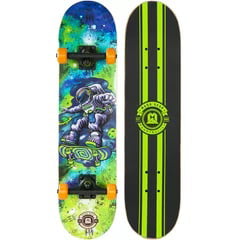
For park sessions, you may lean toward a standard popsicle deck with firmer wheels and a width that fits your stance. You can get a more predictable feel on smoother concrete and familiar transitions.
For campus carry or quick errands, you may prefer a penny board or compact cruiser board. You can store it more easily, and you can move through busy days without carrying a larger setup.
For learning basics, you should look at complete skateboards, protective gear, and a deck width that doesn't feel too narrow. You can build confidence step by step when your first board feels stable and ready.
When you compare skateboards with a clear plan for board type, width, wheels, and gear, you make your decision with fewer surprises. You can land on a setup that fits your routine, your terrain, and your next session right away.