

Car & Truck Replacement Horns in Exterior Car Parts & Accessories



















About Car & Truck Replacement Horns in Exterior Car Parts & Accessories - Walmart.com
Car truck replacement horns help you restore a clear warning sound and match your vehicle’s electrical setup. You can compare horn type, voltage, fitment, and tone style before you choose a part.
How to choose car truck replacement horns
Start with your vehicle’s voltage and mounting space, because those details shape which horn can work. You should check whether your system uses 12V or 24V before you compare sound styles.
Next, consider how you want your horn to sound in daily driving or work use. You may prefer a sharp single note, or you may want dual tone horns for a fuller sound.
You’ll also want to compare direct fit and universal options before you order. A direct fit option can match factory brackets, while a universal style may need extra wiring or hardware.
Key benefits you can expect
When you replace a weak or worn horn, you can bring back the sound your vehicle was designed to deliver. You’ll notice that a properly matched horn can feel more consistent during everyday driving.
You can also tailor the sound to your vehicle type and driving needs. Truck replacement horns often suit larger vehicles, while compact car horns may fit tighter mounting areas.
Another benefit is choosing installation complexity that fits your comfort level. You can pick a simple electric horn, or you can explore replacement air horns for a more involved setup.
- You can match 12V or 24V systems for smoother compatibility.
- You can choose direct fit or universal mounting based on your vehicle.
- You can compare single tone and dual tone horns for different sound character.
- You can select electric or air horn designs based on wiring and space.
- You can look for housings suited to rain, dust, and engine-bay heat.
Comparing horn type, voltage, and fitment
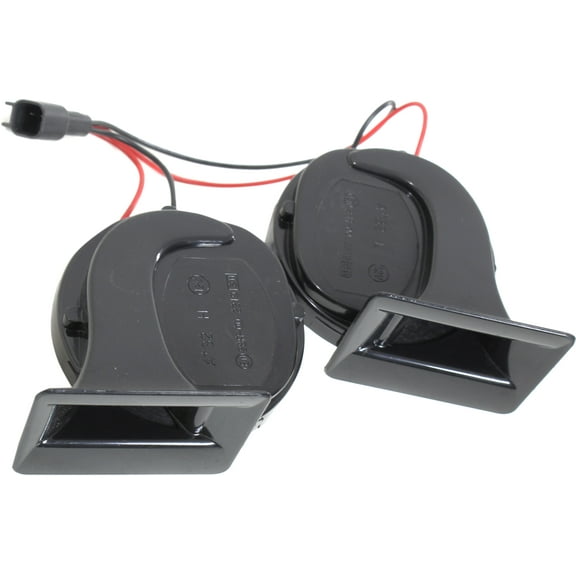
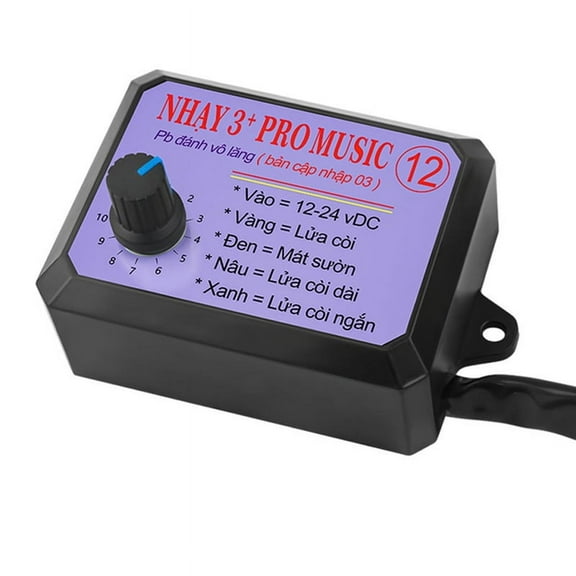
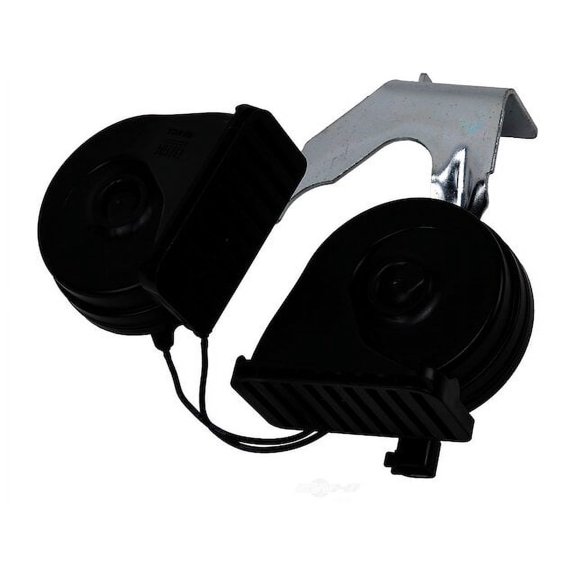
Electric horn designs are often the starting point when you want a straightforward replacement. You may find they suit factory-style wiring and compact mounting locations.
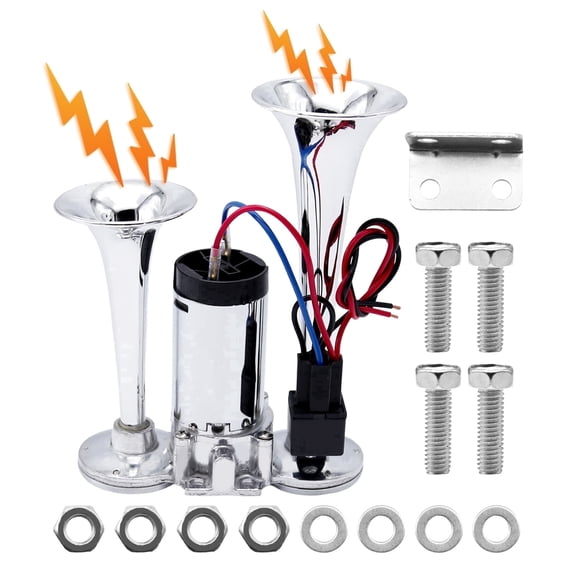
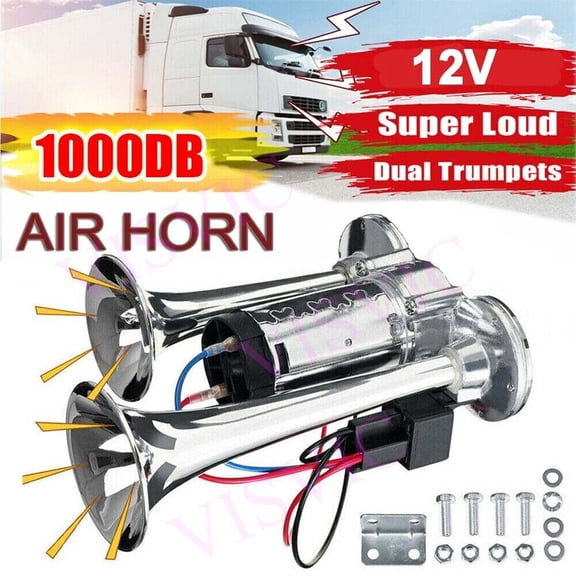
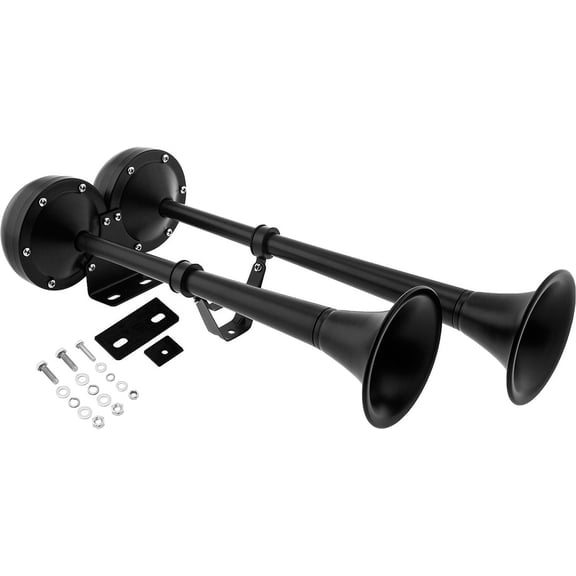
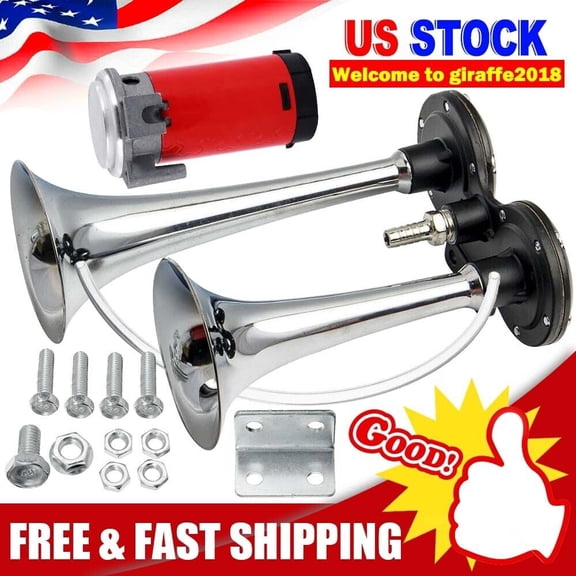
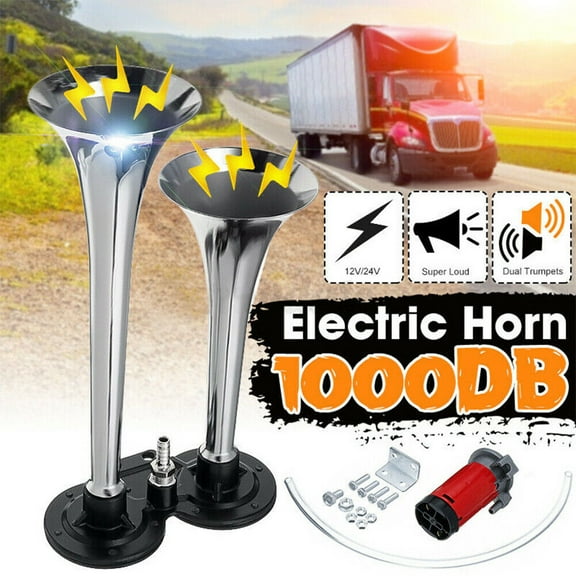
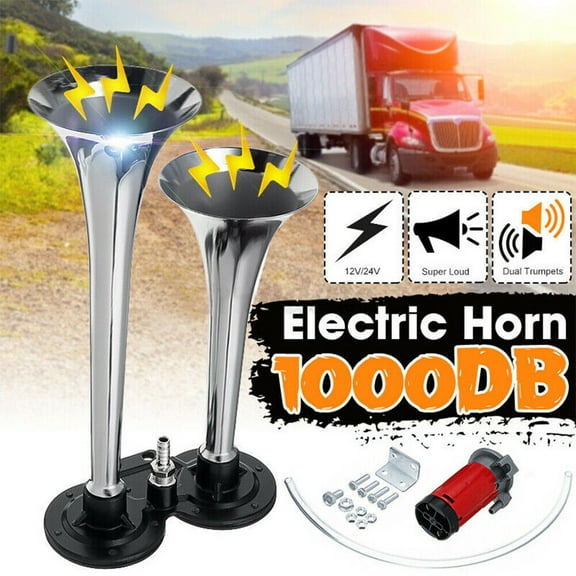
Replacement air horns usually need more room and added components, such as a compressor or relay. You should measure your available space and check whether your setup supports that installation.
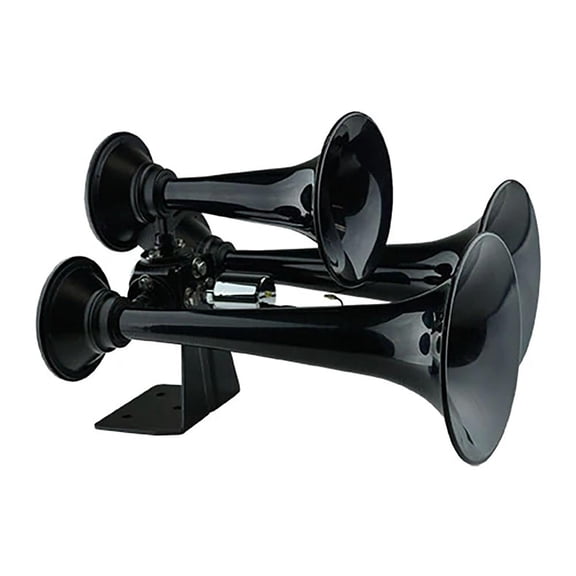
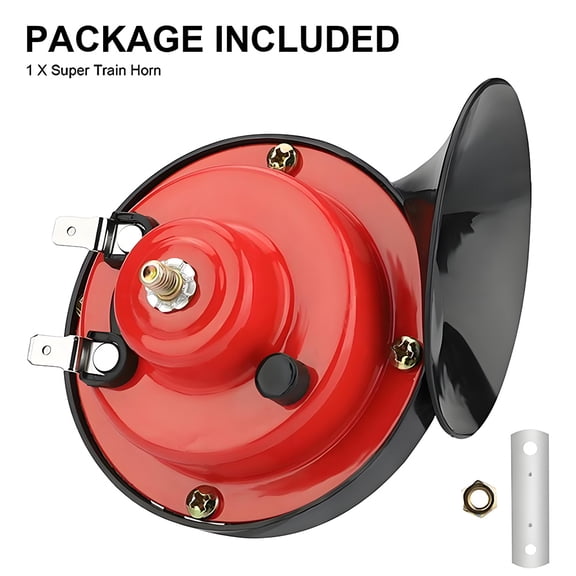
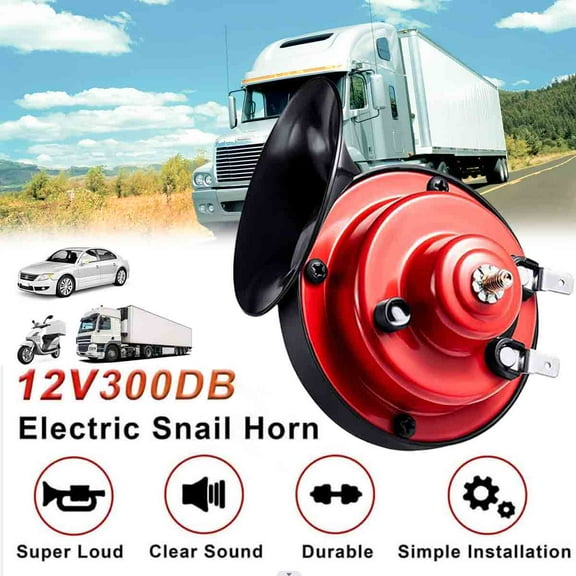
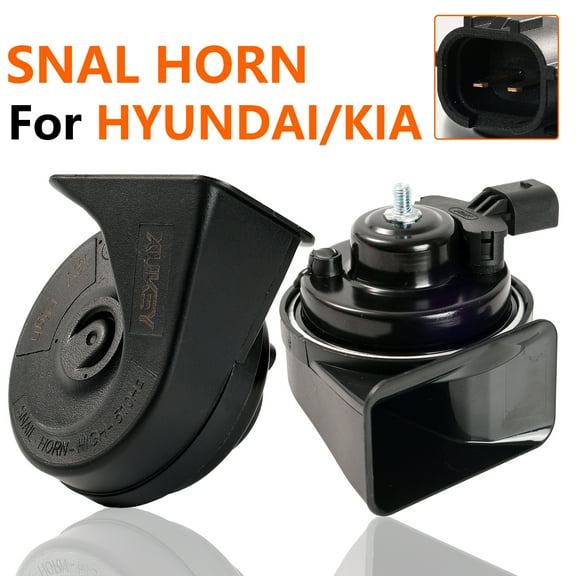
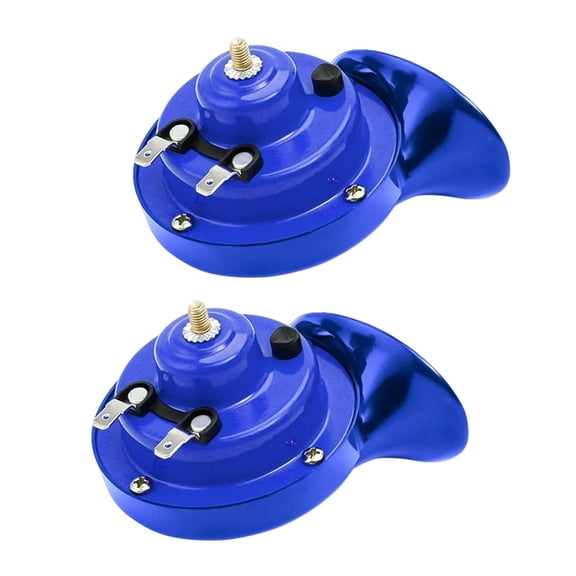
Snail horn styles can help you fit a replacement into tighter spaces under the hood. Train horn styles usually need more planning, so you should confirm clearance before you move forward.
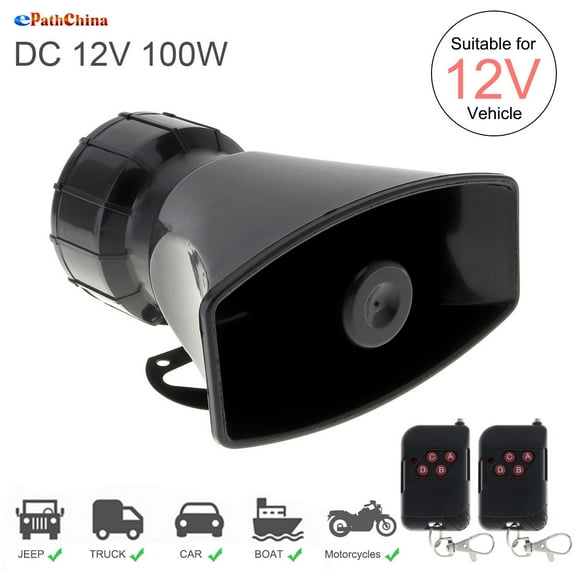
A 12v car horn fits many passenger vehicles, so you should verify your system before you choose. If your vehicle uses 24V, you’ll need a horn built for that electrical requirement.
Fitment matters just as much as voltage when you compare car truck replacement horns. You should look for bracket shape, connector style, and mounting depth if you want a smoother install.
Choosing sound level and tone style
Sound output often comes down to decibel rating, pitch, and tone configuration. You should compare those details together, because loudness alone doesn’t describe how a horn will sound.
Single tone options give you one clear note that can suit many factory-style replacements. Dual tone horns combine two notes, so you get a richer and more layered sound.
You may also compare high-pitch and low-pitch options based on the sound you prefer. A higher pitch can sound sharper, while a lower pitch can sound deeper and fuller.
If you’re considering loud car horns, you should still check fitment and wiring before you focus on volume. A strong sound only helps when the horn matches your vehicle’s system and space.
What to look for in installation and durability
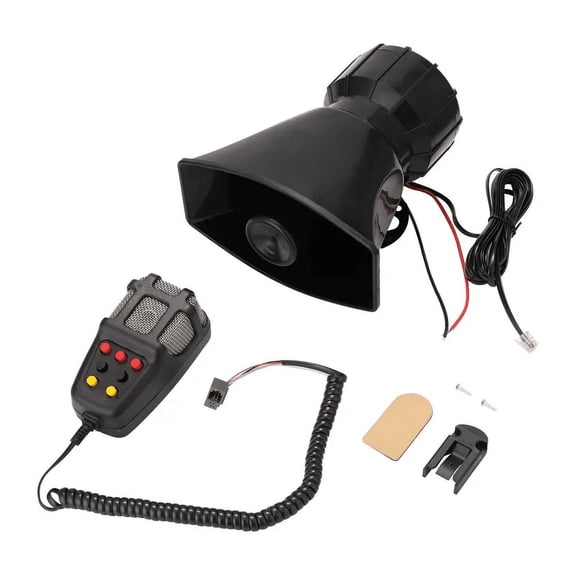
Installation can range from plug-and-play wiring to a setup that needs a relay, compressor, or extra hardware. You should compare the included components so you know what your project may involve.
If you want a simpler replacement, you may prefer a direct fit electric horn with factory-style connectors. If you want replacement air horns, you should plan for added wiring and mounting steps.
Durability also matters because your horn sits where rain, dust, and engine heat can affect performance. You should look for sealed housings, sturdy brackets, and finishes made for exterior exposure.
Truck replacement horns may need stronger brackets or larger mounting areas, especially on work vehicles. Car horns may need a smaller footprint, so you should measure tight spaces carefully.
Matching options to how you drive
If you drive a daily commuter, you may want a compact electric horn with a direct fit design. You can keep the project simple while matching the original voltage and connector style.
If you maintain a pickup or work truck, you may need truck replacement horns with more mounting flexibility. You should check bracket strength, wiring length, and available space behind the grille.
For custom builds, you might compare replacement air horns, train horn styles, or dual tone horns. You can use the category attributes to narrow choices by horn type, voltage, fitment, and tone.
When you choose car truck replacement horns with the right electrical match and sound profile, you get a cleaner install. You also get a horn that fits your vehicle and delivers the tone you expect.