

Food Storage Containers
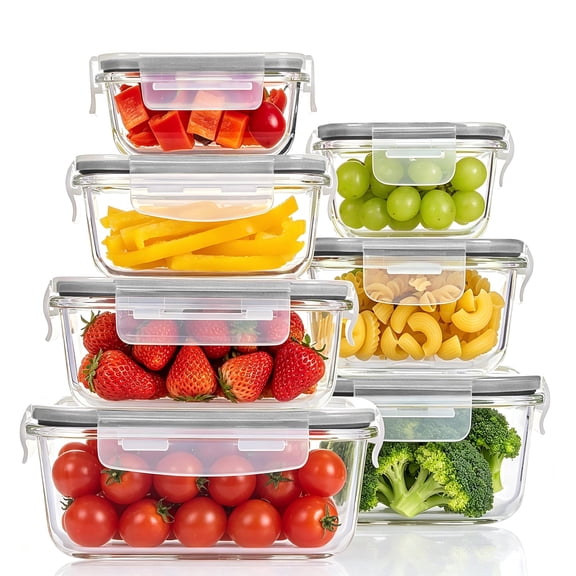

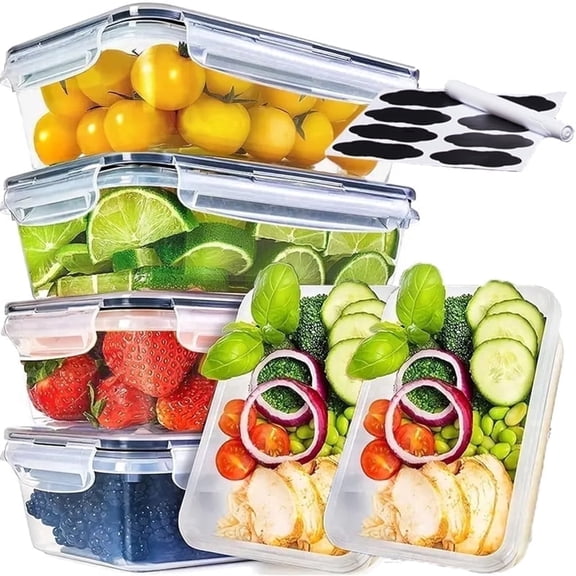
![Freshware Meal Prep Containers [50 Pack] 1 Compartment with Lids, Food Storage Containers, Bento Box, BPA Free, Stackable, Microwave/Dishwasher/Freezer Safe (32 oz)](https://i5.walmartimages.com/seo/Freshware-Meal-Prep-Containers-50-Pack-1-Compartment-Lids-Food-Storage-Containers-Bento-Box-BPA-Free-Stackable-Microwave-Dishwasher-Freezer-Safe-32-o_e0345c5f-7e9e-460d-99f9-feb2db0befd2.576ae5844107e5058eca8bbdd56a9904.jpeg?odnHeight=576&odnWidth=576&odnBg=FFFFFF)
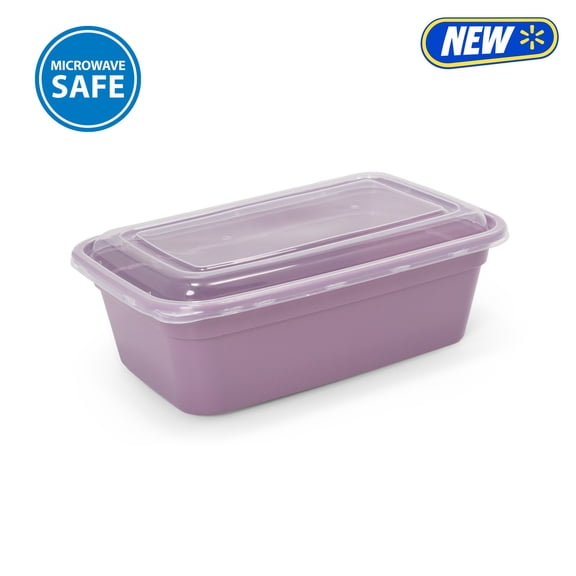





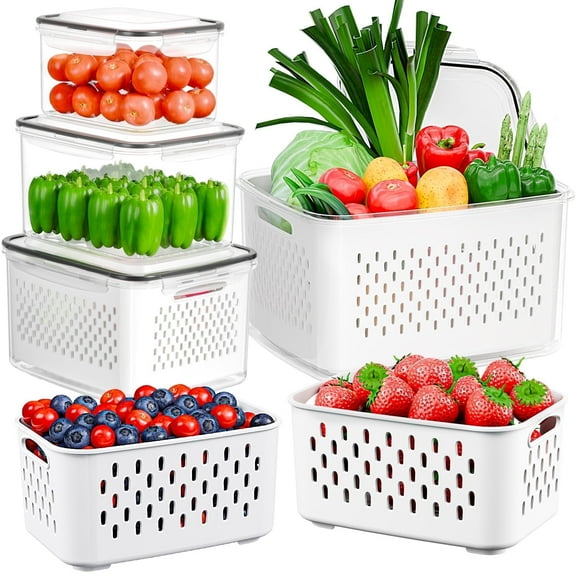















About Food Storage Containers - Walmart.com
With vtopmart food storage containers, you can organize dry goods, leftovers, and snacks with a clear system that fits your shelves. You’ll also get buying guidance that helps you compare materials, lid styles, sizes, and set counts for your kitchen.
How to choose vtopmart food storage containers
When you compare vtopmart containers, you should start with what you store most often and where you store it. You’ll usually narrow your choice faster when you check material, seal type, shape, and capacity first.
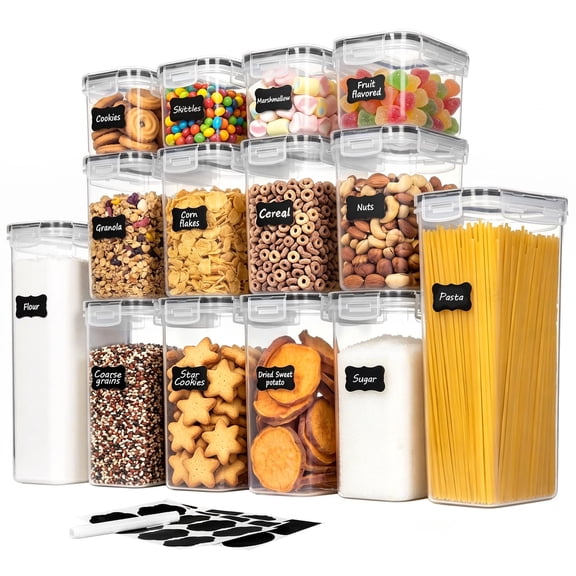
If your pantry holds cereal, flour, pasta, or baking staples, you may want a modular layout that lines up neatly. If your kitchen mixes leftovers and meal prep, you may prefer multiple sizes that cover everyday use.
Choosing material for plastic food storage containers
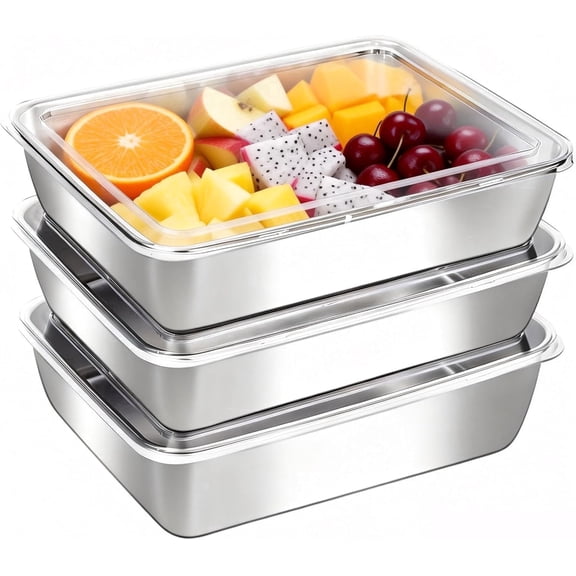
You should check material first because it affects weight, visibility, and daily handling. You’ll often find plastic, glass, acrylic, and BPA-free plastic options across this category.
If you want lighter containers for frequent pantry access, you may lean toward plastic food storage containers. You’ll usually notice they’re easier to lift, stack, and move during busy meal prep.
When you compare BPA-free plastic, you should look for clear labeling and food-contact guidance. You’ll want that detail when you sort cereals, grains, snacks, or baking ingredients into everyday pantry organization containers.
If technical grades like PET or PP appear, you should treat them as material clues for intended use. You’ll still need to check whether each container supports dishwasher, microwave, or freezer use.
- You can use clear bodies to spot ingredients quickly.
- You can choose lighter plastic options for frequent shelf access.
- You can compare BPA-free labels when food-contact details matter to your routine.
- You can match material weight and durability to pantry or fridge storage.
Comparing airtight food storage containers by seal type
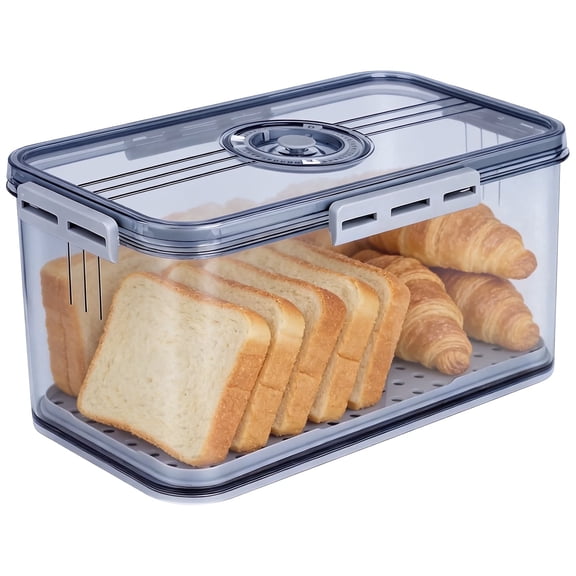
You should compare seal design closely because lid construction changes how securely contents stay enclosed. You’ll commonly see side-locking lids, silicone seals, screw-on tops, and press-fit closures.
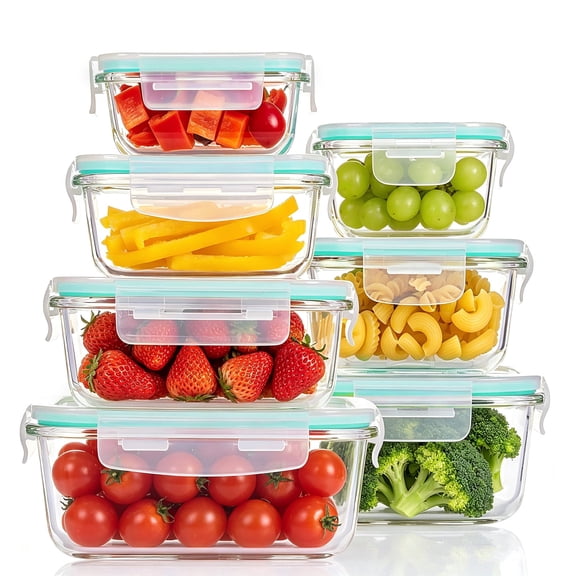
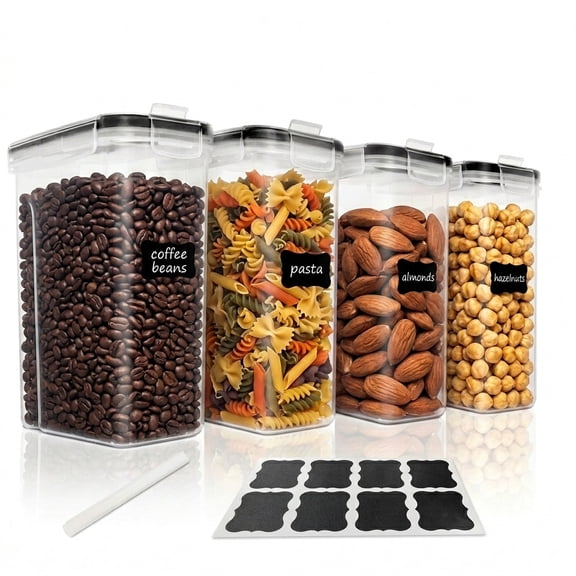
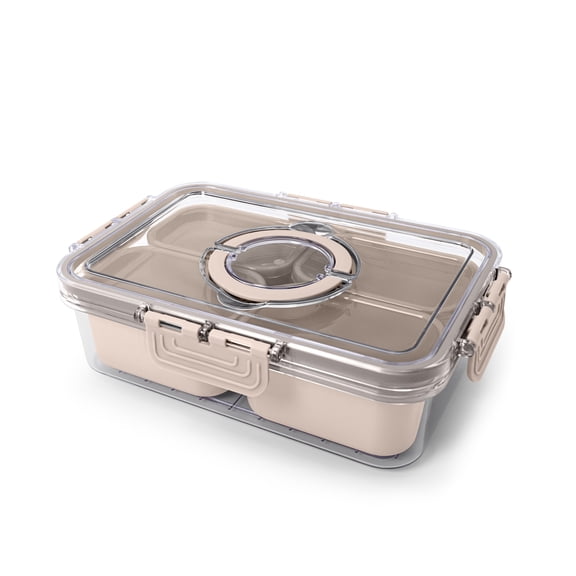
If you store cereal, coffee, sugar, or crackers, you may prefer airtight food storage containers with locking lids. You’ll often get a firmer close that feels more structured during repeated opening and closing.
When you see a silicone seal, you should check how evenly it sits around the lid edge. You’ll want that consistent contact because it helps create a more enclosed fit for pantry staples.
If you need quick access for snacks or frequently used ingredients, you may like press-fit or screw-on styles. You’ll want to compare convenience with how often you open, pour, and reseal each container.
Choosing shape and stackability for cabinet fit
You should measure your shelves before you choose rectangular, square, or round containers. You’ll avoid wasted vertical space when you match shape to pantry depth and cabinet height.
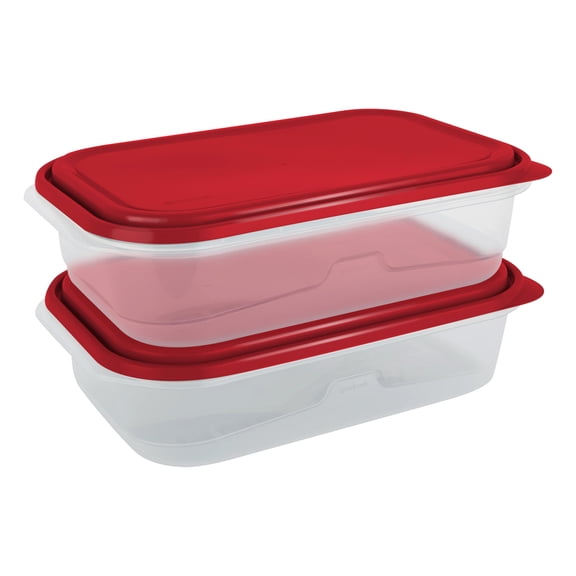
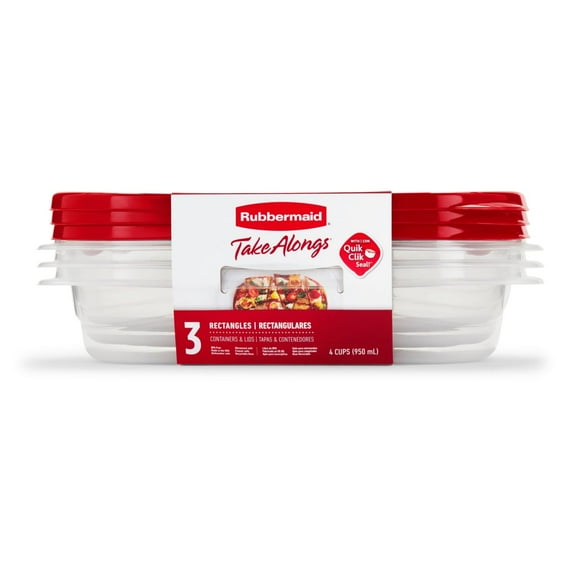
Rectangular and square designs usually help you line up more containers with fewer gaps. You’ll often get a cleaner pantry layout because flat sides sit closer together on shelves.
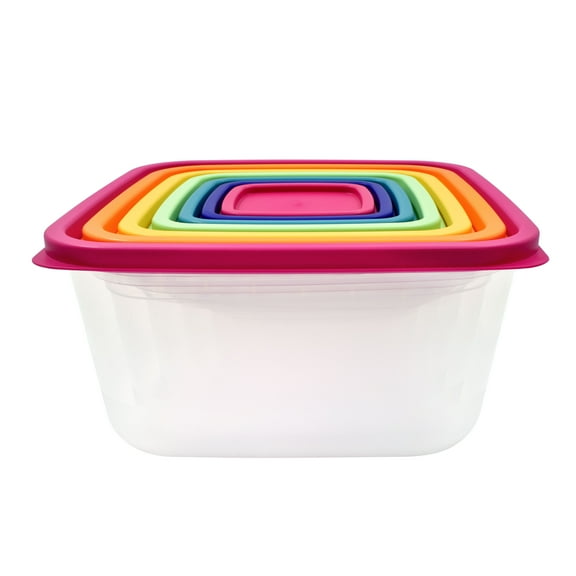
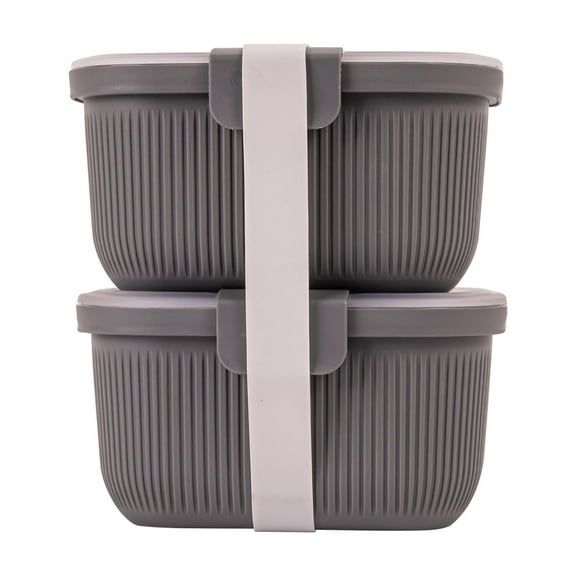
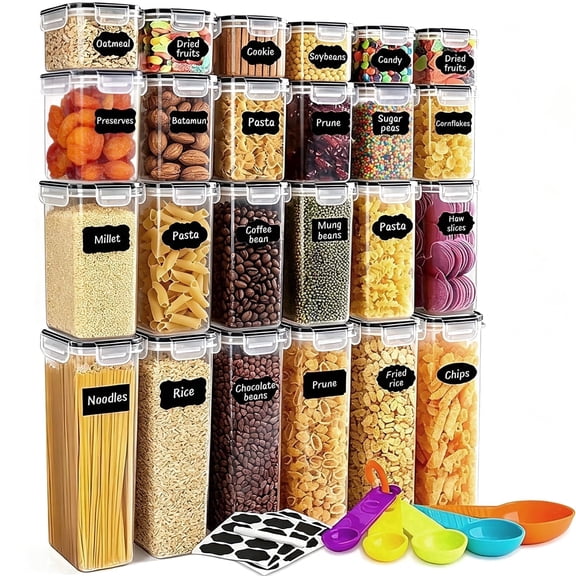
If you want a uniform look, you should compare modular stackable designs. You’ll find they can help you build tidy rows for pasta, rice, baking goods, and grab-and-go snacks.
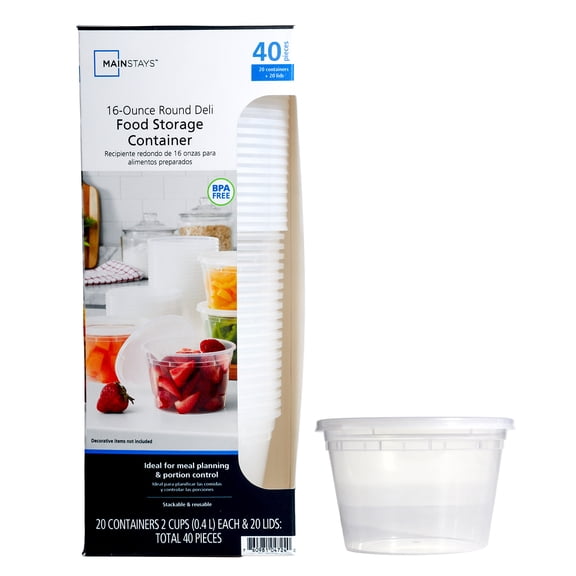
Round containers may suit smaller items or spots where you reach in often. You’ll want to check whether curved sides affect how efficiently your shelves hold multiple pieces.
Choosing capacity, size, and set count
You should pick capacity based on what you buy and how often you refill staples. You’ll usually see large bulk, medium pantry, small spice, and multi-size sets in this category.
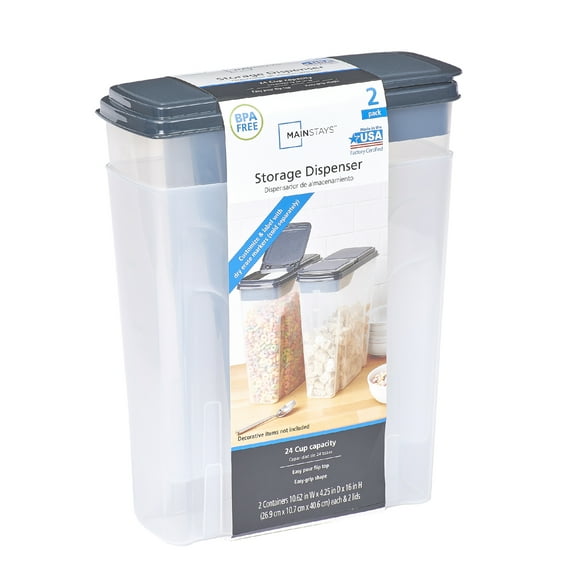
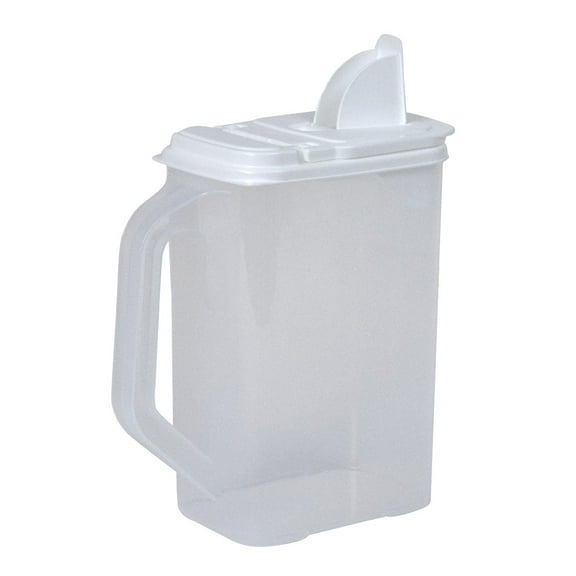
If you buy family-size cereal or flour bags, you may need large bulk containers with wide openings. You’ll appreciate easier pouring and simpler scooping during breakfast prep or baking.
Medium pantry sizes work well when you rotate ingredients often and want flexible storage. You can use them for oats, sugar, rice, nuts, or dried fruit without overcommitting shelf space.
Small spice sizes help you sort seasonings, toppings, and baking add-ins into matching containers. You’ll get a more organized drawer or shelf when labels and sizes stay consistent.
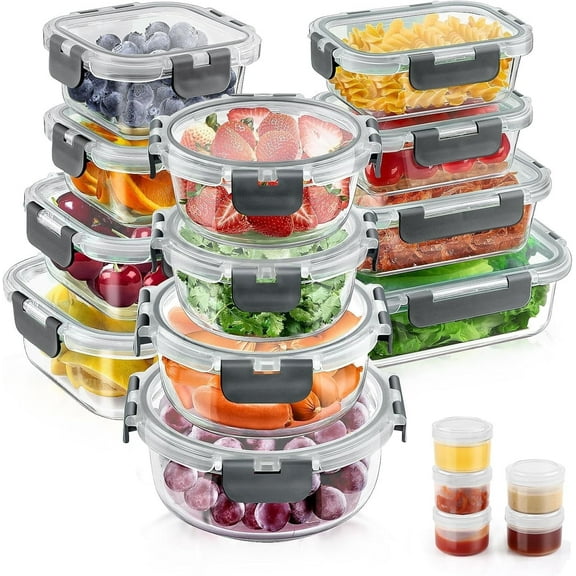
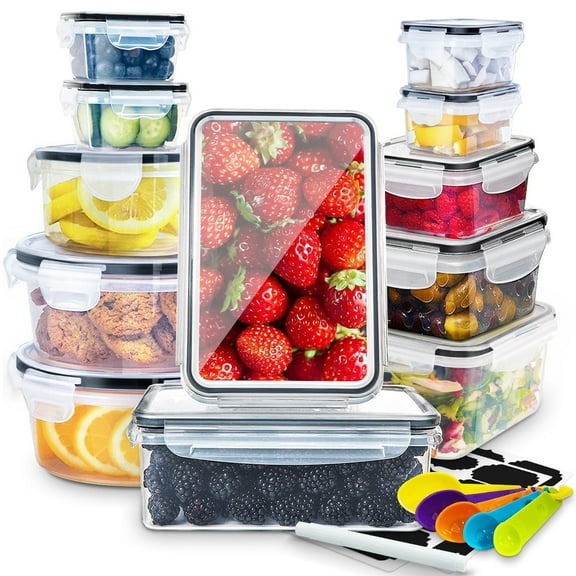
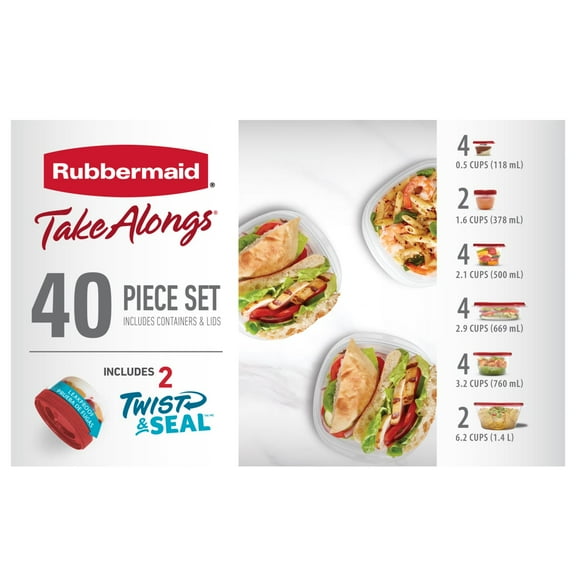
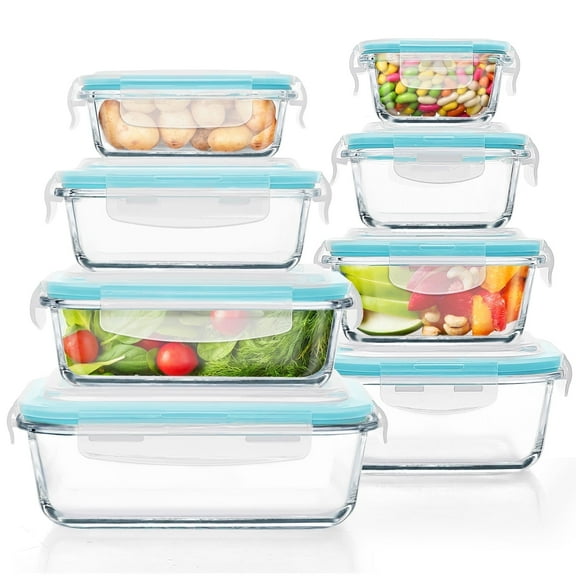
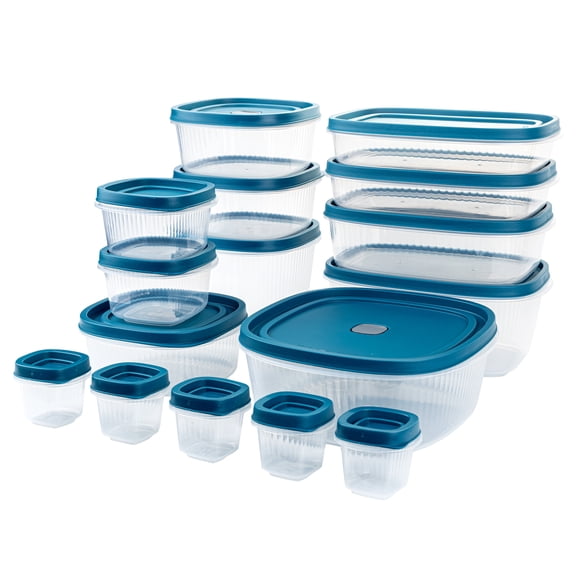
You should also compare set count because a 24-piece set serves a different plan than a six-pack. You’ll want multi-size collections when your pantry holds mixed ingredients and changing quantities.
Checking dishwasher, microwave, and freezer guidance
You should always check temperature-use guidance before you choose containers for leftovers or batch cooking. You’ll find that dishwasher, microwave, and freezer compatibility can vary by material and lid design.
If you want easy cleanup, you should confirm whether both the base and lid are dishwasher safe. You’ll avoid guesswork when product details clearly separate top-rack guidance from full dishwasher compatibility.
When you plan to reheat food, you should verify microwave guidance for the specific container material. You’ll also want to confirm whether lids should be removed or vented during warming.
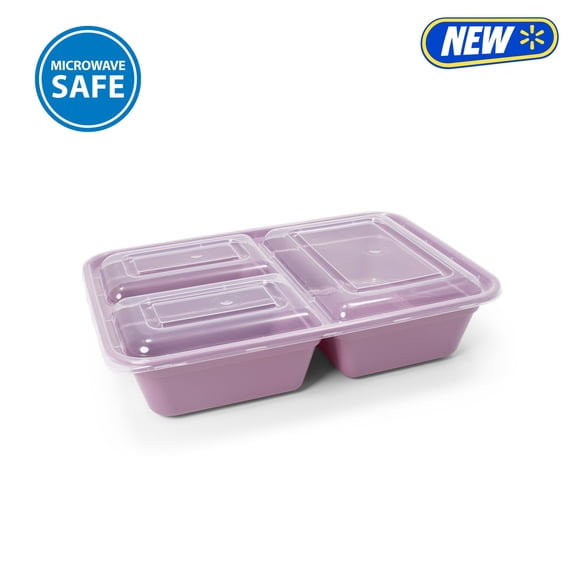
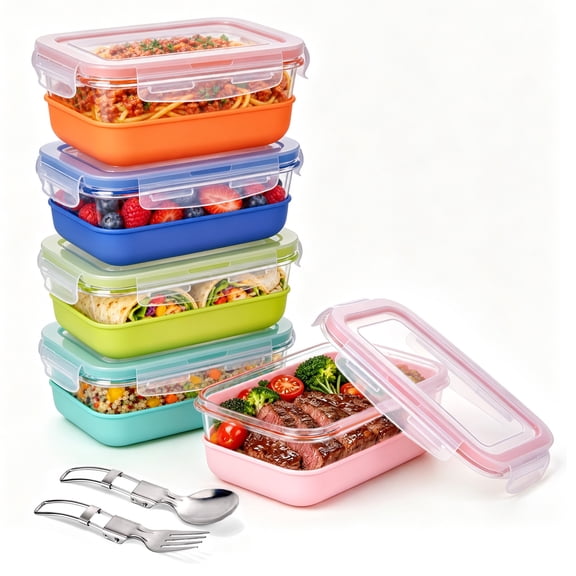
If you prep meals ahead, you may want freezer-friendly options for portioning and stacking. You’ll benefit from checking shape and lid fit so containers stay easy to arrange in tighter freezer spaces.
Using pantry organization containers in real kitchens
You can use pantry organization containers to turn mixed packaging into a cleaner, easier-to-read shelf setup. You’ll spend less time searching when flour, cereal, pasta, and snacks have dedicated spaces.
If your cabinets are narrow, you should compare rectangular containers in medium heights. You’ll often fit more items front to back while keeping labels visible from the cabinet door.
For baking stations, you can combine large bulk pieces with smaller containers for sprinkles, chips, and sugars. You’ll create a setup that supports quick prep without bulky original boxes.
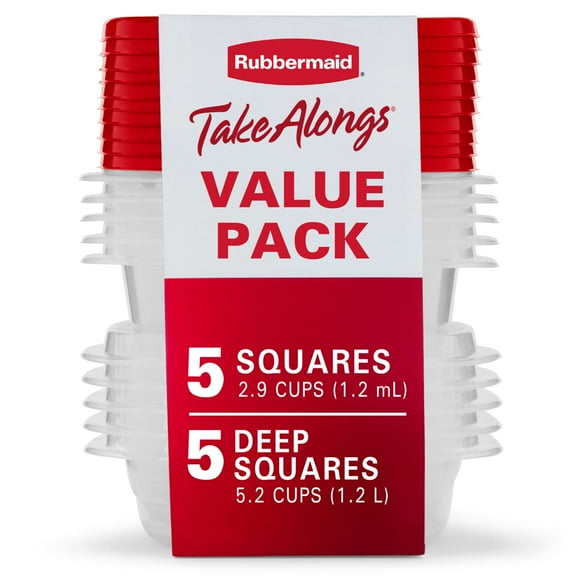
If your household packs lunches, you may prefer smaller and medium sizes for crackers, trail mix, and leftovers. You’ll appreciate containers that stack neatly in the fridge between uses.
When your kitchen stores dry goods and prepared foods together, you should compare multi-size sets carefully. You’ll get a more flexible system that adapts as your pantry and fridge change through the week.
With the right combination of material, seal, shape, and size, you can build a storage system that feels orderly every day. You’ll make pantry organization easier when your containers fit your shelves, your food, and your routine.