













Kitchen Storage & Organization
Shop by category
Top kitchen storage deals
More to explore


Tidy solutions by area


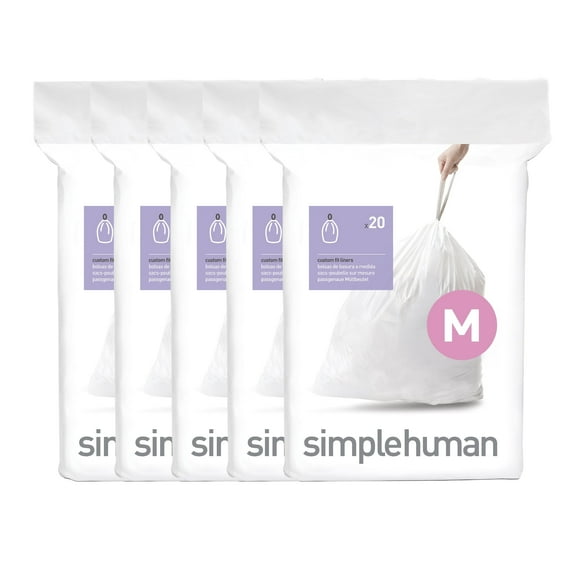

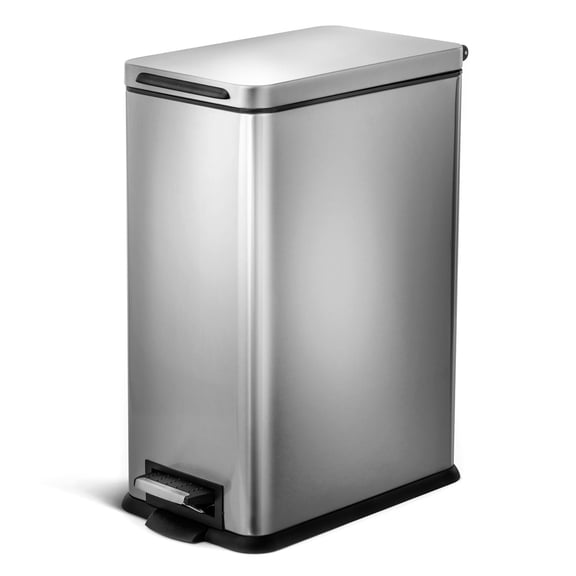
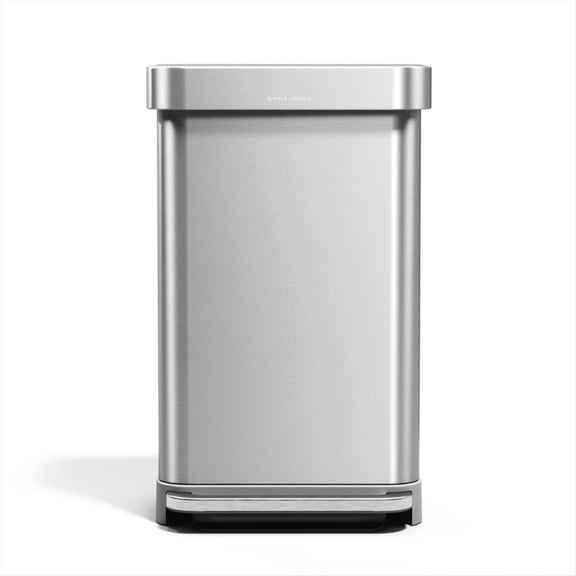
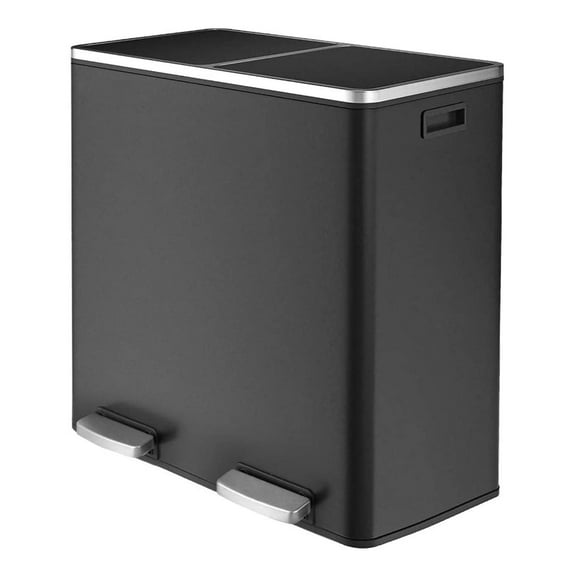

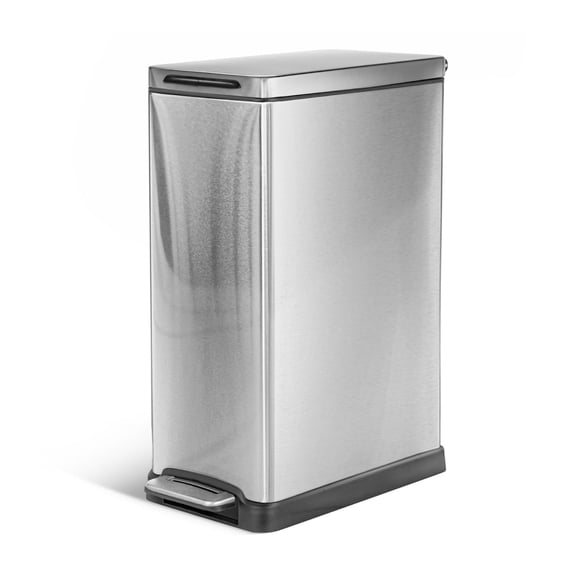
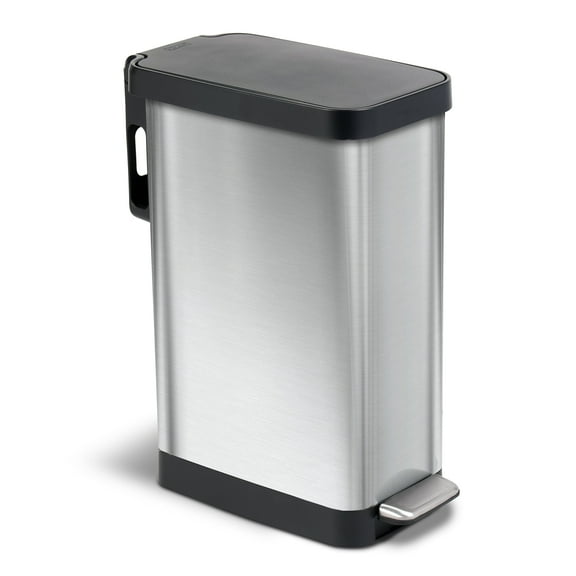
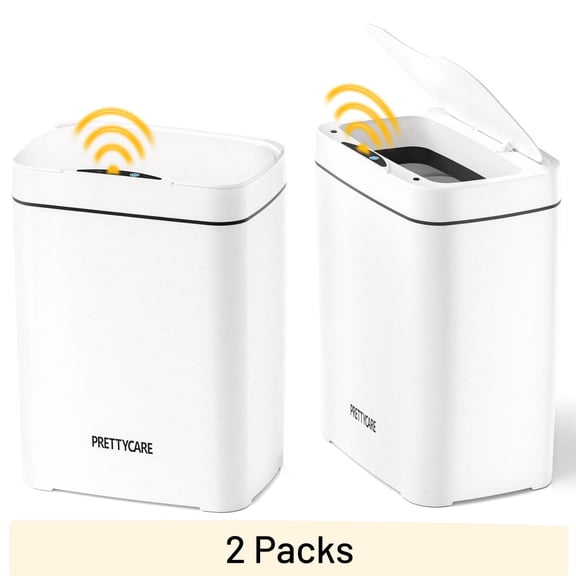
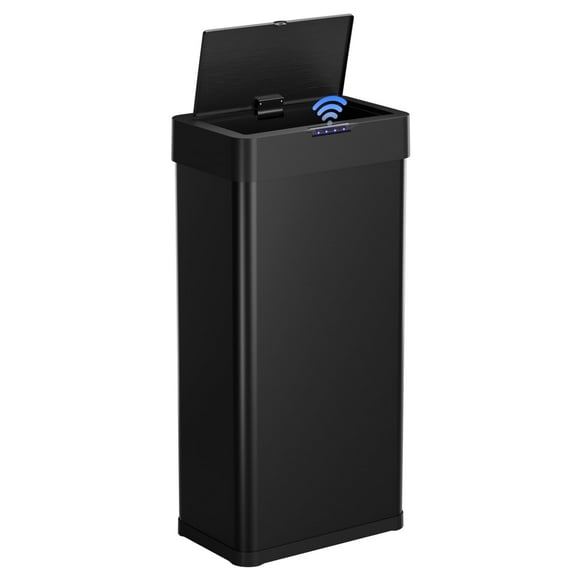
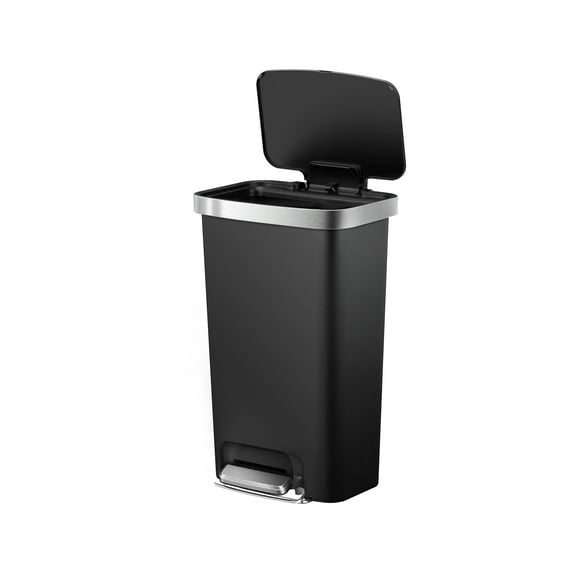
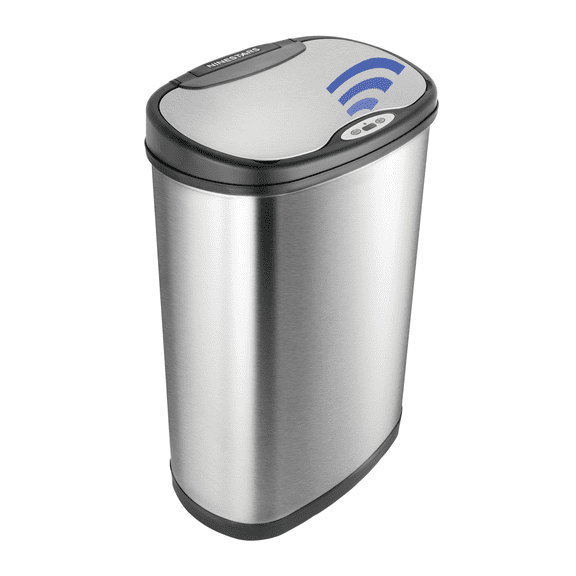

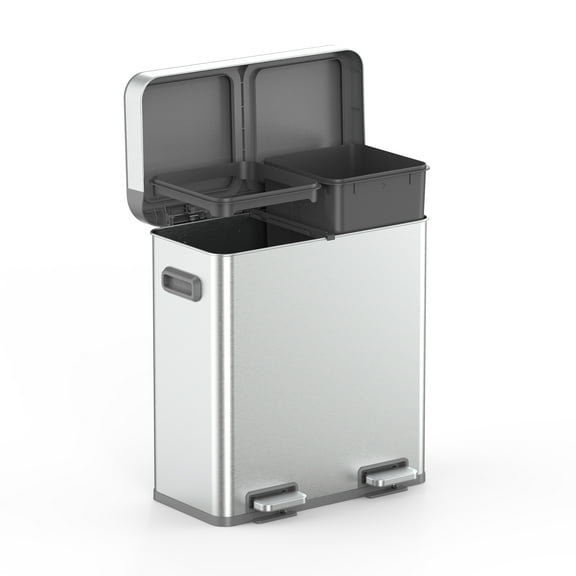
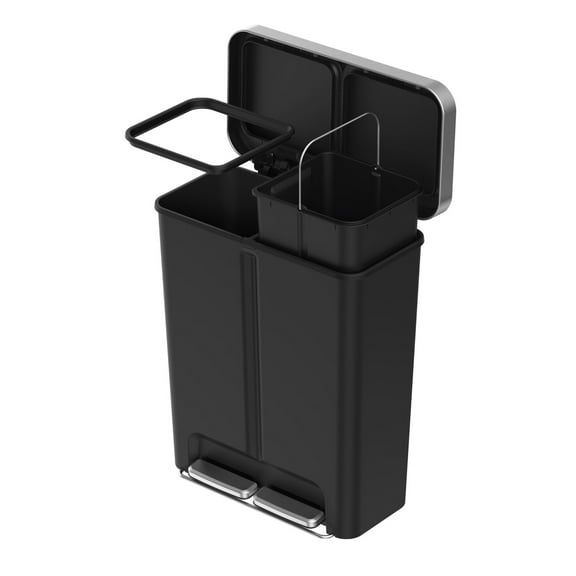
Neat kitchen solutions

Shop by brand






FAQ
About Kitchen Storage & Organization - Walmart.com
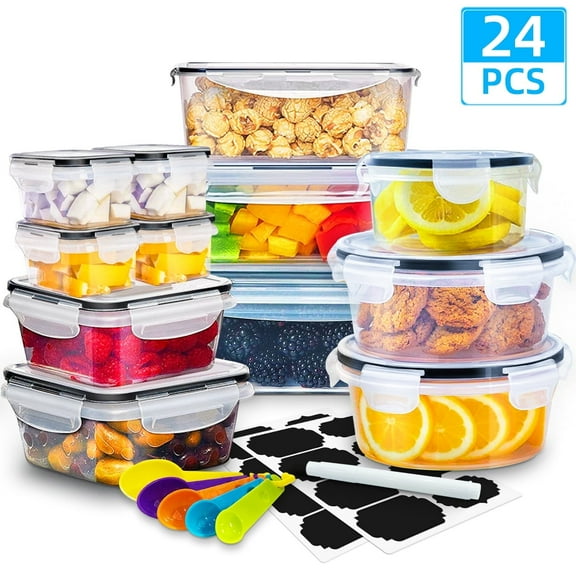
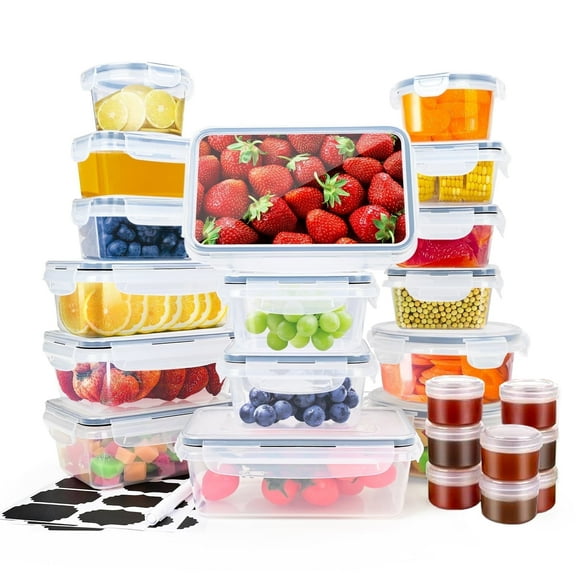
You can improve kitchen organization with space-smart storage that helps your pantry, cabinets, drawers, and counters stay easier to use. You’ll find options like bins, racks, drawer dividers, and canisters that make daily prep feel more orderly.
When your kitchen feels crowded, the right layout helps you separate snacks, baking tools, spices, wraps, and meal-prep staples. You can compare storage type, location, and product form to match how your kitchen actually works.
How to choose kitchen organization for your space
You should start by measuring the spots where clutter builds up most often. Your cabinet depth, drawer width, shelf height, and under-sink clearance can guide a smarter pick.
If your shelves feel messy, you may want bins or canisters that group similar items together. If your utensils shift around, you may prefer drawer dividers that keep sections neat.
For everyday items, you can use countertop racks or canisters that keep coffee pods, fruit, or cooking tools within reach. For hidden storage, you can focus on pantry, cabinet, drawer, or under-sink organizers.
- You can sort snacks, packets, and produce with bins that make categories easy to spot.
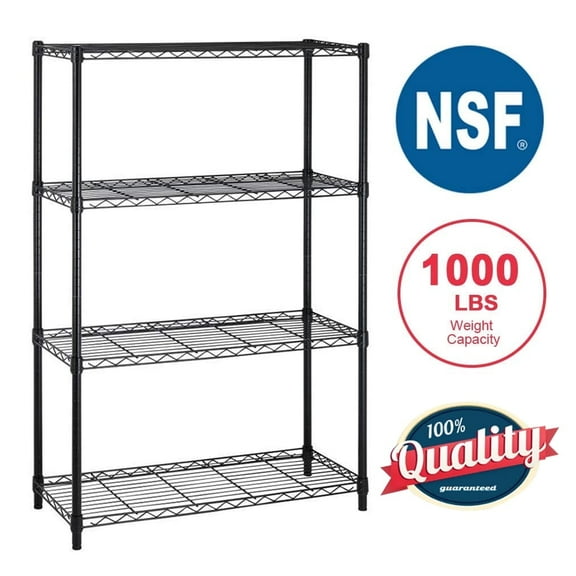
- You can add racks to create vertical layers for plates, mugs, lids, or canned goods.
- You can use drawer dividers to separate flatware, gadgets, wraps, and prep tools.
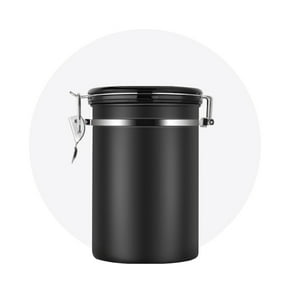
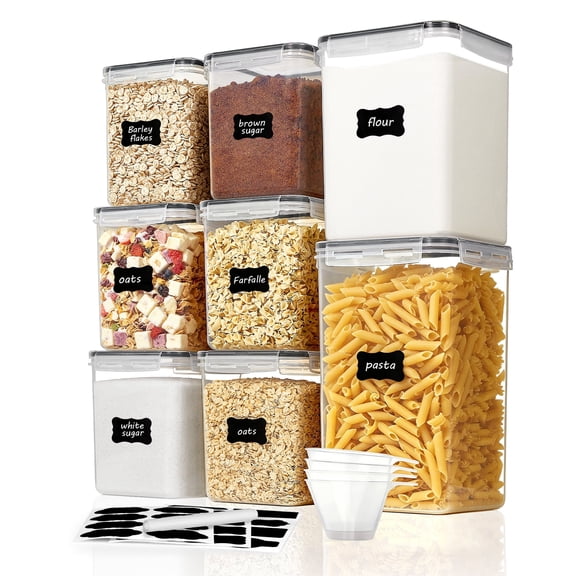
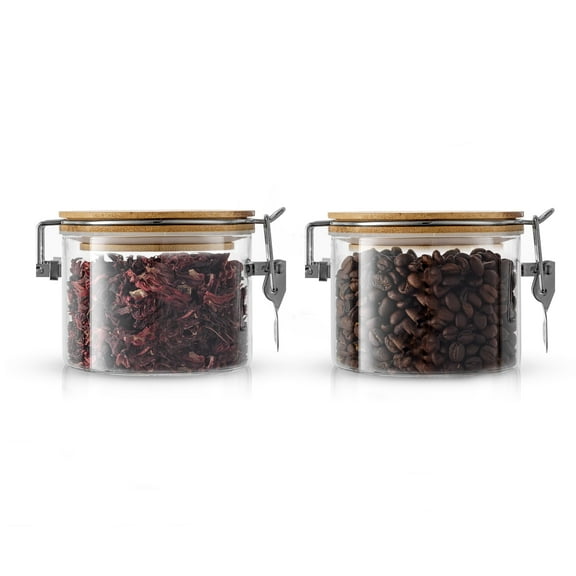
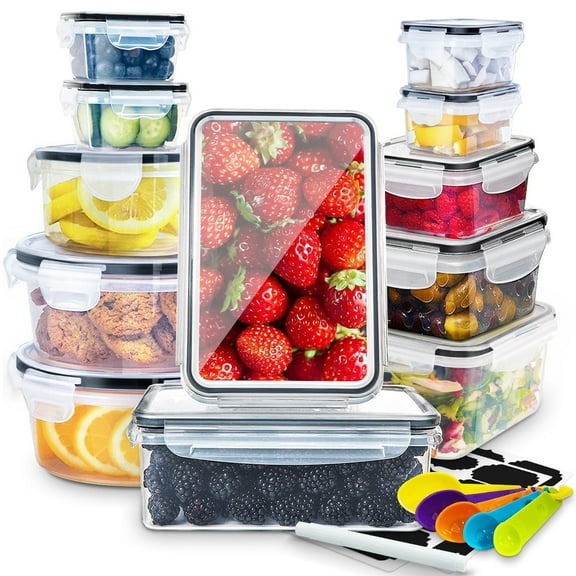
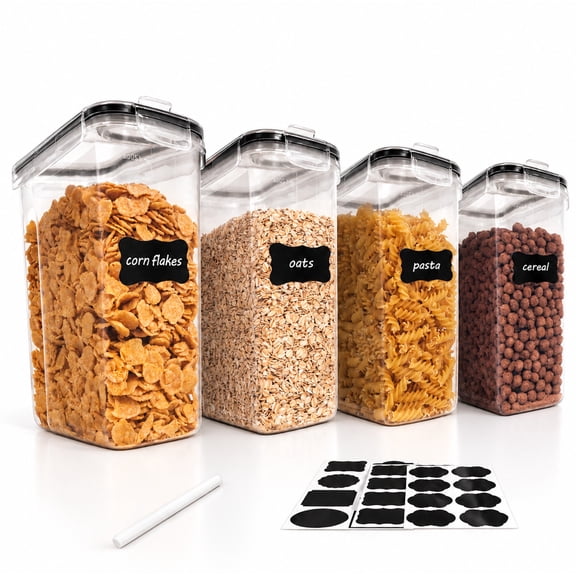
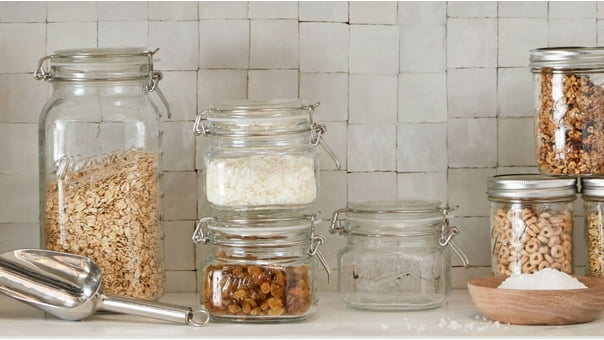
- You can choose canisters or kitchen organization containers for dry goods like pasta, flour, cereal, and sugar.
Choosing a kitchen organizer by storage location
You should match each kitchen organizer to the area where you need faster access. Your pantry often needs stackable bins, while your drawers may need adjustable dividers.
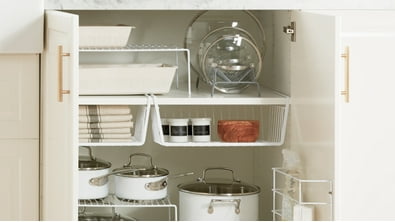
Inside cabinets, you can use risers, shelves, or organizer boxes for kitchen tools, lids, and cleaning items. Under the sink, you may need narrower shapes that fit around plumbing and tall bottles.
On countertops, you can choose compact organizers that hold daily-use items without taking over prep space. In the pantry, you can compare clear containers and labeled bins to keep staples visible.
If your kitchen is small, you can focus on slim profiles and stackable designs that use height well. You may also look for small kitchen organization products that fit apartment cabinets and narrow shelves.
What to look for in kitchen organization containers
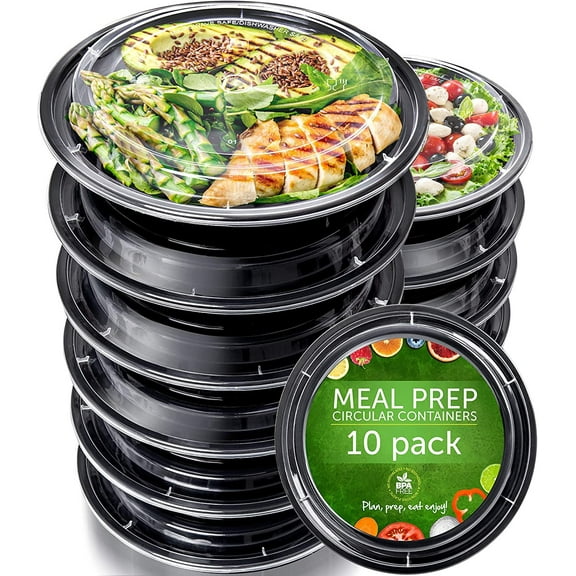
You should check material details before you choose kitchen organization containers for food storage. Your search may include BPA-free and food-grade containers for pantry ingredients and leftovers.
If easy cleanup matters, you can look for dishwasher-safe pieces that simplify routine care. You may also prefer shatter-resistant materials that hold up through busy weekly use.
Clear walls can help you identify pasta, rice, cereal, and baking ingredients at a glance. Tight-fitting lids can also help your shelves look tidier and more uniform.
When you compare a kitchen storage set with individual pieces, you should think about consistency and flexibility. Your set can create a matched look, while single containers can fill specific gaps.
Comparing bins, boxes, sets, and organizers
You can use product form as a simple way to narrow your choices. Your needs may point to containers, boxes, sets, or mixed organizers depending on what you store.
Bins work well when you want quick grab-and-go access for packets, snacks, and produce. Boxes can help you corral wraps, tea, pouches, or smaller tools that slide around.
A kitchen storage set can help you organize dry goods with matching heights and lid styles. Mixed organizers can help when your pantry, drawers, and cabinets all need different shapes.
If stackability matters, you should look for bases and lids that sit securely in vertical arrangements. You can make better use of shelf height when your containers stack without wobbling.
Using kitchen organization and storage in real routines
You can set up zones that match how you cook, pack lunches, and put groceries away. Your breakfast shelf, baking section, and snack area can each stay easier to maintain.
For meal prep, you can use canisters for grains, bins for sauces, and drawer dividers for tools. Your routine feels smoother when each item has a clear home.
If you stock up in bulk, you may want larger containers with wide openings for scooping and refilling. You can pair those with labels to keep flour, oats, pasta, and cereal easy to identify.
For family kitchens, you can place kid-friendly snacks in lower bins and cooking supplies on higher shelves. Your setup can support faster cleanup after school, dinner, and weekend baking.
You can also connect your setup with related spaces like pantry organizers, food storage containers, and drawer and cabinet organizers. Your kitchen organization plan works better when each zone supports the next.
You can create a cleaner workflow when your kitchen organization choices fit your space, storage habits, and daily routine. Your shelves, drawers, and counters stay easier to manage with containers and organizers that match real use.